Quit Drinking & Built $100M Empire | How James Dainard Turned Rock Bottom to $1B and 1,000 Doors
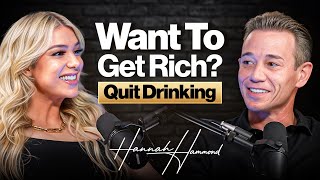
James Dainard quit drinking at 19 after a car wreck and built a vertically integrated real estate empire through door-knocking, wholesaling, and syndications. He runs five complementary businesses, closes 5-7 syndication deals yearly on $4-6M properties, and targets $100M in combined assets within 3-4 years.
Questions this video answers
19
Sammamish, Washington
BiggerPockets
November 18 (pre-sale mentioned)
30–50 unit buildings
Chapters
Haven't drank in a very long time, since I was 19. And I do believe that that is why I'm at where I'm at today. I grew up in Sammamish, Washington. My parents, at the time had a very small business. And so at a young, young age, about 8 years old, I started working in a warehouse in my early days. I quit drinking at 19 years old. You know, I was a pro. Like, even though I was working, I was going to school. I like to get after on the weekends. On my 19th birthday, I wrecked my car. And I just remember I woke up and I was in a hospital bed, and I was like. And I was looking at the friends that I was surrounded with and where they were going in life and where I was starting to go in life, and it was not matching with my work ethic. And, you know, at that point, I kind of had that moment of clarity of going like, wow, my life is not going well. There's nothing more demoralizing than wrecking your car on your birthday, waking up in a hospital bed, being handcuffed down a hospital bed. And I just remember I was like, you know what? I'm gonna take a break from this for one year. I was like, I just need to go refocus. Because I had graduated high school, I was supposed to be going to college, and I ended up choosing to be a bartender, a waiter, instead of going to college, which is a bad decision. And then taking that break and really focusing on myself, it allowed me to restructure my life, get back in college, getting through college. I was being relentless on where I wanted to be, because what I did know is I did not want to be that kid in the hospital today.
I'm super excited to be sitting here with James Dainard, who just moved to Arizona. And he's just an absolute gem of a human being. He's built the real estate empire that I have always dreamed of building, and I know many of us do. He has almost a thousand units, doors of real estate in his portfolio. He just released a book called the Flipping Framework.
Yep.
You just published it, right?
Yep. Bigger Pockets just published it for us.
Awesome. Yeah. He's the host of the BiggerPockets podcast. Which one is that called?
The on the Market. Yeah, the best one.
Yeah. Host of on the Market. The Bigger Pockets podcast. I mean, the list goes on and on. He has a real estate brokerage in Washington, a covers.
Yeah, we have a real estate brokerage, which is Heat Gaynor. And then we have.
Yeah, what's the syndication That's Covert Capital, where we. Okay.
We acquire multifamily buildings, do value add. Okay. Syndication. Cool.
Yeah. So Heaton Danard in Washington is his real estate brokerage. He has a academy where they teach flipping, wholesaling, private money lending. He has a private money lending company and fund and a multifamily syndication fund called Covers Capital. And literally, I have no idea how you do it all, but somehow you've done it. And the most impressive thing to me is that even with the empire that he's built and is still building, he's just like an incredible human being and has an incredible family and seems like an incredible husband and dad, and just like everybody I know absolutely loves you. And, you know, you didn't get the. You didn't become an asshole with all the hard work and all the things that you've done. So I'm really excited to have you here today. Thanks for being on Relentless.
I'm. I'm excited because I. That's my term in life. Relentless. Go get what you want.
Go get what you want. Never give up.
No.
Have you read the book?
I have not read the book yet.
It's good. By Tim Grover.
I saw that on your. Yeah. So I'll have to check it out.
Yeah.
I got to admit, I'm not a huge reader. I'm like, more of a spreadsheet, numbers forecasting. But that's my goal, is to read more books this year.
Yeah, I get you. It's hard for me to sit down and actually read because I'm like a habit stacker. And so I'll do an audiobook while I'm at the gym or while I'm driving or something like that.
I'm much better with an audible book.
Yeah.
Plane rides and gyms. That's usually when I listen to them.
Exactly. But, well, cool. So I know we had some time together yesterday, and I got to know you a little bit, but I wanted to save the story for the podcast. So I would love to hear about your childhood and some of the experiences that you had growing up. And I know a lot of us who strive to accomplish and do ultimately accomplish great things in life and become leaders and visionaries and empire builders, have some, you know, some story behind it and some drive and some why that caused them to do so. So I know I shared some of my story with you and my overachievement and my relentless pursuit of freedom in all areas of life, but would love to hear kind of what your background was and some of the challenges that you faced. Along the way in that relentless pursuit of being, becoming who you are today.
Yeah. You know, when you. I can't believe how long ago it is now, like time flies. But you know, when I grew up. So I grew up in Samamish, Washington and at the time now it's like actually a pretty expensive city. But at the time it was like kind of the woods, like we were out kind of in the middle of nowhere, Normal blue collar suburb town. You know, I would say like pretty normal upbringing as far as that goes. Like locational wise. Yeah. But I think the big differences and, and part of the reason I do the things I do today is I was kind of made a worker from a young, young age. And so, you know, we grew up. My parents at the time had a very small business. They sold real estate marketing referral to brokers. So like closing gifts, sold signs. It was just basically a warehouse of packing. And so at a young, young age, about 8 years old, I started working at a warehouse, filling up marketing materials, filling up those things and really starting work when I was a very young person. And kind of that hard work was ingrained in me, like definitely my house. It was the most important thing you could do in life is to work hard. And it was a matter of like whether you work hard or not was going to be how enjoyable life is going to be down the road. And so, you know, I was always a hard worker. I tried hard in school. You know, I wasn't like a perfect straight A student, but I got A's and B's and would work a lot. And you know, and part of that was I also like to have fun. And so, you know, like in my early days and I think these are always important things to do. It's a big part of my story today is I quit drinking at 19 years old. And the reason I got quit drinking at 19 years old is from 15 to 19, I was, you know, I was a PR. Like even though I was working, I was going to school, I like to get after on the weekends. And it was kind of like that relief for me of like who I was like getting out there, just partying hard because I would party hard and then work hard. And you usually hear that like in your 20s, you know, like. But this was happening at. I think I started this at about 13, 14 years old. I started, you know, drinking, having fun and you know, eventually what happens, you know, as you kind of grow up, you know, we have a, we have a lot of different, uh, there's alcoholism runs in My genes. And so we have a history of that in our family. And I think when you are that kind of person, you push harder and you have some really good character traits to excel you in life, but at the same time, it gets you to kind of excel towards everything else as far as partying, having a good time. And because I was working and going to school so much, that was like my. My way to check out from life. Yeah. And that ended up with bad results. So I quit it drinking at 19 after I actually, on my 19th birthday, I wrecked my car. And I was going to the next party because there was always the next party. And, you know, at that point, I kind of had that moment of clarity of going like, wow, my life is not going well. Because it was progressively. It was progressing very quickly, like 16, 17, 18. I was getting more and more trouble every year. And I just remember my parents, friends, or my friends parents would always be like, wait, but Jimmy works hard, he gets good grades. I was like, kind of like an Eddie Haskell, almost like perfect kid on paper, not perfect on the weekends.
Yeah.
And. And it really started catching up to me. And one of the best decisions I ever made in life, and it's that it's when life gets hard and you have. You know, I think I really do believe you build yourself and build your character when you feel bottoms, whether it's through lifestyle choices, financial choices, the hard times are what mold you as a person. And I just remember when I was 19 years old, I woke up and I was in a hospital bed. And I was like. And I was looking at the friends that I was surrounded with and where they were going in life and where I was starting to go in life, and it was not matching with my work ethic. And I just remember I was like, you know what? I'm going to take a break from this for one year. I was like, I just need to go refocus. Because I had graduated high school, I was supposed to be going to college, and I ended up choosing to be a bar, a waiter instead of going to college, which is a bad decision. And so I gave myself a breather. One year I rolled back in college, and that was the best thing I ever did in my life. You know, when I wrecked that car, I was like, I never thought I would ever do something like that. And then it happened. And then taking that break and really focusing on myself, it allowed me to restructure my life, get back in college. And at the end of that one year, I just remember going, I never Want to drink again. And so, you know, I'm. Been in recovery. Haven't drank in a very long time, since I was 19. And I do believe that that is why I'm at where I'm at today. But, you know, it's. And I would have never got there unless I had that kind of hard time, you know, the rock bottom.
Yeah.
Like, there's nothing more demoralizing than wrecking your car on your birthday, waking up in a hospital bed, being handcuffed down a hospital bed. Not good time. And you're going, like, what am I doing? Because I knew I could have other potential. Potential. And so, you know, but those. Those moments is what rocket shit me from there. And that's where I went to college. And I became razor focused on life. It was all about going to. You know, I went to University of Washington. I would go nine hours a day, twice a week. And then I would work 30 hours a week on the weekends as a waiter and bartender, just making cash. And then I started knocking doors and getting into real estate Monday through Friday. And So I worked 50, 60 hours a week as I was getting through college. And I was just focused. I was being relentless on where I wanted to be. Because what I did know is I did not want to be that kid in the hospital bed. Yeah.
And so did you, like, were your parents influential on your decision to quit drinking or. Or your decision to start drinking? And, like, did, like, I guess. What role did your parents play in your teenage years? Like, were you. Were they motivating you or were they. I don't know, Like, I guess, were they motivating you to become something better or were you, like, I don't really want to be like this. I want to be something different.
Well, my mom definitely has motivated me to be better. She just knew, like, the first time I got in trouble drinking, she knew immediately and put me in some classes. And, like, I think she saw, like, how I acted as a person, you know, because I think, you know, I do believe people that I believe addiction is genetics, and we are wired a certain way. And she could just tell in me I was different than my brothers and sisters that, like, I was always focused, I was always pushing hard, and she knew I partied hard, and so she was always there. My mom's great, but, you know, the reason I think I was so attracted to drinking, too is because my dad has a massive history of addiction. And same with my grandpa and my grandpa after that. And so I was always around drinking, and I would see it, but you know, I don't think either one of them wanted me to drink. They just, you know, with my mom, she wanted me to be a healthy kid. Might dad Moore was like, I just want you to do what I tell you to do. And so, you know, I would say, like, everybody in life has different upbringings. You know, some are really good, some are really, really bad. And, you know, the thing I did see is as you. As you grow up as a kid, you can. You see who your role models are, and you see who are you role models that you don't want to be. And I think that was important for me at 19, was when I woke up, I saw myself going down the same path as my. My family, and I did not want to be that person. And so, you know, I mean, being raised, I mean, the one thing I definitely, you know, learned, I think the thing I took away from my dad the most was work hard. Other than that, the rest kind of got pushed away, and that was the really good trait. But, you know, what I have seen is how addiction can hurt a family over time. And, you know, one thing I do know, and I try to act that way in life, is I never want to be that person.
Yeah.
And so, you know, I think it's a matter when people are looking at bad experiences in life, like, do you want to learn from it and shape, or do you want to be a victim of it? And, you know, for me, if I want to grow, I cannot play the victim, and I have to be accountable for my own actions. And my actions dictate where I'm going to go in life, not. Not what someone else did to me. And, you know, so, you know, I wouldn't say we had. On paper, we probably had a pretty good upbringing, but inside the house was not the most fun place.
Yeah.
And so, you know, and those are hard things you got to work through. And, you know, I do think those are things that also push you to drive to be who you are. And. But, you know, we all go through things, and it's a matter of how you let it shape yourself and how do you work through it, too, because, you know, whatever happens to us in life will shape how we act down the road. And it's a matter of how do you address it to push forward, not just about dealing with it.
Exactly. Yeah. It's like that quote that or story where the person's says, oh, I'm an alcoholic. And they're like, oh, why you're. Why are you an alcohol? He's like, oh, because my dad was an alcoholic. And then someone else is like, oh, no, I don't drink alcohol. Why don't you drink alcohol? Oh, because my dad was an alcoholic, you know, so it's like you decide where every experience in your life that shapes you. It's like, my brother and I, um, You know, he's. He's an alcoholic and rents a bedroom for $700 a month in Tempe and doesn't have a car. And I have an amazing life, and I'm super happy. And I built great businesses and great relationships and great friends. And we both had the same. Most of the same experiences and same, you know, household, same upbringing, same generation, all of that stuff. And it's just a matter of how we decided to deal with our situations and who we wanted to be and who we wanted to become and what price we were willing to pay to become that and push through. So, you know, numbing out can be. Seem like the easy thing, but in the long run, it's not. It's much harder than just doing the work and. And pushing and being relentless in the pursuit of not settling for mediocrity in any area of your life and for who you are.
Yeah. And I think that was when that was that moment of clarity at 19, I was like, I do not want to be this person. Yeah. And I kind of. You can play the victim in that role. Like, oh, I had bad luck. I was on my birthday. I just went a little too far. I won't do that again. Or, you know, I'm this way because, you know, some people just accept, like, I'm this way because of. It's my DNA. And that was where it really flipped a switch on me, was, I don't want to live this life, and this is the life I want to live, and this is why I want to be and. But you have to own it yourself. Like, I was in the position I was in at 19, not because of anybody else, because I made those decisions. And I feel like that's really important, not only just in life, but in business. You know, there's going to be ups and downs. And one of the best things that I think you can do is just own your own mistakes and don't make that excuse. And if you can own those mistakes, you can actually look at what's going on and go, okay, let's take inventory of what's working and what's not working, and why is this not working? And should I remove it or can I fix it? And it's the Same thing when you're in those hard times. And I think hard times that the most influential times in my life and the most powerful times in my life have been the hardest, and they felt the worst. And you wake up and you have a pit in your stomach and you don't quite know what to do. And unless you look inside and not outside, there's nothing you can really do. And so you always got to build the foundation within, not look for an excuse or someone else to fix it. Because that is what people do too. You know, even in business, they're like, my business isn't working. I'm going to go hire this coach. They'll fix it, and they're going to give you advice, they're going to help guide you, but you have to do the work. And that's what, you know, at 19, I was like, I'm ready to do the work. But then you got to be careful too, because then the work can become its own addiction in itself.
Yeah, yeah.
You know, success. It feels good, right? Like, that's what. Like when I was drinking, it felt good to drink. It felt good to use drugs because it got me out of self of what I didn't want to deal with. And you can easily do that the same way and go full pedal to the metal and. And just work can engulf your life.
Do you feel like that's been the case for you since you did give up drinking and those activities, swapped it with work?
I'm definitely wired different. Yeah, it's. Yes. I. I mean, they call me a deal junkie because I just always want to get the next deal done. I always want to do. You know, I always want to do better. I always want to do more in. The issue with that is the goals always keep rising. You don't ever accomplish.
Yep.
And so, yes, I've had to. You know, I would say that. And that's pretty new for me to start looking at that the last four to years. Because I would say my 20s, I was so focused. No matter. That was my top priority was to become successful and also to prove everyone wrong. That's something like, I want to show you that I could do this. Like when I got real estate, I was one of the youngest people in the rooms. I did not know what I was doing. And people really doubt me. They're like, this is just the young kid in the room. He's just hanging out. He'll be gone. And I was like, I'm gonna show you guys. But then that become. Once you can prove that that becomes that addictive feeling or like that rush of getting a deal done or that rush of proving that you can do something that someone doesn't think you can do. And I think there's a really good traits to have, but you do need to make sure that that's not what drives your whole life.
Right.
Because, you know, what's important is family, what's important is health. But it's really hard to get away from that rush. And it's a struggle for me every day.
Yeah.
Like I wake up and I want to go, I want to accomplish something, I want to hunt, I want to kill, I want to, to get that deal done.
Yeah. I always say like a bad day for me would be sitting on the beach alone with no sticky like stimulation, no like book or friends or social or work or anything like that. And just have to sit there with myself, you know, bored for however amount of time because I'm a deal junkie too. And I'm always wanting to do the next thing. And that's what the book Relentless is about by Tim Grover. As he talks about, um, you know, Kobe Bryant and Michael Jordan and these people that they're like, you've already won. Why are you still going? Why are you still on the court non stop practicing like beyond anybody else? Like, you're already the best, you've already won, you're already the greatest. And it's that relentless pursuit of it never being enough. And it's like we usually people who achieve something great, they, you get that dopamine hit that high like right when you make the accomplishment or when you close the deal or when you get the check or when you, whatever you're doing right? And then it's usually followed by like anxiety of, okay, now what's next? Now I have to set a bigger goal now I have to go do the next deal, the next thing, the next book, the next syndication, the next whatever. And it always has to get bigger and bigger, which can just bring more, you know, if you're not careful, it can bring more emptiness, you know, in that pursuit. And so it's definitely a fine line of not having your accomplishments be your identity or your addiction, but just being something that you do versus who you are. And that's something that I'm trying to figure out right now too is like, who would I be without my accolades, right? Or without my business or my production or my money or my looks or G wagon or whatever. Like all the things that I've built to become? Is that where my self Worth is coming from and is that where my identity lies? And is that ever gonna actually be fulfilling? And is it ever actually gonna be enough? Because it's always like, you know, why am I always just setting a bigger goal? Like, why do, why did I set the goal that I'm gonna be a billionaire? Like, where, where does that even come from? You know, and someone. Cause I want.
Sounds good.
Yeah, I know it sounds fun. And I'm like, well, you know, the, the more money I have, the, the greater the impact I can have. And I, I also get a dopamine hit from helping other people, like, immensely. That's probably the biggest dopamine hit I get these days. And it's. But my, I think it was my therapist or coach or something. Someone challenged me that that's not necessarily true. Like, conversations like this don't cost a lot of money. And if you're so consumed in your work and you aren't showing up your best and being able to impact people in another way, that's not necessarily financial like that, that could just be another escape, an excuse to keep grabbing onto something to try to fulfill you that is kind of outside of yourself.
Yeah. And I think, you know, part of that is when you're, you, you are raised in a different household where you want the attention. But you know, you, like, you know, for me, like, as a kid, like I would get praise if I accomplished something or did. Like, it was like, did I work hard? Did I get the task done? That was really the only time. And so we get wired to go, okay, well, we want to, we want to feel important. Right. We want to, you know, when you help someone, they're thankful and you feel good about it. Right. So it's a little selfish. And those are. There's kind of a fine line there too, like where. Because what it can turn you into is, you know, a people pleaser and you can get very codependent on praise and helping other people. And you, you tie your self worth to whether someone thinks you help them or not.
Yeah.
And. But there is a power behind that too. And you know, when I got sober, I went through a 12 step program. And part of that is to get out of self. Right. For us to get out of goals and chasing what we want or addiction, you have to be of service to other people. You know, don't worry about you get rid of that selfishness and worry about someone else. And that was one of the best things I did in life, was in my early 20s, helping younger people get sober, taking Them to rehab centers, taking them to detox centers, going to meetings with them, helping them get out of that. That, you know, that terrible loop that you're in. Yeah. And I think it's important because it builds character, but then it can also go the other way, where you become. You're now focused on building success and helping other people. And then all of a sudden, your family, your lifestyle, everything else, your own personal health starts going down because you're more focused on helping other people. And that's something I've had to learn how to balance. Because our success in business has been. Because we pay it forward all the time. Like, we are deal junkies. We are hard, we grind, we get deals done, but we don't step on people. We're competitive, but we always want to do the right thing. We always want to operate with integrity. And part of that is taking care of our clients. And I think the way. I think the reason our business has been so successful is because we are so hyper focused on the client success, not ours. But that's where you can start to erode yourself as well. And so it's like there's this balance, like helping people and being of service is one of the best traits you can have. But you have to also make sure that you're helping yourself and looking out for yourself. Because all of a sudden, you know, if I'm focused on my clients all day long, then that's taken away from family time, is taken away from health time, taken away from mental health too. You know, I don't have time to sit down and read books because I'm focused on everyone else's problems. But it's like once you fix that problem, you feel good about yourself. You're like, I did this to help that person. Yeah. But you want to look at. Are you doing it to really help them? Are you doing it selfishly so you can feel good? And if you're doing it just to feel good, that's where the problem can lie.
Yeah. Yeah. That's what I have to be careful too, because I'm a people pleaser. You know, I've always found. Had low self worth and found my, like, my validation through other people approving of me, you know, So I. That's where I find my dopamine hits is from other people being like, oh, you helped me or you did good for me or thank you so much or you're the best or whatever. And. And it's all external validation. And not because I don't. I lack it for myself. You know, so I'm seeking it externally. So it's, it's always a battle, like to really be in tune and connected and aware of like what. Where are your intentions coming from and are they ultimately healthy for you and for your family and for your life? Or is it disguised as healthy because it's, you know, I'm serving other people or I'm impacting the world or whatever. So I think it's just making sure that we can stay in tune with that and make sure it's balanced.
Yeah. And it's about like creating the solution right. For someone. And there's the balance. I mean, you're at where you're at because we're wired that way. I think what we all find out as young entrepreneurs is like we're wired that way and it allows us to excel above some of our peers because we're not really just focused on the money. We're not, that's the byproduct of that, the success. But we're focused on the solution because we want, also we want the people to approve of us.
Yeah.
Not just the solution. And because we can do that and we're so hyper focused on approval and solutions, it really does create solutions and it gives any type of client the highest level of experience, highest level of treatment, which, that's why we grow as salespeople, as investors, because we are focused on it. But it can get unhealthy sometimes.
Yeah.
You know, I think my whole success in life was built on solutions and solving them for other people. And by doing that, it got me a lot of sales volume and a lot of transaction. I mean, even with flipping, I got to create the solution somehow. And you know, but I remember that was the biggest jumping off point in my real estate career. You know, I, I started when I was senior in college and I was going out and knocking on foreclosure doors. You know, I just took it to learn sales and I was absolutely terrible at it. Like nine, ten months I made zero dollars.
Wow.
Knocking on doors, people yelling at me. I didn't know what I was doing. I was trying to be the sales guy that trained me for three days who was more of like a high energy sales guy. So I was trying to act like him at the door because I already felt like I was insignificant. I was too young, I didn't know what I was doing. Why would these people want to talk to me? And I went in with that attitude and I got beat up at the door for 10 months. And then I remember I was at this jumping off point, whether I was going to quit the business and go into medical device sales when I graduated or I was going to hang in there for another 90 days and just see if I could figure this out. And it came down to two things. By really is what turned on the accelerator. It was a teaching myself self knowledge, understanding what I was trying to provide and then focusing on the solution for that person rather than trying to buy their house. And that's the powerful thing about this, this trait. It's, there's pros and cons. By creating this Solution, it was five times more work, maybe even 10 times more work than just going out and buying their home. Because you know, back then we would put people in foreclosure, put them in credit repair, find them a new home to live in, get them in a rent to own so they could have homeownership at that time. I would sit there for months trying to help them try to figure out how to keep their house with payment plans. And I really became the backup option for, for sellers. But then when it didn't go the right way, they would call me first. But by doing this, it exploded my career, but it also fulfilled me like I was actually making a difference rather than just going out and trying to make money on people in a bad situation situation. And when I implemented that into my business and really focused on that and no one in the whole office was doing this. I went from doing zero deals in 10 months to all of a sudden I did one deal and then it was two deals and then I was doing five deals and then I was kicking every guy's, I was kicking every sales guy's butt in the office for volume. And we were doing seven, eight deals a month. And this is back when we were just knocking doors. There was no call centers, there was no mailing, There was, it was just if you wanted a deal, you were going to get in your car, you were going to bang doors and do it for yourself. And it was a matter of whether you wanted to work hard or not. And, but it exploded by focusing on the solution.
Yeah.
And so it is a pro and a con. And there's a balance though. But then I became like addicted to getting deals done and helping people. And all of a sudden I went from, you know, I was always working a lot, but then I would get my car at like 7:30, 8:00 clock in the morning, morning, and I wouldn't come home until like midnight, just working. And I did that relentlessly, five, six days a week. And it went on like that for till 2008. Yeah, it was like, I mean, and that was successful, but then you, then you start to forget about the other part of your life over here and it felt good. But you know, there's, there's, there's always consequences to that too.
Yeah, there's the price. Freedom.
Yeah.
Yeah. And so what one question, what gave you that switch? To realize like, what I'm doing isn't working for this 10 months and then allowed you or caused you to decide on going more of a solutions based approach and learning about those solutions and then presenting to the clients, like, did you have a certain mentor or coach or book or did it just kind of click for you?
It was, you know, it was funny. So when I got in, I literally took the job just to learn sales. So senior college, I had already interned for an elevator salesman. Most phenomenal salesperson's name is Mickey Smith. He's not here anymore, but he was the most phenomenal salesperson I had ever met in my life. He could curse at his clients and then they'd be laughing and he was just a one of a kind guy. And senior year, he switched from elevators into medical devices. Like, hey, when you get done, I really liked working with you. You have initiative, you work hard, come find me and I'll get you a job. And so I was like, okay, well now I want to sharpen my skills. I want to show up and be good. So my business partner, who's my business partner today, I was living with him. He's my roommate. He was selling cars. He sold a car to a how an investment company. And they go, hey, you should come work for us. And it was about finding foreclosures. And so he came home, he's like, hey, I'm going to go take this job where I'm knock on doors and do real estate. I was like, well that's good sales experience. I should do that. And so I took this job just based on sales experience. And then I had no experience in real estate. I didn't know what HUD was, I didn't know what comping was. It was just more about get us the opportunity and then send someone out to close the deal. So I just got my car and was practicing. And it was, you know, especially for people like us, if we like to please people, like to feel accepted. Going to a door and getting screamed at, you don't feel good about yourself. And, and so at the end of that 10 months, I got to graduation, I had a job offer that was going to pay me over 100 grand a year. And at 2006, that was a ton of money. I mean. I mean, back then, if someone would have told me I could have made 100 grand a year for the rest of my life, yeah, if I signed this con, I probably would have signed it because it was just a lot of money. But it was also. I think part of the reason is I felt rejected. And I was like, I can't give up. And I remember I had two really important conversations. One was with who my wife is today. She was my girlfriend. And I was like, I'm gonna switch. I need to get more stable. And she's like, you've been doing this for 10 months. You have any success? Do you really want to give up now? So I think you should give it 60 days, which is not typically her. Yeah, her. Like, she would, like, yeah, take the stable job. And so I go, okay, let me think about this. And then the next person I call was my mom. And I called her. I was like, I'm terrible at this job. It's not going well. And she's like, well, what are you saying? I'm like, I go out there, I'm trying to do what everyone else is doing. And she goes, well, Jimmy, just be yourself. Like, you don't need to be someone else. Just be yourself. And now, for some reason, the light bulb turned on right there. I'm like, yeah, I don't need to talk like, how these guys talk. I don't need to beat this person. I need to be me. And at this point, I was already sober. I was helping people all the time. I could be of service. And I was like, you know what? I'm just going to go out there with the mission to help people rather than to make money. And that was the biggest difference. And so that was like, my first rock bottom in my career was I was terrible. I had lost money from working. It had been 10 months. I felt rejected. I felt like this was hopeless. I was too young, didn't know enough. I gave all the reasons of why I wasn't being successful. But those are outside things. The inside thing is I didn't sit down and do the work to train myself. So I started studying everything about foreclosures, solutions for people, what it meant, timeframes, what their options were. And I really educated myself. Then it came down to going, okay, well, now if I'm just going to be of service, the conversations go differently. And so it went from like, this awkward conversation, just, hey, I'm so And so I want to about talk to you about your mortgage. And the conversation go pretty not great. But I would adapt and go, no, no, no, I'm here to kind of like help. And so I would sit down for hours and this is something salespeople, I think overlook. They always want to get the sale done, but you got to put it in the work and you got to build that connection with somebody. And so I would sit there for hours helping them with loan modifications, giving them different tips, seeing if they could tap into their 401ks, whatever we could do to fix their house, because that's what they wanted to do. Even though I would make $0 if they did by switching to a solutions and just being me. That's what really turned things around because the conversations went different. The people could feel it. When you're being you, when you're authentic, that's where people want to connect with like if you're a robot and awkward and you don't you feel like if someone feels like you're just trying to get something from them, no one wants to do business with you. I don't want to do business with people like that. If I feel like someone's trying to take from me the whole time, I'm like, get away from me. And so it was about building the connection. That was the big difference. So just. Thank you, mom. Be myself. So be yourself, right? You don't need to be someone else. You can take advice from people, you can read books, you can take that as guidance and give you hints to look internally or not. But be you and build what you want to do around you, not what someone else is doing.
Yeah, yeah. I think the authenticity and just the. The giver's gain and like what's in it for them, you know. And that's how I always think is be, I guess naturally, because I'm a people pleaser and I find myself worth and pleasing. Like that's how I started all my businesses and that's how I started sales. I did timeshare sales.
Yeah.
And you know, they was great. Sales training is the only sales training I had had. And they gave me like during sales training they give me the trash tour that they know won't buy. You know, it's like the stereotyped couple family that's there for a free thing and they're ones that never buy like per demographic data and stuff like that. And it was my first tour ever and it was just a practice and I sold them and it was the first one they're like, what the heck? How did you do that? Like, this is like the trash tour that nobody would ever buy. And it was just because I was just myself and just wanted to help them and I wasn't trying to sell them. I just literally built the, like, built the trust with them and the relationship with them. And I'm just genuinely interested in other people and I'm genuinely interested in helping them. And then the money just comes as a byproduct, as you said. And yeah, I think so many people try to just force it. They try to be somebody. They try to be like the top salesman or the top real estate investor or do, you know, fit themselves into this box. And then it just, it's like, think about what you would want if you get that, that salesperson. You're never going to build a relationship with them or trust them or do business with them either. So. But I want to shift gears into you. Like you, what you have built is basically what I've always dreamed of building. Like, you have all of these different businesses that are vertically integrated. You know, real estate is your, your industry. But you have the hard money lending, you have the multifamily syndication, you have the fix and flipping, you have the brokerage, you have the education, you have all of these things vertically integrated. So what advice would you give to somebody who is, you know, maybe has their business, they're doing well, but they really want to start to grow and scale into maybe some different integrations of that business. So like, for instance, speaking selfishly for myself, I have a real estate brokerage. I have a private money lending company. I have a portfolio of real estate assets. I just started a fund for my lending company. Um, I've been asked by a bunch of people to start a coaching program and I get very overwhelmed with like, what do I focus in? One thing. Because a lot of people will tell you, like, only do one thing you can't be successful at, at all. But then I see someone like you who has done it all and built it all. So, like, what were the steps that you took in the series of events that you took to, you know, in the beginning, focus and then start to scale and start to build a team and start to expand into these other verticals of your industry and then ultimately having, you know, you guys are doing over 40 million a year in revenue and all of these different family of real estate companies and you just have the one partner and you have massive teams now. So like, what did that kind of look like for you and what Advice would you give to people who are looking to grow and scale maybe a couple of different vertically integrated companies?
Yeah, it's, you know, what it comes down to is shutting out the noise and don't chase the shiny object. Because that's what we do, right? Like is when we're trying to grow our lives and grow our careers, we want to go, okay, well what are, where do we want to be? Who's doing that? And you know, and then I think what happens to a lot of people is they, they see someone successful, it's a hot trending thing, and they rush to that and then they rush to the next thing. Then they rush to the next thing and the next thing. And the thing that we've done well is we've never looked at what other people were doing. We looked at internally of what we were doing well and how we can build off that. I don't care what anyone else is doing. You know, like when I hear people doing massive apartment deal and they're like, why don't you go bigger? You're qualified. I'm like, because I do what I do and I, this works for us. And how we built the businesses was always, you know, I think if you're good at something, you need to really master that first. So like our career started with wholesaling. I went up banked doors, figured out how to create deal flow, create income that way. And it went from finding my own deals on my own to building a team under me. And we became one of the strongest off market teams in Washington state. And by doing that, that created the income. And then some times you can also get settled too, where you're like, oh, I'm making money, I'm making money. But it's like, well, how do we grow? And it came down to coming up with solutions. Like, okay, what is the next step in the deal? What is the next step in the transactions? What does the client need? Or who are we working with? And there's a need, how can we maximize it by providing a better experience. And so when this really, really took shape was in 2008. And because prior to that, 2005, 2008, I was a wholesaler. I was good at doing that. We were creating a lot of money. And you know, and I went from making no money to making real money at that age, you know, that 100 grand a year job, I smoked that job like I was making 350 to 450 grand a year at 25 years old, which is a ton of money. And then I Was also a saver. So I'd save the money and then start investing. So I bought eight rentals during that time. And then I started flipping as well. And so I started flipping condos because it was always, here's the step in my career, I got really good at finding a deal, But I didn't start flipping until I could systemize that. Because what happens is you get good at this, Then you see people making more money over here, and you rush over here, and then you're current cash flow in your current business that was really good gets neglected, it falls apart, and it dissolves. And so what we did is we systemized the. The. The wholesaling first to where I wasn't out the guy knocking doors anymore. I had a team, eight guys below me. They would get appointments, I would go close them. Then I trained closers. And then it was more about directing the guys that allowed me then to start flipping properties because I freed up some time and growing that way. And the wholesaling paid for how I could flip homes. And I, at that point, 2008, I thought it was invincible. I was like, I am just kicking everyone's butt off market. I'm flipping deals now. And then what had happened is 2008 happened and I had, at that point, I had eight properties. I had like over half million dollars in equity in these properties. I had over half a million dollars in my bank. I mean, a million dollars. I was like, I got money.
Yeah.
You know, like, especially back then, it's like if you had a million dollars, you were rich.
Yeah. And I mean, that's like what, 4 or 5 million today? Yeah, at least. Yeah.
I was like, oh, I got this right. And then one of the biggest mistakes that I never learned was, well, outside markets and paying attention to what's going on around you can really change things. And so I was just a deal guy. We started flipping houses. And then 2008 happened and I got stuck in the middle of a couple projects and that 500 grand got evaporated. The properties that had a half million dollars in equity went to negative half million dollars in value. It plummeted. And I went from cash flowing these units to being negative 3, $500 a month. And my wholesaling business was drying up because no real estate investor wanted to buy anything back then. It was like real estate had leprosy.
Yeah.
And so it was terrible. And you know, and I went from thinking I was king of the hill to just flat broke. And I was in the middle of a market where I was drowning. I was there with my business partner. I remember, you know, I think that the key times in life of where you grow is those hard times, right? Like when I was going to quit wholesaling, I felt defeated, I felt deflated. Time to move on. And then you have to audit what's in. You know, by making that change, it allowed me to grow to 2008. And then in 2008, I was watching people that were very successful go bankrupt. I was going bankrupt. I was flat broke. And I remember sitting there as we had just launched our own company. We branched off from our previous employer. We were 90 days in. We spent a bunch of money on furniture, had a bunch of sales guys. Me and my business partner were sitting there and we're like, what are we going to do? No one will buy anything. And there was all of our money was getting lost in our projects. And I was sitting there and he's like, I don't know what we're going to do. And I'm like, off the side, researching pharmaceutical sales, job, medical. I'm like, I got to get out of this.
Yeah.
And then I did that audit of going, okay, everybody's quitting right now. Like, Everybody quit in 2008. Very few people do. I know that was working then continue to keep going. I was going, well, if everybody's quitting, there's an opportunity here. And then it was about, okay, well, how do we scale and grow and build a business? Because we cannot stay in business by just wholesaling. And so what we had to do was a not convince, but make people feel more comfortable about real estate because it was not well received. And that was about creating solutions for clients. You know, at that time, we were getting off market deals. We had investor clients. It very, very small investor clients were still there. And it was about, well, how do we get them off the fence and create that solution? So how we've grown all of our businesses is just creating the solution to the problem. So in 2008, finding a deal wasn't hard. You can find a deal anywhere. And so our wholesale business could get a lot of opportunities. I mean, even back then, I remember we would get a deal off market, I would go door knock the whole neighborhood to see if someone would want to buy. We went from door knocking for sellers to door knocking for investors. Like, hey, do you want to buy a rental down the street? Here's why. But it was about no one had the money. So how do we create that solution? We have the deal, no one could buy it. So that's when we took that next step, right? We weren't chasing what everyone was doing in 2008 to go make money. It was like, we have a business. How do we make it better? Well, we create a lending company so now people can actually finance these deals. And we beg, we borrowed, we got our seed money, and we were able to start lending money on our own deals. So now we had the property and we could give the clients the financing to buy it. Then it came down to, well, how did they buy this? Or how did they execute the plan? Because people were really uncomfortable with the market coming down. I mean, back when we were flipping, that market would be worth the house would be worth less by the time we went to sell it than it was when we bought it. And so we had to prove the concept. And so now we had deal flow, we had money, and then we started buying the flips in our own inventory to go, okay, well, how do we systemize this? So again, not looking for what everyone else is doing. Because in 2008, people are chasing all sorts of different ways to make money, like loan modifications, all these different things. But we're going, okay, we know how to get a good deal now. We have the cash because we created our hard money company, so now we can get a deal, make money on our money. And then it was going, okay, well, how do we scale this? Well, we have to teach people and show people that it's safe. So we started flipping again, even though we just got bankrupted from flipping. And it was about finding every contractor, putting together these plans. And then we flipped probably 10 properties. And we showed people that this was a recipe for success. So we took the risk and we established our flipping business. So now we had the deal, we had the money. We had a business that could flip homes, create income, but we also then now had the skill set to teach clients how to flip the house. Then we started the brokerage with that, because part of the brokerage was if we source you the deal and you give us the listing, we'll help consult you all the way through. And so what we were doing is we created in vertically integrated business that created solutions for the client. Can't find a deal, we got, you don't have the money for the deal. Here it is. Don't have the skill set. And it's way too terrifying to buy real estate in a crashing market. Well, here's our plan. We're going to show you how to do it and we're going to help you manage that. That Then created the brokerage which got us listings. So then it became from doing one off market deal that would create us back down like 15 grand of revenue to 15 grand of revenue to lending them the money, making two points. We weren't making any interest spread back then. We make two points on that loan. So if it's a 200,000 loan, we were making an additional four grand. So we just created 20% more profit on that deal. Then we would get the listing on the back end. And by creating multiple income streams, it really 3x star profitability in a time. We really needed it. And we created the profitability by creating solutions, not just going to try to do what everyone else is doing. And that was really been the key factor to us scaling is we never go outside of our box. We look at what we're doing well, what will complement our business and enhance our clients and experience. And if we can enhance the experience, we're going to make more money. We're not just going to make money because we deserve it. We're providing the service. And so now it's gone from lending money to the brokerage to, you know, then we started our development company because now we had the skill set to flip a lot of houses. I mean we started flipping 100 to 200 homes at a time. At one point I was running over 100 construction projects in 2010 and 11. And so by doing this, we had deal flow, we had money, we had clients. Our flipping business started growing because we had more revenue coming in. We'd take the income from our fee business, put it into our flip business which was making us 50% returns and we'd reinvest, reinvest and it compounded. Then once we had more money, we started building homes because we wanted bigger projects. And then from building homes it allowed me as a brokerage then to start selling dirt, providing the dirt, getting more list backs. And it grew an engine. You know, typically we have over 100 million to 150 million in secured listbacks. Wow. We have over $100 million in hard money loans going out at a time. And we're typically doing about 15 to 20 deals a month with investor clients. And but it was just about creating that solution all the way through. And then the real problem is you start making so much money you don't know what to do with it. You either spend it irrationally, irresponsibly or you grow. And that was our thing is we always reinvested our profits at least 20 to 25% of every dollar we Made went back in the holdings, and that's where the wealth was made. And because then we started building our portfolio and stabilizing and showing returns, we now had proof. That proof led to syndicating. And so every step along the way, we went from flipping houses to building. Then we started buying rental properties. We were able to buy really good rental deals because we had the flipping skill set. And so every piece of the business has helped evolve us, have sharpen us. You know, it's always about sharpening that blade. And so I think people's blades get dull when they get distracted. What's this guy doing over here? I don't care. Good for him. I'm happy for him. He's doing well. But if it's going to be way outside my box, that's going to distract things. That's going to make me less profitable here, and that prevents growth.
Yep. Not getting distracted by the woman in the red dress, as Alex Hormozi says.
Yes. Yeah. Who cares about the red dress?
Yeah, yeah, yeah. What dress are you wearing exactly? No, I love that. I get goosebumps just listening to you tell that story. And so you. So then you got into syndicating, and did you go. Did you start syndicating like single family or multi? Do you then get into multifamily?
So we own a lot of buildings on our own. I mean, we do try to keep as much equity as we can. And, you know, but what that did is that prevented us, you know, because when you start buying more and more units, bigger sites, you got to have more capital. And we also can make very high returns with our capital. You know, like, typically I can make 35 to 50% returns with flipping a home. I can also lend it and make 12 to 15%, if not more, maybe even 20, 25%. And so when you have this cash, you want to audit your cash. This is your gunpowder for growth. And if I'm going to start buying bigger and bigger multifamily buildings, that's going to require cash, which is going to prevent my growth over here. So it's about how do we continue to buy bigger stuff without preventing growth? And again, don't go to that shiny object of everyone's doing syndications, big deals. Now it's going. We have the skill set, we have the knowledge, we have the teams. How do we solve that? Because if we take this cash over here, we're going to be losing 100 grand a month or whatever it is on returns. And so we had started building out our portfolio. We probably got up to about, you know, and we're not huge syndicators. Like, you know, I would say 50. About 65% of our portfolio is owned by myself, my partner.
Wow.
The syndication is because we have the skill set to get really good deals that other people can't take advantage of. And we wanted to be able to take advantage of it. So we're not online raising a ton. Like, we're not going into other markets to work deals. We buy and syndicate properties that most people would tell you not to do because we buy 30 to 50 unit buildings. That is the sweet spot in Seattle. Even though everyone says go 100, 200, that's where you make the money, we make money on that. And we know our lane because I like to play in no man's land. Big hedge funds, big investors don't buy 30 to 50 because it's pain in the butt. Small mom and pops don't buy 30 to 50 because you run out of gunpowder, you can't buy it. And so there's no man's land, and we get the best possible deals there. And so we started syndicating to solve the problem, which was we have the skill set to get. Get really good properties in very good locations that we can create huge equity returns by construction plans that we learned from flipping and developing. And if we want to be able to do those deals, we start getting to bring in our investor partners. And part of it also was solving a problem for some of our investors. A lot of our investors did really well from 2008 to 2015, and they made a lot of money with us, but they also want to become passive. And they still wanted to invest with us. They still wanted to invest in real estate, but they didn't want to flip anymore. They don't want to own a bunch more rentals because they don't want those phone calls. And so we had this need from our investors too, going, hey, we want more passive. And so we're able, by syndicating now, we can buy units, not jeopardize what we're doing and solve the client's problem again.
Yeah.
And so, again, it was just that natural step for us. What's the growth? It allows us to double our doors. It allows us to get into big deals to create huge. I mean, a lot of these, these 30 to 50 units, we're creating 2 to $3 million in equity by the time we're stabilized. Like real equity, not inflated equity. And so we get to share in that and also solve the problem for the client. Cause it wasn't just about what we want to do is what. What our clients want to do. And then we created that. And so, you know, typically we do, I would say, five to seven deals a year with that, you know, average purchase price is 4 to 6 million. We put a couple million into construction, and then we'll pick up at least 25, 30%. I mean, and right now is the time to be doing that business. Because that. No man's land becomes a graveyard.
Yeah.
And that's where you can. You can get some really good deals.
That's so awesome. I. I love it. And so what's next for you? Like, so tell. Tell me a little bit about the book and the show that you have coming out next season. I don't know if you're. If you're able to talk about it.
Or not, but I can't talk about too much, but we get. I can hit around what it is.
Okay.
Yeah, it's, you know, and so one thing I've learned is by doing good business, it's gotten eyeballs on us. And, you know, I've always been a person, just focuses on my work, focus on the business. And, you know, it's allowed me some really cool experiences by doing, you know, doing good work, people notice and being a good person, people notice. And so, you know, I think it was like 2016, bigger pockets invited me to come on. I talked to, you know, I had an interview. We talked about this a little bit. I didn't even know what Bigger Pockets was.
I love that. That's so funny.
I didn't even know what a podcast was. I. They're like a podcast. I'm like, what's a podcast? Is that on tv? And they're like, no, you listen to it. I'm like, people listen to these things. And it kind of like blew my mind. But I got on this. This podcast and I just told my story, and it seemed to do well. And they invited me back to do some YouTube videos and become a co host on their. On with the. On the market. And again, these were all new things to me. I was like, well, why am I doing this? And I think I was getting to a point in my career where I do want to build more passive income streams. Cause I'm very active. I work a lot of hours. And, you know, by being on the podcast, they convinced me to write a book. And, you know, part of it is, I know, you know, and so when they were talking about writing this book, we do so many things we can I can write a lot of books about a lot of different things that we've done. And I was really pushing them for the flipping book, even though they were kind of looking for maybe something else. And the reason I'm so passionate about flipping, because flipping kind of gets a bad rap. Like, oh, these flippers, they just want to make money. And you almost get treated like the redheaded stepchild of the industry.
Yeah, right. Wholesaler flippers.
And the thing about flipping, and I'm passionate about it, is it gives you the skill set to build any type of investment business. And it gives us the skill set to do anything that all of our, our company success is built off that skill set. We're great hard money lenders. We've never lost principal on loan. Why? Because we understand the asset. We know how to fix it if something goes wrong. And we can always protect our investors. We're great syndicators because we can get our construction done substantially less than what other competitive buyers can do it for. And that all came from flipping. Creating the plan, looking at an asset, underwriting it, understanding the value to what is highest and best uses. Sometimes that doesn't mean that is worth the most. It is what is the most profitable. You know, when you're flipping home, doesn't mean you do everything. You do the plan that makes you the most amount of money, which requires you to control costs, create the right construction plan. Because remodeling is hard. And the thing that I know is this world we live in now after the pandemic is very expensive. It's very hard to get to financial freedom. And if you want to grow, you have to have to be able to invent returns. Because you can't take 5% returns and be okay. You cannot take 8% returns and be okay. It is way too expensive. And so flipping does is it allows you to maximize any kind of deal with leverage, a construction plan and what is highest and best use. And it will expedite your growth. Like I can go buy an apartment building no one can buy because we can cut the cost down by 50%, create the right plan, and I would create 2 to 3 million dollars in equity that someone's going to think they're going to create 500 grand in equity. And if I can create five times more equity than them, I can cut the line to financial freedom. And you need to start running right now because it, the world is expensive, it's fast, and you're falling behind. And so that's why I wanted to do the flipping framework, which Is public by bigger pockets because it teaches people not only how to source a deal, how to finance the deal, but then create the plan. Because everyone wants to go buy the deal. You know, the biggest lie in real estate is the money is made on the buy. I'm a firm believer of that. You need to get a good buy. But a good buy to me is going to be different than a good buy to you. And if you can create more plans and create more blueprints for revenue and invent more returns, I can do 10 times more deals than most people, which will allow me to grow substantially faster. And so the book covers, like how to finance the deal, how to. How to source it, how to vet the right team to allow you to grow because you can't do it all on your own. And then how to create that plan for highest and best use and then how to use that money to grow. Not go buy boats, not go buy watches, not go buy. We all like the nice things. Yeah. But invest it so the nice things can pay for these things.
The assets pay for it.
The assets pay for it. My lifestyle today is 100% paid for. Like, no matter. I could quit working today. And the money I make from my private money lending business will pay for my lifestyle. I do not need to work anymore. Now I have a bigger goal of where I want to get to, but I can go buy what I want based on the interest. And so it's about how do you maximize the plan so you can cut the line to financial freedom and then reinvest it. And so it really, you know, I want it. I think it's important that investors don't need to build a business and they need to look, they need to learn how to maximize the deal rather than just go buy the deal. Yeah. And. And so I was very passionate about it. They kept asking me bigger foxes, asking me to write a book. Mike. This is what I want to write. And so it's releasing soon.
Yay. And when do you know when I do.
I do know. Hold on.
I'm gonna be. I'm gonna buy. Can I. Is there a pre sale list?
There is a pre sale list. All right, I'm gonna get on it, order it on. On Amazon. Let me tell you, this is how much I know about this. But it's all about, you know, the. I wanted it to be, you know, there's. Everyone gives themselves that objections, like it's too hard. It's. There's so many different ways that you can flip and learn. Like you don't have to. You can be a 9 to 5 investor and partner with a flipper and make huge returns. You can make 20. Like if I make 40, 50% on my money and you partner with me and you make half of that, that's 25% you can make on your money.
Yeah.
And so it comes out November 18th.
Oh, awesome. Right around the corner.
Right around the corner.
Right. Well, I'm going to get on the pre sale list. I'll go ahead. I was going to say. So you said you have, you know, you could live off your. You could be obviously done, like, you don't need to ever work another day again in your life. But what, like, what's next for you? What are you striving for? Like what, what keeps you going every day and what, what are your plans for the future?
Well, and I do love working and you know, so what I've been working towards for the last couple of years is, you know, we've launched a real estate academy which, you know, allows me to help and train people. It's a little bit different than most. We're not like the high volume.
Yeah.
You know, it's about building the right connections over the next couple of years because I do have a goal. There's a, there's a number in my brain that I want to get to.
What is it?
How much I weigh?
Yeah.
100 mil.
Okay, so do you have like an 8A time frame or. It's just a, it's just a goal.
No, it. Three to four years.
Three to four years. So. Yes, yes, yes.
That's the exit time.
Okay.
That's where I want to be. And that's in. In combined assets, net worth, everything. But that's going to produce. And then, you know, I created like a pie chart. Like, okay, I want certain money in this for private money lending. That's going to pay me this. My holdings will pay me this. And part of that's vetting and teaching operators. And so, you know, the cool thing about this book is I get to reach out to people, start helping people learn how to do the right business. The academy allows me to actually train. It's not really about the money. The academy makes me beat the least amount of money. And actually it's probably the lowest hourly rate that I make. I mean, my plumber makes more than me.
Yeah.
But what it's allowing me to do is I'm connecting with really good operators and I'm helping them excel and I'm getting to groom those operators to where in three years, I Can invest with them rather than be the operator myself. So I want to phase back from being an operator and just invest with people. And, you know, that's the good thing about the book is I get to help people teach it. And then the good thing about the show, which is something I didn't think I'd ever want, gets the visibility for people to reach out. And so because we're filming a show, it's about fix and flip. It'll be on a major network and we're really showing people the realness of flipping. It is not what people normally see on tv. There's a lot of stuff that goes into it. It is not. Not an easy business. But the flipping framework teaches people, okay, this is how you actually build that, that flip business. And then the reward of that putting in that work is you can make. I mean, you've been in real estate while. How many asset classes can you make? 70 to 100% cash on cash returns on.
That's really hard. It's really hard.
It's one of the hardest, I think.
Yeah, I think single family is the best to make the highest returns on. On like quick flips, like cash in and out. But. And then I like multifamily after that.
Yeah, it's. And those are both good because you can create value and flipping, you can do that with. And so, you know, what I'm hoping to do is like by putting out the message on the show, putting out with a book, doing business is really get people's minds going and getting to groom operators to where I can still grow, consult and solve people's problems. Right. You know, of being basically someone that is just going to finance operators and enhance their business. Because what I am seeing is operators get stuck. And again, we've gone through all these different integrated channel, you know, vertical channels, finding the deal, funding the deal, teaching them how to do it, giving them different options. Then they get stuck. So what's the next solution? The next solution works for me perfectly is how do I enhance their business, get them unstuck to where they can continue the growth, get out of that plateau, and then it allows me by. If I can invest with all these people now.
More from Hannah



Never Waiver On Your Values—No Matter How Lonely, Uncomfortable, Or Difficult The Journey Gets

Watch the full video about Ray Dalio’s prediction on the upcoming debt crisis… 👀

Stop Asking “How?”—The One Question That Will Help You Scale Faster Than You Ever Thought Possible

4 Life Lessons That Took Me 30 Years To Learn—But You Can Learn Them All In Just 14 Minutes


This Is Unfortunately How You Can Tell Your Real Friends From Your Fake Friends


