The Exact Framework to Build a Real CRE Business
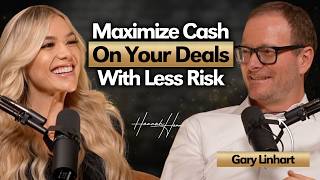
Gary Linhart, founding partner of West Hawk Capital, walks through how he built a real estate business from scratch. He covers raising capital by focusing on deal, market, and team, why the bear case matters, and why he's betting on small-bay industrial and Phoenix real estate right now.
Questions this video answers
December 16, 2025
Over $1 billion of real estate transactions
20-plus years
About $7.5 million
Founded West Hawk Capital a little under six years prior to the interview (≈2019–2020 timeframe)
Chapters
Best advice you would give when it.
Comes to capital, the deal, the market, the team. Get someone interested in those three things. We're always telling a story. When you're raising money or you're getting people to invest or bet on you, learning how to tell a story very tightly is important.
Begin with the end in mind and plan for the worst case. Usually when you talk to people, they're like, God, you know, never lost. I've never lost a deal or I never lost investor capital or never. It's all sunshine and roses. But I know that that's not just not the case.
They say they've never lost. They're not humble in faith, facing things that can inevitably go wrong in a transaction. If you're the 22 or 3 year old in your office, you should be the tech expert. You should know how to utilize AI. You should be the person who knows all the tech tools so that you get an early seat at the table.
If you had to start over today from scratch and you had no network, no knowledge, and you had to make your first million dollars all over again, what would you do? Welcome back to the Hannah Hammond Show. I am here today with Gary Linhart, the founding partner of West Hawk Capital. And he is a very dynamic entrepr and real estate investor who has been involved in over $1 billion of real estate transactions over his 20 plus years in real estate. And you are not. You've been on the development side and the construction side. You've also been on the capital raising side and you're also on the LP side and cogp, jv, all the things. So you have seen real estate.
All the letters.
Exactly. All the, all the letters. But it's so cool because I love to see the dynamics of somebody who's literally been on every side of the deal. And you still are. You're on, you're on multiple sides as a GP and an lp. So happy to dive into your story today. And you're also local here to Arizona, so it's nice to meet you.
Thanks for having me.
Thanks for coming on. So what mission are you on with West Hawk Capital?
So I founded West Hawk Capital little under six years ago after having found, co, founded and built a company up to probably 50 people and so on. And what I realized when I left my prior company was that I loved the process of building the company and starting the company as much as I did the deal side of real estate. And so Westhawk's mission is that this success is achieved by contributing to the success of others. So It's a little bit of a real. It's a real estate company, but also I'm kind of like a player coach with emerging managers in real estate and emerging companies in real estate.
That's amazing. And we'll dive into some of the projects that you're working on right now, including capital raising for a night golf tournament here in Arizona that you guys are exporting, actually. All right. Yeah. A golf course. Okay, cool. And then I think you're expanding those to some other states as well. But going back into how you got into entrepreneur and real estate development, can you kind of share what that process looked like for you? And when was that, like, defining moment where you said, I'm going to be in the. I'm going to become an entrepreneur or a real estate developer?
So I actually grew up in the real estate business or around it. My father was in the real estate business. And I always loved the combination of kind of understanding populations and patterns of how people interact with the work environment, where they live and so on. But I kind of avoided real estate earlier in my career and then after having some ups and downs and some other things, but really getting my. I guess cutting my teeth outside of real estate, I gravitated back towards it in like 2002. So, like 10 years into my career.
And what did you do initially? Were you just like, I don't want to be involved in the family business. I want to do my own thing? Type thing.
Yeah. Just sort of spread my wings. So I actually studied. I was an economics major undergrad, but I also studied Japanese. And at the time, Japan was kind of taking over the world, much like people fear about China today. And so I spent a year of college in Japan and three years working after undergrad working in Japan and a Japanese company. I was the only non Japanese person in the entire department. And then came back for business school and was in consulting in New York for media companies, was at a hedge fund for a while and just sort of realized that that thing that I grew up with was drawing me back.
Yeah.
And so entered the real estate business kind of on my own in 2002 and invested in some deals and then realized I wasn't. I wasn't a lone wolf. And so I sought out a partner and then that's. I found a partner and we started Vios Group. And I was there building that company over a 16 year period.
Okay, and then you recently sold out your equity.
Yeah, but. But six years ago, a little under six years ago, that kind of had run its course. And So I sold my interest in the company and then I was still in the deals. So in real estate, you have the operating business, they call it the OpCo, and then there's the PropCo, which is the individual assets or deals or LLCs that you form for individual projects. So those individual projects harvest over time and I get my returns over time on those. But I got bought out of the business about six years ago.
And was that your plan or did that just kind of start to evolve? And I guess from a partnership perspective, how did that transition look and how did you approach that with your partner? Like maybe it was time for you to.
Yeah, I think it was just sort of time and, and the things that I was wanting to focus on and they were wanting to focus on, it just made sense at that point. And it was about a six month process.
And you guys were able to come to an agreement like what. What advice do you have when you. For those who are thinking about making a big shift in their business or in their career? Like, how did you approach that situation and come up with a agreement that made sense for you and your partner at the time?
Well, you have kind of a. There's certain details I can't get into, but you have an operating agreement at the beginning. And the most important thing in an operating agreement with partners is, is thinking through a default separation plan up front. So that is a. And often those are maybe more. They call it a buy sell agreement. Those are more draconian than what actually happens. But it brings people to the table to work out something that makes sense.
So you already had your plan kind of.
Yeah, but you work through. That was a. That's the backup plan. But then you just sort of work through how the. There's so many, there's so many specific details on any given business. You have to kind of go through them. And it, the longer you've been in business, the longer it takes to kind of work through all those details. But yeah, you go through a process in terms of what advice I'd give people. I think it's really important to seek legal advice at the beginning of a partnership and, and have a clear plan for. If, if we want to part ways, there's some sort of document or process for, for getting out. Otherwise emotions can, can take too much a part of that.
Okay. Yeah. Begin with the end in mind.
Yeah.
And plan for the worst case. Yeah, yeah.
And then that just sort of brings people to the table to negotiate something that's more specific because you can't predict everything up front. But if you have kind of a process laid out at the beginning, it brings people to the table to figure it out.
So going back, I know we had talked yesterday, you had mentioned that you had. You said something that I really like that you said, yes, you learn from your failures, but you don't learn much if you lose five times in a row.
People always say you lose more from your failures than your successes, but you only learn more from your failures than your successes if you also have successes. Right? Like if someone's 0 and 9, they haven't learned anything from their failures. If someone's 10 and 1, they probably learned a lot from their failure. But, you know, you want, at the end of the day, when you're evaluating entrepreneurs, you can kind of break it down to, does the person know how to make money? Do they know how to figure out how to work their way out of a difficult situation? And ultimately, we're held accountable to our track records. And so having a successful track record is really important. And as much as maybe the ethos in Silicon Valley is they love that sort of, they had an early failure and it gave them grittiness and they bounced back. And all of that stuff's important. But it's also important to, to learn how to make things work and how to choose things that ultimately work and so on. So I encourage people, particularly in real estate, because I think that we're more in a wealth preservation business in terms of the kinds of returns that one should expect in real estate relative to venture. Right. Like you could have a hundred X on your investment in venture. You're not really going to look at opportunities like that in real estate unless it's some sort of crazy land deal or something like that. But so it's really important to learn how to preserve capital first and make capital second. So if someone's 0 and 3 and in. In real estate deals, there's a problem.
Yeah. What is? I think it's Warren Buffett number one rule, don't lose money.
Yeah, I was just thinking of that before you said it.
And you know, it's funny because I meet so many incredible people and you know, a lot of people on the podcast and just in life, and usually when you talk to people, they're like, God, you know, never lost. I've never lost a deal, or I never lost investor capital or never. It's all sunshine and roses. But I know that that's not just not the case. And losses happen a lot and people have lost investor capital. And I know that you have Lost investor capital. And I would love to kind of.
Dive into only on like, one or two deals out of about 90.
That's insane. And for you, it was early on?
Well, we, we, we started our company, original company, in 03. So we were about four or five years in when the great financial crisis hit. And we probably had seven or eight deals going at the time. And there was one or two that we had to work through with lenders, and then there was one that we had to give back. But we never. There was never anything contentious. There were never any lawsuits. We were always very forthcoming with our investors and with our lenders. And there were a lot of people whose entire companies blew up or they lost tremendous amounts of money. Ours was very much on the margin. And even some of the deals that worked out, there were things in retrospect, you look at and you're like, whoa, we got lucky there. So I think to your point about people who are all sunshine and roses or unicorns and butterflies or whatever those analogies are, I think it's really important to understand when you go into a deal, there's the how do we make money? Side of the equation, but there's also what can go wrong. And I think when people describe situations or they've never lost, or they say they've never lost, they're not sort of open to and humble in facing the things that can inevitably go wrong in a transaction. And I think if you're objective about looking at that, you're a lot more sort of calmer in how you describe a situation. And when investors or prospects or partners ask about a deal, you're very transparent about, here's why we like it, here's why we're doing it, here's the things that maybe keep us up at night or concern us, and then here's our plan for mitigating those risks. But you can never get it to zero, right?
Because then you might just not. You're just. You might not play the game at all if you get. There's always a level of risk.
There's always a level of risk. But. But, you know, and I'm more focused on the investment side of the business currently than the development side. There's a lot of things that can go wrong with development, but if it goes well, the returns can be very high. In my current. So within West Talk, we have. I have a. As I mentioned, it's kind of like a player coach. One of my affiliated company is Alignment Realty Capital. We're primarily focused on buying existing buildings at below replacement cost, where there's upside to rents if the tenants leave in really good locations. We own some buildings here nearby in the Scottsdale airpark, for example. So we go into it with a lot of risk mitigation, but there's always things that can go wrong.
What is your advice when it comes to risk mitigation?
Well, I think having processes in place and having resources that you can tap that are experts, it's good to have a lot of expertise internally, but knowing what you know and sort of having a process for finding out what you don't know and then assessing those risks very objectively. Not falling in love with a deal, you can be enthusiastic about it, but really open minded to what can go wrong and making sure that you've got all the different bases covered. And you're always adding things to your due diligence list because there's a million different things that can go wrong. There's probably a few things that can go right.
Yeah.
So it's really important to at least know how to look under the hood and be really eyes open when something comes back negative in a report. And then I think the other thing, the flip side to that is not over weighing a risk. Like we look back on some deals that we should have done that maybe we overestimated how much that risk really was. Now it's easy to Monday morning quarterback if there was a 20% chance of something going wrong, but it would have blown up the deal and that thing didn't go wrong and the next person bought it and they ended up being successful, you go, shoot, we should have done that deal. Well, there was still a 20% chance it could blow up. So I think you have to understand what your risk tolerance is and then you have to be really good at getting to where you've uncovered the risks. And then you look at it eyes wide open and say, okay, we're comfortable taking that or we're not comfortable taking that.
Right. And how do you evaluate your risk tolerance? Like, you know when you're competing with other offers and like I was talking to one of our clients at HP Capital the other day and he's like, God, I just, I can't believe I'm losing these deals. I can't believe these REITs or institutions or any other buyers are paying these prices still for these deals. So how have you navigated that tolerance for risk and knowing where to set your parameters of, okay, are we actually going to win this deal or is this deal too much risk for us to take on?
I think that's where a lot of the art of the business comes in. Right. Like the science is maybe putting the spreadsheet together that shows you the IRR and you know, multiple on invested capital at each particular price point. But I think a lot of the art is when to actually step up outside of your comfort zone to buy a deal because of some feel or understanding of where the market is or where the market's going and so on. And I don't know if there's any textbook answer for that. I think there are some people who could just stay by the spreadsheet and say we're never going outside of this and we're going to have to look for off market deals or we're going to have to find some alternate way to source something. I think if you're competing in the open market with really, there's really good brokers in this market and it's broadly marketed, you're going to be competing with everyone who has all the information. So you have to believe something that other people don't about where things are going. And I think over time you learn what are the seasons in the market when it's okay to step out and when are the seasons where you're like, I don't think we should do it. And generally if things have fallen a lot in pricing and you start to see things, the early signs of things improving, it might make sense to step up. If you're in a pattern of the last year, people have just been bidding crazy amounts for deals. We haven't gotten anything. You know, you're losing sleep at night because you haven't won any deals. That's when it gets dangerous to step up because that's probably a sign that things are beginning to get overheated.
Right.
That's probably like the apartment business three or four years ago before interest rates went up, the kinds of numbers that people were buying, paying for 50 year old apartment deals, it just didn't make any sense. And a lot of really sophisticated apartment people pulled back and those same people in the last year or so have reentered the market and pricing's down 20 or 30% from where it was.
Yeah. What is, I was going to ask you what's your favorite asset class is looking for, but we'll circle back to that. I want to dive into your biggest failure as an entrepreneur. You know, when you were launching your startup back in the day and you it didn't go well. What did that process look like? What business did you start? How were you raising capital and how did you emotionally handle that failure so early on when so many people might not have the confidence to try again or, you know, get burnt out of even taking on that kind of risk?
So about a year after I graduated from business school, I was in consulting in New York and a buddy of mine who was a year behind me at business school and I were, we had the entrepreneurial itch. And through a series of events, it's a long story that we'll just sort of take it at face value. We ended up looking at doing a roll up or a consolidation of independent auto recycling facilities in the southeastern United States. And as we were doing that, it's like 1998, there was also all these marketplaces were forming on the Internet that were buyers and sellers could come together in previously very inefficient markets and get some transparency into pricing. And so we said, hey, why don't we look at, instead of doing a roll up of these automotive recycling facilities, salvage yards, maybe there's an opportunity for an online marketplace. So we pivoted to that. We ended up raising about seven and a half million dollars of venture capital and, and built up a company. We had 30 people. We were in New York City. And then kind of the bell rung on Internet 1.0. And I remember it was like pets.com had a really bad Christmas and that was kind of like the canary in the coal mine of things falling apart. And so we ended up selling to a traditional player in the recycling business and then he ended up going under and our investors ended up losing their money. And it was very, very difficult thing to go through. And I think in retrospect I was probably a little early in my business career to do something. I didn't have a tech background. And I think we were exposed on that front. We, you know, we brought in some tech people, but it wasn't the same as having like a tech, as a tech person as part of the founders. And I don't think we understood or appreciated the power dynamics of the industry and how hard it would be to accomplish certain things. So I developed definitely a sense of assessing where the power levers were within a particular market. And do you have a plan? Can it be disrupted? How hard is it? And so on. So I kind of, I call it like looking through lenses. So like I have that lens now and then from the emotional standpoint, you know, I went 01. And you talk about learning from your losses. I think the thing that going 0 and 1, what it does is it, it, it can Be a real confidence killer. And, and, and what it probably did is it, it probably swung my risk tolerance way back. I was risk tolerant and then I went way, maybe way to the other side and I ended up turning down some opportunities in my bounce back that would have been very lucrative because I didn't want to take this risk or that risk. And I ended up going a little more traditional route and that really didn't make sense for me. So I ended up making mistakes because of my failure, because of an emotional response to it and kind of had a little bit of a reset after that of like, hey, I developed and I learned, had developed an understanding and learned a lot about myself and that's advice I give to people is like, you're really in the business particularly early in your career, but really continually through your career of understanding who you are and you understand who you are and your strengths and weaknesses and blind spots and all that, you can start to kind of navigate your own path through the world.
And how did you have the awareness of, okay, I have an emotional reaction to this fear of failure that I had in the past. So I'm not taking on maybe any risk or hardly any risk to be able to take advantage, to really grow and continue to develop as an entrepreneur and a leader. When did you recognize, like, because I know for me I've had so many self sabotaging patterns that I've developed in my life and the difficulty was even getting the awareness that I had them right. It's like, oh, these beliefs that I have aren't actually serving me or these aren't actually a fact or reality. It's just what I'm perceiving to be true from my previous experiences and how do I rewire my brain to, to move forward and actually grow from this experience. So like, how, where, what was that process like for you to come, really come back from that and start to take on a level of risk that you were comfortable with but weren't letting go of opportunities.
Yeah, I think it's probably like when you hear about people who go through AA and first you have to admit that you have a problem. I think that's what the first step is. So I think it's a process like that and I think that ultimately the world's going to give you feedback and the feedback can continuously be failure if you're not listening. Now, if you take risks, you can do everything right and still fail and hopefully that doesn't knock you down. But I think in every win and in every loss there were Things that we could have done better and we can learn. So I think the earliest stage is just sort of removing the ego layer and making myself open for both direct feedback from people and then just sort of feedback from the world about whether things are working or not working, and then learning how to quickly adjust whatever it is that I'm doing or however I'm approaching something, realizing that it's not going the way that I want it to. So I think it's sort of an openness and a removal of ego. It's like it's okay for us to all kind of learn and ultimately we're on this long journey. And when you realize too, as you achieve some successes, or hopefully as you achieve some successes along the way, that those successes are just a point on a path that includes ups and downs and that you're ultimately on just this. This journey.
Yeah. And what did you do after you. That company was a failure? How long were you.
Like, you're really grinding on that.
Yeah, but I mean, like, what was the.
The.
That transition, you know, for to come back or to shift into real estate and start to get some optimism of a new venture.
So I did a couple things in between that I don't need to go into the detail. One was a big company, one was a smaller hedge fund investment firm. And I think what I realized in both cases was as much as my first entrepreneurial venture didn't go as planned, that I would rather be grinding it out and maybe not making much, but a chance to kind of carve my own path as my journey than working for someone. And so I went off and. Because I had kind of grown up around real estate and I knew people in the business and some of the people who had invested in my Internet startup were still willing to invest with me because they liked the way that I handled things through that rough period. So that maybe is the silver lining of that is if you, no matter how hard things are, if you are transparent and, you know, deliver both good and bad news and don't surprise people late in the process, like be upfront and get ahead of stuff, that people will trust you. And so I had a combination of things that enabled me to get a start in the business. And so I moved back here in 02, and as I mentioned, I was on my own for about a year. But I also realize that, again with the learnings about yourself, I'm not a lone wolf that I like the process of collaborating with partners. I see myself as someone who's a generalist, but I Have some areas where I'm very strong and some areas that I'm not as strong and I need someone at a partner level working with me on those maybe weaker points of my skill set than someone who's an employee that might be more inclined to say yes to everything. So that's kind of how I charted that path. I was on my own for a year, realized that wasn't for me, got a partner, we had a great 16 year run and now I've got partners again.
And what would you say your like, unique gift and ability is? And it, because it sounds like you've had multiple partnerships, you have a lot of trust, you've raised a lot of capital and trust is the foundation of all that. So like how, how have you identified good partners? How did you find them and seek them out and what kind of questions do you ask or what does that conversation look like to get a feel for if that could be someone you actually want to partner with?
Yeah, I think, I think there were people who are like born with incredible natural talent and the world seems like an easy place to them and they just sort of see a little opening in a door and they go through it. And then there were those of us, and I put myself in the second category of people who maybe have certain natural talents, but they don't necessarily all come together at an early stage or early part of your career. And as I've kind of put built my skill set and my network and my knowledge base and and, and so on, that, you know, a lot of the greatest coaches aren't necessarily, weren't necessarily the best players that they had to kind of grind and work it out and be very objective at learning their own skills. So I think that that call it talent scout or assessment of strengths and weaknesses in both myself and in other people has come to be the thing that I'm good at. And so when I'm seeking out partners, I'm looking for certain things that are complementary, certain things that are overlapping because it's really important to have shared values and complementary skill sets and so on. So that's kind of the process that I go through or what are the pieces that are important for this particular venture or team to be successful? And then how do I put those pieces together?
And do you, throughout your organizations or, you know, do you guys, do you believe in certain personality assessments or certain interview type questions or are you more of like, you know, intuitional about your kind of gut feel or.
I think it's, I think it's a combination of first of all, I like to look at those things. My current organization isn't big enough for that to kind of matter where you have 20 different people in a role and you've really sifted through what does and doesn't work. I think I use those more for a going in understanding of how this person works in general and how this person might work with me. And then there are obviously some red flags on some of these things. I've gone in and out of asking certain types of interview questions and at times thinking they work and at times thinking they don't work. Ultimately, in a big organization you have just statistically, you know that you're going to go through, you're going to come up with a process and then some percentage of the people are going to work out and some percentage of the people aren't going to work out. Right now I'm in a much smaller organization and to the degree that we're hiring people, there's not a large enough sample set of people for that to necessarily apply. And ultimately you're not going to know until you work with someone in a smaller environment. So I tend to do like now, if I'm going to hire someone, I try to, if it's an early in the career person, I might do an internship. So get someone while they're in school and they can do some work with me while they're in school. And then by the time they graduate, I'm going to know whether they're a fit. I think if you're getting someone mid career, it's going to be, I think at this time, at this point in time, if I hired someone mid career, it's probably someone I'm going to have worked with or maybe they were on the other side of the table.
Yeah.
Or something like that. Because it's. It the smaller you are, the higher the cost. The cost isn't just money, but time of someone not working out.
Right. Yeah. And it really take, you know, because I'm going through that in my organization of growing and scaling and all that is it's hard to, I want to get better at vetting up front, you know, potential talent and partnerships. And it's really hard until they're working with you and you see it's kind of like dating. Right. Their profile can say anything. But to really understand someone, to get to know someone, to take some time and sometimes that cost can be a lot, especially if you're working with recruiters or different things like that. And so trying to really get that.
Clarity sooner I would imagine AI is going to have some really cool stuff over the next five years on, on creating processes to simulate, working in the interview process so we can get more clarity than these kind of off the shelf tests.
I really like that idea. Yeah, you actually just gave me idea. Right.
You said that we can work on it offline.
Yeah, that's perfect. That's really cool. Okay, so shifting into capital raising. I'm in the capital markets. You've been heavily in the capital markets. What are the most important things when it comes to capital raising? If someone's going to go out there and try to raise money for their real estate development deal or their, their business ventures, you know, venture capital startup, anything like that, what would you best advice you would give when it comes to capital?
Well, I think ultimately in real estate, I mean we're in a less complicated business than a lot of the venture stuff out there, but there's still a lot of complexity to decision for an investor to invest in a deal. And it's going to in some order of the following, the deal, the market, the team. Right. And you're, you're trying to sell those. Sell for lack of a better term or get someone interested in those three things. And I think as it pertains to the team, I think it start and it starts and ends with trust and building trust and deserving and earning trust. And then there's sort of the. Do they know how to assess opportunities and can they, can they execute on opportunities in terms of the market, whether it's a geographic market or a property type market? I think from a. There's telling the story and I think storytelling the positive of storytelling. Not that, oh, he's just a storyteller. No, that we're always telling a story when you're raising money or you're getting people to invest or bet on you, whether they're betting time or investing time or they're investing capital. Learning how to tell a story very efficiently, effectively, tightly is important. We used to, we realized that before Phoenix is now most of our current deals are in the Phoenix market and they were initially in my prior company as well. And what we learned over time as we were raising money, we raised money both from individual investors for certain types of deals and then institutional partners who were looking for local operating partners or sponsors as they call them. And what we found is we would talk to certain groups and they were either in New York or San Francisco or in la and they'd say, oh yeah, we're interested in Phoenix. We haven't really spent any time there. When you have a good deal, show us a deal. And we learned over time that if someone hadn't invested the time to come out to the Phoenix market, to understand the market and do their homework and meet with the right people to know what a good deal is going to look like when they see it, they didn't have the time. Really good deal. The better the deal, the shorter the fuse. It's sort of like, you know, if every, if you have a lot of time, it's going to be a much more competitive thing. If you find a situation and it's a really good opportunity, you probably don't have a long time to make a decision. It just sort of works out that way. So if someone hasn't done the homework, an investor hadn't done the homework at an institutional level. So this is someone investing other people's money that they've raised to then go. They have a fiduciary to their investors and they're going to have to go through a process and they're going to have investment committees and so on. So in vetting an investor, for example, this may be a long answer, but it's understanding if the person is actually in a position to say yes to an opportunity, because all you have is time when you're raising funds. And so assessing whether someone's going to invest in the market is important. And do they understand the market? So we talked about the trust and the track record and the execution of the sponsor. And then there's the market. Is someone going to, if the person is investing and you're raising money for an apartment deal, do they understand the apartment market? Do they need to understand the apartment market? Are they an individual investor who can make a quick yes, or have they invested in real estate before? So sort of filtering out the investors to understand if they can assess a market is important. And how do they do that? And then in terms of the deal, it's really, have you, do you put the story, the financial analysis component of the storytelling together? Do you know the numbers? Have you diligenced it properly? And so on. And a good, a sophisticated investor is going to know how to poke through that. An unsophisticated investor or an experienced investor, they may not know how to pierce through those numbers, but it's really still your responsibility as a sponsor to have done that homework. So those are sort of the three pillars. Sorry, the long answer. But the market, the sponsor, the deal.
And have you found it to be, or I guess, do you think like, when does it make sense for you to go retail investors versus institutional capital because I know different people have different preferences and it also depends on the size of the project or the size of the company or the, you know, amount of capital you're looking for. But some people say, like for instance, we're not broker dealers, we're a capital advisory firm. So most of the capital partners we have, they're, look, they're institutional PE firms, family offices, they're looking to JV or cogp. They want control rights and voting rights and things like that. Larger projects. Right. But then the, the retail investors, you have to go find, you know, 5,000 investors that are doing a hundred thousand dollar checks and they, they don't want the control and it is passive. So what is your opinion on if people should go retail or institutional or both? And, and some of the lessons you've learned from working on both sides?
Yeah, I think it's very deal and sponsor specific. So I don't necessarily, it's hard to paint a, I have an opinion of what someone should do.
Right.
Globally. It really comes down to the situation. And we're not a group that's heavily self promotional. So for us like getting 5,000 retail investors and doing a video, that, that's not really who we are, but it might be the right thing for other people. I think as it pertains to us and the opportunity set that we look at, I think it's, it relates to the size, the complexity, the time horizon and maybe the nature of the return. So when I say the nature of the return, we have cash flow and we have appreciation and then we have do you fund all the money up front and then you buy it and you're never going to have to make another capital call. Hopefully that's one way. Or the deal could go in four or five different directions. And that pivot point isn't until three years in the future. And in one scenario we won't need any additional capital. In another we might need millions of dollars. That's complexity. And it's also sort of a time it impacts the timing of the capital calls. So I say the more complex, the larger and the more time related sort of forks in the road there are, the more likely it's better to have institutional partners. So you're only needing to kind of explain this complexity to one group as opposed to if you have 100 investors in a deal or 50 investors in a deal and you got all these different forks in the road and complexity happening at different times or that may or may happen at different times. That's a real complicated situation to navigate. So I would say syndication is where is the term that you use for like where you have a bunch of private individual investors it might be 50,000 or $500,000 a check for. So I would say smaller deals where it's one capital call and it's cash flowing out the door right away. Where you're going to have like we do monthly distributions on our cash flowing properties. That's a plain vanilla kind of deal that's more suitable to an individual investor. It may not have the same kind of upside, but it also doesn't have all this different stuff that could go right and wrong and would be you'd be managing the emotions of 50 different people that may not have really understood the nuance of what could happen in the deal.
Right. And what about, how do you, how have you identified who to reach out to as far as capital goes? So you're like okay, we have to raise, I don't know what, what, what's an average deal size that you would have to go raise?
I mean if we're doing a syndication I would say 5 to 10 million is probably normal for us. If it gets larger than that and the fuse on how quickly we need to close a deal gets shorter, we'll go more. An institutional partner. Sorry, can you repeat the question one more time?
How do you, yeah, how do you identify who to reach out to for capital?
So we, we've done it more organically. Again everyone does it differently and in this, this social media world there's a lot of people who've expanded very quickly from nothing over the course of a few years by doing a very broad reaching marketing. That's not really how we've done it. We've just sort of done it through organic word of mouth over time and, and repeat investors. And that kind of keeps us honest. I mean we were honest anyway but I mean when I say keep you honest, that sort of like accountability. We're relying on repeat business and we have, we're repeat business minded people. So it's really going back to the same people and they refer people and so on.
Okay, cool. And are these mostly, mostly institutional capital.
Or again it depends on the deal. I would say we'd probably do a third of our deals, have an institutional partner and 2/3 of our deals are mostly private investors. But that could change through the cycle depending on the size of deals. Right now we've really found a liking to some of these smaller industrial flexi kind of buildings that have like a little bit of a retail. Can have a little bit of a retail component or a little bit of a office component and industrial. So kind of playing in that space it's been smaller deals, so there's smaller capital raises. So we go to individual investors. But if the opportunity set starts to evolve and we also, you know in our venture we're now five and a half years in as we continue to build track record bigger deals may come across our plate and that percentage of private investors versus institutional could, could change and, and sway back and forth.
Right. And I really like small bay too, especially in the Phoenix market.
Yeah, it's good.
It's a great asset class. What so because you are you still actively investing as an LP in people's deals as well?
Yeah, there's a few property typ. I like the investment profile and opportunities but I don't have the expertise in or the scale. So for example, I have a cousin who's a senior executive at one of the larger data center investment firms and so I've invested in a couple of their funds, one's domestic us, one's Europe and its data center growth and they're a global leader and I would never get the opportunity to do that on my own.
Yeah.
And. And then I have a friend who's a real specialist in a very capable firm in the self storage and they do development, it's very data driven and how they do their site selection and they're in some very unique markets like Nantucket and Maui and that are. Once you get the entitlements done, you've sort of half the battle is won or even more. And I'm getting to invest once those milestones have been achieved.
Yeah, yeah. And it's. I love that because some people, you know, they're either like oh, I'm just the sponsor and they don't invest anywhere else and then some people are just a passive investor but they're never the sponsor. So it's cool to be able to really have your hands in all areas and understand the scope and scale of. It's not that easy to just go enter a new market or go build a massive team or develop.
Right.
But there's good opportunities there and so sometimes it makes sense to allocate a portion of your capital in my opinion. I think it always makes sense to allocate a portion of your capital to other investments and when you're making those decisions though, because there's. So it goes both for raising capital or choosing a sponsor to invest your capital in Right. How. What questions are you asking or what process are you going through to identify is this a good investment that I actually want to make on the LP side?
Yeah, I guess it's interesting. Depending on where you come from, those three things we talked about, like market, which could be geography or property type, sponsor and deal. I probably go sponsor first. If it's someone who knows their space, has a track record of success, and they're trustworthy, and they report both good news and bad news, then that's kind of the first filter for me. If you don't get through that filter, I'm not interested in the deal or the market. And then I probably look at the. I've probably had a sense of it's a market that I'd want to be in. So then I probably look at the deal level thing and then I go step back and look at the market. And is the intuition that I had about the market or what I had read about the market still hold true and I might do a deeper dive on the market? So that's probably my order with a third party lp. Investment is sponsor deal and then a relook at the market.
Yeah. I talk about this with one of our clients, but we say the, the jockey. The horse, the racetrack.
Yeah.
And then the grooms, the whole team right around it. And so the jockey's the sponsor and you have to, you have to bet on the jockey for just like in pe. Right. They're betting on founders. Then you have the horse, which is the actual deal, and then you have the racetrack, which is the market and the overall macro economy.
I mean, even go one level higher. I was with a friend who's in the real estate fund business. So he's a $650 million fund. And then there's even, do I want to be betting on horse racing? So he's talking to global investment firms and pension funds and so on who are saying, you know, do I want to be investing in real estate right now? Is that an allocation that I want to go deeper or shallower? I guess move the dial down or up. That's an issue too. And I think the bigger you get, the more you face that, that you're having investors who've been investing in AI stuff and they're like, I don't need 14% IRRs in real estate. I'd rather get. I'd rather be in cash or I'd rather, you know, go for 10x stuff in AI. So I think I've had a couple people say that to me. Yeah, that have had exposure to some interesting AI opportunities. So I think you always have to be aware if you're in the capital market side of the business of all the different alternatives.
Right.
And that the capital you're talking to has in terms of investments.
Yeah. How do you diversify your portfolio? Do you follow like a set, you know, 10% goes into cash and 15 goes into LP or this goes into AI or this goes into PE or this goes into real estate. Or like how have you created a well rounded investment portfolio? Obviously you're very successful investor in many areas.
I try, I, I don't do it as methodically probably as some other people, whether they're family offices or just sit in front of their computer looking at their assets every day and their allocations. I have what I think is a reasonable percentage of my, my net worth in, in the stock market. I try to then within that I like investing and sometimes I can maybe with my own money that risk aversion because I'm not accountable to someone else can go away. And I know that about myself. So I try to have a certain amount of my money in like just the indices where I'm just playing. Yeah the S and p, low cost ETFs and most of my retirement funds are in those kinds of things that I'm not looking at it every day. And then I have some allocation to things that I'm hearing about or reading about or researching myself or have some instinct. But I try not to make that portion of my stocks too much so that if I'm wrong I'm not changing my lifestyle. And then being in real estate where things the market can change, it sort of goes up slowly and goes down quickly. And so I have a very conservative perspective on personal debt. I have a primary residence and a secondary residence. I have a very small mortgage at a very, very low rate on my primary residence and I have no debt on my secondary residence because I don't want the pressure of a loan changing that thing that I worked so hard to be able to have in my life. So I put zero sort of risk on that, that thing. So I look at things in terms of that and then in terms of my private non direct investing where I'm the GP in real estate, it's probably pretty small because I feel like as a practitioner in real estate I should mostly be in my own deals and then I probably am over allocated to private business deals because I'm a little bit of a business junkie and I need to kind of slap myself on the wrist once in a while and say it's enough for now. And I'm right there right now. I've made some private business investments recently. I really thoroughly enjoy that. But I'm not at that expertise seat at the table every day kind of on the board or whatever of those companies. So I need to kind of make sure I don't overallocate to that.
And this is just like private equity.
Private equity venture. Yeah. So I, and I make sure even within those spaces I've got some money with a couple funds so that the people who are really doing it every day are investing for me. And then through my business contacts and, and such, I'm invested directly in some deals. And I do, I do the, a lot of the direct investing, whether it's in the stock market or whether it's in the private market. I feel like it, it keeps me sharp by having made some decisions on my own. Yeah, it's kind of call it like pointing the compass and it keeps me a little bit more alert. But I just need to make sure I don't overalllocate on those things because I'm not in it enough every day to consider myself a pure expert.
Right. And so I mean, you've been playing this game for over two decades now. So you've been through market ups, market downs, both on the venture side and the, and the real estate side. What patterns do you continue to see repeat in the market? Like when you're making these decisions? How are you taking into effect where the market is today and the past, you know, the past cycles in the market. Do you think about that in any specific way or.
Well, I think the first thing I think about along those lines is just keeping a certain percent of my net worth in like super liquid stuff.
Yeah.
So that if the proverbial shit hits the fan that I'm not under pressure. And so I think that's the most important thing is to have sort of a comfortable level in very, very low risk assets. And then I think that it's also important to realize that anything can happen. And I think we're generally like, particularly in real estate, if you look back to kind of starting in the 80s and onward, there's been an increasing trend of institutionalization of real estate. Like the reitization of real estate happened the post SNL crisis. So in the early 90s, a lot of these master limited partnerships went or limited partnerships went public as a way to recapitalize. And then you had publicly traded real estate and the big like the Blackstones and The Goldman Sachs and the Sam Zells created their Odyssey funds and they brought a lot of large capital to real estate. And then pension funds started investing through those vehicles. And now you have a much more professionally managed real estate industry. So the bottoms of the cycles are higher each time. So while there may be ups and downs, it's generally on an upward trend. There's more liquidity in real estate, there's more money on the sidelines, there's more analytical expertise, there's more research tools, whether it's costar and so on. And so I think the ups and downs are less harsh than they used to be and the bottom feeding is less obvious as maybe it used to be, but realizing that still things can go wrong. But I think what that's created is back to a question you asked earlier about, boy, it's getting hard to buy things and so on. I think the margin, the opportunity for outsized returns, I think over time thins out because there's just more players in the market and more information and more capital.
Right. And how do you stay. I don't know if you've read the book who Moved the Cheese? But like, how do you decide? Because I know so many people right now in real estate and we're starting to kind of make a turn with rates starting to have some relief and things like that. But the past two, three years have been a rough patch in real estate because we're still prices are high, but deals are really hard to find and capital is more expensive. But the market didn't crash either, you know, dropped it. All these things like how do you decide when to cut your losses? Like when it's time to make a pivot, either in an asset class a.
Market or industry, cut your losses in terms of this deal isn't going well, or I'm not getting enough opportunity, I need to look at something else.
I'm not getting enough opportunity, I need to look at something else versus sticking it through and staying the course and staying committed versus realizing, okay, I need to shift my strategy here.
And I think that's a very. I think it depends on sort of where you are in your own business. Right? Like if you're a multi generational, multifamily investor and you've got a portfolio that sustains you and you don't need to do a deal and you don't necessarily need to pivot. I think, like I was, I have a investor friend in the real estate business and they're in the third generation of the business right now out of California and they're sticking to their core, but they're also looking at adjacent stuff, maybe a property type that they hadn't done before. And they're open to it because the next generation wants something to do as well. So it makes sense for them. I think if you're, look, if you're getting started in the business and you only know one property type and that property type has a three or four or five year window where there's not really good opportunities, you have to either pivot or you have to either begin. What I see people starting out, and we did this a little bit too, is you may need to do some advisory work to stay in the game and keep the lights on. Right. So if you're, if you know how to do, you know, small retail part like parcel development of coffee shops and Chick Fil A's or whatever, but you can't find the deal, but there's someone who's doing it that you might advise to them. So I think it just depends on what your staying power is and what your urgency and need to do things are. And then you can pivot either where you are like vertically and do a different service in the space, or you have to look for something different. I mean, if you need the money, what you don't want as an investor is be investing with someone who, if they don't get this deal done, they can't put food on the table, then they have, they have their own bias in terms of selling that deal. They're selling it out of desperation, pitching it out of desperation rather than because they think it's a good deal.
Right. When speaking of pitch, what are you, what do you think is like a red flag when someone's pitching you a deal that immediately turns you off?
They don't know what can go wrong. If someone's overly optimistic and they can't even tell a compelling story. I call it the bear case. Not I call it the bear case. It's called the bear case. Like what's the bull case? Why is this a good deal and what could go wrong? And I think when people are unable to articulate sort of transparently, truthfully, objectively what can go wrong, I get very nervous. And I think the more sophisticated people can present both cases. Now, obviously, if they're moving forward with something, they like the bull case more than the bear case. But I think you really have blind spots if you're not willing to accept and search for and sort of digest the. What can go wrong on a deal?
Yeah, yeah, yeah. And what what advice do you have for those who, maybe they're newer investors that have only seen a bull market, like maybe if they don't know what.
Can go wrong, investing in someone else's deals or doing their own deals. Which. Which group are you talking about?
Doing their own deals? Yeah.
Boy. I mean, the magic is really in getting those first couple deals done. And I think there's a difference between people who are doing their first deal, who are coming from the industry, or someone who's doing their first deal and they're not coming from the industry. I have a mentee of mine, and she and her business partner were brokers for small retail, and now they develop coffee shops for a particular brand. So they knew it. They have a trusting relationship and they got friends and family money and they're off and running and they got, you know, five or six deals going at a time. So that, you know, doing what you know and having a real sharp focus initially is very good. If you're coming at it and you're new to the business. It's a tougher. It's a tougher equation if, if. Particularly if it's tough to get a deal. Yeah, but, I mean, I. But the advice, when people are kind of talking about leaving whatever they're doing and it's not right and they can't move up or activity slow and I want to go do something and what, Gary, what do you think I should do in our business? I mean, what's great about the real estate business is there's always gonna be local, young, up and coming entrepreneurs who are hungry and they can go find a deal and it's like, go find a deal, go find a good deal. But they need to know how to find it, and then they need to know how to assess that it's a good deal. Don't just throw spaghetti at the wall and hope it sticks with someone. Go find a good deal, and you gotta know why it's a good deal. And then pound on the table.
Yeah. My best friend and one of our clients, he made his first $10 million by just being a dirt dog and sourcing deals for an experienced and learned how they underwrite and what they look for and kind of got to see their process and their mistakes and their wins and all that, and then took that equity and then started his own development firm ultimately.
But when I look at the people that I know who've kind of started from nothing and bootstrapped and then. And then grew, they either like the example I just gave you of the woman who had client that was, that was a, a coffee shop and they just wanted a trusted developer. So that's a real in. Call it an in. And then I think, you know, if you look at the different skills that complete a skill set for real estate where there's analysis and due diligence and execution and development and management and so on, I think the real lone wolf entrepreneurial skill is, is finding unique or off market transactions for whatever magical way that that person does it. That seems to be like the, the best go find like you, you, you're able to find a deal or you see something differently than someone else or you see the sort of unlocking of value opportunity in a particular asset. When I think of the people who started from nothing that were able to ham and egg it and get sort of get going, it was those two things seemed to stand out. They had a real in or a real trusted source of opportunity for them or they had a real unique way of being able to uncover and originate deals. And the analytical stuff, the analytical skills and those other skills you can hire more than like really unique origination. I think really unique origination is a magical skill.
Yeah, it's hard. I mean I think he, he who controls the deal controls. All right. And because if you have a great deal, it's get the capital. I would say the capital is the next hard piece, but the deal is always like the main piece because you don't have anything without the deal.
Yeah, I mean you have to solve the capital problem. And we had a situation recently where we had a really interesting deal. But there were two very binary outcomes for what could happen with that deal. And we couldn't find a potential investment partner that was willing to live with even if it was a 5% chance or 10% chance outcome. It would be at a low return over a very long period of time where there was a big upside. But it might be 25 years because there was a lease in place with renewals. But we were, we would have been buying the property at like 30 cents on the dollar. Like we knew if the property were vacant. Usually you want a tenant in the building but in this case, if you have a really far below market rent on a building and that lease has a very long term or options to renew. You could end up, you know, 30 years out at triple on your money, IRR wise isn't that attractive? So we are actually unable to find the right capital that would partner with us and we ended up selling it to a family office that was okay with either outcome. Because they didn't mind the lower return because they have, you know, they're already thinking for a generation out and they understood the value of the property. They owned other properties nearby, and if the tenant left, they had a use for it. So that was a really unique situation. So the money isn't always there for good opportunities. So finding the money is important and hard, but I think finding the deal for an entrepreneur is really important. And then if I were to give advice to an entrepreneur that maybe doesn't know the money but is really good at finding opportunities is to go find someone who has access to the money and partner with them, as opposed to finding a deal and then scrambling to raise from friends and family. Particularly if you're not connected to a lot of wealthy individuals.
Right? Yeah. It's so important your capital, relate all your relationships. You know, who your net worth really is, in my opinion, a reflection of your network and the quality of those relationships and your trust within that network. Because seven degrees of separation. And that's why I'm in so many masterminds and things like that. Because if you need anybody that you really want to trust and you can have that resource to go to to get people that you can trust and get those good advisors to help you.
I'm friendly with a gentleman named Harvey McKay who's written a bunch of business books, and one of his books was Dig youg well before you're Thirsty. And it's kind of about networking. And so I think it's important for people to be parallel processing and looking for deals, but also building those relationships when you're not necessarily. When you don't necessarily have a deal. Because once you have a deal, if you're meeting someone for the first time, it puts a very transactional nature on the relationship. So I encourage people to go out and network, but you have to really create a context for networking. Right. If you don't have a reason. So I think there's industry organizations that you can join and mentorship organizations that people can join. I'm involved, very involved with the Urban Land Institute, and I've been a mentor for their Young Leader program for the past 12 to 15 years. And each year I get a dozen new mentees. And those people are me. And we bring in speakers every month. And those people are constantly meeting, influencing influencers in the old school sense, within the. Within the industry. And then if they have an opportunity, they've kind of got an outlet to get to the capital.
Right. And what are you most excited about in 2020? I guess 6. We're going to be nearing the end of 2025 here. So what asset classes or business opportunities whether it's in real estate or AI or other things like that or what are you excited about or where do you think the trends going moving forward?
Boy, that is the million dollar or billion dollar question right now. You know we continue to like the asset class that we're mostly focused on within Alignment Realty Capital which is small bay, industrial and kind of flexi where there's like we have an office in old town Scottsdale where we we office. We have an executive suites on a second floor and then we have a woman who's got 100,000 followers on Instagram who does hair extensions. We have a woman who does Botox and health and wellness things. We're getting a coffee shop in there. So it's quasi retail. We bought it as an office building and it's kind of morphed into both. We're buying some office buildings right now, single story office buildings that we can make kind of industrial flex by adding some grade level doors and so on. So we like really well located real estate with a good basis that is price per foot and either a good going in yield or we can see a short path to getting to an attractive yield. So that key metric that we look at is a stabilized yield to cost. So that's an unlevered net operating income divided by your all in cost. To us that's the magic metric. It doesn't take into account debt and sort of accounts for any short term re leasing. So it's stabilized yield to cost at year one or year two or year three or whenever it is that you get to that stabilized.
What is there a certain yield you're you're looking for for it to meet your.
I think it just depends on the risk in the day one. Like we might buy an asset that doesn't require any work, that's a 7% yield to cost day one and the rents are way below market. They may be longer term leases but we know that at some point in the future or we have a high level confidence at some point in the future that it'll be even higher but it's a good enough going in return that everything else is gravy. If it's something that we got to do a lot of work for and it's a smaller deal, we gotta make sure the juice is worth the squeeze and that there's enough upside worth the work where it might be higher. Where we're looking to get to a nine or a nine and a half two or three years out after repositioning the property and new painting and converting some suites from office to flex or industrial and redoing the parking lot. It's a lot of work. And particularly on a smaller deal, you want to make sure you get to something that's juicy enough.
Yeah.
But if something's kind of plug and play day one and it's just a good basis buy with good yield, we might have a little bit of a lower threshold so some sort of work return matrix so you guys are more.
Stay on the course of your expertise and what you know, look for opportunities, but don't go too far.
I think it's kind of like an 80, 20 rule. Like 80 should be 80% focused on. I call it the grass is green, right? Not the grass is greener. You want to be 80% focused on the grass is green and 20% focused on the grass is greener. And that might lead to another opportunity I'm involved in that I've been involved in for a little under three years, which is the night golf course at Rolling Hills, which is my partners in the deal are grass clippings. So the grass is green there and the grass is greener. So they had worked very hard for three years to prompt and then win an RFP to convert the executive golf course within Papago park in Tempe, right next to the Phoenix Zoo, into a night golf kind of entertainment and, and golf venue. And we've been doing that for, we took it over in July of 2023 and now it's, it's a real unique asset both to this market and it's kind of 101 nationally. And so we're hoping to take that and maybe potentially do more of those. So that's a, that's a little bit more of an entrepreneurial, yeah, outside the box type opportunity. But what I brought to the table to these young, hungry, creative entrepreneurs was some institutional processes of investment, private investment management and what we call asset. The difference between asset management and property management is property management. You're managing like the very specific day to day things at a property. And asset management is kind of a strategy of a property and the investment. So that's kind of my expertise is more on the asset management side, strategic direction and allocation of capital and things like that.
That's. Yeah, that's. I want to talk to you more about that offline, but okay, so a couple rapid fire things. If you had to start over today from scratch and you had no Network, no knowledge. And you had to make your first million dollars all over again. What would you do?
Boy, you gotta think it'd be something in AI that from everything you're hearing, this is another industrial revolution. And I have two sons and one of my sons had that insight. He was in consulting in Chicago. He got a job in AI because he didn't have like a software or tech background. He went into sales and he's working in sales for an AI customer service company. My other son went completely the other way and he's working for an office REIT in Atlanta.
Okay.
Yeah, so we'll see who gets to a million dollars first.
Yeah. I wonder how that office, office REIT is going.
Yeah, well, it's a great company, well established company in Atlanta that has a great history. And I think, look, there, there's a lot of, there's a lot of carnage in office. So one would think if you're a contrarian, there's going to be a lot of opportunity as well. And one of my mentors, super smart guy, who's done very well in both office and industrial, has been buying office buildings the last few years as a contrarian play that you just look at the basis, it's so far below replacement cost and he has some belief that people are going to be coming back to work. So building an expertise in that space, I think it translates to other property types, but it may also lead to opportunities.
Right.
So I have, I have someone who's riding the wave and someone who's riding against the trend, and my two sons. So I'll come back in five years and tell you who's closer.
I love it. It's perfect. You make, you know, one could make, make millions in, in AI and then the other one can invest in real estate to save on taxes and preserve cash.
There you go.
Or preserve wealth. And what, what, what's the best piece of advice you've ever heard or received?
Best piece of advice? Look, I think expertise and focus works any stage of your career. And so I think that. Focus on a particular type of opportunity as opposed to trying to have exposure to 10 different things and hope that one of them hits, you can maybe as an investor allocating a portfolio, you can take that approach. But I think if you're early in your career, getting an expertise and getting a focus and developing skills within that focus, I think is really important.
Yeah, stay the course.
Yeah, stay the course is almost like an add on to that in terms of resiliency. But I think that it's having an expertise in something that's valuable and advice that I give. So that's sort of maybe what I've gotten. And then in terms of what I give, particularly the young people, is the earlier you get an important seat at the table, the better. So bring a seat at the table that's needed that the incumbent people are less likely to have. And I think that usually, particularly in real estate, where we're not really tech experts is if you're the 22 or 3 year old in your office, you should be the tech expert, which means that you should know how to utilize AI within the context of real estate. You should be the person who knows all the tech tools and the level up tools so that you get an early seat at the table. So I think it's really for the young people is figure out what expertise is needed on your team that is new and growing and important and go after it. Don't lose sight of your 80, which is the job that's on your plate, but focus your extra time. You're not going to be successful working 40 hours a week in that extra 10 or 20 hours or however many hours more you're willing to work. Work on the X factor stuff that's outside the, the, the core to bring to the table.
Yeah.
So you're kind of pushing your team and raising the level of your team, but you're earning a seat at the table early.
I love it. Well, thank you so much for coming on the show. It's been great to get to you.
Thank you for having me. Sorry for all the rambling, but hopefully there's some nuggets in there.
That was excellent. Thanks, Gary.
More from Hannah



Never Waiver On Your Values—No Matter How Lonely, Uncomfortable, Or Difficult The Journey Gets

Watch the full video about Ray Dalio’s prediction on the upcoming debt crisis… 👀

Stop Asking “How?”—The One Question That Will Help You Scale Faster Than You Ever Thought Possible

4 Life Lessons That Took Me 30 Years To Learn—But You Can Learn Them All In Just 14 Minutes


This Is Unfortunately How You Can Tell Your Real Friends From Your Fake Friends


