The Trick CRE Investors Use To Lower Risk and Raise Returns
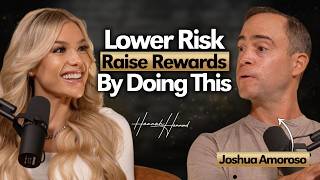
This is a recorded interview between host Hannah Hammond and guest Josh Amoroso (co‑founder of LRG and senior partner at Lockhouse). Josh traces his background in a real‑estate family, early brokerage success at Cornish & Carey, his first investor flip (industrial building sold to Alexandria) that converted him to investing, and the later formation of LRG investors. He recounts a strong development run (2013–2018) funded by a single family office partner, then painful leveraged development losses during the 2022–2023 market unwind (construction cost escalation + cap‑rate decompression) that produced several personal write‑downs. Key, actionable lessons he emphasizes: source deals aggressively, the first deal is hardest but crucial for raising capital, avoid over‑leveraging (prefer partners over excessive debt), insist on non‑recourse/performance‑guarantee protections, and favor daily‑needs, grocery‑anchored shopping centers. He also discusses organizational moves (hiring institutional talent, syndicating to a portal of 300–400 HNW investors, signing a term sheet to raise $100M to access ~$275M deployable capital) and personal work (therapy, killing the ego) that shaped his leadership.
Questions this video answers
Around 2013.
About 34 retail‑focused projects (project‑level track record cited).
Raising $100 million which would provide about $275 million of deployable capital.
About $3–4 million (personal loss on those development deals).
Grocery‑anchored vacancies cited at about 4.5%.
Chapters
How do you build a deal an investor believes in? Right. Especially when you haven't done it before. Once you do that first deal, it becomes much easier. Right. The first one's always the hardest.
What advice would you give to young developers who are trying to build those kinds of relationships?
Yeah, understanding the deal, finding good real estate and having a really solid business.
Plan like walk us through. Maybe your, your worst failure, had the.
Most income, was the least happy. And I put so much effort into building this, this business. Now I'm not very happy financially successful. Personally, I was failing.
If you one piece of advice to your younger self, what would it be?
Kill the ego. Kill the ego sooner.
Welcome back to the Hannah Hammond Show. I'm here today with Josh Amoroso, who's co founder of LRG and senior partner at Lockhouse, which LRG is a commercial real estate development firm specializing in retail developments in the west coast. And Lockhouse is a commercial real estate brokerage. So a couple of vertically integrated companies. And you've done a lot of deals with Jeffrey. We have our partner Jeffrey here from HP Capital, and you know, we finance some deals for you. And that's how got connected. And you flew out here from California.
I did, yeah. I did. It's been a whirlwind of a week. I'll tell you. It started last Friday, left and you know, and I think we talked about this at dinner last night, is that we are as an entrepreneur, there's really no set schedule for the month. It's. You wake up on a Sunday morning and you kind of chart the next month week days, and then you're kind of at the whim of your own entrepreneur. Spirits of the moment. So, yeah, last Friday I hopped on a plane, went to San Diego, saw a good friend of mine, celebrated his 50th birthday, drove over to Palm Springs the next day for icse, spent a couple days there. Great, great meeting, great day of meetings. And then went to LA for more meetings. And then was the way this worked out. It was perfect. I got to fly, you know, hour or so from, from LA and had a nice. Was hosted last night, had a great meal with you and Jeffrey, and here I am.
Well, thank you so much for being here and it was so awesome to get to have dinner with you last night and really learn more about you. I wish I could do that with every podcast guest that comes on the show, but it's just fascinating to hear your story. And, you know, we, we talk a lot on the show. We talk a lot about the inner work and the inner struggle and the inner challenges that we face, you know, which a lot of what drives us into entrepreneurship and to become these successful leaders. But there's this, there's a more important impact of the inner stuff on the outer stuff than most people care to admit or talk about. So it's nice to, we'll get into some of that stuff today and learn about like the failures that you've had, what drove you to become an entrepreneur and some of the struggles that you still face today and what that looked like. So what do we have to understand about your early years to understand how you became the man and the leader and the entrepreneur that you really are today?
Well, great question. So I grew up in a real estate family. So for starters, my, I was fortunate enough to have a grandfather that was a, was an entrepreneur. And so he started a Construction Company, SJ Amoroso Construction in the 50s and had a multi decade run being very successful, primarily public schools, airports, water treatment facilities. Some didn't really venture too deeply into the private development world for too many perils in that world. Whereas I figured that the government was always a good partner. Generally for the most part you're going.
To get paid, right?
So that proved to be a very successful recipe for him. And he had three sons, one being my father. And the three of them got into the business and in the 70s they essentially took the business over. And my oldest, my dad's oldest brother Dave was really the linchpin to the success that the company, he grabbed it and then he ran with it and made it an even more successful company. And so, you know, and then there was my dad who was the middle child, which, you know, that has its own set of weight and responsibilities. And then there is the youngest son, Dennis, who was also in the business. My dad ran the commercial real estate side of the business. But I can tell you that while this was great on the outside, there was a lot of inner fighting. The three Italian brothers, constant fighting really. Primarily, I think a lot of it came from my dad's oldest brother. A lot of heavy handed controlling of the organization. So I heard a lot about how unhappy my dad was being part of this organization and sitting around the dinner table and through osmosis, real estate came to me. But I also heard more about what's important about family and fracturing of brothers and issues are centered around unhappiness. And so unfortunately my parents did end up separating and ultimately getting a divorce when I was seven. And so, you know, there, you know, my dad still to this Day is still one of my best friends, but they were living separate lives. My mom did the best she could to raise me. I have an older sister who's six years older than me. And so by the time I entered my teens, you know, my dad was doing his thing. I saw him every other weekend again, he was about as cool as I get. You know, he was a lot of fun. My mom was. Took herself back to school and was working and got her to become a designer. And so I was home a lot by myself. Right. And so for me, I didn't really have a lot of guardrails. And, you know, a kid that had some potential battles, you know, not potential, but real battles with anxiety and fear of failure. Early on, it promoted no one really there to sister's gone dad. I see him every so often. He was more of a friend figure than a father figure. And my mom was in school and working. No one was telling me what to do. And so not a great combination for youth. Right. And so especially with somebody who's battling anxiety. So a lot of times I would retreat, you know, no one telling me I didn't have to go to practice. No one had to tell me I had to study. And so you combine those with all of a sudden experimenting with alcohol and a lot of freedom. And, you know, I think that I didn't try real hard as a youth. You know, I wasn't really particularly good in school. My mediocre grades as a solid C student, you know, through grammar, I needed. I had tutors and, you know, help and probably had a learning disability. And so all these compounded into my disbelief in myself. Right. You know, my dad, while there, you know, it was more, you know, the way that he was raised was he was talked to and you listen. And so when you're talked to instead of listening, you don't really have. Everything's kind of bottled up on the inside. And this is way. Well, way before therapy was even an option for people of my generation. Right. I mean, it was out there. Therapy was for people that were really screwed up. So, you know, high school was fine. Luck. Somehow I got in the University of Oregon. It's probably because I ran track in high school. And I was, you know, Oregon's a big track school. I put a picture of me running track. I was varsity track all three years. Played soccer, good athlete. I probably. I put my. On my college application, I put a picture of me running track, and, you know, I think I had like a 2, 5.
Wow.
And even back, you know, Oregon didn't accept, you know, 2, 5 GPAs, and I got in. So. And so I went to. I went to Oregon and, you know, I think being away from home really helped. You know, I started to create a voice for myself. You know, the anxiety was still there. You know, obviously being. Having access to lots of different substances in college wasn't a great thing for me. But I continued to get mediocre grades and have a lot of fun, though, having a great time. But so in some ways I was growing up. In some ways I was remaining the same. So I did the least amount of work to get a degree in journalism. I loved to write. And so for me, always, if it's something I don't like, I tend to not want to put the effort into it. But something like writing, I understood and I loved it and I excelled at it. And so I'm like, I'm gonna. I got a degree in journalism from a great school, University of Oregon. It's a mega journalism school and something to be really proud of. And so I graduated and here I am on the doorstep of adulthood and have every opportunity and every, you know, every thought in my mind was to be a journalist. And. And then something dawned on me and I can't remember after a couple interviews with media outlets and news, local newspapers, I just didn't realize that I didn't. As a youth, I just didn't want to be poor. You know, I. Not that being. Not that in my. At that member. I'm 20 years old. My definition of poor was, was, you know, not, you know, I wanted some nice things and, you know, that, that, that discussion around the dinner table of commercial real estate was always kind of percolating because it was in. Grew up with it in my sphere of influence. So I knocked on a couple doors while I was interviewing with media outlets and I got some interviews. One was Cornish and Cary, which is a regional powerhouse in the Bay Area. They were bought several years ago, but still a dominant force. They are the dominant force in the Silicon Valley. Then I interviewed with cbre and it's so funny where you think, where you want to land that that was just the dream. Put a suit on, tie, and all of a sudden, you know, media is so far in the rearview mirror, that's not even part of the equation anymore. So now I'm. I'm wanting to. Where, you know, I want to work downtown San Francisco. I want to be. I want to be a. I want to be a difference maker in the office space, and I want to wear suits every Day and complete departure for who I was. And I made it through several rounds of interviews and they were geared me up to land on a pretty substantial office leasing team. And the last piece of the puzzle was I had to take a personality test. And I remember taking the test and the next couple, I waiting a couple days and I get a phone call from the, from the team. The guy, the team head, the guy was gonna be working under. He's like, we love you. He's like, we are so in. You are such a great fit for us. Except you didn't pass the personality test. They're like, it says you don't work well with others. It says that you are essentially, it was based around I wouldn't be a good teammate. So I was crushed. They said, we can't hire you in the 20 plus years of this test or however many years they've been running this test on people, we have to abide by it. So I was. Dreams dashed. Right here I am. But I did have an offer from Cornish and Kerry, but it was in San Mateo, it was out of the city and I wanted to be in the city where all the action was. So I was upset. But I accepted the job with Cornish and Carey. And all I can do is look back and say that the universe works in amazing ways. And thank God, because never in a million years if I was on an office leasing team would I have learned how to buy real estate. So I would have been too busy running office tours and trying to lease office space. I'm sure it would have been a great career path, but it's not. And I knew that. I knew I wanted to own real estate and I knew that, that ultimately, you know, what I would learn in any group I was going to be with was but I haven't had an eye on and because that's what lit me up, that's what motivated me. So I started working. I got real lucky at Cornish and Carry too. It was. I got put under the wing of a, of a savvy vet industrial broker and we took to each other, we were partners immediately. He brought me within the first year. I was a 50, 50 partner with him. So I went from, okay, well, I wasn't going to make any money in media to making a lot of money real quickly. And it afforded me a nice lifestyle. I remember I was, you know, always picking up the tabs. I was always buying. You know, we'd go to the bar, no one ever had to buy, pick up a tab around me because I was making more Money than my friends. And, you know, and, you know, maybe had the ego to go with it, to be honest with you. And so this is, you know, mid-20s and still, you know, now I'm living in the city and I bought a house in Potrero Hill and that was a great timing, ish timing thing. And then I sold it for a ton of money and I parlayed that into another home over in Calhallo on Divisidero. And I'm living high, you know, I got tons of money. I'm in, you know, top five broker in the office. I was able to put together a, a deal so to kind of back up a moment. What again, ultimately drew me to real estate was not the leasing side, not the investment side, but the acquisition side. And so here I am, I am, you know, having really great success as a broker and I couldn't think, you know, things couldn't be any better. And then all of a sudden, in my market, which is predominantly the San Francisco peninsula, came an opportunity to buy an industrial building. Well, I didn't have, I mean, I was doing fine, but I didn't have the money to pay $5 million for an industrial building at the time. So I had also been watching the market and I started seeing what Genentech was doing. Genentech was transforming South San Francisco from a sleepy industrial town to a life science bohemian. And because of that, there were lots of developers that were following the path of trying to getting in the path of growth, making bets on buying buildings, hoping that Genentech would at some point come and want the building. And I did that. But I ended up putting some partners together. We bought a industrial building for 150 bucks a square foot. It was like 4 million bucks. Got a little 50% loan. And guess what happened? I think one of my first or second phone calls was to a company called Alexandria. Alexandria is a huge life science developer and operator. And they were kind of getting their, they were, back then, they were, this is the early, you know, probably late, early 2000s. And they were just getting their foothold into the market as well. And they ended up think taking our, taking me out in, you know, about, in about a year for like 400 bucks a foot on the building. So it was like all of a sudden I'm like, wait a second, I just made more in seven years. I'm sorry, I just made more in one year, probably 2x more than I made than I did the last three or four years in brokerage. I'm like, I knew that that the light bulb had just gone off. At that point I'm like, I am going to be, I'm going to be a real estate investor. That is absolutely my passion because I like the whole process. I liked understanding, like creating that business thesis of here's the path and if we do this, this group is the logical buyer for us and they're going to take us out. We have the data that says they're going to take us out for 2 or 3x our money in a short period of time. And that to building a basis and a case study and a business plan really set me on fire. I love that. Continued to be a top producer at Cornish and Cary. And then in about 2006, 2007, my now business partner, Steve Cutter, founded Lockhouse Retail Group. At the time he was at another regional powerhouse and by backing up for a second, Steve, I was doing industrial. Steve was only doing retail. He was one of the, he was probably top one, top two tenant rep brokers in the Bay Area. He represented some great tenants and he was at that inflection point in his career. He's like, I, I think I'm gonna do that. I can do this by myself. I can start my own company. At the time he was working for Terranomics. Terranomics was the, the retail behemoth in the Bay Area. And, and he called me because we had gone to Oregon as well and we were, we were decent friends at Oregon, sometimes competitors on in, but mostly good friends and calls me and goes, listen, I'm start, I'm doing this. Or I saw him at a party because I'm doing this. I said, okay, well tell me about it. Like what's, what's your platform going to consist of? He's like, well, I have this table of tenants when I, but I'm what I'm most interested, I'm doing this development thing also over here. And what I'm going to do is I'm going to buy vacant buildings and then I'm going to talk to my tenants if they want my vacant building. I'm like, sign me up. So you're going to buy vacant buildings at vacant building pricing and you have a tenant, you can backfill into the building, sign a lease before you ever close escrow. It's like pretty much, I'm like, I'm in. He goes, okay, let's temper wisdom here with caution. I'm just starting this right now. It's 2005. You're, you're, you know, at this point I, I had Gotten married. I hadn't gotten married yet, no. But I had a. I had a very steady girlfriend, and we live in the city. And he's like, let me see if this works. Okay, that makes sense. So he. I, you know, we stay in touch from time to time. And he. His company continues to have success. Lockhouse is growing. He's buying real estate. I'm having success, but it's. Something is not filling me up at Cornerstone Carry. I want to buy real estate. I just. I remember the day thinking to myself, I'm. I can. If I don't do this now, I'm going to do this the rest of my life. So I need to. I need to make a decision soon. I started that process, and, well, then 2008 hit, and so the big dirt downturn comes and, you know, I, you know, I didn't have a lot of. A lot of, you know, I had a house. I didn't have a lot of commercial assets at the time, and I had some cash and some stocks and bonds. So I wasn't particularly hit too hard, except for the fact that my ability to make money stopped when the capital markets froze. So leasing, investment, sales, it all just froze. So I'm like, well, okay, it's 2008. If I'm not making money anywhere. No one's making money in this market. You know, we're not cap. You know, like, it's. Why don't I go, right. This would be the perfect time and jump ship and go over and work with Steve. So that was my mind, that was my thinking, and I did it. Pulled the trigger hard. Hardest decision I made. I think I stayed at Cornish probably longer than I should have, primarily because I made some really good friends. This is, you know, life isn't just about. You have to have friendships and partnerships that help you throughout your life. Right. And so anyways, go over to Lockhouse. Was it a mistake? Oh, my God. Disaster city. I mean, not only were we coming out of the downturn of 08, so the capital markets are still frozen. Any idea of me buying real estate at that time was dashed. There was no money. There's no liquidity. There's no. There's no equity debt. Markets are frozen. Oh, and one major component that I completely, completely missed. Retail is totally different than industrial. I didn't realize how complicated the whole process is to get a tenant to agree to lease a space. There's substantial reviews of demographics. There's sales forecasting, signage. A lot of times when you put a tenant into a shopping center, it's governed by use restrictions, CC&RS, parking counts, restaurants. You know, they want. Everybody's fighting for the coveted end cap, right? You can't. They don't want to go in. In line, especially if you're representing quality tenants. So, you know. You know, this point now. Now I'm. Now I ended up, you know, now I'm married. I got married in 2000. I did. So I backed it up. I was married 2005. And so now I am pregnant, wife at home, going on about three years of making no money, watching my savings dwindle. And I remember sitting. We had relocated out of the city. My wife and I sold our house in the city. We bought a house on the peninsula in San Mateo. Cute little house. And I remember her being very pregnant. And I walked into the bedroom, and she's crying. She said, I can't do this anymore, so you need to get a job. I'm like, I have a job. Say no. One that pays money. She's like, this is not working for me anymore. I can't handle the stress. She's like, you need to get a job. She's like, okay. I said, I'm not. I believe in this business. I'm going to stick through this. She's like, you have six months to prove it to me that you can make money in this business. Like, done, literally within a week. I had mentioned to you this last night, but one of the tenants that we had been tracking was Chick Fil A. You know, I mean, and they were just coming out west at the time, and they weren't. They didn't have quite the presence they do now, like, on most corners. And so Steve and I got ahead of it. A good friend of mine was selling a Burger King in Nevada, and he told me about it, and it only had two years left on the lease, and it was like an 8 cap and a really good price. And Steve and I both knew that if we could buy that deal, the franchisee for Burger King wasn't going to renew his lease. And so we put a deal. We put the deal under contract without any money, of course. Deal under contract. We went. We got a buyout agreement from the Burger King operator. Basically said that, you know, we'll give you. You get. You know, you have two years left on a lease. We'll give you six months of free rent, and then you're out. He said, okay. We went and signed a. We ended up having. I think we ended up selling the deal to Chick Fil A. So we worked on a purchase and sale agreement that the deal would close upon entitlement. But again, we had no money to buy it. So we had, I had made a relationship with, with a gentleman. He said, I'm going to help you. He's like, I'm going to give you the money. I'm going to lend it to you. I'm going to lend it to you at 12% and I'm going to give you 100% of the purchase price.
That's crazy.
And I don't want any backside participation. He's like, if you guys any and no personal guarantees, my only, my only recourse will be the real estate. We're like. Because he believed we're buying the real estate, right? It's still coming out of the, you know, it just was a good deal.
He knew you were buying at the bottom.
He knew where to buy in the bottom. We had the deal all teed up. The termination with bk, the deal with Chick Fil A. He saw it, you know, he's like, this is going to be the. He. He thought, you know, he'd be in the deal for 12, four, four months. But he insisted on, you know, 12 months of interest. I think that's what it was. Right. So it worked. Right. And we, we did it and deal. We hit the business plan and Steve and I made a ton of money. It was a great, great flip, you know, held it year in a day and that essentially by this time it's now 2013 and that launched. We decided, you know what, let's do this for real. Like let's not just be brokers, let's actually just separate the companies and we'll start LRG investors. That's the long winded waves that's giving you a background on LRG investors and how it became.
That is so awesome. And it's so. And people always ask on, you know, social media and on the channels like how do I get into real estate with no money? I'm like, you got to be a dirt dog.
Yes.
You got to find deals.
Totally.
And so many people I know made their first, you know, 100,000, 1 million, 10 million by just sourcing deals and having that right. Either developer to assign the contracts to or a capital partner like you did to come in and you were able to build pretty nice life for yourself from, from starting to do that. So that's super cool. So what, you know what were some of the like walk us through maybe your, your worst failure of a deal. You know, especially I know these past few years. It's Been another very challenging market and a lot of people are in very tough positions. And so can you walk us through either a recent deal or a past deal that was a big fair, like something that almost took you down?
Sure. And again, you know, we're in some, you know, so let me step back and I'll give you a quick, quick snapshot of from 13 to 18 because that will really set the tone to where we are today. Right. So from 13 to 18, Steve and I, with the help of this family office, went on a amazing development run. Built, I don't even know, 15 projects. We didn't know how good we had it. But this gentleman was, and I say gentleman, he is a gentleman. He was 100% of our capital stack. He put up all the equity and runs up, but also financed the debt. No recourse. I think one of our larger, I think we had a, we had a. We built a sprouts anchored shopping center with rooftop parking downtown Oakland. I think that one. We actually went to Wells Fargo for a construction loan, but most of our deals were between 5 and 10 million and he would fund those 100% out of cash. So we didn't have a clue how good we had it. People would tell people our deal and they were like, what are you talking about? It was simple. 8 pref. 50. 50. That's it. No waterfall hurdles, no recourse, no repayment guarantees, nothing. So it was fantastic, fantastic run. And we were building vertical. You know, we were going up, we were building sticks, as we like to say in development. So incredible run. Then 18. You could see what was happening. The interest rates were still low, but they were creeping up a little bit. But what blew? The ability to go vertical. A couple things. One, the rise of the office development and life science development market. So they were gobbling up everything. Couldn't afford, we couldn't compete with them. Multifamily developers were gobbling up everything. We're underwriting to the ground floor. They're built, they're underwriting seven floors above. So. And then we had a. And the cost of construction just became out of reach. And then we went into the pandemic, as we all know. And you know, we, and then we, Steve and I, okay, we completely reshifted our approach. It was, we can't develop, so we either do pad sell sales, ground leases, or we need to buy some existing assets. So we refocused and started buying shopping centers. And we bought one coming out of the pandemic, this great Trader Joe's Anchorage shopping center in Lake Oswego, Oregon was a fantastic deal. We used our tenant relationship to get a 10 year recast of the lease before we ever closed escrow. Kind of one of our specialties. We used our tenant relationships to kind of buy out risk and so wait.
So say that what is he having to do?
Okay, so Trader Joe's is a client of ours. We know them very well. So there was two years remaining on the lease they had on the anchor space of the shopping center we bought and the seller wanted a 5 cap and so nobody was interested in that deal. We looked at it very differently. We dug into the sales and we quickly discovered that this is the highest grossing grocery store in the state of Oregon. They're not going anywhere. Per square foot. They're not going anywhere. And so we just to alleviate. So we got a comfort level with it. And there was a vacant building that came with the shopping center next door. Trader Joe's didn't have use restriction on that building because we're friendly with Trader Joe's. We would never put a grocer even though we, there were several that wanted us to put a grocery store next door to them. There's no way we do that. A, they're friends of ours, they're clients of ours and we just, you know, we want to do good by Trader Joe's. Right. But at the same time we're like, well there's something you can do for us. We will restrict that building for future grocery store use. But you got to, you have to, you have to increase your rent and you have to extend your at least to 10 years. They're like no problem. Happy to do it. It was great. So we signed the lease extension. We closed DE risked the deal completely and spun off the, the 20,000 square foot box next door lowered our basis and, and we got this great, you know, cash flowing opportunity. That is where Steve and I are out of the deal now our Equity Partner has 100% control of it. But it was, it was a fun, it was a really fun deal. Really, really enjoyed that one. But so as we continued to build our shopping center portfolio we coming and coming out of the pandemic we'd also personally Steve and I and another partner were starting to do some of our own development as well. And we'd bought some shop. We'd also bought with our own capital. We've done a storage deal, we bought a bunch of apartments. But there were some tenant driven opportunities that we could build for one being an Amazon. And we signed the lease with. It was A two tenant build a suit for Amazon Go, which is a smaller 6,000 square foot concept and also Heartland Dental. So we signed the leases before the pandemic. Obviously during the pandemic, everything came to a screeching halt. But coming out of the pandemic, we got hit with two things. Skyrocketing interest rates. Right. You know, and interest rates started going up. Sorry, I take that back. Interest rates didn't start going up until 22, but skyrocketing construction costs. Okay. So now we're, but now we're bound by a lease that we had to build. So we built. You know, I guess looking back on it now, we could, we should have, I don't, you know, the penalties would have been stiff if we would have not built. We had some pretty, you know, pretty stiff, liquidated damages with the tenant, but nothing to what we faced by building into a, an unraveling market. Right. So we, we built this project. You know, construction costs doubled. And then I would say by the time it was finally complete, it took forever to get through entitlements and build it. And then by the time we were ready to go to go to market and sell it, well, the Fed's fund rates, as we all know, was, I think in March of 2022 was that I think the target rate was between zero and 0.25. And you know, over the next two years it went to five to five and a quarter. So we built a project with escalating construction costs that we couldn't control and then sold it as cap rates unwound substantially. So I remember still, you know, this is just a couple years ago, right. And I think it was 2023, we couldn't sell it. And basically our lender called the loans and forced us to sell them and to sell into a down market. The buyers got incredible deals. They got great real estate and we ended up having to write big checks. I mean, these are personal deals. And so I think we lost 3 to 4 million on those deals. Yeah. And so there was one other deal in San Leandro. Same, same, same circumstances. Here is the lesson. Right. I don't know if you want to, if we want to talk about that now or if that comes later in the show.
No, I want the lesson.
Here's the lesson. Yes. Having less partners is good. Right. So the way I've always operated, we've always had partners with deep pockets and that's allowed us to make substantial returns on our own, with our own time. Basically, if you don't have the, if you don't have enough equity to do the deal with, don't go, take on more debt. So what we did was we leveraged up because we didn't want to put as we didn't want to put all of our chips into these deals. So we leveraged up to like 85% construction loan and just so we didn't have to bring in a partner. So we just want to do. These are, these are. We've been doing these for the last decade.
Yeah.
You know, every of the, each one of these deals had gone picture perfect and we'd made a ton of money and we'd done these deals on these smaller side ourselves for the last five years, maybe you know, before the, before the kind of the shift. But, you know, and so we reached out, took on too much debt. And when it came time when the cap rates decompressed and we couldn't sell the assets for the amount of the debt, that was the lesson. So it's never take on more debt than you can afford to pay back. And if you can't take on debt at reasonable levels, 60, 65%, bring in a partner, they'll cover the rest. You know, don't, you don't have to do these all by yourself.
Yeah.
So that was a huge lesson. And also performance guarantees. We talked about this last night also, like, I don't, I'll, you know, I get recourse as a part of being a developer. But we got hit because we, we did everything we were supposed to. We delivered to the tenants and then the market unwound. But we were still, we had, we had, we had recourse all the way through. So in the future, you know, of course we're looking at development deals again. You know, it's in my blood. But in the future, I will have a performance guarantee. Right. We'll deliver. We'll do what we said we're going to do and then it goes to non recourse.
Yeah.
So we won't get stuck in that vortex of unwinding cap rates. There's still risk in development, no question about it. So 2023 was a tough year. Still unwinding some of those personal assets to some degree. But the reason why I thought it was important to talk about 13 to 18 and then 18 to 22. So even though we had some difficult, lean years, you know, in the last couple years, what has propped us up are all the shopping centers. We bought great assets, grocery anchor shopping centers producing cash flow. We generally bought in secondary markets where we found sellers that were More interested in preserving cash flow instead of pushing rents. So we were able to come in and increase rents and we bought seven shopping centers in a short period of time. And they've all done very well. And so you know, it's daily needs, it's grocery anchored. We've been very fortunate to watch grocery anchored vacancies dip to historic lows. 4.5% last time I checked. And because of that we are now exciting news. We just signed a term sheet with a New York family on a code GP. We're raising 100 million and it will give us about 275 million of capital to deploy into grocery anchor shopping centers in the state of California. So developer to investor to personal failure on some smaller development projects to perseverance and future success by creating a portfolio of cash flow and gross rendered assets that now caught the eye of big time New York investors.
Yeah, that's awesome. And so you're shifting, I think you mentioned this last night, you're going to start holding more assets instead of just selling every asset. Right. And I think obviously you've, you sell some, take your profits and use that to buy others and hold and then you keep your cost segregation and your tax advantages because it's not fun to just flip and have short term capital gains or even long term capital gains or any taxes. And we're in this business where we have the luxury of not really having to pay a bunch of taxes if we can hold. So when it comes to capital, because obviously capital is so important. I mean it's the lifeblood, the heartbeat of every deal. How have you found, like you mentioned, a couple key partners, this New York family office and the billionaire back in San Francisco that you partnered with that really fueled a lot of your guys endeavors. What's your advice on how to identify and build relationships with capital partners? Because it's that I mean such an important piece and so you know, even we place debt and equity capital so we're always building relationships with people. But for you, from the development standpoint, what advice would you give to young developers who are trying to build those kinds of relationships?
Yep, that's a good question. And it's, it's a fundamental building block to being a developer. It's understanding the deal, understanding whatever, whatever your, whatever your asset class is, whether it's multifamily or retail or office. It's, it's finding good real estate and having a really solid business plan, you know, and understanding the macro micro trends and then putting a business plan together and OMN underwrite the deal. You get up come, you know, you and Jeffrey provide the, the capital, the debt market guidance and you put in, you basically put a package together and you, when you're, when you're new in the business, you start knocking on doors. You know, you literally go, you, you find out where the money is and you start asking questions. Would you, does. Would you like to invest in, in real estate? I, you know, my last. And when you don't have a track record. So now we have a track record. You know, we've done 34 retail focused projects. Our global project level IRR is you know, pushing 25 on a project level. It's fantastic. Right. When you're young, you don't have a track record. And so it's literally, it's almost like cold calling. You put your, it's just heavy work. And how do you separate yourself? How do you build a deal with that is that, is that an investor believes in along with you. Right. Especially when you haven't done it before, you know, and you're, you're just going to have to kind of, you're going to have to essentially what's word I'm looking for? Kind of, you're going to have to really be smart about the project and its ability to make money and be very conservative. Once you do that first deal, it becomes much easier. Right. The first one's always the hardest. So if you can find a single or a group of investors that has repeatable success with you. I'm not saying they're not looking at our oms anymore, but on the development side they're, you know, we have a, so coming out of the portal, our investor was, it was already slowing down at some portal. Coming out of the pandemic, our investor was already starting to slow down on taking risk with us even going into the pandemic. So coming out of the pandemic we were wondering how we were going. How do we want to capitalize our deals moving forward. And so what we did was we created a investor portal. So we have something like 3 or 400 high net worth investors that were, I'd say of those, I would say 30 to 40 are repeat investors. We're talking checks. 100 to 500,000. Right. But for when you're building a Chick Fil A or a Habit Burger and it's pretty easy to fill that, that capital requirement, especially when you're repeatedly hitting returns 15 to 25% for the investors, you know, usually in 12 to 18 months.
Yeah.
So that, that, you know, and so.
So how did you market for those investors? Was it just personal network outreach?
Yeah, it really was. It's just because you didn't have a.
Fund, you were just syndicating.
No, we were syndicating deal by dealing with and we actually used the same portal to syndicate several of our shopping centers too. But you know, as we continued to grow up in the shopping center world, you know, we had brought a real, we hired a real asset to our organization. A gentleman by the name of Jack Steinhauer. Jack was at Donahue Shriver for about a decade, maybe longer, where he was one of the, he was either one of or their top acquisition people within the organization. I think he acquired over a billion dollars worth of shopping center asset managed leased. And this was, this was a substantial organization. This was organization that was backed by the New York State Teachers Pension Fund and JP Morgan. So he was very institutional and understood how to, but most importantly how to buy and also asset manager and how to create value. So he gave us an extra boost in buying shopping centers. You know, and Jack's talents and relationships at Donahue would always put us in the top three. And when we were. So we're out looking at a new shopping center to buy and it's, and it's being marketed. It was always, we'd always land in the best and final round. And it's primarily because of Jack and our track record, you know, and you know, in lockhouses, relationships to tenants. So we always got a seat at the final, at the final dance. But because we didn't have money in the bank, we weren't winning deals. And so we knew we had to make a change. We were getting very frustrated the last couple years of losing what we thought were out on great opportunities. And so it became very important to us to go out and find the capital first and then go find the deals. So you know, in the beginning you need the deal, right? When you're young, you need the deal to find the capital. But then you get a track record and then the track, your track record almost fills the capital requirement for you and then belief in your process. And then ultimately as you continue to level up and you want to go after bigger deals, you know, you're either doing them yourself or in our case, we're, we're, you know, we've teamed up with a very, very reputable New York family to go out and attack this grocery anchored model that we think we're going to do very well with. Because, you know, I mean, you know, one of the things is our sister Company is now it's the largest retail focused brokerage firm in California and actually on the west coast. And we did about a billion last year in origination. So it's, it's, you know, it's, it's growing. We just completed the acquisition, Lockhouse just completed the acquisition of Mattis Partners. And so now we have an office in Seattle. And our goal for Lockhouse is over the next five years is to have an office in every major msa.
Wow.
So you know that, so that business has grown quite nicely as well.
That's so awesome. And so on this journey to all of your success and you've had, you know, it's sounds like you didn't have actually a lot of deal failure and from just anal getting to know you and analyzing you a little bit, because we share this in common, you know, diagnosed anxiety very young age and still have it, you know, multi generational thing. And you like your parents, literally pass it in down through your nervous system and then we have to kind of work through that and learn how to use it to help us and serve us instead of hold us back and keep us isolated and fearful. Right. And so that, that drive, my drive stemmed from fear and scarcity for many, many years. And I've been going through this transition of changing that to abundance and love and passion and it shifts everything and it makes the whole game and the whole process so much more enjoyable and so less fearful or scary. But I noticed that a lot of the, the people I've seen that have had massive failures and lost it all and gone bankrupt and all these things, you know, they don't really have that, that fear level so much and they're just like, all right, 100% leverage, let's do this, let's go for it, like whatever, right? And then sometimes they lose it all and usually they're able to rebuild it back like, you know, Trump example, because of the confidence in the relationships and the lessons and all that. But when I study Jim Collins, like he's an author and I'm reading his book right now on good to greater or great by choice, and he studies the companies that have really 10x over the same period of time of their competition, like Southwest Airlines and some of these other companies that far outperformed, he said they actually almost take on the least amount of risk. The ones that consistently 10x their competition through a period of time. And it sounds like you played on the caution of more let me keep my risk as mitigated as possible. You were like, I don't want to do personal guarantees. I have a full capital partner. I'm not putting my money in. You're like inching your way, you know, a little bit and then you start taking on more risks and doing you know, personal guarantee carve outs and things like that. But I think it's, it's a good lesson to, to everyone and to myself and to you is like these, even when everybody around you is taking these massive, massive swings. If you just follow your plan and follow what you're good at and only make small tweaks to your recipe as needed to follow the path of growth and the things you said, even if everybody around you seems to be doing better or doing bigger, faster in that period of time, being on the side of caution and risk and being more conservative actually generally leads to a much greater outcome and a much bigger company and better life overall.
Right, I totally agree. It's you know, here, here I am telling you, I was telling you about last night at dinner that you know, this, the shopping center platform that we're building and you know I think I left chips. You know I probably could have pushed for a larger piece of the, of the promote with, with my partner but ultimately what I chose was you know they are, they are going to be taking the lion's share of the risk on the debt, on the, on the bad, on, on the, on the carve outs, on the bad boys. So it's like for me that is a great thing. We're going to be, we're putting our money in the deal. You know, we're, you know, I think we're the GPS are putting in a collective of 10 million into the deal and you know, if we do our job right, the returns are going to be through the roof and we're very confident that we're going to do that. But also, you know, the ability to not have to be as concerned by the debt obligation hanging over our head is important to me at this stage in my career. So you're absolutely right. Now I say that and we're into some very large development projects all of a sudden and that entrepreneur comes raging back out of my through oozing out through my pores because there is, because you know, I'll leave you some with some, some stats and this kind of, kind of tells you, shows you why I think buying grocery anchored shopping centers and even building them again makes a lot of sense. You know, in the last, since 2009, retail sales have increased by 80%, GDP has risen by 40%. The US population has grown by about between 12 and 13% retail GLA has grown by 7%. So when you combine that with the fact that.
What's GLA for those.
Oh, gross. Excuse me. Gross. Leasable area.
So not keeping up with demand.
Not even close.
Yeah. Because everybody thought retail was going to die after.
I love that. And so I'll be at a cocktail party and I'll tell people what I do and they're like oh, I'm so scared. Sorry. Oh you poor thing. Are you eating? And I'm eating just fine.
I didn't say office.
Well, what they don't realize is that the problem properties only represent about 13% of the total square footage portfolio of the entire retail portfolio. Most of retail space is open air shopping centers. Grocery anchored represents about 60 to 70% of all retailers. So yeah, there are lifestyle centers and there's big box that had its issues. You know, you lose a tenant in big box and there goes your Performa. Right. It's so expensive to backfill. But for me to want to even consider building again. I look at that data and we're severely under supplied right now. And there's only. And you know grocers are just ravenous right now for new for growth.
Yeah.
And they want to expand in their comp and sales and you know, look at Costco for example. Costco is a product of their own success. They're almost too successful. And they didn't design their warehouses to accommodate the sales that they're now generating. So now what they're doing is trying to figure. They're looking internal and figuring out how they can, what, what departments. Internal departments. They can potentially offshift to other locations so they can expand their warehouses. So you know, this gross, this grocery sector is, is essential. It's daily needs and that's. Those are the type of things we're going after. We're in, we're in entitlement on a 48 acre site in Florida. And we have, you know, it's, the tenants are grocery and warehouse and you know, warehouse club and 10 out parcels and it's like really exciting. Like this is. We're getting a lot of activity on it. I think there's a real good chance we're going to be building vertical sticks again in the next 12 months.
I like it. I'm all for it. And we'll be financing those for you.
I know, I know you will.
Yeah, yeah.
At least you know my hot buttons.
And yeah, we'll make sure at completion there's no, no personal guarantee. Thank you, what are you most proud of in business?
My track record never lost a single dollar of my investors money.
It's amazing.
So, you know, I've been doing this for 25 years. Really been in as an investor and developer for about 13 years. And other than the speed bumps that my partner and I have had, that was all personal money. So proud of our track record, our honesty, our commitment to our investors, you know, our family of companies. You know, there's 40 of us now at, between the, between our two companies, LRG and Lockhouse. And you know, our retention's high for people and satisfaction. And you know, these are, these are people that I've, you know, seen, you know, people that work in our company have seen grow up, you know, start come to us young and have families and I know their kids now and, and so that's important to me. It's like, you know, and I think I've also had done a good job killing my ego over the last five years. You know, it's like the beginning was more true. You know, my success was more about what I can, what people can perceive of me. The big house and cars and all the things. And that's just, I've done full 180. That is such an important component of who I become. Yeah.
And how did you do that? Because, because this is so important. You know, we see it, we see it in entrepreneurship. Yeah, yeah, especially. And most. Well, I shouldn't say that, but many very, very successful people have very, very deep insecurities. Sometimes the greatest insecurities and sometimes the biggest trauma.
It was insecurity. I, I, I, I guess if I didn't have these things, I didn't measure up. I was, I wasn't a success. I was, I was a failure. And so, and beginning to really know, figure out who I was and like me for who I am, no matter what, was a huge stepping stone and kind of releasing all that inner insecurity and a much more secure, happy person because of it.
And for those out there that are listening, because I know a lot of people are going through this and are always going through this at all ages and walks of life and income levels and everything. What were some of those steps that you took to help you starts? Because I went through this journey too and you know, I did therapy and plant medicine and a lot of inner work and prioritizing the inside stuff over the business stuff like blocking out, you know, two hours a day for my workout and my meditation and my prayer and all these things. So like, what were Those that. That process look like for you. And what was the kind of timeline that you started to feel yourself shift and start to, like, really love yourself, not from a ego way, but like, real love for yourself and confidence?
Yeah, well, you know, I think the time frame 2016, 2017 is kind of this kind of strange dichotomy, because it was. I was making the most. I made them, you know, those years I probably had the most. Most made, had the most income, right? And it was. I was the least happy because what happened to me personally was all of a sudden the, The. The. The pressure was off, stress was off. I had great revenue, good income, good cash flow. And all of a sudden I got to. Now I'm standing in front of the mirror and like, now what? I'm looking at myself in the mirror, and I put so much effort into building this business, and now I'm not very happy. And so therapy for me was a huge stepping stone and somebody that wasn't my parents or, you know, as much as I respect my friends and family, and it just needed to be someone else. Right. And so that was offered to me by a good friend. And again, I, at that point thought therapy was for failures. And I guess in some ways I was failing. Even though I was financially successful, I'm personally, I was failing. So I took a big internal view and step into what, you know, past traumas I, I had to overcome and why I was making the decisions I was making. And I was able to really get my life back on track.
Do you still do therapy? Like, do you keep up with it, or did it kind of just help you get through that period of time?
And, you know, I. I haven't been as much recently, but I read a lot about the pulling forces of. And the power of positive reinforcement and telling yourself that things will work out even in the darkest moments. And catching myself, I have the tools at least now that I catch myself when I. And I'm going down a path of this is going to fail, and I reframe it within my own state of mind where it's, thank you for the challenge. I can do this. Gonna do this. We're gonna be better because of this. I'm smarter because of this, you know.
So, yeah, yeah, I talk about. We were talking about this yesterday too, but just the importance of energy and how a billionaire that I know, he said he interviewed a bunch of very, very successful people at his. Like, the top three attributes to them of their success was, number one, attitude, number two, drive, and number three, commitment. Above Anything else, any skills, any relationship, like, anything like that. And so I live. Like, my core operating manual is I stay in the green zone no matter what shit is coming my way, I do everything I can to.
What is that again? Remind me, what's the green zone?
The green zone is the state of flow. It's being high energy. It's where time flies and you're kind of operating in your realm of genius. Your energy is good. You. You know when somebody walks in and you're like, oh, they feel bright and they feel their energy is good. So it's just your energy is in a peak state versus the red zone or the yellow zone is like stress, anger, overwhelm, bored, and fear, anxiety, depression, like all those negative energy. And so I always just try to stay in that green zone. I call it the green zone. That peak state, that flow state, you know, that Michael Jordan hitting every shot he takes, and it looks so easy, even though he's done so much preparation, training. Um, and it's so important because that spreads. Like if you. You become what you think. And that's why manifestation and goal setting and these things work so well. Because if you are always saying, like, this is horrible, this is happening to me, I can't control this, like, the world's out to get me or I'm cursed or all these things versus I am. I am sailing in the ocean. And the further I sail out to sea and the better the sailor I become, the more storms actually come my way. And I think, I used to think that, oh, if I get all this success, I won't have the storms anymore, right? I'll be happy, I'll have money, I can have what I want, whatever. But it's like, no, no, the storms get bigger, but you become a better sailor, right? And you learn how to navigate the storms, and you learn how to tack against the wind, and you keep moving forward even when the wind is fully against you. And then you start to just know the storms are here, they're going to keep rolling in, they're going to probably keep getting bigger. So let me just become a better navigator and embrace them and not look at them as, oh, another nightmare, another bad deal, another tenant canceled or screwed me over, whatever. And just like, okay, what can I learn from this? How can I grow? How can I become a better sailor? I have a better entrepreneur, a better leader, a better father, a better mother, a better sister, better friend, a better everything, and. And just continue to elevate who you are as a person and be a better version of you every day.
Yeah. I think once I realized that I was creating a victim mentality for myself or like poor me, oh God, this is not my fault. Right. It's taking control over your actions and your life and owning them and saying that this is real and you can't blame anybody else. This is a decision you made and therefore you now have the skills to deal with it. And so that has allowed me to take on a lot more and shoulder a lot more. And I know that even days that are difficult don't always end difficult. They may seem like it and then by whatever you work through over the course of a day. Because I think as an entrepreneur, we're constantly planning and building and figuring things out. I think that's why we're entrepreneurs. I mean, don't get me wrong, I mean, there's been plenty of times I wouldn't mind working in house at a big reit, you know, having done, not having the risk and the requirements of operating a company. You know, one of the things I did do though recently, not me, but it was a collective decision, is we're very fortunate that LRG has so backing up a good friend of my business partner, Steve's, a gentleman by the name of Joe Brady. Joe was amongst, talk about a serial entrepreneur, but he started a company called the Instant Group. Excuse me, he. The standard group, which was essentially a back office for retailers and helped them expand and sold it right before 2008 downturn and did very well. And then, then he actually took a corporate job and went in house at Walgreens, became their head of. Head of real estate. Huge job. He oversaw 150 million square foot portfolio, four and a half billion dollar annual capex budget. And then after that he. He left and went to a company called the Instant Group, which is kind of like a wework for, excuse me, like an Airbnb for office space. Yeah. And he timed it right, was CEO of the Americas during the pandemic and quadrupled their revenue. Was essentially retired and reached out to Steve, who he's been friends with for two decades, been friends with me for a decade, and said, look, what are you doing? I've been hearing about you guys, I've been watching you. We actually tried doing something together in 2016, but he ended up going to Walgreens and Joe came on board about 18 months ago. This guy has incredible relationships. He's just a sound human being, just great person. And I consider him a really good friend, as I do Steve. And recently, to help me get back to the things I love doing and finding more passion. I slipped out of the CEO role, and he is. I'm now CIO of lrg, and he's now our new CEO. And I'll tell you, he's just. I know the course of our company is in very good hands.
Yeah.
And he's scaled. You know, he's. He has scaled many businesses, and I'm fortunate to have him as a friend and a partner. So excited.
That's so exciting. Yeah, that's awesome. What. We're gonna wrap up here soon. But what. You know, I'm always curious how. How people define success because it looks so different. What would you say success means to you today?
Sure. So it's a combination of three things. I would say. It's. It's. You know, it's business success, it's personal. It's. It's your personal growth. Right. So you're always finding ways to get better, and then it's your personal relationships, and it's melding them, all three of them together. It's putting them all three together into one cohesive. Josh. And if my pendulum is right in the middle, and I know that my personal. And the personal is family, my kids, and then my business is operating at a high level, and I'm constantly pushing myself to be a better person, that is success. Because I know if all three of those are balanced, I know that I'm. That's filling me up to a place where things are happening the way they should be happening for me.
Yeah. And what continues to. To drive you? Like what. What kind of legacy do you want to. To leave?
Yeah. Well, again, I'm less interested with legacy because I killed my. Again, I killed my ego, I think. Not that.
Yeah.
You know, I don't need to. For people to be reading about me, you know, decades from now. It's not what drives me. What drives me.
But even, like, for your. Your kids or something.
Yeah, for sure. I mean, for me, it's. It's. It's comfort, you know, it's. It's less. You know, last couple of years have taught me that stress is not where. Where I want to live in. Right. It's finding a path forward. I'll work till I die, but again, I love what I do, so it's not really work. And so for me, it's. It's finding that happy balance between a very safe and stable personal life and continuing to work on the projects that I love to work on. That's success.
Yeah.
And watching. And, you know, and watching my Kids continue to grow and, you know, as much free time as I can get with, with my family and, and then, you know, my, My other family, my. My business partners that will continue to grow together and have continued success.
Yeah, I, I agree completely. And that's. Actually, I was talking to you last night, my energetic intelligence coach. He had taught me that if you, you know, most humans live in the red and the yellow zone. They live in this state of fear, anxiety or anger, frustration, boredom, overwhelm, and that's not a very high quality life to live. And if you can die knowing that you lived in the green zone 90% of the time, then can you really have any regrets of, like, not living a good, the best life that you could possibly live? And so that's, that's my true north. And that's what I am always like, every single day, I'm in the green zone. And that's not to say I'm not taking on a lot of pressure and big challenges and there's, there's stressful things going on and, and issues, because that's what we do every day. But when you embrace those storms and when you, you're excited to fight things, fight, you know, you're excited to train for the, the battle, the battles that come up every day, then it makes it so much more enjoyable and it allows you to be able to take on more of that pressure without it crushing you and, you know, showing up in your life in very toxic ways that can. Can take you down, you know, and so that's. Yeah, I, I think it's so important and something that's often overlooked, and people just think success is just making a bunch of money. And unfortunately, so many people, it takes them their whole life to make the kind of money for them to learn that that's not what success is. Right. And it's a piece of it. It's a very important piece, but it is not the whole pie.
Well, I think I mentioned this to you. You know, you figured that out much sooner than most, and so I commend you for that. And you have a very clear vision of how you want to live your life, and that was very clear at dinner last night. And I think that's. It's healthy and it's. You have really very. You've set very high goals for yourself, but they're tangible, you know, and that's exciting. And I also think that constantly working on your mindset is, Is what's going to ultimately pay the dividends for both of us. Yeah, right. Right. I Like the. I'm going to look more into the green zone. I like this. I'm. I appreciate, you know, how the things you've said about it.
So thank you. Yeah, I'll have to send you. I did a 10 minute talk on it.
Oh, cool.
So I'll send it to you.
But.
All right, so we'll, we'll wrap up with this. If you could give one piece of advice to your younger self, what would it be?
Kill the ego. Don't have. Kill the ego sooner. That's simple. That's, you know, the. I think I was doing. I was building legacy. I was building for others, like approval.
Yeah.
You know, I was building for people to, to respect me. I would. Instead of doing it for myself and my own respect for myself.
Right.
And that's ego, in my opinion.
Yeah. And that comes all down to that energy work. And that's what my coach, Poet, told me. He said, your motivation is all wrong. Everything you're doing is to try to love yourself.
Yeah.
Instead of you're doing it because you love yourself.
Right.
And when I heard that, I was like, oh, my God. It was so. I, I think I started crying when I heard that. And I was like, you're so right. Like, I. I don't love myself. And I'm trying to get this validation and this approval and from, from all these things outside of me because I can't feel it inside of myself. And that stuff isn't filling it either. Right. And you can never please everybody. Like, somebody's always going to have a problem with you. You're never going to get acceptance from everybody. But, yeah, that shift changed everything. When I finally. It wasn't an overnight shift. It was years of work, inner work. But when I was like, now I really know, because even at the time, I was like, am I really an entrepreneur? Am I just doing this because I'm afraid? And I'm trying to earn love and all these things, but once I finally did, like, actually love myself and be confident in who I am, and not that I don't have insecurities and fears and doubts, but I have the awareness of who I am. And I've been able to. I've been able to prove. Because when you let yourself down over and over and over, then you don't trust yourself. And if you don't trust yourself, then that's what causes you to go out and seek validation from all these other things and create bad habits that end up destroying your life. But when you make these small wins, like, I'm going to go to the gym three days this week, and you do it, you get a little bit of trust in yourself. Or I'm going to make, you know, I'm going to call 15 family offices this week or I'm going to do it. And you do it, you. You start to trust yourself. And when I started to implement those little tiny wins, I started to gain a little bit more confidence and a little more. Bit more confidence. And now I'm finally a person that I actually respect and I'm finally a person that I actually love. And before I was a person that I disrespected and a person that I didn't love and a person that I. I despised.
Right. There's almost like self sabotage in that. Right. Where you don't like yourself. So I'm not worthy of all the success that I'm having. Therefore, I'm going to, you know, not without. I'm going to sabotage it. Yeah. You know.
Yeah. So. Well, thank you, Josh. It's been so great getting to know you. Next time I'm in San Francisco, I'd love to see you.
That'll be fun.
Excited for the next deals and the development projects.
And then it'd be fun to do this again in say, five years and see where we are.
Yes, that would be awesome. All right, sounds good. Thank you.
Bye.
More from Hannah



Never Waiver On Your Values—No Matter How Lonely, Uncomfortable, Or Difficult The Journey Gets

Watch the full video about Ray Dalio’s prediction on the upcoming debt crisis… 👀

Stop Asking “How?”—The One Question That Will Help You Scale Faster Than You Ever Thought Possible

4 Life Lessons That Took Me 30 Years To Learn—But You Can Learn Them All In Just 14 Minutes


This Is Unfortunately How You Can Tell Your Real Friends From Your Fake Friends


