Guidance and Guts: The Ally’s Role in a World That’s Failing LGBTQ+ Youth
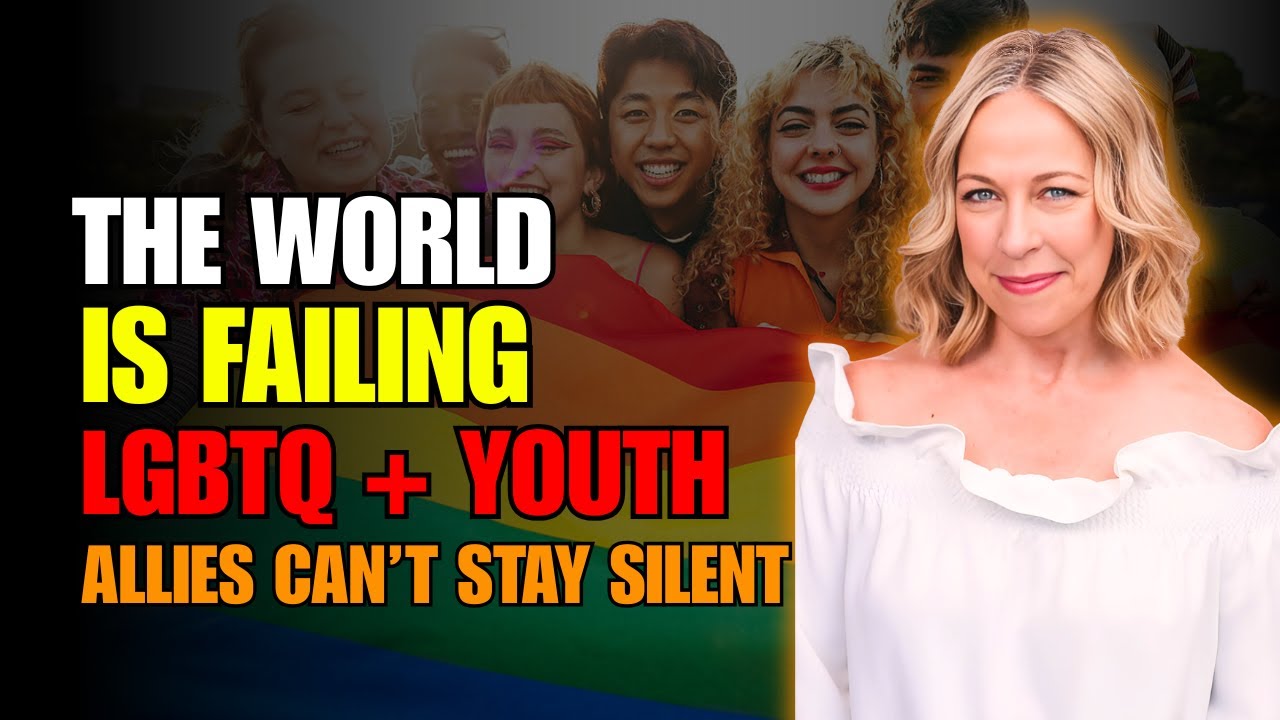
Heather Hester breaks down the 850+ anti-LGBTQ+ bills introduced in 2025 and 118 that passed, explaining how they harm trans and queer youth through lost healthcare, book bans, and silencing teachers. She offers parents and allies concrete steps: contact representatives, support legal organizations like ACLU and Lambda Legal, vote in local races, and build community.
Chapters
Today we're going to talk about 5 ways the current administration is threatening LGBTQ+ safety and how you can fight back. Welcome to More Human, More Kind, the podcast helping parents of LGBTQ+ kids move from fear to fierce allyship and feel less alone and more informed so you can protect what matters, raise brave kids, and spark collective change. I'm Heather Hester. Heather Hester, let's get started. Welcome to More Human, More Kind. Today we are stepping into a complex but really necessary conversation. How the current administration, their new laws, and recent Supreme Court decisions are shaping the safety or the lack thereof for LGBTQ+ people in America, especially our youth. This episode is about clarity. It's about connecting the dots between policy and people. These headlines aren't just theoretical. They're deeply personal for so many families, including mine. We're going to explore what's happening at the federal and state levels how these shifts are creating real harm, and what we can do to stay aware, stay vocal, and stay protective. So over the past year, we've seen a sharp rise in anti-LGBTQ+ rhetoric and legislation. Here's what that looks like in some real terms, real statistics. According to the ACLU and the Trans Legislation Tracker, over 850 anti-LGBTQ+ bills have been introduced in legislatures across the country already in 2025. We are only in July. Many of these have been targeting trans youth and gender-affirming care. So far, 118 anti-trans specific bills have been passed. On January 9th, 2025, so just about 7 months ago, a federal court decided to vacate the 2024 Title IX regulations, making them no longer effective anywhere, essentially stripping protections for trans and non-binary students in all 50 states. There have been bans on drag performances and restrictions on LGBTQ+ representation in public spaces, including bans on books with LGBTQ+ representation or about LGBTQ+ representation, as well as other media such as movies. And there's been a legal trend and series of Supreme Court decisions that have expanded religious exemptions, particularly under the Religious Freedom Restoration Act, in areas like healthcare, education, and public services. The concern here is that these exemptions could be used to justify discrimination, especially against LGBTQ+ individuals and women. Let's be really clear about this. Religious beliefs are not a license to discriminate. Quote unquote, religious freedom has been weaponized to exempt those in favor of it from laws and policies that prohibit discrimination against LGBTQ+ people, women, people of different faiths, cultures, and so on. Religious freedom is a core American value, but it does not mean that our government can favor one specific religion over all others. This is not just culture war posturing. It's systemic. It's coordinated. And it's creating a chilling effect. In every sector across the country— in schools, hospitals, libraries, and even in our homes. So let's talk about what this means for our LGBTQ+ youth and their families. Kids are losing access to gender-affirming healthcare, even when it has been medically advised Students are being misgendered by policy, meaning that they are being denied the right to use their correct name, pronouns, bathrooms, or locker rooms. Teachers are being silenced. They are being punished for including inclusive content or supporting queer students. And LGBTQ+ families are afraid to travel, to move, even to exist openly in some states. This is about safety. It is about belonging. And it's about the very real trauma that happens when your humanity is politicized. How many times in the past 5 months have you thought, how is this even possible? When yet another executive order has come out of this administration or a ruling has come down from the Supreme Court. I've lost count, as I'm sure you have. Remember, the cruelty is the point. It isn't about governing for Trump. Or any person in his administration or any right-leaning member of Congress. It is about instilling fear, creating daily chaos, and spewing vile, dehumanizing rhetoric. The cruelty is the point. This isn't just about LGBTQ+ rights. It's about democracy. When lawmakers start restricting books, controlling bodies, erasing identities, and redefining truth, every single human is at risk. What we're seeing is part of a broader rollback of civil rights, and it isn't new. It is history repeating itself. And as has happened every single time, they're beginning with the most marginalized, the most vulnerable among us. And let's be honest, this is by design. Marginalize one group, sow fear, manufacture division, then replicate it across race, gender, class, religion. So if you're listening and you're not directly impacted right now, let me say this. This still matters. It is still your fight too. Even in this moment, we are not powerless. Here's how we push back. Stay informed without becoming paralyzed. Pick one or two trusted sources and check them weekly. I will list my favorites in the show notes. Start there and then find your own. Fact check and read all sides of the story to get a full understanding of what is happening. Contact your representatives. They do listen to constituent pressure, especially at the state level. Use scripts. I'll point you to some. Make calls, write emails. Every single voice makes a difference. Do it over and over and over again. I will list the number for Congress in the show notes where you can reach your state's congressperson. Support legal organizations that are fighting back. There are so many out there who have been doing advocacy work for decades and do it so well. Groups like the ACLU, Lambda Legal, and GLAAD are filing lawsuits daily. Donate, amplify them, and show up to see how you can be helpful. Vote in every single election, even the school board races, maybe especially the school board races. Remember, Those Moms for Liberty got traction because people weren't paying attention to school board races. Look at who was running for village president or for your town mayor. It doesn't matter how small your town is. Pay attention and vote. And then talk about it. Talk about it more. Talk about it to as many people as you can. Silence is complicity. Talk to your friends, your family, your kids, your coworkers. Bring it into the light. And it doesn't have to be confrontational. It can be simple conversation starters like, did you hear fill in the blank? Or what do you think of fill in the blank? Before we wrap up, let's check out our listener query for today. This segment is part of every solo episode now where I will answer a question I've received over the years. Consider this your official invitation to email or message me with your most burning LGBTQ+ related question. Today's question is, what should I do If or when I encounter anti-LGBTQ+ discrimination or hate speech? This is a great question that aligns with today's topic, which is why I chose it. Encountering anti-LGBTQ+ discrimination or hate speech can be incredibly upsetting and challenging, but there are steps that you can take to protect yourself and others while also standing up for what's right. Here's what you can do. First and foremost, ensure that you are safe. If you feel physically threatened or unsafe, remove yourself from the situation and seek help. If the situation involves violence or immediate harm, contact the authorities or emergency services. Or a trusted person right away. The second thing you can do is to stay calm, but be assertive. Responding with anger can escalate the situation, but calmly asserting that the behavior is unacceptable can sometimes defuse the tension. You might say something like, "Hey, that language is harmful and disrespectful." or, "You know what, everyone deserves to be treated with respect regardless of their identity. Don't overcomplicate it." The third thing you can do is to educate and correct. If you think the person's behavior comes from a place of ignorance rather than malice, you can gently correct misinformation. For example, You might explain that gender identity and sexual orientation are aspects of human diversity and should be respected. If the person is open to it, share resources that promote understanding and kindness. The fourth thing you can do is to report it. If the discrimination or hate speech occurs in a place like a workplace, a school, or a public place, report the incident to the appropriate authorities, such as Human Resources, the administration, or a manager. Many organizations have anti-discrimination policies in place, and reporting helps create accountability. The fifth thing you can do is support the affected person. If the hate speech is directed at someone else, offer them support. Stand by them, offer comfort, and let them know that they are not alone. Your support can make a huge difference in moments like this. And finally, seek support for yourself. Encountering hate speech can be emotionally draining. Be sure that you reach out to allies or friends or support groups who can help you process your feelings and stay strong in your advocacy. Remember that fighting hate and discrimination is not just about responding in the moment, but also about creating a culture of respect and inclusion in your everyday interactions. By standing up for others and creating a space where love and acceptance thrive, you're helping to make a difference. This moment is hard, but it is not hopeless. What we are witnessing is not just political. It is very personal. And while we may not have chosen this fight, we can choose to stay in it with fierce love, with hope, and with truth. The future isn't written yet, but it will be by those of us who refuse to look away, who keep showing up, and who dare to believe that safety Dignity and freedom belong to all of us. I know this was a heavy episode. And so if your heart and soul feel a little cracked open, know that mine does too. But let me leave you with this thought. We are the safety net now. We cannot wait for courts, or presidents, or policies to catch up. We build the protection ourselves with our presence, our voices, our votes, and our relentless insistence that every human deserves dignity. You don't need to do it all, but you do need to do something. Because what is at stake is not just rights, it's lives. I want to thank you so much for being here today, for listening today, and I want to let you know that there are new episodes every Tuesday and Friday now. So make sure you subscribe so you don't miss a single one of them. In fact, I would be really, really grateful if you would take 2 minutes right now to rate and review the podcast. It really helps it get in front of other people just like you. Until next time, remember, you are not alone.
More from Heather








Up at 2AM Researching Everything: What Ally Burnout Looks Like for Parents of LGBTQ+ Kids


PFLAG National Creating Pride in Families: New Resource Helps Parents Build Support Networks at Work
