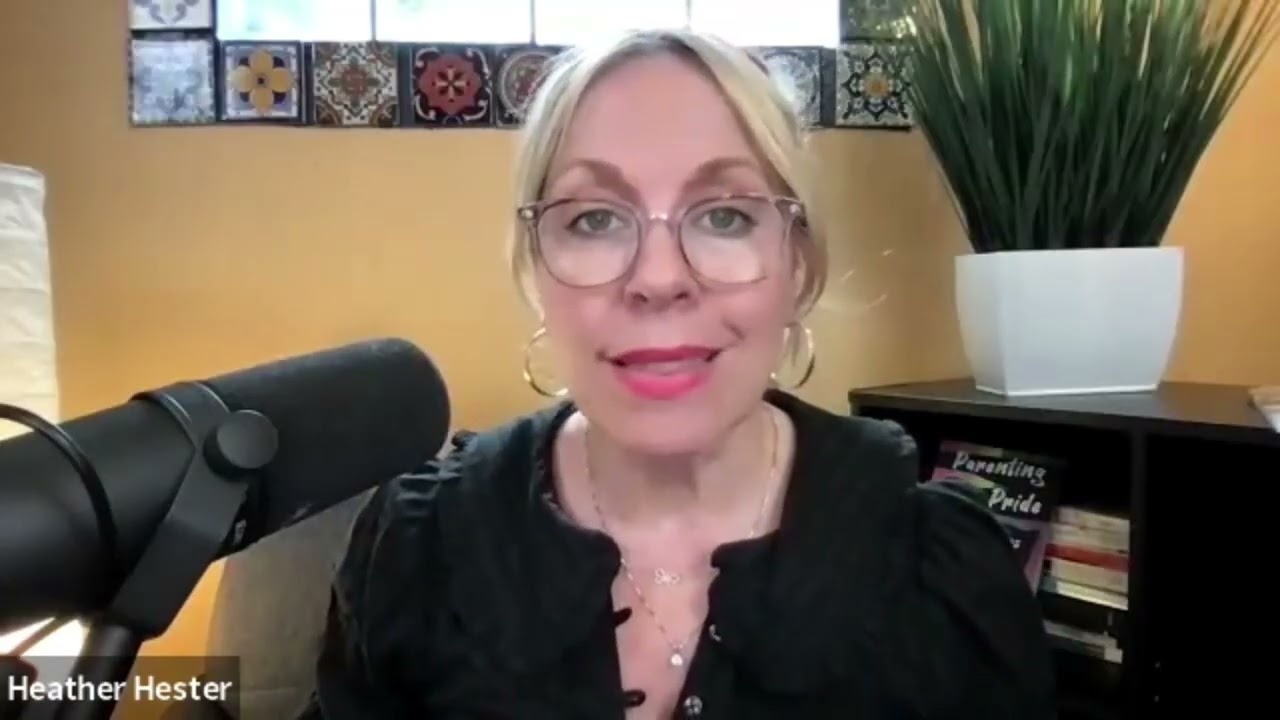
This content was created by Heather Hester. This content was uploaded by Heather Hester. This is a YouTube podcast episode titled "Inclusive Policies | Diversity And Inclusion Policy" (created 2025-09-24) from the More Human, More Kind series. The episode is hosted by Heather Hester (Speaker B) with additional hosting/narration (Speaker A). It focuses on advocating for LGBTQ+ safety in schools: defining what unsafe school climates look like, citing GLSEN statistics and recent legal/political developments, and offering concrete advocacy steps (anti-bullying policies, staff training, GSAs, chosen names/pronouns, visible inclusion, school board engagement). The episode also points listeners to resources (HRC, GLSEN, PFLAG) and answers a listener question dispelling the myth that parenting causes a child’s sexual orientation, emphasizing the importance of parental support.
Today we're going to talk about 5 ways to advocate for LGBTQ+ safety in schools.
Welcome to More Human, More Kind, the podcast helping parents of LGBTQ+ kids move from fear to fierce allyship and feel less alone and more informed so you can protect what matters, raise brave kids, and spark collective change. I'm Heather Hester.
Let's get started. Here are the 3 things you'll walk away with today. You'll understand what lack of inclusion and safety looks like in school settings and how it directly impacts LGBTQ+ student wellbeing. You'll get specific questions, steps, and actions that families and allies can take to advocate for safer, more inclusive schools. And you'll receive encouragement to engage locally by being reminded that real change often begins at the local level in classrooms, libraries, school boards, and daily conversations. Welcome back to More Human, More Kind. I'm Heather Hester, and like I just said, today we are talking about school safety for LGBTQ+ youth. Which is a topic that hits close to home for many, many families. Schools are where our kids spend most of their time. They should be in places of learning and growth and connection. But for many LGBTQ+ students, school is a place of anxiety and erasure and sometimes even harm. So what does safety look like for LGBTQ+ youth in educational spaces? And more importantly, how do we advocate when it's missing? So according to Gilsen's 2023 School Climate Survey, 82% of LGBTQ+ students felt unsafe due to their sexual orientation. 74% felt unsafe because of their gender expression. Less than 20% report having LGBTQ-inclusive curriculum. 80% of LGBTQ+ students experienced verbal harassment, and more than half hear homophobic remarks from school staff. In some states, Don't Say Gay laws are actively banning discussion of queer identities in classrooms. And just this year, Trump has released numerous anti-LGBTQ executive orders, including reversing protections for transgender kids, limiting inclusive topics in the classroom conversations and curriculum. In other words, removing what they consider to be gender ideology and discriminatory equity ideology. And just this week, the Attorney General of Idaho issued an opinion telling schools not to allow teachers to post signs that say, quote, "Everyone is welcome here," claiming that the message that public education is for everyone regardless of race, gender, sexual orientation, or other categories is democratic in nature and therefore illegally partisan. These statistics and executive orders are not just heartbreaking and disappointing, they are dangerous. When schools are unsafe or when a child feels unsafe in school, it can lead to things like poor academic performance, them missing days of school, and of course, and not surprisingly, increased anxiety, depression, and risk of self-harm. So whether you are a parent, an ally, or an educator, you have a role in advocating. Meet with the administration of your child's school or meet with your administrator if you are an educator in these settings and make sure of the following: make sure that there are anti-bullying policies in place that are specifically for LGBTQ+ students. Make sure that there is staff training on inclusive language and support. Make sure that students have access to GSAs, Gay-Straight Alliances, or similar student groups. Make sure that students have the freedom to use their chosen names or their chosen pronouns and wear gender-affirming clothing. And make sure that you see visible signs of inclusion such as pride flags, diverse books, or inclusive posters. Speak at school board meetings. Even one voice can disrupt harmful policy or even build momentum for change. Donate inclusive books to the school library. If you are meeting with your school leadership, do your research and arrive prepared for the meeting. Be respectful and clear in your sharing of information and in your asks. And then model advocacy at home. Teach your child how to speak up for themselves and let them see you do the same. Remember that they are always watching us to see how we handle tough situations and how we speak to others. Every time I've had to go into one of my kids' schools, regardless of the grade level, I've always felt better when I've prepared ahead of time and when I've had a plan of action. The times that I've just written an email or jumped on the phone with the principal or driven to the school without taking a moment to breathe and calm myself, I've almost always regretted it or wished that I could do it over. This is not to say that there isn't a time and a place for emotion and a little fire, Being authentic is important, but so is not wasting those moments when we have the attention of a school administrator or a teacher. Figuring out a way to partner with each other to affect change is so much more powerful than the momentary relief of venting frustration. In today's show notes, I'm going to share the safe schools guides from 3 of my favorite organizations: HRC, GLSEN, and PFLAG. And before we wrap up for today, let's check out our listener query. This segment is part of every solo episode now where I will answer a question I've heard over the years. So this is your official invitation to email or message me with your most Burning LGBTQ+ related question. Today's question is related to a common myth that quote unquote bad parenting caused your child to be gay or any other sexual orientation or gender identity. This is a really painful myth, and it's one that a lot of parents grapple with. When they first learn that their child is LGBTQ+. The idea that somehow you did something wrong or made a mistake that led your child to be gay is not only inaccurate, but harmful. First and foremost, sexual orientation is not something that can be caused by parenting or external influences. Your child's attraction to the same gender, opposite gender, or multiple genders is just a part of who they are, just like their eye color or their height. No matter how a child is raised, their sexual orientation is something inherent to them. It's not something you can make happen or change. This myth often comes from a place of confusion and fear, with people trying to find a reason for something they don't understand. But the truth is that sexual orientation is not a choice, and it doesn't come from anything a parent did or didn't do. Research consistently shows that being gay, lesbian, bisexual, or any other sexual orientation is a complex mix of genetics, biology, and environmental factors that are not determined by parenting styles or family dynamics. That said, how you respond to your child's identity matters immensely. Your reaction can significantly affect their emotional health, their self-esteem, and their overall well-being. If you react with love, acceptance, and support, it really can lead to a healthier and happier child who feels safe and confident in who they are. On the other hand, if you respond with rejection, anger, or even denial, It can have lasting negative effects on your child's mental health and sense of self-worth. So while you didn't cause your child to be gay, you have a powerful role to play in supporting them through this part of their journey. Your love and acceptance can help them thrive, while your rejection could create lasting emotional damage. Remember, being a supportive parent doesn't mean understanding everything right away. It means loving your child unconditionally and taking the steps to learn and grow and unlearn and be the best ally that you can be. Your child's sexuality is a natural part of who they are, and your support will show them that they're worthy of love and respect just as they are. You are not alone in this. Every child deserves to feel safe at school, not just tolerated, but protected and celebrated. School should be a place of learning and belonging, not of fear and silence. And when you advocate, you send a very clear message. My child and every child like them is worth fighting for. We're teaching them by example that they are worth protecting, that they matter, and that they are not alone. Let's make sure they really know that. Thank you so much for being with me here today. There are new episodes every Tuesday and Friday, so make sure you subscribe so you do not miss a single one. If today's episode resonated with you, it would mean the world to me and to the life of a new listener if you would leave a rating and a review. The link is in the show notes. Thank you for being someone who chooses to show up. Keep going. Keep learning. And until next time, remember, you are not alone.