Should Kids Learn About LGBTQ? | Raising Brave Kids Who Care
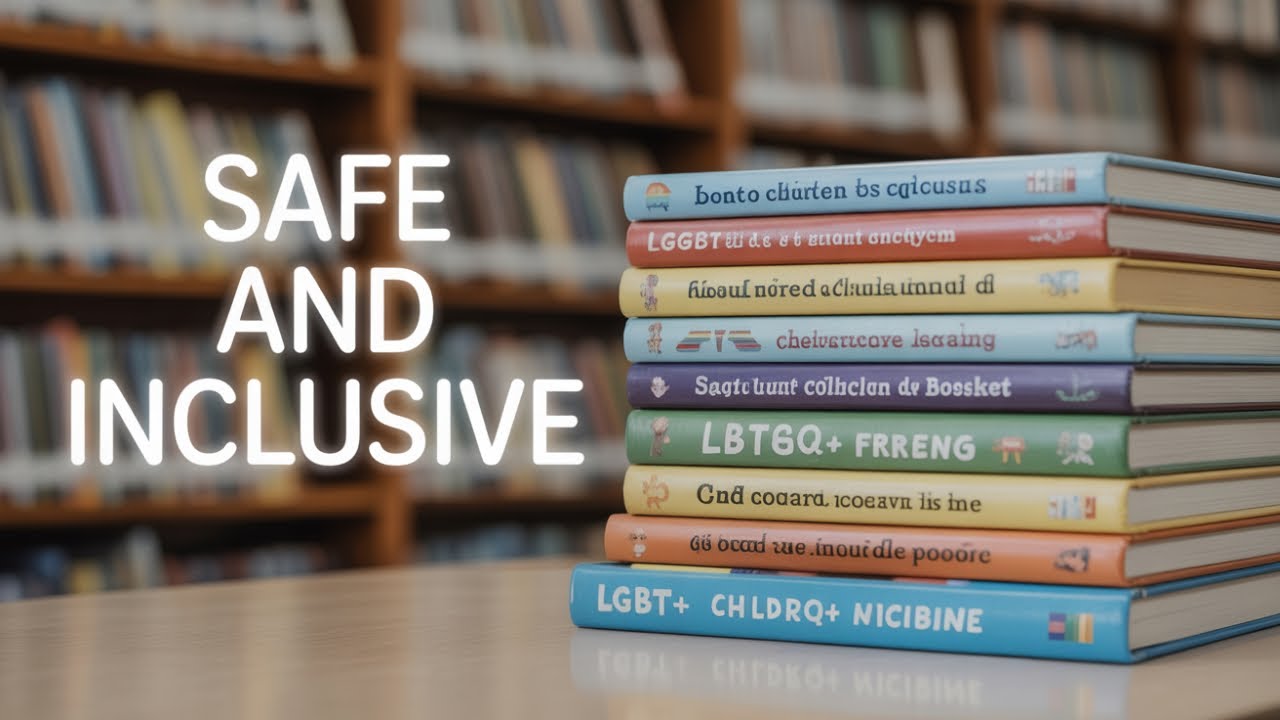
Heather Hester challenges the idea that LGBTQ topics are inappropriate for kids, arguing the narrative erases and endangers children. She outlines five concrete actions: speak up against censorship, support inclusive books and curricula, amplify LGBTQ creators, normalize conversation, and prioritize visibility.
Chapters
Today we are going to challenge the harmful narrative that LGBTQ isn't for kids. Welcome to More Human, More Kind, the podcast helping parents of LGBTQ+ kids move from fear to fierce allyship and feel less alone and more informed so you can protect what matters, raise brave kids, and spark collective change. I'm Heather Hester. Let's get started. Welcome back to More Human, More Kind. Today's episode is a vital one. It may be one of the most important conversations we have this month. We've all heard it, maybe whispered at a school board meeting or posted online, or even said casually at a family gathering. 'LGBTQ issues aren't for kids,' or 'They're too young to know who they are or what they are,' or even 'Let kids be kids, don't confuse them.' On the surface, these comments may sound like concern, but when we unpack what is really being said, we find something more dangerous. A narrative that erases identity, reinforces shame, and puts LGBTQ+ children at a very real risk. So today we're talking about why this narrative is harmful, how it impacts our kids, and what we can all do to counter it with love, truth, and courage. So let's get clear on what this narrative means. What does LGBTQ isn't for kids really mean? It's often a veiled way of saying queer identity is inherently adult or sexual or inappropriate. It can also be a veiled way of saying there's no such thing as a gay or trans child, or It can be a way of saying you're pushing an agenda by acknowledging LGBTQ+ existence. But here's the truth: LGBTQ+ people are born, not made. Many people know their identity as children, whether it's who they're drawn to, what name feels right, or what role models reflect who they are. In fact, I want us to take a moment here to reflect when we had our first crush, the moments in our life when we felt the most comfortable in our skin, in our bodies. And if you can't remember that about yourself, what about your kids? What likes and dislikes have you noticed that were purely theirs, meaning without any kind of adult or other person influence. And finally, only thing inappropriate is teaching shame, silence, and fear. When adults say LGBTQ isn't for kids, they might believe they're protecting innocence But what actually is happening is erasure. Here's what this narrative actually does. It invalidates LGBTQ+ kids' experiences. It tells them that their truth, who they are, is too much or not real or something to hide. It silences conversations in homes and in classrooms. Because of the current climate, teachers are afraid to use inclusive language. Many families are avoiding real talk and real conversations, and LGBTQ+ kids get the message that who they are is unspeakable. And finally, this narrative justifies harmful policies. It has fueled book bans, the Don't Say Gay laws, bathroom restrictions, and attacks on gender-affirming care for minors, just to name a few things. These policies are instilling real fear into teachers and parents and legislators, people all across the spectrum of our society. And most critically, it puts kids in danger. When they are not seen, when they do not have the language, when they are shamed or silenced, They suffer. Their mental health deteriorates. Their risk of self-harm increases. They lose trust in the very people meant to protect them. The argument or reasoning of LGBTQ isn't for kids, while dangerous, is also becoming more openly flawed. And their true intentions more transparent. They do not care about children. If they did, there would be stricter gun control laws. There would be robust programming to care for children after they are born. There would be a focus on education. When you hear, especially a legislator or a lawmaker, say LGBTQ isn't for kids, Please understand that it is all about control for them. I don't know if it's out of ignorance or arrogance or just plain cruelty, but the danger and the erasure of this statement is the point. Please hear me when I say that and be very clear on that yourself. Here's what LGBTQ is for kids actually looks like. It's a preschooler who sees two moms in a book and says, "That's like my family." It's a 9-year-old who hears a teacher say, "Some kids have different pronouns," and feels a light go on inside. And it's a middle schooler who watches a show with a trans character and for the first time sees someone who feels like them. This isn't indoctrination, it's representation, it's inclusion, and it is safety. Age-appropriate LGBTQ+ content doesn't talk about sex. It talks about identity, families, friendship, love, and belonging, just like every single other story we tell our kids. And let's be real, we never questioned whether kids can read fairy tales about straight princes and princesses. So why is it suddenly inappropriate when a story has two dads or a non-binary hero. When we include LGBTQ+ identities early, we're not confusing kids. We're freeing them. We're giving them permission to be curious and kind and whole. This is a narrative we can challenge and shift. Here are 5 things you can do. To help this happen. The first is speak up when you hear this phrase, whether it's LGBTQ isn't for kids or protecting the innocence or anything along these lines. You can ask gently, what do you mean by that? Or you could say, can I offer another perspective on that? The second thing you can do is support inclusive books and curricula. Request them at your school library and your local bookstores. Read them with your kids. Share them with your friends and family, and even on social media if that's your thing. The third thing you can do is to follow and amplify LGBTQ+ creators and educators. Especially those working with youth. They are doing powerful work, so let's boost their visibility. That means sharing their work with others, rating and reviewing them if they're podcasts, liking and commenting, and taking action. The fourth thing we can do is to normalize this conversation. Talk about families with two moms. Talk about pronouns. Talk about identity exploration in the same way that you would talk about any other part of a human being. Embrace it if it feels uncomfortable. You're growing. And if you mess up, well done. That means you're trying. Own it. Learn from it. And keep talking. And the fifth thing you can do is to remember that safety begins with visibility. Kids can't be what they can't see, and they can't feel safe if they don't see themselves reflected anywhere. In the show notes today, I am going to list a lot of books for younger kids that have great representation. As well as books for middle grades and young adult audiences. I'm also going to give you a couple of really great educational organizations to follow. So before we wrap up, let's check out our listener query for today. This segment is part of every solo episode now where I will answer a question I've received over the years. So remember, this is your official invitation to email or message me with your most burning LGBTQ+ related question. So today's question is, what is conversion therapy and why is it harmful? Oof, this is a big one. Conversion therapy is also known as reparative therapy or gay cure therapy. And it refers to practices or treatments that attempt to change or suppress a person's sexual orientation or gender identity. It's based on the false belief that being LGBTQ+ is a mental illness or something that needs to be quote unquote cured or fixed. These practices can involve various methods, including counseling, aversion techniques, or even more extreme and dangerous methods like electroshock therapy. The reason conversion therapy is harmful is because it goes against the fundamental truth that being LGBTQ+ is not something that needs to be changed. Sexual orientation and gender identity are core parts of who we are, and attempting to alter them can lead to severe emotional and psychological damage. Many people who have undergone conversion therapy experience increased rates of depression, anxiety, self-harm, suicidal thoughts, and a sense of deep, deep shame and worthlessness. This therapy undermines a person's sense of self-acceptance, and it can have lifelong effects on their mental health. Not only is conversion therapy ineffective, but it also promotes discrimination and self-hatred. Numerous medical and psychological organizations including the American Psychological Association and the World Health Organization, have condemned it as harmful and unethical. The best approach to supporting someone who is LGBTQ+ is affirming their identity, offering love, and helping them feel safe and accepted for who they truly are. Conversion therapy does not do this. It creates harm, not healing. I'd like for you to walk away from this episode today with a few thoughts. The first is the idea that LGBTQ isn't for kids is often rooted in fear, shame, or misinformation. Not in truth or care. Queer identity is not a phase or an ideology or a danger. It's part of the human experience, and kids deserve language and representation. Inclusion protects mental health and helps LGBTQ+ youth feel safe loved, and seen. A few things that families and allies can do is to normalize inclusive language and representation at every age. They can push back when this narrative appears in schools, politics, and conversation. They can read and share LGBTQ+ books, and media. And finally, they can support educators and policies that reflect all children. Please remember that it is developmentally appropriate and normal for kids to figure out who they are. Our job isn't to control or confuse them. It's to see them, to support them, and to make sure they never feel erased. Representation isn't about pushing an agenda. It's about telling the truth. LGBTQ+ people exist at every age. Every child deserves to feel seen in the stories we tell, the families we celebrate, and the lives we protect. Affirmation isn't a radical thing. It's responsible. And it's what love looks like in action. This narrative, the LGBTQ isn't for kids narrative, is a tool of fear. The last thing our kids need is fear. What they need is truth, love, Language, reflection, safety. When we challenge this narrative, we open space for a safer, kinder, more truthful world where every child can grow up knowing that they belong. So I will leave you with this final thought. Every time that you affirm an LGBTQ+ child, whether it is directly or indirectly. You make the world safer. Every time you challenge this narrative that LGBTQ isn't for kids, you open space for healing. Every time you choose inclusion, you help a child know that they are not broken. They are exactly who they are meant to be. Let's build a world where no child has to wonder if they're too much or too young to be fully seen. Thanks so much for being with me here today. There are new episodes every Tuesday and Friday, so make sure you subscribe so you don't miss a single one. And if you're wondering how you can show up best as an ally, take my quick Ally Quiz to find out your strengths and actions you can take today. The link is in the show notes. Until next time, remember, you are not alone.
More from Heather








Up at 2AM Researching Everything: What Ally Burnout Looks Like for Parents of LGBTQ+ Kids


PFLAG National Creating Pride in Families: New Resource Helps Parents Build Support Networks at Work
