How the metaverse and Web3 could reshape the fashion industry
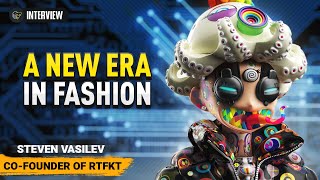
Steven Vasilev of Artifact Studios discusses Clonex, an NFT project that combines physical collectibles with digital ownership through encrypted NFC chips. The technology authenticates products and unlocks utilities like event access, while gaming and metaverse integration could drive demand for digital wearables over the next several years.
Chapters
Hello and welcome. We are glad you are all tuning in for an exciting interview with Artifact Studios co founder Steven Vasilev, where we will dive into the Artifact Studios Clonex developments, its impact across the web3 ecosystem and the future developments in collaboration with none other than Nike. Stephen, thank you so much for joining us today. How's it going and if you would like to introduce and tell us about yourself and Artifact.
Hi, how's it going? Pleasure to be here. I'm Stephen, better known as Zaptio. I'm one of the three co founders of Artifact. Artifact is a next generation brand of the future focused in creating next generation collectibles sold as NFTs. And we're in a every realm in the metaverse. So we have avatars and identity with our Clonex project and we've defined as being the key wearable brand in the ecosystem. So we create different wearables for clonexes to adopt and wear. And a cool thing about Artifact is we developed the forging mechanic which allows our NFT holders to redeem IRL physical goods from holding their NFTs.
I know that a big part of Artifact is the love of fashion and the love of future and the passion for that. So can you describe how both of these loves kind of, you know, planted the seed for what is Artifact Studios today?
So the three founders and team, we all come from fashion and culture backgrounds, so we've been ourselves huge fans of Nike and other brands and collecting physical assets all the time. So when creating Artifact we really wanted, we saw that the technology of NFTs and blockchain could create a more frictionless experience for collectors in terms of authentication and also provenance and scarcity and supply being transparent, which nowadays you don't really have with high end brands. So for us it made total sense to fuse the two together. And we did this with our Clonex forging drop. We designed 10 brands, each token gated by Clonex DNAs, featuring a full collection of items from caps, socks, hoodies, pants and even sneakers and connecting them to the digital world using the top NFC technology which links to the NFT that spawned that item. And we're big believers of NFC technology being implemented on a mass scale because of the different utilities that can be unlocked through that. So we're really excited to get this out and start displaying our vision of what's possible using this technology.
Yes. And you say nfc, which I believe is near field communication chips, is that correct? Yeah. And NFC are, I feel like they're steadily becoming more adopted within the fashion industry. You know, we're starting to see more brands, especially you know, artifact. I feel like kind of pioneered or ushered in the nfcs. Can you speak to us about the power and the impact that this could have for not only brands but also creators? So you know someone who doesn't necessarily have a name like Nike behind them.
Yeah, so NFCs have been used for a number of years. What we haven't seen is the clear cut utility or an ecosystem of them actually functioning. It comes down to technical aspects around NFCs. For example, if you had a standard NFC tag, someone could actually duplicate it, copy the signal from the NFC. What we've been working on is NFCs that can actually authenticate products. So it goes to a secured encrypted server that can actually come back and say this item is 100% authentic and these NFC chips can't be replicated. So I think one of the primary functions of us exploring work with NFCS is our NFTs are very high valued and they can't be replicated due to the security of blockchain. But when it comes to physical items, there's a huge counterfeit market and we see these as real life collectibles that we ensure to have value in 10 years time. So we're really focused on implementing this technology at one level to achieve authenticity. And we're lucky to have Nike behind us who have had countless amount of years experimenting R and D and innovating with this technology. And then in addition from our side we see a lot of utility by actually linking the NFT to the NFC because it creates two points of immutability, which hasn't been done before. We've seen Some people use NFCs to just redirect to a page. So we're actually doing a lot of work to link both of these items to create this ecosystem of authenticity, but also building on new utility on top of that. And that links to your question about how other people can get involved in this is in the future we will see like on our side that you can link your NFT to NFC and that's shown by scanning the nfc and that can allow you to access say for example an event. But that also works if a community member decides, hey, I want to throw an event and just allow clonex holders in. They can just scan people's garments at the door and it will clearly tell them it's a link to an nft.
Can you speak to us about how you see digital fashion and collectibles impacting the future of like digital identities and maybe People almost monetizing off of them.
Right now there really isn't a huge demand like globally for digital wearables because we're still so early. But I think the best comparison is video games. You take the younger generation who grows up playing Fortnite, Minecraft or any game, and they're obsessed with their digital skins or any in game purchases that they make, and that's going to translate directly into the NFT space when game adoption starts. And I think that will happen when people understand the concept of digital ownership and stop spending money on skins and stuff that they don't own or can't resell. It's a natural progression and evolution of what we've been doing. And then for us, we've been really paving the way of actually merging the physical because that is a clear onboarding tool to bring new people into this space who can understand the value proposition of redeeming a physical rare item and understanding the scarcity behind that item.
So is there kind of a leak there of maybe a game or a gamified perhaps ecosystem within the artifact ecosystem? And do you see more, do you see PFP projects or projects in general having to almost do that, like go into more 3D metaverse like games?
I'll answer the second question first because I think it leads in well. But right now with the bear market, we've seen prices drop across the board and I think it comes down to a lot of people buying NFTs just for the investment purpose. There's all these people that just want to buy NFTs, get rich and flip them, and that's not what they're intended for. And that's why we've seen a lot of overpromising from companies and brands promising all this utility and now having to rely on a game to save them. And we think that's not the right way to go about it. And that's why we've seen this bear market cleanse a lot of the projects with these promises. We feel like gaming is the biggest utility for NFTs just based on the fact of the ownership level and that just scratching the surface of what's actually possible. And I think all top projects will eventually end up in games. People who own bored apes or clones, they want to be able to use their avatar in different worlds. And that will happen eventually. And I think it's just a matter of time. I think one point that not many people consider is right now a lot of the blockchain crypto native games are not great and real game publishers, they're not incentivized to jump in head first right now because they make all of their money from closed ecosystems. But eventually it will happen and I think we need a period of three to four years just for that's the time it takes to make great amazing AAA games. And one company needs to do it. And that will open the floodgates to what's possible. And then on the second question, anything's possible.
It is true. Anything is possible. Which leads me to what is possible. Future integrations. What is the craziest thing that you have perhaps conceptualized in your mind as an integration for the future?
I think we've already started working on these ideas, so it's hard for me to say without giving out crazy alpha, but I think the NFC conversation of what we've done with Clonex forging, for me personally is super exciting one because I understand what we're building in the long term thing like plan, but I think it's just scratching the surface. And Artifact has always been here to break things and make things better. We're not scared to innovate and we're not scared to do things outside the norm, even though our community might not understand them at this time. But with Clonex forging, I think this is going to be a benchmark for all brands moving into the phygital space. And I think 10 years from now everyone will be adopting similar technology to what we've displayed.
Do you have anything that you would like to leave us with before you head out, Stephen?
Yeah, I think maybe just the future is now. Everyone has a role to play in this new future and it just comes about of being not scared to fail at things and experimenting and I think everyone can take a leaf out of that. And it's an exciting time. We're early in a technology that can reshape culture and reshape how we do things on the Internet. And it's an exciting time. So get out, build, gain new information daily and just have fun. I think that's a key part of the NFT space. Adults are able to be kids again and that was missing from the old world. And I think yeah, a lot of great things are going to happen in this space.










