Interview with Travis & Beth Ann Falstad on Building Conscious Communities
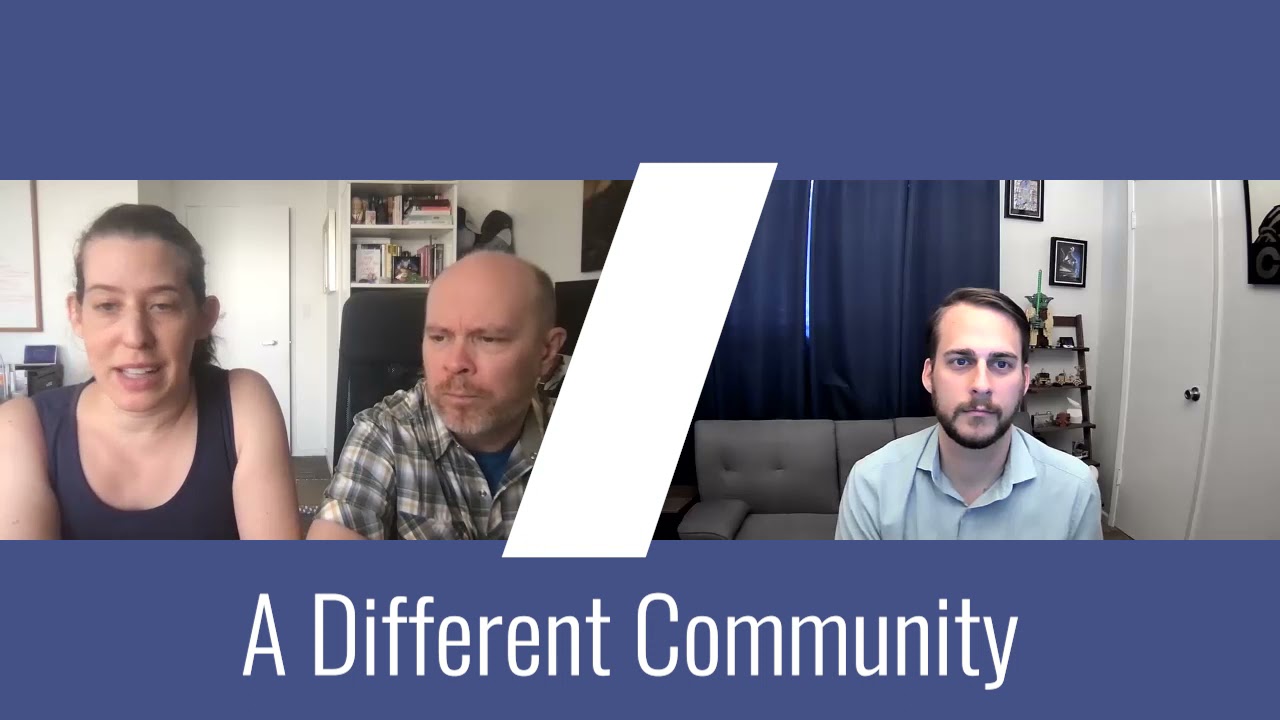
Beth Ann and Travis Falstad are designing affordable housing for unhoused people on LA's Skid Row by putting residents at the design table. Weekly workshops with clay, Legos, and drawing revealed practical needs like lockable storage and wheelchair access. They're building with earth-bag techniques to create a village in a downtown parking lot, now seeking funding and a central LA site.
Chapters
Hello, my name is Ian Peterman. I'm CEO and founder of Peterman Design Firm and host of the Conscious Design blog and podcast. And today I'm really excited for 2 guests, Beth Ann and Travis Falstad, who have been working on solving the problem of homelessness in, in a bit of a unique way. And Welcome to the show. Good to have you here.
Thank you. It's great to be here.
Thank you.
Awesome. Well, let's dive into your project. Tell me a little bit about how you got started. You know, because it's a problem. We all know homelessness is a problem, but not all of us decide to actually take initiative in actually trying to solve that problem. So can you tell me a little bit about, you know, know, how you got started? What was that driving beginning to the story we now— we're now here?
Sure. So, you know, I— my background is in art and fine art, and I came out to the West Coast to build communities and villages and use earth-building techniques. And I hooked up with people who like that kind of thing. And, um, but I eventually moved to downtown Los Angeles, and around me was this you know, Skid Row neighborhood. And it just really sank in deep for me where, you know, I have access to building community, but all these people are living on the streets in a very precarious way. And so if I'm going to build community, I need to build community with the people who need it the most. And at the same time, I realized that in Skid Row, there is a strong sense of community. Differently than I had living in the lofts in the neighborhood where it was a little more isolating for me. So it's kind of twofold, but I was really moved by what was happening around me and I wanted to do what I could to make a difference.
And you met— we've talked about design process and this community thread is is huge through every time we've talked. This is like the major thread. So tell me a little bit about your design process and how you're able to, you know, because usually it's right, the house that I live in was designed by some architect I've never met, I've never known, will never talk to, probably never know who it is, right? So what is, how do you go through that process and bring in this community element Sure.
So the way that I started it was I went and introduced myself at a permanent supportive housing building that was just a block away from where we lived. And I said, I'm an artist and I'm interested to build things that look like this. And I showed them pictures of, you know, adobe structures and earthbag buildings. And I said— and they said, great. Great, that sounds great. You know, we'd love to build things with you. And then we started meeting once a week, and the process was very much about getting to know each other and sharing stories. So we do— we use a circle, a talking circle, every time we meet, and we have a lot of fun, but we also share our ideas about what we would want to see in a village and in a community that supports people based on their own experiences of living on the street and what was working for them, what wasn't, what needed to be there, and what they would be inspired by, what they would love to see, rather than just, you know, meeting their bare-bones necessities, but actually making it something beautiful. So that core, the core of the process was meeting once a week and doing things like, you know, building with clay or Legos and drawing and whatever processes that we did to design this process, design the village in an iterative way. We did that over the course of 18 months. So that's very central to the process. And that would continue, you know, as soon as COVID is really over and we can get back to the drawing board, that's what we'll be doing. So.
Right. And with that process, you know, you mentioned a lot of different ways, like Legos and clay. How was it in terms of— because I'm assuming these people aren't architectural background, they're probably not degree designers with decades of experience. So how was that process, like educating them in it and pulling? Like, was that— do you feel like that was better? Like they didn't necessarily have as many constraints because they hadn't been an architect for 30 years and therefore This is the box I built in. Like, how was that dynamic working with, you know, untrained designers?
Yeah, exactly. You know, it's kind of, everything was an experiment. So I have friends and students that I teach at Cal Poly who are architects and engineers and landscape architects who all kind of chipped in and volunteered with the project. And we just shared— I shared a lot of examples, but then to really make this, the architects and engineers to actually like create the blueprints and make sure that they're stable and all of that. So the rudimentary design, we just laid out the whole village and made sure, you know, there was enough space for everyone. And then we're going to finesse the plans.
So I would add that it's interesting because it does end up with an element of kind of user-centric design with the people who would ultimately be the users of the space taking that first design pass to then be refined by architects. So it does, yeah. So in that way, it actually seemed novel. And it mirrors the way that some kind of non-architecture products are designed.
And the other thing is that, you know, we laid out the measurement of a space in the room that we're sitting in and had conversations about what they could do in that room and what they would need space-wise. And to have that kind of direct feedback, you know, one member was like, oh no, this needs to be wider because, you know, my friend is in a wheelchair and You know, even though this fits, it's just, you know, she would give me that direct, like, instant information that I needed to create an adequate space that you wouldn't get if you were to go back to your office and work with your team and then kind of present a plan to the group based on what they said. We were working back and forth every week to make sure that it was, you know, a plan that everyone bought into.
Beth has, you know, it's been interesting. Beth has kind of educated me over the course of this process that people will sometimes come into a community and, you know, with a bit of a savior mentality, you know, great news, we're here to solve the problem. You know, you're welcome in advance.
Right.
And I think that what I've watched is her approaching it from a sense of humility Humility, basically, to work with people to design it in a way that it would best meet their needs. I know that in LA specifically with money right now, the money situation, there are a lot of projects that have been getting greenlit. And the idea— Many of them are kind of a solution that's been designed that's just being allocated to the land, you know, maybe to a narrow strip of land, for example, or a non-traditional plot. But this is the only one that I know of that has been designed in collaboration with the formerly homeless people who would be, you know, have a good insight into what the needs are.
There are a few groups that are doing projects like this, and they're much harder to get off the ground, you know, more grassroots. You know, less high-level political negotiation and more like kind of convincing the city that this is something good that we need. But I found it's actually— it solves so many problems to get people together to design their own solution because it also is this switch from the victim mentality into this feeling of empowerment and inspiration where They felt that finally they were being listened to and they were contributing and they were being useful and being respected. And sadly enough, that, you know, the members of the group, you know, there were about anywhere between 5 to 15 people in the circle from week to week. You know, they shared with me that basically that was the only space in their life where they were being—
Heard.
allowed to be heard that way and to be fully themselves and to be able to participate. And that's just, I feel like that's part of the healing process and part of the solution to the housing crisis. So I feel very passionate about that. And I'm glad that there are other groups that are approaching it that way too.
And through, because you were able to actually talk to people who are going to use it, who experienced homelessness. What, you know, because we all think as people, I've never actually been homeless. I lived in a trailer for 6 months, but willingly. So there, you know, I don't actually have that experience. And most people that solve this problem or try to don't. So we have our key factors that we keep in mind, like, oh, these are the things, these are the factors you should be aware of. This is what they need. What did you see? Was there a shift in going in like, hey, this is what we all think they need. These are the key factors in how we're going to design it and fix this problem. How did that shift, or did it shift, as you actually got feedback from people who had lived this and were going to be the people living in this?
For me, it was— I had a pretty open mind going into it, except that there were some things that I just assumed everyone would want, like soft furniture with like a lot of bedding and, you know, things that can be moved around. And I think in part because the people in the group were very practical-minded and true and just honest about their experiences on the street and saying, you know, we don't want people to have to be off drugs, be off this eventually, they could get off drugs if If they want to and if they can. And so if they're on drugs and they're, you know, trying to live in a space, we need it to be able to be hosed down, basically. And we need everything to be attached. And, you know, we need lockers in a central location for our stuff. And we need to be able to lock the refrigerator so that people don't steal each other's food. And all these things were like much more Mercenary than I had approached it. I was like, oh, you know, I want it to be comforting. And, you know, yes, this form and the arrangement of the village can be very welcoming and, you know, with the center of bringing people together and forging relationships. But there was more of a utilitarian focus in this group that surprised me.
And that— I know you mentioned just a few minutes ago that, you know, the, the Skid Row has a community. Is that— did that come across? Is that— that's just part of that community's mentality? Like, yes, there's, you know, the homeless camp and it's a group of people that are living there, but they're all like that utilitarian security mindset. Does that come from A pre-existing or something that they don't have that has been taken away and they're seeing this as an opportunity to, hey, we can, we can design something that I can have those things because I haven't— my food's been stolen too much.
Yeah, I mean, it's definitely a reaction to not having a plate, a secure place to put your things, and, um, you know, living in precarious structures that can be blown down or pushed around by your neighbors, all of those things. And just, I think I don't want to make it a kind of a utopian idea that there's this sense of community. It's definitely there and strong because people need to rely on each other for survival in Skid Row. But there's also big problems there, obviously, too. And a lot of violence, a lot of predatory kind of drug pushing and that kind of thing. But, but the dynamic is that, you know, in the loft building that I was living in, that we were living in, in the Skid Row neighborhood, often you would get on the elevator and like another person might not even acknowledge you. Even if you say hello, they might not even respond to you. And that's kind of normal. And when I would talk to the people in the building community in our circle, they would be like, are you crazy? And what, you wouldn't acknowledge? Like, what kind of human doesn't say hello and ask you how your day is? Like, that's basic in Skid Row, in the community, is that, you know, there's communication, you know, acknowledgement of other people. So there was almost more of a humanistic, down-to-earth feeling that I was craving, um, you know, as, as a person living in, in the neighborhood that I wasn't getting from the people who are— were housed in our building. So there was an exchange there, a give and take.
Yeah. And so you've mentioned community building as part of this, and is there Is that one of like a really main topic as that? I know you have that goal of you're wanting to make sure there's community and building it and, and making it better, a better version of what, what they have and, and what's around. Is that something that, you know, your participants, did they, were they looking at for that as well? Or did they kind of, what, what was that? blend between your idea of let's build a community and their idea and how did that progress?
Sure. I actually was so lucky that I came in there and I was like, well, I have this idea, but I don't want to kind of project it onto this group of people that I don't know. And it turned out that they also had this sense already and it was this shared feeling that we What would be really important to have to kind of bring people in off the streets to start to live again in shelters is this feeling of responsibility to each other and connection. So, you know, the anonymity thing, if someone comes into a— to live in a village and nobody knows who they are, they can just do things that they know aren't really great and kind of— treat it poorly and get away with it because they're not feeling responsible as part of the community. But once you build those relationships and you know your neighbors and you care about them, you're going to think twice before you damage their property or, you know, fail to live up to your agreement that you, you know, that you did when you came into the community. So, We all shared that idea and also having like a responsibility, like a role to play in the community, whether it's like monitoring the restroom or weeding the garden, like that helps that person feel like they belong and you kind of get their sense of identity back. So luckily that was something that we all shared and it was also very inspiring to me that It was already a sense of that in the group.
I think that when you add that, you know, a lot of people in that community are suffering from, you know, mental health issues and addiction, those are also— those same aspects are used in therapies for, you know, addiction and mental health issues. So it does tend to also help with some of the real foundational problems that keep people homeless.
And then, you know, bouncing off that, again, from the standpoint of being looked at like a victim or someone who's broken and needs to be fixed, a lot of the group therapies and group workshops that the people that I'm working with have been to and continue to go to are focused on the addiction and focused on the problem. And they relive it and they talk about it all the time. And it's frustrating for a lot of them because they're like, I don't, I'm more than that. You know, I have a lot of things that I'm interested in. I don't wanna keep on just focusing on the drugs.
Yeah.
So if you start talking about childhood and other things that they like to do and stories that make them laugh and, you know, just ask them what's on their mind, all of a sudden it's more about the present moment and that healing process is there. I think that it's important and necessary to have drug treatment programs and talk therapy, and that's all really good, really important. But I don't think it's the only thing. And so that part of it was really uplifting for the group. And actually, as a PhD student doing research, and that was part of the agreement that we had as a group, that we would also try to gain attention to the project by publishing through my Mm-hmm. So we actually did a wellbeing measurement process where we took the Flourishing Index before and after this series of workshops that we designed for ourselves. And it, you know, it's hard to extract one process as a, you know, to have make a big difference in someone's life who's dealing with lots of complex challenges. So the results were pretty inconclusive, but anecdotally, we all felt a lot of positivity from being in the group and inspiration.
Well, I think that's— I feel like that is something that should be recognized based on how many people go back to— that rehab process is such a repeat process. So this idea of like, well, that's great, do that. And let's maybe do something else too to help support, you know, because it's, it just makes logical sense to me that you would add, add an additional level to this and go, okay, well, that's great. Do that thing. Let's build this, build a community, make a place that you actually want to live in. And, and I think too, you know, this is one of my thoughts is I care a lot about things that are mine. If I own it, if it's mine, then I'm going to take care of it, and I'm going to want it to be taken care of and be respected by other people. So when you don't have anything, that's really hard to have, have that. When you own nothing or you own what everybody else considers crap, it's not really a building or growing position to be in. So I think this— I, I think this is a great process that you're wanting to build around community and, and a place, a place to be that you were involved in. Um, and kind of just to circle back, you mentioned a few different ways of building, like adobe structures and sand, sandbag structures. Kind of what was your thought process in Like how the materials that you wanted to use, and I know you talked about landscaping, so let's talk about that a little bit and what that— the thought process of the environment that, that you're creating. Not just— I've seen, you know, corrugated steel buildings that they build up for years. It's a homeless place. You can now have a tiny home that's sheet metal. Congratulations. Nobody, nobody wants that. So how was your thought process and their input through the materials of it?
Sure. So first off, you know, I'm a sculptor and I'm in love with the process of using clay and wood and different materials to create form and that kind of expression that's possible beyond the 90-degree walls. And I think, you know, introducing the group to that that possibility that you can create a form in any shape that you want with these materials. They were also inspired by that. And then going to see them on site and thinking like, wow, you know, you can really make something that's really different and cool and sculptural. So we really wanted to play with that, but also that, you know, the reason why there is Callarth Institute and Superadobe process is that it's climate and geographically appropriate here in Southern California.
Hmm.
So, part of my kind of radical passion as an artist is to inject glimpses of what life would look like or could look like differently from what we have in modern society. So, taking a part parking lot that's not used, you know, in downtown Los Angeles between skyscrapers and, you know, kind of the buildings that we're used to and turning it into this bucolic rolling green village with these sculptural super adobe structures in it. You know, it like makes you take a double take and think, wait, wait a minute, what is that?
And What—
so maybe it might spark a question of like, is this the only way that we can live? You know, is the way that we look out at the landscape of Los Angeles and the concrete massive structures, um, this is unsustainability embodied. And, uh, you know, I want to make a statement of, you know, this is, this is not the only way to do it. It's not to say that we need to tear everything down because that's also not sustainable, but—
Right.
Yeah, implanted in people's heads.
So I love the idea of having a random block in the city be just a giant adobe structure or something else. It's just, it's like, I feel like it'd be the same thing like when you drive through old downtowns and there's like the giant church which is built You know, a long time ago. Can't be that long because we're in the US, we're not that old. But those old structures that are just— they always catch your eye. Oh, it's brick and mortar, and it's actual brick and mortar, not a brick and mortar facade on a steel structure, right? So I feel like that's— and people are attracted to those. Like, people go tour old churches and old buildings and, you know, they They don't go to church, but they'll go look at an old church because it's just, it's built with a different craftsmanship and a different feel that I feel like is also part of this whole community. Like people are attracted to that. And if you can build something that is attractive to you to live in, that's even better. Like that's, that's a step up from probably most people that live in an apartment these days. They're not, apartments are not known for being attractive.
Exactly. Yeah, actually, I spent a little bit of time in Japan and in Tokyo. The same thing you're talking about, it's like these huge skyscrapers, and all of a sudden there's a tiny Shinto shrine that was, you know, you don't know if that's like 2,000 years old in the middle of these buildings. And that really kind of makes you pause and take notice. But yeah, that's definitely something that I've Yeah.
So tell me about what are, what are the future plans? I know COVID has like stalled things a bit, but like, where do you, where do you want to take this if you're assuming COVID's over and funding happens? What, what's your, what is your path forward to do this?
Sure. So, you know, we, um, of course, being, having started in downtown Los Angeles, we've been working on trying to find a place lot here in the center of the city and get some funding and create the first village here. There's an opportunity and then have that be, you know, building appropriately for that site. So we've looked at Hollywood, wherever that we have relationships. Also, there's a potential to collaborate with Cal Poly Pomona where I teach, where we both teach. And even branching out to other states, you know, wherever we might find ourselves and kind of creating a network of these hubs of communities that will work together.
So, and it might be, you know, the thinking is it might be easier to work, you know, you do— there is a baby crying in the background. So, you know, that's a life.
I have 5 kids, so.
Oh, never mind. Never mind. You probably— yes, it probably filtered out naturally. But with the idea being that there's such a microscope on the situation in Los Angeles and the value of real estate. And so, and I think people are probably more risk-averse here just because of the high kind of visibility of efforts. You know, I know city officials don't like the idea of sometimes of experimenting with something that could then blow back as a, you know, look what you did, councilmember.
Right.
And so, you know, I think that that's where the alternate locations starts to make a lot more sense potentially because we can create a model in another city and show that it works so that Beth already has a number of supporters that if we're able to do that in another city, show it works, then it starts to be a lot lower risk engagement for the backers in Los Angeles.
Yeah, nobody wants to be the first. No one.
Yes. You have to find the one that wants to be first. There are very few. They're hiding usually.
Yeah.
Yeah.
Awesome. Well, this has been, this has been really great talking about this and getting this podcast together. Uh, where, where can people find you in case the right person you're looking for is, is gonna listen? How, how can people get a hold of you and, and become involved in this Yes, please be in touch.
We have a website, it's, uh, www.the-building-community.org, and my website— I mean, my email is beth@the-building-community.org, and you can find me there, and I'd be so happy to talk to you.
Great. Awesome. Well, thank you so much. Great having you.
Thank you. Thank you very much.
This has been super fun.
Great talking with you.
More from Ian


You Didn't Know a Shampoo Could Do This #Shorts #shampoo #ecofriendly #haircare





The Biggest Misunderstanding About Bioplastics - Sustainable Materials Consultant Joanna Pool

A Polymer Scientist Explains the Truth About Bioplastics #podcast #sustainability #science



NASA is testing this on Mars… why not Earth? #Shorts #GreenTech #NASA #science