Ashley Schwartz on How To Get & Maintain Fitness as a Working Mom // Jacqueline Elliott Show - Ep07
This is a conversational interview on the Jaclyn Elliott Show featuring Ashley Schwartz, founder of the Busy Mom Method. Ashley recounts using fitness as an emotional escape from childhood trauma (parents' substance addictions), pursuing formal fitness education and certifications, then entering high-paying corporate roles. She and her husband left oil & gas careers to prioritize family presence and moved to Idaho, accepting significant pay cuts and adopting strict household budgeting. Ashley developed virtual coaching (pre-COVID) and the Busy Mom Method to help mothers prioritize self-care and sustainable fitness, emphasizing non-negotiables, modeling healthy eating for children ("kids eat what we eat"), balancing treats with consistent habits (roughly 80% consistency), and practical household rules to manage money and parenting demands.
Chapters
Hello and welcome to the Jaclyn Elliott show. Today we have Ashley, a very special guest. She has a unique, very unique story that I think you guys are gonna love. She actually started this program which is the Busy mom method. Now, Ashley, welcome to the show.
Thank you. I'm so happy to be here. It was a blast being with you guys all this weekend for the master closer seminar.
Let me ask you something. During that, since you are jacked and you have your own program and you work out so hard, what did you think about that?
I loved it. I mean, the energy, you just, it's second to none when you get what, 400 people together for a workout, it's unlike anything else. And you know, when I'm at home, I don't work out with anybody. I work out by myself, which I prefer it that way. You know, I really enjoy the gym. It's like my, my zen time. But getting all those people together in a group like that, just the energy, the vibe, you know, just seeing people really push themselves. I mean, I remember we were running up the hill and there was this guy really struggling and my husband and I, you know, grabbed onto him. Come on, like, come on, let's go. You know, keep going, keep going. And you know, when we got back to our station, we had a hard station. You know, Evan and I were running the station where we were doing the fireman carry and we got some, I mean, just awesome videos of these guys, like really just putting their all in.
They were puking everywhere.
They were puking everywhere.
It's very interesting when you get that many people together that are so like minded and want to change and push to grow and getting someone like you that kind of fit really perfectly, perfectly into our culture to kind of push us. So that was awesome. Thank you for helping with that.
Absolutely.
But I'm sorry, go ahead.
Oh, I was just gonna say there was this guy there, he was probably, you know, 300 pounds and you could tell he, he doesn't work out, but he was giving us all. And he was doing the walking lunges because he couldn't do the fireman carry. And he was struggling and I just grabbed onto his hand and I was lunging with him and I was just telling him, like, every step you're getting stronger, you're getting better. Don't stop, keep pushing. You got this. We got this. We go together. And it was funny, you know, the shirts were saying like, you know, we don't leave anybody behind. We, when we go to war, we all go to war together. And it was just so cool, just that dynamic. It was beautiful.
You know, it's interesting because you started this program because you wanted to help people. Yeah, obviously. Right. You have a whole long career. We're going to get onto this. And you basically gave it all up to start and follow your passion, your dream. And it's so interesting that you have that guy that was 300 pounds that wanted it so badly, but if you wouldn't have been there to hold his hand along the way, he would have quit. He would have been like, you know what? This is not for me. I'm not meant for this. I don't have, you know, just all of these different excuses. And really, society, you know, teaches you mediocrity and all of that. So with your story, you had to make some sacrifices.
Absolutely.
You actually met your husband at work, Right. Tell me a little bit about that story. Tell me a little bit about how what you did before fit.
Yeah, so honestly, you know, I started working out when I was in my teens. I was an athlete when I was younger, so I started working out really as an escape method, if I'm being completely honest. My parents got divorced when I was 14 or 15, and it was a really troubled time. And I found that I had a gym close by, and so I started working out, started going to the gym. I could walk there.
Nobody in your family ever worked out?
No, no.
So you're the first.
Yeah, I was the first. And, you know, my parents were fighting a lot. I didn't really want to be at home, so I started going to the gym and I made. I developed like a gym family. And it was cool because I could go there. Nobody knew who I was. Nobody knew anything about me. Nobody knew the troubles I had at home and what was going on. They were just happy to be there. They were all working on their health. And I loved it. I loved lifting weights. I was getting stronger. My body was changing. I was able to eat more. It was all these things, but I didn't understand it. I didn't know what I should be doing, how I should be lifting, how I should be eating, what rest should look like. I decided I wanted to get educated in it. So, you know, a couple years later, I decided I was going to get certified as a personal trainer. I got a degree in fitness training and human performance. And so I started coaching people, and I loved it. I loved helping people transform and feeling that confidence and that change in their bodies and just seeing that. But I was in college, so I was coaching while I was in College, and I got my bachelor's degree in psychology and business. Then I got a master's degree and IMBA at the University of Denver, and I went on to work in sales and oil and gas industry, and, you know, so I was coaching in person throughout college, and I loved it, but I wasn't making a lot of money.
And it's a very saturated business.
You know, it's like. You know, it really is. And honestly, I don't come from a lot. You know, my parents didn't have a lot to give me. My. I had everything I needed. You know, my dad did a fantastic job. We had a beautiful home. You know, I never went without, but I didn't have a lot. You know, I didn't have extra. I had a Fuller Ed scholarship for college. They probably paid, God, $300,000 for me to go to school for the years that I did and for the study abroad programs that I did, and I was incredibly blessed with that. But I knew when I left college, I had to work, I had to earn it. I had to. You know, I wanted a lifestyle that.
Siblings.
No, I'm an only child. Okay. Yeah. So I had to put in the work. And so when I left college, I was like, I don't care what I do. I just want money in the bank. I don't want to have to worry about it, you know? So I went to work in the oil and gas industry, and I made fantastic money. I mean, I was 21 years old, and I was making a salary greater than my parents had ever made in a year. And it felt good because I had that financial security.
But before you got to that point. Sorry, just backtrack a little bit. I mean, just a little conversation that we had before we started this. You said you went through some pain. You said you wanted to be somebody else, and you were escaping all of that.
Yeah.
Let's touch on that pain that you felt that got you addicted to that gym before you started building your wealth and your success later on. What is it? Because there's a lot of people out there that they go and they. They have pain, but they resort to other things, right?
Yeah.
What was your example from your parents, for example?
Definitely, if I'm being completely honest, so both my parents were drug addicts and alcoholics, and I. I didn't have a whole lot of years in my life that both my parents were in a good place together in our household. You know, when we. I was born in Chicago and then we lived in California, my dad was trying to escape Chicago. And my mom was trying to escape California, so we ended up in Colorado.
And.
And, you know, when we got there, and my dad will tell you this, he was taking my mom to meetings to try and get her sober so she could take care of me, because he was like, I'm not going to get sober. I'm not going to give up partying. So he'd drive her to meetings and he'd drop her off, and I'd go into the meetings with her. And I grew up in aa and God bless those people because they saved our lives. But, you know, my dad was taking her with the intention of her getting sober, and she didn't. And, you know, my dad did. And my dad got sober when I was 8. So my mom was sober for the first couple years of my life, then my dad got sober. Then I had a couple good years with my parents together and them being sober. And then my mom relapsed when I was about 12, and my mom was addicted to prescription pills. And so, unfortunately, there was so many years that she would say, I'm sober. I'm not drinking. But it's like, but are you? You know, so she. There was always this underlying thing in our household where my mom was, like, never. Well, you know, she struggled a lot with anxiety and depression and all these things, and. But my dad got sober when I was 8, and so we were living together, you know, doing the family thing, and my mom really went off the deep end, and I was about 14 then, and, you know, she went into treatment a couple times. And I remember one of the times that she went into treatment, she came home, and my dad asked me, you know, do you want her here? I said, if she's gonna keep tearing my life apart, then no, I don't. And so he let me make that choice, whether or not that was something I was willing to have in our household. And, you know, and he. He knew I was his responsibility. He had to take care of me. And my mom's choices and his choices, those are separate things. But he had to take care of me.
So that made him straighten up.
Yeah. I mean, so he got sober when I was younger because of you. Yeah, absolutely. And, I mean, my dad is an incredible man. I love him more than anything. My dad and I are so close, and he actually. He moved to Idaho to be with us. So we left Colorado before we had kids. And I remember calling and telling my dad, like, cory and I are getting married. We're gonna move to Idaho, and we're gonna have some Kids.
Yeah.
And he said, okay. He said, so when are we moving? That's so awesome. And so he's there. But you know what? Like you said, I was. I was running from that. I was afraid of that. You know, I grew up in the rooms of AA and CA and NA and, you know, I've read the big book. I've done the work. You know, I worked through those things, and I saw it. I saw people die in their addiction. And, you know, my mom died of a heroin overdose when I was. I was seven months pregnant with my son.
Sorry to hear that.
You know, we all get our turn. But it was unfortunate. You know, I waited for my mom to die for so many years, and I finally didn't think it was going to happen anymore, and I got that call.
That's crazy. Did you. Did you ever do any drugs?
You know, I smoked weed. I got what I've taken mushrooms, taken acid. But it's like, you know, it was one of those things that I was young, I was dumb. I was, you know, trying things. I was. Honestly, some of it was like I wanted to prove them wrong, you know, Like, I didn't grow up with my parents drinking in the household, obviously. So, you know, I drank a lot when I was in college, but it was almost like out of spite, you know, I was like, I'm not like them.
You were angry?
Yeah, I was angry. And I remember telling my dad, I was like, I don't want to be like you guys. He's like, then don't. Don't be like us. And I'm not. And honestly, my husband and I have kind of given up drinking altogether over the last couple months. And I love it because I don't want that to be the example we show our kids, you know, like, we grew up in this society that alcohol and food have become the acceptable addictions. Exactly. You know, everyone says, I just have a glass of wine after a hard night.
Yeah.
It's like it's escaping.
Yeah.
Yeah. And I always tell people, I'm like, if. If at the end of a hard day, you have to come home and drink to feel good, you should probably look at that.
Exactly. Now, the question that you. I mean, are they what you told your dad, Hey, I don't want to be anything like you.
Yeah.
Just think of how painful that probably was for your dad. Right. But he was good with it. Like, he said, don't be like me. Which is a great answer. Now that you have your own children, how many kids do you have? Two. You have Two kids right now. They're little still.
Yeah. My son's four and my daughter's gonna be two next week.
Okay. Yes. Now, imagine them in their teenage years telling you that. How would you feel if that were you? I mean, that's. That's a touching thing. Right. So you had this thing where you had failure in your DNA. And I talk about this a lot. You know, the example that I had growing up was just not the best. Right. And from both sides. And I have an incredible relationship with my father now, just like you. So I think we're very, very similar. But there was a lot of heartache. There was a lot of mistakes. There was a lot of times. I mean, he got remarried, he chose his wife over his kids. All these different things that happened. So I feel like my dad lives with a lot of guilt that I feel like he's, like, torturing himself now. Like, I don't judge him. I love my dad no matter what. I've told him that millions of times. Right. But I still feel like he has that sense of guilt because he knows that he lost a lot of time, you know, And I'm my dad's only daughter as well. I have brothers, but, you know, you don't have any brothers or you don't have any siblings, but I'm my dad's only daughter, so I know that he feels with that.
That.
So when you talk about your dad and he was able to change, you know, all of that time, you know, in. In. And I don't know, like, I'm not trying to, like, like, tell you, like, how. I just know how he probably feels still, and that's probably why he wanted to move. He's still trying to make it up to you. I feel like my dad is still trying to make it up to me in some way, shape or form.
Yeah.
Even though I've forgiven him a long time ago for a lot of different things. But it's just so interesting how sometimes a lot of people wait for something bad to happen before they take action, you know, and it's so cool that you've learned from that. You've made your mess into a message, and you built something really, really cool. And most people resort to that escape, which you, in turn, made. That escape is such a good thing. Fitness. And then did something really cool with it. Okay, so now fast forward a little bit. Okay, now we're back to it. I pulled you back. Now I'm pushing you back forward. So now you're. You're working, you're in the oil field, right?
Yeah. So I was working in the oil and gas industry. You know, we were making great money. We were having a lot of fun. We were living in Colorado, and we decided that, you know, we were going to get married and have kids. But, you know, the problem is working in oil and gas. My husband was working two weeks on, one week off, rotating days and night schedule. So for two weeks at a time, he wouldn't be home at night, and then for two weeks at a time, he wouldn't be home all day. And we saw so many men in the oil and gas industry just missing out on everything, like, missing out on their kids growing up, their birthdays, the holidays, all these things. And one day we talked about it, and we were like, that's not the life we want. We want to be the present parents. We want to be a part of things. We want to be able to, you know, have dinner together every night and be together on the weekends.
So did you step out of working for a little bit when you started having kids?
So what ended up happening is we had those conversations, and we decided we weren't even going to try and cross that line of having kids in that situation. So we made the decision that we were going to give up our jobs in oil and gas, and we were going to move to Idaho to have to start a family. And we made that decision, and it wasn't taken lightly. I mean, we were making great money working in oil and gas. We. I loved what I did. I absolutely loved it. I was in sales. I had a very, very good job. Like, I loved it, but my husband didn't. You know, he was making good money, but the hours were awful. He wasn't home a lot. So we just pulled the plug. And within 90 days, we got married, sold our house, bought a house, and moved to Idaho. And it was. It was crazy. And we moved, and the pay cuts we took were astronomical.
So what do those conversations look like? Because a lot of people have a dream, right? But they have those golden handcuffs that they're holding them back, and they're kind of like, hey, you know, I want to do this. I want to pursue my dream. You know, I'm in. I have a great career. We're making great money. But then they have this golden handcuff syndrome when they're like, you know, I want to do this, but I really don't know how because most people don't have an actual plan on how they're going to supplement that income or what they're going to have to give up. Right. And sometimes their relationships aren't that strong to do it. And it's just like, it takes a big toll on the marriage. It takes a big toll on the family, especially then you have kids, and some people have kids before they make these decisions. All these different things come into play. But what did the conversation look like? What is it like that you had to talk about when you decided, you know what, I'm going all in. I'm getting rid of this golden handcuffs. I'm believing in myself, you're believing in me. We're believing in our family. We're looking at this future. What did that conversation look like? What did you have to set? Because a lot of people are out there thinking, how can I break these leashes?
Yeah, it was hard because we were looking at it. We were looking at jobs in Idaho. We were looking at the pay gap, anything. Oil and gas is kind of a hard industry because it doesn't exist in Idaho. So there was no comparable position. Idaho. So my husband's from there, so his whole family's there. And in Colorado, it was just my mom and my dad. So we decided, you know, we'd move there. It's safer. It aligns with our morals, our values, our beliefs. We'd have family around. It was important for us to raise our family around family because I didn't grow up around family and my husband did, and he's very close with his family because of that. But, you know, we decided we were going to make the move and we just, it was non negotiable. We just knew that's what needed to happen for us to be a real family and do this thing the right way and we weren't going to screw it up. I mean, I saw so many people in my life, including, you know, my parents, screw it up in a lot of ways. And I just, I didn't want that. I wanted family to be first. I knew we could make more money. We'd figure it out. So we just started looking for jobs. And I got a position as a global sales operations manager for a company. And it was a great title for Idaho. It was great pay, but it was probably a $150,000 pay cut. And for my husband, he probably took a $200,000 pay cut when we moved. And he really, like, his title went from being like a manager of a frat crew and running, you know, 40 guys down to just being the manager of like a parts shop. And that was. That was hard. I mean, it's hard. It's Hard on the ego. It's hard, you know, with everything you've built, you know what you've done, all the hard work you've put in, but it didn't matter, you know, and you're right. So many people get stuck, especially in the oil and gas industry, because you get into it young, you're making money, and you can't justify stepping away from it. But it was so non negotiable for us.
Let me ask you a question, because you seem like you're a very driven, very alpha woman. Okay? Now, I tell you this because I can recognize it because I'm the same exact way. And people look at Andy and they think that he's a certain way and he's alpha, but I'm also alpha. But at the same time, when you're making these kind of sacrifices for a woman especially, how do you maintain, or how did you maintain that sense of looking up to your husband when you knew that his income went down and almost his ego? Because once an ego gets hit and the husband, the wife kind of recognizes it, right? How did you maintain that support as a wife and still maintain that alpha ness in you?
You know, for me, it was. I never cared about the money. Like the, the fact that, you know, we've gone through these phases in our life where it's like, he's made more money, I've made more money. To me, it doesn't matter.
We're.
We're a unit. It's our money, it's our income, it's our household. As, as long as the bills are paid, I don't care where it comes from, you know, And I think that that's the problem is so many people say, like, does it. Did it bother your husband that you were making more than him? And I'm like, no, because if your husband loves you the right way, he should be damn proud of you for that. You know, like, most people can't do that. No, they can't. And, you know, my husband will say this. I am incredibly educated. You know, that was something that I knew I had to do to be successful. My husband went back to school when we got together to finish his bachelor's degree and, you know, to get additional certifications and stuff. And he told me, like, you motivated me to do this. Like, I didn't think I needed to do this, and I did. And I was so proud of him for doing that, because that's not something he needed to do. But he wanted to and he wanted to prove that to himself. But honestly, it's like, you know, we all come from different backgrounds. Thank God he comes from a nice background. His parents aren't crazy. I mean, we're all crazy. But, you know, his parents are kind. They're together, they're loving each other out. Yeah. Oh, God. We balance each other out. I am. I mean, I feel like it's you and, like, Andy's crazy. Yeah, but we're both crazy. We both know that you're way crazier because we're women and you're a Latina and I'm Italian, so it's like we're feisty as shit. Of course. But that's the thing is, like, I didn't care where the money came from and when. When he was struggling with that, you know, because he did. He was like, you know, I don't want to lose my manager title. I want to have this position. I want to be doing this thing. It's like, you know, I just kept telling him, like, I'm proud of the sacrifices that we're making to build this household, to build this family. And, you know, you asked me, like, how do you get rid of those golden handcuffs? So we went all in. We were like, we have to pay off everything.
Right?
Like, so we knew we had the income then that we weren't gonna have. We paid off everything and, you know, just started sacking cash in the bank and just pulled the plug and left. And it was just so non negotiable. There was no question about it. We just. We said it. And then I think we. We. I swear we had the conversation, like, the first thing we need to do to move to Idaho is sell our house. And I think we put our house on the market the next day, and it sold that day. And it was. It was such a God thing. But the market in Colorado was crazy. But our house sold and we left on our honeymoon. And I swear to God, I'm sitting there in Bora Bora on my laptop telling him we gotta fly to Idaho and find a house. And God has just this way of working in our lives, and he's. He's always done this for me because I, you know, I show up every day like the miracle depends on me knowing full well it depends on him.
And we're went to Bora Bora for your honeymoon.
We did. That's awesome.
And you didn't ever take me on a freaking honeymoon.
It's about time, Andy. Come on. Come on. Your wife wants to go to Bora Bora. I've never been to Bora Bora. But it's one of those Runway trips, Andy, every quarter. But, you know, I'm sitting there in. We're on our honeymoon. I'm booking flights to Idaho. I had applied for some jobs, and I got an email. Somebody wanted to interview me. So we flew to Idaho, looked at houses, put an offer on a house. I interviewed for a job, got an offer for the job. When we got to the airport to fly back to Colorado, I accepted the job. We went home, we packed up our house, shipped everything down to Idaho in containers. My husband was down in Idaho for a hunting trip. I drove out from Colorado, we unpacked the house. He flew back home because I found a job first. So I moved to Idaho, and he went back to Colorado and stayed with my dad for a couple months while we were making that transition. Yeah, and it was wild. You know, I'd never. I'd been to Idaho maybe two, three times to visit, and now I'm living in Idaho in this house by myself. I just got married. I'm like, what the hell are we doing? But you know what?
It takes sacrifices.
Yeah, it did. It really did take some sacrifices. And I'll tell you this. You know, our plan was for my husband to keep doing that and traveling because of his schedule and until he found a job. And I remember December was come, or it was December and Christmas was coming. And I called him and I said, quit your job and get your ass to Idaho. I didn't marry you and move to Idaho to be here alone. We'll figure out the money. Just get down here. And he quit his job, and he was down there the next week, and, you know, for a couple months, he was trying to find a job. And it was a stressful time. You know, we were trying to get over that change of not having the income. We did. We then went to being a single income household for a little while until he found a job. So we were just, like, going through those growing pains, and it's those challenges that you have in marriage that really, you know, connect you and challenge you. And we were having to have conversations like, we can't just do anything like we used to. Like, we have to be cognizant of this. We have to, you know, budget better. And those weren't conversations that we had to have for the first, you know, five years we were together, and now we were having those conversations. And it was. It was real. It was. There were a lot of growing pains. It was very hard. I was thankful we didn't have kids yet. And It's.
It's funny how the biggest fight in a relationship is talking about finances. It's always been that.
It's so hard. Money. Money can tear anybody, any family apart, you know, and it's awful.
You're spending too much on this. No, you're spending on that. Oh, you don't know this. Oh, this is for that. I'm like, oh, my gosh.
Yeah.
Andy used to go to, you know, the convenience store. You know, he would pump gas and go in there and spend freaking $100. I'm like, what the hell do you. He would buy protein bars, leave them in the car. They're melted. And it's a hundred dollars worth of protein bars. And I'm like, dude, we can't do this. So it's like. It's so funny how we have those. Those conversations. We have to go with the highlighter and be like, oh, this is what you're spending extra money on. And you'd be, like, so mad. But those are the kind of things that you have to do. Those are the kind of sacrifices you need to make in the very beginning. But it's hard when you make it, and then you have to tighten down.
Yeah. And you have to stick to it on both sides, you know? And it was something like when we first, you know, before we moved, we could just spend money on anything. And it was, like, not a thought. And then we moved, and we literally got to the point where it's like, every month, you get $500 to spend on what you want. I get $500 to spend on what I want, and that's it. Like, everything else goes into the house bucket. We're paying stuff off, you know, we're. We're taking care of stuff. And that's what we had to do for a while just to, like, get a grasp on it. Because when you go from that, like, level of income down to a level that you're not used to, it's like, you have to set rules. And that's what worked. Like, we didn't have to fight about money because it was like, you have yours, I have mine. You know, both of our checks went into the bucket. And then we took our spending money, and we did what we wanted. And, you know, my big thing is travel. So every month, I'd take my $500, and I'd maybe spend 100, and I put 400 aside for my annual girls trip, you know, so I can buy plane tickets and go on a trip somewhere. And my husband, he'd get his Money. And he'd go buy fishing rods and guns and, you know, because he's a big hunter. Fisher, you know, so we're just. We're just different. But we had to find that dynamic that was going to work for us because it was a challenge. And then you throw kids into the mix and everything's so damn expensive.
Yeah, for sure. Yes.
Fortunately, we had a couple of years to get used to that before we brought kids in. So.
Okay, now your program that you started. Right. You're fit and going into the fitness journey because this is still jobs. Like, what motivated you to start?
Yeah. So when I went into oil and gas after I quit in person coaching, I was kind of coaching virtually on the side as just like a passion. Was this during COVID So this was years before COVID Okay. So I started coaching. I feel like I was a virtual coach before that was a thing. So I was writing plans for people, writing macros for people. We were catching up over the phone. They were sending progress photos over email. So it was like way back in the day, you know, And I loved it. But then we moved to Idaho and I went into technology. So I worked for. I ended up working for Intuit. So I was a senior sales productivity analyst. We had two kids. And I started to see this shift of all of these women putting themselves on the back burner for their career, for their husbands, for their kids, and not prioritizing themselves. And as a mother, I know I can be such a better, more effective and happier mother if I put myself first.
Elaborate on that so. Because that's a big, big deal to a lot of women. We are. We're meant to be the. I don't want to say servants, but we. We serve our people like we. We take care of our kids. We want to make sure that they're dressed perfectly, that their clothes match, that, like, everything is good, that they're fed and we're sitting around with a bun in our head and we're just eating last and not taking care of ourselves. How did you realize that that's a disservice to your children?
Yeah.
And what made you want to help.
These women so, you know, we can't pour from an empty cup. And I know that women think that's not true. You know, women give everything they have. We are. We're the natural caregivers. You know, we're the doctor's appointment setters. We're the errand runners, the grocery shoppers, the dinner cookers, the owie kissers, the pick out the clothes the picture day. Like, we juggle so much. Women carry such a heavy load. You know, men are supposed to lead the household, but women keep that shit running. We all know that. Like, we're the ones that make sure that every, you know, the. The wheels aren't falling off the bus over here. So for me, it was like. It was. It was, again, another non negotiable. I talk about these all the time. I live my life in non negotiables. That's who I am as a person. And when I met my husband and we talked about having kids, I told him, I said, there are things that I need going into parenthood that are non negotiable, you know, and one of them was that I needed to make sure that we still dated, that him and I spent time by ourselves with each other, that we prioritized a trip every year together without our kids. And, you know, God bless the souls of our family because we have, you know, Cory's parents jump in and they help watch the kids. My dad watches the kids. We have our Aunt sue watches the kids. Like, we have people to help us, and we're able to do.
Everybody wants an Aunt Sue.
Oh, my God. Aunt Sue. Sue's the best. I love that woman. She. I always tell her that she's the mother I should have had, you know, And I don't mean that in a bad way against my mother. Her and I are just, like, at this stage in life, I look up to her so much. She's such an incredible woman. But what would you say to those.
People that don't have that support, that want to do that? Because this mommy guilt, is this a real thing, Right? Yeah. Once you start trying to put yourself first, you're gonna get all of the people around you telling you, hey, you should be doing this. Me being Hispanic, they're like, well, you have to have the three meals a day for your family, and you make sure you take care of your hus. You got to make sure you. You know, you leave. Basically leave yourself last in. In other words, because that's what we're trained to do, right? And you have that mommy guilt. Other moms, you know that, like, hey, I've never been the girl. The. The mom is like, oh, I'm gonna make sure my kids are in soccer, and I'm gonna make sure I drive the minivan, and I'm gonna do this, you know, for my kids. I've never been that. But that mommy guilt is there.
It's real.
It is.
You know, mom guilt is so real. And, you know, the women that I coach every day, I have to coach them to it because they'll say, like, if I'm taking that time away from my kids or that's time I should be giving to my kids. And I always tell people, you taking care of you is giving to your kids. Because if you take care of you first, you're being a better example. You're showing them what healthy looks like. You're showing them what happy looks like. One of the single most indicators of a child's success, happiness and health is how happy, successful, and healthy their mother is. You know, as mothers, like, everything we do reaches into our family. You know, what, how we show up and feel and talk about ourselves and, you know, think about ourselves and teach our kids to think about themselves. Like, it all just overflows into the family. And if you show up and you're cooking healthy meals for yourself, you're cooking healthy for your family. If you're exercising, they're seeing that as something that they should do. And the problem is women think like, if I go to the gym, I'm taking away from my family. And it's like, no, you're teaching your kids that they should be doing that.
People don't get that. People don't get that. It's also like, I want you to touch on this. I think it's really important. You mentioned briefly what you're cooking for yourself and what you're eating. But also I see a lot of people that are starting to get good with their fitness and then they're letting their kids order off the kids menu and it's chicken nuggets and greasy food and all this other stuff. They're feeding them all that stuff.
Yeah.
How do you, I mean, your kids are little, but what do you, what do you feed your kids? And how does that look?
You know, we have a rule in our house. Our kids eat what we eat. And I post about it all the time on my Instagram. I'll post pictures of like, what we're eating and what our kids eat. Because I, you know, and this is terrible and some people are going to disagree with this. If your kids are overweight, it's your fault. They don't decide what they eat. You know, and kids who are super picky eaters. You know, I know that there's always the one kid that won't eat something that's fine. But it's like if every day you're serving your kid chicken, broccoli, rice, salmon, asparagus, that's all they're going to know. The problem is when you compromise and you think, I only have 10 minutes, I'm going to feed them microwave chicken nuggets every day. Well, of course that's all they're going to want to eat because that tastes good, you know, like, to them, that's what their palate is. But, you know, our kids have always from. I started feeding my kids real food at four months old, and they switched over, you know, to mainly food. And they eat every single thing we eat. If we have, you know, every week I make probably pork chops, chicken breast, steak, salmon, shrimp, and they eat that. Like what I cook for dinner is what they eat. And we all eat it together as a family. We don't. We don't make special meals. That's great. I have clients all the time that tell me I'm getting fat because I'm eating my kids leftovers. And I ask them, then why don't you feed your kids better food? If, if my kid's leftover is ribeye, asparagus, and rice, then by all means, I'll eat the rest off that plate. But, you know, if he's eating Cheetos, French fries, and chicken nuggets every single day for dinner, which don't get me wrong, I will feed my kids chicken nuggets and French fries and Cheetos if they want them, because we have to learn that balance. You know, it's not.
Yeah, they're leaving and they're going to go to the friend's house and they're going to get that there.
Yeah, exactly. So it's like, why not? You know, and I'll sit down and I'll eat that with them sometimes because I want to show them that balance, you know, it's not about, you know, unfortunately, people look at people like you and I and they think, oh, you must eat healthy all the time. It's like, no, it's about what we do most of the time, not some of the time. You know, I. I'm the kind of person when. When my kids.
You've earned it.
Yeah, well, it's a difference. Yes. And you know what? You don't have to even earn it because, you know, I always tell people like, you're not a dog. You don't need a treat. You know, it's. But it is that mentality where it's like, it's really about balance. We're here for a good time, not a long time. You know, I like Chinese food, I like piz. And if we're gonna eat those things every once in a while, then that's something that we do as a family. It's something we enjoy. You know, it makes me feel terrible because I don't eat it very often, but, you know, because you already know.
How you feel with the other foods. So, yeah, when you, when you do eat pizza, it weighs you down. You feel tired and you're like, I don't like feeling that way. And you feel guilty for it. It's the truth.
Right, exactly. But that doesn't mean we can't do it. You know, my husband and I, when we were here for the event over the weekend, we had a date night because, you know, the kids aren't here. So we went to a Diamondbacks game and we ate a hot dog at the ballpark because you should, you know, it's a baseball game. So it's one of those things where people, again, they look at us and they're like, oh, you must eat healthy all the time. And it's like, no. But most of the time I do. And that's why I can look like this and have those days. And it's not going to throw me off track. It's not going to ruin my progress. That's the thing is people get into this very obsessive mindset when it comes to health and fitness and they think I have to be perfect all the time. It's like, no. Because if 80% of the time you're eating good foods, you're fueling your body properly, you're doing what you need to, you're getting your workouts and you're making that non negotiable, then those other days don't matter. They're not going to ruin all of your progress.
What would you say to those people? Because, I mean, I notice, I'm a people watcher. Like, I notice you have an incredible physique. I mean, you have a lot of muscle tone. I mean, you have all of this right. But there's a lot of people. Have you ever thought about the people that maybe don't approach you because you're that way and you see somebody that's maybe overweight, that wants to change, but she's like, I'm never going to be like you. I'm never going to like approach you. Because she can't relate to that. How do you touch or how do you have these people start or even want to start? Because the hardest thing is not like, okay, I'm not going to teach. You can talk about you running 10 miles and that's not hard. What's hard is running that first half mile, right? What's hard is putting your shoes on. What's hard is getting going and understand that you're qualified for it. What would you say to those people that feel like they can't be like you, but they want to start, but they're almost intimidated because you're a beautiful girl, you're fit, right? And you have a program and you really love people, which makes you very unique in what you do, and that's why you're successful. But how would you tell these people, hey, you know what? Like, we talk about self love a lot. We talk about, like, wanting to start. I have conversations with people all the time. They're like, man, I never thought that having a conversation with you, like, I now I want to do this. Now I know that putting myself first, like you said, is so important so I can be a better mom, have more energy. But also I want my husband to admire me. I want him to look at me with those love eyes. I want my son to look at me better, you know? And a lot of people are like, hidden in their problems. They might have had a death in the family. They may have had had a lot of people, you know, that they lost or addictions or lots of different things. And they're just like, I'm so lost and I put on the weight and I feel embarrassed almost to approach a girl like Ashley that looks like she's got her shit together.
More from Jacqueline
It’s your responsibility as a parent to be their hero! #nurturingdreams #happychildren #earlylearn


The beast leader is and always will be Jesus #faith #love #leader #leadership #jesus
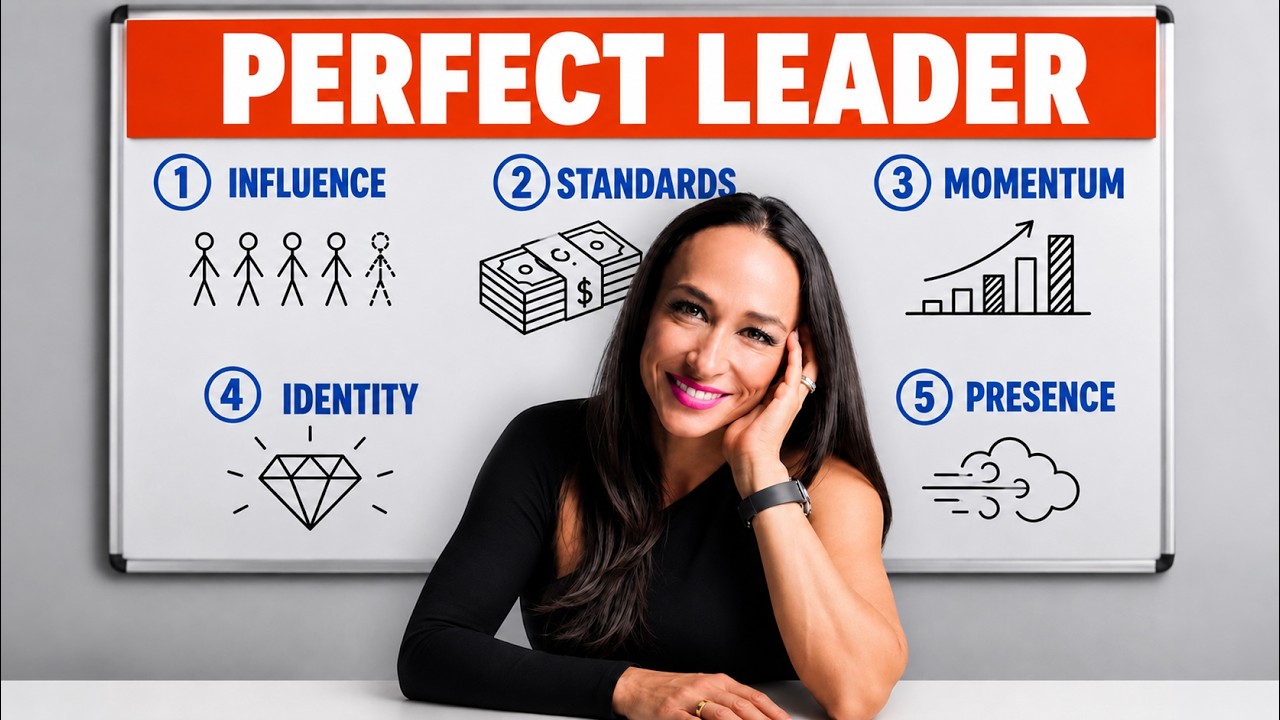


You can have it all. Stop believing limiting beliefs. It’ll fix everything in your life.

Your dreams lie in the trust your team has for you. You haven’t paid attention to it.

Your words become your marriage’s weather. Choose friends who protect your home
