Interviewed by John Barrett - How to Build a Company That Will Outlast You // Jacqueline Elliott
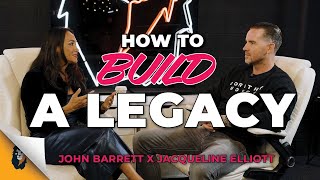
Jacqueline Elliott, co-founder of the Elliott Group, talks about building a company from grassroots seminars in December 2019 to a thriving sales organization. She sold a million-dollar house and slept on mattresses to fund the business, emphasizing 90-day goals, team building, and the daily work of being both a CEO and mother.
Chapters
If you're gonna interview me, there has to be a buy in. I understand. So the buy in is push ups. Okay. We're gonna do them together. Leaving the heels on Byton control. Gotta get a hug. Yeah, take it. Get ready to rock. Get the blood rushing through your veins.
We can stop.
We can stop. Your chest is actually bigger.
Everyone, I'm so excited. I feel honored and privileged to be sitting here with Jacqueline Elliott for an exclusive interview with Dorothy House Media. Thank you so much for joining me and giving me the chance to talk to you.
Thank you for having me.
So before we get started, can you introduce yourself, tell everyone a little bit about your story. The evolution of the Elliott group. So the evolution of the coaching program. Like, we were talking a little bit earlier about kind of the humble beginnings where it started. It started sort of in a small room. I heard it was like maybe at an elementary school. In the back of elementary school.
Well, starting with our story, Andy and I are both. I mean, we don't come from the most privileged homes. I come from a family. My parents were divorced, Andy's as well. His mom left when he was 2. You know, mine didn't pay attention to me. I mean, it was one of those kind of things. So we learned to see failure at a very young age. So it was kind of like one of those things where Andy just wanted to be accepted and I just wanted to put. Prove myself and be accepted and not be like anybody else in my family, if that makes sense. So we got into sales at a very young age. Andy straight out of high school. And me, I actually went. Went to college, but I realized that that wasn't my life. You know, I, I got jobs and I just was addicted to work. So I just kind of started, you know, making money and trying, you know, just had that individuality as a woman. I worked really, really hard to not depend on anybody to be able to carry me through life. I mean, I made money at a very young age, and I also got homes at a very young age and developed wealth and understood wealth at a very young age. In fact, when Andy and I met, I had more assets than he did. And it was one of those things where he got a job at a car dealership as a used car manager. And when I met him, he had been a used car manager for 10 years in the same position. I started the car business as well, but I also had four other jobs. And when I. When I got into the car business, it was kind of by accident, and I was promoted very early and I kept getting promoted and different things, and not because I really tried, but because I just jumped into help from when I started selling cars to when I got into finance. It started because I spoke Spanish and I started translating deals for the finance manager. And then all of a sudden, you know, I started taking all the Spanish, The. The people that spoke Spanish, and then I didn't need them to kind of tell me what to do. And then they started calling in sick, and I started, you know, doing it, doing their job. And then all of a sudden my closing ratio was a lot higher than theirs. And then that's how it kind of evolutionized, and I kind of stayed in that carbon. So I just got promoted and just kind of moved along. But when I met Andy, I told him, hey, man, you're so good at what you do. Like, why are you stuck in that position for 10 years? I mean, you have so much in. You're such a good leader. You know what you're doing. I mean, you're so confident in what you do. Why are you still a used car manager? Like, what is your. What are your goals? What are your dreams? And back then, Andy was like, you know, he's from Oklahoma, and he thought, like, you know, hey, I've made it. Like, nobody in his family has ever made a lot of money. They're nine to fivers. I mean, that's, you know, good people, just basically small mindsets. So he didn't have that then. With me, with my background and how I grew up. I grew up in. I was born in California, moved to Mexico as a kid, and I knew that I needed to work really hard to make a name for myself because my family, you know, was. Was basically nobody. So it's just kind of like we. I saw my father, and he came from a very wealthy family, but when he went to California or when he married my mom, they went to California. And his family basically, like, gave all of their wealth to the brothers that were in the family. Because my dad, for love, he took off. Which I don't blame his family. It's great because I would have done the same thing. Hey, you took off. You decided to go a different route. You can't come back and just jump right into the family business anymore. You left. He basically started a business, and he failed over and over and over in life. It's. I was used to that. So for me, I was the one that was the ballsy one. I was the one that wanted to try new things. I moved from Arizona because I lived here in Arizona. Before we moved back to Arizona in Tucson. And then I moved to Oklahoma for a job. They offered me a job. I thought I was going to be there for a year, a little over a year. Ended up being there for 14 years with Andy. So it was one of those things where, you know, I was the ballsy one. But then we got married, we started having kids, you know, all of this stuff. And I became a little more reserved and more, like, responsible, I should say. And he developed some wings and it was, it was really cool. So we've always been very competitive, growing and learning, you know, throughout our journey, which is, which is pretty cool. But basically, like, the reason why we built the Elliot Group was because we both have gone through working for other people and we really just wanted to find a place where we can really be ourselves and not feel like we had the golden handcuffs for a job. You know, we made a lot of money, both of us did. And we just felt like we couldn't really have the freedom. Like, you know, you walk in, you know, you walk into those places and walk into regular corporate jobs and you see how everybody's having a good time and you see the boss come through and then all of a sudden everybody's like nervous and then they're pretending like they're working, right? They just have that golden handcuffs thing or you have, as employers, you can feel like you have the golden handcuffs because you have your higher earners in the company and you don't want to ever, like, upset them because you're afraid that you're going to lose your whole business type of thing. If we would have found the right people to work for, if there would have been an Elliot Group or whatever, Smith Group or any, it doesn't matter because Elliot doesn't really mean anything. It's just basically something that we built, right? If it would have existed back then and we would have found the right people to work for, we would be so happy working for somebody else, you know, doing the things that we love. But it did not exist, so we had to create it. And when a lot of people see us from the outside, they're like, man, this is cool what you've done, man. It took a lot of work. Being a business owner is hard shit. Like, people don't really understand how hard it is. You know, we started it in Oklahoma and It was a 780 square foot building, okay? So when we went into that 780 square foot building, how it was born, I should say, we went to, you know, we decided to do seminars and we're like, okay, we're going to start a seminar, and this is going to be great. So it happened because I basically pushed Andy to go to an actual seminar. You know, I remember we paid $10,000 for him to go to this seminar, right, and be in this room. And there was supposed to be a bunch of, like, you know, entrepreneurs that were there. They were going to talk about business. And I remember that. That at the time, my kids were really little. I could not travel. We couldn't afford to have people take care of our kids. So we basically would. Would train together and learn from each other, but we couldn't afford for both of us to go, so he went. And back then, Andy was more. I mean, he was really good at what he did from coming from the car business, and he had that, you know, when we were in the car business, we were. We were taught that you have that actor switch that when you get into your business mode, you turn into a different person. And then when you leave, you turn that off and it's a different switch and you're chill and you can be whatever. Andy was kind of shy. Like, even going to a restaurant, ordering a glass of water if they gave him his food wrong. Or he went to and got a bad haircut for two years, and he would not say anything because he's just not that type of guy. He was just kind of like, oh, I'm good. And, you know, he wouldn't say anything. He was more of an introvert. So I told him, hey, listen, we're going to spend the $10,000, and you're going to go to this. And I would always, like, pep talk him. And he does that same thing to me. We do that to each other as a couple. And I'm like, you better talk to people. Like, you're going to have to, you know, you're going to have to network, and you're going to have to, you know, you're going to get your money's worth out of this because it was his birthday, and we're going to. Like, he was going to be gone for his birthday. So anyway, the first night was a meet and greet, and I remember him calling me, you know, that night and telling me, hey, you'd be proud of me. I talked to some people, but he's like, you know what? I got everything I need. The actual seminar was the next day. And I'm like, what do you mean? Like, we spent ten grand for you to go to this. What? Why won't you go to the Whole thing. He's like, I got what I need. I know what we're going to do. You need to trust me. And I was like, okay. So anyway, he comes back and he said, hey, you know, I went into this room. It's a meet and greet. The guys that were supposed to be there were just basically like, we didn't even talk to them. They're all talking to themselves. None of the people that were there attending that meet and greet, they didn't really talk to us. Like, they were just basically like, doing their thing. And I remember talking to this lady that came and spent every last dollar to go there, every last dollar to be at this. At this seminar and said, hey, I came here because I was ready to change my life, and I am here now, and I'm beginning to think I made a mistake. And I have no idea how I'm going to feed my kids tomorrow, is what he told me. He's like, we're going to start a seminar and we're going to change people's lives and we're going to do it. And when people come, those lost people, like this lady that came here, we're not going to have anybody feel that way ever. So we decided to start our own. And it was like 30 days later. We did not have a seminar room. We did not have any place to do it. He's like, over here. Got on social media and back, mind you, back then, we didn't have a name, we didn't have anything. But he got on there. We had. We had made like free YouTube videos for a while. Didn't make a dollar, you know, and it was like, you know, we didn't have any real product to sell. So basically, when we offered to have our first seminar, which was on December of 2019, not so long ago, we basically talked about, well, we didn't have a place to do it. So I'm over here finding hotels nearby, trying to figure out. I'm like, well, I'm. I'm Hispanic, I'm Mexican. I'm like, I want to feed these people. I want to give them all this stuff and I want to cook for them. I do the stuff. It's crazy. It was so expensive and we couldn't bring anything in to give these people. I'm like, I'm just going to go rent a place. So we rented that 780 square foot building and we had our first seminar and we basically had our meet and greet at our house. We had people show up to our house and everything. And I mean, I was sleep. I was basically like. We didn't have anybody helping us with the kids. We didn't have any, any family that were helping us, anything. So Andy would go and take care of the kids. What I was building tables, the butcher block tables that you still see down there. Like now we have so many of them. But we love keeping that style because it reminds us of how we started. Like, I put the legs on those tables. You know, I built all the chairs. I did all this stuff. I made the whiteboards. I went and bought not. Not actual whiteboards, but the sheets at Home Depot and made frames for them to make our whiteboard wall because we just wanted to make it work. And our first seminar was just, you know, it was amazing. We had these people come to our house. I cooked for everybody. You know, we had their meet and greet, then we had the seminar. And now we do our work workouts prior to the seminar. But after the seminars back then, everybody would come back to the house and we'd do driveway workouts with like, you know, battle ropes and runs and all these crazy things. And we just fell in love with people. And these people, we were actually changing their lives. So we started at the 780 square foot building. It was me and Andy and it was just like, you know, he would talk and then I would go in and. And we would do like overcoming objections, but not only that, closing and negotiating on paper. So we'd get on and, you know, tag team people and, and do that kind of stuff. So we started at that 780 square foot building and we. It was in the middle of COVID I mean, it was like 10 people to a room. We would shut these little blinds, you know, and make sure that nobody can like. And it was in the bad part of town. I mean, there are crackheads in the next. An apartment building. It was just one of those things. And then we basically decided then I'm like, this is what we need to do. Like we go back and we're like, you know, we're going to change the world. We're going to do this. We had to sit down with our kids and we told them, hey, you know what, we're going to go. And we decided to sell our house because we wanted to go big and make this thing really big. So we sold our million dollar house in Oklahoma, which is a big deal in Oklahoma, by the way, because I mean, it's not like the market here. And we rented this little thousand square foot house that was like right really close to our house. So we're like looking at our old house that belonged in a magazine and we're living at this other place and we sold our house with all our furniture and everything and slept on mattresses while we built the Elliot Group. So that's how basically it was born. And it was pretty awesome. Then we transitioned and, you know, and moved. Moved here into another building. And then now we have this.
So it's amazing. It still kind of has that family feel. That was like the first thing that I noticed and we noticed our team when we came here is like, it's so warm and welcoming. You feel like everyone's giving you a hug, you know, because I think a lot of people out there that haven't been here haven't seen you speak live or haven't been to the events. It's hard to sometimes translate that in a 30 second video or a 15 second video or even a longer video. That is our goal, if anything, is to humanize the brand to a larger audience and let people really see what goes on here, which is pretty magical.
Yeah, well, part of the thing was, you know, like, when Andy spent that. When we spent that money, you know, to. For Andy to go to this, these are. These were people that were his mentors that he was going to meet. Like, he was like, hey, you know what? I've always wanted to meet this. This is my chance. And when he got there, they didn't really acknowledge him. It's like they say, hey, don't meet your mentors. Because, you know, that's a, that's a true saying. So we are like, hey, we're never going to be too big for anybody. Like, we're always going to have that. And we like, anytime anybody gets cocky with the team or Andy or anybody, I'm like, chop your legs down. Like, it's. It doesn't work that way. We want to maintain that and stay grounded. And we always remember we have that chip on our shoulder. You know, I think God has been so good to us, but at the same time, like, I think we need to stay humble and, you know, have that humility and be able to remember what it's like. I think our most impactful changes have been like, when I talk to people on the phone and they start in sales, for example, I'm like, hey, I remember when I was scared to talk to people. I remember when I would walk up to people when I was about to go sell my car that I had butterflies in my stomach and I would be like, oh my gosh, they're going to give me an objection. I was almost waiting for that. I remember feeling and being in your shoes and how did I overcome it? I came up with training with, you know, you know, word tracks, you know, you know, believing in myself all these different things and not being the new guy, you know, all this stuff. So, you know, they feel that they understand this. And when we talk to our clients, we remember what it was like and we keep that very, very, very, you know, very present. Like we don't forget, you know, having this company is, is a lot of sacrifice and a lot of things that we had to give up, you know, to, to build what we have that, you know, it doesn't matter who you are. You know, I have one family member that works with us and that is my brother. His name is Alex and he does our accounting. I am tougher on Alex than any other person that's here because there's a certain expectation that I have and I won't. Don't want them to think that because he's related to you, he gets special treatment. No, there is no special treatment. Every single person here has had to pay the price. And they all are so appreciative. And there's no, you know, it's all the same. We all go through the same thing. So it's that grind, but moving from that 700 square foot building to moving to going to a school, it was 10,000 square feet. That was big. And then coming to this thing, which is massive. You know, it's like those different stages in life and us building, like when we built our building, our team was involved in the drywalling, in the painting, in everything that we've done because we believe in taking care of what we have. And it's a whole different story of that person that's been here for a while that went through the grind with us. And there's so much more buy in when that's, when that's there than just somebody that just showed up to work and it's like it's already built.
Yeah, there's value and grit exactly like getting in there. So somebody that's just starting out. Would you say that it's good to get into the customer service industry? Like it gives you useful life skills.
I think in sales, I mean it.
I mean you gotta deal with people, right? And people are difficult. They're up and down and all around and they have different personalities. Well, would you advise someone just starting out to get in some sort of service based industry as, as a way to develop their Skills.
I think it's great. I mean, I think no matter what you do, it's a sales job. If you're a dentist, it's a sales job. If you're an attorney, it's a sales job. If you, if you sell cars, it's a sales job. If you do sell whatever it is that you do, you can be a realtor, obviously, it's a sales job. Anything has everything has to do with sales. You can be a teacher, you're still in sales. You have to convince those kids to want to follow you and not just be that teacher that they do things because you're the authority. If you want to be a good leader at anything that you do, if you want to be a good parent, you're going to have to learn sales no matter what. I mean, I think the best thing that ever happened to me and even people like Bradley, I advise every he says, I advise anybody who's anybody to at least do six months worth of car sales or any type of sales that's out there, door to door, whatever it is, because you have to get your feet wet and you have to know how to respond to so many different personalities and so many different objections and people naturally that come in and hate you because, because car salespeople have a bad reputation. Doesn't matter what they think of you when they show up. It matters what they think about you when you leave. If you can change the mind of somebody, you know, of that feeling that they have or that conception that they have in their mind, and then they leave a different person and they love you, then you've done your job, you can do pretty much anything. So yes, I do advise anybody to just go into, into service also. Like, you know, waiters, anybody that, you know, like bartenders, all of that. I mean, they do great in sales. I mean, it's an amazing thing because they, they, they can have a conversation. They're naturally interested in knowing about people. And that's what it is. It's just learning people and just getting good at understanding them. And also like having that feeling. You always get those people that say, hey, you know what, I don't know why I'm telling you this, but, you know, and that's basically sales. It's you really getting into their shoes and getting something out of it, making it their idea to offer a service or product to them. I mean, and that's, that's what, that's what we do in everything. I sell my kids every day. They sell me, they're better salespeople than I am, that's for damn sure. Your kids are the best. Sales, you want to learn sales, Learn from your kids.
All I've been thinking about is like, I want to know, I want to learn from business people. Like, how do you deal with bad news? On a good day, you're having a great day, you feel like you're at the top of the mountain and boom, you get a gut punch.
Yeah.
So can you give a little bit of advice on how to deal with bad news?
Well, if you can't deal with adversity at all, you're not going to make it in business or in anything in life. I mean, anybody who's anybody that's grown, that's become somebody has had a lot of adversity in their life. You know, there was a time where I was a stay at home mom, you know, and I, and I was like, I felt like I needed, I needed to get my business back, my business brain back, right. So I would see and I used to stress about pretty much everything. I would look at my kids and I'd be like, oh my gosh, their hair had to be perfect. They need to match all this different stuff. And I realized I'm like, I just need more shit to do in my life. I really do. I mean, because you start stressing out about a lot of stupid, petty stuff that doesn't even really matter. So now that we have so much going on, like, we don't stress out like it's a part of life. You're going to run into a speed bump and you're going to, you're going to hit and you're like, oh shit. Okay. I learned go the next direction. If you're not adaptable in any way, you're not going to make it. And the thing with us is adversity. And those hiccups along the way have made us grow. And actually they've become the biggest blessings to us because they've allowed us to get to a new level. When we first started, you know, having seminars, it'd probably be like our second or third seminar, it was in Oklahoma. And Oklahoma has crazy weather. You know, it's tornado alley. Well, we had a really, really crazy storm that came through right after our basically meet and greet in Oklahoma. So it just basically had trees that just fell down everywhere and everything. And I'm just telling you, like this is when we were first, first starting. So we had our little 780 square foot conference room and there was no power. I mean, you couldn't even Drive down the streets because there were trees basically everywhere. So, you know, it was just me and Andy and no power. Andy's dripping. He's doing a seminar basically in the dark. So I go to the. I go and I run to our house, which is basically like three minutes away. And I see our landscaper there. I see him. I'm like, caleb, I need your. He's like, he's embarrassed. I need your truck. And he's like, he's like, but it's so dirty. He was so embarrassed. The kid was like, oh, my gosh. I'm like, listen, I just need your truck. So I go back to the seminar room, which is three minutes away. I load all the chairs up, right? I have these people there. And I'm like, listen, guys, we're going to go. Everybody's carpooling and everything. We're going to the house. We had the seminar at our house. I shoved all of those people, 100 people in our living room, moved all of the furniture and everything and just set them up there because we didn't have power. What would most people do? They would flip out. They wouldn't know what to do. They would just be like, okay, we cancel the thing or whatever it is. Like, we had the seminar and everybody's like sardines taking notes. Being adaptable was just, you know, has just been a part of life. I mean, we've had times where ACs, I mean, go out. Like we've had, you know, rain and, you know, leaks everywhere. We have stuff go wrong all the time. Every single event that we have, we have something that doesn't work, A mic stops working, the battery runs out on this. I mean, all these different things that a lot of people just smelt. I mean, we're just so adaptable. We've had so many things happen. I mean, I'm just talking about the little things, but I mean, you wanted one. We always have to think outside the box. You have to be really, really sharp in that way. And I think that street, the street smarts. And I think that going through all the adversity, growing up and being, being that way, I mean, you know, we had the workout today. You know, I wasn't going to talk about this, but we had the workout today. Our hot water tank, you know, went out. Guess what I did today? I boiled water in the freaking sink and I took a freaking bath with that. Like, who would think, right? You think? Andy, Elliot, all this other, you know, nine figure business, you know, you're. You're taking a shower with boiling, like, you had to literally boil water. Well, we're not too freaking good to boil water and do that. And I'm here right now and nobody could tell that I freaking, you know, did that today. But that's part of being adaptable. Most people wouldn't be able to do that. You're going to find a friend, be like, hey, can I come to your house and take a shower, dude, we boil freaking water and do it. I mean, we figure it out.
I think it's important to share that. So we were talking earlier about. I've been kind of stuck on this. We were talking a little bit about heroes and how sometimes you meet your heroes and they let you down.
Yeah.
So throughout your life, have you met one of your heroes and did they let you down? You don't have to name them, but did it happen?
I don't get starstruck very easily. I was never really that way. But as we've grown and as we've gotten bigger, as we've seen, seen people now that we're kind of at. I don't want to say the same level, but like, at. Yeah, I guess at the same level as other people. We've realized that people, like true people, are very rare. Social media has a good way of showing a side of you that really just doesn't exist. And that's why so many people are depressed out there. So many people are, like, looking at these people and they're comparing their lives and they're miserable, just trying to be like all these people that aren't really that way. So that's another thing that, that me and Andy like, we're like, hey, we're not going to be fake. We're going to tell the truth. We're going to be who and whoever doesn't agree, that's totally fine. We get so many people that hate us that. So many people that, you know, our comments are just like, stupid. They're like, oh, yeah, this or. And I'm just like, look at them. And I'm like, man, like. Like, how miserable are you? I occupied headspace and in yours, you know, obviously. So it's like, you know, I'm not going to change. But the people that do follow us, the people that. That want to change their life, the people that are the underdogs, that want to be some. They are the ones that we care about. And that's how we've actually grown, by being ourselves. So we've learned a lot from being let down. For those people, those her that we had that aren't really who they are. We've learned to be not that way. You know, we were money driven for a long time. We were in sales. I mean, we're taught wrong. There's a lot of things that we did do wrong. But we learned that, hey, we needed to go through that and we needed to meet those bad people to basically. I mean, there was a time when I was cold hearted. I needed to learn how to love and how to, how to, how to care about people. You know, like my childhood made me cold. I had to learn to change. And how to fall in love with myself and how to fall in love with Andy and how to fall in love with being a mom and how to be in love with being with people and how to care about people. That's a way of life now. So that's why we don't make decisions based on money or anything like that. We make decisions based on, you know, that feeling of how, hey, we're going to be able to sleep at night, we're going to feel good, we're going to impact the world.
Yeah. So there's a lesson of human suffering and adversity is kind of what you're saying in that you should be looking for the lesson at all times, right?
Yeah.
In overcoming adversity, there's like an instructive dimension to humanity.
There's a reason for it.
Yeah. And people sometimes get too stuck on the suffering itself instead of letting it flow through them and looking for what's on the other side of it.
Right. In the very beginning, when Andy and I, we would get into an argument or when we would, you know, go through different stuff. Like I told Andy in the very beginning, I drew a very hard line. I told him, hey, you know what? No matter what we go through as a couple, listen, it's going to be awesome because I'm not going to speak negatively about you. If I'm going to be with you, I'm going to make a decision on my own to be with you. But I'm not going to tell my parents or family or anybody that you did something to me because I'm going to be stupid enough to stay with you. And then they're going to look at me like an idiot later. So I'm not going to do that. But also, you know, I'm not going to let, if we need money or anything like that, like, we're going to figure it out. We're not going to ask anybody for anything. Like, we're going to figure it out. We're not afraid of. A lot of people are afraid of going backwards in life. We're not afraid of that. And they're not afraid of going broke. I'm not afraid of going broke. That's why we run so hard. That's why we keep excelling and growing and everything. A lot of people, when they acquire wealth, they get scared to take risks. They're afraid to lose and start over. We're not afraid to start over. And that's why it's dangerous. That's why. And he's always talking about, you don't want to compete with us because we really have nothing to lose. Like, we're so lucky. We could die right now. We feel like we have the best life.
For those people that are struggling to take the first step, do you have any advice for them? Like, how do they. Because people are so scared to let people down, right? Because they think everybody's thinking about them all the time, but in reality, they're not. They're thinking about themselves and they're projecting their own insecurities onto you, which is why they're saying that stuff. But a lot of people, it's hard for them to understand that. So could you give me and then some advice on how to overcome that?
Well, I think a lot of times, especially when it comes to family, which is. I'm thinking you're more referring to that the family will sometimes hold you down or not really believe in you all the way. And I think I don't really blame family, but really it comes from, like, you really forgiving yourself first for past mistakes, because your family knows that you've maybe tried something and you've probably failed. And they know all the deep and dirty secrets, probably from your past. And also they have that small mentality that you can come up with an idea and then you probably started something and then you gave up on it maybe a little too soon because you let them get in your head before. Typically, like with me and Andy, the way we did it, we're like, hey, you know what? I believe in you, you believe in me. We're going to start this together, and we're not going to tell our family what we're doing because they're programmed a certain way. They do love you and they want the best for you. But it's like sometimes they paralyze you from growing because they don't really understand. They don't know your idea, they don't know your dreams. They don't know how hard you're going to or how much you're going to put into it or the risks you're willing to take and how much you're willing to give up. So basically, you almost have to just go for it. Find somebody that believes in you, that's willing to tell you the truth, right? And sometimes you don't even need that. You have to believe in yourself and you have to forgive yourself and believe in yourself and don't tell anybody what your plans are. You just go and you go dark and you fight really hard and you go and you do something. An example for you is that, okay, so when we went and we sold our million dollar house and went to sleep in mattresses, right? We did not tell her family anything. Okay? We didn't say, hey, you know what? We have this idea, we're going to build this business and we're going to change the world. What do you think my parents would have thought if I would have said that? You're freaking stupid. You're going to give up your home that you worked so hard, that you paid off, that you did all this stuff for, that you worked so hard to make perfect, and you're going to go live on a mattress and you're going to bring your kids and put them on mattresses with you? That's so stupid. Why would you do that? Right? So I never shared that with my family because I knew that along the way, something was going to get tough and I was going to get in my head and I would be like. And I would have maybe doubted myself. Because every time you have an idea and something comes up, you're going to be tested, and the devil's going to test you, right? When you're in the middle of a breakthrough, it's going to get tough and you're going to be like, oh, my gosh, am I making the right choice? Because it's so freaking hard. It's so hard. And then they're going to tell you. If they know about it, they'll be like, I told you so. And then all of a sudden, that voice is going to come in your head and it's going to tear you down from every single idea that you had, and your dreams are going to be crushed forever. So what I suggest you prove yourself. And after you're done, like me and Andy, we didn't talk about the mattresses to anybody. When we were out of the mattresses and we felt like we made it and we were gone from the mattress, then we could talk about the mattresses so we can inspire somebody to do the same Thing that's the only reason why we talk about it. Not so anybody can feel pity, but maybe it can inspire somebody else to maybe take that risk and know that, hey, the juice was worth the squeeze. It's almost like affirmations. You're going to have to tell yourself that everything is good and you know that the juice is worth the squeeze. And you have to believe in yourself before, and you have to walk a certain way. You need to. You know, like before, when Andy and I, when we started, before the Elliot group was really the Elliot Group, like, we were walking in Safeway and people would look at us like, hey, I recognize you from somewhere. Like, what do you do? Well, they didn't know us from anywhere. I know for a fact that they did not know us from anywhere. But we started believing in ourselves and walking different and talking different. And we believed that we were successful, and we believed that we were marriage millionaires before we had a dollar, that people were looking, they were noticing us because our eyes changed, because we knew that we were somebody before we actually got there. So you're going to have to start walking and talking different in front of your family. They're going to look at you and they're going to tell you, hey, you know, what's wrong with you? Why did you change? Like, you think you're too good now for us? They're going to tell you whatever it is to bring you down, and you're just going to have to be like, hey, yeah, I changed. I changed for a good way, and I'm happy. And guess what? I. I know what I'm doing, and I believe in myself, and I freaking have the best business in the world, and I'm. I'm the number one media company in the world, and that's. You're gonna have to believe that, but you're gonna have to carry that in yourself. You have to believe in yourself. You have to quit telling lies to yourself. You have to hold on to your commitments. You're going to have to tell your family only the good things, and you're going to have to keep going. But that's what. That's why family doesn't support you. That's why they get in your head, because they've gotten in your head once and they've seen you get weak before. So they earn that right.
Good play on that.
They do.
So I'm curious about your process. I'm hearing a tremendous amount of growth, like, heroic growth. Everybody loves the hero story and someone that comes back in particular.
Yeah, I believe that pen and paper are super important. Not so much for me. Like journaling has not been my thing, but also. But what has been my thing is basically writing down goals, 90 day goals. And when I go back, I make sure that we hit them. But we don't set like long term goals. And that's the reason why you probably do see some growth is because we set short term goals. 90 days is like the longest that we do anything really like with, with what we have, building what we're doing. It's always going to be that way because we want to make sure that we achieve and we hit that and then we set a new goal. So what we write down is basically along that journey what we're, what we plan on doing. And we basically just mark them off, mark them off, mark them off. I can pull out a notebook and I use every single page in a notebook every time. And if I skip a page when I start something else, I write it behind it and I fill that thing out before I start a new one. All the time has been my thing because as I'm flipping through them, I'm reading old stuff on there. And it does help me grow. It helps me read it better or reminds me of something that I may be forgotten. That has been our thing, basically just writing our goals. And Andy and I, like I read to him. So that's kind of how we plan in. And we're the type of people that we, we just need to listen to something. Once we will, we will master and duplicate it and make it better and make sure that it's going to impact you in something that we need to share. Like we really, really hold on to that.
So how important is reading? You know, it might seem obvious, but some people take it for granted and don't realize how valuable information is in Books. For $25, somebody might have spent 20 years to put that thing together for you. How useful has that been for you? And how much of a part of your growth could you attribute to personal development and books?
Well, it's massive. But starting out, I'm just completely going to tell you like, like knowledge and invest in yourself has changed our life. But starting in the very beginning, I was a straight A student. I graduated with honors. I was like really book smart growing up, I guess I should say. But then I really like once I, once I was done with school, like I didn't want to pick up a book, like I just did it because I had to type of thing. Now Andy, he barely graduated from high school. He graduated because it was a tornado of 99. Because he lived in Oklahoma and he. He actually got addicted to reading and learning because he realized that this stuff actually helps me make money. And that's how he got addicted in the very beginning, right? So he. He realized that self development and learning was actually something that was going to work for him. I think in school we're taught, hey, you have to read these books. And I think a lot of people are conditioned to that. Like, Like, I was like, I really had no interest in picking up a book until later on in life. I realized, man, like, I need to, you know, this is really going to help me self develop. It's going to help me grow. Sometimes a lot of people have stacks, but they don't finish the books, which is the thing. So, yeah, we start off good, but, like, finishing is such a good thing. It's a skill. So when, if you're an actual reader and you can actually close, like, finish it from front to back, it's a sense of fulfillment and accomplishment that I had to learn. And I was like, oh, my gosh, this is great. Like, finishing it is big because there's a lot of people that have a lot of books that are reading, they don't finish. The world is your library, but if you're, if you're wise, you're going to pick up something and read it and learn and apply it, you know, and sometimes it might take one book that you read 20 different times for you to get it right. But it's so important. Self development is everything. We're always reading at least three books at a time where we go and we finish front to back. And actually, it's so funny because our arguments, Andy, and my arguments, I mean, are about books. Like, we will compete and I will pick up a book, right? And I will start it and I'll be like, where's my book? And he'll be hiding, reading my book, taking notes, and they're like, don't be stealing my books. It's like, it's the funniest thing because that's how important it is to us, that it has been what has helped us grow and excel. And it's. It's really brought fulfillment into our life because we feel that books and discomfort and, you know, just basically getting to that next level has created that fulfillment in our lives. And that's why we're always chasing, because we're learning new things. And that's how, you know, that's how you grow. I mean, that's. And you can get it from a book, you can get it from a seminar. But yeah, we are constantly reading new books all the time.
So I want to talk next about being a CEO. You're a high level CEO, which presents a tremendous amount of gifts, but also challenges. So I'm curious to know what your process is like, but could you sort of walk us through that a little bit?
Yeah. Well, you know, you have to wear different hats. And one of the things, I mean, obviously I'm a mom, I'm a wife, and I'm also, you know, we run our company and all that. But, but one of the biggest things and one of the hardest things I think that, that we have to deal with, you know, having business is basically the team. And the team is going to be the hardest thing to build, but also the most fulfilling. You know, when you deal with people, it's something that you have to like, really care about them. Like, when, when I see our, I don't know, you, you see me walking in, I mean, everybody just gives us a hug. I mean, that's just the way we live because we see them as family. Well, with all of our history and all of the stuff that we've been through and all of the disappointment and hurt and all the stuff that we're talking about, like, to us, it was so important to really build that starting off, you know, obviously when I leave the house, you know, I have to make sure my kids are set up. I have to make sure they're good. And then it's obviously, you know, the workout, you know, I actually wake up before that, you know, to, to work out, because we want to make sure that we, that we have that mind that's nice and sharp and you have to be, you know. You know, we're so, so much into fitness that we, we work out every single day. So Andy and I, we work out, you know, then we come home, you feed the kids, get them all ready for school, get them prepared and all that. You know, we have breakfast, we talk to them for a little bit of time, make sure they're set up, you know, pump them up and all that. You have to give that time with your kids. You know, we sit down, drink coffee while the kids are eating breakfast, and then, you know, obviously we come home to work and we have so much, so much going on when it comes to work. I mean, I do a lot of different things, you know, and then I have a lot of different projects as well. Like, I have, like, my hobby right now has been like, hey, buying homes, you Know, getting them all ready, doing all these different things, and then obviously running our company when it comes to like, dude, there's everything. I mean, I still do a lot of the stuff that, I mean, I have a payroll, you know, division here that, that handles all of our payroll, but I still oversee that when it comes to, you know, doing everything, you know, hiring, like when we hire people, you know, operations. Oh, I do a lot of operations stuff, obviously, but I also do a lot of stuff planning with Andy. Like, I still write a lot of content and stuff. Like all of our courses that we have in the Elliot Group, if you go to the Elliot Group Academy, most of the stuff that's in there I wrote because I'm structured in that way. So I write the content, write the courses, write the questions, write the, you know, all of the different things that we have. And it used to be like a first course, 0 to 100. I wrote every single thing. It's 21, 21 modules on that. So I wrote from front to back and I would basically, okay, andy, here's a PDF. This is the video you record for 1, 2, 3, 4. And I would write all that content and he would shoot it. Basically starting off with our company. My thing was like, Andy's going to be the face. I'm going to do the stuff behind the scenes. I handle all of the, like the decision making and I pull away all the stress. Everything have to do with money. Andy doesn't want to have anything to do with the money. He just wants to come in and work and do his thing. Like he doesn't worry about the bills. He doesn't really, I mean, he doesn't even carry a credit card. I carry his ID for him. Like it's just like it's. He, he just doesn't want to know. Like, that's all. So anything that has to do with not like training and I do some of the training obviously as well and in meetings with the team and you know, pump them up and, you know, I'm like asking them about Rev. I do all of these different things, but like there's just so much that just goes on during the day that it's constantly, constantly going and going and going. But. But yeah, I mean, I'm the mama to everybody.
Okay. One thing I wanted to talk about because I think a lot of people like we were talking about earlier, they see clips, they see a 15 second clip, maybe they see an ad, they see a TikTok. People don't really know what the culture is like here. You know, there's something going on here, something special.
Yeah, well, I think it's important. I mean, I kind of started in the beginning saying, hey, we're not going to be frauds. Like, whatever it is that you see, we're going to tell you the truth, and you're going to feel what you feel when you get here. I think that when we get Die Hard, Elliot, I don't want to say the word fans, but, like, people that. Like that are part of our culture, a part. Part of our movement, it's. Once they get here, they know what it's like, the feeling that people feel when they come here. It's just. I cannot. I mean, you can make a thousand clips and show people, try to show people what it feels like. Unless you come into this room, you will not feel the same. You just have to. You have to see it. You have to really come in and look into Andy's eyes. He can be yelling at you, and you have the Siberian husky eyes looking at you. You're like, oh, my gosh, that guy's intense. But until he locks eyes with you and you see, you can see his heart. And you'll know that you're at the right place. And I think you can see. And a lot of people, like, come up and they're like, man, you know, I. I talked to Maria. I talked to Selena. She's just like you. She's just like, Andy. Like, we are all the same. Like, we have the same heart. We're not like different people. It's the craziest thing people say. I mean, you guys are like a cult, because you guys are all, like, programmed the same. It's like we're all fighting for the same thing. Like, we all believe the same way. We all have that same heart. We all have that same, you know, that same goal. Like, we just want it. We want it. We care about people. And that's what you feel. Like that warm and fuzzy feeling that you feel and that. That welcoming feeling that you have that you can't fake that. I mean, if you try to show people what we're really like, you can tell them, but until they get here, they're really going to know. And all I can say is like, hey, you could probably test us and be like, hey, you know what? Like, I'm going to see you, and I think you're a certain way on Instagram or TikTok or YouTube. You come here and I want to blow your mind, and you're going to feel better than you did. You're going to think better than you thought of me when you saw me on that Instagram reel or whatever that you see. Because you know, because you're here, you have that proximity, and you can't fake that.
You hear that, everyone? That means you need to visit. Thank you so much for your time. We love you. We appreciate you. You've always been so warm and welcome to us, and we appreciate it so much. I feel privileged to have been able to sit with you and chat with you. It's been great. So thank you so much.
Thank you for having me. Really appreciate it. Thank you.
More from Jacqueline
It’s your responsibility as a parent to be their hero! #nurturingdreams #happychildren #earlylearn


The beast leader is and always will be Jesus #faith #love #leader #leadership #jesus
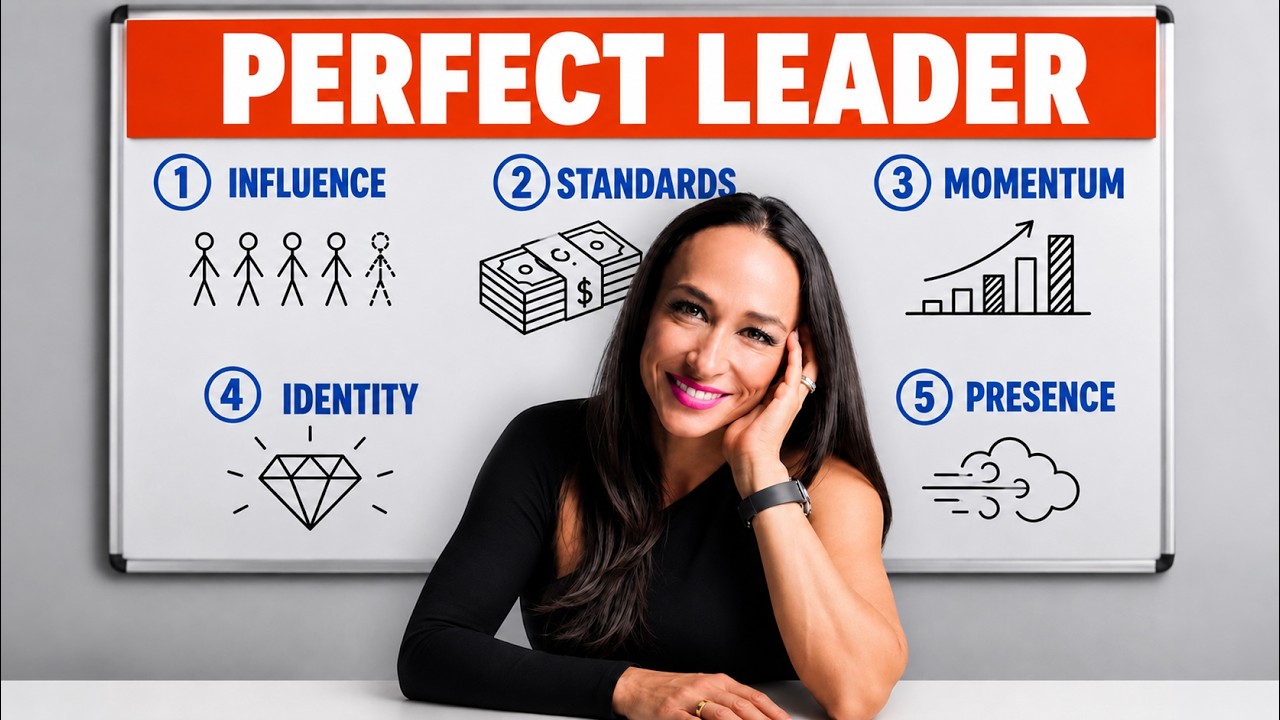

You can have it all. Stop believing limiting beliefs. It’ll fix everything in your life.

Your dreams lie in the trust your team has for you. You haven’t paid attention to it.

Your words become your marriage’s weather. Choose friends who protect your home
