Mastering Business & Relationships: A Conversation with Jacqueline Elliott & Brad Lea
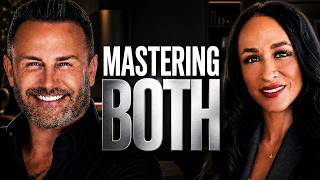
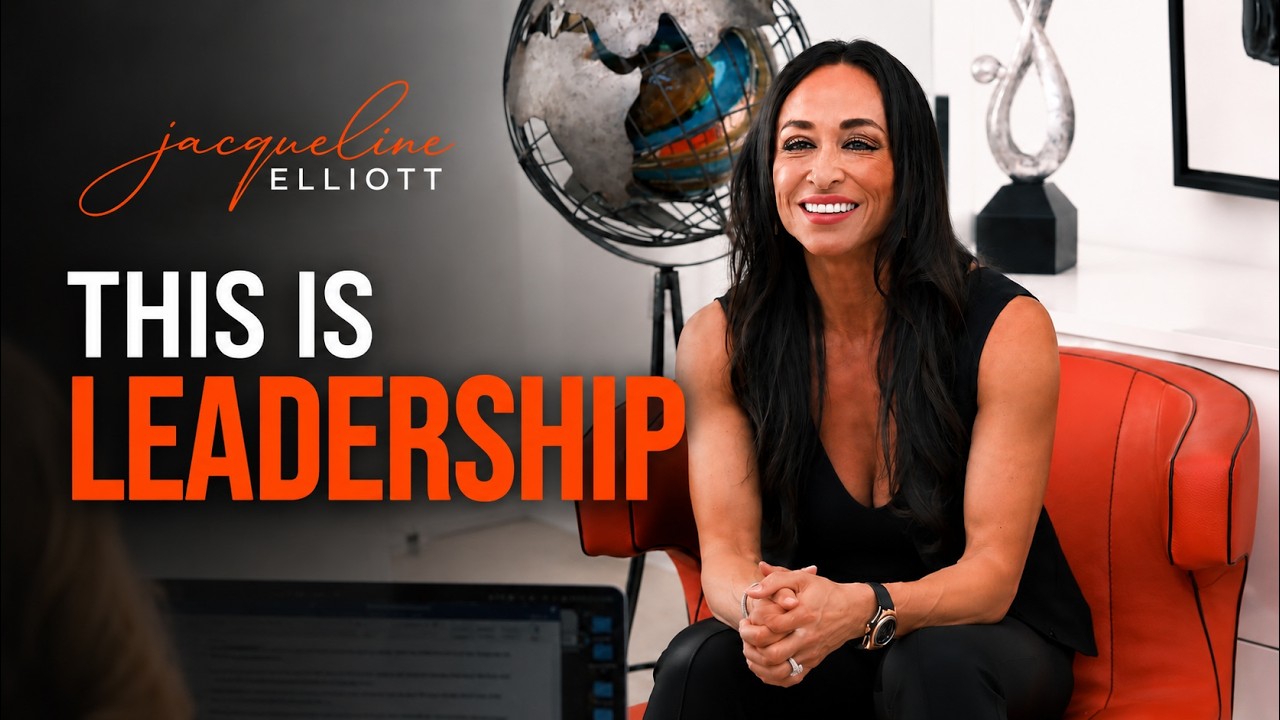
Jacqueline Elliott, CEO of the Elliott Group, talks about her rise from a Tucson car dealership at 14 to finance director, and how she pushed her husband Andy to build their business together. She shares her five-pillar framework for building a powerhouse business and her philosophy on leadership and partnership.
Chapters
Women like to be led. They want to be told sometimes, hey, I want to go to this restaurant, or let's take you here and surprise you. And that's the reason in the beginning you try to impress the girl and you get the girl and you do everything even though she tells you no. In the beginning, you're going to push and get her because, you know, that's just it, because you want that. She— you're hunting for her as a man, you're hunting for her. But the thing is that we get civilized later on, and we're women, we're programmed to say no in the very beginning at everything.
What it is, Brad Lee back again with another episode of Dropping Bombs. Today in the studio Folks, I got a real treat for you. Jacqueline Elliott, she's the CEO of the Elliott Group, actually. So a lot of people a lot of times see Andy instead. Andy's her husband. They don't see Jackie as much. Um, and but, but there she is. So I got her in here, number, number one, because you're the real brains behind the operation. Uh, yeah, you're the heart of, you're the heart of the operation, that's for damn sure.
We do talk about that a lot. Yes, for sure.
Now, I know that, uh, you're not used to being on podcasts and being interviewed. Are you nervous at all?
No, I'm not nervous at all.
No, you sure?
No, actually, I like this. This is, this is different. You know, usually we hang out and do different things, so this is awesome.
You guys can follow her @officialjacquelelliott. J-A-C-Q-U-E-L-I-N-E. And Elliot's E-L-L-I-O-T-T. Anyway, welcome to the show. Let's talk about what— let's talk about what like makes you tick, you know what I mean? You're very passionate. I've noticed over the last couple years that you're like, you're always on and focused. How do you get like that?
Well, it, it took a lot, obviously. Uh, just, just being married to a guy like Andy Elliott is, is the is a job in itself. But, uh, we went through a lot of different things, uh, coming from, uh, you know, just an upbringing of a lot of pain and a lot of hurt. I would say I was born—
what kind of pain? What are you talking about?
Well, I was an introvert. I was a shy kid. I was—
that's not painful. What do you mean pain though? Get to the juicy stuff.
Get to the juicy stuff. Okay, well, uh, I—
you grew up in Mexico?
I did, um, but I was born in California. I moved to Mexico when I was a kid. I lived with my mom at first. My mom, uh, is one out of 14 children from Mexico. And when my parents got divorced, I stayed living with my mom and it was kind of a shit show. You know, I was the one, the kid that all my aunts and uncles always told me, you know, I wish that I was your parent.
I wish, you know, why, why were they saying that?
Because my mom was the one that was always working or dating at the time or doing something that wasn't me. That's not me.
Paying attention to you much?
No, she left me at home. Um, I had a sister, uh, when I was 8 years old, and I became her mom basically. I was the one that was taking care of her, staying up at night, um, and all of that.
So mom was always out running around. My mom was always out, but she'd come home and kiss you in the mornings?
No, she wasn't very affectionate, uh, but I did see her. She wasn't— I mean, I'm not gonna say that I had it.
It sounds like my dad.
She was more like a dad. Yes, actually, I, I lived with her and I saw a lot of different things that I probably shouldn't have seen as a kid. But then what? Getting to the nitty-gritties. No, I did see like her dating, her like—
what does that mean, her dating? Like you'd walk in and she was getting— no, busy in the bedroom?
No, I'm not to that extent. But she would leave me at home and go out. And she would tell me, you know, I would ask her, is it more important to go out with these— this guy than spending time with me? And she just—
you would ask that at that age?
Yeah, I did. I was very, very adult-like at a very young age. Uh, and then I lived with her for a while. And, uh, this is in Mexico? No, this was in California.
Okay.
I was actually born in San Jose, California, very ghetto area. It's like East LA where I was born, really bad. But then later on in life, a few years later, I ended up moving with my dad. So I saw my mom—
and your dad was in Mexico?
My dad was in Mexico. My dad got remarried, younger woman, 14 years younger than him.
But your dad's very successful.
He is now. When I was growing up and I moved with my dad, uh, I experienced knowing what failure was. He was a failed entrepreneur. He always had businesses, but he would fail over and over and over. So he tried different ones growing up. So I learned, I guess, the hard way, but also was very good for me to see failure.
Because in my book—
I have read, I read your book. It's actually a really good book. I recommend.
You just did a copyright infringement.
I did?
Yeah.
You're gonna find me.
You said, I learned the hard way.
I did learn the hard way. I can't use hard way at all.
That's why I named it that. Yeah, it's because everybody always says it. Yeah, you know, it's true. It's like, dude, you're gonna learn the hard way.
Yeah. And then you find them.
I didn't mean to interrupt you, but I'm famous for it.
So yeah, it's a good— it's a really good book.
I can really throw balls at people.
Exactly. But living with my dad was actually a blessing. Going to Mexico and growing up, I went from the worst schools in California to going to private school there. So it was a very different upbringing. But I did see failure. My dad started over and over and over. Now he does very well, but it was not until I got— I was out of high school that his business really kicked off. Uh, but I saw So I became very ballsy, very business-oriented, but I also was really cold. I was cold in the sense that I grew up with my mom, like not really thinking about different things, learning how to prove myself. I didn't want anybody to feel sorry for me growing up because I lived that when I was a kid. People always were like, hey, I wish I was your mom and I wish I, I could take care of you. Like, why aren't you mad at people because you went through this? And I was always just like looking back. Yeah, quit feeling sorry for me. I hate it. I mean, the worst thing you can do for me now is feel sorry for me at anything. So I don't really talk about complainers. I mean, I'm like, all over that. So, but growing up with my dad, seeing that failure, I became very ballsy and started working at a very young age. I went to school, I also had different jobs. I grew up really fast and learned how to make money at a very young age, but I wasn't afraid of anything. Uh, fast forward in life, you know, went to college, did all the stuff, then moved—
went to college and did all the stuff. See, what's all the stuff? You just blew past that part.
Yeah, well, I grew up and, you know, went to school and also had jobs, so I learned how to make money, but Where were you living? I was living in Mexico.
And then now again, when I think of Mexico, I think of, you know, the, the beach towns I visit.
Yeah.
Was it that?
No, no, uh, the, the town I grew up in, the city I grew up in, is called Hermosillo, Sonora.
Is it a beach town?
No, it isn't. It's about an hour or so from several beaches.
Is it like big?
It's, it's big. Yeah, it's over a million people. Okay.
Because every time I think of Mexico, I just think of some like little cartel. Yeah, I think of like a little you know, sleepy town.
I need to take you there. It's very nice.
Little kids are running from, you know, house to house down the street kicking a soccer ball. Yeah, there's dust and tumbleweeds.
No, actually Mexico is a very— for a lot of people that don't know Mexico, Mexico is like you either very poor, there's no middle class, so you're either rich or you're poor, right? So growing up I was in that level where my dad was always like an entrepreneur. Even though he failed over and over and over, he still managed to put me in a private school and we were kind of growing up that way. But in Mexico, if you grow up with the wrong last name or you don't have connections. Like, there could be the most beautiful— you can be the most beautiful girl in the world, right? And you're walking down the street and a rich guy looks at her and it's like, she'd make a good, you know, wife for like a construction guy or something like that, you know? And I'm talking about like not the ones that we have here. We have a lot of people in construction that make a lot of money, but the ones in Mexico, you know, they would never pay attention to laborer. Let's call them laborer. Yes. So they would never pay attention to a girl like that because she doesn't carry the last name. Hottest girl in the world.
Carry the last name? What? What are you talking about? Carry what last name?
Well, you know, a known, well-known last name, you know, in Mexico. In Mexico?
Like what? With Slim?
Yeah, Carlos Slim. Yeah, you know him? Yeah, he's—
No, but I've heard of him.
Yeah, he makes a lot of money.
What do you mean they don't have the wrong— they have the wrong last name? What is a wrong last name?
They're just born into— they're just born into a poor family, for example. Like, they don't—
that's what you mean by that? Not any particular name. I thought you said like, dude, if your name's like Sanchez down there, everybody knows you don't, you don't mess with the Sanchezes.
Well, yeah, I mean, I guess if you have the wrong last name, you belong to the cartel family, that'd be kind of the same story. But no, I mean by wealth.
But the cartel family belonging to that thing kind of puts you in the advantage situation, doesn't it?
Advantage.
They run shit down there.
They do, yeah. But I don't know for how long.
Well, like, if I was a relative to the cartel, I'd be somewhat of a prince, wouldn't I?
You could be, you could be, but I don't know how long that would last.
So what do you mean?
Well, I don't know. I mean, everything—
doesn't the cartel run that shit?
I believe so. I'm not very familiar with the cartel. You know, they do joke around and say that I would make a good cartel leader though.
So yeah, you ever seen Queen of the South?
I have.
It's great. That's why you're so nervous, because you're worried we're going to discover you used to be Queen of the South.
I could be.
Yeah, you probably could be. That'd be funny.
I'd be really good at hiding bodies.
You'd be a boss drug dealer, that's for sure. And you'd be— if you could be ruthless though, you're too nice.
You wouldn't, you wouldn't tell people that's because you haven't seen me get rid of the bodies. I have that Mexican hot blood in me that if you do get me pissed off, you don't, you don't want to do that.
You get— well, I've never seen you pissed then.
No, not much pisses me off.
Do you? Yeah, I was gonna say, do you get pissed?
Yeah, I do.
Like piss pissed?
Yeah, I do. I don't stay pissed. That's the difference though. Like, I usually— I'm very hot-blooded so that I will do something or I'll explode very fast, but I get through things really, really fast. I don't believe in walking on eggshells. So if I— if you do something to piss me off, I will let you know. I won't think, oh, I 'If Brad did this to me,' or 'I can't believe that he did this,' or 'I won't talk smack behind your back, but I will tell you,' and then we'll get over it. We'll fight for a minute maybe, or whatever, and then we're just fine. You can—
yeah, what?
No, not this. I actually have never been in a fight in my life.
That's good.
Yeah, physically.
You're physically capable of protecting yourself. You look incredible shape. Do you work out non-stop with Andy, all day, every day?
Not all day, every day. Um, believe it or not, it's something that I grew into, uh Matter of fact, weren't you the one that kind of instigated Andy into being more— I did, I did instigate him to a point because, okay, so being from Mexico, I mean, there's a lot of Mexicans that work out, but typical— the typical Mexican doesn't work out. Like, they just— it's not something— it's newer.
If you weren't Mexican, I'd say, dude, you can't say that. But you're Mexican, so you can say it.
No, I, I can't say it, but the, the truth is there's a lot of good I mean, so many athletes in Mexico now, but back when I grew up, or at least my family, they weren't interested in working out. You look at them and they're just kind of like small frame, like little, you know. So I didn't really know about working out. I didn't even know what a dumbbell was. I mean, honestly, I really didn't know. But Andy, he has a family, and you know, his family has tendencies to be on the obese side. And I mean, they're between 300 to 500 pounds, most of them. So, so he has huge— yeah, that is pretty big.
So I mean, once you hit 300, unless you're like, you know, really tall Once you hit 300, you better be stacking muscle, because if you're not really muscular and you're 300, right? Damn, dude, that's like health condition type, uh, obese.
Yes. So Andy, at a very young age, working out was very important to him. Now in the corporate world, you know, you don't have a lot of time for that, or maybe you have a lot of excuses not to do it. But I did realize that when Andy lost his game as far as being, you know, super excited about work and also, you know, as a husband—
before you met him, how do we skip to that? I see, I want to, I want to do it.
We're going all over the place.
Well, because again, I want to, I want to imagine you in high school, like, what were you doing and what were you, what were you like faced with there? And then how did you eventually get to fucking— where was it, Ada, Oklahoma, or some shit?
No, no, no. Well, I was in— I went to college, you know, as an exchange student in Spain. And then after that I came to Arizona because I had family in California.
This is, this is way before you knew Andy.
This is way before I knew Andy. And Andy and I understand each other. We're both like One of my many jobs when I got back— one thing I did learn from my mom that was a good thing is that she was a workaholic, so I became a workaholic. Like, I was constantly working. And because I was kind of cold, I didn't ever want to depend on anybody to, you know, give me any handouts or just— I was just like so business-oriented. I was so disconnected. I didn't really pay attention to guys. I was very, very—
you know, it saved you.
It did save me. And I had a crazy brother. That was scary. I was known as—
you don't have him?
No, I have— well, he was crazy at the time with me, okay? I do have him.
Okay. Is he still crazy?
He's still crazy, yes, but he doesn't really mess with me anymore. But back then, I was known as a girl that— don't talk to her, her brother's crazy. And he would drive guys away from me constantly my whole entire childhood. Like, nobody ever talked to me, nobody looked at me.
Now you look back and think you know, that's probably a good thing.
Now I do, now that I'm a mom. Because when I got pregnant the first time, I was like, I need to have a son. But back then I was like, man, nobody would talk to me. School projects, I had to call the teacher and be like, I can't do any school projects with boys. I had to do the whole thing for my— for the whole team.
What would your brother do?
He— crazy stuff. He chased him around with the guns. I mean, you know, all of this different stuff. So they knew not to talk to me. It was, it was insane. So I mean, it was a good thing, I guess, you know, that I—
so you were a bit of a lonely—
I was very lonely. Yeah, but no, but not lonely. I was a loner.
You didn't have friends?
I always had friends. I always had friends growing up. I always had, you know, hung around like the, the cool kids, I guess, but I was kind of like the nerdy cool kid where I was like—
but like, what would you do on the weekends? Nothing.
Well, I hung out with girls, but I wasn't allowed to hang out with guys.
So what would you do on the weekends?
Gosh, I mean, I don't know. I worked a lot. I mean, I started working when I was really, really young. I started working at 14, and, you know, in Mexico, even straight biz since day one was almost too much.
So you need to relax a little.
I need to relax now that I'm, you know, about to be 42. I'm like, yes, let's have some fun, because I really didn't— I mean, I grew up really fast because I had to basically become a mom to my sister. And, you know, I started working and just— I was, I was honestly a really cold person. So I grew to be this person that was in business and Uh, I, I developed wealth at a very young age. Like, I had homes, I had cars, I had all this stuff before I met Andy. That meeting him was really, really hard. And actually very— I wasn't tolerant to anything. Like, I was the one that was like, it's my way or the highway, you know. We wouldn't— I— it was just— I was a problem then.
Okay, now, now let's start right there. So you're at a car dealership working with Andy?
No, not yet.
Where do you meet him?
Well, I started at a car dealership in Tucson, Arizona. That was before I moved to Oklahoma. I started there and that was one of 3 jobs that I had. I did other things as well. So I started as a customer relations manager, you know, when they used to call and ask for, you know, customer service, you know, you want completely satisfied and all that. So I used to come in and just for sales and service and ask, you know, customers to give these reviews or surveys to the salespeople. And I started doing that. And one day I went and there was an emergency, I guess one of the, uh, receptionist had an emergency with their kid and she was crying. And I'm like, what's going on? So she's like, my son had an accident and I gotta leave. So I go and I sit down at her desk, you know, to basically to cover for her. And then back then they used to have these little pink slips that were the commission vouchers. So the general manager goes and he gives them to me to put in these little cubbies that they had right there at the desk. And the salespeople, I guess apparently used to pick 'em up. So as I'm separating 'em and putting them in those little things, I noticed these, commissions. And I'm looking at them and I was like, man, do these guys really— and I remember thinking, I'm like, these guys just sit around and read the paper all day. This is back in 2003, so, you know, we don't have all the stuff we have now. So I'm like watching this and I'm like, man, like it was hot, they're all sitting inside, nobody was outside. It was just like, they were just like in a country club. So I remember telling him, and it was— his name's Frank— and I was like, Frank, I'm like, do these guys really make this on one car? And then he starts laughing and I'm like, he's like, yeah, that's on a car. And I was like, Wow. Okay. I'm like, can I try this? And then he's like, he's like, what do you mean? You do great at this. I'm like, it's okay. I can do that one day a week. I mean, this is easy. You know, I can, I can handle that. I'll still take care of that. Just let me come in and sell cars. He's like, all right, whatever. So I come in on Monday and you know, I'm dressed to work and then he's like, you're serious? And I'm like, yeah, I'm serious. I'm, I wanna sell cars. And he's like, all right, well go, go catch it up. And I was like, what does that mean? And then he's like, well, go talk to customers. And I'm like, okay. So I had no idea what I'm doing. I just go out there and I'm just like, okay, it's hot, everybody's inside. So I'm just standing outside, you know, my feet— I mean, it's hot in Tucson, Arizona. My shoes, I can feel them sticking to the ground because they're like about to melt. It's in the middle, it's hot. So I go outside and then I talked— I have a first person comes up and it was an older man and he reminds me of my dad cuz my dad's very like straight-laced. He has his shirt buttoned up, you know, never wears short sleeve. He's he's perfectly pressed, his hair is fixed. He shows up and he asked me about diesel trucks, and I'm like, okay, diesel trucks, I don't know what the diesel is back then. So I walk him over to that side of the car lot where all the trucks are at, and then he starts asking me these questions, and immediately I start cracking up laughing. I start laughing because I was so nervous, I didn't really know what to do. And he looks at me serious with a straight face, and then all of a sudden he starts, he starts laughing. And he's like, what are we laughing at? And I'm like, do I look like the type of girl that knows anything about these trucks? I said, I know nothing. This is my first day. I said, but you look like you know everything about them, or else you wouldn't be asking me these questions. And I could either go get somebody in there that's sitting down just waiting for somebody, they can talk to you, or you can show me because I know nothing about them and you seem like a nice guy. So anyway, he looks at me and then he's like, okay, go get the keys. I'm running. I don't even know where the keys are. I'm like running in there, get the keys. I go out. So he's, he's starts talking to me and we go from the test drive inside and then I go and get the proposal. I go with the pencil. Well, back then I didn't know that people can negotiate. I didn't know anything about that. So the manager gives me that and he's like, okay, sell it for this. I go out there and I go and I'm very persistent on why this is such a good deal back then, cuz I didn't know anything, you know, brand new.
Did you sell it or no?
Of course I sold it on first pencil and I had no idea that there was room to negotiate or anything cuz I'd never done it before. Okay.
And then how was was commission on that vehicle?
It was, it was a lot. It was a lot. It was like $1,700 or something.
But for then, were you sprung since then?
Well, yeah, it was easy.
Commission whipped is what they'd call that.
Yeah, but I didn't, I didn't really know what I was doing. But I realized, like, I was like, man, this is, this is actually pretty easy because I'm just talking to people. And I learned that I was actually doing kind of the road to the sale but didn't really understand it. So I was in there, I'm selling cars.
And did you know, by the way, that's how all salespeople start?
Yeah, I realized that later in life, and we can get into that. But it was, it was, it was kind of mind-boggling that nobody taught me. And I was always criticized later on. All those guys that were in there, they're just looking at me from the window in the AC, complaining that I was taking all the customers, talking to everybody. I was always in a good mood, and I would— I could hear them talking about me and just complaining all the time.
Sure.
And I would just look by them, be like, hey, good morning. And I didn't even— I pretended like I didn't hear them.
And so eventually one of them was Andy.
No, no, I didn't meet Andy back then.
Come on, we gotta, we gotta accelerate a little bit.
No, no. So anyway, I started—
you sold your first car, you were so much fun in the car business.
I became number, number one salesperson. Then I jumped into finance by translating a deal to a customer, not really trying to get it, which is—
which, if people don't know out there in the world, you know, moving to finance is a little bit of a promotion.
It is a promotion.
Sure it is.
I was translating, and then all this—
finance manager.
Well, I wasn't a finance manager at first. I was just translating the deals because I was the one that spoke Spanish.
So they moved you in there as a translator?
Well, I would just translate the deals, but then all of a sudden the guy started calling in and he wasn't there, so I started taking all the turns, and then all of a sudden my per copy was higher than them.
Now you're in finance.
I'm in finance, and I became a finance manager, then, but then I was a finance director. So then that's— I started excelling.
So getting deals bought at the bank— see, most people listening that aren't in the car business, they wouldn't even know what those mean.
Exactly.
Finance managers, you know, are the ones you sit in front of and they sell you the warranties and explain your payments, etc., etc., do the paperwork. Finance directors get the banks to buy your roaches' ass. Some of them, some of them with bad credit, you'd have to call the bank and give them stories. You're selling the bank now.
Yes, yes, yes. And you would also get banks to sign up.
Casey, you moved up through the ranks. This is still in Tucson.
This is still in Tucson. This is still in Tucson.
You're not dating anybody.
I'm not. I was a workaholic. So what I did when I would hear— start letting that noise from all those other people complaining. I went and I got into debt. I really don't even know.
You got into debt? You said debt?
I bought my first house, and then in Tucson, in Tucson, I bought a 4-bedroom house with a pool, way bigger than I needed. But I knew that I needed something to just keep me under the gun, to not let those outside voices like mess with me. So I went and I got into debt, and I started doing well, and, you know, started making money. But I had that, and I would have my family come and visit, and then they would leave, and then, you know, whatever. I had, you know, so I started just just putting pressure on myself. I was 22 years old, so I was young, 21, 22, you know, around that. And then after that, what happened, I was doing really well and I, I was making money, I had all this stuff. And then I got 2 rental properties and I started kind of investing into real estate. And I don't even know how I qualified back then. It's— they would qualify anybody. Like, if I tried that with the type of history that I had back then, there's no way the bank would qualify Yeah. But back then I did. And I don't even know, I still have no explanation of how I even qualified, but I got all that stuff. So I went in and I took a class. I went to finance school after I had been finance and finance director. I went to finance school in Oklahoma. So I went there and I remember them talking in the class and they were asking about like what we did. And I had, I was the only one that had a house. I had the nicest car. I had all of this stuff and I made the most money in the room. But then they put me, in a room to overcome objections and do a presentation. And I felt like I was the worst one in the room. I felt like I wasn't qualified. So even though I was doing well financially, I just felt like I had the gift of gab and I was good with customers. I was nice to them and they were buying despite of my ability of being the best. And that ate me alive. That ate me alive. So what happened was that I went back to one of my mentors at the time and I told him, hey, I want to move to Oklahoma. I want to be put with these guys that do so much better than me. He's like, but that's like— you're doing so much better than them financially. I'm like, it doesn't matter. Like, I want to get tested. So that's when I moved to Oklahoma, didn't know anybody, and I ended up working at a dealership from the same group as Andy, but we didn't really work together. And that's where we met. He was a used car manager. He had been there for 10 years.
Was he— was he the same as he is right now? Was he just walking around there A little bit different.
He was very, very different. And actually, everybody told me, don't talk to that guy, he's bad news, he's a womanizer, he has a bad reputation. He walked around frosted tips. I mean, he had his— it was just completely opposite. Over tan, like completely different guy than he is now. Uh, Andy was my biggest project, but I was— I told my mentor at the time, which actually was actually Andy's mentor as well, but we didn't really know much of each other. Like, like, he, he trained him and he trained me, and he told me, hey, this guy's not good news for you. Like, you know, he's, he's bad. And I'm like— and he told me, I hear these girls fight over him, all this stuff.
And I'm thinking, like, so Andy was like a playboy?
He was, you know, like Wedding Crashers.
He's probably like there in Oklahoma.
He was in— and more Norman, Oklahoma City.
Norman.
Yeah, exactly.
Like, dude, like, how big is that?
Oh shit, I don't know. It was amazing.
I can just picture Andy walking around with frosted tips in Norman, Oklahoma thinking he was—
he was cool. He was the coolest shit. But anyway, I told him, I said, do I look like the type of girl that puts up with any shit? Like— and he's like, no, you're not. Did I look like the type of girl that fights over any guys? He's like, no, you do not. And I'm like, okay, I'm the type of girl, if he does something to me, I'm out. And I did.
But did he ask you out or something, Andy? Yeah. No, well, after we started talking, I was actually Well, you start talking because you're working together.
But no, we didn't work together. We didn't start talking until after we didn't work together. Like, I got offered a job as a finance director at Harley-Davidson. So that's when we actually started dating. I never dated anybody at work.
So you weren't working there anymore?
No.
But he was pursuing you?
Yes. Yes.
So eventually you said yes?
Yes, I did. But I drew a hard line. I drew a hard line and I told them, listen, like, I'm not going to be the type of girl that's going to be fighting or being like, why did you do this to me? Or I don't deserve this. Or basically lay down rules. Yeah. And I said, listen, if you do something, you're just never going to see me again. I'm not even from here, so I'll just, I'll just go somewhere else. It's no big deal. Like, it's, you know, we can be together, and, and if you decide to do something different, that's totally cool. I'm not going to be crying over you. You don't have to be crying over me. There's a lot of good people in the world. There's a lot of people, bad people in the world. I mean, we don't have to be together. And he was like, oh shit.
How old were you now?
I was 24. So, uh, it was one of those things where, you know, we, we decided— I was also the first girl that ever rejected Andy.
Mm.
So I think that that was more of it in the very beginning. Like, he tried to kiss me and I was like, I'm not gonna kiss you. Like, the first, the first time he tried, I was like, it's not gonna happen. He's like, what do you mean? Like, what's wrong with you?
Yeah, I don't know. I mean, sometimes that you would think, you know, that's good. And then sometimes if a girl does that and you, and you know she's doing it on purpose, yeah, and it almost feels like she— there's games being played.
Well, I think maybe it was because I knew the type of guy that he was, or manners. Yeah, I also have that Hispanic, you know, background. Yeah, you know, uh, but later on in life, like, I realized as we got closer together and everything, like, he, he really wanted to be with me, and I did with him too. So we, we learned— we spoke a lot of the same language. Like, we were both very business-oriented. We can understand each other. And he had a lot of pain growing up as well, you know. His mom left him when he was 2 years old, and, you know, she's an alcoholic, you know, all of that. So we, we understood each other, but We were the type of people that we just grew. But I actually pushed Andy a lot because he had been in the same position at the dealership for 10 years.
Dang.
And I actually was promoted and kept growing and doing different things. And I came from that entrepreneur background where I wasn't afraid of anything. And that's why I was able to move there and do all these things. So I was very ballsy at the time and Andy was playing it safe. And I believed in him because I saw the way he led people and I saw how much how good he was. And he knew a lot about like overcoming objections, and he, he was really good at what he did, but he was more of a showman. Like, he didn't really— like, he was, he was cocky, he was arrogant and all of that. So it took a lot of molding, a lot of like, hey, you can't be like that, to, to get him where he is. But I also believed in him to take the next step, where he then became a general manager and did all these different things and grew, you know, later on. Fast forward, you know, we have a business, but a lot of it started with me pushing him You know, because I did not think that, I mean, we weren't stretching him to his full potential at the time.
Yeah. Which is why I said you're the brains behind the operation.
Well, uh, yeah, it came from both of us. Uh, what a lot of it, and you know, with our marriage, we went through a lot of different things. We had, it was very difficult in the very beginning because we were both kind of alpha, you know, a lot of people are like, well, you're a woman, you know, alpha. And even if you are alpha as a woman, you want a man to be alpha and alpha and lead, you know? So I think if Andy would've—
You become sub-alpha.
Yeah, we— yeah, I guess so. Well, but the thing is, but you agree the man should lead, or— yeah, I totally agree the man should lead. A woman, even though they have their say and they're opinionated, I don't believe on walking on eggshells. And there's certain things that I am alpha that Andy lets me handle at home and in business that he is not—
he lets you?
Well, he does, whether he wants to or not, he does, you know. Or maybe it's the other way around, who knows. No, I'm just kidding.
Yeah, but I— listen, I know Andy, and Andy would say, yeah, whatever Jackie says.
He does do that a lot. Yes, he does do that a lot. But, you know, we do want men to lead in a lot of different things. It's like if you go and you tell Melissa, hey, let's go, let's go to dinner, and it's her birthday, and she's like, oh babe, you know, yeah, but we're taking care of the kids, or whatever. Like, it's okay, you don't have to take me out on my birthday. It's your job to be like, hey babe, it's your freaking birthday, get up here, you deserve this, let's go.
Let's think about it. I don't even have to.
Well, thank God you don't have to, but most people in the world, most normal people in the world, don't do that, and they just kind of take their word. Women like to be led. They want to be told sometimes, hey, I want to go to this restaurant, or let's take you here and surprise you. And that's the reason in the beginning you try to impress the girl and you get the girl and you do everything even though she tells you no. In the beginning, you're gonna push and get her because, you know, that's just it, because you want that. She— you're hunting for her as a man, you're hunting for her. But the thing is that we get civilized later on, and we're women, we're programmed to say no in the very beginning at everything. You know, we're programmed to, to, you know, when you're growing up, what should they do now, say yes? They're not programmed to do that. You have to learn to understand them. And we can get into that, but that's going to be another podcast.
We need to do a part 2 anyway because we're running out of time. And there's— we're— I wanted to get to some, some other stuff. Like, for example, you know, there's a lot of— because you and Andy now are, are always on the stages, you know, and, and a lot of women are asking you a lot of questions and, you know, about relationships, etc., etc. So like, what, what, you know, bombs could you drop on that? Because right now there's a lot of entrepreneurs out there and they're, you know, should I get married, should I not get married? People ask me all the time and it's like, you know, commit, yes. Get married, I don't know. Well, what would you say about that? Should, should one— should a young individual right now get married?
Well, yes, but, and no, obviously, because you can find the right or wrong person to do that. A lot of times you find the wrong people that probably don't have the same likes and wants or goals as the other. But a lot of times, a lot of guys ask me, my number one question is, hey Jacqueline, how do I get my wife to support me the way you support Andy? And I always think about this, and I always tell them, you know, what is it that you talk about when you get home? Like they let the newness wear out of their relationship. They're like complaining, like, oh, you know, I'm so sick of my boss, you know, he made me stay, stay, stay late at work, or I dealt with these customers nobody can qualify to buy, or man, this product sucks. They complain. They don't save that space.
Don't you hate being around people like that?
I do hate that. I really do. And, and we do that, and then all of a sudden you're like, oh, we get too comfortable with our wife. We get home, instead of like saying what you love about your job or your career or your business and what you do to help people and change people's lives. You know, she wants to see her man fulfilled. Like, she wants to see him happy. Like, there was a side that— a time in our life, for example, that Andy was very focused on. In every business out there, and the reason why we go up on stages and the way we talk and we're together is because the message out there most of the time is put your family aside, work hard for them, give them— put your wife needs to be the queen and give her a nice house and all that and let her take care of the kids and all that. And then you go chase the world. But put in all your time and leave your family last. We believe in having it all. You can have it all, and you actually build it. It's a little harder, but you build a solid foundation where you're going to have your wife and, and your family support you. See, we're very open about what we talk about, and we chase the same dream. The reason why we were able to start a business is because he told me, hey, when I get weak and I say I can't, you have to tell me that I am capable, and that, that's not allowed. Or when somebody tells you guys—
did you guys hug and cry at time?
Hugging?
I will, Andy, I promise.
Well, you know, we, we show a lot of tough love. And we're very, very passionate and affectionate in a lot of different things. So if he comes to me and shows me his weak side, I'm going to try to take that and understand it. But also I'm going to strengthen him and show him that he is capable of achieving more. And I need to see that because I want a man that I can look up to, a man that I can see that's fulfilled, because sometimes there's men that give everything to their family and they don't include them in that growth, and they keep business aside. And sometimes we think the, the man thinks that the woman doesn't really understand the business, but she understands more than you think, and you kind of keep her isolated in that so she can't support you when, you know, maybe sacrifices need to be made. You know, when we started our business—
are you going to eventually become a coach? I mean, uh, uh, you know, relationship counselor?
I think I already do that. We actually had a, a couple's mastermind and I have a lot of people that I do coach that do that. And, and a lot of times, a lot of, a lot of women that I talk to, you know, they're, they're either in business or they're not in business and then they have a family and they feel guilty for maybe working and they don't know how to balance the two. So I was in that boat, you know, I was very business oriented and then I went to the family side and I felt like I had another level inside of me because It was in my DNA. Like, I felt like I needed to, to grow in that way. But, you know, I don't think— a lot of people tell me, oh, should I work with my husband? And I'm like, it doesn't mean that either. Like, you have to find fulfillment.
What about the girls that don't want to work?
Well, that's okay. As long as you find fulfillment and growth in what you do. If you want to be the best mom in the world and you want to be the best housewife or the best nurse or whatever it is that you want to do, if you find fulfillment and you're growing in that, then do it. You don't want to take that away from her. And I actually encourage a lot of people not to work together because most of the time you want to take that away from her. No, you don't want to take that away from me. No, but I encourage a lot of people to not work together because a lot of times they're like, oh, well, I'm gonna get my wife to help me. And the guy tends to give the woman the work that he doesn't want to do. Like, hey, load my customers into my CRM, or send them postcards.
You guys do that?
A lot of people do that.
So I would just hire a secretary.
Exactly. Well, they use their wives as a secretary, and that's just not—
that's not like bad, but it's not— I mean, I would think the wife should be like, dude, I ain't here to load up your data. But if the data needed loaded up, why wouldn't she do it?
Well, a lot of, a lot of smaller businesses, and when they're starting, that's what's needed to be done. Honestly, they can't afford to.
What would you tell, what would you tell like Melissa, you know, like, hey, go help Brad by showing up at his office in a fur coat with nothing on underneath and show him you love him on a regular basis and rub his shoulders.
Are you asking me to help you with that, Brad?
No, I'm just joking. No, I mean, if she— it be weird if she did that, number one, because, you know, she does her own things, right? That ain't one of them. But well, Melissa, a lot of people think she doesn't work and she just sits around all day and, you know, doesn't do anything.
No.
You know, I believe the woman at home with the kids is working harder than the man at the job.
True. That is very, very true. And we do have— I mean, being at home with the kids is a very, very hard thing.
Huge hard. Sometimes I'll stay home with the kids like for 2 or 3 hours or she's doing some shit and I'm like, you know, hurry up. I literally text her like, hurry up. Yeah, how do you do this all day every day?
No, it's true, but a lot of the reason why sometimes it becomes a problem is because they don't get recognized. Like, you do a good job. No, that's good, and that's why it's a healthy relationship.
But I think I'm, I'm one of those, uh, love language of money. Like, I think love is when I buy your shit.
Well, I would disagree with that because I know that's how I am though.
Like, buy me shit and it'll show me that you love me.
You say that, you say that.
No, I got two, two things that show me you love me: buy me some shit or rub me.
Well, she might do a good job rubbing you then.
She does both, but I, I buy her the shit.
No, yeah, but you do show her a massive amount of love, and I think that you say that a lot jokingly, but I, I do see you with your kids and I see you with her, and I see— you can see with those eyes, you know, you know, when you first get the girl, you're like constantly like, oh, she's looking at me, or I'm looking at and you're like, oh, you're joining eyes all the time. And as relationships go through years, like, how many times do you look at each other when you're at home? Like, most couples, they don't really do that.
I say, get out of the way.
What I was about to say is you don't do that. You actually join eyes and you look at each other. Like, you said, like, she's getting in, in great shape, and, and she's a great mom. She's a beautiful woman.
She's getting in good shape, huh?
She is. She's looking really hot. But, you know, she's a great mom, and she's good to you, and you're good to her too. So don't take away that credit. You try to—
yeah, trust me, I'm the king. I'm King Louis. That's what I say.
No, so that's a very good balanced relationship. But for a lot of people that do stay home and don't feel, don't feel that fulfillment is because they're not getting that recognition from their spouse. They're not getting that, hey, you know, thank you so much for doing this, you know. And they just kind of show up and then they give them their worst when they can come home from a long day's, long day's work and they expect to be served. And that's the, that's the difference, you know. You have to be like you're a part of a team.
No, Now if you wanted to, it says you're the chief executive officer of the Elliott Group, which means technically you could fire Andy.
I could fire Andy. I could fire Andy, but I, I choose to say, Andy, you're fired.
Well, that would be a mistake for the company though.
That would be a mistake for the company. We've done a good job building them up.
Andy's definitely the, the, the machine. He is the organization.
He is a machine. He is a machine. I'm super proud of him, and we've gone through lots of stages through our business and everything. Like there was a, you know, just, just showing the skill level in, in growing. But you know, with the Elia Group, there's a lot of things that were happening in the backend. You know, we understand the same language and, you know, in, in all of this trajectory, like I would go in and train as well. So I would, I write most of the training material for that. He's, he's just good on the camera and all of that. I'm not as good, I guess I would say I'm getting better, but, um, we do a lot of the things together, problems or anything that gets done or implemented. I'm the implementation. Of, of everything pretty much in the, in the business.
So, well, before it was always just Andy, Andy, Andy. Now you're starting to see Andy and Jackie a lot.
Yeah.
And pretty soon I'm, I'm thinking, you know, they're going to start seeing you a lot more too as an individual badass in the business, right?
And, and I think a lot of it while we were building our business and not having a team, it was just me and Andy. So somebody had to do the stuff that nobody wanted to do in the very beginning in there's a lot involved in building a business. Now that we have a team and we've grown, you know, because we're growing very, very fast, we've actually— I've delegated a lot of stuff. So it's actually freed up.
It's getting more fun.
It's getting more fun where we can actually do that. And I've noticed that my message to these women and these men, because I have a lot of people that I, that I coach that are men that are wanting to be elite, that want— they, they understand the power of bringing your family with you. And, you know, and they're making a lot of money and they're being coached by all of that. Because, you know, we do sales training and that is our vehicle, but really we are life coaches. We teach them how to have it all and how to be fulfilled and how to have a sustainable, you know, foundation.
Oh, 100%, you know, you're evolving.
Yeah, we're all evolving.
So yeah, and eventually, uh, you know, I, I can't wait to see what happens. Yeah. Now we're gonna have to have you back for a part 2.
Yes, there's a lot of things that we didn't talk about, and I wanted to talk about a lot of the hardships that we feel as far as business and, you know, how to, how to start a team and how to, how to lead a team and all that. Those are the kind of questions that I get a lot. So we can definitely get into those things.
Well, that would be a deep conversation. That would be, that would, that would be a different podcast.
Yeah. How to handle fights and how to go through adversity and how to recover from that.
Now, what if someone listening is like, I don't want to wait till part 2, how can I learn more about that? Where do they hitch up?
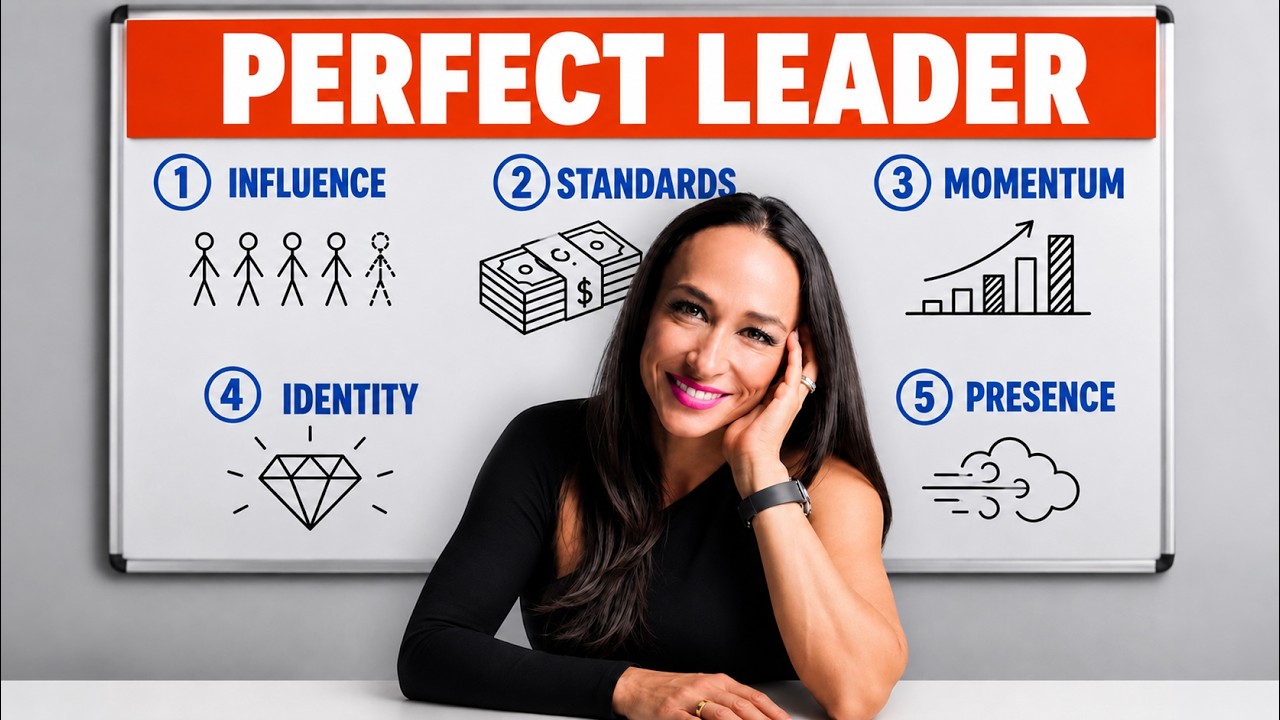
Well, obviously they can follow me at Official Jacqueline Elliott. I also, um, I have a number you can text text. And I actually wrote— there's 5 pillars, what that I used, or that we used as a business to create a powerhouse. So if you text the number, you can just put, you know, powerhouse, text powerhouse to that number, and I can send that over and you can kind of get familiar with what I kind of talk about to form businesses. It's 480-680-7752.
Say one more time. 480-680-7752. And my team will put it in the links Jacqueline Elliott. Jacqueline was my sister's name.
So yes, that's why you know how to spell it so well.
Yes, that's great. You know, and most people don't understand that, even though sometimes they call them Jackies. Yeah, it's Jacqueline's.
It's Jacqueline's. People say Jacqueline Elliott. It's not Jacqueline's. Jacqueline, the way you say it.
Well, I said Jack Woolen, almost like—
there's no W in there.
No, but there's a U-E. There is a U-E. And that's a—
I think you say it better than I do. I just say Jacqueline.
And folks, if you want to go check this out, @officialjacquelineelliott. You can also see her on YouTube, The Elliott Group. What's the channel? Andy Elliott? Or you're all over?
I'm all over now. I'm all over. We're always together, so it's all this—
you're always together. You're all— you're, you're all fit. You got the fitness deal going on. You know, if anybody's fat and feels out of shape and wants to get fit, hit her up. She'll either throw you to Andy or, or, or handle it herself.
Yeah, we have a fitness program too.
Yeah, there's, there's all kinds of shit going on over there, folks. Well, I appreciate you coming in, Jackie, and until next time, kids, as always, keep it real.
More from Jacqueline
It’s your responsibility as a parent to be their hero! #nurturingdreams #happychildren #earlylearn


The beast leader is and always will be Jesus #faith #love #leader #leadership #jesus


You can have it all. Stop believing limiting beliefs. It’ll fix everything in your life.

Your dreams lie in the trust your team has for you. You haven’t paid attention to it.

Your words become your marriage’s weather. Choose friends who protect your home
