He Sold 3 Companies & Built a Flipping Empire (James Camp) | EP71
Jameson Camp sold three companies and built NanoFlips, a newsletter that sources and flips small online businesses. He discusses his 20-year path through internet marketing, affiliate networks, and a cannabis exit, plus the mechanics of sales funnels, scaling teams, and when to go public with your personal brand.
Chapters
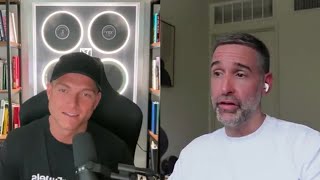
Trying to do them on Zoom. What's up everybody? All right, video of the day. I believe today is day 71 in a row of making these every single day on YouTube, and we've got Jameson Camp.
All right, what's going on dude?
I have followed him for years and years before he knew who I was while I lived in my cave and just worked. And he has some really cool stuff, cool newsletter, um, seen some of his content, some of your, uh, bro podcasts where you guys all pop on together. Used to listen to those on walks in Puerto Rico, so full circle moment. But Yeah, I mean, these generally go just super, super chill. Get to know you, understand the business struggles, fun kind of interviewee, but more so just like you and me getting to know each other and figure it out. So kick it off, an intro, longish, shortish, however you feel on who you are.
I'll try and keep it short, but I'm bad at that. So it'll probably go a little bit longer. Also funny you say that about like the pods because, you know, me and Colin and Oren, two of my best friends, had this podcast for years and we were like, You know, we get like 3,000 or 4,000 plays a pod and we would be top 100. And you realize that this is true with all life, that, that as you get to that 1%, like the astronomical difference between the number 8 and being number 2, you know what I mean? And we're like, how are we top 100? 4,000 plays a podcast. And you're like, oh, it just is a hockey stick curve of the speed at which it pops up there. But, um, cool. So I'm Jameson Camp. Um, I always describe myself as just an internet kid. I'm 37. I can't believe that I'm that old now, but I am 37 as of May 1st. And so that means I grew up with AOL and a CD-ROM and just wanted to make money. And, and I like started blogging when I was 15. I'll give you like the probably the more internet marketer context of me. Started blogging when I was 15, made a little bag. When I say a little bag, I mean, I'll never forget the day I made like $35 on AdSense. And, and it was because I had some stuff go viral on StumbleUpon and Digg. Which are like just of a different era, you know? And I realized actually StumbleUpon, people don't recognize it was like the precursor to modern social media algorithms, right? Just like, is this popular? Is it hitting?
Cool.
We're going to show it to you. For anyone watching or listening, StumbleUpon was just like a, like a website where it would just show you an interesting new website and then you could press another button. It would show you a new interesting website. StumbleUpon, I guess, on the internet. Just stumble upon it. So used that, did that, um, and sort of did a deep dive into like, uh, how to monetize better. And I got into affiliate marketing. You know, ended up becoming a mod on some, what was the precursor to Money Twitter, which were like big internet marketing forums. So it was just like, you know, a moderator on Blackout World and on, I wasn't a mod on Wicked Fire, but I was like deep on Wicked Fire and these, that's how I know a lot of the people that I think the Twitter guys see me interacting with today is because I've just been around this world for like 20 years doing it. Built a little affiliate network called Liquid Offers. And it was basically, I just took my first big offer, which was, uh, sorry, this is a long rant. My first big offer, which was, was okay. Good, good, good. It was FCR, freecreditreport.com. We were just, you know, hammering credit report offers. Um, and, uh, yeah. And then me and one of the owners of one of the, um, big internet marketing forums came together. We're like, we could just like launch a network to the BST, a buy sell trade thread to this forum., and we started broken that offer, started breaking a bunch of other offers, and I bought a website, um, old domain, uh, file hosting website called uploadforever.com. This is before this one, like you had to like download a torrent, you know what I mean? And, uh, God, I'm aging myself so aggressively with this, but like, yeah, you're in your like 4th or 5th one, but it's good. It's, it's, it's wild. Most of the guys that are on here are not that.
Most of the guys I have talked to so far, or even the ones I like plan to, are within the, you know, an OG in this is 5 to 10 years of, 'cause a lot of 'em are info coaching or like, you know, some physical brand, but they're not 20-year.
None, like— Well, it's interesting 'cause there's some dudes that very luckily what you realize with Twitter is that people give me credit just because the social proof of that people follow me that they trust, right? And some of those dudes, like, you know, like I'm sure, like I had a conversation with Adam Young the other day. I'm sure that's because Jason Atbaum follows me and that's because Jason Akatiff follows me, right? And so we're just going back into like, The old WickedFire people, right? And sort of like how, and so that's just old enough there. Um, anyway, bought Upload Forever. We took this file hosting website and we just threw CPA offers on top of it. Everyone would call them now, what does everyone call 'em now? The, I call 'em zip submits and email submits. Oh, okay. Um, but it's just, uh, sweeps. Everyone calls 'em now basically, right? Um, we were calling 'em zip—
dashboards. If you're on the back of money Twitter, you see the dashboards and you know those are sweeps.
Those are sweeps for sure. So we were running, so we were just like lock all the content. So you wanted to download the song someone uploaded, you had to fill out the CPA offer and then you could download the song. And we brokered that and arb'd that. We sold that, was not a big win, but my God, did it feel like a big win for like 20 years old. Met a dude at ASC who had a network, bought it from us. And then I became, I blew all the money in nightclubs, became a nightclub promoter. And that's how a lot of the world knows me is like I worked at Tao Group and Butter Group and EMM and—
I didn't know that.
Played in the top, yeah, played in the top sort of sort of little niche in the height of bottle service, you know, $10K table minimums. It was a moment in time when Calvin Harris was huge and, you know, the Chainsmokers and all that stuff. And during the day I'd do like digital strategy, and at night I would go stand at a banquet and chug a bottle of whiskey. And I thought that neither world would think the other world was cool, so I didn't really tell anyone about either. And then by 26, I was ready to leave that like so fast. I dropped out of college at 21. With 8 credits left to this day to become a nightclub promoter. Um, cause I thought that was like the path of, I mean, I would've signed a contract in blood. You wanted to pay me $1,500 a night to, to bring 10 girls to dinner and to a nightclub. Sure. I mean, it felt like it was a dream for a 21-year-old kid. Yeah. Um, ran off to Malaysia, you know, hit up everyone at Tao Group that was like still had, had love for me that was working there. And I was like, oh, I, I got a, what it was, I got a contract doing strategy for McKinsey. Um, so very upmarket, different sort of world.
Interesting.
Um, uh, doing basically like SEO strategy for one of their, um, one of their practices. Um, grabbed that money and ran off to Southeast Asia and sort of just reinvented myself. Um, yeah, came back to the States. I promise that the, the rant on who I am is done soon. Was, uh, somehow got plugged into— I like it. Okay, good, good, good. Somehow I got plugged into Google Launchpad, which is one of their tech accelerators, started mentoring there, came back to the States, had a friend who was a commodities trader, and this will bring us up to the Twitter world and probably how you know me and how most people know me. Had a friend who was a commodities trader, trading oil derivatives. I actually met him in nightclubs at Lava, and he, years and years prior, and he was like, "Dude, you've been working at McKinsey and Google, right?" And I was like, "Yeah, why?" And he was like, "Cannabis is the next big commodity. Let's go build something." And he had this little Wix blog,, and it was called Daily Marijuana Observer, like the longest thing on the planet. And it was just about writing about pot stocks in 2015. And so I came on board like 2 or 3 months after he started it. We call, call each other co-founders, although technically Jake had founded it 2 or 3 months before me. We took this little Wix blog and we decided we were gonna like build ETF, uh, indices to license ETF providers. And we were gonna take that cannabis was the next big commodity. So we're gonna take like a gram, the price of a gram of THC isolate and CBD isolate and license it to CBOE and CME. So we could get $0.10 on every futures contract to the end of all time. And like, it was a very— we wanted to create like the Cushing, Oklahoma, which is for oil, right? The Cushing, Oklahoma of cannabis in Colorado. And don't get me wrong, I still believe that cannabis is a massive commodities market that will exist one day, but legislation makes it not possible. We failed at most of that, but in that we built some pretty large financial news websites predicated on cannabis equities. So weed stocks. And because some of our investors were investment banks, Um, we were able to take part of some capital raising transactions for companies IPOing and ended up getting equity in a bunch of different little random brands. We built some dropshipping stores off the backend of some of our sites using like Oberlo because it was just easy to, you know, you know, we do like millions of visits a month on a site about investing in, in pot stocks, but we might have a link that said a word that said bong. Okay, well I can't sell a bong on my website that looks like a Bloomberg terminal. That's not gonna work. But. We could have a link on it anyway.
So that in 2020, all coming together, this is all coming together in my mind. Yeah. You and your monetization methods, which I'm sure we'll get to, but like your bread and butter.
Yeah, I feel bad because I hope it's interesting. I know it's probably interesting.
Extremely interesting. You're good. No, no, please continue.
So then 2020, peak COVID, like, like July 2nd, 2020, that transaction closed. And first thing I did was go buy a house. That was a nightmare. You two, you two were my partner, Jake and I and our investors. Yeah. Okay.
Nice. So 2x books at that point.
Yeah. Although it's funny cuz it's really, there's technically 3, but I would now at this point, I never talk about the affiliate network cuz it was like so small. It was just like a, yeah. And the numbers I was running on it, any of the, any of the money Twitter guys, the, the aff guys today, like, bro, it's like a joke what I was doing. I just was like early. Yeah. And it wouldn't even, you know, win. It's a win. Thank you. It was, I mean, the thing about wins is like momentum and is like just as important as the money side of it. I really, really, really believe that. And like, it showed me that like, I could do that kind of shit. So we sold DML Holdings, which owned all the cannabis websites, equity in a couple consumer packaged goods brands. We got lucky. We got lucky because of the timing of the market, and a couple companies that we did some work for, we were taking stock instead of cash for ad placements on our sites. We knew they were IPOing. We were working with the investment banks that were doing it for them, or at least advising on it. This was at a time when some cannabis companies were trading at like 100x price to sales., right? And so we would say to someone like, instead of $100,000 banner slot on our site, we'll take $400K in stock, right? And so they're like, sure, cuz they don't, cuz they're tight on cash. They're doing capital raising, you know, issuing stock is calling a securities attorney and then signing a piece of paper and shares are issued. So, and then we got that, our, that was a good multiple. And then there was a go public multiple. So it was like a good timing for us. Um, amazing. Yeah. Then I, then I started going on Twitter, dude. This was like, if anyone goes back to my Twitter. I was like, 2020 started yapping about, yeah, just like, what am I going to do next? And that's how NanoFlips came about. I started just writing about deals I was looking at buying. And then that ended up bringing me, well, actually at that time I did a JV with Agora Financial. In what way? Because we built them up, I built them up. They wanted to monetize my old lists. And because, and my old partner, bless his heart, he was right. He was like, dude, there's no way. Because our list was like full of like institutional investors and stuff and Agora would've just rammed, you know, a lot of really hard stuff, you know? Um, so I did a JV with SFP, Seven Figure Publishing over there, built them a newsletter. Um, and then I started looking at stuff to buy and I mean, I'm skipping over chaos. I promise you it's, it's, it's the short version. And I, and, and this dude, I was in like, I had like 1,000 followers on Twitter, 500 followers on Twitter. I mean, it was, you know, it's amazing how it grows, but it was like me, this dude, like cold email wizard, you know, who's Daniel Fazio, right? Like who, you know, has like Client Ascension has become great in his own right there. And like a couple of, a couple of us in a group chat there and me in a different group chat with like Cody Sanchez and like Nick Huber and a bunch of people. Like we're all like, let's grow on Twitter. Let's do this. And so we're all just growing, retweeting each other's stuff, commenting on other stuff., and I started writing about deals I was looking at, nano-flips. The newsletter was no intention of being monetized. Ended up buying Blue Angels Hearing, this DTC hearing aid brand. Um, this would be the second exit I talk about really normally. So we bought that, um, grew that, um, pretty aggressively, pretty quickly. Sold it 11 months later to Open Store. Um, so we were Open Store's first acquisition. At the time. Shout out to Peter, who really ran that. I mean, again, I just have been lucky enough to surround myself with like super smart people. People like, yeah, Peter was the operator. Peter was a killer. I was just like trying to play chess and puppeteer like a roll-up that ended up not coming together. But we flipped the first business and then yeah, NanoFlips came along and like Daniel Fazio. The reason I brought him up because he's like, dude, you should sell a course. I was like, man, I'm not selling courses on the internet. And then I started being like, well, okay, maybe I'll— he was like, just post a tweet and if you get enough responses on it, you should sell a course. So I posted a tweet and like 200 people were like, I'll buy this course. I was like, oh, whoa. And then I launched to the newsletter. We la— I launched a, I wrote one email, built a landing page on Karde and recorded like the worst VSL myself and was just like, if you guys buy this, I'll build this. And I sent it out to 1,100 people at $195 and we sold 84 slots in 24 hours. And I was like, oh, okay. Like. $17,000 from an 1,100-person list. Like, there's a— there, there. So that ended up becoming a much bigger thing, um, that sort of defined the last 2 years of my career and buying a couple small businesses and advising on a lot of them. And then now anyone will see one of my recent tweets or pinned tweets is that I'm probably going to soon make my exit from that business. And whether that means finding an operator, I want to go build something again or raise a lot of money to go buy something much, much, much bigger. So that's me, dude. That's— sorry, that's like a lot.
It's not a lot. No, no, it's— and it's good context because again, I mean, so from my perspective, how I know you is probably around or close to that 2020 range. Somehow I end up on a list. Sometimes somehow I hear you on something. I couldn't even pinpoint it. I tried to look like quickly and I couldn't find. But how many emails I have from you and from NanoFlips. I have been one of your abandoned carts 4 times over.
Amazing.
No, seriously, I've been so close to doing it. And, you know, people who listen to this generally have heard my stuff, so I don't, you know, I don't need to go into that a lot. But like, we were in a place and space where we were growing the info coaching business and we're like, this is just going to be a cash flow game. Now those goals have changed and shift and, you know, now it's full bore. It's 15 hours a day between the YouTube stuff and like I'm in it. But for a while there was a lot of free time. There's a lot of time. There was a lot of— there's capital. And I was just sitting like, what can I do? And you were the only one that had that pocket of— now there's a couple that, you know, talk boring businesses and stuff, but you Even that is a little more capital intensive. It's more operationally intensive. Your stuff is small entry, still like large game playing or, you know, chess, like you said a little bit where it's, you're buying because you have the leverage, but it's small enough, it's approachable enough and it lives within that online space. And I'm like, those check the boxes. Like, you know, I have hundreds at that time. Like I have hundreds and like I can play this and it's all online, which is the only thing I know. So it's been super interesting to me. And like your emails where you go. Here's how I would do it, or your emails of here's how I did do it, or someone who in the, in the program who did do it, bought it, changed monetization models. It's super interesting to me.
And well, I think to be honest with you, dude, you would— I mean, first of all, you're, you're, you're, you remind me of my boy Oren, who just like clearly amazing operator, but like will just win out of just sheer brute force. Like you're a way to stick with YouTube, for example, is like, like the craziest. I don't know how you even, cause as someone who's created a lot of content before, I think people discount— it's very difficult. And you probably know this from playing InfoWorld a ton. It's very difficult to continue to truly operate businesses and be really, really pushing on content at the same time, you know, and people— and it's just the truth and people don't want to admit it. But like one of the reasons that Nanoclips, which I ended up buying on acquisitions.com, my plan was for it to be a much, much, much bigger thing when I saw 'Cause it's the only business in my life, bro, that like, you know, was doing $100,000 a day by accident. You know what I mean? And I was like, oh, what? You know, like, and again, just happened to have some of the best DR copywriters that were friends of mine that came in, were like, dude, we're gonna, you know, like running, you know, Travis Sago campaigns to the moon, like just pushing really hard and stuff. And if you, you know, if you've been on the abandoned carts, you know it, right? Like we were doing no phone calls, nothing. You know what I mean? Just like straight to, straight straight to email and I had some amazing people help me with that. But it's really tough to do what you do, man. I've tried it a million times and I always lose momentum with it. And yeah, so kudos to you.
Yeah, I mean, right now I talk about this a little bit, but like the— it's a fear I have. I talk about all the time on Focus on these people who are like, oh, I want to go do multiple things. I want to bolt a SaaS company on here. And it's like, it just— it's very, very, very unlikely that you are going to be able to do everything well. And for me, and if you zoom out fully, it's like you have personal life and you have business life are like the two main buckets I look at. And like within personal, you have like your health and fitness, you have your relationships. And then this, this YouTube personal brand thing is this weird hybrid where it's like such a fuel right now. And I want to share a bit of like what it's helped with, but it's such a fuel for the business, but it is such a personal time suck if you just look at time and like I am failing miserably in the relationship bucket, like friends, family, partner, like that stuff. Like it's been a huge strain because I just added 4 to 5 hours that I didn't take away from somewhere else. I stayed doing everything I was doing in, you know, my gym, my this and that part. And then I stayed doing and actually took on more within the work capacity side of things and then bolted this on, did not like, you know, lose focus.
Yeah, you didn't readjust at all.
At all. So it's been a, yeah, I mean, you're 100% right. It's a grind and I don't know how long I'm gonna do it, but What you are doing and like the model you're doing is— makes so much sense to me. So like, are you trying— so when you're saying you're going to potentially get out of this and do that, so let me—
so I'll give you more context, I guess. And so this actually brings me up to a great point, which is that everyone says they want to go deeper on these.
They want trench talk. They want just like—
oh man, I'll tell you, I'll tell you the uncomfortable truth about buying businesses, first of all, which is that most people just will fail, right? And that's just the honest truth. That's I think it's a great way to mitigate risk on failing because you're buying something that already has some traction. And from compared to a startup, I think astronomically like more likely odds for you to win, right? Unequivocally. But I think that what's happened, what I learned for me was, yeah, trying to juggle 5 things, doing 5 figures a month. You mean like it's not, it's almost impossible. I'm sure someone better than me could do it. But what I've realized is that like the times I've made Well, a lot of money for me. I don't like to call myself rich. I'm definitely far from rich.
Right.
But like, and I had a conversation with a friend who had some bigger exits than me that was like, dude, we're just the richest of the poor. Don't get it twisted. You know, like, you know, the other, the con, the con, the context for that is that like Harvard's giving you free education under $200,000 now and this admin wants to go tax-free below $150K in income. That means they think $150K, $200K is like the bottom of the fucking You know what I mean? It's like, that's the poverty level, right? And to the new elite. Um, so like, I'm the richest of the poor. Does that mean that I can like— I'm not worried about how the rent gets paid? Sure. Does it mean that I drive a nice car? Sure. But you know, Adam's out here telling me to come charter some PJs, you know what I mean? I'm not, you know, let everyone else charter those PJs, bro. I'm good on spending $40 grand to fly from LA to New York, you know? Um, yeah, like, and kudos to those who want to do it, but that's also for content. Half the guys in our world that do that are doing that for Twitter, for content. For sure.
For sure.
There wasn't—
because I know people. Yeah, there wasn't.
Yeah. Because you and I, I know some people with real money that do not fly private all the time at all. Would never do that. Just a crazy financial decision. Yeah. But anyway, so in the weeds, what I'll tell you is that like the only times I've made real money and I mean like significant money came from like really hammering down on one thing in a really aggressive way. Now, what do I think that that could be done through a large fund structure in which the businesses that we buy would be big enough that you can place a great operator in them? Yes. Do I think that everything that I've done at NanoFlips is fantastic for you want to buy a side hustle or maybe a tuck-in to tuck into your business? 100%. But I will say to anyone right now, if your goal is to buy 10 things for $100K and scale them each to $5 million at, at the same time without a ton of extra outside capital to pay for that, the P&L just doesn't make sense. It just doesn't, right? It just, there's not enough margin to pay somebody to do it and you don't have enough time to do all 10 of those things at once. So I found for us, the sweet spot was, you know, someone like Ryan wants, has business X and maybe wants to tuck in something. That's amazing. Then the next person is someone that wants a side hustle. Excellent. You've already, you've maxed out your 401k. You hate your fucking job. I got something for you. Don't worry. And maybe you can grow it into replace your job. That's amazing. And then I've done a bunch of advisory work that's more like, searchers trying to like leave their job and replace their job. But that my original thesis, which is just portfolio of many, which I still have a few of these little things moving and grooving. It is not possible to scale them all at once, or maybe it's just not possible for me. And I think I'm a pretty good operator.
Um, and so my thought on that, you know, I mean, you saying on the P&L is like, it's so real. It's so real.
It doesn't, I mean, I think, dude, I talked to a lot of the info dudes. This is not a knock to some of the best info operators I know, but like, The P— I mean, everyone's talking about 80, dude. I know you and I have had conversation about some numbers. You do, you got a bunch of plaques behind you. I got homies doing mid-five figures, nine figures on info. I can tell you right now, anyone who thinks those businesses run on 80% margins, like, it's just like truly delusional, right? They just don't know what a real P&L looks like. Yeah. Um, so anyway, so that's, so NanoFlips has come to this point where it's a beautiful little business. It's helped me. Build this beautiful little flywheel. You buy something, I can push it through NanoFlips. I have a great network with it. It's phenomenal. But for me, it's like I want to go either go really deep into like, and I kind of have this software thing I've been working on. That's what I was talking to Adam about. And it's funny because Adam was like, I won't give away our whole conversation, but he was just like, he was like, do you B2B SaaS? It's like real, it's like big boy business. He's like, I'm telling you, he's like, he's like, this is real entrepreneurship. If you go do this, this is not the DTC shit you played in. This is a different world. And like, and I'm looking at that as like an amazing challenge, you know? Yeah. Um, to go do that.
So anyway, yeah, no, I think the, the nano flips— the— we talk about this a lot on here because it's definitely where my frame is right now, and I think that just influences how— what the conversation ends up. But the depth in which you choose to take something is— it's real. It's what maps out to your goal. You could take nano flips, and as you just said, just the education info side of it could be here. You could have high ticket, you could have, you know, Ascension, you could have done for you, you could have macro flips on the back end that's $50K, and you could have the big boys, you know what I mean? You can, you can turn it into the marketplace for the, for them. You could be the next Flippa. You said you had the domain for it to where you're thinking it, like you can do it, but if it doesn't align with goals, and if the goal is progression challenge, like fun in that way, and that's not like fun and exciting to you, it's like, why do it? Right? It's like, you can do it anywhere.
I mean, so there's two things that brings up one, which is that like, I'm going to say something that's sort of a hot take in terms of personal brand here. And because everyone's like, anyone can have a personal brand. The sad truth is that is just not fucking true. And anyone can create internet, can create content on the internet. But like, there are certain, and I like, listen, I won't speak for you. I'll speak for myself. I'm like a 7 or 8 on personal brand. I'm a yapper. I'm somewhat charming. I'm probably sit in the, middle of the bell curve, even though I think I sit to the right, because anyone— we all think we sit to the right. So by definition, that means we all sit in the fucking middle, you know? But like the true people who are just crazy good at creating content, that is their lane. That's what they're phenomenal at. And so I realized that for me, and you know, for the info space better than me, is that like most of those brands that do super well, especially a decent margin, are very, very guru-focused. They are very, very, very, very guru-focused. And I am down. Listen, I love being the center of attention sometimes, but I did not want to make my entire life being like a personality, if that makes sense. Agree. Um, and so, you know, to do— look at any info product business is doing crazy numbers. I'm sure there's outliers. There's at least a guru who's getting a, a, a fee to be the face of it. 100%. Correct. Golden Hippo, Agora. Look at any of the big heavy hitters and you'll see, you know, The New Reach dudes, all the, you know what I mean? Like, I, you know, how much you think, you know, uh, the Sub 2 dudes are really flipping houses? I don't know, maybe a ton, you know what I mean? But I'm just get, you get my point, right? Yeah. Um, and so for me, I think that what's gonna happen with Nano is like, it becomes an education business that can continue to push deal flow in a way that it has for me, but it probably will never scale because I'm gonna remove myself from it, if that makes sense. Right? Like it can be like right now we're just running, you know, uh, a couple things through Meta, right? It was all organic before. Right. And so that just becomes a pretty simple, I just think I have a good angle on, on BizOp. I mean, if I really want to go there, you know, make money in MMO, BizOp stuff is just like skincare for men. I mean, the truth is we're just, you know, we're just selling the skincare for men here in that world. Yeah. Right? Like you're gonna attract the opposite sex. That's all BizOp and MMO is, you know? Yeah. Um, at its core. So I'll keep that business because it's too good. The problem for me, and then what I'm gonna do actually is with that newsletter is give everyone an option to opt out like 5 times over the next 6 months. And then anyone who does not, not opt out of NanoFlips, well, they can opt out whenever they want, but opt out of joining Jameson Camp's newsletter. Got it. Um, because NanoFlips will continue to talk about— yeah. And because I wanna yap about just everything, dude. Yeah. You know what I mean? Yeah. Um, in the same way, the first 13 minutes of this was me, you know? Yeah. A little more.
Truest personal brand and like the ability to do that and like be like free in that way. Right now it's like sucking up a lot of my time in the personal brand thing, but it, it's, it's really just me. Like I'm just, I'm doing what you're saying and yapping. It's not about a specific thing. I don't have an intention of it's, you know, it can't only be about buying these nano business, like that version of it. It's about this. It's about that, which right now is a lot about business because that's where I'm at in my season and frame.
Yeah.
The goal is not to sell something at all. So it doesn't go a direction.
Well, I think to be honest with you that you talking about it being your season is really important. I like to think of life in like chapters and seasons. And I actually feel like I made a tweet about this the other day. Like I feel like a new entrepreneurial arc loading for me. And there's actually a Naval conversation I listened to, I think on the Chris Wilkenson podcast. Um, when Naval was just like, what happens with personal brand? And I've seen this firsthand. Okay, this hits. Well, that's what I gotta talk about now. This is who I am now, right? Because this is what— not for two reasons. A, 'cause subconsciously my brain is just dopamine chasing nonstop, right? And so I want whatever resonates. And then B, because when you start tying a business into it, now that's the only person you can be. Now what you're gonna see also, you know, for— I'm sure you know better than me, most info product dudes will— I mean, with big personal brands, we just change their offers all the time, right? They burn out an offer, move on to new, new, new. But you end up in this cage I've built for myself. It was really freeing and I need to re— pin it to top my Twitter, but it was like a lot of talk about me losing my obsession. And obsession beats discipline every time. I'm a very disciplined individual. I know you're a disciplined individual, but obsession just crushes it. It's different. Obsessed— discipline is me getting up at 6 AM to go to the gym when I don't want to. Obsession is me waking up at 4 because I can't wait to go to the gym at 6. Yeah, you know what I mean? And it's just, it's just, that's what I'm craving again. And this, I think we can, we can enter into sort of like, we can talk about like funnel structure and stuff all day. I'm happy to do it. I'm like, it's my favorite shit. But I think that like, what's this arc of my life, this season of my life is thinking, okay, how do I shed this old version of me in which I now have 85,000 people on Twitter, 25,000 on TikTok and 6,000 on Instagram to all think of JamesonCamp. Yeah. Right. And as cool as that is, I think that we forget Uh, that as we want to change our identity, so much of how we view ourselves is predicated on the external feedback that we're getting about who we are. Yeah. Um, and so that's, so I would say though, that what's interesting about personal brand is that you're in the perfect place to do it because you don't need the money from it. Right. And so that allows you to, to have this like sort of total intangible magic. Dude, I've seen that list of people you're gonna be chatting with, you know what I mean? Like. It is, it's obscene what you'll— it's like, I know I was having a convo with a guy who left his business to go work at WAP the other day, right? Great idea. Because everyone at WAP is going to leave when they IPO with a gang of money. He's going to have spent 5 years with a ton of fucking other people in their 20s who all of a sudden are sitting on $50 million, $100 million, and they're all like, trust each other and been in the trenches together. And so, so my point is sometimes just like putting in the effort to the intangible becomes truly magical later on. So I think it'll work well for you with the personal brand stuff.
Yeah, 100%. And it's just like the, the WAP example is so real. I mean, I flew out and talked to those guys and I felt that same thing. I was like, do I stop doing this portion? Like they have such a draw to what they're doing, the mission they're on, the, the energy of what they're doing, the obsession, like you said, like is so real that it is, it's intangible. It's intangible and the money is, you can paint it out to here, you can paint it out to here. Like it's bigger than what you're gonna do elsewhere in almost 99% of the facets that you could. But yeah, I don't know, for me the personal brand thing, I say in the beginning of the videos, it's talent, it's opportunities and it's network. And for the first 60-something days was just mass output and it was a bit painful and trying to find pockets of things to talk about that were actually valuable and the feedback loop of that and trying to like navigate. And then once I got to that range, I was like, okay, I did some random one-on-ones and stuff like this. And they just were like, bump, like 8x higher, 8x higher. And it's obviously at some level, like the audience from those people that comes over kind of, right? Like it would be interesting to see how many people are interested to watch from your pocket of, you know, people that want to follow you that then come and watch this and whether they, right. But more so what it turned into was the network part worked. The network part worked in 50 days of doing this. It's whatever, $5,000 on this and $5,000 or $4,000, whatever it is on a couple of these. And it worked so aggressively that that list, half of it is like, I don't wanna say like pipe dream, but kind of like out of reach. But everyone on that list is at least one away now, not one or two or three away. Sure. Everyone is one away. And then half of that list either are already randomly in contact with or has commented back on something is like, is right there. So like that part worked. And then opportunities, I actually like, I might even shift what I say on that because I have such a mass flow of opportunities I cannot explain to you. Like I can tell you offline and whatever, but like this week I've had 3, 2 technically that are over $3 million a month that are doing bigger numbers than us in info and coaching. And then one that has so much opportunity to do so and is making like no money but has like the following, the audience, and just doesn't have the monetization models. And I'm just like, send me a Google Doc or a Loom or whatever and I'll answer your questions. But I'm taking like no consulting deals. I'm taking no equity. Sure. That's not like a, you know, oh, look at me thing. But it's just, it's just to show how crazy it is if you're in this world and in this pocket and just put it out there, which I didn't do for years. And then the big one that is working really well is the talent. So the ability to find talent through the network of people has been insane. We found Chief of Sales directly through this from somebody who watched there, then followed me on X. We talked back and forth. Yeah, they're doing $30 million a year in info too. I've never even heard of their company. He, his sales manager knew somebody who knew somebody and like sent it over to me. And in 2 hours of me making that posting, I had 200 people. 4 were crazy good, interviewed all of them, wanted one, got the one. And now we went from, you know, X days to double with the same lead flow, same volume, same quality because he, you know, whipped the sales team into shape and they're 2 weeks in today and like literally, boom, we're now like on pace for record months in the next month or 2.
So it's just about surface. I mean, I think when it comes to— I mean, here's the shitty, funny, sad reality. All of it is like, all the tropes are true, you know what I mean? Like, you know, like, it's, it's about, it's about, you know, surface area essentially, right? Like, how much opportunity are you creating, right? I had a call from a friend today, love him. I never really had sales teams, but for a while when he needed some work, I had him sort of doing some appointment setting and a little bit of trying to close on the phone. He closed a couple of leads for me, but it was just not for him and it was totally fine.
Yeah.
And we don't really— we weren't doing sales. We did one push with calls. What's really tough to get sort of tactical for a second about info and launches is like if you run a launch model, which is how I ran for a long time. Okay, let's say you have 100 closes and you, you know, you have 100 closes that happen. So you have 100 slots in a cohort. We weren't lying about those. Those are real. So 100 slots want to close. Okay, let's say you're closing 1 in 3, 1 in 4. Maybe you're closing 1 in 2 because you're a god. I don't know. I always hear these numbers of close rates. I'm like, okay, maybe for like the hottest inbound for someone who's been following me for 3 years, right? But also if you're getting qualified leads, right, you're not just taking money from anyone that wants to pay you money because that was a big thing for me too. I didn't want to just take because my program was cool, pay me a few thousand bucks, but then you got to have another $50,000, $100,000 aside, right? And it has been very easy if I just cut Klarna deals, you know what I mean? Like, or just like, you know, and then like, oh, I'm going to show you how to buy zero down, which by the way, it's totally possible, but just very unlikely for most, right? Yeah. Um, so, but yeah, 100 closes at a 25% close rate means 400 sales calls have to come in, right?
Mm-hmm.
So you wanna do it in a week. Let's say you were a magical, magical, say you could all of a sudden stand up a sales team of people that could handle that, right? Let's say at, at, in a 5-day week, let's just say, I would think you go 7 obviously, but let's say, say 5, right? So now you're taking, you know, 100 and, 20, oh, sorry, sorry. 8 times 5, 400. Okay. Yeah. You're taking 80 calls a day. Okay, cool. 80 calls a day. Now you have to assume that those 400 people that you're booking calls with, that all their personal lives are happy to be lined up sequentially to get on calls with your sales team. It's just not possible. Right. It's just not possible. And so that was one of the difficulties I ran into. I did a, I ran a thing with like Nothing but true love. And do you know Nick Fisher? Yeah. So I did a thing with Nick one time, like nothing but true love to him. Like his team was awesome. We ended up deciding not to work together long run. We were going to try and build some bigger stuff out, but like, thank God, because thank God that was a team that had come from running like real big, you know, and that they could just make a phone call to like the sub 2 squad, you know what I mean? And be like, oh, I need.
You know, we need 30 reps now.
Yeah. I need 30 reps to be on calls this week. And I think that people don't recognize how difficult it is. So anyway, so I had a friend who I've like been giving advice to. His wife runs like a, like an IVF offer. Actually, she's an IVF nerd. Like it's a great offer. It's, I hate even calling it an offer. It's amazing consultant that truly helps out people that really wanna have children. Yeah. And like she's been having some stuff hit on TikTok recently. He's like, dude, we got 100 DMs. What do I do? And I was like, answer them, you know? He's like, oh, well, ManyChat doesn't really work for TikTok. Can we try and flow it this way? Like, should we get— I was like, honestly, dude, like, how many hours in the day do you have? Just sit on your phone there, you know? And I think that people try and over-optimize early for like— because I've been with gurus who ran their own stuff doing a million a year who just— and I'm sure, forget even info, I know dudes who run a lot of big businesses that cannot put their phone down, you know? They're traveling the world all the time. Their wives hate them for it, but like are just literally working 16-hour days nonstop. And so I think that we all try and over-optimize, but I know it's not a very useful thing to talk about, but I was thinking about sales teams and how to stand it up, you know?
No, I have so many thoughts from that. I mean, just the last part of it is like, that's me right now. I'll just tell you that. I'll tell everyone right now. That is me right now. And then like I said earlier, it is impacting relationships, family, friends, partner, whatever you wanna look at. It is, uh, It is not good. I'm on my phone 24/7, whether it's an X thing or YouTube now, or all of the business all day and the random calls for that. It's like, you gotta pick your goal and know that, like we said, it's either a season and hopefully it is a season for some of that stuff. If it's not what you absolutely love and you're okay with impacting those other zones of your life. But if you're not at scale, like change, you gotta change the model. You gotta change the model. You gotta, you gotta bite margin in your company because you gotta hire people to do things and. Be okay with making less because other people are going to do pieces of the puzzle. Like, and that's where you go back to your P&L, not working on stuff. It's like if you can't do that and the availability thing, just quick tactical again, is so real. We have always run sales team. We have never done direct to cart ever. Even on our direct to cart we have now that we recently launched low ticket. It is a sales team directly on the OTO. So we are, we are a slave to the calendar availability in a 48-hour window. And it's always the, the rock and hard place of like getting availability up. And we all, we do paid, so it's the most consistent. We have very little organic, but the second you try, you get a, uh, like a viral moment, which we haven't even had. So funny you say that, but like that, or you try and do anything that's JV or like a fit, like a mass push, you can't do it. You, I can fill 150 slots a day and I have a 48-hour window because if I go beyond that, my show rates go like this. So like we for 4 years now or probably 5 years have run directly on that. The next layer of that is the low ticket, which is the first widget is only for a setter team. So you have 2 dedicated teams that are both having availability. So you have however many low ticket units a day, then you have 60% of them or whatever that then want to book the implementation quick start call, which is a setter. That's a 15-minute block. How many calls can they take? And then the setter is on the phone live. Looking at the availability of the closer team and booking out 48 hours in that window. And you just play this game of like, we need more setters on this because we're getting a low cost per acquisition. So we want to sell 200 low tickets a day and that means 150 of these calls, which means 50 of these calls. We got to pull overall ad budgets down, not on low ticket because this calendar needs space or you got to hire for it to fill. Yeah. Then you don't fill them and then you have like expectations.
Like it's almost impossible. I mean, and it's, it's, it's, and it's It's one thing that you probably— not you, but one people I don't think realize till they really get to a, like a level of scale. And that's not even like, for me, you're doing way more than I was doing with the info stuff. What I think is really interesting is that when I think about business, whether you just said or what I said, cuz I mean, to anyone who wants to go look in it, like, I mean, all, all the funnels I ran for, for my info stuff, I mean, I didn't write most of the copy. Um, I worked hand in hand with someone that they were Like, I don't know if they want me to say who they are, but they're like amazing people. They're truly, truly cool. They were running like info operator models way before it was like a hot thing to go do.
Growth operator was a thing.
Yeah, yeah, yeah. They were like, oh, you have a list this size? Let's have a conversation. You know what I mean? Yeah, let's chat, bro. Because, because, and I remember like, you know, wiring off $100,000 to people that wrote like 10 emails and I was like, oh, whoa, you know, like, you know, for a day or two of work. But anyway, and I remember I had a, a moment, you know, like you have the old school dudes like Doberman Dan and shit who they'll write you a sales page. You want a $100K, $200K, they'll write you a sales page anyway. But everything you're trying to do, whether it's what you're talking about, what I'm talking about, we're basically trying to compress all the trust, um, and information and objection handling possible into as small a timeframe as possible.
Mm-hmm.
Right. So the best conversion ever is gonna be in person to person. So like very tactically, when people are like, oh, well, how do I go launch this? Go to a fucking conference. I mean that with every fiber of my being. If you are, I mean, that's what I used to do, man. I was a hungry 27-year-old kid with no money. We raised, I took $100,000 in debt, personal loan to, from an investment bank and gave them 30% equity kicker in my business because I was just, cause we had a Wix blog and we were making no money and they were like, oh, you're going to get a couple million investors a month. We'll figure out how to monetize this later. Right. And so we would just go to conferences and I would go meet public companies and be like, oh, like we've got ad space to sell you, you know? So my point is that, that is the best way to sell is going to meet someone because now Ryan and I, despite having a bunch of Twitter convos, now we've met face to face and I'm much more likely to do real business together. Right. Thumbs up. Come from this. Yeah. Yeah. Um, but so you have that, right. And then how do you compress that? What's the next level of that? Probably sales calls. One step down is gonna be a sales call. The next step down is gonna be like a DM convo. You want to compress that more, it's gonna be a VSL. You want to do one, but all, everything you're just trying to do is take the entire, like the entire, uh, pipeline of what is like getting to know someone, getting to trust someone, objection handle, and trying to compress it as close, as close as possible.
Yeah.
Now most, most of the info dudes want to do like one call closes and they want to be self-liquidating day one on a VSL.
Yeah.
It's just crazy because when you go play outside the info space, If I told people that you could be self-liquidating on ad spend with their business, they would like melt, right? That is just not how most businesses—
not know what you mean.
Yeah. Yeah.
They wouldn't understand.
First of all, you know, like I'm, I'm, I'm, I'm playing in a world now, you know, I do some, you know, there's a company I work with. It's an equity crowdfunding portal that I'm doing fractional CMO work for right now. I have a little piece of them, big fan of what they're doing. But my point is like, we're bringing on issuers raising money. Right. And so the business I'm going to— looking to build next is also like 3 to 6 months. Sales cycles would be a tight sales cycle, like 6 to 12 would be like a more realistic, like because the level of buy-in that has to come in from different people and like how— and it's like, yeah, so you're just— there's no get making your money back day 1 or day 10 or day 30, you know.
So 99% of businesses, no, no.
And so I think that like So actually for a lot of the info dudes, you know, you really wanna scale, obviously you're trying to get money back in your pocket very quickly to keep scaling, right? Same thing with the affiliate, with, with pubs, right? You want a 7-day, you want a net 3, net 7 because you need to dump your money back into ad spend. But I think that a lot of the, the info guys I know that haven't figured out how to scale like the way you have, if they could just take a step back and think about like a, like a 30 to 60 day to 90 day break even instead of like a, like a 7-day, right? They just, they would find that as long as they have the attrition to stick it out for those 30 or 60 days.
Well, that's, yeah, and the trough, the cash trough is the, like, yeah, affiliate example, like depending on your source. So yeah, let's get tactical. This is fun. So yeah, I have talked to a couple people on here and so we have, we're paid heavy, heavy, heavy, heavy, heavy. Like it is 99% of our first click is paid. We have a massive organic engine that only exists for that, for the consumption and the moat and that piece. Yes, it would be great if it was also old, but it's really just like retargeting. And it, you know, if we're talking media buying terms, it just exists as a consumption moat that it can be there, which most people don't have. And I also know companies that are bigger than us that do bigger numbers that have no moat. So it's not to say it's necessary, but it is a helpful additive. So the 3 funnels that we run right now, speaking specifically on consumption, is the VSL opt-in funnel. So name, email, VSL, application, book a call. That one is what we did $71 million through. Raw, straight up. That's it. No setters, no any fancy direct-to-cart, nothing. And we overdid it. We hit it too hard. We scaled into it when the CPA was rising. Like last year was our explosion. Like we went from $12 million to $30 just by changing what we sold, not by changing the funnel. When we had been running the same funnel doing $10 and $12 the years prior, just selling an info, which has, you know, no fulfillment costs. To coaching that then had a higher ticket, but also fulfillment costs. That's where the team goes from 30 to 100 and something, right? Like that. There was this whole shift, but the consumption that can exist at this funnel versus the two other ones we're now running, which is direct application. So no opt-in, watch a VSL and then either be able to apply instantly or like wait a little and apply versus a low ticket, which is for us, you know, sales page, get an opt-in so you can get some emails in between, abandon. A checkout, then push straight to a call that's like part of what you purchased and then go to a close. So the timeframe and the consumption levels are like two massive levers. So it's funny you bring that up. This one is still the best because the amount of re— like the timeframe is the longest, like you're saying. Sure. The consumption is the highest because we are constantly like re-nurturing. We send two emails a day, every day of the list, every single day. They have the contextual ones in the beginning for the first 30, and then the people that don't, they still get 2 emails a day. We have like, you know, win-back style stuff that just, just to re-get them in the content. We have this massive content moat. The DTA ones are like, you know, show rate through the floor. Like they don't even know who you are half the time. Like there's some of that that happens, but like we try and do our best. And then the bottom one is the most interesting in both the economics and the consumption because they're not a lead, they're a buyer. And that's the first time we've ever done that. To where a buyer, even if it's $27 or $100 or whatever your low-ticket direct— sure, before they get there, there's some definite drop-off with like how many book a quick start implementation. There's definitely some drop-off then how many go to a close. But when they do make it to a closer call, it has the highest show rate and it has the highest close rate of any of the calls. So if you can get your math to work out, it's like a— crushes, crushes. Now it's how, you know, how cold can that product be? Can— is it a mass market? Because if you're only popping 5% out the back, which depending on who you ask is either amazing or terrible because I know guys who do $2K direct to cart and have 50% ascend because it's, you know, a big enough thing that just the implementation for another 10 Gs is like nothing. So half of them will do it. And then for us, I know people who do 3% and make it work, but call it 5%. It's like I want to sell 50 units a day now. So how many low tickets do I need to sell? And that's where that model is like, oh, because it's like, it's like economics are amazing, but now sell 1,000 of those a day. And consistently do it at the right CPA so that your math does work and that all your availability and all your stuff over here, because all the call calendars, it's like that's the game. But what you're saying about consumption is so real. And if you can get them into the system, however you do, consume as much information as possible. We have stuff— Jeremy Haynes is a really big guy in our space that is like— he's the, the million-a-month guy and he's very heavy in ads, has an agency. That's all his content. And he has this thing called the Hammer Them strategy, which is essentially just consumption ramming. And he takes them, and as soon as someone books a call, it's like an email every 2 hours. The thank you page is like filled with like pre-objection blocks, testimonials. And then he has the Hammer Them strat, which is on Facebook, you'll take your buyer, you'll take your booked call list over whatever the range is. So like 72 hours, you will like HubSpot sync it to a Facebook audience and you will run like like however many different clips of pre-objection block videos, long-form testimonial, short-form, whatever. And every time someone does a through-play of one, it removes them from that. So they see a new one and it's in that— well, dude, I think it's like a 20 frequency.
Like you're just like, boom, boom, boom, boom, boom, boom, boom. Well, so that leans into that. There's a couple things that makes you think of, and I don't want to forget them. So one that makes you think of is that like, uh, A, there's like— I won't say his real name, but Great follow on Twitter. He never talks anymore. Um, almost said his real name, like, uh, GT3. I forget what his Twitter handle is, but it's GT3 something, like one of the better DR dudes I know. Um, left the info space to go build a different kind of business. Um, and take his crushing it DR stuff, you know, with him, by the way, which I think if you wanted me to sum up the model. Yeah. If I wanted me to sum up like one way to make a ton of money and it's sort of been the thesis of my life and I'm hoping to do it again in a big way, which is like, it wasn't so, I wasn't the best DR marketer, but like the affiliate stuff I was running, I mean I was just hammering Craigslist back in 2010 or whatever. It was a different world. But you know, um, all the stuff I Black Hat World is like just a spam forum now. But back in the day, like 20 years ago or 15 years ago, it was like the best. We called them methods, not courses. It literally was a method. You could like buy a method for like $200. First, first thing, first like thing that I bought there that did well was a PPC arb I ran between 7search and, uh, and Google. You could just— this is a different time when you just arb PPC clicks between, between search engines. Um, anyway, point is, uh, yes, so GT3, he has a funnel where he, he does a funnel breakdown. It used to be pinned to his profile a long time ago, and basically it was like that— it was a first survival kit. And the first piece of that survival, the first thing says, "Fellow patriots." Well, the copy says fellow patriots 'cause it knows that liberals don't like the term patriots. It knows that liberals are not buying that shit. So it's trying to be as divisive as possible. It is trying to push you as far away as possible. I think that what happens for most entrepreneurs, myself included, is I'm like, fuck, I gotta defeat churn. Everyone's churning, I don't want them to churn, I wanna sell them later. The truth is, is that most of those churns are not buyers, right? And some, yes, some are gonna churn and leave you. And they're gonna be annoyed that they saw you. But it's just like who are the sales dudes I know that do the best? The dudes that call you till you tell them to leave them the fuck alone, right? And as much as we all wanna be the good guy, now there is an overlap with brand quality here that I wanna be careful with, but in the DR info space, I wouldn't be too worried about it. But my point is what you're saying there is just like hammering them till they churn out because you're just basically getting the people that are really interested to finally just convert. The second piece that goes with that is, um, I took one marketing class or advertising class in college. I'll never forget it. And the first class, the first thing they taught us was like, the professor was like, so you go to the CVS and you go buy toothpaste. There's Crest and there's Colgate. Which do you buy? And I said Crest. And he said, why? I was like, I don't know. Cause I use Crest. He was like, exactly. You're, you are going to buy from who you know. That's about it. The most basic thing to know is that especially in a commodities, in a commoditized market where unless you can truly differentiate yourself when products are similar, like it's just who you know, right? So that is just hammering home about who you know. The third thing I want to touch on there is that where I see a lot of people drop off is people run ads, and this goes back to the sort of consumption thing and sales cycles, right? So everyone worries about converting someone day 1, day 2, day 3, immediately, whatever, whatever. But if you just can What you're saying Jeremy's doing is basically what I'm trying to talk about doing over 60 days. He's doing it hyper-aggressively in a way that probably turns some people off, but others it really works for, probably works correctly for the P&L with him, right? But what we're doing is like trying to compress years of you getting to know me into a tiny, tiny, tiny timeframe. And so I think that one thing I don't see a ton of, and I know when I hop on a call with someone, some, some, that they're gonna, that they're fun as well, If before I get in a call, they're sending me 2 or 3 pieces of content that are about it. Later, after the call, there's more content to follow. You know what I mean? Like it's just getting me to trust them and get to know them when it comes down to it, right? Because most of the objection handling, by the way, goes out the way when you trust and know someone. This is why gurus work so well, right? So there's almost no objection handling. If I love Ryan, I don't have objections. I'm selling him whatever he wants to buy from me. I mean, I'm buying him from whatever he wants to sell me because I just have a belief system in Ryan. This is why cold, in my experience, is sometimes easier to sell services done for you than it is to sell done with you. Because time with James is only valuable if you fucking know James.
True.
Right? Like if you've never heard of me, why do you want to spend time to, to pick my brain?
I've never thought of that. That's so real.
It's easier to sell someone on a done for you introductory offer into something based on like this brand that does this. There's all this social proof from them. And then if you want time with James, that works if you— because the truth is, and you know this for sure, when you talk about the $50,000 backend, that is about being close to the guru. That is what is that— that is, that is really what that is about. It's about access. And one of the problems I had with me being a guru was my friends who helped me run a lot of stuff, they were like, never think when you finish your cohort— for you shouldn't be on cohort calls, it should be other people. You should be never thanking people for being there with you. They should be having to pay to get one-on-one with you. And I was like, and then maybe just a childhood trauma. I just want to be valuable. But like, dude, there's been no one that's ever bought something from me. Are there people that didn't get a win? For sure. They'd never even opened the program. I'd find it insane to me that I can see someone paid me money and never opened something. But anyone that ever did anything, and there's many of them, they have my email. Do you know what I mean? Like I'm talking to them.
Oh, I know exactly.
Months later hitting them up, like what's going on? How can I be helpful? You know what I mean? Um, But that's because they want access to the guru. I actually hate the term guru. When I worked with Nick Fisher, I was like, dude, this whole team, we can never call me a guru. Let me just be completely clear. I hate it. So anyway, that's a rant a little bit, but I think it's real though.
You know, real. The— I had a call 2 or 3 days ago with Ahmed, and he was the first one that directly put it out in front of me a little bit like that, where, you know, most things are the done-for-you, the guru, whatever is the back. It's the backup here, and then it's like the do-it-yourself. It's the book funnel where it has all the same information, simply put. And then back here is all the same information, but someone's either holding your hand or getting the result. And it's like that ladder is generally how it is 99% of the time where people are willing to pay and the cost goes up across, right? Their model, and was so interesting to me because it's in like trading communities and you can believe what you want around that or not, sure, the lowest tier and lowest ticket thing is done for you. It's a signal chat, it's a whatever where it's like someone just giving you a stock pick or whatever. And again, yeah, I don't know who believes in what or what, you know, not my game. Interesting perspective is that. And then as you go through it, the top is still the guru, but it's like the education portion. It's the learning how to do it yourself, learning how to do it yourself. So it is done with you. It is like, right. But the true done for you is like right here in the beginning. And it's like, that's so interesting to me on how you can flip the models around. And you said it briefly, but so they do everything organic. Everything is long-form YouTube, so the trust is built. So they are truly the guys that have margins that are like 60, 80, whatever, because the fulfillment model is one, two, many. Sure. Community management's whatever, and then this has its own thing with events and whatever, but that's large, high ticket. But the main business is a subscription thing, and the organic, instead of having to pay 30% or 50% or whatever to acquire the person of their initial, you know, their ROAS bucket, It's organic. So they have a content team, I'm sure, in their stuff, which has some costs. But like, it's— it was super interesting to me that they did that. And for us— and then I'll shut up because— no, no, please. But when you're saying that, when you're saying the consumption thing, for us, our CMO brought this to my attention. I'm just learning so much from these conversations and from what, like, season again that I'm in. But our CMO calls it the Value Vortex System. The VVS is the 3 funnels we're running. Because you're right, there's only 1 to 3% of people that are ready to buy up here, right? And like, yes, we like hammer them by sending them 2 emails a day, but a lot of people don't open the emails. They don't have, you know, it's like, that's okay. But that one is the long tail. That one's the one that has a, you know, 3-week or 3-month average depending, uh, sales cycle from lead to close on average. These ones down here compress it, like you're saying how it compresses that time.
Sure.
So for us, we try and dance that line of like where they add in their consumption journey, buyer journey, whatever you want to call it, to where up here it takes a lot of time and 1 in 100 are ready to buy like right there on day if you run it through there. These ones are ready in 4 to 5 days. Like the average right now for our low ticket ascension is 4 or 5 days because of their framing and how they come in. And these middle ones is like, we don't even know yet. Like it's all over the board on the numbers, but we try and systematically do the consumption to where we don't do that hammer them strat and all that until they book a call. So they're already deep enough in the funnel to then you hammer them with that instead of just like trying to get a 20 frequency on brand awareness the second they become a lead. Like we're trying to dance that line. Now we're doing a hammer them strat that's like a light version that's for leads that haven't booked a call, but it's completely different content. So like what you were saying is like the trust in the guru, the whatever. Over here you're trying to get them to believe in the expert, the guru, the whatever you want to call them by having like, like framing around that and like authoritative content to make, oh, this person's amazing, they're the best in the business. And then over here it's the pre-objection blocks. Oh, it's around, you know, what does this thing even cost? How do I know this is going to work for me? That stuff is over here and, and like trying to architect it where the consumption is in buckets and can be compressed strategically.
Well, this comes down to single— I mean, I'm a real believer in like single product funnels in some regard, right? Like I really— and that just goes like, I mean, you really want to be meeting customers where they are, right? And so, uh, I— this is where discovery calls— a discovery call should actually be a discovery call in my mind, right? Like, like as a people picture, somebody does a lot of one-call close.
Our model is definitely directly built around one-call close. It is. There's a heavy level of discovery.
Yeah. You really have to understand because it's not a— here's the problem as a guru, right? When you work with— this is why I've had problems with outsourced, with commission-only sales teams as well, right? It's a misalignment, a misalignment of incentives. So you are completely aligned to just sell anyone and anything. And now I have to fulfill it for them. Right. And then I have my, you know, my NPS is lower. Yeah. My churn is higher. My stress is worse. That's all terrible. Um, but you know, there's some, some of the, there's a, you know, like Ty's team is just basically just discovery. They won't sell you anything until they know, and then they will sell you whatever fits. Yeah, exactly. Into where you're looking for it. I think I want, there's something I wanted to touch on, which is like, something I have to keep hammering into my head so hard. And it's just like one of the biggest fallacies of business that I think what, what'll be interesting is in this conversation, certain people will be like, wow, this is so insightful. And other people will be like, man, this is so fucking obvious, you know? But so, you know, one thing that feels really important to me is that when we talk about P&Ls and we talk about funnels and we talk about CACs and all this, is that you, if you're just getting into this, You sort of believe that, like, and this is, I think, a fallacy about all business at all levels. You think, oh, once I figured this out, well then that's figured out, right? Oh, once, like, once I hit, once I find this ad that converts that way, well then I can just pull the spreadsheet out all the way because we're gonna keep converting at that CPA. We're gonna keep getting that ROAS, right? This will go on forever. And the reality is, is that you're just Cons— I mean, yes, there comes some stability with certain things, but in general, whether it's paid, especially if it's organic, which you're at the whim of the, of the algo, right? Uh-huh. Like you are, it is a rollercoaster, which is how we started this convo before we started recording, right? Like this rollercoaster of entrepreneurship and you're constantly rebuilding the plane as you fly it. Right. And I think that probably one of the bigger things to me is that one of the reasons that young guys do so well often is because they just believe themselves, they, they've not been proven wrong yet. Right.
So just like ignorance is bliss.
Ignorance. Ignorance is bliss. Yeah.
You don't know what could break or even think about it.
Cause it doesn't exist. Or worry about reputational risk or sort of, you know, I mean, I'm blown away. These guys are no ship methods. I mean, that's just like wire fraud. I mean, for real, like, like crazy, crazy stuff. But you know, everyone's just figuring it out. Like I'm dude, I, there's so many business people I look up to and I'm sure there's people that look up to me. I'm just constantly just trying to figure it out. Yeah. And I'm sure that they are too at 37. What I'm positive of is that I will never have it fully figured out. Do you know what I mean? Like, it just constantly, you know, figuring out again and again and again. Yeah.
Yeah. I don't know. I mean, the reputation thing is just to touch on that point is like, so it's very interesting to me because that's the whole Anon Twitter. That's the whole, you know, Telegram chats. There are some whales in there and whether they're doing, you know, white or black, whether they're doing this or like and Some of the guys, you see them, that are like doing black or gray hat, whatever style stuff, that still want the actual, like, not anon, just like they want the fame or the clout or the whatever, and are willing to just throw their name out there on what they're doing that is literally illegal. It's like, yeah, and I see them from, because Jason comments on them, and I see that's like my trail to find those because they don't exist on my—
I'm here. My camera just died after an hour. Sorry, dude. You're good. You can still hear me, right? Okay, cool.
What?
I can hear you. Yeah.
Yeah. Okay.
Do you have any— it's good. Yeah. It works in Zoom forever, but for some reason it's like, whatever. I'm still here. I think, by the way, you know, everyone even thinks that the Anant— listen, in my, in my back in my day, there was a moment in time where people were doing what's called cookie stuffing. And cookie stuffing was just stuffing your cookie into someone's browser to steal their affiliate commissions. And there was a myriad of ways to do it, you know, with a MySpace page. I won't get too into the weeds here, but with a MySpace page, you used to be able to put JavaScript on someone's MySpace wall. So you would like, you would put like what looked like a GIF on like Justin Bieber. He wasn't around then, but like on a Justin Bieber fan page. Yeah. And you'd get a million people a day that came to that page and it would jam your Amazon cookie or your eBay. eBay was the big one. EPN, eBay Partner Network. Pepper Jam, I guess, a long time ago. And everyone was shopping before Amazon was big. You know, a million people get your eBay cookie with a 30-day cookie in their browser. You end up getting commission on anything anyone bought on eBay over the next 30 days. So people were making crazy money like this. Actually, Honey got in some weird stuff about this. But my point is, there was a guy back in my day who was a big cookie stuffer making a couple million bucks a year and fully anonymous on Black Hat World. You know what happened? People in windbreakers showed up to his house one day, you know, broke down the door, took him and his hard drives. And so I think that like, it feels, oh, whatever, because dude, people through the internet, they don't feel like they're scamming people, you know what I mean? But like, there, there's no difference between the no-ship method and like going and taking money out of someone's pocket. Do you know what I'm saying?
Yeah, no, no, I don't. Yeah, I mean, we did, we've never played in that game. Like, I The way that I know a lot of these guys for the affiliate lead gen and stuff, or like, you know, even by proxy, is sure, like following them. But I lived in Puerto Rico and did that gig for the last 3 years. And one of like my main friend down there is a big media buyer. And I'm sure I actually might know at some level, but it's these 2 guys that just crush it and they're a lean team. It's literally them. They have all these great, you know, direct deals. They don't really go through a lot of networks. They'll do affiliate stuff for fun. But like their big, big thing is lead gen. So they'll do ACA, they'll do debt. And they'll go really deep in it and just crush it. And so I kind of got around that and was like, oh, this is so cool, you know, it's money in, money out. Like, it's a pretty simple business model. Not to say it is easy, but it is, you know, the model of it versus having all this team and these, you know, sure, client base and all that. So I got really interested in it and started just looking and looking, ended up in some of these Telegram chats and stuff. And like, just the X portion of it, it's crazy to me how many are willing to, you know, kind of like just directly do it or bolt things on that do that. Like there's just so much risk. And Jason talks about it a lot on his, like the, the actual, like what, you know, the story you just said, the risk around it. And that's even from claims, let alone full, you know, no ship or this.
Totally.
Again, everyone's playing their own game. I mean, I don't morally align with it and like I will never talk shit direct on someone. Like I just have no, no ambition to do so and where someone's at in their place and space in life to where that makes sense. But like, I don't know. I just don't know how you can—
it's just not worth it. I think is, you know, forget the moral ethical side of it, probably not worth it. I think, I think that actually, uh, it's, I don't know, I think it's a younger dude's thing. You know, what's interesting about the X stuff is that as you and I both know, there's so many just like crazy hitters who are not on X and are not talking. Yeah. And are not, you know what I mean? Like, and just are not yapping about stuff. Um, yeah. And want to avoid being public, you know, mo— you know, like fully. They have no interest in that, you know. And then there's a lot of people that are just yapping nonsense too.
Oh no, 100%. It's hard to— it's hard. Like the Gary Vees and, you know, Hormozy did the playbook, and these guys in Cardone and stuff, they like, you know, put a big light on it. And then a lot of people went and did the whole— now here's, you know, the teach guru how to guru type thing of how to have your personal brand and There's a place for it. There's also a place for people who don't have any skill and stuff to, you know, document the journey. But it's a dance of like sharing stuff that is actually impactful, like you said, and just yapping, which I put myself in that bucket of like, there's times where it's just kind of yap or just like, what's the point of even sharing this? Like, is this really gonna be beneficial to someone? But circling to the reputation portion, and then we can even pop if you want, if there's no video coming back and we can do a round 2. That's another—
I feel bad. I feel bad. Fine. Fine.
I just, I know, I just know how this is gonna look on YouTube and it's just me talking. Like I literally, I did one of these with, uh, with, um, Brooke and his video didn't upload fully and I didn't know and I exported it just quick cuz I was in meetings, put it up here and literally I look at it later and I uploaded it 15 minutes at the tail end of me just talking to myself.
Well, let me, let me, let me just, you can chop out this one time. I'm just open up my laptop and then it will be, at least it'll be an ugly video of me, but it'll be at least to finish this. It's perfect.
But yeah, no, so reputation-wise, like I, That I'm, you know, I'm terrified of that if I'm, if I'm being completely honest, like even like sharing this stuff you were talking about, just like staying in the shadow and just like building. And I have a huge back and forth like internally about that on if it makes sense to share this stuff. If it doesn't, like there's total, there's huge risks, there's huge cons, there's, you know, big pros too that I'm feeling, but there's, there are cons like, and for me, the reputation that was built or private or whatever was probably not that good. And like, earlier stage of life and trying to make, you know, the ego and the, the making money early and just like how I was trying to be and what I thought I needed to do. Like it just wasn't good. And that was not on the internet, thankfully, right? At that level. Like, or I wasn't, I wasn't like, you know, sharing or trying to, and even now I come out here and I'm like, oh, you know, these numbers we do and it's impressive to some and it is peanuts to others. And like, I try to make sure that the frame is there of like, I'm aware of that. I'm very aware of that. Like I'm trying to network people that are of this similar. I'm not trying to tell anyone how to do anything. I'm just sharing our experience and like, opinion of things. Um, but yeah, I think, I don't know, it's just the goal of progression on things and just like trying to be okay with the reputation and know that it is an ever-changing, like you talked about in the beginning, the people who just like silo themselves and get stuck in that forever. I want to avoid that as much as possible. This is an ever-changing thing. There's plenty of people that have done a good job. Like I always use Iman as an example, like how he started in this little bucket of like, I'm a teenager trying to get clients. Now I have an agency. Now I'm teaching people how to have agencies while still running mine. Then he was like, I want to go overall online business, then personal development, and then like fame. And he, his personal brand ascended throughout that, that he built and he did that like he's a workhorse and he did it and he like brought everyone along the journey without it sticking to the past of like, oh, I'm the agency guy or oh, I'm just like the online business only guy. I mean, like he still kind of is, but like he dominated in that way. And I think he's done a great job.
I think it's, and to, to what I'll say is this, since I can't get my camera to work, we should do this again. Cause I, cause I got a couple other things. Yeah, no, no, no.
If anyone's still here, you gotta, you gotta comment a 1. I've been doing this. You gotta comment a 1 if you're still here, just looking at me talk to myself basically.
Yeah. Hop, hop back in from the beginning. So hold on. What I would say about the, that is that like I've come to the conclusion recently that it's totally okay. And there's a, I used to say like every business has its exit, right? Every business has a Dutch East India Company. You'd think of the biggest businesses on the planet, they no longer exist today. Today. America will fall, the dollar will fall, English will not be the language of the future one day. Bezos says it better than me, but like almost no businesses last 100 years. My point is, it's totally okay that a business has a certain chapter of your life and that who you are has a certain chapter of your life. And I think one thing I've struggled with reputation-wise is like, how do I become this different version of me? Or this, maybe this thing fails, what does that mean? And I was like literally like 3 days ago. I was like, wait, maybe for example, with NanoFlips, maybe NanoFlips had a really amazing peak and was amazing. And now it's gonna become this little side hustle that someone else runs and I collect a dividend from and I go sell it, right? And that's okay. And I'm ready for the new chapter of my life. I'm ready for this new entrepreneurial arc. So I think that like with that said, it's important to keep a good rep. The only thing that was gonna stick around with you all the way through is gonna be your reputation. Reputation, right? But like, it's okay if the business model changes, it's okay if you do different things, but the reputation will stick around the, the entire time. So anyway, I got more, but I'll shut up because the screen is black.
No, no, no, you're good. No, no, we'll wrap it here.
I think, I mean, part 2 would be fun because I, I, where my brain was with that whole thing is like, what if we just workshopped live on what nano could be where it would be a challenge that you would enjoy it, but you see, I did, I was going to go into it because I can tell you the last thing I'll say with this is that like info is great, but some of the biggest info has a different backend than info. And I thought about that a lot with Nano. Yeah. I think Grant Cardone has probably done it better than most in terms of having a super big backend. Cody Sanchez has done it. You know what I mean? Yeah. But anyway, so that's something we, let's, we, yeah, we'll wrap here.
We'll wrap here and we'll do another one soon. Once, uh, once we get everything dialed in and we have some time in between, we can both think on it.
All right, cool.
Cool. Well, everyone will what, find you on X is the main spot.
Yeah, find me on X, uh, Jameson Camp or Jameson Camp. Um, I, unlike Ryan, I'm terrible at following through with YouTubes. So like I'll do one every 3 months. I think I have like 7 in total there, but, um, that's The James Camp, same as Instagram, The James Camp. And, uh, nanoflips.com, you know, for now you'll be getting, you know, things about flipping businesses, but pretty soon I'll force you. Compliantly onto another list where I just yap about my life.
So I love it. I love it. Cool. Yeah, we'll definitely do another one. So I appreciate it. Sorry for the timing and not understanding the video lengths and all that.
Dude, it's me. It's me. It's me.
It's all good. All right. Well, cool, everyone. That's day 71, I think. And we're just going to keep these going. So you have to let me know if you like the interview slash conversation style of these. I do want feedback loop because I am iterating real time. So whatever you guys can give me in feedback in the comments on if you like these, if I actually finally shut up enough because you We're all talking that I talk too much, so I'm trying to, trying to limit that a little. But these are conversations, not full interviews. So talk to you guys soon. Hit me on X.
More from Jameson



You wont believe what else the founder started #opensea #mergersandacquisitions #venturecapital