Jake Claver interview with James Camp - Business Acquisition, Smart Investing & More
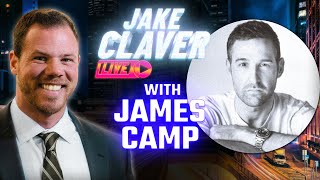
Jameson Camp buys and syndicates internet businesses, targeting $1-4M EBITDA companies like agencies where he can hire strong operators and cut costs. He uses his 120k-person newsletter as deal flow and critiques aggregator roll-ups for buying jobs instead of real businesses. His 2025 focus: cash-flowing deals with 30-40% returns, avoiding venture hype.
Chapters
Today we have the pleasure of having Jameson Camp on with us. Just super excited to have him here, and I'll let him introduce himself. I probably wouldn't do him justice. So James, appreciate you coming on, and if you would give the audience a little idea about your background and what you do.
Sure. A, I appreciate that. B, Twitter is the weirdest magical corner of the internet where like, I mean, I have like 50 billion in AUM. I know that it's just following me just like tweeting about, like I was telling you earlier, like a little accident I got in my Range Rover yesterday and all of a sudden it's like, I know that's a bunch of GPs at like A16Z reading about me asking for a body shop recommendation. But anyway, I'm Jameson Camp. I'm 36. To give you the only reason I say that is because the context for that is I'm an internet kid. You know, I grew up with AOL on a CD-ROM and chat rooms and, you know, the sort of dawn of the age of digital businesses and Started blogging when I was about 15 or 16 years old. When I was 20, built a very, very small ad network that I sold that I thought was a really big deal when I was 20. And then you get, become much older and you realize that you got like 3 months of burnout of that, but it seemed like a massive amount of money when you were a kid. And then I spent like the next few years doing digital strategy for everything from like McKinsey to Lionsgate and a bunch of things that I found a bit more boring at the time. And was very lucky in 2015, had a friend who was a commodities trader. He traded oil derivatives at a firm called Axiom, which is a human unit inside Virtu. And he convinced me that cannabis was going to be the next great commodity and to change every, which I still believe it will be a massive, massive, massive commodities market built off the back of cannabis and hemp and convinced me in 2015 to stop everything I was doing and build a financial news site about pot stocks with him. And that was, and if you follow equities markets and know anything about pot stocks, it was the perfect time and we nailed it. Nailed it. We did such a good, I'm not that smart, but we got really lucky with timing because we built what became probably the largest financial news platform in the cannabis sector, which is pretty niche, but it was nascent and doing about 2 million uniques a month from everything from a lot of retailers, but also a lot of institutional investors reading our content because at the time it was so new. Anyway, long story short, we sold that sort of holdco that we had built in 2020, which is why I say we did a really good job with timing of that market because if you know anything about pot stocks, they've had a really rough time since 2020. And so we top ticked that. After that, started, you know, looking at businesses to buy, bought a direct-to-consumer hearing aid brand, grew that, sold that 11 months later to Open Store, which is Keith Rabois' aggregator PE shop out of Miami. We were their first acquisition, 5x to 6x that business in 11 months. It was pretty crazy actually. Probably couldn't pull that one off again, but it was a good ride. And then, yeah, ever since then I've been doing sort of buy side advisory, helping people look at buying internet-based businesses specifically. So that's where my niche is and trying and, you know, looking at sort of syndicating some deals in probably 2025, which is coming up on us very fast, going to a bit more structured, like, hold code GP structure for some larger deals. And so, yeah, that's my rant, that's my ramble, but hopefully that gives you a little bit of context on me.
No, I think that's great. So a lot of people that watch this have an interest in digital assets, right? And so by proxy, you're on the internet and hopefully in the not too distant future, you're going to have some price appreciation. Would look to diversify, you know, some of their wealth into other sectors that may be non-correlated with crypto. And so I think what you're putting together in 2025 may be an avenue that they could pursue, right? If you're going to syndicate some deals, are you looking primarily at, you know, e-commerce platforms, service-based businesses? And when you're analyzing those deals, like, what are you looking for? Are you looking at the EBITDA? Are you looking at the sector that they're in, the multiple that they're going to get, if you can pivot to something else that would get a higher multiple, right? Sure. What do you think through when you're looking at deals and how you could generate a higher return on the cash on cash or the exit for a business?
Sure. So, I mean, first off, what I'll say is I'm pretty long Bitcoin and sadly long some ETH that I feel like I shouldn't be, but I am. I'm definitely pretty long BTC, right? And so in the long run here, and I've been been in and out of crypto markets for a while. I got into a thing with someone on Twitter the other day where they said, why would you, you know, build a business when you can, or buy a business or invest in private equity essentially, right? Like when you could buy more BTC. And I said, well, if you're, if I'm buying cash flow, I could then be sending that into and buying BTC where BTC appreciation will not buy me more cash flow necessarily, right? So anyway, so I love this sort of combo of them all together, of these two together. But yeah, so what business do we look at? I had had some real wins in media in my past life. Can we see media the way that we played in it changing a lot? I think that media becomes much more personal brand focused, video focused. At the time we were just building like indices and Google Sheets, the Google Finance APIs and like then sort of creating automated content. Like it's very easy to find actual news content. Like, you know, like Apple is up 3% today. This is a bullish indicator because blank, like we were doing AI content before AI content because it's just conditional logic. If, if the spreadsheet moves this ticker to this point, you know, because it means that it says we make an article that says it's up, it is bullish because of blank, because of X indicator. And what's really fascinating in that space, I won't digress too much, is that there's infinite content if you want to talk about equities markets, right? Like literally always something, price movements, volume, everything. There's a doji star candle. You can create infinite content. Anyway, I actually, when we sold Blangel's Hearing and I had sold equity in Kanuka, which is a CBD and Manuka honey brand that we were running in 2017, 2018. And I thought I never wanted to touch consumer ever again. And I only wanted to plan B2B from here on out, right? I want to sell things to people that have money that helps them make more money. Like if I were to take a step back and I tell someone how to make money, I would say, sell things to people with money and sell things to people that, that, you know, makes them more money. It's very simple, right? So for me, that's, I'm interested in managed services businesses. I think the managed services are fantastic businesses. We have an SEO agency today that does quite well. We'd love to sort of expand on that. And partially because they're somewhat pivotable. I've never really felt, partially because I'm 36 and I grew up with the internet. I'm sure if I was, 46 or 56, I would've been blown away by the internet. But this is just what I knew, right? So my internet is now AI, right? In which I do think AI over the next 5, 10 years is really gonna disrupt a bunch of things. But you can either be the cobbler who cries and dies the death of 1,000 paper cuts by watching factories pop up during the first industrial revolution and realize that shoes will never be made the same way. Or you can lean in and build your own factory as a cobbler. Right. And so my, to answer your question, I'm advising some companies now that are in consumer and CPG, and I think that obviously physical goods will not get disrupted by AI. That's, you know, this is, we're disrupting knowledge workers. We're not disrupting, like, actual physical products. So I think that's gonna allow a lot more efficiencies in direct-to-consumer, which are actually, it's a tough space. So I see a lot of opportunity with that. And then I think managed services because I think they are infinitely pivotable, which I find really important. And in mostly managed services, you're selling things that to people that have money that make them more money and it becomes very simple on a P&L. If you can convince a CFO that it's a good idea, I think that you are in a beautiful place. Yeah.
Well, you're augmenting costs and efficiencies for them, right? So outsourcing services that they could have had in-house and you're probably making them better, right? So these like marketing agencies or—
Yeah. Yeah. I mean, I think if I was smarter, I would probably do like a cybersecurity. I just don't know enough about that. You know what I mean? I think it's an amazing space. But for me, my core is marketing. I've been a marketer my whole life, right? So marketing. So for example, like we have an SEO agency that's great. Like I think that we could do email agencies are amazing. There's such easy opportunity, low-hanging fruit wins that can just juice revenue. And I think that, for example, I look at what, how does AI not disrupt that, but like complement that, right? So like if in 5 years or 3 years they can write all emails with AI, right? As an example, right? Like it all of a sudden increases infinite efficiency inside this email agency, right? So managed services mostly in the marketing space. And, and yeah, when there are a couple of deals that are on my plate right now that I think that would fit for me for work on consumer packaged goods. I happen to, and I'm sure same with you, I've learned that audience is a superpower. So I have like 120,000 followers, right, on different channels and 16,000 email subscribers. And what it's created for me is this proprietary deal flow, which is very weird. And because I'm really an operator at my core more than a banker, you know, I always say I'm a marketer who like sort of LARPs as a banker, you know, like I could out-7 most kids with a 7, but I've never actually had a Series 7. But is like, you know, I've gotten early into rounds and access to deals that I probably shouldn't have, right? I was getting phone calls last summer for friends and family for OpenAI, right? And like, I didn't do that deal because I had 3 days to write a quarter million dollar check. And I was like, well, I, you know, this is, you know, but I would have loved to, in retrospect, I would love to be able to syndicate that deal, right? And under the right structure that would, that I'm looking to do for 2025, it would be very easy for me to say, yes, let's, let's do this deal. Right.
Yeah. You, well, you got your newsletter, you got your proprietary group of people that you could reach out to, a lot of work, which I'm sure high net worth individuals or accredited investors that would love to participate on that proprietary deal flow or the options or opportunities that you get that they may not because of your network.
Right. Yeah, exactly.
I, I see a creator economy in the not too distant future where that becomes I don't want to say a norm, but much more happening a lot more often. Right. The only two people that I've seen that have really leaned into that have been Brian Rose from London Real and Grant Cardone.
Yeah, I mean, Grant Cardone has made it work, this, this weird machine work. I see Cody Sanchez doing a little bit these days. My friend Nick Huber did it with sort of raising for his bought self-storage facilities. Brandon Turner, who was on BiggerPockets at one point, has raised a few hundred million for, I think, trailer parks. Yeah. You know, but it's interesting. There's, yeah, the audience thing is really, I mean, obviously there was the JOBS Act, you know, created Reg CF and Reg A+ offerings and sort of changed the way that people could be raising capital. But I think what's interesting is you end up with obviously a bunch of retailers and audience and like you want to be able to give great deal flow there. But then I realize I also have you know, every once in a while I'll go through this list and like, oh my God, like this person listens to me, you know? Yeah. This person has wants to hear the chaos coming from me. And I don't know about you, but what I will say is that for me, one thing I struggled with in the beginning was I grew up in New York City where half my friends became investment bankers and half became management consultants, right? And so I, I, it was very weird for me to go my route, this entrepreneur route who like is now like chatting with you on a MacBook Air in the middle of the day about like buying internet businesses. Like it's just this weird route. And so I felt there were people around me at the time. I had people reach out to me as I started getting an audience and say, what are you doing? You shouldn't be doing this. And I felt really weird. I thought, oh, I have certain capital allocators that will never write a check for me. And it's true. But the reality is that there's a whole other swath of capital allocators who look at me and say, he gets it. He understands that this is the new modern form of distribution. They never would have heard of me before. And so it's sort of like, you know, it's, it's in marketing, you sort of want to lean into your base, right? You want to like sort of really attract the people that resonate with you and deter the ones that do not. So when I realized that, it was like, oh yeah, blah blah is reaching out asking me if they can do a deal with me. Blah blah does want to write this check, right? And maybe the 70-year-old dude who like hates the internet, you know what I mean? Like, and will dislike me, but they were probably not my check writer anyway, right? Right.
Yeah, they don't resonate with you on what your values are and how you want to go to market and you're weird. Right?
Like, yeah, totally.
Yeah. You want to lean into— nobody can beat you at being you.
100%.
Gary Vee says that there's a lot of creators today that have figured that out. And I really agree with what you said earlier, which is I think media is changing. I think personal brands are going to be the way that things go over the next, you know, 5, 10 years here. Traditional media sources like MSN, NBC, Fox, CNN, I think there's going to be less and less traction that they get, even though they do still have, you know, large name people on there from the investment banker side. Sure. And that does make its way onto Twitter. I think a lot of people are more interested in specific personalities or people that they know, like, and trust, people that they watch on a regular basis and they feel like they've developed a relationship with them versus these intangible, you people that are up here that don't necessarily have an idea of what's going on for the average person.
And I think one thing that happens that people don't recognize as we've transitioned from traditional media to sort of modern media is I feel like people say, who's this guy on Twitter talking? Why should I trust him? Well, let me tell you right now, as someone who's seen, you know, their, I don't want to get too into it, but at an IB, you know, you'll have sales side not being able to really talk to like research. I mean, to like, I can tell you people put price targets on companies very much on purpose, you know what I mean? So that the other part of their investment bank can go sell securities, right? And it is just as sensationalized and just as bullshit, excuse my language, right? About how things are structured because everyone will watch like, oh, well, Cowen said this, so this is real because Cowen is real. I mean, listen, I've done roadshows with Cowen. I'm just telling you, I mean, like, there's, you know, bankers are selling deals. I mean, that is what they're looking to do, right? And so I think that you end up finding, ironically, some of the best research on things like Twitter, right? And then as someone who ran a financial media website that, you know, you learn that retail can move markets, especially on some semi-illiquid securities really easily. And I mean, whether you mean to or not, you realize, oh, we had this article go viral and this stock is up today. And you're like, oh my God.
You can manipulate markets by doing that, right?
Yeah. Yeah. Well, but here's what you realize is when Carl Icahn goes on CNBC, he's talking his book. He's talking his book because he wants you to buy his book. I mean, it's that simple, right? And people think, oh no. They are just, they are the same people that are pumping their own positions on Twitter, right? Just in a much, much louder way.
Yeah. Oh, well, I mean, you've seen Elon talk about Doge and sure happened with that. You've seen WallStreetBets and what happened with AMC and GameStop.
Yeah.
I think that's become much more relevant to the average person in the past, you know, 2, 3 years here. Like they're starting to understand. I mean, they point to Jamie Dimon getting on, you know, these media channels and talking bad about Bitcoin while he was buying it OTC years ago, right? So, yeah, it's becoming more apparent, um, and people I think are catching on to that. But people are going to continue to do it.
Um, totally. And, and by the way, when, when we watch like a, you know, I think that as someone who knows, when you put out bullish news, investors are more likely to share it, right? Because they— everyone wants to talk their book, right? So if I'm, if I'm long a position and all of a sudden I comes up, I want to share that with everyone I know because I want you to buy it also because it sort of only continues this train going. So what I think is interesting though, is when you watch anyone who's reporting from the floor of the NYSE, the NYSE makes money off of trading volume up or down. They don't care, right? So everyone wants to be sensationalized every second. Like, you know, volatility that everyone wants involved. That's what it is, right? So every second, you know, one day it's, oh my God, this is going to happen. There's, oh no, this is happening. And that's because all they want is volatility. That's all they want. Anyway, I could digress and talk about that for hours. I know a lot about public markets, but it's sort of, it's sort of crazy.
Yeah. Well, so back to the acquisitions, right?
So yes, please. Sorry.
No, you're good. I love the conversation and I resonate with you on in a lot of different ways. So are you looking to amass like strategic businesses that provide synergy with one another that you can kind of pass money back and forth between to increase valuations? Sure. Is that the strategy? Or again, are you looking at things in a silo when you're going to make acquisitions? I think that's valuable for people. You've been in the space, you have the knowledge and expertise. And I think for people that are looking to allocate in non-correlated areas or looking at internet businesses, you could really provide some insights for them that would help.
Totally. Well, I think that what's— to give a little context, back in 2021, I started a holdco called Common Commerce. Our plan was to become an aggregator, right? And that's something that buying Blue Angels hearing, right? Everyone wanted to become a DTC aggregator in COVID because direct-to-consumer was blowing up and no one could envision themselves ever going to a mall ever again. Everyone was like, sure, malls are dead. Who's ever going to go shop in retail ever again? And a lot of the aggregators blew up. I mean, I was very lucky. We sold, we sold our only acquisition very quickly. And especially won't get into the capital stack I put together for it. But like from a return on invested capital, we did astronomical on it. I mean, like weirdo numbers that like, you know, you don't have to do a couple of those to never work again, right? Like, but it just, you know, it doesn't happen that way always. But my point is most aggregators blew up. Thrasio, which was the big 800-pound gorilla in my space, you know, just declared bankruptcy, right? They were buying FBA brands to the moon. Most of the brands, they were getting people to roll in and earn out. And so you had people that were like getting nothing when they declared bankruptcy, right? Essentially, right? Because of that capital stack, literally people sell multimillion-dollar companies and walk away with almost nothing. But I think what we learned, a lot of us learned in the space there was that size of deal matters a lot. If you want to look at, if you want to look at like shared services crushing OpEx. So what I mean by that is I was buying brands, you know, we were doing a few million bucks a year. That's cool, but nothing great. And I will tell you the reason it's not great is because there's not enough meat on the bone to hire the right operators. You start realizing why bigger PE does bigger numbers, right? And why they go for bigger deals and why you're willing to pay a larger multiple for bigger deals. So I last year turned down some money from an independent sponsor essentially, that was I realized I was going to be buying myself another job, right? Buying what I would call EBITDA as a metric that everyone likes to throw around, I don't think is really the right metric very often. But, you know, we were looking at buying $500,000, $600,000 in EBITDA. It's really SDE, right? Sales discretionary earnings. Yeah.
And that is what it almost always is. Almost always add those costs back to the business.
Exactly.
Exactly. Owners keep Sierra.
You know, like, yeah, yeah, exactly. Um, but my point is, what I realized through that process was I was, you know, with the carry that I would have had in that transaction, plus the money that I would have put up as an LP in it as well, I was still buying myself a job. I was buying myself a decent paying job, buying a job, have to work the day-to-day, and I was gonna have to work all the day-to-day. And with Belanger's Hearing, very luckily we didn't do that because the way we structured it I really got to run the, you know, we put together an amazing board. My friend who was the COO and CFO of Yeezy doing $2 billion a year at the time, put some great people together and like allowed us to have an operator, the owner role in his equity and stay on board and sort of us to sort of really move pieces for him that made a massive difference. And so anyway, as I look forward into it, you realize that the, for me and my, for my thesis, you know, all the aggregators were buying those types of brands. And you think you're going to be all of a sudden you're going to have the same media buyer running ads for these 7 different companies and the same, you know, and it just didn't work out that way. And so for me, thesis-wise, looking forward, really playing, I think there's still a sweet spot that is sub real institutional private equity size in which you can probably play an arb later on. You see everyone playing that arb by rolling up like lawn care businesses and HVAC. HVAC is the one that everyone's—
You get to $10 billion or $10 million in EBITDA and then— And all of a sudden you get a $15 10x, right?
Or so, you know, totally. So I think though, for me, where I really want to sit is at least a million in EBITDA, but it's really more probably like a 2 to 4. And at that size, we can hire fantastic operators and we can do what we're really good at, which is sort of like moving puzzle pieces for them and making things fit and make sense. And you can pay them correctly, like, and you can say to someone, leave your job. I'm going to give you $300,000 a year to leave your job. And we're going to give you a couple of points in this deal. And if you hit, you know, above a certain hurdle, you're going to get this and that, you know. And that incentivizes them correctly and that incentivizes us correctly and takes care of LPs correctly. And in a smaller size, I think it becomes much, much, much tougher. So that's really where I look at. I think that in general, I would love to be able to crush some OpEx with shared services, but I'm not so worried about that. I'm not so worried. I really— the thesis is kind of boring. You know, the thesis is how do we buy good businesses with light amounts of leverage that clearly can take care, then clearly can pay down the notes and we can grow 4 or 5% year over year. I mean, just these really small. And so like over a 10-year timeframe, you know, we can have 5 or 6 of these that, you know, we used maybe, you know, for raising $10 million in equity every year or two. And buying a deal every year or two, that all of a sudden in 10 years you're looking at $150, $200 million of a GP holdco fund essentially, right? Like that we're taking a 25% carry in, the investors are getting paid back really quickly. And I realize I'm not, I'm not Jeff Bezos, I'm not Mark Zuckerberg. I have no interest in being them. But if I wanted to tell you the most likely way to go make $100 or $200 million in the next decade, I think this is it, you know what I mean? I'm quite confident. So anyway, so that's a long-winded and relatively vague response to your question, but I think maybe it gives a little bit of clarity.
Yeah, it's a lot of color around the plan. And I think, you know, there's gonna be a lot of different verticals that you can do this in over the next 10 years as baby boomers retire. A lot of them have leaned into internet businesses or they have a business that can be brought onto the internet that has not seen that yet.
Massively, massively, right? Like my background is direct response marketing, right? So it's like we look at, you know, we just did a whole series of flows for a brand I'm advising, which is like 80 different SMS and email flows once customers go into different purchase sequences, right?
And so applying that to some of these more brick and mortar boomer businesses would skyrocket, right? Oh, massively. The customers would jump. And I don't want to say people have got complacent, but they may just not have the context or the information to be able to scale their sales at the same rate that somebody with your information or background would, right?
Totally.
Yeah.
And there's nothing wrong. I'm still also looking at a geo arb still for the next decade. I think we're looking at an interesting geo arbitrage, you know, like I think there's a ton of opportunity with, I'm more interested in nearshore, you know, because I want everyone in the same time zones. I'm interested in everyone in being in Latin America. I've done a lot of, I used to live in Malaysia and, you know, work in, I used to live in Kuala Lumpur and work I was at the time doing work for McKinsey in the New York office and it was like, I'm getting up at 3 o'clock in the morning, you know what I mean? Like, and it just becomes exhausting. You don't operate at your best. Right. And so my point is to say that, yeah, time zones make a big difference, but you're right. I think also to sum up my thesis is there are going to be, because of my audience and network, there are going to be weird deals that I get opportunities with. And when we bought Bellingham's Hearing, I had one of our board members say to me, well, we can only buy silver tech companies from here on out. And I was like, well, because his thought was there's a million PE shops that will take all these silver tech companies off us one day. Right. But if you're all over the board, you're not going to. So my point is, though, that like, I don't want to be— although we will lose investors that are not interested in having a broader thesis, I think that the right investors will understand that, like, I am the type of person who gets a phone call that says, Do you want to partake in an OpenAI friends and family round? Or do you want to do, do you want to buy some pre-seed of Triple Whale, which is a company I put a check into that just finished their B, that Shopify did their entire Series B, or my friend who just closed another $35 million into C and it just calls me and it just, and that's just, it's not that I'm special, it's just that I have the network for it.
You know, it's proximity.
Right?
Exactly. And, and recognition, right? You know, like you've already had some good exits. They know that you're an operator. You've got people in your network that even if you don't want to invest, you might make an introduction to. Yep. Be interested, right?
100%. 100%.
It's interesting how that works out once, once you get around people that are raising capital or have done well. Um, it's not even that they want money from you. They just say, hey, you know, this, I'm doing something cool. Do you know anybody that would want to do something cool with me?
Yeah.
They're looking for good people to do cool stuff with.
Yeah. Well, and they, and then everyone kind of helps each other out. I've seen this a lot when circles with like, you have these little crews and they're not like actually tightly knit crews. They're loosely fit, but it's like everyone writes a check into everyone else's company and that person introduces this person to this buyer. And you know what I mean? And all of a sudden all ships rise on high tide. Right. And it's like, I know these little crews of, for instance, like in direct to consumer brand owners. Who like, I would write a check into any company that started because I know from their track record and I know their world and I know the VCs who will also be writing checks. And then here's one thing you realize, or I realized a little while ago about funds will paint their own tape, so to speak, right? So if you can get in the right time, there are companies that, you know, funds are not going to let their, eventually will let certain things go to zero. But for example, if I am heavily invested in someone's seed, I might also happily, if I know that I'm a lead and there's likely to be tons of follow-on and I believe in this brand, I might write a check into them at their A, you know what I mean? Knowing that all of a sudden another 90% is going to come in at the A, which mark-to-market will clearly, you know, change everything in my books, right? I'm not saying me personally, but I see that kind of stuff.
It happens all the time.
All the time. And so if you can sort of identify some of that, there are certain deals that, you know, you can get into. I think the last thing I'll say is I'm not particularly, you know, I was touching on venture there a bit, but like, I'm not particularly interested in venture. You know, I made some good money when I was younger and I started writing some angel checks and I had an advisor, mentor, friend who sold a very well-known company for like $300 million telling me, he goes, you're not rich enough to write angel checks. And I said, what do you mean? And he goes, because how many $25,000 or $50,000 checks can you write? And I was like, oh, well, this many. He goes, what if I told you, you gotta be able to write 100 or 200 of those, 300 of those for the thesis to work. And he's like, and if not, you're making bad bets, you know?
And so that was a realization I had, you know, there was a mentor that I have that runs a large AI hedge fund. Sure. He had asked me a while back how much was a lot of money to me. And then I turned the question around on him and he said, well, if I had another $100 million, then I could play in, you know, some seed rounds and pre-seed rounds and that would change my life. And I was like, okay, so that's kind of the level that it takes, right? Like you need to be able to allocate that much money over there, that direction in order to be able to play and have the economy of scale and the upside there because there's gonna be a ton of bets that just don't never go anywhere.
Well, and that's their thesis, right? I mean, I think, you know, I was sitting at a, I forget what the, I was at some event. I forget whose event it was, but there were some, there was some people from A16Z there from Andreessen Horowitz and they had just backed Adam Neumann's new company. Now Adam Neumann, you know, fame WeWork, who, you know, I think peeled off some secondaries at $70 billion and then drove that company into the ground and then tried to buy it back. I mean, sort of a ridiculous, you know, like, you know, try to buy it back for like $100 million, you know what I mean? Some crazy, you know, Kudos to him for the maniacalness of it. Point is A16Z had just written a check into Adam Neumann's new company and someone in the audience said, you gotta be out of your mind. Why would you ever write a check into this person's company after what you saw happen with WeWork? And the person from A16Z said, that is our investment thesis is to make bets when everyone else thinks they're dumb bets, right? Essentially, our goal is to bet 1,000 times on things that all of you think will never, ever, ever work. And then 1 or 2 of those, 10,000x, right? And it covers everything and we make a lot of money. And that was really meaningful for me to hear. I was like, oh, I don't have, I don't have 1,000 $50,000 checks to write, you know, nor the, or nor the time horizon, right? To be able to wait 10 to 20 years for a liquidity event for them, you know? And so for me, when I think about how to invest Since I would, you know, since I would put money into any deal that I was raising for, I want things that cash flow, right? I want things that I have a competitive advantage running. I want things that I look at and say, like, if we buy this $3 million EBITDA, we can still be spinning off $1 million from it after paying everything down. And I know that we can grow this to $4 million and it will pay off the notes. And all of a sudden, do you see what I'm saying? And that's, so that's my thesis with this. It's a little bit boring, but I think it's the best way to make money.
It's logical and it makes sense, right? People want the unicorn, they want the crazy exit, they want the, you know, and especially in crypto. So like a lot of the audience that's going to watch this, I don't want to say is spoiled, but it's kind of spoiled, right?
Yeah. In terms of returns?
Yeah. The volatility in digital assets, like you got to be willing to eat, you know, like 90% to the downside in a short period of time over a couple of years, but you also get the crazy,, you know, 200, 300, 500x on some stuff in 6 months. Yeah, totally.
So, well, I've always thought it's easier to swallow that when I'm making money. Right. Right.
Yeah.
You know, it's much easier. I tweeted something today. I really feel like I was like, you'd care a lot less about the price of Bitcoin if your business is going well. And that's just the honest truth, right? Like when business is crushing for me, I'm not even looking at my Schwab account. I'm not looking at,, you know, Pershing. I'm not looking at, at, at my cold storage. It is just we're cranking, making money and the rest gets to sit there quietly and I can wait for it to appreciate.
You know, you have the long time horizon. Yeah. You have cash flow and a way to offset those taxes 100% and live your life and enjoy it. And I want that for people on the other side of price appreciation in crypto. They should be able to leverage those assets and the time that they've spent in this market to create the other side that you understand, right?
Totally. Yeah. And I'm among them both. I think that, you know, I think what's interesting is I had a friend the other day call me who's applying for a job as a wealth advisor. Right. And, you know, what they're going to do is just be shoving people into, you know, the T-bills and, you know what I mean? And the S&P. I mean, here's the deal is that like, I think that luckily the— and this is not to toot my own horn or your own horn, but I think that for the first time ever, You have people through the internet finding people that are, are on the cutting edge, so to speak, and can show you different things that are not just like, oh, just sock everything as slowly away as you can to your 401 and we're going to be buying, you know, and it's almost a safer bet to do it in other ways. You know what I'm saying? Does that make sense?
It is. Who's the, who's the guy? Dave Ramsey, right? For the average person, Dave's great. Pay down your debts, invest in your 401. And a lot of people don't want to take the risk associated with some of the stuff we're discussing here, or they don't have the capital to do it, right?
Totally.
But if you are able to allocate a portion of what you have into some asymmetric bets and then generate some wealth there and then parlay that into other things that cash flow, or vice versa, like it sounds like you've gone the other way. Usually have these businesses that you know how to generate a lot of money with.
Sure.
Some exits, take that money and then you're stashing that back, DCA into a bunch of different verticals that you know are gonna be the long-term growth, right?
100%. 100%. And I think, um, I, what I always tell people is I'm not your guy if you can't pay your rent, right? Like I'm not the dude, like that's, you're welcome to follow me, listen to what I talk about, but probably shouldn't do anything I'm suggesting or talking about if you're worried where your money's coming from next month, right? I'm the guy that's like— and I'm not the guy who can show you 200x. That's not me either, right? I'm in the middle. I'm the guy who's like, listen, I can show you deals that would do like 30%, 40% cash on cash, unlevered, that we can grow a couple percent month over month, right? And that maybe if we want, we can lever up a little bit on, but like ends up being these. And this is just anyone who really knows. I'm sure you do. And I'm sure many of the listeners do. If I said, oh, it makes 30% this year, how do you do that? Private equity. I mean, it's just, it's that simple. Right. And so that's sort of, we're just approaching private equity in a non-traditional model, right. By looking at these sort of different businesses. And I think that, yeah, go. I also have a bunch of money in VOO, in SPY, right? Like I have, I'm long America. I promise you that. You know what I mean? Like equities markets, I'm here for it. You know, I'm the only thing I'm short really is the dollar, you know, and that's, you know, and that's, I'm not even really that short the dollar. I think everyone likes to talk about the dollar is falling apart, but, you know, it's, I don't think it really went anywhere.
Yeah. They'll shore it up. It like our GDP, the whole world is dependent on our GDP, right? Like, like, yeah, we can't collapse. So they've got it sorted out on the back end of this deal. I promise you. I know people are leery of what's going on and they're scared, but Yeah, I think we'll be fine.
My thought is this, is that for our lifetimes, we're going to be fine. I cannot, you know, English will not always be the language of money and what Latin once was. Do you mean like, you know, America will fall one day? I happen to think America is amazing and one of the greatest empires the world has ever known. But, you know, Rome fell, the Khans fell. America will fall. The dollar will not be the world's reserve currency. English will not be the language of the world. But if I would make a bet, I am a betting man. I would say, like, if I were a betting man, which I am a betting man, I would bet that at 36, I don't need to be too worried in this lifetime. Yeah. Right? Like, I'm more— my grandkids, maybe? You know what I mean? Like, I don't know. I can't tell you what the dollar will look like in 150 years.
Right.
But over the next 10 to 20, I'm not super, super, super worried. Although I do think we watch, candidly, I do think we watch insane amount of inflation or the same amount of money printing. And I want to own equities and want to own assets. Bitcoin.
Yeah.
We know assets, right? I want to own, honestly, even though I'm angry because I should have bought a, I bought a house in 2020 that I sold in 2021, wanted to buy another house in 2022 and was like, oh, I'll let this come down. And definitely should have. I mean, without getting into it, I live in LA and this property, Zillow popped up to show me this house again and it was like a mortgage that would have been, you know, $9,500 in 2022 was like even— or 2021 now is like $15,000. I mean, it's just like this. And I was like, oh, this just changes economics-wise whether I would have any interest in owning this home, you know?
100%. So, well, coming to the end here. This has been fantastic and I really do appreciate you coming on. I think this has provided a lot of insights for people to listen back to it. For people that want to follow you and become a part of your community, where do they go to do that?
Yeah, on Twitter I'm Jameson Camp or Jameson Camp. On Instagram I'm The James Camp. I mean, really, nanoFlips.com, nanoFlips.com is my newsletter. It will become onlineacquisitions.com since I bought that domain later this year, but for now it is that. Right now we just write about sort of what I would call Main Street and nano-cap, you know, micro-cap internet-based businesses. And yeah, you can just hear me rant and yap about marketing and entrepreneurship and crypto and, and, and I will LARP as a macroeconomist as well. So hopefully, hopefully you guys like some of that, but you can find me there.
Yeah, I have a feeling a lot of people will enjoy your content like they do mine. So I really just appreciate you being on and sharing your story with our listeners and Yeah, I look forward to, you know, seeing what you do in 2025 and maybe participating myself.
Cool. Well, I appreciate you having me. Thank you so much, man.
Absolutely. Thanks, Jameson Camp.
More from Jameson

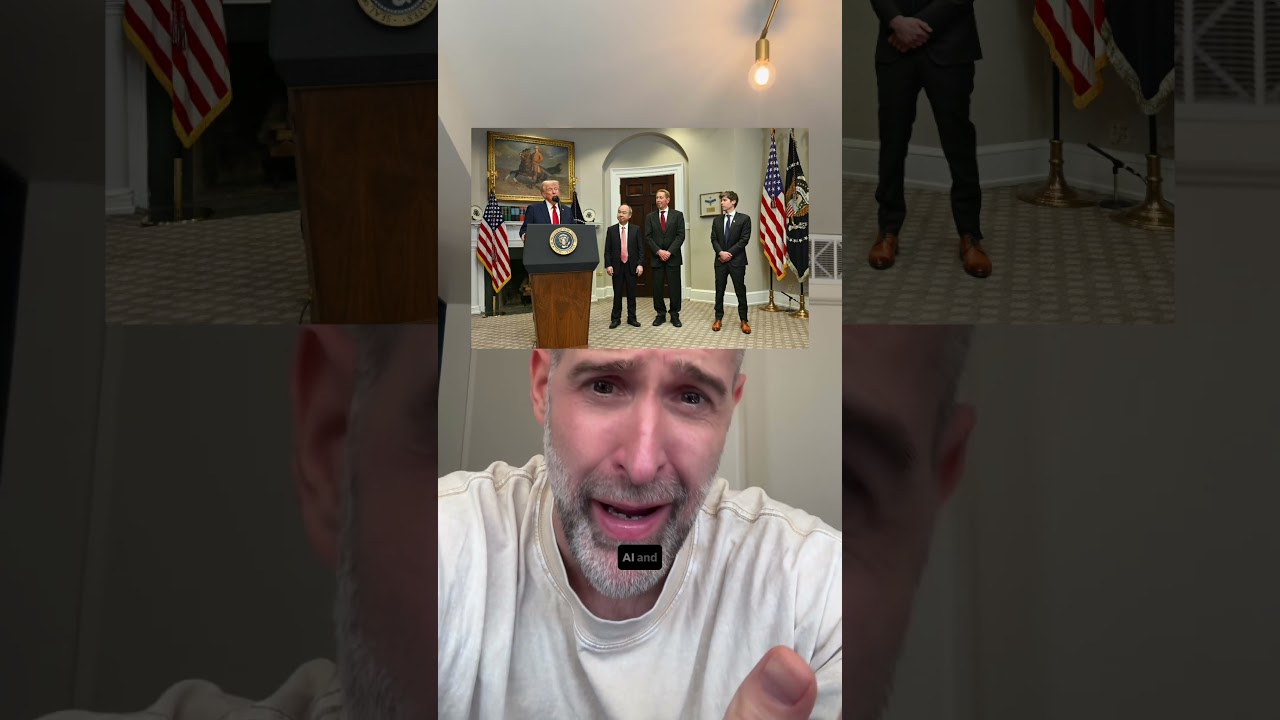


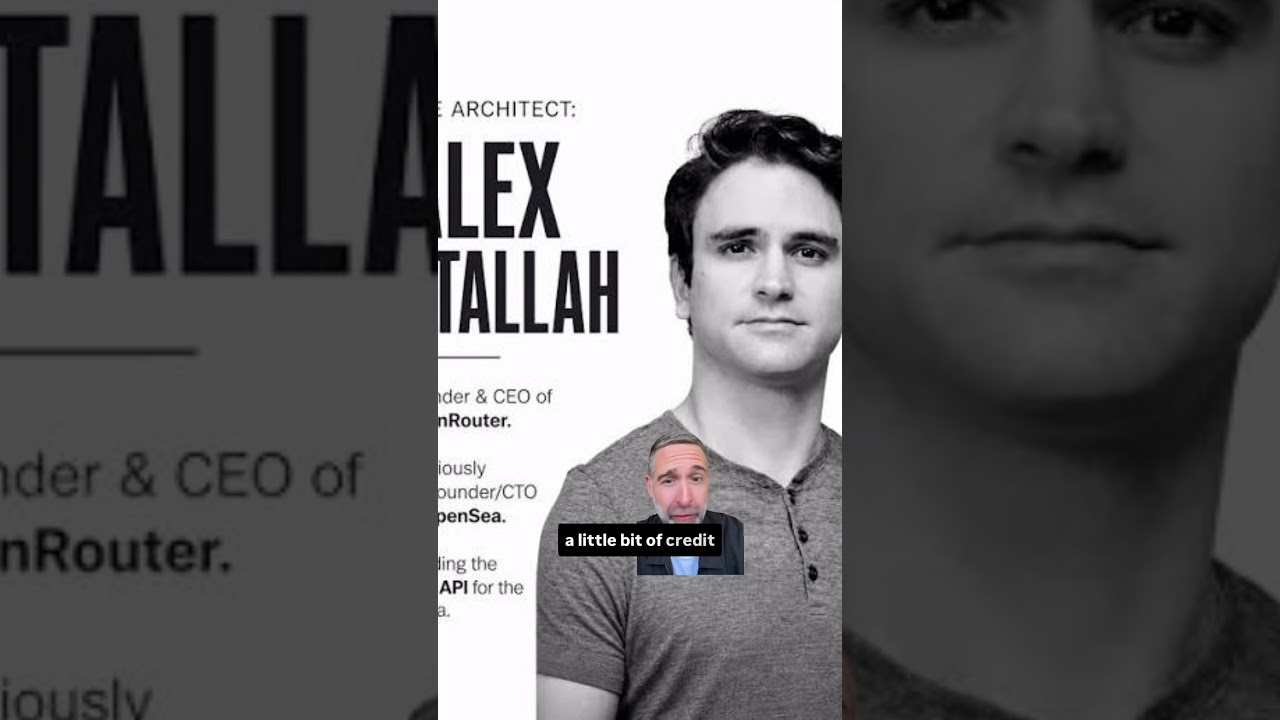
You wont believe what else the founder started #opensea #mergersandacquisitions #venturecapital