Vibe Design 101 - w/ Shane Levine & Nico Muoio
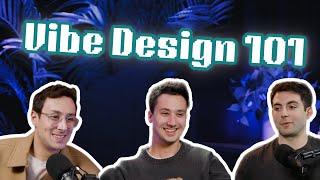
Shane Levine and Nico Muoio show how they use custom GPTs, voice ChatGPT, and Slack bots to automate client work and internal tasks. They built a ChatGPT that turns unexpected client requests into repeatable processes, a Slack bot that generates polite rejection messages, and Claude-based agents that answer brand-specific questions without manual work.
Chapters
Do you have any, uh, crazy, like, early entrepreneurship stories?
I used to sell swords in middle school.
Wait, really?
Let's blow up the internet from the basement to the higher net.
Scrolling, tapping, man, we ain't done yet.
Let's blow up the internet.
Jump in. Let's, let's start where it all began— hoverboards.
Let's do it.
What's the story here?
Yeah, so I think it was in college, um, I saw Casey Neistat had a hoverboard on one of his videos. I was always a big Casey fan. Do you guys remember Casey?
Yeah, of course.
Um, and we bought like 3 of them. They were really fun. So we like bought a pallet. We can make some money here.
Just immediately bought a pallet.
Just in case you started talking about something, I'm buying a pallet.
We bought a pallet from China. I think they're like $100 each. Um, and then like just immediately sold all of them to like our friends and kids in college and stuff. And then we started like an e-com site and then, yeah, very quickly just went viral.
So did you sell the full pallet?
Yeah.
Oh yeah. Really?
Oh yeah.
Just friends and family. No questions.
Yeah. Like, were you guys hustling them around?
You couldn't get them.
Yeah.
Yeah.
So it was like early 2015. You start the hoverboard thing, right? And we get introduced afterwards. First day of college, our friend Jonah from high school introduces us. He's like, hey, this is Shane. He made like $15,000 selling hoverboards. This is his first day. And we start grinding on silly projects from there on out.
Yeah, it was pretty sweet.
And what eventually happened with that project?
Yeah, so—
It's always a good—
Very well-known Shark Tank investor—
Barbara. Definitely Barbara.
Will not be named.
We're not going to talk about Barbara right now.
Sent a cease and desist to us. And for some reason, that person had a utility patent on the hoverboard.
Yeah, really.
And yeah, they shut us down, dude.
Rest in peace to that business. That was around the same time. So I was selling Grateful Dead stickers back in high school. You remember that? Totally, dude. Made like $40 selling those, just screwing around. And then nice little cease and desist from the Grateful Dead.
You got to frame the cease and desist.
I should have framed it.
Those are like—
is yours framed?
No, it doesn't.
I got to frame it. Yeah, I do have my first check that I ever got for writing framed from a newspaper. That was a good feeling.
Yeah, I should have saved that.
Yeah.
Do you have any, uh, crazy, like, early entrepreneurship stories?
Oh, for sure. I used to sell swords in middle school.
Wait, really?
Yeah, like on the street, or like—
yeah, no, to kids in class. Yeah, yeah. So they used to sell these, these magazines. They were called Bud Kay. You guys ever hear of Bud Kay?
No.
No.
Okay, well, it's not a great start, but Bud Kay had these— it was like magazines, and they would sell like cheap Chinese, like, katanas and, like, little switchblades. And they weren't, like, good quality. They were pretty poor quality. Um, but I'd go to kids at school and I'd be like, I'm gonna buy a katana.
Do you want— do you want one?
They're $20. And I'd be buying them for, like, $11. And then I'd go home with my parents and be like, can you buy me these 3 katanas? My mom would be like, no. And my dad would be like, yeah, let's get this started.
Yeah, nice. I love it. Um, middle school.
Short-lived though.
I was selling those duct tape wallets. A little more hard work, unfortunately. Dude, did you make them too?
No, I had some girl who would make—
Wait, you were delegating back in the day?
Delegating? Yo, what? Yeah, no, I still suck at delegating, bro. I'm still filled in those metaphorical wallets, unfortunately.
Yeah, me too.
No, um, so you had another girl do it? She was in love with you? Yeah, she had a crush or something?
I I'm not going to put words in her mouth, but maybe. Yeah, that was also short-lived. I feel like I was just a scumbag in middle school. Now that I think about it, I was just always selling shit.
I mean, I think you're just entrepreneurial. We were doing the same thing. I mean, all like early products kind of suck.
Yeah.
You know, I think that's just the name of the game. And when you're young, figuring out, you know, you're going to have a lot of shitty products. I sold— I don't know if you even know about this. I sold little watches that had thumb drives in them. No way. USB drives. I was like, these are the future, bro. I didn't know about Dropbox, obviously, but I was like, this is the future. You're bringing your files everywhere you go and you can tell the time on your wrist.
You could probably like make a lot of money with that as like a Bitcoin wallet or something.
Like, oh, throw a Ledger in there.
Yeah, people would love it.
Bad idea. Yeah.
Yeah.
Hey, that's not a bad idea.
There you go.
Uh, what's the weirdest way you ever made money?
I, uh, the weirdest— I feel like, uh, your wallpapers one.
I, I mean, that was pretty weird.
That's, that's strange. Yeah, the iPod wallpapers. I think it was— that's why the coolest way you made money That is cool.
I don't know every way you've made money, but that's got to be up there.
It's got to be strange.
Some of these people love nostalgia, right?
Nostalgia, best drug in the world, dude.
Greg.
Yeah.
Yeah. So we designed some cool iPod wallpapers, put some stickers on it, and I put it up on Twitter and got like a ton of views, a ton of likes. So I was like, all right, should probably sell this.
Yeah.
Was that all organic distribution or did you—
So it was first organic and then um, like a YouTuber, um, saw it and he's got like the best aesthetic. So he took, you know, some photos of it, put it up on his channel. That was the magic sauce.
Yeah, yeah. And that was pretty crazy when I saw it go viral. You sold thousands. And then I'm at Soho House with our mutual friend Randy, and I look over, he just has Shane's wallpaper on his phone. I'm like, dude, what are you doing?
Dude, I'll never get over that feeling when you see someone else have your product?
Best. Like, the best in the wild?
Oh my God. Amazing.
When else? I need to experience that.
In college, going to the library and like seeing a girl, like a sorority girl with a sticker.
Okay. All right. I did have that. I had that where you see your sticker in the wild, but I haven't had it with a digital product.
Didn't you see Elon use one of your memes?
I mean, yeah, but like—
That's the same thing.
I guess. I want to walk into a coffee shop, bro, and see somebody on Memelord Tech.
You'll see eventually.
Eventually. Eventually it gets big enough. But I look around coffee shops and they're all on fucking Canva or whatever. I'm like—
Bro, Canva or Figma. Let me get you on—
Gross. Yeah, exactly. Exactly. You guys never use Figma, right, Shane?
Gross.
Never, never use Figma. Never, never. Um, let's jump into, uh, design. Uh, you know I'm a big fan of nostalgic design. Obviously Memelord Tech is super Windows 95 themed. You helped me with the logo. Uh, even Silly Valley, the new show, like the neon kind of sign, and also designed by Shane. Um, and all like my cyber patterns is super vapor wavy, neon-y.
As well.
Um, very nice.
Why do you think like the nostalgia just like sells? Like besides it being a drug, like why does nostalgia work?
Yeah, that's a great question. There's probably something way deeper from like a psychological perspective that we could dive into. Like we should probably get a psychologist.
Smells like childhood when you were happier before the problem.
That's exactly probably it. Like there's gotta be something tied to that, to a time where the person was happier, right?
Oh, that's so dark.
Yeah.
Or maybe Beautiful.
Poetic, really.
Yeah.
What are you guys most nostalgic about?
In my childhood?
Products? Or like different things?
Oh, products or like of my childhood? I think for me, dude, the early days of just playing Pokémon FireRed as a kid with like nothing to do. Like no bills, like no, nothing in my mind like calling me like, you know, just like no darkness. Like, you know what I'm saying? You're just a kid. Like not saying like any bad things, but just like whatever stress or bills or like, Yeah, I miss those for sure. And I guess maybe there is something about that that like reminds people of childhood.
Yeah, I learned to read playing Pokémon.
Really?
That was pretty— yeah, because it's like so much reading.
It's a lot of reading.
That's why I never did it.
I still can't read. It's so much reading, dude. You're right. I didn't even think about that. What about you? Like, are there any products that you're just straight up—
I think like the— yeah, for the iPod, that's why I did those wallpapers. Um, like anything Game Boy, like Nintendo. That shit was crazy. And then like, I don't know, Shrinky Dinks, like arts and crafts. You never played with those? Piece of plastic, you cut it up, you draw on it, throw it in like the toaster.
What?
Shrinks?
No, I don't even know. Oh damn, that's so funny.
Um, Shrinky Dinks is a great name.
But you wouldn't recommend everybody do nostalgic design, right?
No, I— well, I talked to you, I was like, yo, we gotta like modernize Memelord, like make it like really you know, user, uh, focused and intuitive. And you're like, no, shut up, go fuck yourself.
Yeah, yeah.
And I'm like, oh, okay, I wanted to do my own thing.
I think— I mean, that's a good way. You guys both work with clients, and sometimes the client just wants to do what they want to do, right? For better or worse. It's the best part of my job when clients have a gun to my head and they're like, do it, make it pop, make it pop, make it pop.
I'm that person now. I just like yell at ChatGPT 4.0. I'm like, make it pop. How does it feel?
Yeah. It evokes zero emotion.
I want to jump into a little bit more. So Nico, you run landing page design agency for e-com especially. Yeah. And Shane is more on the app side of brand design and UX, UI, all those cool stuff. For, you know, listeners, marketers, founders, like what advice do you guys have for design? Can just be simple stuff.
Yeah.
Yeah.
I think like if you're building a product right now, unfortunately, like the design world is with AI tools, it's gotten to a certain bar where you only really get one shot, right? So it's like if you're going for the meme lord, like, you know, Windows 98 aesthetic, that's great. But if you're going to compete with big company, your design, like, better look on par because users are just not going to give you a second chance, um, like they used to. So an MVP is kind of bullshit nowadays. That's my, um, my advice is like, make sure the core thing that you're working on is really tightened up, really well designed. And like, um, you know, it doesn't mean you have to have like crazy animations. Like, those might actually like hurt, but you should You should really think critically about like the way you're positioning your company from a design perspective and how it's gonna be, um, you know, impacting the users and the product. So I think especially as we go more into like this AI world where you can just generate stuff, the AI slop of design, it's, you know, I think, I think users do need something a little bit more polished.
I mean, there's definitely, we see some We still see sites that are making tens of millions and it's garbage design and it bothers me every time. But it's also like exciting when you see a brand that's doing really well with really poor design because it's like there's such an opportunity here. But I think the place to be careful there is consumers are kind of like trained now to smell out dropshipping sites.
Oh, totally.
Right?
Dude, my girlfriend knows what a dropshipping site is.
Yeah, my mom was like, this just looks like, just doesn't look real. Like it looks like they're going to send my info to China.
Like they are.
They will.
They will.
They know what you're doing. That's what they do, Bob.
That is the site.
Side business. Yeah.
Selling your data. Um, but yeah, I think like, as long as you don't look like a dropshipper, there's still a world where you can have like some sort of MVP. Um, but you need to, you need to definitely be more cautious than you did in like 2015 where like all you needed was a buy button.
Yeah, that's facts. I think that was actually part of my strategy was I know that with my budget and with what I'm doing, I can't compete with Figma, right? With design. And so if you're like a bootstrap founder, like there is part of you where you could lean into like the— I don't want to say crappiness, but like the, the janky scrappiness, you know, it, it works, uh, either angle that you want to go.
True, people are forgiving, right?
If the product is good, yeah, you're in way better— if the product's good and you, you have a brand, you're in way better shape.
Yeah, if it's, if it's part of the brand and people, you know, laugh with it and they enjoy it, I think it works. But I think, uh, yeah, I worked on this post a while back with Danny Grant, founder of jam.dev, who I think you've talked to, but yeah, she was saying like basically like move fast and break things is basically dead because you only get like one shot nowadays. Like our expectations like now for a product the first time versus 10 years ago are just so much higher because we're all on the internet so much more. And you think that's true for e-com too. So I never even thought about that with e-com. I just think about with iOS.
Yeah, 100%. I mean, I live in e-com. I don't really ever think about it through the lens of iOS. Um, but like, like they call it the 100% zone. So like if you ever open your phone and like the part of your screen that shows when you first open your phone, like above the fold is really all that matters. Like we've done split tests where like we're just changing that top fold and like it will make or break a page. Like people don't scroll if that section's bad. So like if you have one area to focus on, it's like as long as that's buttoned up, you can maybe get another 2 seconds of somebody's attention. But if it's garbage, no one's scrolling. It's probably the same thing you guys see. Yeah, with landers you guys are building.
Totally. I mean, we're not doing as much like landing page stuff, but like, like an onboarding experience is the same thing, right?
Yeah.
People download an app, they want to hit that aha moment very quickly. And like with some apps, it's not in the onboarding experience where you hit the aha moment, right?
Yeah.
So do you think the user has to do the aha moment themselves or can the onboarding show the aha moment?
Depends on the app right now. I just got early access to this one, uh, app called Ami. It's like a connection-based networking app. So, uh, for in, in-person kind of connections. So let's say two people who don't know each other have a mutual friend and they're both at a coffee shop. The mutual friend gets a notification and can introduce them, right? That's so weird.
I love it.
So you could download that app, you know, and not hit that aha moment of getting an introduction for 6 months.
Oh, is it just running in the background?
It's just running in the background.
That's crazy.
So their onboarding experience is beautiful, really easy, you know, gets you to set up location notifications, really, you know, awesome animations and makes it really just like a great experience to like link everything. But you don't get the value maybe indefinitely until one of your friends hooks you up. So I think like people think about the onboarding experience as like, oh, that's when it's going to hit. But realistically, it's not going to hit. For most products in that first download.
That's fascinating.
I also, I also think about the aha moment. Like, most people come to landing pages, or at least in my world, probably in your world as well, with like some sort of confirmation that they're looking, they're looking for. So like, people come looking for something that they've already made the decision on at the ad level. So like, if someone sees something on Twitter, um, they've already made a decision that like, oh, this is cool, or this person's got something going on that I'm interested in before they get to the page. It's just now how quickly can they find that thing. Like, that's what That's what creates bounds is like the incongruency from where they came from to where they land. So I think that aha moment a lot of times happens not necessarily during onboarding, but like before onboarding where they like see maybe the App Store of like, what are those, those pictures called?
Yeah.
I'm sure you design them all the time.
Those App Store screens.
Yeah. Like I'm sure something like there is where people like really think like, oh, this is the app I want. And then as long as it, they open the app and it actually does that, then they're in way better shape than the people who have a complete disconnect.
So how scientific are you getting with this? Like you're measuring everything, right?
Yeah, we measure every, I mean, data makes all of our decisions and we have everything connected.
Talk to me, what does that mean? What tools, anything that you recommend? Especially for maybe newbies doing that stuff?
Intelligems is a great tool, it's a Shopify app. We talked about one similar in the design space, the iOS space, but yeah, we use Intelligems to just split traffic and then there's a ton of data on the backend that we're pulling from there. Where like GA is set up to like help us figure out where are people dropping off. We use like Hotjar or like a—
Oh, I'm using Hotjar now.
Really?
So I'm using Hotjar. It creates heat maps and stuff like that. So I use it for Memelord and literally what you said where I realized the, whatever I was, it was dumb, you know, it was my first time building this app. And like the top 20% on mobile like wasn't showing.
Yeah.
And like it was just empty. And so I just moved it up and like saw conversions go up. I was like, yeah.
Yeah, I probably should have set that up like 6 months ago.
Like, yeah, yeah. It was like something like that. Like, I'm not using the heatmap rage clicks as much, but something simple like that was super powerful.
Like, yeah, heatmaps are huge. Also, like the qualitative stuff as well. Like, we work with a lot of brands that run ads on Facebook and like, we'll read— we have AI bots now that read all the comments that come in on ads and it's like, well, how congruent is the experience that someone's expecting from these ad account comments to like where they land? Like if someone's asking the same question over and over in an ad comment, like say you're looking for like, I don't know, an iPhone case and then everyone in the comments that, that ad is like, Does it fit iPhone 15? Does it fit iPhone 15? It's like there's a good chance that landing page is not answering that question. That's why they're commenting. So then we have to figure out how do we get that question answered.
That's so smart.
So it's like the actual data of Hotjar and Google Analytics, but then there's also the side of things where it's like we have to, the better we understand our customer, the better we're going to do.
Does it ever hurt when you see, when you build a really sick landing page and the data's just, you have to kill your darlings, right?
Yeah, it's disgusting.
I hate that feeling.
It keeps me up at night.
I hate that feeling. Or when I, I mean, in my world, it's if I tweet something that I think is a banger and it doesn't bang, it's like, yeah, delete. Oh, and it hurts, you know? Yeah.
When there's like a really ugly site and like a really pretty page and like I put my heart and soul into the pretty page and like the other one was just like, sure, we could try that. And then it just crushes and that one works better.
Yeah.
Yeah. Sometimes you can't predict it. So you got to—
I don't care though. I mean, at the end of the day, it's like whichever one makes more money, it does, it does hurt.
Yeah.
It does hurt. That's fair.
Yeah.
Yeah, that ever happened with you?
Yeah, I think a lot of the stuff we do is not as qualitative— or sorry, not as quantitative. Um, so, you know, it's, it's more like figuring out like what best, um, design style fits the brand. Or some of the stuff we do, like, you know, an onboarding paywall test is very qualitative. So we'll figure out, you know, like Revenue Cat and stuff. Yeah, Revenue Cat, you know, um, Superwall, you know, testing stuff like very very much like A/B style. Um, but yeah, I think like that's the hard part about design, right, is like if it invokes a feeling, like a founder is going to want to go with that.
Yeah.
Um, and it might not necessarily make more money.
Yeah, right. Yeah, it— I mean, exactly, exactly. I've had people tell me to change the designs and whatnot, but I like the Windows 95. It's the vibe that I like. Yeah, it's whatever. And, uh, now building a whole brand around it, you know.
Um, Niko, how did you get into design?
Yeah, I was gonna ask the same question. So I know that I feel like you got to talk about the board game stuff a little bit, man.
We should probably. Yeah.
Yeah, I have to.
Um, yeah, it's my one-trick pony, that game. Um, but no, I, I started a design agency in high school, which was like, I took a design class. I mean, I was always like kind of good at like art, like when I was like a kid. Um, so I took a graphic design class like freshman year. Of high school and they had like a t-shirt competition where they're like, whoever designs the nicest t-shirt, like the school will use for all the students for like whatever it was. I think it was like the band and the winner gets $100. So I was like, okay, like I can win money. And I was like 14. So I was like, okay, I did this whole design, crushed, ended up winning the competition, made the $100. And I was like, oh, well if they paid me $100, I could probably find someone, like someone who'll pay me way more than $100. This is nothing. Um, so then I would just like skip class and just learn Illustrator. Photoshop. Probably the same thing you did.
$100 for a first design contract is a lot.
Yeah.
Mine was $5.
Yours was $5? Yeah, for those YouTube thumbnails. Dude, writing back in high school. I won a poetry contest, like a Mother's Day poetry. Got like a Chipotle gift card. Hell yeah. That was like my first writing payment.
That's great.
Back in high school.
Chipotle, yeah, I'd probably do work for that now.
Dude, I was happy for that. Yeah, I would work for that.
Yeah. Yeah, if Chipotle's listening, let me know. I'll work for a burrito.
Hey, sponsor us, dude. They need a brand comeback. Yeah, that's funny. And so you, uh, you started designing stuff then?
Yeah, so I just went on YouTube and just would copy people.
How did you like find people though?
Um, so like my— I think one of my first businesses, like my uncle had a doctor's office. I like rebranded their doctor's office, built them a website, and I was like, okay, great. And then one of his patients came in, was like, who, who did this site? And then he was like, oh, it was my nephew, and he's like 16. So then I went and did their site, and then I went to like— they talked to some karate school, and then I did a karate school, and the karate school talked to a plumber, and it was just like referral. But I had like a good decent amount of clients in high school. I do their logos and things like that. I mean, I was making probably $1,000 every 6 months.
It was not a good business, but like I was like, when you're 15, like that's enough to take a girl on a date and a couple of drinks.
I was rich, dude.
That's all you need, you know?
Yeah.
When you're 16. Yeah, that's, that's pretty fire.
And then I convinced the school to let me do all the t-shirts. So like I would do all the club sports, all the whatever. And then I was like, okay, I'm getting paid like $25 for one of these designs. So I was like, all the money's in the printing. So then I went and found a manufacturer in— I don't remember where it was, but we made like— the local print shop would make shirts for like $8. And I was like, I said to the principal, I was like, if I could do this for $6, would you guys let me do this? And I'll do the design for free. And they were like, of course. So I just went online, found someone who was making them for like $5.50, $4. And then I started making thousands because I was doing all the club t-shirts, all the sports all the episodes.
This was in high school?
Yeah.
Dude.
Yeah, that was my first real business. And I didn't have a job. I've never had a job ever. I never worked in high school, 'cause I would just do this.
Love it.
I worked at a print shop in high school.
You did?
I didn't know that.
And I was knocking you off.
I was making your shirts, dude.
Dude, that's so smart. I love that.
I—
If any random teachers are listening to this, which they're probably not, but, like, give your kids, like, a little entrepreneur.
Give them $100 for a t-shirt design.
Dude, seriously, like that little Chipotle contest was so motivating as a kid. It's like, oh, my words or my design, my art is worth something.
We should do this. I mean, we should deploy like $5,000 across the country for a bunch of small— Micro dollar, $100.
Have you heard about my Red Bull fund? No.
What is it? You're donating Red Bull funds?
My friend who works at SpaceX, his Twitter username is @redbullfuturist because he's just, you know, a futurist who loves Red Bull.
Naturally.
And so we started this Red Bull fund where we give micro grants and by that we just send Red Bull Red Bull to people working on like, you know, hustling things. So we send them like $10. So I'm an LP in a fund where we just send Red Bull.
Is it on your LinkedIn?
Uh, is it on my LinkedIn? Not yet, but it should be.
How many deployments have you made?
We've made like at least 50. Actually, Goon Maps was made on a Red Bull microphone. So I ended up acquiring a company made on the font.
So, dog food.
It's, dude, it's a, you know, a full cycle. And Memelord Tech, we made the logo, so worked out.
True.
You know, I didn't get any Red Bull.
You didn't get any Red Bull? You want some Red Bull? I could get you some Red Bull. Yeah, I'll send the microphone. Um, but yeah, I like that idea. I like it.
I'm actually down to do that.
Yeah.
Jason, did you start drinking Red Bull at your bachelor party?
I mean, that was bad. That was a lot of Red Bull. I think that was, that was, that was a full-blown Red Bull-a-thon.
I've never seen you drink, so I don't know that people could drink that much Red Bull.
Yeah. Challenge accepted, Shane. No, I think I started drinking Red Bull a lot, like when I was traveling for Product Hunt a lot. I was going back and forth to SF and they— oh, there's a lot of Red Bull in the A16z office. So I was taking some there and then, yeah, just like around in SF and I was exhausted all the time and so I just started drinking a ton. And then the bachelor party, I was like, oh, we're not sleeping, we're going to fuck around like You know, bought a bunch of Red Bull.
You got to tell people what we did.
What we did. So during the bachelor party, I had an idea. We turned it into a hackathon essentially, because I don't, I don't drink. I, you know, got sober 5, 6 years ago now. And we ended up hacking some shit together. It was basically like, so my grandpa died 2015 and he was like my hero, super artsy dude, author. Just like amazing guy, programmer, like fucking was making money online in the '90s kind of guy, like creator kind of thing. And I wanted to talk to him, you know, but he died. And so we built an AI bot using ElevenLabs, Telegram, and Bubble that could talk to our, you know, dead relatives. And we called it— what was it— passedaway.ai and then changed it to heavenwireless.com. And we decided not to launch it because a lot of reasons. One was like the moral reasons of like, are we like preying on grieving people? Because that wasn't the goal, obviously. Yeah. And then other reason was I thought this was like a weird reason, which is just like, does it change how you think about the person that died?
Yeah.
Like if they start asking out of control shit. Yeah. It's like weird shit kind of could ruin the memory. It's good. But yeah, I mean, It's interesting, for every, uh, for every project that I have launched, and I'm sure the same goes with you guys, is 20 projects you've never launched. Like, dude, Prince, Mac Miller, like their archive of music. Yeah, thousands. Like, you know, you only release a certain amount of projects. It's like, it's like everything. Um, I don't know, but yeah, that was how I learned.
Heaven Wireless, is that what it's called?
Yeah, it's a good name.
Great name.
Shane killed the design. It was beautiful.
Yeah, it was great.
It was beautiful. It was working. Uh, 11Labs did stop letting you upload other people's voices now though.
So makes sense.
I'm glad we didn't launch it. Yeah. Yeah. I was talking to somebody there about that and they were like, yeah, this is not good idea.
We're going to change the product so you can't.
Yeah.
Thanks for finding them.
Yeah. We kind of fucked that one up, but for everybody else, but it's all good. Um, but yeah, I, here's, uh, other design tips for, for founders in general, uh, startup founders, uh, specifically. Maybe around AI products, VC, anything like that?
Yeah, I think like if you're going for the VC route, having like a well-designed landing page is like, it's just like steroids for VC investing. Like you're never going to want to like, you know, reach out to a VC or get a connect and have them go to a janky site. So I think we don't do like really landing pages as like a service, but find someone who does great landing pages.
Or just even the design for the app at all, you know.
I think like that's, yeah, for VC specifically, that's really important. And I've talked to a bunch of my friends that have raised VC and like, oh yeah, you got to have a 6.
Yeah, yeah, design is a moat for sure. And I think it's becoming more that way every day. We were talking about this, I think we were texting about it, we're like, uh, it was kind of a, uh, it was my idea that was kind of a, kind of a shitty way of thinking about it, but like design is like a hot girl where like if they have a worse personality like, what?
What do you say? You're like, Notion has great design, the products— product—
are you saying you can make up for bad personality?
Yeah, the product's a little slow, like, you know, it's— the mind's not all there, but damn, that's some nice design, you know? Uh, design like makes up for stuff, like it adds something about it.
It's more forgiving, right? People, people will be more forgiving. And there'll also be like, there'll be more in consideration to use your product if it has good design, right? So we're willing to go the extra mile for beautiful things. I am. I know a lot of people are.
It's my Achilles heel for sure. Like, you know how long I, like, we'll be working in like FigJam, just like, like moodboarding or not even moodboarding, just like building a mind map. And I'll be like, we have to make all the font the same color. And my team's like, this is a waste of time.
You are clinically insane.
And I'm like, yeah, you're right, actually. So now we use the timer. In the corner so that I can't be an idiot and be like, we gotta, they're just off a little bit. We need to make them straight.
So you're like the, the girl with the highlighters just in FigJam.
Yeah, that's very disrespectful for you to say that to me, but in FigJam, yes.
But it's true. Yeah.
Yeah. Don't ever say that again. But yeah.
No, I, dude, I'm the same way in like, uh, in, in Notion sometimes. Uh, I, I hate to admit it, but I am when it comes to like content calendar. Like I need everything. I need it color coded. I want, I just wanna, fuck, I'm the highlighter girl too. Yeah.
Then you meet someone who's worth like a billion dollars and their computer's from like 10 years ago. It's missing a key.
It's a Notes app.
Their phone is old and they're just like, yeah, they're drawing on a piece of paper and I'm like getting so mad. I'm like, you should see my Notion, dude. It's got graphs. And they're like, yeah, well, you're poor.
It's got enough widgets that you can, you're not allowed in Gramercy Park.
Yeah.
Yeah. That's fine.
Yeah.
And I just put my head down and walk away.
You should sell the Notion template.
Yeah.
The rich people will not buy it.
Yeah. The rich people will not buy it, but everybody else will. Yeah.
It'll be all the other poor people like me who focus on design instead of product. Yeah, exactly.
That's crazy to me that like the Notion, uh, template world is just—
dude, the microeconomy, bro.
It's crazy.
I mean, it makes sense. That's actually how I got started with Notion was 4 years ago. I saw somebody post about a second brain.
Did you buy one?
I bought it.
I bought one. Yeah. It was the only time I ever bought a Notion template was a second brain. I bought it and it got me started actually.
And like it was a great way to hook me. It was like selling a template or whatever. I've been on Notion since for my content calendar.
Me too.
From templates.
Did you, do you still use the second brain you bought?
I now just use Readwise, which uploads all my Amazon reading or all my Kindle highlights there. So I have like the second brain through that and like all my articles and stuff. So like now I have an automated second brain or whatever. But yeah, I use that all the time. Like as a writer, super helpful to have all my quotes there.
Yeah, that's huge.
60 days free at readwise.io/jason.
That's actually a great, like, product-led growth, like, strategy, right? It's like, if you can get someone to pay a dollar to a creator to use your product, like, they're not gonna leave, right? They literally paid money to use.
Dude, I've never— I've never left since.
So if you can figure out how to get creators to sell meme templates, that's a tough one.
But there is I could see that for some of the harder stuff around video potentially. We figure out some way to do that where we, I could see that. I could see something working if there's an animated version, something of the sort. I don't know.
Yeah. Sticky.
Yeah, super sticky. What's the stickiest app you've ever used?
The Notes app.
Notes app?
Yeah.
Are you just OG Notes forever?
I think—
Are you the guy I was talking about a minute ago?
Oh fuck, he's that guy.
Yeah, you're the asshole.
Oh, you're that asshole.
The guy who's a killer.
I think the Notes app is great design. I like craft.
Dude, you can't find anything though.
But that's the point. What do you mean? That's the point. It's not for like saving and like categorizing. It's, you have an idea, you open the Notes app, you write it down.
You like Notion better?
Yeah.
I like Notion for content calendars. I like Notes for just writing down an idea. I had an issue where I'd have an idea And then I'd be like, which Notion page do I type it in? 10 minutes later, it's gone. Yeah. Never to be found.
My boss at a previous company I worked for was the head of product for Notes. And I think like another, like to-do lists for Apple. And he was like, you know, these, the product team will come and they'll be like, we need to add like this type of folder structure and tagging and this and that. And the designers will just be like, No.
Yeah.
What did they do all day?
They just chill, bro.
They just say no.
They're paid to say no.
They're just in a room with laptops just spamming no.
It's actually great, right? Because it diversifies, like it makes them different from all the other tools that are like super feature dense.
Is it Craft? Is that the other one?
Craft's good.
That's the one I use. I don't remember if it was Craft.
You know what?
That's fair.
I love it.
Honestly, I respect that a lot more, the fact that they're purposely saying no and not just being lazy. 'Cause I always thought they were just lazy fucks.
No.
And they're purposely saying, that makes me respect it. That's like minimalist. They're on a diet kind of vibe, like purpose. I like that, I like that. You know, I thought Apple was just like, they just lost their shit.
I mean, Apple is definitely falling off their horse a bit, but that's been sad to see from a design perspective.
You guys agree with that? Like, like growing up, we, we kids younger than us, they never saw Steve Jobs. Like, that's sad.
That's crazy.
That's really sad. Like, I, I only tear up about like 3 people being dead. Him, Mac Miller, and my grandpa. That's it. And my dogs, childhood dogs. But like, those are the only people— like, I've like literally teared up. It just makes me sad because he was like such a fucking visionary.
Yeah, he was a killer.
It's like there's just no one like that. Yeah, and kids younger, you know, they just get to see Tim Cook be like, this is a great product, iPad 6.79.
Just like the interview about the Magic Mouse. Like, do you think this is a good design? They gave an opportunity to be like, well, it's not great. He's like, it's beautiful, it's perfect.
What is that, the one with the plug?
Yeah, the plug on the bottom. I use it every day and I love it.
You still use that?
Yeah. I can't get away from it.
That's insane.
That's—
yeah, that's the stickiest thing in my life, probably. It's been with me since I was like—
it's sticky because he's like eating donuts.
I'm always eating shit.
Yeah, that's why it's sticky.
Yeah.
Yeah.
Yeah, I've had it for—
you should wash it off, dude.
Yeah, I don't even have to lift my hand. It's always on.
Yeah. Yeah.
Do you, uh, board game stuff.
Yeah.
Are you cool talking about that a little bit?
Yeah, we can talk about it.
We've referenced it here.
Yeah, I've just hinted at it.
It's how you've learned, it's how you learned a lot of everything, right?
Yeah. So I, I was, so I had that, the design agency in high school. I'd make t-shirts, things like that. And then I, um, have you heard of the game Exploding Kittens?
Yeah.
Yeah.
Have you heard of Exploding Kittens? Yeah. It's just Russian roulette. It's a great game. I saw them do $7 million on Kickstarter in 30 days. Um, And I was 17 and I was like, "Oh, I could do that." Like how every good business starts, it's like, "Oh, I could do that." So I sprinted to make a board game. I went home and I spent like nights coming up with a board game. It ended up being like a dirty charades. It was like a party game, like Cards Against Humanity had a baby with like Taboo or like Catchphrase or something like that. Sprinted to make the game, used all the design knowledge I had to like build something that was what I thought prettier, spent all my money on a video for a Kickstarter and then launched the Kickstarter. And then day 1, like zero sales. Day 2, zero sales. Day 3, I had 2 sales. It was like my mom and my grandma. I'm like, "Fuck, okay." Day 4, I was like in shambles. Like, "This is the worst decision of my life. Like, why did I do this? I dropped outta college for it." It was like a huge thing. And then I was like, "Well, I have to figure out something. Like, I can't just like watch this fail." So then I started researching Google Ads and I spent like all-nighters for like a week, or not Google Ads, Facebook Ads. Learned to write ads, create ads. Launch ads, built landing pages, and within the, that first 30 days we ended up doing like $14,000 in ads, uh, in sales, which like—
From $100,000 in ads.
Yeah. From $200 million in ads. No, it was, it was profitable, but it was like barely. Um, and I remember being like, oh wow, like this is kind of like magic. Like now I have, like I could just put more money in this Facebook machine and I get more money out from this, this Kickstarter machine. Um, so Kickstarter campaign funded, learned a ton about Facebook ads during that time.
Wait, so you ran Facebook ads for Kickstarter? Yeah. I didn't even know that you could do that.
I wouldn't do it again. I mean, there's no pixel data. Like, I had no idea what was working, what was what. There was no attribution. I'm just like shooting and just hoping.
More money, more money. It's working.
Yeah, but it was also like 2014, 2015 where CPMs were like cheap and like Facebook ads, you just put money into the machine and it worked. Um, within that, it was, uh, Off to the races. Yeah.
So you started growing that and took it all over the place. Yeah.
So we ended up growing it for 6 years after that. We launched an iOS app that like went along with the game. So we had like an easy button, like, you know, like the button that they made from Staples. We had one of those in the game, which was like expensive to make. So I was like, oh, I'll just build an iOS app that does the exact same thing as this plastic button. I'll save $3 per game. It was like a huge thing. So we launched this game, or we launched the iOS app just to play with the physical board game. We launched some kids games. It was great. But we ended up selling on Amazon. And Amazon, I don't know if you guys have ever run ads or done anything with Amazon, it's terrible. Like the worst place to work with, like awful. And when you run Facebook ads to Amazon, there's no attribution. So like you don't know what ads people are clicking on, which ones they're buying from. There's like nothing there. So I started building these like interstitial pages, these like landing pages that would like pixel people on the way to Amazon. So I could see, I put affiliate links all over these landing pages so I could see like, okay, this affiliate link is getting a lot of sales, which means like the Facebook ads that are running to that page are working well. And that's when I got really good at landing pages, obviously. So conversion rate optimization, I found that depending on where the button was and what the page looked like and what they saw before they got to that page, there's a higher likelihood that they would check out on Amazon. I just got addicted to that. And then the game ended up doing really well. It was one of the better-selling games on Amazon. And then we got acquired, which was super exciting. And then I was like, well, this interstitial landing page CRO thing I love. And now that's why, that's what I do.
Yeah.
What are you finding most of your clients are driving sales from? Is it mostly ads? Facebook ads still? Yeah.
I would say like 98% of traffic across all of our brands is Facebook. Wow.
That's wild.
We have some bigger brands that are like dabbling in TV, but it doesn't touch Facebook.
TV? Yeah. What about like TikTok or no?
TikTok? Yeah, a little bit. You'd be surprised though. Like TV's like it went from being like super un— unapproachable. It's like, oh, you need a $100,000 budget. But like, now you can launch like Hulu ads and like TV ads, like actual TV ads for like 2, 3 grand. It's like really not a ton.
Yeah, that's crazy.
And the CPMs are so cheap because everyone's on Facebook.
Yeah, dude, that's going the other way. Facebook ads are so expensive now, the CPMs, right? Generally.
Yeah, it depends on the niche and the, the brand, but yeah.
That's fascinating. Um, and I know, uh, you're working with a lot of dog brands, you said, as well. Yeah.
A lot of dog brands, a lot of, a lot of dog brands.
Yeah.
I work with a company that sells like dog crates. They're awesome. Dog chews.
You know, I had somebody on, I guess it would be last week in podcast world. Yeah, it was 2 weeks ago. And we worked with the company doing like 7 to 10 million a year selling caskets.
Oh, wow.
I was like, that's dark, but I love it. That's crazy to think about. A lot of meme marketing, actually. Yeah, that's really They're big meme lords. Are they really? Dude, you gotta have a dark sense of humor in that business, baby, you know?
So, uh, if I die and someone buys my casket off of me, I'm gonna be so pissed.
Yeah, that'll be because of me. Yeah, because I'm working with them.
Yeah, so make me happy that one of Jason's memes bought me my casket.
It's better than like buying you the hitman that—
yeah, that took me out.
Yeah, meme lord hitman. Yeah, that's—
that's your next venture.
Yeah, dude, I already got the meme lord mafia, so Might have to be.
Do you?
Yeah. Oh, dude, we got the mafia. We got the mafia. Yeah. Yeah. What about how are you guys thinking about content growing your agencies? You guys both pretty, pretty heavy posters on the, on the LinkedIn, the Twitters. What are you guys thinking about that stuff these days?
Yeah, I think, I think, yeah, growing organically through content is huge. Like it's, you know, it's basically just ads like you're talking about, except for it doesn't cost.
So it's free.
Yeah. I love organic marketing so much.
And you go viral and that's That's—
that's—
that's—
you've had some fucking viral crazy designs.
I have. That's been fun.
Your Instagram with your bank account attached.
That was a good one.
Yeah, that was good. The unhinged design era. I think it's finished.
Yes.
But do you think—
I think so. But it was definitely a fun ride.
That Instagram one was—
so I think unhinged design by themselves, finish. But unhinged apps, that's Silly Valley.
True.
Actually building them is the next level. Taking what you and Soren were doing a year ago and then building them.
So you're thinking like goon maps?
Exactly, goon maps, doafucko.com, like, dude, all the crazy shit that me and my friends are building for the show is literally like, dude, yesterday I went on bolt.new and this will be in the show. And I literally, um, I told it. So, so I was posting flyers for Do a Fucko in Chelsea Market.
Yeah, I was with you.
Yeah. Yeah, I was posting flyers and, uh, I was like, oh, is this legal to do that? And, uh, I was like, "Oh, I should build an app for that to find out, like, if your questionable business decisions are legal." So I just, like, typed it in. It was— So I literally own wasallthislegal.com, like the Jordan Belfort. Like, "Was?" Yeah, wasallthislegal.com just goes to that, and now it's an AI chatbot with the Jordan Belfort meme, and you just ask, "Is this legal?" That's great. Like, shit like that, like, now that it's so cheap and fast, like, you don't— It's not just the unhinged design.
Literally, you're going to get sued. So I mean, like, in court, like, this app said it was legal.
Not a real lawyer, but yeah. So content, um, I mean, yeah, I feel like, uh, dude on Twitter definitely been, been slaying with that stuff. Appreciate that.
Yeah, Twitter's like— it's interesting because you can post something, it'll go mega viral. Like, I've had tweets like the, uh, Apple Pay Double or Nothing, where like you pay, it'll either be double or free, uh, which I think is a Great idea.
But no money from it, right? Or like maybe one, one, you know, lead or something. Yeah.
No, no leads.
Exactly.
5.7 million impressions and then another 10 million impressions on TikTok and no leads. So it's like—
And then you have one tweet that like 100 views or like 200 views. It's like the right person sees it or it gets sent. Dude, the other day, like you got tagged in something that landed you like 3 leads. You didn't even tweet it.
I had 3 calls this morning from leads from that. So people just— someone tagged me in like a who's the best designer.
Yeah, that's where like, right.
Yeah.
And cracked. So yeah, it's that, that stuff can go and like you just got to take advantage of those moments. And so you need to spot the moments where like, okay, this is going to be like a very high converting moment. Like I need to do what I can to like be at max size. Yeah. And so I think that's That's like something you learn over time, right? So like someone was asking, um, there's this app called Honk. This really great designer, Benji Taylor, made an app. Uh, it went really viral in the design community and then he shut it down. And of course, as a designer, I took so many screenshots of the app. And so someone's like, oh, they've gotta release this app. Like the, so that other designers can learn from it. And I'm like, oh, I'll just put a Gumroad link up with all the screenshots that I have. In my camera roll, and I got like 1,000 people for my newsletter.
So I could just have, like, all the screenshots of your deleted tweets that were too cancelable and then put them in a Gumroad. No, I love that, though. I saw somebody else do that. He's the founder of, um, Antimetal, and he got the original Facebook book, right? Oh, yeah, I saw this. And then he just turned that into a fucking lead magnet. It's like you find something that is hidden, rare, like some weird secret. Like it's past the lead magnet. It's like a secret, secret shit.
So both of those should be run through the is it legal?
Yeah, yeah, yeah.
'Cause I'm like, ah, maybe there's something there. Like that Facebook book, it's like, well, I guess. 'Cause he was selling a PDF of it, right?
I think he was giving it for free. Oh yeah, yeah. Email gated PDF.
Yeah.
That's all is legal.com.
Yeah.
Someone checking, let us know if it's actually legal. I doubt both of them are illegal.
The Anti-Metal stuff is— he's a marketer.
They did the pizza stuff, right?
He's really good. Yeah, he did the pizza stuff where he sent pizzas to hundreds of VCs and founders. That was really smart. Branded pizzas. And he said he, uh, he made like— I know he spent around $15K. They got like a million at least in pipeline or sales from that.
I wonder if we could do stuff like that. Like, I wonder if I just sent a pizza to every e-com brand in New York City.
So everyone's like, cold email, bro, you gotta do cold email. It's like, no, no, no, no. You gotta mail shit to people's houses because that has 100% open rate.
It's a cheaper CPI.
Incredible.
Yeah, glitter bombs.
Yeah. Oh, just be an asshole.
Oh yeah.
Oh yeah, glitter bombs. Yeah, that's what I meant.
Yeah.
No. Yeah, I agree, dude. It's that next level.
Is this legal.com?
Yeah.
Is this— was all this legal?
Was all this legal? Was all this legal?
Because it's after you do it.
Yeah.
Yeah.
Oh, okay.
You checked after.
You don't— you never check before because then you might find out. Yeah. And it's like, oh, my good idea is gone.
Yeah.
Um, so what would you send for Memelord?
What would be your Memes or send memes in the mail.
I've thought, I've thought about doing this before.
Like framed one.
Yeah. I mean, framed ones or even like if it's a small list, I could do custom ones for the company or have somebody on my team do that.
Oh, that's a good idea.
I do think there is an arbitrage which I've thought about doing for a while and it's just on the back burner is like sending literal things in the mail. So my, my parents, you've met my mom and Jeff, right? They run small businesses, kitchen remodeling and like kickboxing. They send so much mail because they're local businesses, right? But like, I could send a tailored campaign to like SF if I want to.
You could. Here's what you should do. You should put like a meme with like a company-specific meme to like one of your, you know, target companies. Have like ChatGPT like paint it. So it's like a beautiful, like painted meme and then print it on like an actual canvas and then send it to them. They want a frame in there.
Oh, like 48 by like 60.
It's like a huge—
it's like a—
like the size that—
yeah, maybe, maybe I will try that for like a big client, for a big potential sponsor. It doesn't work for my software because it's too cheap, but like for a big like potential sponsor or something, I'd like that. Or VC. Yeah, maybe just do that. Or maybe, uh, yeah, I like that.
I like that.
It's a great idea.
What would, what would you send? I guess, I mean, you could find like all the different e-com brands, I guess, and then Yeah, I could send them. Yeah, I, um, landing page. I don't even know what—
honestly, just send them cookies. Like, people just love, like, just like Levine cookies.
Oh, those things are good.
Just send them and, like, put your logo on the box.
Yeah, be like, yes, not a bad one.
Um, while we're here as well, I want to talk about scaling a bit. You guys are both two naturally creative people who have, like, literally what you said earlier, by design, force yourself to be more organized as you're scaling your agencies to really, I don't want to say, but high revenue, and you guys are doing great. Um, how have you kind of thought about that? I know we've talked a ton about this, you've taught me a ton. Thank you. If you want to share some, share some stuff.
Yeah, I think like creative people are inherently like less organized, what I've found in, in the, in the world. So I think figuring out a way to like just build more organization, um, and really what that boils down to is like systems, right? So it's like a simple system I have that so I never lose my keys is when I come home, I put my keys in the same place right at my front door. Never lost my keys.
Thank you. Eric has been trying to get me to do that. But now that you said that, I'm going to do it. There you go. Right.
So like, not because she said it, because Shane said it on a podcast.
Smart guy said it on a podcast. Doesn't matter if it was my podcast.
Fancy jacket and glasses on and I'll listen to anything he says.
Oh, they're clear glasses too. We got to do it. What other systems?
I think like that's the kind of systems that you need to think about is like not just like this giant system where it's like, Okay, the designer's gonna do this and he is gonna pass it off and through this crazy AI pipeline. It's like, how do you create small systems so that like fires don't happen?
Checklists.
Right.
It's like checklists have been huge. I think for, for us, we've really early on, because I'm not organized, I, I realized that that's one of my, my weak points. So I would spend a ton of time, like I enjoy operations when I'm doing it, but like it's just not something that comes to me. So I would spend a ton of time, like a whole weekend building out like all these SOPs and all these processes and all this, everything to like make it really, really scalable.
With a nice font.
Yeah. Beautiful font. Beautiful everything. The videos are great. Um, and then we'd launch, like we'd start doing it the next week. And then by like Wednesday we'd be like, actually this, this doesn't work. This needs to be tweaked and this is broken. And I'd be like, all right, we'll just throw the whole thing out. And there goes 72 hours of my life. Um, but now I've come to realize like, okay, I'm just gonna, like, I just shoot Looms and like make checklists and like notes and I just, Slack them and then I'm like, okay, well now we've been doing this for 2 weeks and it's working really well. Now we can have someone on the team just built this into like an actual proper training.
Dude, I love that. Looms have saved me so much time. Yeah, especially my team is overseas, most of them. Yeah. And so like if we're not awake at the same time, just send a loom. Like, it's so good. A book that Shane recommended, Work the System by Sam Carpenter. I read that when I was starting Memelord, I guess 7, 8 months ago. Poured through that thing in a weekend. It was like breaking everything down into systems. The way that he explained it was so cool where like if you go to a restaurant and the line is too long, right, there are like 4 different subsystems that could be broken. Like, is the, is the marketing system broken? Because like they're just getting too much. Is like the hiring system broken where like they're not getting enough waiters? Is the chef system broken? Is like the food system broken where they're not getting the food? There's all these subsystems. Right. So something that I did when after reading that book was like breaking it down when I, when I hired a new employee or whatever, like, here's a checklist of what we're doing. Here's what you do. Everything. Like, here's pre-YouTube templates. Like, so helpful.
I gotta read that book.
It's a good book. Yeah. Yeah.
Yeah.
Yeah. Actually, I have a ChatGPT, like a custom GPT where like you put in your daily fires, like, okay, this thing happened and I wasn't prepared for it. And like this client messaged me and I had to like go and like do a bunch of things and you just add it all in and then it tells you, okay, these are the systems you need to build, um, to like fix these in the future. And then you just add that stuff to your to-do list and then slowly over time you have a machine, uh, that, that suppresses fires.
Yeah.
That's great. I've been doing that with like when clients have like critical feedback or like an ask that's like kind of outta scope. And it's difficult to manage. And sometimes those emails will take you 30 minutes where they're like, "Oh, can you do this?" And you like the person, you don't want to say no, but you kind of have to say no. So I've spent time now with when I write a message that took me 40 minutes, I'm like, "This is valuable and I'm going to need this again at some point." And I have a Notion doc where it's just hundreds of Slack screenshots from like, "Hey, can we stop this test early?" And I'm like, "Well, that's not statistically significant. We can't really call this off." So that when I have other team members who need to answer these questions, They could just go through the, like, library of Nico's Slacks to see what the fuck off, fuck off meme.
Yeah, just like, you reply with the Slack refund confirmation.
Yeah, I love that. That's so smart. Shane, I know you do stuff as well, talking to ChatGPT. Whenever I ask Shane for advice, he's like, just ask ChatGPT.
Why are you asking me?
I was like, yeah, you're right, honestly. Why?
I don't think I used to read that much. And then these AI chatbots came out and now it's like I'm just like talking to that all day.
Like, how do we do this?
It's so helpful.
How do I do that?
Yo, I was with Jared, uh, the other day, and do you know ChatGPT has video? Did you know this? You know how it has voice? I did not. There's a video button.
What do you do with that?
So we were trying to figure out a coffee maker, 'cause we're retarded, and he just goes, you know Jared's voice. Yeah, yeah. "How do I do this?" You know? And we figured it out. We're like, "Oh, that's how you use a coffee maker," and we made the coffee. And, like, that sounds dumb, and it is, because we're dumb, but you can imagine, like, Okay, like my car's broken, right? I was like, oh shit. They have not publicized this at all.
I didn't know that.
Because it automatically goes to voice. It doesn't go to video, but he could see everything.
It's crazy. One time I walked down the street and I was talking to it like as if I was having a conversation with someone on the phone. I was like, I hope no one realizes this is not a real human.
Dude, I've done that too. Walked around the park on a nice day just talking to ChatGPT.
Yeah, it's like a loser. Like a real loser.
Hey, at least was it a girl's voice or a guy's voice?
I switch it up every time because I don't want to get used to it.
Yeah, yeah, that makes sense. You don't want to hurt yourself.
Yeah, exactly.
Yeah.
Also feels like cheating a little bit with the girls. I tend to go to the guys.
Yeah, yeah.
I'm loyal.
Yeah, that's a good guy.
I like it.
I just do it different. I feel like I'm bragging on ChatGPT. Yeah, yeah. I, when I was driving down to Florida, I got like really bored just listening to music and just start asking questions. Yeah. It's like, how does my engine work?
Yeah, I love doing that.
Yeah, I love it. It's just endless knowledge. I was showing my dad the other day. He's like, oh, I could see how this is helpful. Like, I'm not going to use this.
Yeah.
Good for you, son.
Good for you. Like, I already know how cars work because I'm a 60-year-old man who has ancient wisdom taught to me by a World War II veteran who was my father. It's like, well, fuck you. You didn't teach me that thing, man. You know, you're too busy working. So, yeah, it's all good.
That's funny.
Now we have ChatGPT.
Now we have— yeah, instead of dads.
Yeah, that's all you need. I, uh, I was in the Louvre a couple of months ago in Paris, and I like, I'm definitely not cultured enough or did enough research to know what was in there that was important. And ChatGPT took me through the whole museum. I was taking pictures. I'm like, who did this? And they're like, oh, well, it was Machiavelli and whatever.
I love that because I go to museums and like, I want to feel cultured. Yeah, but I want to understand the history of the paintings. But I also hate tour guides. I hate tours because they're annoying. Yeah, stupid. That was like— you remember the AI pin? That was like their whole thing that they tried promoting was like, you could walk around and be like, what flower is this? Yeah, they just weren't excited. It just totally failed.
They should have been a little more excited.
So sad. We're more excited about it.
We should have done that for them.
Yeah.
Let's do it.
Let's start an AI pin.
Yeah. I think the AI pin should just be used as like a spy thing now.
Yeah.
That's all it is.
But what happened? One of them just got acquired.
They sold to HP. Now they're building printers, which is—
dude, someone needs to disrupt printers. I've talked about this before.
The Apple of printers, bro. There should be an Apple of printers.
That's a billion-dollar business. I was talking about, I went to dinner with Randy.
Yeah.
The same Randy we talked about before.
Oh, he's waiting outside.
Yeah. Just have him come in.
Someone should let him in.
Should we just let him in, into the next podcast? Yeah.
Um, and we talked about how printers need to be fixed.
Yeah.
Well, I might have to, might have to do that when, uh, just a meme printer. That's all my printer can be.
Yeah.
No matter what you put in, it prints out a meme.
I like that.
A different way to say fuck off.
Yes.
Yes.
Actually, that's a different startup that I'm working on as well. It's fuckoffpro.com.
There's no way you thought of learning.
I actually have one of my, one of my guys, one of my meme lords made this already. Where are these? At fuckoffpro.com. You go in and you type in something, you know, maybe a potential client and it gives you a ChatGPT way to say fuck off politely.
I love that. That's, that's a great idea. And that's what I was talking about before with me saving Slack messages.
Exactly.
Essentially just how to say no nicely. Oh yeah. Yeah. Yeah.
We're, we're working on a Slack bot too. So you're already using it, you said? Crazy distribution, baby.
It's already out. That's a Slack bot would be great, dude.
That's what I mean though. Like, you keep building and like, can I train it on my voice? Probably.
Yeah.
I mean, why not?
Yeah, I'll invest.
I feel like some like corporate jobs are literally just Slack and meetings.
Yeah.
And so I think all corporate jobs, I'm gonna get shot for saying that.
Going to this corporate building we're in. Yeah, yeah, it's shanked on the way out. They've kind of heard you said about corporate America in there.
They do have some security downstairs. It's pretty wild. Yeah, there's some scowling guy in the front, some death threats going on. Yeah, yeah, dude, I was pretty hurt, not gonna lie. He let me in a couple times without my badge, so I thought we were like boys. Today he asked for the badge, like, fuck, so we just went way back. I was like, oh, like, that hurt, you know? I was like, I thought we were like past that. Not at all. But so it goes. Um, are you guys building any weird tools in our last like 5-10 minutes here? Are you like any internal shit? I know like that Slack one I like.
Yeah, we, I have a bunch I'm building. I have somebody on payroll, their full-time job is AI agents.
For your own stuff?
Yeah. Internal stuff. I think we do more than twice. I just, we have a list in ClickUp. There's like 50 things that we need automated and he just goes down the list every day.
What was his skillset? How'd you find him? That's so smart.
Um, I found him on Upwork.
Okay.
And, um, yeah, he's just a really hungry kid. He's like 19 and he's just hungry.
Yeah.
What was the other question you asked me?
Where'd I forget?
No, that was it. That's fascinating. I built one which you might like for your team is I post on Typefully and then it sends some of my different team members in their voice similar things. So if I post, this would be really good for you as well. Send to your designers to give them ideas for posts. Even your newsletter too. They could repurpose it in their own way. I think it's something that's like super powerful if you have like team and everybody's posting, you know?
Yeah, like that.
That's like one little one that I've done. A lot of like automations, actually. One, one that you guys might like to— you could automate your social media like followers and just send a Slack alert once a week.
I like how many followers you have.
Yeah, just like, you know, improve team morale. Yeah. Or depress them and scare them as well.
It's going down.
It's going off. Shit, man.
Like, it's the third consecutive down month. They just stopped sending.
Oh, are you I use workflows with some of my team for reminders, like post weekly update, because I forget to check in. So I'm like, post weekly update here. That's a good one. I never send it myself.
We've been building AI agents for every one of our clients. So we'll get a client and every client we do a 10 to 20 page research report on everything on the internet that we could find. And we have all these new data sources coming in from new clinical studies that launch with their ingredients or they got mentioned in press and it just feeds into this bot. And then when my team needs to be like, oh, we need a piece of copy or we need something, it's like, well, let's just ask this person who's literally trained on everything to do with this one specific brand. And we just name it the client's name. So it'll be like client name.
Is it just a GPT?
Yeah, it's a Claude project.
Interesting.
That's fascinating.
And we fill it up and we're at like 97%. I don't know how you can see. You can see how it's like filled. Oh, really? Yeah. We're like, all right, well, what's not important we have to remove here? Because it's like a book on each client. But it's like we never have— we don't ever have to bug the client and be like, what's your shipping policy? Because it's like, we just go ask that. It's like it already knows.
I know some writers are sort of doing that style of writing, um, or like publishing houses and stuff where upload all the writing from like some, some person, some guy. Yeah, hey, do this. It's like PDF on PDF on PDF. That's, that's crazy.
Yeah, that's why I haven't cracked anything in the design world though. I mean, we're not even really trying that hard. But what about you?
What about you?
Anything you guys are doing design-wise?
Yeah, I think just like copy, being able to just know what the next thing to work on is, right? So you can like kind of have AI process the meeting.
Yeah.
And because we're giving the updates, the AI has context, like you said, of like all, everything about the client and then what we're working on. And like, oh, the client will say like, oh, we're trying to improve retention. So like, we really want this to like, you know, be whatever, super easy to find or, um, make sure the user gets through the process here. Um, and so when, you know, when they say that, we'll be able to like know exactly what options, what levers we have to pull.
That's so smart. So after a call, it has like the notes and you—
and then we'll process that through like a custom GPT.
Like, oh, so you're taking like Fireflies or something?
Yeah.
Like Otter and then putting that through another GPT?
Yeah.
With the context of the client.
Oh, oh, damn. That's like two levels. That's crazy.
Yeah.
Never thought to do that.
That's like when you ask ChatGPT to write you a better prompt and it's always better than you can come up with.
It's really weird. I feel like AI's prompting us now. Yeah. I've been getting questions asked, like, to me.
It's just weird.
It's prompting you? It's like, "Do you want—" You are Jason Levin. No. Fuck, I know. Dude, I said, like, "Tell me something about myself based on whatever." And then it was like, it tells me, and it's like, "Do you want a deeper theory?" I was like, "Ugh, no." "Ugh, sure." And it was like, "You crave quiet." You know, like, you love the internet, but you crave quiet and would be just as happy in the stills of the forest. I was like, ooh, that's crazy.
Have you guys done the thing where you ask it your blind spots?
Yeah. No. You should ask it. Ask it right now and then read it to me. All right.
It says, like, you know me well by now. What are my top 5 blind spots?
All right, let me try this. All right, we'll end on that. Let me give this a try. You know me well, my friend. What are my top 5 blind spots? Yeah, okay.
Was yours good? Yeah, it's pretty good.
Yeah. All right, let's see. What are my tight—
oh, let's—
hell yeah, let's psychoanalyze the memelord. It's hilarious. Shipping before scaling. Fuck you. Um, he's like, carry that. Curse of the comedian: your wit is your weapon, but sometimes humor can deflect vulnerability. All right, well, I'm gonna go cry myself to sleep. Creative overload. Yeah, that's about right. Delegation hesitation. Yeah, you know you should offload, automate, and hire, but there's a part of you that still wants to tweak it yourself. Yeah, that's about right. I'm sure you guys have felt that before. Lonely at the top of the feed. End up siloed. Yeah, just being solo a lot. Working. Crazy. Well, this has been great, guys. I'm gonna go cry myself to sleep. I have to go deal with this, guys. Now, uh, who do I send the therapy invoice to? Yeah, yeah, that was your fault.








