1:23
User input from a web interface travels to cloud agents that process it, store the results, and stream them back to the frontend. A tracing layer records timing and failures at each step so you can spot performance bottlenecks.
User input from a web interface travels to cloud agents that process it, store the results, and stream them back to the frontend. A tracing layer records timing and failures at each step so you can spot performance bottlenecks.
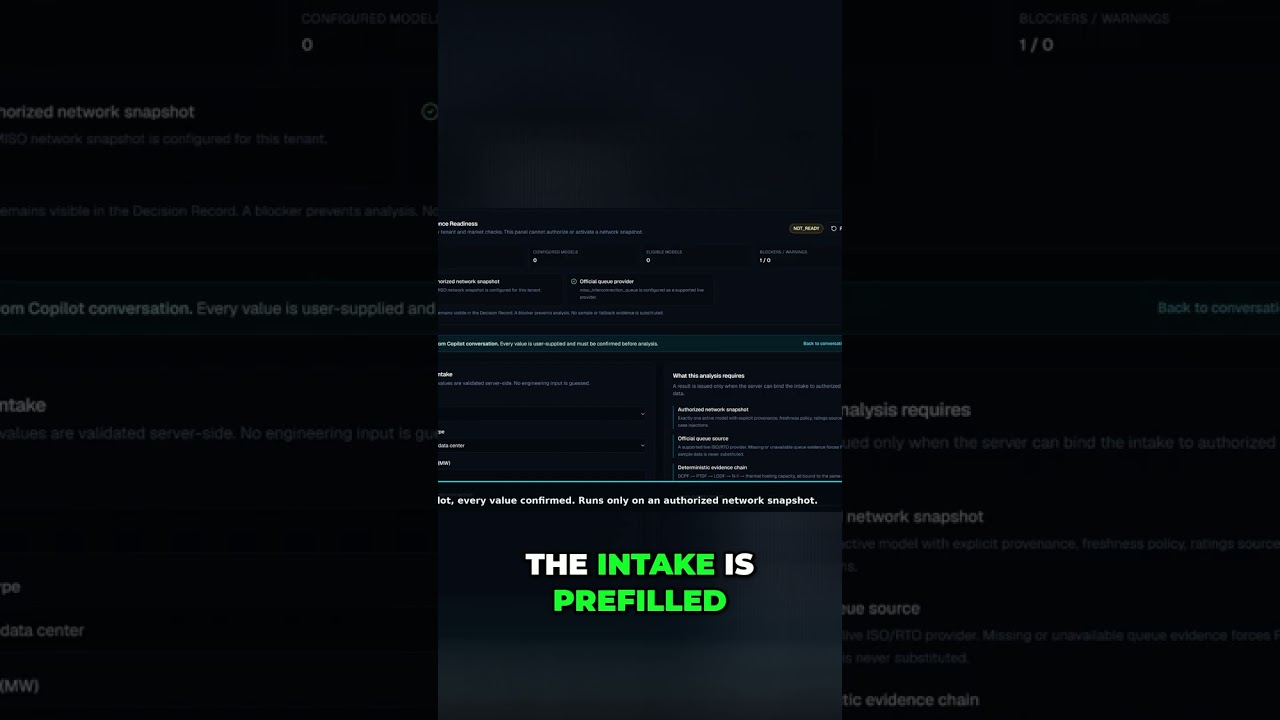
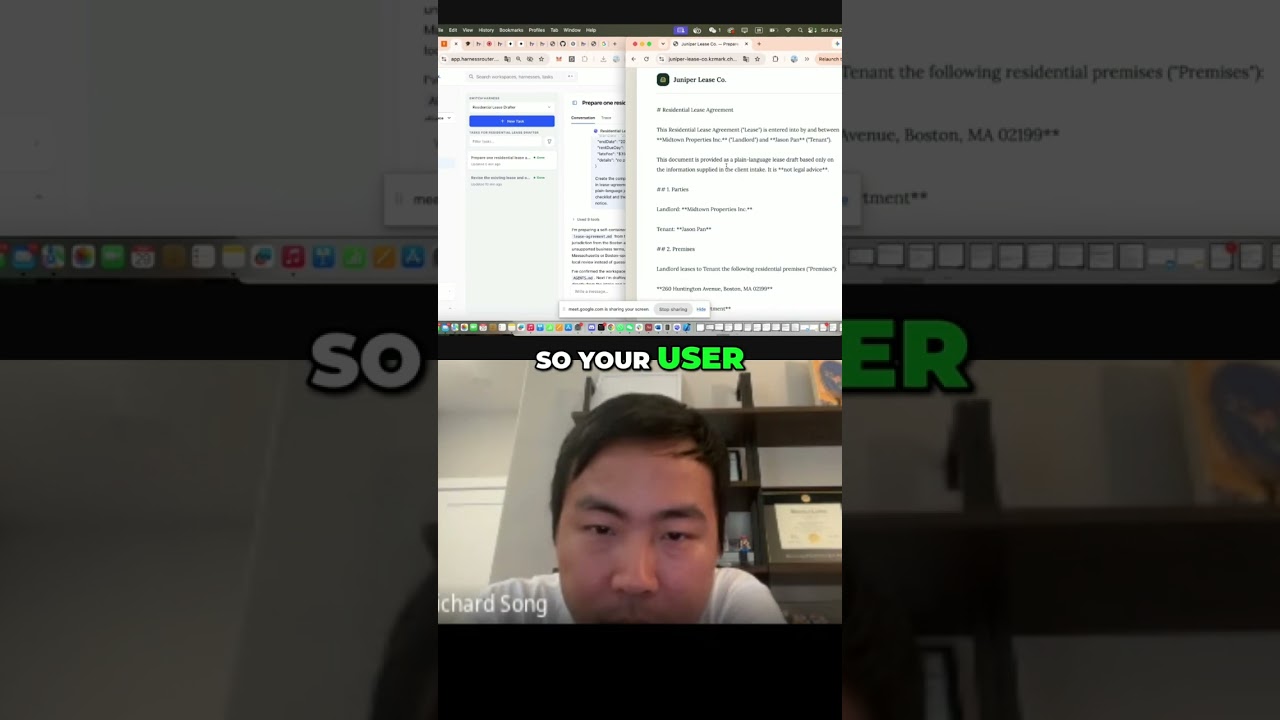
I'm going to show you what's happening on the backend, and I guess that's something everyone is interested in, right? So this is, I think, let me see whether— yeah, okay. So this is everything we typed in through our frontend, the website. Once the user finishes that part, it's sent back to our cloud backend, which is in your dashboard. And then This is the working process of the agent. And then this is the done, like agreement, and it's streamed back to your frontend, to your user here. Your user like views the thing from your backend. All your data is stored here and you can just show it to your end user, your internal team, and use it any, anyway, anyhow. This is the process from more technical side about, hey, which at each step, What did we do? Which tool did we use? Which agent are working on whatever? You can also understand how long it takes. Wow. The tracing part is where we provide the observability to our clients or our partners. They use this part to understand the time-consuming and also when and where each step fails.