PepsiCo Takeover: Are Health Brands in DANGER?
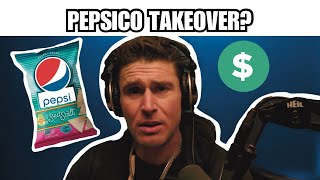
This content was created by Jeffrey Jaime, CISSP. This content was uploaded by Jeffrey Jaime, CISSP. This is a YouTube video titled "PepsiCo Takeover: Are Health Brands in DANGER?" created on November 22, 2024. It features a reaction video discussing the acquisition of Siete Foods by PepsiCo and the potential impacts on health brands, including ingredient changes and ethical concerns. The video includes a detailed analysis of past acquisitions by large food corporations and their effects on smaller health-focused brands.
Questions this video answers
$1.2 billion
2000
2012
2007
2001
We are back with another reaction video, this time on Big Food. Let's take a look at this Instagram video about PepsiCo buying out Siete and some concerns about that.
PepsiCo just bought Siete Foods for 1.2 billion. Good thing about this is Siete's healthier foods will be able to reach more people thanks to Pepsi's distribution channel. Obviously the main concern is whether or not they'll change the ingredients. So that's something we'll have to look out for in the next few months, but hopefully not.
My thoughts on this whole idea of a large food corporation happening more and more these days. For example, my friend Mark Sisson sold his great brand Primal Kitchen, one of my favorite natural condiment companies with all the mayo and ketchup and mustards and oils that I use to Kraft. And the gal in this video actually makes a good point. A small health brand like that, like Primal Kitchen can benefit from Kraft's distribution capabilities. This isn't all bad. When a big company buys out a small health food company, for example, a large company's resources can lead to what are called economies of scale. That potentially reduces production costs and allows for lower prices. That means more people could afford health focused products. That's a good thing. They can source ingredients, they can source packages more cost effectively just because they can order larger quantities and they have access to better sources for a lot of this stuff. Better marketing, right? Big food companies have significant marketing budgets. For better or worse. When you walk your child through the unhealthy sugary cereal section and all the cartoon characters are engineered to make direct eye contact with your toddler, aggressive advertising of the health benefits of some acquired brands. Products, in my opinion could be a good thing. It could shift consumer habits towards healthier choices. Take Nestle for example. They acquired Garden of Life. That allowed for bigger campaigns and they did this. Bigger campaigns for Garden of Life to promote organic and non GMO based supplements and products. Increased innovation, right? Greater financial backing means the smaller company can have more resources for R and D research and development that could allow them to innovate and introduce new products faster. So when PepsiCo bought Siete, that could fund the development of new grain free products like tortillas or chips or sauces. Although in my opinion this company, Ancient Crunch, their Masa chip made with beef tallow can kicks the pants off the Siete tortilla chips. My wife likes Siete. I'm a Masa guy. Their vanity potato chip is incredible too by the way. But then of course there are some cons Many health conscious consumers expressed skepticism about that because Nestle is a corporation that as you probably know is often criticized for stance on health and environmental issues. We can look at compromised ethical standards of some of these bigger companies, right? Health focused small brands, mom and pop brands, they often build their, their, their rep around ethical sourcing, on sustainability, on transparency. Big corporations might not prioritize these values to the same degree that could impact the ethical practices of the acquired brand. I'm not saying you got a bunch of guys in suit and ties and women in suit pants and ties planning how they're going to destroy the population, turning healthy foods into unhealthy foods. And then there are what are called product line diversification risks. So here's how this works. To increase profitability, big food companies can push the small brand to diversify too rapidly or to introduce so called healthier versions of the large corporations own products that can also dilute the smaller brand's identity and lead to products that are more processed. So after being acquired by Pepsi, right, Siete could potentially be incentivized to create a chip that more aligns with Pepsi's existing lines. I don't know. Take the existing Siete tortilla chip and you know, just kind of fairy dust it with a little bit of high fructose corn syrup and caramel coloring to make it more like a Pepsi chip. There's also an issue with regulatory and compliance pressure, right? When, when a small company becomes part of a larger conglomerate, small brands often have to comply with broader corporate policies. And then probably the biggest concern here, and one I want to harp on here just briefly, is the potential for ingredient changes, right? That's one of the biggest concerns. It's a larger corporation might alter the original recipe or ingredient you've grown to know and love from the small health food company to reduce production costs. Now that might mean switching to less expensive ingredients that could compromise the product's nutritional value or quality. And this concern is not unfounded. You know, Kraft, I know they initially promised to keep Primal Kitchen Dressings formulas intact, but some people have said that ingredient changes sometimes occur a few years after acquisition once the customer trust is more deeply established. Those bastards. So are there examples of that actually happening though? Like that? That's what I want to know. You know, people say, well, Pepsi bought Siete so the chips are going to become unhealthy. Could that actually happen? Well, the fact is, I can give you some examples. Take Annie's Homegrown, they're acquired by General Mills. Annie's Built its brand on organic, non GMO and health focused products. Particularly popular for things like its Mac and cheese, its snacks, its condiments. There are many reports from consumers and analysts of a decline in ingredient quality. Concerns included things like use of less organic cheese in certain products, an increase in natural flavoring agents, which are generally considered a more processed ingredient. You know they're not a fast path to hell. But increase in natural flavors can have an impact on health quality for many people, especially those with sensitive guts or immune systems. So General Mills maintain the overall organic and non GMO positioning. But some people did feel the taste and quality changed and that led to concerns about the ingredient integrity. Take Kashi. Kashi was acquired by Kellogg's. I used to love Kashi. I went through boxes of that stuff in college. Especially when it went on sale at Rosars. Kashi was known for organic cereals and snack bars. It marketed itself as a clean and natural food. It got acquired by Kellogg's in the year 2000. Then they faced consumer backlash when GMOs genetically modified ingredients were found in some of its products. They'd been marketed as non GMO. That actually led to a class action lawsuit in 2012. Kellogg's had to pledge to remove GMOs from Kashi's products and strengthen its so called commitment to transparency. But that damaged Kashi's reputation as a natural health focused brand. Pepsi Back to Pepsi. They acquired Naked Juice. Naked Juice, known for its all natural fruit and vegetable smoothies to be free of added sugars and preservatives. So Pepsi got them in 2007. After that, Pepsi faced a lawsuit for misleading all natural labeling. When some juices were analyzed by third party analysts and found to contain synthetic additives including synthetic fibers and genetically modified soy. The lawsuit was settled. The labeling was adjusted. But the perception of ingredient integrity had already been impacted. And of course that hurt. Naked Juice. Odwalla. They were acquired by Coca Cola. Odwalla was also known for its fresh and high quality juices. So they were acquired by Coke in 2001. They faced challenges related to ingredient sourcing. They were under pressure to cut costs. There were reports of increased pasteurization which could damage some of the nutrients in these juices and a shift towards more shelf stable formulations which required more preservatives and that reduced the freshness and the nutritional quality of the juices. Those were seen by many consumers as steps that compensated compromise the quality that Odwalla built its reputation on. Contributing again to a decline in consumer trust. I'VE got a few other examples for you. Bare Naked Granola they're acquired by Kellogg's Bare Naked, known as a natural, simple ingredient granola, emphasizing whole and minimally processed foods. Kellogg's got them in 2007 and consumers automatically noticed this subtle shift towards more processed sweeteners. They started using tapioca syrup instead of honey or maple syrup. Then there's Honest Tea that was also bought by Coke. Honest Tea was known for organic low sugar beverages that aimed to provide some really genuinely healthy tea options. Coca Cola acquired honest tea in 2011 and there were gradual changes that occurred after that. They added natural flavors, they added variations in the actual sourcing of the tea, and that was viewed by many as a culmination of compromises made over time that diluted Honesty's original mission. So yes, there are documented changes of ingredient and formulation changes after a large company acquires a smaller health food company. And these changes are often subtle, but they're significant enough to impact a brand's quality and consumer trust. This has not happened across the board. Not all large food companies will change something, especially not immediately. But there's always the possibility that occurs over time due to again cost pressures, production scaling, strategic adjustments in marketing, and that could lead to less healthy versions of a product over time. So ultimately, I really hope that Siete is going to stay true to the brand. And I love a lot of these smaller food brands. I'm also a total free market capitalist guy. If you build a great company and you sell it to a big company, great. But if I were to sell any of my companies, I would require contractually that all of the ingredients remain true to the original goal of the company and if it were a natural foods company, as natural as possible without compromising. So I'm curious to hear what you think. If you enjoy these reaction videos, hit like leave me a comment. I love to hear your thoughts. Hit subscribe to my channel. Thanks for watching and go have a Pepsi and some Siete tortilla chips for me.
More from Jeffrey





The Solution to Aging Might Be Closer Than Anyone Realizes - With Ben Goertzel


