Tim Corcoran shows how to identify and harvest common mullein, a biennial plant with soft leaves used for coughs and colds. Pick young spring leaves, dry them in a dehydrator or on a screen, then steep as tea with steam inhalation. The leaves also work as emergency toilet paper.
Chapters
Foreign.
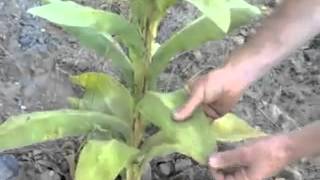
So this is our, our next plant here. This is, this is a really common plant. This is common Mullen. And this is a really common plant. You see it all over. This plant is a biennial. And so this plant has a two year life cycle. What that means is when a seed goes in the ground and it splits, sprouts. The first year, it's just going to create a rosette.
Okay, right over here. Check this out, Ben, right behind you, man. These little guys, like right here.
This is the same plant, but this is just after one year of growth. So it hasn't sent out the big stalk, it's just the, the rosette of the soft leaves.
Now what it's doing the whole first year is it takes all the energy from the sun and the water and the minerals from the soil, and it puts it into its roots and it builds up that root, builds it up. And for the year two, it takes all that energy and sends up this giant stalk. And of course it's got the yellow flowers that we're seeing at the end of its second year life cycle here. And the big super soft. Yeah. So this is going into its final stage. It's dying. Most of these seeds have already died. The big medicinal quality of this plant is found in its leaves. And like most plants, the best time to get the leaves is when they're small or in the springtime. Spring is like one of the most ideal times to harvest wild plants. But the leaves that are known for their being really, really soft.
They are an amazing medicinal cure, particularly for cold. So. And particularly for the cough. So if someone's suffering from a bad wintertime cough, my wife Janine and I always harvest up some good.
Mullein leaves and save them for the wintertime. So that if our kids or ourselves, if we get a cough, we're going to make a. What we do is you make a tea out of that. Yeah. So what we would do is we would cut the leaf off and I would, I would cut some small ones like over here that we were looking at other young plants of the young plants. And then I would chop that up and dry it out like in a food dehydrator or just on a screen in some open sun. And from there we would save it. And whenever it comes time that we need it, we would make a tea out of that just like you would anything else, and then boil that up. And then if we've got a cough, what you do is you take a hot wet towel, put it over your head and over the boiling mullein tea and breathe that in and as it hits the respiratory system, all that good medicine is going to come in. It's an amazing, amazing plant. Yeah. Some people like to. They call it Indian toilet paper because it's soft and it's big. So when you're camping you can find one of these. You can use it that way. But that said, it's such a good medicine plant. I've always felt like it was a bit disrespectful to take that.
Yeah, no good. Mother Nature mojo. Another. Oh, I should also say a couple of their fun. These are more like survival and craft uses for the mullen plant. You can use these big stalks as for hand drill fire making spindles and make fire primitively by rubbing the stalk on a hearth board. And you can also cut them. And the old dead ones. I don't know if you guys really have any old dead ones. That looks like an old dead one. Well, like in another year, guys, this whole thing will be all brown and all, all these leaves, instead of being green, they'll be brown like that. You could take that and dip the top in wax and make a primitive, super simple primitive torch out of it. And sometimes at our wilderness programs we do that and we'll go out at night and give every kid their own Mullen Indiana Jones. Exactly. That's super fun.