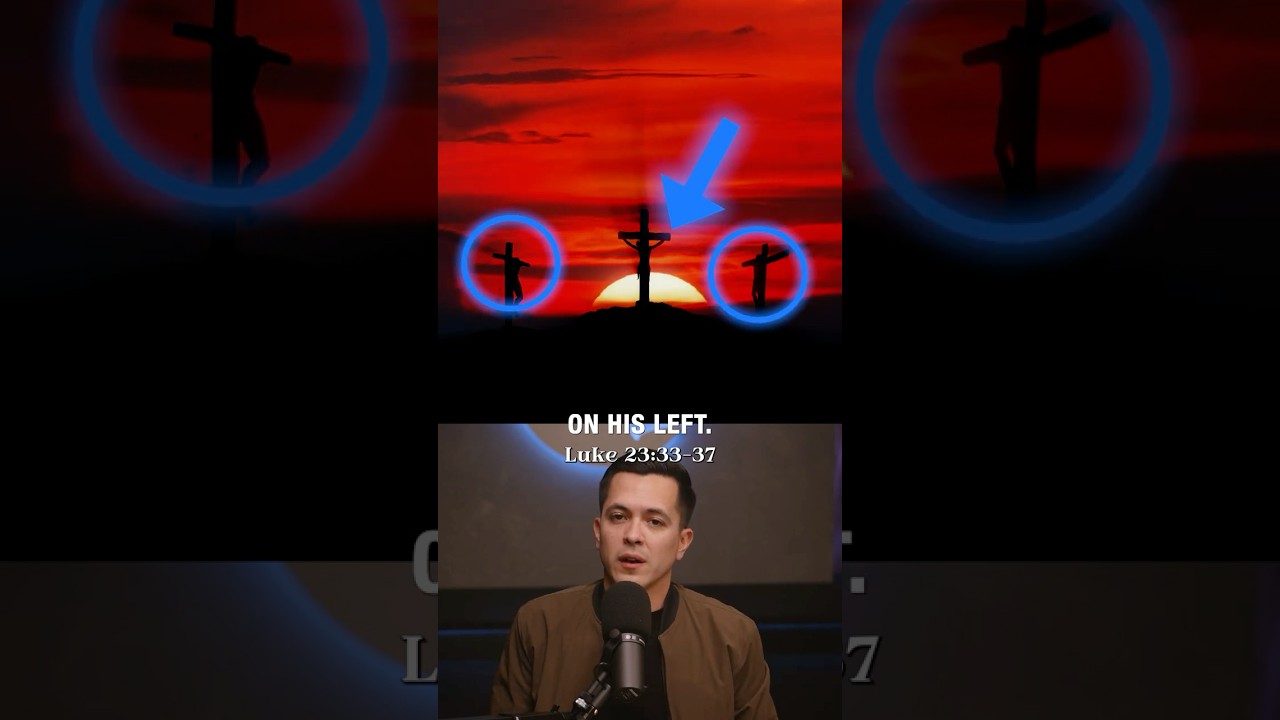
A sermon on Luke 23:33-37 contrasts Jesus' unconditional forgiveness at the crucifixion with how people usually forgive: conditionally, with resentment, and punishment attached. True Christian forgiveness must be complete, gracious, and permanent, mirroring Christ's example without memory of the offense or demand for repayment.
Chapters
What exactly does it mean to forgive like Christ forgave? Father, forgive them. When they came to a place called the Skull, they nailed him to the cross, and the criminals were also crucified, one on his right and one on his left. Jesus said, Father, forgive them, for they don't know what they are doing. And the soldiers gambled for his clothes by throwing dice. The crowd watched and the leaders scoffed. He saved others, they said. Let him save himself if he really is God's Messiah, the chosen one. The soldiers mocked him too by offering him a drink of sour wine. They called out to him, if you are the King of the Jews, save yourself. That's Luke 23:33-37. Now, imagine if Jesus forgave us The way we forgive others. He would say things like, I forgive, but I'll never forget. I forgive your sins, but you still need to go to hell to pay for them. I forgive you, but I'll forever label you according to your wrongdoing. Forgive like Jesus forgives: completely, graciously, permanently, and selflessly.