Are Your Profits STUCK? Proven Strategy for Contractors - Rory Young
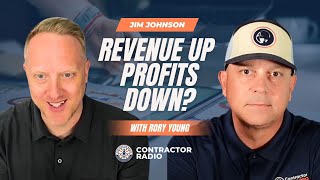
Rory Young, CRO of DCX, explains how contractors can boost profit margins by hiring remote full-time employees in the Philippines for back-office work. Accounting, sales support, and design roles typically cost 30 to 60 percent less. DCX handles hiring, training, and employment so contractors skip the setup headaches.
Questions this video answers
Chief Revenue Officer.
About five years (approaching its fifth anniversary).
About almost 600 companies ("almost 600").
200+ people.
About 40 people in the US.
Chapters
We are being pressed in this gap between revenue and cost. It's our profit, because you can only go back to your supplier so often to say, give me a better price.
Take a little couple steps back to get 10 steps forward. If you follow us, you probably know what that's like. It is the most empowering moment that you could ever have. And now all of a sudden, you have this confidence that you can go take on more and more work and really get, get back into growth mode.
The number one complaint you hear from business owners today in America is people are lazy, they're not motivated, they don't want to work hard. You'll have a whole different experience whenever you meet some of these folks, because they're just, they're just grateful, super grateful to be a part of something they see as special.
And the other cool thing is you just mentioned the cultures are so intertwined. We can discuss what we saw on Netflix. We can about talk, talk about different music.
There's.
There's just this awesome bond that happens where you realize, like, hey, 10,000 miles away, but we're all the same, you know, hey, everybody.
Welcome back to another episode of Contractor Radio. I am your host, Jim Jonathan. In the contracting industry for the last 28 years, almost at this point, had the pleasure of coaching thousands of different contractors, helping them to achieve their goals without sacrificing what matters most. We do that through a thing that we call the contractor's blueprint, and then this matrix based on the stage of where you are as a business so you can do the right thing at the right time. And I was sitting the other day thinking about, hey, what is the biggest issue going on out there for contractors and what are they dealing with right now? So I called several of my really high quality contractors that I've coached over the years. I said, hey, what's the biggest pinch point that you're dealing with? They're like, you know, the revenue numbers are going up, but our profits are going down. There's just so much more overhead being taken into consideration to serve clients, solve problems. Also, material prices are going up, labor prices are going up, the staffing to staff your company are going up. And so you have this gap between revenue and profit that we really need to pay attention to. Those of you that do insurance restoration work, there's actually delay involved there too. Like they're dragging it out forever, trying to squeeze you out of it with cash flow. And so I wanted to do a podcast that had to do with that type of thing. How do we increase this gap between revenue and cost called profit, that's really the main reason we're in the business in the first place, is to achieve that and hopefully maybe do the right thing with it. And so today I'm super excited because I wanted to bring somebody in that has the background for that backend office stuff where that's something that we need to look at. How do we run leaner, meaner, while still having high quality and effective people working for us. So I'm super excited to bring on my guy, Rory from dcx. Roy, good to have you, man. It's, it's been a few minutes since we've spoken and we're all busy people. Good to have you on the show.
Thanks for having me. Excited to be here.
Yeah, it's going to be a fun show. I, I, I'm assuming you heard me while you were waiting there. It's one of the biggest problems we're facing in the industry right now is because I look at it, I'm like, man, the, the numbers for the work are almost ridiculous to me. You know, like a thousand dollars a Square isn't like 20 years ago that was $250 a square. It's quadrupled in that amount of time. And so you're going, hey, those numbers are rising, but it's not outpacing the cost of materials, the cost of labor, the cost of office and overhead. Plus you have all this technology and stuff that gets brought into it these days and the, the margins are getting more and more difficult to manage. So this is what DCX does. DCX helps people increase that gap. And so why don't you let people know a little bit about what DCX is, the role you play, and what it's kind of like to be involved with you guys.
Yeah, awesome. Yeah, it's kind of like the genesis for our business was kind of looking at the problem that you just kind of laid out there for a couple other businesses that both myself and my business partner Craig came from. Right. So to kind of take a step back, DCX is a overseas hiring agency is what we, what I call what we do. So our job is to help us companies hire, train and onboard full time dedicated staff that just so happen to live in the Philippines and figure out a way to make the process as easy as possible so that businesses of all sizes can use this opportunity to scale their business, have an amazing experience for their clients, and then figure out a little bit way to, you know, leverage the, the cost of employees that come from a different economy. And a different type of living and things like that. So we started the business almost five years ago, not quite. We're about to celebrate our fifth year in business and both Craig and I had some experience in our previous industry, which was the branded merchandise space where we had worked a little bit with some employees that were in different countries, some people in India, some people in the Philippines. And we saw that there was this opportunity, of course, for businesses to go this route to be able to hire somebody that just makes less money, to try to find a way to just bring in the cheapest labor possible. But then there was this other opportunity to tailor the approach, to find the best of the best people, to give those individuals the opportunity that we all want in our day to day lives that, you know, have an awesome job that pays well, that gives them responsibilities, that invest back in them, to figure out a way to train some folks and come up some best practices so that the whole machine can just run smoother. Right. And so we started DCX to be the best version of what is typically called a bpo. To give our US partners the opportunity to tap into this awesome talent pool and then give our employees something that makes them excited to get up to work every single day. And when we bring that all together, then we have this pretty amazing opportunity for people to scale their business, to get some of the benefits of hiring folks for a little less money, but also still really live by their values, bring folks into their culture and not have this seem very scary at all. So at dcx, I am the Chief Revenue Officer. I've been with DCX obviously since day one. And my job is to oversee everything. Sales, marketing, client experience. I don't know anything that involves, you know, our clients and their experience and our ability to keep growing. The business is on my fleet currently.
Yeah, it's been, it's been really good working with you guys. I actually have experience with this from my own business where we outsource anything that can be done from behind a desk that's supportive and repetitive to take the load off of us in certain areas so we can focus on the other things we're good at. We've been doing this outsourcing for quite some time and to be honest, when I first started trying, I had a horrible experience. It was like so bad that I didn't want to do it again. And it was just so much work trying to get somebody up to speed and explain all the processes and systems and. And then would they show up and did they have Internet access and just all the stuff that went along with it, it was just such a bad experience. I went, no, I, I'm just going to stick with hiring local.
Yeah.
And, and. But now I've been doing this a while. I couldn't do without these people. I've got a couple. One that's my executive assistant that handles my calendar, my email, my communications with clients. I mean, literally just about everything that I do, he's in the. He's in the middle to make sure that the things that are important get to me, but the things that can be handled, he takes care of. And it has created just an immense amount of time for me. Then I have a graphics person, the person who does all the creative and digital stuff. Because Jim has this crazy stupid mind. He's always wanting stuff like that all the time. And she's not only great at that, but she's actually. We're learning to be really good with software as well. She's starting to solve some problems in that arena for us. And you mentioned this acronym, this acronym bpo. I don't know how many contractors know what that means, but could you kind of explain what that is and why it might be a valuable thing to somebody that helps them avoid the experience I went through?
Yeah, for sure, for sure. First of all, Med Merv, he's amazing. So your whole team is kicking butts. Been fun to see all of that in action as well.
Yeah.
So BPO stands for Business Process Outsourcing. And for the biggest companies in North America, this is kind of old half for them. Right. And oftentimes really big businesses that have key functions like data entry or customer service or something like that might turn to a BPO company to basically say, I got this customer service issue and I need to figure out how I can have 24, seven coverage, chatbots, people answering the phone, whatever it looks like. But we want to pass that on to you. We'll pay you for something like that. And you try to solve the problem with people and process and all of those things. Right. And so that's the term, and that is now expanded into a lot of different variations of a bpo. Um, I mentioned that we call ourselves a hiring agency because really we are one that's way more focused on the relationship side of things and plugging any gaps in the business with people. So looking at a situation like ours, our version of a bpo, and why contractors might want to know about it, is that this doesn't have to be actually some sort of like brand new thing that they have to be scared about and do a lot of due diligence and do all this research. It's just an extension of what they already try to do in their business, which is find great people, hire great people, keep their working for as long as possible so they can continue to grow within their organization. And as long as they can kind of wrap their head around a remote employment situation and figure out some workflow and some processes to make that be successful, then yeah, they don't even have to know the definition of bpo. They could just use this as an alternative way to be able to bring in, recruit that great talent and, and then be able to. Right. Size some of those overhead costs.
Yeah, I think that's a bit of the confusion. Sometimes we think virtual or maybe even like contract. You hear that term a lot. Bit. Or freelance. So it's like, hey, I got this person and they're doing a thing. But it's short term. It feels short term. Like it could be just a little bit of hours or this project to finish and that type of thing. But in your case, these are actually like employees that are part of your team and a part of your company, which is what I liked about it so much. I don't have to work with a new person, a different person each and every time. This person can actually grow within my company. Is that something strategic that you guys went after it that way and why?
Yeah. And really from proud, from like figuring out our own and having some experiences. Right. And a little bit of trial and error. Just like you kind of said when you first started some of these things. We don't know everything and we did some things wrong to start. But what we've kind of discovered is that when you can make a hire and the person can feel like your own dedicated employee and that person has the space to learn and there's a relationship formed. A lot of the scary stuff that you mentioned goes away. Right. And when we don't have to learn a brand, a brand new process of all of this and we can just treat this like we're making a hire the next town over, then everything runs smooth from there. So we really believe in the full time dedicated team member model. Not having one seat that multiple people will be cycling through because that limits how much somebody can actually understand about a business. Right. That limits how much somebody could do if somebody's out or makes a transition within only getting the most basic of tasks and work done. This model allows for so much growth. So that's why we've seen that be the best way to manage this. It just sets people up for a lot more high levels of success and adds to the sophistication of what somebody can do in a business. And I think that's really cool.
So if I understand that correctly, what you were seeing right there is if I went to DCX and said, hey, I've got a business problem I want to solve or I have this job I need to get filled, can you guys help me with that? And you say, yes, we can do that. And you help them hire a person outsourced overseas. That person now works literally for them. It's not somebody that you're constantly looking like, hey, they did really good. We're going to move them off to another company. And then like, you see that a lot in these type of organizations.
Totally.
And dude, I'll tell you what, me training in a new person every three to six months, it can't build a relationship. There is nothing like that. So is, is that, is that how you guys do? I just want to understand that it's.
Yeah, no thanks. Yes, absolutely. Right. So the way that we set this up is that we start working, obviously whenever we get a chance to meet any, any company here that is looking for some help. Everything starts really with identifying what a full time role might look like in a position. Right. It starts with a job description and it starts with a little bit of understanding of the company culture, the personality types that folks are looking for, any soft skill that somebody might want. And our team goes out and we work through either our candidate pool of individuals that we brought on proactively or in some situations we go out and do a custom search for our partners and then they get a chance to meet individuals that our talent acquisition team goes out and sources and then they ultimately get a chance to hire somebody. We stay as the employer of record because I don't want any, for any contractor to have to know about Filipino labor laws and to have to worry about paying all the different benefits and the bonus schedule and you know, deal with the community and the culture in the Philippines. Like we take care of all of that. But all of our partners get a dedicated person working 40 hours a week in their time zone in their systems. So they feel in all intents and purposes like our partner's employee. Right. And then from there I've caught myself.
I've caught myself telling Merv good morning. And I know it's evening over there. I'm just like, I'm. I feel like he's right here with us all the time.
That's the goal.
That's the goal. Shouldn't feel any different.
And it doesn't. Right. So. So yeah, that. That's what it's all about on our side. Which means no one will ever leave to go take another job through the DCX channel because we're here to help our partners kind of deal with their hiring pain points. Right. And sure, everybody works at will, and not every single employee is going to work out any other hiring experience where we all know sort of the challenges that come with that. But our goal is to find the right fit for all of our partners, have that person really get in the weeds in that business and stay for three, five, 10 years. And that's on the table if you pay attention to it and you constantly are ready to evolve and give somebody opportunity for growth. But that's been really cool to see. And that's how our model works.
That's. That's really cool. So I'm sitting here thinking, I'm like, what jobs? What jobs and what we do. And the first one that comes to my mind because I was just coaching with somebody and I actually had two cases like this, went, what? And they're trying to hire a bookkeeper. A bookkeeper was $90,000 a year. I went, what? $90,000 a year. I mean, it's. I didn't. You didn't say cpa. Right? This isn't a cfo. Right. I think it's. It's bookkeeper data entry of my invoices and stuff like that. They're like, yeah, that seems absolutely outrageous. And had the exact same thing for a production support person administer a production assistant. And that person was $70,000 a year. And I mean, it was three or four years ago. Those were 35, $40,000 a year jobs. Yeah, that has a lot to do with the different markets and stuff like that in the country as well. But what other roles do you do? Those particular roles? And if so, what other roles do you do as well?
Yeah, no, anything involving the accounting department or financial roles has kind of quickly become our bread and butter. So we work with now about almost 600 different companies that are in the US right across a lot of different industries and verticals. But that is by far the most consistent opportunity that we help companies with. Everybody, especially as you start to scale up in size, everything involving paying and getting your bills paid on time and collecting money from your clients is. Becomes obviously incredibly important. And so we've been able to help with individuals anywhere from sort of that apar clerk to someone that is kind of a little bit more 360, helping a lot of different areas to a bookkeeper, to a financial analyst, to a controller. Cool thing. Not to get too far in the weeds in the Philippines, but the education system there very closely mirrors the US and there are millions of people who went to school for a four year degree in accounting that are looking for these kind of opportunities. So there's a wide array of different talent. So that's always a great one for us. A couple other ones, you know, in that production realm is definitely one that always seems to make sense. Somebody who can learn how to get a project to the finish line in a more efficient manner and handle all those steps along the process. So somebody who is very high value in your business or should be out there selling whatever it looks like can get back to what they do. Well, that's been a big role for us, anything involving sales assistant type work. So there's lots of people that are trying to work through these leads that they've been able to open and get things done faster and get in front of clients and get these projects, you know.
You mean you guys follow up for my salespeople that never follow up.
Yeah, yeah, right, right. There's so much there.
Right.
And every, every good salesperson that we know, you know, we want them to be in front of clients more and we want them to get on to the next project faster. And so anything that we can do to give somebody an assistant who can just keep them on time, keep them efficient, make sure follow up goes out. All of those things we've seen that really transcend industries really, really well. And then I say the last one I'd put out, there would be anything involving marketing or graphic design kind of, kind of mirrors your experience as well. There is always a need for businesses as they scale up to be able to get more interesting collateral done, make sure they're getting in front of a wide audience and look great doing it. And so there's a lot of talent that exists in the Philippines of people who can step into those type of roles too. So those would be the ones that come to mind as the very kind of general ones. I'm sorry, one more. Obviously in roofing, people that can learn how to estimate projects is definitely another one as well. And I've seen that number through my research and I'm not years in the roofing industry, of course. Right. But this is something that we really looked at. It costs a lot more to hire somebody in an estimated role than it ever has but the core tenants of that is learning how to do the job, being smart enough to be able to make sure the process is followed correctly. Right. And just being really detail oriented. And so we've been able to tap into some people that have that experience and I think that's one that we can continue to scale up as well.
Yeah, that's the wild thing to me because like the skill level you have working over here as an estimator, maybe high school degree, and kind of figured it out and worked along the way. Maybe somebody that's kind of started their engineering school and went, no, that's not good for me.
Yeah.
Or they went through a tech school for like project management or something. But the quality of individual accounting people, engineering people, they got degrees in that stuff and they're coming and helping in these supportive roles and they're good jobs for them. They don't, they don't look at it as like some kind of down thing for them. It's like, this is a great job for them to have over there. I was boggled with that by my assistant. He's like, no, no, man. I can tell all my friends that I'm the executive assistant of a CEO of an American company. That's a big deal. Huge.
It's huge.
Yeah. These are learning. That was pretty interesting to me.
Yeah, yeah, we do deal with that a lot. We sit in on, you know, a lot of different interview blocks with our clients and even us when we first got started. And a lot of times we'd be worried this person have too much experience. Is this person going to get bored in this job? Is this person, you know, is this job beneath them? And it's really not what it's about. You know, these opportunities that exist here in the US represent a level of sophistication, obviously a level of compensation that is really strong for the individuals that we find. And they just obviously love being a part of a growing operation and being trusted to do really important work inside of that business. Right. And so you don't have to worry about that from the start. As someone grows, they're going to keep learning more and be able to step up. Kind of this other sort of secret to all of this is that you're saving money by hiring somebody from a different walk of life in a different economy. But you're also sometimes getting people that are better suited for the positions. I mean, the candidate pool, especially in the Philippines, is just, yeah, it's very vast and pretty amazing. The type of talent that you can find and the type of experience level that you can find. So it's another added benefit as you get somebody who is capable and so excited to do this type of work.
Yeah, that's been the thing for me is that the things I'm asking them to do is the things I hate to do. Right. They enjoy it. And we got to realize that just because we're handing off something we hate to do doesn't mean that somebody else doesn't love doing that thing. It's a fun thing for them. What makes you and DC different? Because you're not the only company that does this. Yes. There's a bunch of you guys. And my experience, because I've been approached with companies like this before, has been like, we're going to get you the cheapest hourly rate. You're going to be able to hire somebody for $10,000 a year. That's a $70,000 job in where you are. What they don't realize about me is I'm like, I don't like that. Yeah, I want to save money, don't get me wrong. But I also want super talented, high quality people that are backed and stuff like that. And I'm willing to pay a little more for that. I'm still saving money. And so that, that's always this. Which, which way do you go? So how would you guys describe dcis?
Kind of, you kind of set me up on this one, but that's what I do. That's what we're about. That's kind of what we're about.
Right?
We're, you know, I think anybody who really loves sales and wants to take to the next level, we love it when we get to say, and we believe it, that we're not the cheapest option. Right. No one wants to, no one wants to run a business where like your, your value prop is, is the cheapest possible thing. Right? Like, that's not what anybody is about. That's not how you run your business. That's not how most great roofing contractors are running their business. Right. And that's not what we're about either. What we're about is being able to thread the needle and kind of create this win, win, win opportunity for all parties. Right? We're here to go find the best people to provide the easiest process to get that person identified by our, our clients. Right. We have a us based support team who is there to make none of this feel scary at all and be the Sherpa and to be there when good things are happening or some struggles are happening. When it comes to this people issue that we're trying to solve together and then we want to provide something that our team in the Philippines has never had. We want to give them industry leading compensation, we want to let them work from homes, they don't have to travel in the middle of the night to go to an office space or a call center. Right. We want to give them the best benefits and a community of 2,500 other team members that they can get to know and rely on and make connections with. And we want them to be so ingrained into the partners that we work with businesses that they have that sense of pride.
Right.
And when all that stuff works together, it's not the cheapest, but it is a good decision to make as a business and the lifetime value of that goes kind of through the roof. So when you ask us what makes us different than some other companies and there's a lot of good companies doing similar stuff, but I think what we just tried to figure out here is how do we just make the whole experience feel better for everyone and how do we make it a little bit more relationship driven because we're all in the people business and this just makes it feel, it just makes us all feel great about what we can accomplish together.
Yeah, it's. That was the thing that struck me I think the most about D6 when I met Craig. There was this cultural and character aspect to him about, hey, I want to do right by my clients, but I also want to do right by the people that work for us. Because they do, they work for you and so you have this responsibility to them. They also work for your client. So there's a responsibility there. You said something that was really key there and I hope people didn't miss it. You have like us based folks that we talk to, they're not, they're not Philippine based. Like if there's a problem or anything like that or in the onboarding phase. That's kind of unusual.
Yeah, yeah, it definitely is unusual. But from the start of our business I think that we saw that that was also an opportunity for this whole process to run smoother if we made those investments. Right. And look, we believe in our team in the Philippines more than anyone. We have 200 plus people that work just directly for DCX and lots of different roles. Right. So it's not an indictment on the talent that we find, but there is just something that comes from the fact that we can pick up the phone, talk with somebody in the U.S. if needed, we can go take a visit and go see each other in person. We always want to have those connections and those opportunities for us to kind of work as a global team and have lots of US based support. That's going to help from the initial process of trying to identify positions to the talent acquisition phase. And we're trying to find the best, the best people to step into these roles to the time that we have a share of staff working together and we're really in the weeds solving HR problems together. There's just huge benefits to having people in the US that are there to help our partners through that experience the whole way. So we always invest in that and that'll always be a part of our, of our growth. To make sure we have, we have about 40 people right now that work for us directly in the US as well as the people in the Philippines. Wow.
That, that makes a huge difference because sometimes things do just get lost in translation some, you know, somebody vanishes, whatever. I need somebody el to talk to and I've had a horrible experience of that particular thing before and so I, I would, it would give me a lot of comfort to know. Now you said a hiring agency like that's, that's really where you hang your hat. You need somebody, we can help you get them hired. There's a vast pool of talent and so you, you interview them pre interview, set up the final interviews and, and I actually get to say yes. Is it on me then to do all the training and bringing them on speed and all that at this point? What does that look like?
Yeah. Yeah. So it's a, it's a collaborative process is the best way to put it. Right. And we're like, we're making investments in, in the roofing industry right now as we see that this is a, a huge opportunity for us to be able to continue to scale up businesses in the space. So we've actually just instituted our first ever training academy. So what our process will look like now, especially for roofing contractors, is that we will hire people proactively and put them through month long training programs so they can understand sort of the basics of the industry, the lingo, the anatomy of the process. Right. All the key vendors, how the supply chain works. Just really giving people like a nice 101 introduction to everything that exists in this industry. But there's no way that we can train people on our partners processes and their clientele and their workflow. That stuff that really is best suited being trained by the clients that we work with. Right. So we have the US based customer success team that wants to hire as me will jump in there. We'll work on best practices together. Hopefully these people would already have a baseline understanding of this industry. And then we'll really just try to start this out slow process to get them trained into their actual role that they're going to be sitting for for our client. Right. So usually it takes 30, 60 days or so for someone to really kind of get into that. Our team will do a lot on the back end to create tools to capture processes, to create SOPs that create training videos, whatever is needed to make the process run smoother. But it's going to be really collaborative until someone's able to really kind of pick up the ins and outs of the specific business that they're going to be working in. So it's work. It's definitely not magic, and it requires people's time and energy and feedback and all of that. But it should be a lot easier to have sort of this HR partner behind the scenes to help make the process run smoother. And then it's worth the time because once somebody's able to understand that in that capacity, then again, sky's the limit as far as what they're going to start to be able to do.
So it sounds like the repetitive stuff, like you got a data entry this way or you got to put the lead in that way and that kind of thing, you help that part. But the nuance part is the part we've got to do. We got it. We got to bring all that.
Okay. And look, that takes time. And I'm sure everybody that's listening to this remember sort of what the first couple of years on the job look like. Right.
Like, I don't know if I do anymore.
Yeah, it's a constant, a constant journey to continue to learn the nuance of any industry, especially this one. So, yes, that, that, that is something that's going to be done through lots of time spent, lots of feedback, bringing somebody into as many conversations as possible. Like, I always talk about how you want to train every person through osmosis, as much as you can, right. You want to get them to sit in and kind of learn by watching somebody else do something. Right. And as much as you can, kind of recreate those opportunities through a video screen, through a camera, then all of that stuff can happen over time. But we're going to help with some of the real, the more sort of repeatable stuff, the things that usually transcend business to business, so that we can kind of get them to a certain level before they Start to learn the nuance from you.
Yeah, that's super helpful. And I try to tell people all the time creating process isn't as difficult as you think it is. Now it's hard to like just share and say, hey, this is what they do step by step by step. But you can, like you said, have somebody watch you you while you do whatever it is that you do, screen record it. If you use a tool like Loom nowadays, it actually writes the SOP for you afterwards or at least a really good version of it that you can edit.
Yep.
You can get to these SOPs and these training videos and that kind of stuff really quickly. So onboarding somebody that is outsourced overseas, it wouldn't take a whole lot of effort to say, hey, I'm doing this work anyway, watch over my shoulder. We'll record it a bunch of times and then take those transcripts, throw it in a chat GPT and say what's best practices and you're good to go. You've got a piece of training content and the supporting material to go with it. Now, do you suggest that for people as they onboard people or what does that look like for you?
Yeah, absolutely. So many people are kind of hesitant to this because maybe they feel like they haven't spent as much time in their business creating sops and thinking through process. Right. But they have, they just haven't always found the best way to capture all of that and write it down. Right. And like you said, there's so many tools now to make that as easy as possible. And it's also something that our, we actually have a dedicated team that helps with that as well. So you don't even have to be an expert in those tools. We can have us be part of that and sit in on those sessions. And if you can explain what you do and walk through a process in a CRM or whatever it looks like, then you know, within a matter of days you can put together some SOPs. If somebody has tools to go back and look at. Right. And to me, the final piece of that is if you can explain somebody how to do things, capture all of that so someone can go back and reference. If you can have that person practice or take the first step at doing those tests for a period of time so that you can review and give feedback and make sure that you feel confident. Right. And then you let somebody start to actually do it without the supervision. It's a pretty easy transition, right, from oh my gosh, I could never trust anybody to do this to oh, My gosh, this is amazing when somebody is doing this work without me having to have my hand in everything and oversee everything. So it's not as far as people think it is. Right. So within their reach.
Yeah, I thought it was going to be a real pain, but it's not as hard as I thought it was. When I did is I kind of followed Dan Martell. You know who Dan Martell is? Buy back your times book, okay? He's like, anything you do, record it three times, whatever it is. If you're doing something on a computer, you know, doing some kind of date, record that thing three times and that will cover 95% of the circumstances out there. Create the SOP and pass it off if it's something you don't want to do. Okay, I'm going to give that a whirl. And I started doing that with like, hey, this is how I create a calendar appointment. This is how I follow up with an email. This is how I segment my. And I did all that stuff and created SOPs. Boom. First day, Merv was like, ran with it like perfectly. And then whenever I explained to him how what he does impacts everything else around him, like the why it's important, then he started problem solving. He started looking for opportunities to go, oh, hey, I can move him here and put him over there. And he knew that almost second brain type thinking stuff that you wouldn't get if you just said follow this sop. Because we connect to the dots. Do you, do you guys talk about that with your clients and doing that kind of stuff too?
Yeah, we do, we do. And look, it's, it's tough. Everybody has their own, their own process for this stuff and everybody has their own appetite for, for spending this kind of time. Right. It's easy for me to sit back here and say it's going to take a little couple steps back to get 10 steps forward if you follow this. But it doesn't make it easier, right. And everyone's busy and. But yes, that's, that's part of everything, right? And that's why I talked about that training by osmosis. If you can have somebody kind of sit in and have a period of sort of feedback or debrief whenever you have those moments so that someone can start to ask questions, start to make those connections and then start to try things on their own. If you can give somebody the space, especially on like low level things that are not, nothing's going to happen if.
A mistake is made.
Nobody's house, right? Like something easy to Just start to exercise that muscle to have somebody say, hey, here's what, here's what I think this should look like. Or, you didn't tell me what to do, but this is my best guess. And then you just kind of repeat and build off of that. I mean, it's amazing to, to get that. And when it comes to sort of the, the added benefit to just freeing up your time and your bandwidth, to not have to make every decision and to have somebody else who sort of thinks like you and can do that stuff for you, I mean, you, you probably know what that's like. It is the most empowering moment that you could ever have. And now all of a sudden, you have this confidence that you could go take on more and more work and really get back into growth mode, because that's taken care of. So, yeah, you have to do it. You got to spend some time, but it's worth it.
Sounds exactly what I'm dealing with right now. I've got. I've got five people that have really taken on a lot to open up some things to go chase a little bit more and serve contractors. Even better. And it would never have happened if I didn't outsource some of my work to some people that are really good. Like, I spent an hour and 15 minutes talking to a guy today, and I bet you he said, nobody can ever do it as good as me 55 times. I'm like, no, that's just what you believe. You think that, but you didn't train anybody as well as you could, which is why you never got the result that you wanted. You just expect them to walk in and know it. So do you ever deal with that? Like, people that kind of have this fixed mindset about this stuff, they're never going to be as good as me. So I'm not doing this thing.
It's funny because you're saying that, and I know that you're right, that, that you know that's the right answer to that, but I still internally feel that way on certain things, too.
Right.
Like, we all have that. Right. Especially when we put so much effort and so much of ourselves into our businesses. Yeah, you got, you have this sort of control and you have a love and you hold dearly sort of the best parts about your business. People are all in different stages of that journey or whether they're ready to truly delegate in order to expand. But I know one thing for certain. I've never met any, like, thriving business or anybody who is kind of taking things from one level to the next level that wasn't able to build a team. There's just capacity issues that we will all run into at some point. So it might not even be up to you anymore. If you're. If your goal is to continue to grow, well, then we got to figure that part out. And so I think for us, it's just trying to figure out how we can meet people where they are, start to give them some additional insight and some work and share those best practices. Sometimes it takes 30 days, sometimes it takes six months. Right. For someone to get there. But usually what happens is once they start to build that relationship with that person and they start to see the skills that they have and they start to see sort of their want to learn this stuff and care about their business, it usually starts to pick up at some point and then gives them the extra motivation to make it happen. Right.
I'm so glad you brought that up. I have never felt like any of the folks who've worked for me with Mervyn Keon that are my outsource people hate showing up to work. I've never felt like they love it. They're so thankful for it. They're excited about it. They want to learn more. We, hey, we've got a new opportunity for you. Once you kind of learn this. Oh, yeah, please let me learn it. They want to become more valuable, uber loyal. They don't miss a day. Like, it's just crazy. And this is the number one complaint you hear from business owners today in America is people are lazy, they're not motivated, they don't want to work hard. Gen X, Gen Z. They're, they just, they're not bought into what it is I'm doing. But you'll have a whole different experience whenever you meet some of these folks because they're just, they're just grateful. Super grateful to be a part of something they see as special.
Yeah, I've seen lots of people in lots of walks of life, and I don't want to write off the entire US Workforce. Right.
Everybody.
But yeah, it makes it harder. And I think everybody, of course, here like the look and it makes sense. The economics to live in the US Are different. The, the cost of living, the aspirations that we all have, of course. Right. Are pretty high. And so sometimes it kind of changes that dichotomy and, you know, people are looking for something. Maybe back in the day, we used to realize that we had to kind of dig in on something a little lower level and learn and work our way up. Some people would like that to happen a little bit faster. What I've seen is that there's a really nice alignment between folks that are operating in some different situations to really, like I said earlier, like attack these type of roles and there's this excitement to learn and be better and grow and yeah, that feels refreshing sometimes. Like there's just something about that that really kind of makes the process run smoother. So for people that sometimes are coming into this with a little hesitation is actually funny. Once they spend a couple of weeks with their team member, that goes away faster than me telling them about 10 different things they can do. Right. It just takes that relationship to happen.
Well, we talk about when we're hiring the three qualities that we're we will not compromise on. Hungry, humble and smart. And it's hard to find the hungry, the humble, sometimes smart, sometimes, yeah, hungry, not nearly as much. It's just hard to find that. And so to experience that, I mean like be somebody that is actually working with that on a daily basis, it's this constant, give me more to do. What else can I do? How can I do this better? Like this, that type of vibe instead of how do I squeeze a little more out of you? Is how we end up feeling. With a lot of folks out there, how do I inspire you or motivate you? It's not necessary. They just want to. Which is pretty cool. So I know the how much thing is a question, but that varies based on the role and all that other good stuff. If we were to put it into percentages, like, hey, this role is this much, that's 100%. What kind of percentage of savings am I usually looking at? Is that a better and fairer way to ask the question?
Yeah, for sure, for sure. And like, from what I've seen, experience wise, it actually scales up. The higher percentage of savings, the more sophisticated and complicated the role gets. Now to be fair, that also adds a layer of sort of risk on the role. Right? Because the more complicated it is, the more opportunities for someone to maybe struggle picking things up. Or as we're looking for someone to be able to make more decisions, sometimes it's harder to find the consistency of hires in those areas. But usually what you're looking at is at the very least half of what you're paying in the in the US for roles. And it's actually probably more like 40% because we start to factor in the HR related costs that we kind of like almost forget about half the time when we're looking at someone's salary, HR.
Taxes, All so much. Right.
So fast. So probably about 40% and then it can be, you know, a lot of times we're saving people, you know, 30, you know, it's going to be 30% of the cost or even.
Yeah, that's been kind of my experiences. But like this, 30 to 50% just depending on the role and how intricate it is and stuff like that.
But you mentioned the counting, like the bookkeeper position, right? I mean there, that's a role that if it, if it does cost 90k in certain markets in the US I mean that's going to be one that's going to be 35 to 40,000 all in hiring through an organization like ours in the Philippines.
And that's super high level accounting. That's not, that's not just somebody doing data entry for you. That's.
No, no, no. That's someone than someone who had a four year degree, has probably five to 10 years experience in a role like that, who's probably worked for a pretty large US Company before. I mean it's. Yeah, you're getting a lot for that money while being on the low end.
That's awesome. Well, Rory, I think you've been more than helpful today. Maybe open some eyes to some folks on, hey, there's an opportunity here. Maybe because we're, we are being pressed in this gap between revenue and cost. It's our profit and we're having to look for other ways to. Because you can only go back to your supplier so often and say give me a better price. You can only ding your labor so far before your quality starts to take pit. And so where else can we find these other opportunities and still be able to scale our businesses? I think this is a really, really.
Good way to do that.
How does somebody get a hold of you or DCX to. I, I'm. I think probably the best way is a discovery. Like, is that, is that.
Yeah.
What does the process look like?
Yeah, that's how we do it. And we try not to be like this. This is an avenue. This is an opportunity for people to research, see if it would potentially fit for them. And then we work together to try to go through the entire process and, and make sure we're answering all the questions that we have. So, you know, we have every day multiple discovery calls. And so if someone wants us to learn more, I would encourage them to reach out. We can go on our website, delegate cx.com and they could take a look and there's a couple of different contact pages there. I'm sure I'll be able to share my information here. So feel free to reach out to Rory youngelegatecx.com if we need to do that way we'll connect you with a member of our, of our sales team who can walk you through the process. We encourage anybody to, not just if you're owners or C suite that are listening to this and want to learn more, bring your staff, bring, bring the folks that would be interacting with people on a day to day basis. Give everybody there so they can ask questions. We can do our best to kind of walk you through what to expect and then if it seems like there's a good opportunity together, then we just kind of go from there.
You know what I love the most? You didn't oversell the situation. I think I've spoken to people like you before and I never put them on my show because they promise the world and I know that they can't deliver. I've had enough experience with this to know what this looks like and it does take some effort on my part. But it's not that heavy of a lift really. You guys have a guide like hey, we'll hop on with you and we'll get this thing done. That just makes it a million times easier. I think it's worth investigating for anybody and everybody whether you're owner C suite managers. If you're trying to get more done in less time at a price that's affordable that allows you to do those high leverage revenue generation things. This is a no brainer. And I love the name of the company. I kept saying DCX because I'm so familiar with you guys now. But delegate cx. It's what you're doing. You're delegating out these things that are going to put you into a thing where you get to do what you enjoy doing all the time and get some of that stuff off that you don't enjoy doing so much and not.
Sacrifice the experience for, for, for the clients that are trusting you. Right. And that's the big thing. This isn't supposed to make that experience worse, supposed to make it way better to when you're investing more in people. So I had to throw that one more bit in there.
I think one of the other things that people ask before they like hop on with you and we, maybe we should have said sooner. So I hope you guys hung out the whole show here. The language barrier, that part seems to be a problem because you have all kinds of different places that do outsourcing.
Yeah.
I have found that if I didn't know that they were Filipino. I wouldn't be able to tell with my two people. They're just so. Like, they must take English classes from the very beginning. Yeah, Just so. And like, even this slang and jargon and stuff. Like today, one of our clients had called me to let me know that they needed to reschedule. And I didn't tell my guy. And he goes, hey, I called him to the note and they said they could reschedule it. And they. He goes, my bad. All right, Cos. My bad. And it was really my bad. I should. It was on me. But that uniqueness of it, because I have worked with South America, Central America and had varying degrees of success there. But the out of the Philippines, really good experience.
It's been our experience, too. Everybody's speaking English from the time they're basically in kindergarten. And the higher they go in their education careers, the more that. That's in English. Right. So by the time you get to college, typically in the Philippines, you're almost only speaking English. Right. So there's the ability there for people to communicate really strongly. Everybody has an accent. I'm from Philly. I have my own accent that I have to deal with. Right. We all got something like that. So as long as we're. We're cool with. With those things, I think people will be kind of shocked at how easy things flow from that point. And the other cool thing is you just mentioned the cultures are so intertwined. We can discuss what we saw on Netflix. We could talk about different music. There's. There's just this awesome bond that happens where you realize that man. 10,000 miles away, but we're all the same, you know, so.
So they have a restaurant over there. This is new news to me, called Jollibee. Are you familiar with this jollibee thing?
Familiar with it. I've been working in the Philippines for the last five years. Yes. Very familiar. Been there many times.
Yeah. So my guy sends. Merv, sends me a video of the jollibee, which is like their little character dude fighting 50 McDonald's characters and winning. Like, he's beating them all up and everything. It was fantastic. Like, that's the type of interaction, relationship. I know they play badminton every single Saturday and they play in a tournament. Murph's picked up golf now and he's. He's out there golfing and he's like, hey, send me videos. Who's the good guys out there to follow? And I just sent him one before the show. Can't wait. To see what he thinks about that guy. And, and you get to keep up with like their growth like Ken. And this is big for me. Just as a business owner, I want to know what my people are about and what are they into, what are they trying to do? She wants to get a lot better at badminton. So I said, hey, you should actually like get a coach. Like, let's go see what that looks like. And she didn't. Her game's changing like literally overnight. And it's just been cool to watch them grow and do their thing with us and they shared it with us, what they wanted to grow with in work too. So we're fostering those opportunities and they're just running with them. It's been great.
That's really cool. Yeah, I could go on. We could do a whole another episode on, on some of those best practices. Right. But yeah, that's been the most humbling thing for me over the last five years is to just.
Is there a story that sticks out?
Oh my gosh. So my. It's really cool that, that you just said, you know, talked about your experience there, but similar experience with my assistant who's been with me. Today is her fourth anniversary.
Oh, wow.
And her experience was that she. This is her first corporate job, her first time ever working with a US based company. She actually got hired because she was really good friends with our chief of staff. We first started the business, but she started, she was a teacher before starting with dcx. She came in with just this attitude that she was going to say yes to everything and try to learn as much as she could. And if I asked her to do something, even if she didn't really know how to do it, then she would go do a little research and come back to me. And she just kind of had that, that, that attitude. She was nervous at times. She sometimes struggled with sort of her level of confidence. But the more time that we spent together and the more that I invested in her, the more we started to see results. And I had a very similar situation where a couple of years ago when I actually started to feel like she was maybe kind of plateauing in her position, we sat down together to figure out what are your, what are your goals here at work? What are your goals outside of work and how can we help support what you want to do for the long term? Right. And how can, how can I show you that through this job that we can accomplish way more than we want in life? Right. And I learned that she wanted to travel because she had never had an opportunity to travel outside of some place in the Philippines. And I learned that she wanted to retire her parents. And in the last two years since we kind of had that conversation, she's been to Korea, she's been to lots of different places. Her parents aren't working anymore. She's receiving for her retirement. And like, now I see this person who is like, so confident is probably like more important than I am in the business at this point. She knows where, how everything works. When I don't know how anything works, I feel like anymore. And it's just been this amazing experience to be able to see somebody go from one level to, you know, 10 levels above. And for every client that we have, we have similar type of stories. Right. And people are starting to hit their 3, 4 year anniversary with the clients that we work with. They're all telling different stories of things like that. Right.
And it doesn't sound like they're going anywhere.
Yeah. So sorry, that was a little long winded, but, like, that's just been the most humbling thing for me just to see these people be put in position to thrive. And I just, I feel so fortunate to be able to. To work with them every single day. So.
Super cool, man. Rory, thank you so much for being on today. This is an important subject. I'm going to be doing some more podcasts about this thing. I want to bring you back on maybe a year from now. Let's see what it looks like and how you've helped people in our industry. We'll go from there.
So thanks for having me, Jim. Always a pleasure.
Yeah, it's a blast. Awesome time. I can't wait to connect in person again and. And I don't know where that's going to be, but I don't know, maybe you're going to win the storm or something like that.
Yeah, man.
All right, we'll see you. All right, brother. Have a good one. All right. All right, everybody. That was our show today, and we really have to think about various strategies that allow us to do some of the things that we need to do to grow as a business. And we have this equation around here that we, we call your impact equation. It's a combination of your skill and your capacity. You can have all the skill in the world. You could be the best leader with all the skill and able to sell and close and do all that other stuff, but if you don't have the capacity to do more with your time, you're going to get ceiling, you're going to hit a plateau so how do you get outside and gain more capacity? Well, you're going to have to replicate yourself. And the best way for you to replicate yourself is to document yourself, turn that into some training, find the right person and put them in place to help you. One of the beautiful things about Delegate CX is they find great people. They're unbelievable. So go check them out. Really appreciate you guys being on today. Going to come back with a few more episodes on integrating some things that help you eliminate some stuff. Because doing all of this is about elimination, delegation and proliferation. So we'll talk about how to build more profit into your jobs through some new things that we've been talking about here at Contractor Coach Pro and how we've been helping our clients implement these things so they can be successful and increase those profit margins and stay healthy like they want to be all the time. So if you are looking for somebody to give you a hand along the way, that's what we're here to do. We're Contractor Coach Pro. We help contractors all over the country. Been doing this over 13 years. We build eight figure, nine figure companies and we do it in a way that helps them achieve their goal without sacrificing the things that matter most. Connect with us at Contractor Coach Pro. Com. Click that little assessment button. Take an assessment. We'll do a discovery call with you and if it's a great fit, awesome. We would love to have you. If it's not, you're at least going to learn something that day that are probably the next two or three moves that you could do in your business that would make a difference. We're here to serve. We're here to care for this industry and we love doing it with you guys. Thanks a lot for being on our show and hanging out. We'll see you on our next episode.










