Coaches' Roundtable - Connecting the Dots of Your Business - Part 2
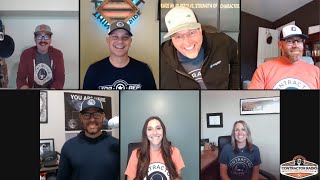
Roundtable of coaches (Jim Johnson, Nathan, Roz, Jenny, Chuck, Mike, John and others) about how documenting repeatable processes, aligning them with leadership and culture, and role-mapping enable growth. Jim tells a key anecdote (a rep calling him at 1:15am about "how many squares a roll of felt covers") that prompted building a training/process manual—reducing ~80% of operational questions and helping scale the business dramatically (from about $5M to $25–30M). The conversation then covers making processes collaborative to reduce cultural "explosions," using role mapping to hire the right next person, aligning processes with finance (employee cost analysis, budgets, and levers), and practical accountability (clear expectations, reviews, and leader-first accountability).
Chapters
Want proof that Andersen 400 series windows are the windows contractors trust the most? Here are a few real quotes from contractors read by yours.
Truth.
Eugene from Boston says 400 series are actually in all of my specifications. I've used them for many years. We've never had an issue. We've never had a callback. The window installers can't rave enough about how easy they are to install and backed by Anderson's warranty, I feel as though that they are unbeatable. And Tom from St. Paul, Minnesota says the 400 series makes my job easy because of the window and durability. There is no question that it is a simpler, easier window to install. The real contractors like you have made Anderson 400 series their go to solution for window installation for good reason. And shortened lead times mean the Andersen 400 series windows are available faster. Request a quote@andersonwindows.com today.
Hey everybody. Welcome back to this episode of Contractor Radio. If you've been listening, we are in a coaches roundtable, which is one of our special editions that we don't do nearly enough. So I'm hoping that we can continue to do these because you guys seem to love them quite a bit. Where we left off, we was talking about what building that process does to your business. How, how taking the time to do it. Okay? So here, here's what I say to a lot of people. 90 to 9, 99, 98% of businesses do not take the time to do this and 100% of them should. That's a hell of a ratio. Okay? And the reason why they don't, because it is hard work. It does take time and it takes some effort and it takes some thought. And so it really isn't fun. It's not a ton of fun. Now it could be, and I've got some ideas for that. But one of the best illustrations of what happens when you don't build a process, that mistake was made by Mr. Johnson a number of years ago and he's got a nice little story about what caused him to correct it.
Well, I think I was in the position of most entrepreneurs. I was kind of good at something and I took that talent and decided to start my own business. And things went well. We hired guys and we sold lots of business and probably brought on more guys than I should have. And my phone was always open and I was constantly bombarded with questions. And one night I was bombarded with a question. At 1:15 in the morning, my phone rang and I always picked it up and it was a rep of Mine. And he asked me, how many squares does a roll of felt cover? Now, I know I had trained him on it. I had told him about it. We had done extensive understanding of roof structure and building components and all that good stuff. And I know he had been in it multiple times. And I asked a question. I said, what are you doing? He says, I'm filling out an order. And I said, you're calling me at 1:15 in the morning? Yeah, I'm trying to get my work done. How many squares does a roll of felt cover? And I didn't even answer. I just took my phone, threw it across the room, slammed up against the wall, shattered in a billion pieces. If any of you are old enough, you remember the yellow Nextel phones that had the black around the, like, those are construction gray. Shattered it into pieces. So I threw it pretty hard. And my wife was like, what the heck's going on? Wakes up. I said, these guys are just absolute idiots. They just cannot get it. They. I don't know how many times I have to tell them something before they'll get it. And then I cooled down a little bit. I couldn't go back to sleep. And I did what Mike talked about. I went, okay, why is that guy calling me at 1:15 in the morning? I asked myself that question. Like, that's usually after my frustration and anger, which I should flip these two around. It'd be a lot better. I would ask myself, hey, you know, why did that happen? And, well, first off, the guy's selling a lot, so he's trying to get his work done because he knows he needs to get it done. He's doing 1:15 in the morning, which I should have been proud of. I should have let him know, like, dude, awesome job. But why is he having to call me on that? And it's because I didn't have a training process. I didn't have something that he could refer back to to say, hey, this is what's going on. And I decided that moment that not only was I going to build a training process, but I was going to build a process for everything that we do in our business and make them repeatable. Because I thought just training them on what it was would make it repeatable. And that's not the case. They go, hey, that's neat. That sounded like this to my ears. And so I'm going to go do it this way, and I'm going to remember some of it, others of it, because most people don't remember what they hear auditorily. Like, you guys Listen to this podcast. You'll probably remember 7% of it for about five days. Right? So take some notes. Right. It'll help. But I decided at that point I was going to develop some processes and didn't really know a whole lot about that. But I. What I did know is I had read processes before in places that I worked. So I tried to replicate that as best I could. It made a huge difference. And the biggest difference it made, the one that was most impactful to me is I stopped being Google of all things contracting. They had a place they could go and search and it wasn't me. I was literally a text or a phone call away from any answer that they ever needed to know about contracting because they assumed I knew it all, which I did not. And once we got it into a book and into a process, they could go reference that. And 80% of my questions went away. 80%, which, the big thing on that, like as a leader, I went, oh my God, look how much time I have now. I have all this time to actually go work on the business instead of in every moment of the day and literally just be everybody's answer boy, I could do some really cool things. And that one simple thing took our business from a $5 million business to 25, $30 million. And I think it was because I found the power of process. But that process, if you really think about, was built with the knowledge of what our culture was, which is an uber competitive culture, very sports oriented, all the other good stuff. So that process felt that way and it was led by a guy that was that way. And so those three things all kind of happen in order that I had to be the leader that I was with the culture that I built to build the process that we have. If I would have started with process first and not paid any attention to culture or leadership, the process would have blown up. And that was the eye opening part to me as I started to coach companies was they didn't want to build a process, not fun at all, make it more fun than you might think it is. But they found so much more time. That's what we want to get back. Whenever we do what we do, we want to give you that time back so that you can actually achieve the dreams and stuff that you're after. And so sometimes we have to be disciplined. We have to be very consistent in what we do in order to achieve that thing that we're hopefully after, which is your version of success.
I don't think I've, I don't think I've met with an owner yet.
Who.
Wasn'T just really excited or really interested in seeing their team, not their team numbers great.
Grow.
I've seen their team members grow. Right. I mean, the people. And if you're listening to this right now, I bet you, you are one of those people as well. I bet you're one of those owners that wants to see the people on your team achieve their dreams and enjoy working where they work. And so, and I think that one of the big hangups when we think about process and like, and yeah, it's a bear to create this thing.
Right.
Like to dive in and as an understanding that the more granular it is, the better chance you have of not getting all those phone calls.
Right.
I mean it's, it's, it's a commitment and it's ever, we're ever perfecting. It's never really perfected. Right. But it's like, to what end? To what end? And I think that what I've noticed is that the everybody who's come in and said, hey, I want my folks to grow in the leadership, like, yes, to Jim's point, like, it's going to remove me aside part of this, a major component of this is going to remove me as Google of the business and it's going to help me to step away from this or offload or empower somebody else to dedicate their time to this.
But.
If we, if we, as we grow our ability to lead and in the spirit of connecting the dots, it's like, why am I doing this? Why am I spending all this time and effort to create this process? As we grow our leadership skills, communicate and then that transitions into creating this culture, this unique, not just any culture, but like a unique culture. And then how it translates into our step by step process and how that, like that is the, it is the turning point, I would say in our coaching for like where the rubber meets the road. And you're actually going to begin seeing.
People.
Grow in their, in their roles, assume other roles, get excited about. Because it's just going to be, it's going to bring clarity as to what is being done by who, when. Right. And how long it's going to take. And, and so it makes this concept of growth or advancement or promotion or delegation, like actually possible. Yeah, good.
I kind of want to go back to what Nathan said. Like it's explosion, right? So you sit down, you say, I'm going to build this process and we're going to put this process into place. You want to engage Other leaders in your business, if you have them in building that process together. But when you actually go to implement it, you just change the rules. You didn't have any expectations before. Now you're creating this process that's going to be an expectation that everybody follows. And it's going to excite some people. Hey, I got clarity. Okay, good. Now I know exactly what I'm supposed to do. Other people are going to go, I hate that. I don't like that. It's not what it was before. And so that's that explosion I think, that Nathan was talking about. That happens whenever you build a process is the rules change. When you change the rules, it affects your culture. So if you don't have people helping you develop that process and having buy into that process, then you're going to like, if you would just take on King Kong and you're. You're the God and the boss and all that stuff. And this is what the process is going to be. Guess what? You're gonna have a lot of pushback. But if you get people to help you build the process because that's part of your culture and what you do is to bring everybody into the equation, you have a lot more buy in into it. And it won't be as big of an explosion to turn that galaxy explosion into a firecracker. Hopefully.
You know, it's the understanding of when you put in these processes, people wonder, why do you put a process in place? Well, it's the difference of knowing where you're going, where you're not, and not knowing where you're, or understanding whether it's conscious competent. Meaning I just learned this and I know I'm supposed to do this to where you get it down so well that you can't do it wrong. Where that's unconscious competent, where that's what we want to teach when we teach our salespeople or when we teach roofing in general, that you just do it because that's the right way of doing it.
Well, you also don't have anything to measure it against. If you don't have a process, you're just guessing, oh, that guy must be really good. And this person over here must not be. Well, maybe that's not really truthfully the case. The other neat thing about a process is it's repeatable. You can do it over and over and over again, measure its success, continue to improve it. And when something's repeatable is scalable. You can grow that thing to as big as you want it to be. And that Doesn't. I'm not suggesting that you go out and build a hundred million dollar business unless that's what you really want to do. But you know you have the potential to because you have process that you're refining, improving and there's no such thing as a perfect one ever.
I love that you touch on refining because that's the piece I was going to throw out. When you have a documented process, clearly you have a foundation now to go back to when something's broken. I feel like that's usually we often work with companies that want to grow. So if you're growing, things are changing and when things change, your processes start with a solid foundation and you may learn through some of those growing pains where your pain points are. And when you have a process documented, it is so much easier to problem solve and to fix the missing component versus try and rattle through your whole process that's up in your head and try to figure out where it's broken when it's written down. I just feel like it's so much clearer and efficient to fix that. The other piece with processes I was going to point out is just again so heavy in the finance world of process oriented. But the consistency, whether it's from data consistency, which is driven from a lot of our processes, it's like we need our people doing consistent data so we can rely on our data. But it's the same thing with customer experience, your employee experience, that consistent process being followed is what lies that quality, quality experience for your customers and employees, quality data for your financial analysis and everything along those lines.
Well, Chuck, tell me what happens when you've got a full sales team and every single one of them does it differently.
It's like a rowboat and everybody does it differently. They're going in circles.
I love that Jenny too. Just, you know, I have a friend who's a pilot and I've gotten to fly with him a couple times and it's always so cool in these small planes to just see him like he takes out. This guy's like one of the smartest people I know. I trust him with my life. Right. I'm getting into the small plane with him. But part of the reason I trust him with my life is because every single time he gets into that plane he goes through his checklist that he's supposed to do, his pre flight checklist. Right. Every single time. It's not a question. Does he already know it in his mind? Absolutely. Does he still pull out the tool and follow through every single step? Absolutely. Right. That's the difference between me being able to feel safe in the plane with him and then even maybe get to fly every now and then too, versus whether or not we're gonna actually be up in the air and crash.
Right.
He knows the process. It's not a question of whether or not it's there. And I think that actually is something that I also think about with process. That becomes really important to circle back to that idea of engaging other people in building out those processes, especially some of our newer people. I mean, I think one of the things that's really great in engaging new people in understanding your process or writing them down and documenting them is they're going to have the questions that you may miss or that people who've been in your organization a long time might miss. Because what happens what Chuck was speaking into, where it's that unconscious aspect, it's intuitive for you now, right? If I'm doing something that I've done so many times, it's intuitive. I do not need to think about what are those steps that I'm taking to do it. Right. And so a lot of times I think that's what happens for leaders is we've done something so many times, it almost becomes hard for us to explain what the steps are, because it's like, how do you not just know? Isn't it obvious? Because we've done it so many times, right? So of course it's obvious to us. So when we can engage new people and have them test our processes and ask for them for feedback of like and take it with, hey, we're not expecting this process to be perfect. We want to find the gaps. We want to poke holes in our process so that we can make it better. He knew person, come help us understand where we're missing pieces. What don't you like? What aren't you catching through this process? Where are the Mrs. So that we can do that continuous improvement and reiterate and have those versions that now somebody who's never been in the industry, somebody who's never done the role, can come in and actually follow the manual.
I'm laughing because every new person we bring into our equation pokes holes in that process every single time. And as a leader, that can be frustrating sometimes, to be honest. Like, hey, you know, we got this thing and we're just going pretty good. Don't be messing with it. But the reality is every single time, it gets better. Just gets better and better. A new, fresh set of eyes on things is invaluable. I'M excited about Mike being here. Like, Mike's gonna go, you guys are dumb. Why are you doing it this way?
We have that on record, by the way.
And he's just going to have a different way of seeing things. We need to be willing to listen. That and not operating from this place of perfection. Because like Mike said, it ain't perfect. It won't ever be.
Yeah, I think Jenny, she hit the buzzword right at the beginning of the podcast. Nathan, you were talking about problems and symptoms, right? And she talked about problem solving and how critical that is. But I think before that, you have to do problem identifying, right? I mean, that's what you're getting at, right? And so, Jim, in your story, I mean, I've experienced that before. Like, I remember being up at 1 o' clock in the morning just pounding out Excel spreadsheets and macros, like, I'm gonna fix this thing right now. I'm so sick of being woken up in the middle of the night. I'm so sick of, you know, 15 emails in the morning from frustrated employees and customers. Right. Well, I think. I think I don't have any real hard data for this, but I think what most of us contractors end up doing is what we think the problem is, is people's emotions. We think it's their disappointment. We think it's keeping them happy so they don't leave us, or keeping them happy so they pay us. So that becomes our mission is to make sure we don't disappoint anybody, right? So what ends up happening is if we don't have what you said, jt, if we don't have clarity. Well, who's setting the expectations if we don't? Right? So Johnny homeowner is over here. Here's my expectations. And then Johnny contractor shows up here. Well, all that space is the playground for disappointment, right. And frustration. So we've got to eliminate that space, and that becomes our job as contractors by default. So without the processes, without the. Without those in place, we cannot express, we cannot clarify, we cannot establish expectations. That goes for our employees, Right? Right, Ross. That goes for our vendors, right? So contractor A pays me in 48 hours. Why is it taking you seven days? Well, whether you have a policy or not, if you haven't set the expectation, now they're frustrated. So now you got cash flow issues coming out of that, right? Customer journey, right? If we don't say, hey, this is what you can expect from us, we're not setting that clarification, then the problem we're trying to solve is disappointment. Okay? But if all those things, if all the processes are in place and everybody understands their role in the process, then the problem where we're not solving the problem of emotions. Right. Then that goes back to the accountability thing. Hey, I did what I was supposed to do as a leader. I've set the expectations. I've communicated them well. I've given all the tools and resources necessary. Now, why are we not executing now? Why are you disappointed? Right. So, you know, problem solving. Absolutely. Identifying the problem, I think goes. You can. You can establish that by setting the clear processes.
That's awesome.
One thing Mike said that I don't want people listening to, Miss. He and I both had a similar situation, something that we didn't like about what we were doing. We said, hey, we got to solve that problem. And in order to solve that problem, we built a process. I think that's what most entrepreneurs do. There's so much pain. You just go, okay, I cannot take the pain anymore. I'm going to build a process for this thing. There's only one problem with that. If it's not unified with the rest of everything going on, you're actually creating a bigger problem down the road. If you're not thinking about all the other ways it ties into your leadership, your culture, your finances, your accountability, your marketing, your sales, your production, your recruiting. How does what I'm working on right now in this process going to affect all of those things? Because it will. It absolutely will. Because one of the things I changed in a process was our contract. We had a contract, and a homeowner decided not to pay us. And I went, hey, that ain't ever happening again. I'm never, ever gonna let that happen. I'm gonna build a process for it. Call attorneys. Hey, we're gonna do this. We're gonna build this amazing contract and the whole bit. Nobody can ever break this contract. Cut ourselves in half overnight. Like, literally cut ourselves in half overnight because it was scary. Nobody wanted to sign the thing. Like, seriously, like, I wouldn't have signed it, so. And I didn't even think about that as I was doing it, because I was caught up in emotion. And so we got. We got to look at what is it that we're doing and how's it going to affect everything else, because if we don't do that, we have a bunch of little processes that don't all work together. And that's an even scarier thing sometimes than not even having a process at all.
That's a great. That's A great call out. Right. It's like throwing a rock in a pond. Those ripples go everywhere. I mean, you know, if we, if you think about this for just a second, I'd love to get some of like Jenny and, and Chuck's thoughts on this too. Like, you come along and you decide that you're going to lower your prices because you're not making, you're not, you're not closing deals or you're going to raise your prices because you don't, because you think you're too low. What is that going to affect? How many more jobs do you need? Right. So like when, when you start messing with your, with your cash flow and your margins or you start because you feel this pain over here, You've got this pain over here. Like, man, we can't seem to close any deals. So I'm gonna lower my prices, then what happens?
Well, awesome.
I improve my training. First would be my first. Let's go there first. Let's try that one for a lower note.
Yeah, I mean I, again, I like to circle around clients with the understanding of that. Right. Like you want to make a decision because you see a problem and you're trying to decide which way to go. From the financial aspect, I always break it down to three components. What you're talking about changing is your margin. You have your revenue, you actually produce, not just sell, but you actually can produce that revenue. How profitable you are on that revenue and then your overhead spending. So if you're going to reduce or your pricing that changes your GP percentage, what number is going to change? That's what you're diving into. I want to be able to see that I either need to change my overhead or I need to change how much I sell. So if you're confident that your sales are going to, you can start to monitor those sales increases based off of that lower, you can justify that lowering of your price.
Really cool thing, Jeannie, that you're mentioning there. We, we, we had our numbers, we had our dashboard. We knew where we were profitability wise, where we were closing percentage wise. And we felt like we could raise our prices. We knew that it would affect our closing percentage, but the overall margin that we were making would actually rise, not fall. We might be selling less deals, but they're more profitable each time. We could be more efficient, more effective, deliver better customer, tied into everything else that we did because we actually raised our prices.
I love that. That's the opposite direction. Right. You can easily see that. Well, my revenue number can go down if I raise my margin. And so understanding those simple components and then obviously tracking to that those components is where like you mentioning, like that's where the value comes in is just understanding those decisions. Not that it's a no brainer. Like you said, go back to training if you're looking to lower your price. But I'm big on just understanding your decision.
But that's, that's the key that, I mean, that's really the point you're making. Nathan, with this particular podcast today is every decision we make as a human being, no matter whether it's personal or business, has a return on investment. And so when we make that decision, what's the return and what does it affect? And everything else that we do, we sometimes get caught looking at it in a very micro situation where we're not looking at it in a macro situation of what's the overall effect of this decision I'm about to make? Am I doing it rationally or irrationally? Is it emotionally or based on data? And when I do make a decision to raise my prices, how does that affect my culture? What does it make me look like as a leader? How's it going to affect my recruiting? Because our price is the highest in town. All of those things are affected by your decision. And we only think about it. And usually this one factor, not the many factors that it has to do with.
Yeah, I think that's the loose finish that strong.
But hey, you get the point.
Yeah, I think the solution to that. Right. Is taking time to make sure that our processes align with the strategies that we're laying out and that our strategies that we're, that we're creating align with our organizational goals, mission and direction. Right. Talk about again, starting with that leadership and going out. Sometimes when we get out to that fourth ring or third ring of process. Right. By the time we get to that third ring, sometimes we forget to look back and see what are the goals of our organization. Again, is this process that we're creating, does that help us achieve, achieve that? So it's an outward and inward looking right. Where we have to be able to turn around and say, okay, where do we come from? Where are we trying to go? How does this actually support the focus, the thing we're trying to focus in on?
Yeah, I struggle with that one even to this day. Like, hey, we got these new things and these cool things that we can do and we can go do amazing stuff. But is it really aligned with what we're chasing and why we're doing what we're Doing who I am, like, those are really important that I have to constantly remind myself I need to look there first.
I think a lot of visionaries do. I think a lot of people who are visionaries or leading organizations struggle with that, staying aligned. And that's where it becomes really critical. I'm sure we're going to get into people very soon, right? That's where it becomes critical that the people surrounding us are part of that overall plan and strategy to stay focused on those goals, to stay focused on those pieces.
Big part of mine.
That supports us toward that direction of we all work together and we're sharing in and that's the culture we create, right? That, hey, we each have. Each have skin in the game here in keeping each other accountable toward these goals. And so as we, again, like, even with processes, I think creating an environment and a culture where we reach out to other departments. If I'm creating a sales process, what kind of modeling behavior do I have as a leader for my sales leader and my production leader and my operations leaders, where they come together when they're creating these things so that they can have those conversations? Do you set up your culture that way so that you're creating a culture where we do look for feedback, where we, hey, I created this thing, like, help me understand if this is what this. What impact this is going to have, right? A good leader models that for their team. They set up systems that when we're creating processes, we have feedback, we work together, we get team alignment, we test for whether or not this meets our goals and will help us achieve them. Right?
I love that call out with the divisions of our company. We are contractors, right? You have these divisions that. Too often I see struggles come up in companies because if they're creating a process siloed in your only division and you're not collaborating. So I love that call out to collaborate. Admin is a huge component of our contractor space. And sometimes these siloed processes can leave admin out and create a massive headache or a massive issue on the back end and vice versa with production. So I love that call out to be collaborative on those process criteria creations.
I would like to challenge you guys. Nathan, I know you're the one asking the questions, but just let me, let me jump in here. So in my space. See you. Yeah, go. Go have a pee. So I work, you know, with a lot of our boost clients, right? And so these are folks who are at a different stage oftentimes than who we're addressing here. I mean, they may, it may Just be a solo, a one man, a one woman shop. They may have just one or two folks that are in support of what they're doing. And let me tell you, creating a process when you're the only one doing everything is tough. Like all the things you said, you are good at what you do, you know how you do it. But putting pen to paper and actually writing down step by step, what you actually do to get to done can be really difficult. But I want to hear from you guys at that stage of the business, how critical is it to build out your step by step processes? Even when the one we call is the ideal process, like the customer journey, what impact at that stage for those of you who are listening out there that fall into that category? Yeah, I want to hear some wisdom.
The impact that you have, you gotta have processes. Why not start when you don't have anybody to follow those processes?
Painful, right? So like, you know, if you've ever had a kid before, you go from zero to one, that's the hardest. One to two is easier. Two to infinity, that's a breeze, right? So when you go from one employee to two employees, that's when you have to start communicating in a different way, right? When you take the work order and you do the work and you bill the work and you collect the work, that's easy. That's a, that's a one person system, right? But when you add somebody now it's like, well, I used to do it this way, but now I don't want them calling me while I'm trying to do this other stuff, right? And then you add a third person and it's just like, like Chuck just said, I mean, that's the time to do it. You know, you're in the, you're in the beta testing then, right? Like, like let's just roll it out.
At that time and like can how many people like recreating the wheel over and over again? Even if you have no additional employees, doesn't it make sense for your customer experience to be able to provide consistency for them if you do things the same way every single time? So that when you go to one house and you know you've given them this awesome service and then you know, you go over to their neighbor that they referred you to and then the neighbor's like, well, boy, your roof looks nice, but I sure didn't get that type of, well, oh, they didn't do that for me. Oh, they did that for you, but I didn't get that. Wouldn't you like to be able to make sure that you provide the same level of intentionality every single time. And then you can start to create templates and tools for yourself to improve your own efficiency. Right? Hey, every time I do this, this is the tool that I use. This is the checklist that I follow. So now I'm not going to make any mistakes. Remember that pilot? He's flying a solo plane lots of times. He's still following the same process every single time.
That's really good. It's really good call out. I mean, it honestly kind of dovetails a little bit to kind of the next thing that the next, the next dot that we end up figuring out. Right? Like if you're, if you're, if you're small or even if you're not real small, building out that process is going to be the one of the number one steps to figuring out who your next hire is. You might discover it's like everybody, like, okay, I'll just say, I'll just say this right now for everybody listening. One of the number one things that people contact contractor, coach pro about is they want to build a giant sales team. They want to hire a bunch of sales guys. They want to do all that right now. And it's even, even the small, even one man, one woman shop, like they want to do that too. They're like, I want to do that too. The problem that they have is, is that the, the efficiency of your time might not be best met trying to hire salespeople right now. You might not know that. As a matter of fact, you may not get a return on investment from trying to get that salesperson up and running for a while. In other words, if you're trying to hire people to replace the revenue that you're able to generate from experience, if you've got an owner that's out in the field selling, they will pretty much always outsell everybody else. It's just the way it is. Number one, they have a built in value proposition because they own the company. Number two, no one sells their business better than them. And so, and so number three, number.
Three, nobody benefits more than they do either.
Right.
Well, also, nobody benefits more than they do. Well, number four, nobody has more belief than they do. Okay, so owners can get out there and sell their business better than anybody else. How many people and how much training is it going to take for you to replace that?
A lot.
So if you're looking to buy yourself some time because you need more time, is that major investment the first one you should make in most cases, I'm going to tell you the answer is no. So what that means is that I probably need to hire somebody else. And in order to create that roadmap, that roadmap equals that process. So then you get into, get into Roz's territory here. I want to hire somebody, I need to know who to hire, how much should I expect from them? And so tell us a little bit about that, Roz.
Yeah, well, that's, I love taking a process to be able to do that role mapping. If you don't have your process set up yet, you don't know what those steps are and what pieces you can start to delegate, right? So you have to have that clarity first so that we say like, okay, here's the list of all the things that I'm trying to get done right? Here are all the things that need to happen in my business. Here's all the things that happen in sales, all the things that happen in production, all the things that happen in operations. And right now you're the only one checking all those boxes. But now we can start to look at, okay, which things make sense for me to take off my plate. Which things would free up more time. And so we do this process of role mapping where we're starting to identify, at the heart of that is identifying which things should be delegated, who should be doing what, which roles should exist for your business. This becomes really critical because I think a lot of times going back to just even how we look to others to try to decide for ourselves. And some of that is good, right? Some of that we should do. But when we're just copying instead of going based off of like our uniquely knit business, then we fall into to traps that we couldn't have anticipated because we're just trying to go off of somebody else's business. Well, their business stumbled, right? They made that based off of who they are usually. And so if we take that approach, we're going to have more success. So we're now instead of creating a position just because we think it should exist, like, oh, okay, I'm going to hire an office person. Okay, what's that office person going to do? I have no idea. Okay, what's this company having their office?
You can play around on Facebook.
What's your company having this office person do? And there's value in that. But if you're going through and you've role mapped and you've identified specifically these are the things they want to delegate, you now actually have a job description. Like you have the elements of what that role should look like. Hey, these are the things that I want you to focus on. These are the things that you're going to do. And through that process, you might actually find out. Man, I thought I was going to hire an office manager. Turns out I actually need a project manager. As I look at this list, the reality is I want somebody who's out in the field, you know, so it becomes really revealing to the specifics of your organization instead of somebody else's. Or instead of like a glass door job description that you found online. Right.
And I would build off of that just a little bit. Your organization and your strengths and weaknesses. You called it out there, like, hey, I'm going through this because I think I need to hire an office person. And all of a sudden I realized that's not who I need to hire, because I can actually handle that stuff. And I don't hate it. And I don't love it, but I don't hate it. I need more help in the field. So I'm going to go get a project manager or maybe I need a production manager to get that off of me so I can sell and do the office part of my business. Then the next person I would get would be that office or maybe a salesperson, maybe. I love the office side of things, and that's what I want to do. Not me personally. That was definitely an analogy. What we have to look at when we're building out our organization and not copying some roadmap that somebody gave us. Because I worked there before, this is what they did, or I talked to this mentor, and this is what they did. So I'm going to do that. It's not the way it works, because you have a unique set of skills and a unique set of strengths and weaknesses that if you make a bad decision there, it could take your company right away.
I think one of the beauties, too, is if you work toward having that foundation of role mapping and having those pieces laid out. We talked about scale earlier. It allows you to create scenarios where, hey, what if I added this person to my team? How would that shift? If we grow and I need to talk about that ripple effect, Right. If I add salespeople, let's say I want to add seven salespeople this year. Okay, how is that going to shift? Okay, now, how does that work from a capacity standpoint for the other people who are serving that role within my organization? So if I've got somebody who's scheduling all of my crews and now I have this Many more crews to be responsible for. Now I need to have a strategic staffing plan that matches that increase. Right. And so the beauty is, as we start to create strategic staffing plans, the responsibilities, the things that need to happen in our organization, they don't actually shift that much. It's just a matter of identifying who's now doing them, who's now responsible for those things. Again, that's where then we can create these meaningful job descriptions. It becomes a foundation that leads to a meaningful job description that's connected to them. Right. To their specific role, to your specific organization, to the specific expectations that you have and that you want to see them succeed in. Right. So now they're succeeding in their rock and in their role now, hey, we're going to expand, we're going to change again. Some of those things might come off of that person and somebody else is assuming roles, but they're still captured, they're not lost. Every time we create a new role or add a new position, we don't lose those things in the gap because we have clarity on those things still having ownership. And then now people are empowered. Right. I'm excited because I know that these are the things that I own. And if I know that I own them now, I can really just feel great about making them better.
You know, this is incredible because, you know, getting the opportunity to coach inside a contractor, coach, pro, you know, we all stay inside of our lane. And one of the things I like to ask when, when I'm one of the last coaches to, to get a client, I say, you know, do you mind if I ask what are some of the, the game changing things that you've learned through some of the other coaches? And it's always the same thing with Roz, it's, which is the, that role mapping. You know, I says yes, yes. Because when I think of hr, I'm like, hey, I don't have, I don't have sexual harassment issues. I mean, you know, When you understand that role mapping, that is an absolute game changer. It's, it's like when we, when you, when you work with, with Jenny and, and you start to in your books get completely blown open wide. You're like, I never looked at it like that. But for, for Roz, it's that, that, that ability to take everybody's role, break it down, what do they actually do? You know, don't worry so much about the description. What is it that they actually do so that we can make a job description that actually means something?
Yeah, that relationship between Your company, and that's a major takeaway is, you know, when you start understanding your leadership and you start building out a culture. How does your culture change the relationship your business has with its employees? We get really tied up with our customer experience, right? Well, what if there's nobody there to service the customer anymore? Because your employee experience is utter garbage. So we want those people to want to stay there. And I tell you what, it gets really, really hard to poach somebody when they love where they work. They come along, go, I'll tell you what, I'll give you two more dollars an hour. I'll give you two more points on your commission, right? I'll give you a donut.
And they're like.
Blow out of your company. They've got free donuts. At this other place, there was a.
Study done about that. And actually, my. My daughter, college statistics and psychology and all that stuff that she's going through, she made me aware of this study that people will work at a place that they love to work at for 20% less pay than the going rate because they love working there.
How about that for an roi?
Yeah, like, that's amazing to me. I was like, really? Like, that doesn't make sense to me. I'm gonna put work at a place I hate for 20% more. But when you say it like that, it makes sense, right?
I think that ties back to what John was talking about earlier, about this idea that who doesn't want to see their people grow? Who doesn't want to see their people succeed? And I think every owner, I'm sure if you're. If you have. Whether you're an owner or you just lead people or you want to be a leader someday, I think we all have a desire in us to help those people be successful. And again, where that. That kind of mismatch happens is a lack of clarity. You know, we don't set those clear expectations. We have a role. We have. We borrowed that job description from Susie on what that accounting person was going to do. And the reality is, like, we don't do half of that stuff at our organization, but that's the job description we gave them. And so Susie's trying to follow this job description, and there's no process that exists. So she's just trying to make it up and hope that she's keeping people happy, right? And, like, you can be the kindest, nicest, nicest person out there, but Susie can't succeed in that, Right? She can't live up to her full potential. She can't make the impact that she wants to have in that role. And so this stuff becomes critical in order to truly allow your team to grow and succeed.
So we've got. We've got some other key components. We've kind of been. Kind of been kicking around a little bit. We've got some Rubber Meets the Road, and there's. There's. There's two of them I'd like to chat about before we run out of time here. And one of those things is going to be, essentially. So if we want to build this amazing thing, first of all, how do we afford it, number one, then number two, how can we. How can we truly. First, what's the basis of holding people accountable? And then how do we do that, essentially? I can tell you this. I don't know how many calls I've had with folks where as soon as that word comes up, especially in a company, Especially in a company that's got a few people there, right? I mean, when it's one or two people, they're like, well, I know that person whether they're doing their job or not. And I know when I'm not doing mine, that's about it. But when you start adding a few more people, a few more layers, starts getting a little bit more complicated in holding people accountable. And so I think I want to try and. Try and. And get it. Get closer to land in this plane around those two things, but I think we'll probably come to that right after another word from one of our amazing sponsors. So.
All right.
Yeah, we're not even gonna get through half of it.
Might have to do a part two.
How do you guys feel?
Good.
Good. Positive, Helpful. All right, Great. All right, Braden, here we go.
Hey, just, like, the cool part about this, like, we are all drinking the Kool Aid. It is super cool. Like, we're aligned. We're on the same page. We see things the same way. Like, that's super. And we're willing to poke and challenge. Like, that's cool. But I can tell from the conversation, we all see the connection, the connection between these things that are happening in our business, and that's cool to me. So thanks.
My takeaway is that if I like working here, I'm about to get a 20% pay cut.
Well, research has been meaning to have a talk with you.
Welcome back to this episode of Contractor Radio. I hope you guys have been enjoying this conversation as. As these awesome coaches are kind of ripping a little bit on your businesses and what we've seen and what we've experienced out there in the world. So this next component now a lot of I'm going to tell you some questions that, that end up leading back to finance that people don't necessarily understand. Okay, do I use W2 or 1099? What is the best thing I can do with my money that helps me to reduce my taxes as much as possible. If I want to create this amazing environment where I, where I have all this cool stuff that I do, how can I afford it? What happens if I want to provide, if I want to create a kind of place that somebody wants to work, where we offer benefits, we've got health care, we've got retirement, we've got, we actually provide a truck or people have a gas card or we actually want to blow up our marketing, we need more money to do that. So man, what better way to think about like you think about all those dots. We got marketing, we got benefits, we've got hr, we've got, we've got creating a cool environment, we've got a really cool office we got. And if the thing where all of those track into the center ends up being the money. Now I know that many of us are like, well, I mean I'm not all about the money. Well no, I understand that. Right. But we're all about the things we want to do and money happens to be this super cool tool that we can do those things with. And so Ginny, tell us a little bit about all the different places that our accounting systems touch.
Right. I mean that's really where I like to circle around is the accounting system, your CRM and how do we utilize these things to do this admin heavy lifting in the most effective efficient way. So again I'm excited to hear your coaches pokes at finance from your perspective because like I said ours is very process oriented. Finance strategy becomes how do we set up that system so you can have the accurate confident numbers. I chuckled back when you were talking about that pilot with the checklist. I just chatted with a client today. I no matter how many times you do month end process, check and balance go through that checklist, I have a little echo on my end. You guys hear that?
I do hear that a little bit. Not sure.
Hopefully it all fuzz out here. But let's when you, when you talk about that checklist it's so important because something you're doing once a month you really don't need to if you try and go off a memory and you want to give numbers to your owners with confidence and you forgot one step in there, your financials could be 100 grand off and they're thinking they're doing worse or better than they thought they were doing. This is why we have a checklist, that pilot checklist. And no matter how many months I did that, I used a checklist. And so setting up those systems for people to. We term them the finance champion. Sometimes it's the owner when you're smaller, and sometimes it's somebody you're trusting. So that system and process where you as owner can feel like, I can look at numbers with confidence because we have that system and process in place, we have the finance champion role nailed, where I get to trust my numbers. And if I don't, I know how to identify it because I know what to look at to know whether something's off.
Right?
Right. And ultimately it's a decision. Right? You still, when, when you, when you decide to set a budget, when you decide to put your money in certain places, it might not be a lot at first, might not be any at first, but you have an idea of what you want to do, do with it, how you're going to allocate it, rather than just looking at your bank account and going, I don't know, maybe let's do it and see how. See what happens. Right? And I know, I know Mike has a lot of, A lot of information and experience in this background, too.
Well, I think Jenny hit the nail on the head with confidence, right? So money is a. It's another emotional factor, right? It's an emotional trigger. And it's not just in the business, but there's a lot of people depending on that money. They're depending on us to be good stewards of that resource. We got employees with families, they want to get paid. We got vendors that are trying to run their own business that want to get paid. And then we got our own family looking at us, you know, little baby birds waiting, waiting to get the worm. Right? And so that's a lot of responsibility. And I found the thing that brings confidence again, I mean, just to kind of beat this drum again, is the processes, right? Cash in, cash out. I mean, if you have systems in place that, that are sort of mechanical already, right? This is the way we do things. It eliminates some of that emotional decision making that might jeopardize your personal finances. It might jeopardize your business finances. If you can establish, hey, this is the way we control. There's an actual job called controller, some people have. This is the way we control the fiduciary. Responsibilities within our business. Then. Then all of a sudden, all the guesswork's gone, right? So when you're not emotional, when, when you don't have a spouse or a child or a vendor or somebody, you know, yelling in your ear, take time to say, look, this is what our data says. This is what our history is. This is what we're capable of, and this is where I can reinvest the growth of my business. And so you put those things down. And I even, I did this for a long time because I would get those emotional triggers and then I would be like, okay, I actually wrote this down that I could refer to a document and say, okay, when you're, when you're charged, when you're emotionally charged, go look at this thing, okay? And don't make a decision that's. That's going to be short term, you know, seemingly beneficial, but long term detrimental.
I love that call out. And I think that clarity just really helps us all make decisions that are going to benefit our business. You know, one of the tools that Jenny and I have worked on together is an employee cost analysis where it helps you understand with confidence what are those additional costs, Right? Because it's not just their salary that you have to cover, it's all of the extra things. And those things start to add up. And then looking at, okay, now that we know what this employee cost is going to, what that actual financial burden is of this person coming into our team, how does our gross profit impact that? Right. How much more do we need to sell in order to be able to cover this expense? And what that does is it actually creates freedom to make decisions. Because now I know, can I cover that? Can I actually respond in the way that I'd like to? And so that knowledge becomes really powerful in being able to feel confident in the decisions that you're making. It informs whether or not your staffing plan, you can follow through on it and what changes you need to make, and then you can start to weigh the pros and cons. Yeah, maybe I want to do some marketing, but maybe I also want to add some employee benefits. And so what are the buckets that I can take from and draw from and I can prioritize now because I have the clarity, and so that trust and the confidence and the clarity becomes so, so awesome. And then I think on top of that, you know, we can make a lot work with not a lot of money. And so when it think, when we think about our employee experience, I think your employees are going to be much more Driven toward, again, that culture that you're creating than the things that you have. Right. And so there are lots of low cost opportunities to make things awesome at your organization that are going to connect people. You know, it doesn't take a lot of money to write a handwritten thank you to your employees and name something specific that you saw them doing. Right. That's a low budget opportunity for you to win. It doesn't take a lot of money to sit down with someone and conduct a one on one to make sure that you understand what their personal goals and dreams are. Right. But again, when we have that clarity on our budget, it allows us to, to know what are those levers we want to pull and where do we want to invest? I love that word, Mike, of reinvest. Reinvesting in your business and reinvesting in your employees. You can't even begin to make that plan on how you're going to use those dollars if you don't understand what those dollars are going to be at the end of the month or end of the year.
I just love your lever analogy, Nathan. When you say that, you get that question a lot. Well, where should I put my money to? Where's my ROI going to come? And part of me goes back. And that's the joy being an entrepreneur is you have these levers to pull. In the finance strategy. We want to circle around for the clarity. The pieces that both of you called out is spot on. It's not that you get to be that lever puller as an entrepreneur, owning your own business, being that driver, that leader of your company. And the finance strategy just needs to come around and give you clarity.
Yeah. If you don't know those numbers, the lever you're pulling might be the trapdoor under your feet.
I was just about to say it's like you're, you're pulling levers, but you don't know what they do. You think you know what they do. You're like, hey, I'm gonna pull that one because I'm gonna, I'm gonna, oh, here's the one I'm gonna pull. I'm gonna invest more in marketing because I want more leads because I want my guys to be happier. We'll make more sales and we'll drive more revenue. It'll be more profitable. But you completely destroy your processes and your production department and your office, administration, administrative team because they can't handle what it is that you just pulled a lever on and it created a trapdoor. That's such a great analogy on that Roz, this, this idea of like, hey, I got all these levers. First off, I need to know what they do. Like, let's figure out what they do. Now that I know what they do, which one's the right one to pull today? And sometimes it's an educated guess. The more data I have, the more accurate that education will be on that guess. But even then, sometimes it's a risk. But I'd rather take a risk that's mitigated by data than just wild ass gas.
Don't forget to keep looking back at those organizational goals and strategies. Right. Which of those levers is going to help you the most in succeeding toward those things?
I literally did it today. I went through and I'm like looking at all the things that we do and the products we have, and I'm like, I got some levers I can pull which one's the right one. And I didn't pull any, not yet. So don't worry. Nothing new coming.
People can make some inadvertent mistakes and they can do them with a good heart. And you'd be a really good example, somebody not necessarily understanding their numbers really well. And they create a compensation package for a group of their people. And that compensation package, because they have a really good heart and they really love their people and they want to do well by their people. That compensation package became. Became like a hobble on a horse. Their business is now hobbled because of the promises they made to some of their people. And now they can't afford to do some other things because of what they did, because they didn't know their numbers. So heart's in the right place. And now their company is hobbled. And unfortunately, so are the people who are getting that really, possibly too big of a compensation program. They're caught. They're hobbled as well because the company can't grow because they're making too much money, which is kind of a weird thing to think. But if you need to hire more people, the ability to hire, hire those people is based on the revenue that you're bringing in. And if too much of that revenue is flowing out of your business, I can't afford to hire more people. And here's the problem. If all we do is increase our revenue, then the rate that we still have the same percentage problem. So we're able to increase our revenue, but we still can't hire any more people. So now we're killing ourselves. But are all of our. The pieces of the pie were cut wrong and there's not enough Pieces of those pie to bring in the people we need to make that pie even bigger. And so think about connecting those dots there. That's a big dot connection. I mean, I've talked to guys who can't afford a sales manager. They literally cannot hire a sales manager because they, every dime that they could pot, that goes into the sales process. The sales, the clothing, the closing, the processing, the recruiting hire onboard, the tr. All the money that would go into that upfront sales process is going straight to their sales guys. And there's no room to bring somebody in to help make those guys better and hire more to build the company.
So now they have to make a cultural implosion change because it will be.
They have precious few options and none of them are really all that fun. So last, last component with it, with a few minutes that we have here that I'd love to kind of to jump into a little bit is some of the ideas of accountability, man, the face of owners and managers. When that word comes up, you'll see, yeah, you'll see, you'll see a couple of things. Some of them will be like, yeah, I need that, I need that bad. And then some of them are like, I don't really want to talk about that. They get real sad, they get real nervous. It's a very, it's a very tricky word. And so as it pertains to accountability with your people, tell me a little bit about your guys experiences with that. What are some of the best ways to approach, approach it? What are some of the mindsets you should have? And then, and then I think I want to move into practically creating ways to do it.
When we look at accountability. Oh, sorry, go ahead.
No, go ahead, Chuck, go ahead.
When we look at accountability, you first have, you've got to have expectations. You can't, you can't have accountability without understanding what's expected. But also when you have those expectations, you have expectations that, that are negotiable and some that are non negotiable. So we need to also mark those down in our, in our company as to what expectations is it up to the, the person that is held accountable that it's up to them, they have total autonomy around it and then which ones are absolutely non negotiable. It has to be done this way and it will be done this way. So that's, that's one of the main things when we look at accountability. But it also goes around hiring the right person. You know, can they be held accountable?
So I will, I'll actually like Make a point here. I'm going to be held accountable here in two minutes to doing what I said I would do, which is to coach one of my clients. And I will put that above and beyond all other things because they're my clients. But there's a mindset you mentioned. What's the mindset that has to go along with this accountability thing? And I think the mindset has to be that I'm accountable first, I'm accountable first. And a lot of times when the owner hangs their head on the accountability thing, it's because they're responsible for a lot and they know they're not getting it all done. They probably procrastinate some because they haven't put the measures in place to hold themselves accountable. They don't have anybody to be accountable to. They know they need to do it. There's probably more on their plate than they can handle. And so it's just something they want to avoid. Where you need to start knocking off some of the, some of the check marks. You might not get all of them, but you got to start somewhere. And so this mindset that I'm going to go out there and ask everybody else, what do I need to be accountable to?
I need.
Like that has to happen. And then like Chuck said, okay, what other things you would like to have? Because I can't do them all. It's almost impossible sometimes, especially when your company's growing, whether it's really small or it's medium sized or it's large, when it's really growing, there's a lot of tasks on everybody, a lot of accountability going on, and especially if you're pushing. So what do we need? What would we like to have? Handle the needs first and be willing to be under review. Put yourself out there and say, hey, I'm going to do this thing. It's going to be done at this time. And when those things aren't being done at that time and you avoid this idea of asking everybody how they feel you're doing as a leader or in your role, if it's a role that you're doing, you better be okay with them letting you know the truth. If your mindset isn't open to the truth, which I understand a lot of, sometimes you can't get better. You're gonna get stuck in where you are, and that's where. Where it'll end, it won't continue to grow. And I still have a lot of growth there. But it was one of my biggest fears when I, I had a coach tell Me, hey, you gotta start doing reviews. And in that, it's not just a review of them, it's a review of you. And I don't want that. That's because that's accountability. Right. And because I knew what people were gonna say. And if you feel like that, like you're avoiding accountability with your people, it's probably because you know you're lacking somewhere. You just knowing that is a big thing. Go get confirmation of it from your people and let them know that you know and then do something about it. That single accountability thing will add to your culture and also add to your leadership. And you're not ever perfect at it. You're just not. But yeah, at least do the best you can. That's mindset, that's accountability. I gotta run because I got a client coach that's been with us for seven years, so I ain't letting my guy down. I all love them. Like, we wouldn't let anybody else down. Thank you, guys. You're all rock stars. I know you know this accountability thing without me being here. So we'll check you later because you're all very accountable.
See Jim.
Hi, Jim. I think to build on, on what Jim's saying too, and to connect the dots a little bit. You know, when you see people hang their head, what I've experienced is a lot of times they just, those conversations are uncomfortable. It feels like confrontation, right? Like, oh, I have to tell somebody something that they aren't going to want to hear. And that's scary. But I think one of the things that you can do as an owner to demystify that and to get comfortable is to have those conversations regularly. You know, if you're doing a performance review one time a year, it's probably going to be uncomfortable. But if you routinely meet with your people and you give them feedback on how they're doing and you're, you have those numbers to actually hold them accountable to. And so you have results that you can reference and they have, they know what those expectations are like. That's the connecting of the dots, right? You have a process that we are expected to follow. You have a job description that explains to you what those, what, where your start and stop and why it matters is you have tools to help you succeed in actually achieving those expectations that we have. And we've connected those to you, those to you, through training and through, through our.










