Hope in the Valley with Paul Reed
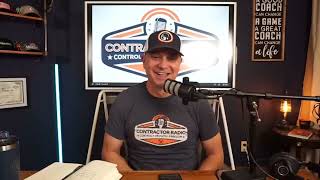
Paul Reed, owner of Northwest Roofing, talks about his 30-year career, his recovery from addiction, and founding Roofers in Recovery. He's now planning to open Hope in the San Luis Valley, a rehab facility for people in the roofing industry.
Chapters
Hey, everybody. It is Jim Johnson, your host of Contractor Radio, founder of Contractor Coach Pro, and author of the Contractor's Blueprint, where we're here to help you get control of your business so that you can grow your business and achieve that personal and financial freedom that you've been chasing since you started your business. There's a certain amount of things that we need to do in our businesses, and they need to be done in order to. In order for us to achieve that freedom. We teach that, we help with that, and we hope that this show helps you guys get a better grip on that. And one of the things that we struggle with as contractors is we sometimes make some money, like we make some pretty good money to this. And then maybe the wrong crowd influences us and we make some bad decisions. And we're going to guest on today that we're going to talk about what that looks like and then maybe some ways to avoid it and if we don't avoid it, what we could do about it. I have a lot of respect for this guy. I've gotten to know him pretty well over the last few years, and to see him plant his flag on morals and ethics and the way that we should approach it in this industry has been awesome to watch. And I can't wait to get on with him for a few minutes today while he's sitting in a hotel in Fort Myers, Florida, down doing what he does best, which is helping people recover from a hurricane and needing their roofs replaced. But before we do that, a little word from one of our amazing sponsors, Atlas Roofing Shingles. The Atlas Pro plus contractor program is designed to help you build your business. It gives you tools and resources, training, industry insights, bonus structures, technical knowledge, the brand, power and science of 3M Scotchgard, and what we think is the best product and warranty in the industry.
Become part of the family that is.
Succeeding and growing their businesses. We went from nobody ever heard of us to the number one roofing company in our region.
And we've gone from 12 roofs a year to 2035. And we did all the over 400 last year.
We're on track right now to do.
1,000 roofs this year.
You'll begin earning Atlas bucks and rewards as you move up to even greater reward levels. Becoming Atlas Pro today. All right, guys, that's a little word from Atlas. If you haven't checked them out yet, get with your local rep. And one of the things we like about them is the amount of energy they pour into you as a contractor to help you succeed out there. In the field, and then also this idea of being able to be a bit unique in your field so that you can separate yourself from the market. Go check out Atlas Roofing Shingles. Find your local rep and let them know you heard about it on Contractor Radio. Now today we're going to be talking with a very special guest, so a guy that's really, like, one of the pillars of our industry as far as I'm concerned, and he is the owner of Northwest Roofing and founder of Roofers in Recovery. Hey, Paul, it's great to have you here with us today on Contractor Radio. You have been a guy that's been an amazing influence today through our industry, through what you've done over your history. You've been in this a long time. How many years have you been in it now?
I'm actually celebrating my 30th year in roofing this year. 30 years.
Good. You've got me beat. This is my 24th or 25th. I got to go. Look, it's 25th. This is my 25th year, and there's not too many guys that's got more industry years than I do. So it's going to be awesome to talk to you today. We're going to talk about some kind of tough things, some things that this industry kind of puts us in position where we can make some money, sometimes do pretty well. And when we make that money, we kind of get opened up to all these opportunities and things that go on out there. And if we're running with the wrong crowd or influenced by the wrong people, we may make some bad decisions. And I think that's something that you could give us some insight on, maybe give us some caution on, and then help folks with our podcast today to understand some of those trapdoors that are out there in this industry. So could you do me a favor real quick? Just give us a brief history, like how you got into the industry, and then bring us up to speed to where you are today.
Great. Yeah. Thank you, Jim. So, you know, ironically enough, I actually got into the roofing industry because of drugs and alcohol, as odd as that sounds. Thirty years ago, I grew up on a farming ranch in southern Colorado, and really, I had every intention of just, you know, farming and ranching and driving a truck, you know, my whole life, like my. Like my dad and his dad and, you know, uncles around. And I had a cousin that was a roofer, and he had started a roofing company there, 30 miles away from us. And he actually, you know, the old story that you hear where they get the first check and go and spend it on. On. On something they should have, shouldn't have. And he got arrested. It was actually the sheriff's house that he took a check from, and he got arrested for still in the check. And my dad had always kind of taken care of my cousin, and he had asked me, he goes, hey, instead of, you know, going out farming ranching today, go help your cousin put this roof on. He needs your help. I'll pay you. He don't have any money. And I went and bought. You know, my dad went and bought the material for the roof. I met my cousin there, and. And we. We did this man's roof. I'd never been on a roof in my life, and oddly enough, I loved it. I loved being on a roof. I loved the whole process of tearing it off and then building it back and, you know, kind of the seeing what you had accomplished in a day or, you know, I'm sure at that time it was just me and him, so it probably took us a week to do, you know, a 30 square house ourselves. But I love that process. And to be honest with you, I was sitting up there drinking beer and smoking weed with my cousin, and I was like, man, this is the greatest job in the world. So that was my introduction into roofing.
How old were you?
I was 18.
Holy cow.
Yeah.
And you, like, this is odd. Like, it sounds like manual labor. It's hot and sweaty. It's up on a roof, kind of dangerous. It could be. And you liked it. You don't hear that story very often. It's pretty uni.
No, I absolutely loved it. And, you know, I've always taken a lot of pride in, you know, the. The work that got accomplished that I was part of. You know, I'm kind of that guy that drives around in the neighborhood and goes, I roofed that house. I roofed that house. We did that apartment complex. We did that building. I. I still do that to this day. But I always taken a lot of pride in, you know, in my work and our work that the company has done. But I just fell into roofing, you know, 30 years ago and so forth for the next 15 years. I was actually, you know, working with my cousin and eventually started my own company a year or two later and, you know, just. Just did roofing for 15 years. So I was actually the guy that would go out and I'd get a lead from, you know, the yellow books, the yellow pages. We had ads at the yellow pages. They would call you go, give them an Estimate and you know, all retail. And I was the guy that would do that and go put the roof on myself. Fifteen years later, found myself in a, in a drug and alcohol treatment center for a meth addiction. And you know, looking back on at it, just kind of that typical common story of, you know, really just kind of started out drinking a little beer and smoking some weed and you know, eventually tried a little bit of harder things. And before I knew it, it, it, it had grabbed me and I had a 15 year run with that and moved to Denver and kind of made a promise to myself that I would never go back because, you know the pitfalls of being around all that and because the guys that I was with back then, they're, if they're not dead, they're still doing it. Where was Southern Colorado? Down by Alamosa, Colorado.
Oh yeah, Small community.
Yeah.
Great sand dunes. Yes. So instead of Pete in a pickup, it was Paul in a pickup. One man show, like sell it, estimate it or the materials and put it on.
Yes.
And so, so made some bad decisions, go through recovery at that time, at that 15 year mark.
Yeah, you know, I finally had had enough. I really, I didn't think I was really a drug addict. I just knew that there was something wrong with, with me because I couldn't stop using drugs. But to me, drug addicts didn't have a job and you know, we're homeless and you know, blah, blah, blah. But at the time, Jim, I weighed about 160 pounds. Today I weigh about 235. So, you know, literally twice the man I used to be, but I weighed 160 pounds. And I called my sister just out of the blue one day and I was like, I need help. And next thing I know, it was bad enough that I was actually in a mental hospital for three or four days before I got into treatment, into rehab. So I went to a 30 day treatment center in Denver, Colorado. And after that I've just done the deal and stayed sober ever since.
That's pretty amazing. I mean, there's a lot of folks that the first time they go into recovery when they come out is like right back to it.
Right.
Do you have any insight into why that might be? Is it because the thing that sounds different about what you did is you were in Alamosa, went to Denver, went through recovery, came out, went. I'm not going back there, I'm going over here. Like you tried to avoid maybe that group.
Well, I did there, there was something they told me in rehab and they were like, you know, hey, there's only one thing that you need to change in your life, and that's everything, right?
Which makes no sense.
You know, you're like, okay, I'll change one thing. But then they're like everything. And you know, a lot of people, I think, I think really I'm pretty blessed because, you know, I did, I did have young children. I was divorced and, and they were, they were living with their mom and I had to have a conversation with them, you know, at one point and say, you know, hey, obviously dad's not okay and I've got to go over here for a while. Right. And my kids were, you know, very young, but they also understood and they preferred that I do that as well. So I'm very fortunate that I was able to not have to go home that, you know, my ex wife was, you know, raising the kids. So it was, it was a very hard choice. But I, I see it happen a lot to a lot of people and that's, that's pretty extreme. But you know, some guys get a little bit of sobriety or we, we send them to rehab and you know, we warn them like, hey, you know, all your old friends, like, you have to lose their phone number because you just fall back into it. You know, you could do good for a little bit, but that, that trap. And so we, so what we really push for, guys, is like, you know, how can we help you literally change everything. You know, there's. Sometimes you're married to another addict and we're like, hey, I know you probably think you love her or may love her, but maybe you shouldn't be together right now. It's. It's a tough deal.
Yeah. So there's something for like changing your environment, right? Like, hey, this is my environment. I gotta change that in order to, to, to make real change in my life, you know, it doesn't sound like the common route. Like you were kind of high functioning, I guess Attic is what we would call it. Like you were able to keep your job, do your, do what you need to do, make a little money. Where a lot of people go a different route. We all have this perception. Or am, or am I wrong? Like that my perception's off?
No, I mean, I was pretty, that was the issue. I was a pretty high functioning addict. You know, I was on cocaine for years and I still ran a very successful company and I had over 60 guys that worked for me.
Wow.
Right. And, you know, we somehow made it work. But I got on meth and a year and a half later, I was in a mental hospital. You know, meth method took me down pretty, pretty darn quick. But, you know, I didn't think I was a drug addict because I was never out begging for $20 of drugs. And the only reason I wasn't was because I thought I was smart enough. I thought this was a smart idea, but I was buying it in large quantities and selling off half of it to support my habit. So I was literally, you know, dealing drugs and using the profits off of that to support my own habit. And because I never had to go beg anybody for $20 of drugs, I wasn't an addict in my mind.
The other thing that strikes me as, like, odd is there wasn't, like, this pinnacle moment where things change. Like, you made a phone call. That was the moment. But you didn't go to jail or prison or any of that. I mean, or did you?
No, I didn't. There was a moment. I say it, by the grace of God, I was never arrested, and I should have been. I literally drove, you know, under the influence for 15 years. But what. What actually had happened, Jim, was I was roofing a house, and I ended up shooting my kneecap with the nail gun when I was doing the ridge cap. And I somehow.
Every roofer shoots himself with a gun. Yeah, once.
Well, I had. I put it into my kneecap, and a guy that was with me on the job ended up pulling out. Pulling out the nail. It was an inch and three quarter ridge. Now. He pulled it out, and I just went back around my day and went back to work and, you know, whatever. Three days later, the lady that I was with at the time, she looked at my leg, she happened to see my leg and goes, what the heck's wrong with your leg? And it was very, very infected. And so I was. She was like, you need to go to the hospital. So I went to the emergency room. No, I went to the doctor. And the only reason I really did was because I thought that I could probably convince him into giving me some pain pills. And then I was like, oh, I could sell these pain pills. So when I went to the doctor's office 30 minutes later, they actually had me in emergency surgery to help save my leg.
Wow.
Yeah. So I woke up from that surgery, and I had a pretty traumatic experience. During the surgery, my body literally shut down because I hadn't slept, you know, or ate or anything for a long time. And I think my body wants. Because obviously I didn't tell them I was, you know, a meth addict. And under the Influence. I'm sure they probably could look at me and tell I had something going on, but I actually, my body just kind of gave up and was like, let's rest. And so they had a really extreme time trying to bring me back out of the surgery. And I, I remember I had, I don't know what you want to call them, like, vivid dreams or whatever. When I was in surgery where I literally seen my body leaving. I was above my body, like, going, and I'll never forget, I mean, I have chills right now talking about it, but I'll never forget just crying and begging God, like, I'm sorry, like, let me go back. Like, I'm, I have kids and don't take me. Like, I knew I was going and where I was going, I could feel wasn't a place that I wanted to go to. Like, there was a complete darkness and just tear as I was going. And anyway, I came back and they, they put me in recovery room and they put me in a hospital room. That night I woke up and I literally took out all the IVs and left the hospital, went, got my pickup and drove away and went, got high. Three days later is when I kind of had a mental breakdown, really, and called my sister and was like, I'm not doing good.
Like, so that, that was, that was really the thing like that, the whole experience in the hospital and probably weighing on you because after you got out, you went and got high right away. And when you cleared up from that, you went, what the hell did I just do after what I just went through? Oh, man, I think, I think that's kind of what it takes. Am I wrong? Like, I, one thing about me, thank God, I don't know why, because I've definitely been around the wrong influences in my life. I've never gone down that road, so I can't really put myself in those shoes. But is that, is that a similar story to most, that something pretty awful like, has to happen before you go, okay, I'm going to do something about it.
There really is. And we call it your bottom finally reaching your bottom. And, and some people, you know, have an unbelievably extreme bottom right there. There's so many people that have a similar story to that, but they keep going, right? And, and, you know, you would think, well, wow, that has to be their bottom, but it's not. They have extremely low bottom. And that was my bottom, right? I, I, I hit that. And yes, it took me another three days to, you know, try to. That was my Bottom. And I feel from my experience of being around, you know, addicts, you know, literally every day is at some point they have to get true recovery. They have to hit that bottom and be like, okay, I'm done digging. I'm going to start climbing up.
Yeah, man, that is. And sometimes they go the other way, too. Like, they hit bottom and then they just never come back from. They just stay there. Every day is. That's the existence is the bott. You deal with it. Whenever you're walking around in a large city, you know, people begging like you were talking about, like, everybody thinking that's what an addict is. I think that's an addict at the ultimate bottom that probably doesn't have this next step coming for them.
Right.
So you. 15 years go through recovery, been clean ever since, moved to Denver. Is that when you got involved with Northwest Roofing?
No, oddly enough, I got. I took a recommendation from one of the counselors at my drug treatment center to go to work for a company called Total Home Exteriors. And. And they were a pretty large company in Denver at the time. They would. Originally, they're from, like, Minnesota, I believe. And I went to work with. With those guys. I was there for three years and worked my way up from actually being. When they first hired me was day 31 of my sobriety. First day I got out of rehab, and I worked my way up to being an actual partner in that company three years later. Yeah, I just. I didn't. I went to AA meetings and worked.
You came into it with some experience, too. Like, hey, I built this other big company. Like, I can. I can help here. That's pretty cool.
And so just kind of worked my butt off and kept my nose down and went to work. And three years later, myself and the gentleman that I was partners with got cross and we had a pretty bad business breakup.
Those are worse than divorces. Like, I'd rather have a divorce. I've been through both. And, like, the divorce was way easier.
Yeah, I have to. And it was not easy.
That's a piece of advice, though, like, for contractors out there. You know, if you're in a partnership, you got to realize, like, you're married. You really are. You're married to that person. And finances tends to be the key thing that messes up relationships, whether that's business or merit. Was that what it was, was a financial thing that kind of got between the two of you?
Yeah, yeah, it absolutely was. You know, and hindsight, you know, originally, I. All the blame. I put all the blame on Him. Right. But in hindsight, it was, you know, it was a mutual thing that we were both, you know, just kind of had our own ideas and different directions and kind of greed came into place on. On both of our edge. And, you know, we split, and it was, you know, pretty. Pretty devastating, right, because I. Boy, I'd really climbed the ladder. I had thought, you know, after, you know, my. My issues with. With drugs, and next thing I know, I'm like.
And I'm gonna say, it didn't come out your way financially very well.
No, no, I lost. I lost, like, 1.6 million. So.
Yeah, that's smart.
Yes.
So now is. When we get to Northwest Roofing.
No, it gets better. So I decide. So Kim and I decide, like, hey, let's just. We'll go do our own thing. And, you know, that's just what it is. And so we went back to Alamosa, where we're originally from, because I knew that the whole San Luis Valley was filled with T locks, right Back then, there was a lot of T locks around and over the old game, if there was one missing, basically, the insurance paid for. Paid for the roof. So for 30 days, we ran what was called Paul Reed Restoration. So started. Started up Paul Reed Restoration, and In the first 30 days, we sold over a million dollars in roofs, and things were going really, really, really good. And oddly enough, Tom Brown, who is now my partner at Northwest Roofing, called me out of the blue. I had met him years before. We weren't even friends. I'm going to say we. We had had some dealings with Northwest versus Total Home, and we were kind of. Back in the day when you kind of had enemies out on the streets. You remember those old games of door knocking? So I wasn't the biggest fan of Tom Brown, and he called me out of the blue and was like, I don't really know why, but something prompted me to call you, and we need to talk. And I was like, what? You know, because I was still mad at him from years before, and he goes, we need to partner up. And I'm going, dude, I just came out of this bad breakup here, right? I just came out of one bad marriage, and I just lost, you know, millions of dollars here, and. Yeah, right. Not going to happen. But I said, I'll pray about it. And he's like, okay. And I did. And the answer was like, you guys should work together. And it didn't make any sense. Right? And sometimes it still doesn't. Right. But it. It was meant to be. You know, my. My Prayers were answered of like you guys are to do things together and, you know, go from there. So that's the start of Northwest Roofing with myself and Tom.
And you guys built a pretty good company like he was.
Yeah, yeah, he was. You know, at the time when he first called me, he was already running, you know, 8 to 10 million a year, successful, had, you know, really good sales guys, and they were doing a great job. So he. He didn't need me to come in and be a partner. Right. And I didn't need him to. To be my partner.
But he didn't want another total home out there. That was what he. Like, I gotta get it before he gets rolling too far.
Could. It could have been. But, you know, I. I just. We were put together and we've. We've grown it ever since.
That's pretty awesome. That's one of those, like, you know, reclamation story type things. You know, you probably write a book about it at some point. Have you thought about that? Like writing a book about this whole thing?
I really want to write a book, and I just haven't taken the time. Right. I need to do it, but I just have not taken the time.
Yeah, you and I have sat and talked and had a few stories. I'm like, those stories from back in the days, those are classics that'll never. I don't think they'll ever be beat. So let's talk about how the other stuff came into play. Like, you've been roofing, you had your business, you went through recovery, new business, Northwest Roofing. And it grew. Like, you guys grew that thing pretty good. Like 50 million. Am I off on that? We're close to that. Less.
Yeah. Little less. Yeah. Yeah.
Okay. So forties and. Okay.
Yeah.
And all of a sudden I'm aware of who Paul Reed, and I didn't know who he was. I knew of Tom. Like, I had met him before because I was selling ACCU links and software and stuff, but I didn't really know you. You and I hadn't met through that. And then all of a sudden you're like, at all these events, you're attending them at first and then you're speaking at them, and there's starting to be some awareness of who Paul Reed is. Was that intentional or did it just happen by happenstance? Like, because we didn't do that before. None of us did. Like there didn't exist. There wasn't all these conferences and influencers and blah, blah, blah. I hate all that stuff. I think you do too. But there's a part of it where I think we, we come from this angle. I want to share and help. And so, so what prompted it? Was it intentional?
It at first? Absolutely not. It was just, I, I, I did realize at one point that, hey, there's other companies out there, other people out there that are doing things right, and I should probably pay attention to them and learn what they're doing as well. Because, you know, when I got to Denver 15 years ago, like, everybody was your enemy and you didn't speak to anybody. Like, you know, I remember big gang war out in the streets with total home and, and interstate, you know, Scotty's company. That's how I met Scotty Ryapel. Like, you, you didn't pay attention. Like, you just hated everybody.
Are we talking like a literal fist fight, like, gang?
Yeah, yeah, yeah, yeah.
This industry, man.
Yeah, because one of my guys stole the $6,000 roof from one of his guys type deal. But that was a common, common thing back then, you know, in Denver. But I, I started just kind of going, hey, there's got to be more out there. Right? And so I started going to the conferences. And then, to be honest with you, after going to a few conferences, I don't know if it, I'm not going to say it was my ego, but there was a lot of stuff that was being preached on stage that was like, that's wrong, that. And I think I could teach that better or explain that better or be a better example of that. And so at some point, there was kind of some intentionality behind it of going, I think there's a group of people out there that, you know, I have a story and a past and a history and some experience of doing this, and maybe they need to hear from me. So there, there was some intention. Yes.
Yeah. And there's, there's like the dark side and the light side, maybe two different cultures that go on in this industry, and they're pretty. Like there's not many in the gray. I don't think, as I. You either are or you aren't. Or do you see it that way or are there a bunch of people in the gray trying to figure out which side?
I 100% think that there is the, the dark and the light that you want to call it. Right. And, you know, listen, I used to try to go to a lot of the, I mean, I hate to say it, right, but go to a lot of the dark because I was like, I, maybe if I'm the light at this dark, this is going to Bring people back over there. And you know, I think it did for a lot of people as well. But it also put a bad light on me going, why? Why are you associating with those guys? You know, the first few years, I think I might have been a little naive and was like, you know, whatever, it's not a big deal. But then at some point I realized because I don't think most people realize how many people are actually watching them. You know, if I see a Jim Johnson at this deal, I'm going, well, Jim supports it.
Yeah, no kidding. I went to the event we're talking about once and I went, never coming back to this, because no matter how bright of a light I can shine, that culture is there and I'm not going to change that culture from the outside Now. I can influence the people that I talk to and I can influence an industry by putting my content out. But at somebody else's thing, it's hard to shift what their culture is. And I mean, more power to them. Like, if that's what you want to do, go for it. Good for you. Just not my jam. And I got a lot of flack. I think that was the first time you and I met was at that. Yeah, yeah. And I, and I caught a lot of flack from my clients. Like, dude, what do you. I thought we were different and maybe you're the same. And I had to kind of explain like, yeah, I was asked to be here because they wanted somebody like me here. And then everything got sideways. Well, that's not what we're here to talk about. What I think is more important about that is this people are always watching you, no matter who you are. Like whether you're a small company, a big company, an influencer or non influencer, you still have your measure of people that are paying attention to you and watching you. Especially if you own a company, that you're their leader. And if you do something outside of what you say you are or outside of your behavior, like I say I'm a strong Christian, I say I'm a man of faith. I say that ethics are important in this industry. Being professional is important in this industry. And I show up at an event that doesn't seem like that I'm going to get questioned. So I have to be on my guard all the time. Once you plant your flag like that, you boom, this is who I am. You have to really question, what am I going to do and what am I not going to do? I'll never forget being on Dimitri Lipinski's. Show and him asking me about Vegas. And I told him, I'm never going back to Vegas. He's like, what? I said, I mean, it's called Sin City. Like, I can't go there. I can't go be a part of that. He goes, well, you can go be a good person in. I'm like, no.
I just.
It's being in one of those cultures that doesn't quite fit. And so people question.
You're so. You're so right with that, Jim. I had a hard lesson of realizing that people are watching where you go and who you support.
Yeah. So you go to these events, you start to make a bit of a name for yourself. And I noticed right away, like, this dude isn't like the other dudes. Like, he's got some emotional intelligence. He's professional. He. He knows the industry. Obviously, that's not something I questioned. He's got great leadership skills. And so it was kind of natural that you started to attract people to you, because, like I said, we all have our measure. And. And not to be egotistical, but you're known now.
Right.
Which. Were you cool with that or not cool with that?
I think when I first realized that I was known, it actually scared me because I was still trying to deal with, you know, just mental stuff, you know, from getting sober. And I. I kind of had this. This complex. I can't remember what they call it scientifically or psychologically, but where I felt like I wasn't enough.
Imposter syndrome.
Yes. Yes, yes. That's it. The imposter syndrome. I was terrified I would be on stage in front of thousands of people. People. And I was. I knew someone was going to stand up and. And say, what are you doing up here? Like. Like, I know who you really are. And I battled that for a long time, you know, and literally had to work with kind of a mental coach to overcome those things. But I. I will say this. Like, I. One of my problems that I had as a. As a young man and. And for a lot of my life was, like, ego. I was the most cocky, crazy person, but I was also yet the most insecure. So one thing that, when I got sober and I learned through AA was I really always had to keep my ego in check. And so there has been times where, you know, people run up and they're like, oh, my gosh, you know, I want to meet you. And, you know, you feel like you're freaking Joe Namath. Right. Like, for a little bit. And then you have. And I Know you get that, too.
Like, it's Jim Johnson.
And I've always really worked on making sure my ego doesn't allow me to. To do that, because I have seen other leaders and if you want to call them leaders in the industry where people have approached them. Yes, yes, yes, that's it. The imposter syndrome. I was terrified I would be on stage in front of thousands of people, and I was. I knew someone was going to stand up and. And say, what are you doing up here? I know who you really are. And I battled that for a long time, you know, and literally had to work with kind of a mental coach to overcome those things. But I will say this. Like, I. One of my problems that I had as a young man and for a lot of my life was like, ego. I was the most cocky, crazy person, but I was also yet the most insecure. So one thing that when I got sober and I learned through AA was I really always had to keep my ego in check. And so there has been times where, you know, people run up and they're like, oh, my gosh, you know, I want to meet you. And, you know, you feel like you're freaking Joe Namath, right? Like, for a little bit. And then you have. And I know you get that too.
Like, it's Jim Johnson.
And I've always really worked on making sure my ego doesn't allow me to. To do that, because I have seen other leaders, and if you want to call them leaders in the industry where people have approached them and they wouldn't even give them a time of day. And so one thing I've always worked on was going, if someone comes up to me and wants to talk to me and shake my hand and meet me and do whatever, I'm going to be where I'm at, and I'm going to give them two minutes all in, right? Because I've seen people do that, and it drives me crazy.
That's actually something that I really appreciate about you. We lost a really good guy in our industry this last week in a playing. He was like that to Dustin Begler. He. He didn't shy away from you. And I mean, pretty much famous like that guy, right? But he would always take time for you. And that's a really good point for you leaders out there, people aspiring to lead. When you make it, don't forget where you came from. Like, seriously, keep that humility about you, and people will be more attracted to that than your BS ego that you think you're. The second we talk about this all the time, Chuck, Toki and myself, about sales guys, right? And you could probably attest to this the second you put yourself on the pedestal, like, I know everything I need to know and I'm the top dog. You can pretty much guarantee that guy's going downhill. Like, we'll see him later, it's over for him. When you can't tell him what to do anymore, when you can't help him, when he's like telling everybody else they need to help him because he's the top sales guy, that's when I go, yep, that guy's done. Do you agree?
Oh, 100. I. I've seen it a hundred times. I see guys flashing the pan in the roofing industry that get put on stage that are gone.
The worst part about it now, though, is like, they have one of those great, like, years and they go sell a bunch because they got a storm. And, hey, I'm a million dollar sales guy now. They're coaches. Like, I got all kinds of competition where those guys are like, hey, I'm a coach now. I can teach everybody how to sell and run a sales team and all that stuff. It's been kind of humorous to watch, and I'm all for it. I think times like what we're going through right now with this recession, economics will kind of clear that up. But it is what it is, right? Like, anytime you're into something that is perceived as good, I think people jump into it. If the barrier is small, that's what roofing is, small barrier, everybody jumps in it. You can make a big profit. It takes a little bit more than that to get into it. And same with the whole coaching thing. And just so everybody knows out there, to be very clear, if you want to make money, contracting is a lot more beneficial than coaching. I wanted to make money, I go do that immediately. So, Paul, all this happens. It brings you, like, to this level of influence. And I noticed there was a change in you. Like, you went, this stuff isn't feeling good. I want to do something that I think is something missing in our industry. And I'll never forget you guys putting on storm into a new era. I think that was the point where I went, maybe he's not full of, like, maybe he is like, like serious about this thing. And I was honored. Honored, absolutely. To come and speak at the event, be a part of it, be engaged in it. And I went, hey, you know what? These guys are really trying to do it, right? Not just from a business standpoint from, but from a human Being and spiritual standpoint, it, I, I don't know if that could ever be replicated again. That very first one was just different. Do you, do you agree? This last one was great, don't get me wrong, but that first one was just like, wow, that's the first time I've heard that many people talk about God.
100%. I don't think it could ever be replicated. And it was at the right time, the right place, with the right people there. Right? Like, I wish there would have been a football stadium full, right? But there was 250 people, the right people in the room. And it was, you know, one of the most powerful things I've, I've ever been part of. And that, that came directly off of, you know, being at other events, that it was like, there's gotta, there's gotta be other people out there, you know, that have the same ideals and same thoughts and want to do things different.
Well, I think the best part of what came out of that was there was a, there was now like clearance given. There was like, hey, it's okay to talk about God. It's okay to talk about ethics and morals and business. It's okay to not talk about all the taking advantage of the insurance company possibilities for supplementing under the sun. It's okay to talk about those things, about being a good human being. And what you guys created was this. Since it was okay, everybody could go talk about it. And I think that's the piece that not a lot of people click to from that event is you see the Eric Oberams, myself feeling clearance to like go and talk, like, hey, it's okay to talk about this stuff. And I just want to say thanks for that. Thanks for doing that. And what I think that's done for the industry since that time, there's more and more, but I feel like there's this welling towards being professional, ethical, and faith is okay, which I don't think is a bad thing. So after that you're like, okay, that was pretty cool. Well, let's start a nonprofit. So tell us a little bit about that and what spurred that? Why did that happen?
100% roofers and recovery, 100% came from going to a conference in Vegas. And one guy unfortunately passed away in a hotel room. And then a very good friend of mine, that I actually was his sponsor, he went to the conference I suggested. He didn't go, but he went. And within an hour he was drinking and getting high and he went on a three day run and either jumped Fell or got pushed off of a 40 foot overpass and literally died. I think three times. He was in the hospital, I think for about 45 days or so. And when we, when we left there, it was like, hey, we need to really kind of give back. And what did that mean? That meant like, okay, there, there needs to be a place kind of a, I hate to use the word, a safe place for, for people when they go to these events. Because you know, what are most drooping events, they're pretty alcohol fueled. Right. Even, even the calmer ones. Right. There's a lot of booze flowing and, and why, you know, manufacturers and suppliers, they provide a lot of booze. You know, it's just kind of part of the business. And so we wanted to kind of create a meeting to where, you know, you knew that there was other people like you that were struggling and you could hang out with those guys instead of, you know, going out to the, to the after parties or doing whatever. So that was the start of it. And then from there it was a phone call. I called Eric one day and was like, hey, want to start a deal? Let's. I'll put in ten grand, you put in ten grand and let's send somebody to rehab, you know, in the, in the roofing industry. And so that was the start of it. That time. It was a nonprofit. We just, you know, thought we would have a charity and send some guys.
The Paul and Eric charity.
Yeah. And so very quickly, you know, with, with, obviously with, with my wife Kim, we started, started the Roofers and recovery and, and how to get official and hire a lawyer and spend a bunch of money to, to get qualified and make it a 501C3. And so from there that was the, the start of Roofers in recovery. And the intention of Roofers in recovery is to, you know, have a group in our industry that, you know, it's okay to be sober. It's okay if you're having an issue like, hey, we're here to help. And so what we do now is we get notified either by the owner or a boss or friend or a spouse that hey, this person is struggling. And we get on a call with them and kind of interview them and kind of go through a few processes and if they qualify, which, you know, most of them can or will, we, we send them to a 30 day in treatment center that we pay for 100%. And from there we kind of try to mentor them and sponsor them and get them involved in our, in our Rupert recovery group, keep them Keep them.
On the straight and narrow. Like, the 30 days is great to get them. What's the right word for that? Is it just to get them clean?
It really is. Because to be honest with you, the first 20 days you're kind of recovering, you know, you're getting some sleep and some food and getting your mind right. And, you know, day 31 is really when it starts. Yeah, I'm out.
What's my next version?
Yeah. Yes.
And a lot of people make poor decisions, so roofers in recovery really is the outlet to hopefully keep those decisions on the straight and narrow. Is that a fair way of understanding?
Really is. Because we all kind of look for commonalities, right? Like, we don't want to feel alone. Like, none of us want to feel alone. And the cool thing about roofers and recovery is, you know, we all have like trigger points. You know, how many times does someone get upset because, well, this homeowner is mad because the drip edge color is wrong and she won't pay the last eighteen hundred dollar check. And so you go get drunk or high. Right. But go tell that to a normal person and they're like, it's not a big deal, you know, whatever. But because we all have like these experiences, we're in the same business, we have the same issues. Mrs. Smith is mad at us for this and this guy did that and, you know, the crew caused a leak and blah, blah, blah. There's a phone call. I called Eric one day and was like, hey, want to start a deal? Let's. I'll put into. And so it's just like we're a group of, you know, common minded people that are searching for, you know, recovery and to stay, you know, clean and sober.
Yeah. And it's been awesome to watch. We, we've been fortunate and honored to help with that as much as we can. Whether it's, you know, straight up giving, helping you guys promote something that you're. You're about. And last year you guys came up with this idea of National Roofers Day.
Yeah.
I was like, oh, what's that? Tell me more. That sounds cool. Do it. Do does. Do all the employees of the roofer like, celebrate the owner? Is that the deal? Like, we're gonna have like boss's day, but it's roofer day. Or do we go like, go celebrate the guys doing the actual work? Like, go celebrate the crew? I super excited. And then it was like, no, no, we're gonna take all your profit from one job. Right. On a specific day, we're going to take all those profits and we're going to help a bunch of people recover. I'm in. What do we got to do to help promote this thing?
You guys were awesome last year. Thank you so much.
Where'd you guys come up with that idea?
I, I do not remember. We were talking about, you know, fundraisers because, you know, we are a nonprofit, so we rely on, you know, obviously a lot of our own individual money, but, you know, from, you know, getting donations from people in the industry. And we were really kind of considering, like, how can one, how can we get our message out there? A lot more, you know, how can we, you know, so this goes all across America. So everyone in America knows, number one, how do we get it out? Number two is how do we, you know, raise money? And so we did, we came up with the idea of like, hey, let's have National Roofers and Recovery Day. Which let's all try to, you know, we, we could kill two birds, one stone. We could promote it because it's going to be all over social media of different people building roofs. We had a few companies, you know, they were able to get their news channel out and do like feature article and five o' clock news about Roofers and Recovery Day. And then, you know, obviously it's, it's our biggest fundraiser of the year.
Yeah, I would imagine, like. So did it turn out well? I, I didn't get like the report afterwards. The goal, I think was to do a hundred roofs. Is that the way it was or.
Yeah, I mean, and to be, to be honest with you, it got about probably 30% of the participation of the guys that originally signed up. You know, I was a little disappointed, just to be transparent with you, some of the guys that committed and didn't go ahead and go through with it, which, you know, I get, you know, some, some people had some tough years and they were like, I need a couple thousand dollars and can't afford to do it. But it did go pretty well and we were able to raise, I think about a hundred and between 150 to 200,000, which sounds like a lot. That's like, sounds like a lot. It's. Yeah, right, it is, it's only 10 guys. And you know, we've, we've sent now over 50. So it's, you know, you could do the math. It adds up. And it's super expensive, you know. Yeah, and our, and our give back, our give back rate because like our give back rates actually about 98%. You know, we got a little Bit of admin costs and you know, website and that type of stuff. But you know, as far as a non profit, you know, a lot of non profits are only 50, 60, 70% give back and we're, we're 98%.
So that's, that's one of the reasons why I'm, I'm so supportive. I always look at that stuff wherever I'm giving of charity and stuff. Like what's the give back rate? And if it's not Normally at least 80 or better, like I know bigger ones, they gotta have people running it and all the other good stuff. I get that part of it. But if it's, you know, we're, we're sending out 10% of it and keeping 90, I got a problem with that one. It's not exactly the, what the intent was. So first off, whatever you, any way that you feel like we could be of assistance to hold people's feet to the fire and actually get that thing done, I'm, I'm willing. Okay. Like I'll throw it out there. I'll, I'll make everybody look bad if I have to. Like, if you give your word on something, do something regardless. Right. I do want to throw something out there too. And I, this is just spur of the moment. I wasn't going to do this. I wasn't planned or anything like that. I'm sitting here going, hey, we did something like this in the past. I want to do it again. Everybody that comes to our top rep event that uses this code that I'm about to Give, which is RIR200. So let's save 200 bucks off of top rep sending their sales guys to it. We'll give another hundred dollars to roofers in recovery. So, you know, we, we get quite a few people. I'm going to put that out there. It'll be in the show notes today. I'll put out a post about it today. If you want to share that, you know, everything that comes off of that, we'll, we'll throw a hundred bucks at that. And then we want to be a Participant on is June 2nd, National Roofer Day this year.
June 2nd, Friday. Yep.
Our participation won't be like a roofers. I don't think I like. I know you guys do pretty well, but we'll, we'll take the profits for a day. All right. We'll take a profits for a day. Not just a client, but a day and say, hey, let's put that towards roofers in recovery. So we'll, we'll be part of that. We're not even a roofer, but we, we do help in this industry and I think, I think industry partners should be up for this. Like the, the healthier and better we can make the human beings, the more that they're going to be companies that we want to work with. So I'm good with that one. Now the last thing I know I've kept you for a while here and I don't want to take your whole day, but like you didn't have enough to do already. I got this roofing business, I got Sturman in the new era. We were doing that. We gotta, we gotta go to Florida and help with this hurricane and we got this roofers in recovery thing and then we got national Roofers Day. And hey, you know what, While we're at it, let's go and do. Share with us, Paul, what that is.
So we are so blessed and fortunate to be able to announce this, but well, with Christmas day, I think it was Thanksgiving ish air time. We my old hometown in Alamos, Colorado, we passed by a location that it was an old youth track center which meant it's for juvenile delinquents and it closed down about three years ago. So the building's been set and vacant and it's 30 bed unit. And we were just. It just really kind of got put on us that would be ideal location for a rehab. So we actually went through the whole process and met with the county commissioners, all seven counties in the San Luis Valley. And we are pleased to announce as of January 18th, which I guess is tomorrow.
I was gonna say, isn't that tomorrow?
Yeah, that is tomorrow. We are closing on the purchase of our own facility to start our own rehab center.
So you close tomorrow, sign the paperwork, you get a key, right?
Yes, yes.
And we got to do, I would imagine that place like Pristine Castle and the whole biz. Beautiful.
It's okay. It's got a gel vibe to it. And so our intention is to. We're going to have about 250 to $300,000 in remodel. We really want it to be a nice, you know, state of the art, top line facility. We partnered with a lot of great people across the country to, you know, for our curriculum and different things that we need for it. But we are super blessed to be able to open this facility. One thing that will really help us is we'll be able to control our costs a little bit more. And so instead of spending $15,000 to send a person the rehabs that we're currently doing, which, by the way, may sound like a lot to a lot of people, but that's cheap. I promise you. If you've ever looked for a rehab, there are a lot more than 15. We have about 250 to $300,000 in remodeling. We really want it to be a nice, you know, state of the art, top line facility. We partnered with a lot of great people across the country to, you know, for our curriculum and different things that we. That we need for it. But we are super. I really think we're going to be able to, you know, according to our business plan and model, we're going to be able to control that cost and really get people in at a smoking deal and just be able to serve a lot more people across the country.
That's super cool. And, you know, when I heard the name like this, you guys put this out last week or the week before? I think it was the week before. And you had like a picture and there was announcement of it. I think Kimberly had put it on her stuff. I mean, I immediately, like sent a message. I got to get you guys on. I want to help with this. I want to bring awareness to this. I want people to understand that this is something that's important in our industry, especially in an industry, industry with easy.
Entry to be able to open this facility. One thing that will really help us is, is we'll be able to control our costs a little bit more. And so instead of spending $15,000 to send a person the rehabs that we're currently doing, which, by the way, may sound like a lot to a lot of people, but that's cheap. I promise you, if you've ever looked for a rehab there, there are a lot more than 15. Right.
It's just what happens in our world when you put easy entry with lots of money. Bad things happen. And for you guys to do what you're doing to help resolve some of those bad things, it's just awesome. I wish there was more of this going on in our world. It's that. It's that hope that it gives me that, okay, human beings aren't. It's not the end yet. It might be coming, but it's not yet. Like, we got good people on this planet still. So January or. Yeah, January 18th, you close. What's the expected like, hey, we'll have things in a place where we could start bringing people in. Any idea yet?
Yeah, we're looking Q3 this year. Q3 this year. And we should be up and Running and fully functional and staffed. And, you know, we're also.
Have you guys thought about, like, reaching out to some of these mission groups and having them come help do maybe some painting and that kind of stuff to get it up to. Up to snuff?
We have not. That's actually a great idea to be able to do. Really think we're going to be able to, you know, according to our business plan and model, we're going to be able to control that cost and, and really get people in. At a. At a smoking deal and just be able to serve a lot more people across the country.
That's super cool. And, you know, when I heard the name like this, you guys put this out last week or the week before. I think it was the week before. And the. You had like a picture and there was announcement of it. I think Kimberly had put it on her stuff. I mean, I immediately like, sent a message. I got to get you guys on. I want to help with this. I want to bring awareness to this. I want people to understand.
We were going to present it to kind of the community and, you know, we've getting a lot of good feedback from them, so. But we're hoping for that. But some of those mission groups I think would be a good. A good source as well. Yeah.
If you need to get in touch with any of those folks, let me know. I got. I know, I know this is something that's important in our industry, especially in an industry with easy entry.
Right.
It's just what happens in our world when you put easy entry with lots of money. Bad things happen. And for you guys to do what you're doing to help resolve some of those bad things, it's just awesome. I wish there was more of this going on in our world. It's that hope people. And I want to come there and, like, help too. Like, I would love to come and help out for a week, get some stuff done.
We're super excited and just fortunate that we're able to. To do this. It's. It's a lot of work and it's a. It's a lot of money and you know, we. We just know it's the right thing to do.
That's cool. So I like the name and I think the name was probably the name because. Giving us some hope in the San Louis Valley. Is that right?
Yeah. Hope in the San Luis Valley. Yes.
There's like a. There's like an alternative to that, though. Like, you're at the bottom of that valley right now. Things are as that it gives me that, okay, human beings aren't there. It's not the end yet. It might be coming, but it's not yet. Like we got good people on this planet still, bad as they possibly can be. This is a place where you can come and find some hope and maybe climb out of that valley of desperation. I was like, I love how that name kind of fit what folks were going through. Was there any thought about that at all? Whenever you guys put it together?
It was, man. Because when, when I was getting sober, I had.
So January or. Yeah, January 18th, you closed. What's the expected? Like, hey, we'll have things in a place where we could start bringing people in. Any idea yet?
Yeah. I literally had zero hope right. In life. And at some point I just had a little bit of hope that maybe tomorrow will be a little bit better. Better. Right. And so hope has been a huge word for, for me in my life just to, just to hang on to a little bit of hope. Like that's what got me through so many days was, was just the hope of whatever. And I think it was so important just for, for people to kind of understand what that word really means and what it does. You know, I mean, there's so many people struggling in life and they feel like they have no hope. But sometimes when someone's able just to give them a little cleaning up. We're looking Q3 this year. Q3 this year. And we should be up and running and fully functional and staffed. And we're also.
Have you guys thought about reaching out to some of these mission groups and having them come help do maybe some painting and that kind of stuff to.
Get it up of something. Right. They're able to grasp a hold of that and, and change their entire trajectory in life. I mean, you, you have to think about what we're doing right now. We're affecting generations.
Yeah. Like, I mean, you're changing the possible outcome down the line for, you know, like you said, generations for forever to up to snuff.
We have not. That's actually a great idea to be able to do.
Hopefully.
Yeah. And we're trying to break generational curses, you know.
Yeah, there's a lot of that out there.
There really is. And, and when you're able to do that, my goodness, think of the people that you can affect. You know, it's just not about the one guy. I'm. I've seen so many guys in roofers recovery. My all time favorite story was we were going to present it to kind of the community and you know, we've getting a lot of good feedback from them, so. But we're hoping for that. But some of those mission groups I think would be a good. Against one guy, like he was struggling and he went to rehab and he's clean and sobered today. And when I see his wife on Facebook, she's smiling and her kids are smiling like that's my old. It's like why we do this, like. And it completely changed these guys's trajectory. I mean, I don't know all the details, but their marriage was good source as well.
Yeah. If you need to get in touch with any of those folks, let me know. I got, I got. I know, I know some people and I want to come there and like help too. Like, I would love to come and help out for a week.
That great at the time.
And he's probably on a path to a broken home, divorce, kids trying to be back and forth seeing their dad go through stuff like that and thinking that that was normal. So. Yeah, I mean, that's powerful. It is just so powerful what you guys are about and what you're doing. I love your focus on it. I love to get some stuff done.
We're super excited and just fortunate that we're able to do this. It's. It's a lot of work and it's a. It's a lot of money and team.
Working together on it and we want to help. We want to help get that message out there. So keep us up to date. We'll make posts out in our world as well. We want to keep this front and center. I don't want it to be one of those things like, hey, there's a bunch of noise about it and it goes away. Consistency wins. And so we want to try and help you make it that way.
We just know it's the right thing to do.
That's cool. So I like the name and I think the name was probably the name because giving us some hope in the San Louis Valley. Is that right?
Yeah. Hope in the San Luis Valley. Yes.
There's like a. There's like an alter Paul if somebody wanted to give to roofers in recovery. So we're getting guys into recovery. We've got a building that we need to invest some money in. What would they do? How would they go about doing that?
So a couple ways. One, they could obviously call me at any time. But secondly. And the quickest, easiest way is to get on roofersandrecovery.org Alternative to that though.
Like you're at the bottom of that valley right now, things are as bad as they possibly can be. This is a place where you can come and find some hope and maybe.
Climb out of that or g. And there's a donate now button. But roofers in recovery.org all right, so.
We got roofers in recovery.org now I'm one of the 200 contractors that's going to give the profits on National Roofing Day to roofers in recovery. Like let's, let's go for it. Let's go hard at this. How do I get signed up for that?
So within a couple of weeks we'll have a link on our website. We're starting that process now that you'll be able to click on that and join it from there. Also at a few of the different events that are, that are coming up. There'll be some such sign up sheets. I believe at April Hall's event that it's coming up. We're going to have that. At Randy Brothers event we're going to have a sign up sheet as well. But there'll be different sign up sheets at different roofing events. Or you know, just call myself or Eric or Kim.
Yeah, don't put your name on there and don't fill out a form. If you're not going to hold on to your word, just don't do it. Waste of everybody's time and effort and energy. You feel the need. God. Valley of desperation. I was like, I love how that name kind of fit what folks were going through. Was there any thought about that at all? Whenever you guys.
It was, man. Because when, when I was getting sober.
I had just talking to you saying, hey, you know what I should maybe give back to this industry that's been very good to me. Might be a great way to do it to serve another human being.
And deductible.
Yeah, like that's the thing too. We, we actually have it budgeted in what we do, like our charitable giving and we're, we're trying to up that every year. And Roofers and recovery is on our list. We got several things that we're about, but you guys are definitely on our list. And we want to help and serve this industry because it's been pretty, pretty doggone good to us over the years.
That's right.
Hey man, I know you're sitting there in a Marriott lobby dealing with vacuum cleaners and people talking. I really appreciate your, your patience.
I know I literally had zero hope right in life. And at some point I just had a little bit of hope. That maybe tomorrow will be a little bit better. Right. And so hope has been a huge word for me in my life. Just to hang on to a little bit of hope. Like that's what got me through so many days, was just the hope of whatever. And I think it was so important.
Just for the listeners. Don't care one bit what that looks like because they got a little bit of time with Paul today. Dude, keep doing what you're doing. Just being an absolute rock star. I love the time that we do get a chance to hang out together. You know, it's not as often as I would like, but we've. We're both after a similar thing. Seeing this industry become a cleaner for.
People to kind of understand what that word really means and what it does.
And more professional than it's ever been. So a lot of alignment.
Thank you, brother. I appreciate your. Your friendship, number one. I appreciate what you guys are doing because you're. You're doing things the right way and there's not too many people out there like you guys, and it's a great example for me. So I appreciate what you guys are doing and we'll continue. You know, I mean, there's so many people struggling in life and they feel like they have no hope. But sometimes when someone's able just to give them a little gleaming of something, right. They're able to grasp a hold of that and change their entire trig to work together to affect people every day.
Thanks, brother. We're just gonna try and do a little better every day. We're never perfect. We're never good enough. So we gotta add a little more every day. Hopefully. We did that today with you on the show. Thanks for being on contractor radio and I'll let you get onto helping and serving more people there in Fort Myers.
Trajectory in life. I mean, you. You have to think about what we're doing right now. We're affecting. All right, brother.
Roofers recovery.org that's Paul Reed, president and founder of Roofers and Recovery. Dude, absolute rider. Appreciate it. We'll talk to you later.
All right, Bye.
Bye. So, guys, that was Paul Reed. If you don't have a.
Generations.
Yeah. I mean, you're changing the possible outcome down the line for, you know, like you said, generations. For forever, hopefully.
Yeah. And we're trying to break generational curses, you know.
Yeah. Chance to. To meet the guy and haven't had that opportunity. Reach out on Facebook. Like, he'll friend you. You follow him on Facebook. The guy is smart. Spreading positivity in A world that has a lot of negativity and that's the type of people we need to surround ourselves with. We need to be constantly vigilant on what is coming in. There's a lot of that out there.
There really is. And when you're able to do that, my good to our world.
Because whatever comes into our world is what's going to go out of our world. If you need help with your contracting business, reach out to us. It doesn't cost anything. Go to our website, contractorcoachpro.com, fill out the contractor assessment link. We'll get a copy of that and when we do, you're going to get an invite right back to you with a link to our calendar for a real coaching session, not a sales pitch. We're going to look at that assessment and say, hey, based on this, these two or three areas are the areas that you could work on to get more control of your business so it can grow and allow you to get that personal and financial freedom you were chasing when you started it. Again, Contractor coach pro, fill out the assessment and hang out with one of our.
Think of the people that you can affect. You know, it's just not about the one guy. I've seen so many guys in roofers recovery. My all time favorite story was this one guy, like he was struggling and he went to rehab and he's clean and sober today and when I see his wife on Facebook, she's smiling your.
Coaches and maybe get a golden nugget or two, help you break through that next level or barrier in your business. If you like the coaching, you want to coach with us, great. We can help you get to pretty much anything you want to get to. We've had some pretty crazy things that people want to try and do. We have to balance that with what's the sacrifice you're willing to make. But once we understand that and we're both on the same page, bam, we can run for it. And we have a high success rate in the 90%. As long as you do the work.
Kids are smiling like, that's my. That's like why we do this. Like in it completely.
Everything should go great. As long as we deliver, everything should go great. If we don't, you should fire us. Thanks for hanging out with us here at Contractor Radio on this week's episode. We'll see you again next week.
Change these guys's trajectory. I mean, I don't know all the details, but their marriage was that great at the time. Time, yeah.
He's probably on a path to a broken home, divorce, Kids trying to be back and forth, seeing their dad go through stuff like that and thinking that that was normal. So yeah, I mean that's powerful. It is just so powerful what you guys are about and what you're doing. I love your focus on it. I love the team working together on it. And we want to help, we want to help get that message out there. So keep us up to date. We'll make posts out in our world as well. We want to keep this front and center. I don't want it to be one of those things like, hey, there's a bunch of noise about it and it goes away, consistency wins. And so we want to try and help you make it that way. Paul, if somebody wanted to give to roofers in recovery, so we're getting guys into recovery, we've got a building that we need to invest some money in. What would they do? How would they go about doing that?
So a couple ways. One, they could obviously call me at any time, but secondly, and the quickest, easiest way is to get on roofers in recovery.org org and there's a donate now button. But roofers in recovery.org all right, so.
We got roofers in recovery.org now I'm one of the 200 contractors that's going to give the profits on National Roofing Day to roofers in recovery. Like let's, let's go for it. Let's go hard at this. How do I get signed up for that?
So within a couple weeks we'll have a link on our website. We're starting that process now that you'll be able to click on that and join it from there. Also at a few of the different events that are that are coming up, there'll be some sign up sheets. I believe at April Hall's event that it's coming up. We're going to have that. At Randy Brothers event, we're going to have a sign up sheet as well. But there'll be different signup sheets at different roofing events. Or you know, just call myself or Eric or Kim.
Yeah, don't put your name on there and don't fill out a form. If you're not going to hold on to your word, just don't do it. Waste of everybody's time and effort and energy. You feel the need. God's talking to you saying, hey, you know what, I should maybe give back to this industry that's been very good to me. Might be a great way to do it to serve another Human being.
And it's tax deductible.
That's the thing, too. We actually have it budgeted in what we do, like our charitable giving, and we're trying to up that every year. And Roofers and Recovery is on our list. We got several things that we're about, but you guys are definitely on our list. And we want to help and serve this industry because it's been pretty. Pretty doggone good to us over the years.
That's right.
Hey, man, I know you're sitting there in a Marriott lobby dealing with vacuum cleaners and people talking. I really appreciate your. Your patience. I know the listeners don't care one bit what that looks like because they got a little bit of time with Paul today. Keep doing what you're doing. Just being an absolute rock star. I love the time that we do get a chance to hang out together. You know, it's not as often as I would like, but we've. We're both after a similar thing, seeing this industry become cleaner and more professional than it's ever been. So a lot of alignment.
Thank you, brother. I appreciate your friendship. Number one. I appreciate what you guys are doing because you're doing things the right way and there's not too many people out there like you guys, and it's a great example for me. So I appreciate what you guys are doing, and we'll continue to work together to affect people every day.
Thanks, brother. We're just gonna try and do a little better every day. We're never. We're never perfect. We're never good enough. So we gotta add a little more every day. Hopefully. We did that today with you on the show. Thanks for being on contractor radio, and I'll let you get on to helping and serving more people there in Fort Myers.
All right, brother.
Roofersrecovery.org that's Paul Reed, president and founder of Roofers and Recovery. Dude, absolute rider. Appreciate it. We'll talk to you later.
Talk to you soon.
All right.
Bye.
Bye. So, guys, that was Paul Reed. If you don't have a chance to meet the guy and haven't had that opportunity, reach out on Facebook. Like, he'll friend you. You follow him on Facebook. The guy is spreading positivity in a world that has a lot of negativity, and that's the type of people we need to surround ourselves with. We need to be constantly vigilant on what is coming in to our world, because whatever comes into our world is what's going to go out of our world. If you need help with your contracting business, Reach out to us. It doesn't cost anything. Go to our website, contractorcoachpro.com fill out the contractor Assessment link. We'll get a copy of that, and when we do, you're going to get an invite right back to you with a link to our calendar for a real coaching session, not a sales pitch. We're going to look at that assessment and say, hey, based on this, these two or three areas are the areas that you could work on to get more control of your business so it can grow and allow you to get that personal and financial freedom you were chasing when you started it. Again, Contractor Coach pro. Fill out the assessment and hang out with one of our coaches and maybe get a golden nugget or two, help you break through that next level or barrier in your business. If you like the coaching you want to coach with us, great. We can help you get to pretty much anything you want to get to. We've had some pretty crazy things that people want to try and do. We have to balance that with what's the sacrifice you're willing to make. But once we understand that and we're both on the same page, bam, we can run for it. And we have a high success rate in the 90%. As long as you do the work, everything should go great. As long as we deliver, everything should go great. If we don't, you should fire us. Thanks for hanging out with us here at Contractor Radio on this week's episode. We'll see you again next week.










