How Door to Door Marketing and Solar can Explode Your Contracting Business with Jonah Cafferty
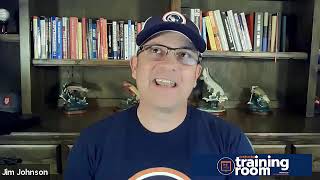
Recorded Jan 2020 YouTube interview where Jim Johnson (Contractor Coach Pro) interviews Jonah Cafferty about growing contracting businesses via door-to-door sales and solar. Jonah recounts his start in summer door-to-door programs (Vivint), consulting work, and how he developed emotional regulation and a winning mindset for sales. They discuss practical coaching tactics (prepping, setting micro-goals, accountability, leadership styles), differences between storm-restoration vs. retail sales, and how to sell value (pain/pleasure) rather than product specs. Jonah presents solar as a fast-growing opportunity ("solar gold rush"), explains why many homeowners are good fits, recommends starting by learning solar lingo, partnering with EPCs/installers, using tools (e.g., Google Project Sunroof), and qualifying roofs (shading, roof shape, condition). The interview closes with legacy and leadership reflections and conference promotion (contractorstrategyconference.com).
Chapters
Morning everybody. Jim Johnson here with contractor coach pro. And we have a special guest today in the contractors training room. This has been a fun series. We've been kind of putting this series together to help you folks that are contractors start working on your strategy, moving in to 2020. This is the time of year to be doing it. You should be sitting down and really kind of starting to think about brainstorming what are you going to do as a contractor to set yourself apart from everybody else that's out there. And today we have our special guest, Jonah Cafferty. Jonah is what we call an industry expert in door to door and solar. Those are the two areas where he has really shined and had a lot of experience. And so Jonah, welcome aboard. Welcome to the contractors training room.
Yeah, thanks for having me. I'm excited.
Yeah, it's going to be fun. It's going to be fun. You and I have had some conversations. You actually we both have some clients that are similar and we hadn't actually met each other until one of our clients finally introduced us. And I said, hey, you know, it'd be pretty cool if you come on and do a little interview with us. We haven't got to talk to a lot of guys that have done solar and it's kind of a whole different thing out there and we keep hearing more and more about it. But before we get to that door to door stuff and the solar stuff, give us a little background like you know, give us kind of historical what you've done and why we call you an industry expert.
Yeah, so I started in door to door sales actually in high school, did some stuff there and but really cut my teeth doing the summer sales programs with Vivint and these, you know, out of Utah. It's where I'm from. And so a lot of these door to door summer sales companies are based out of here. So that's where I cut my teeth really in door to door sales. Learned a ton there. And then when solar started opening up in the Utah market, we were one of the first companies to offer it door to door. So we kind of cut our teeth there in the solar side. And then from there a buddy of mine, we created a consulting company and over the last two and a half years we started consulting companies and really serving the space of all door to door in general. And that opened up our mind to roofing. Cause roofing is not big in Utah as far as the door knocking side. Cause it's typically dealing with the storm restoration and stuff like that. For the most Part and so it just doesn't have a presence in Utah as much just because we don't get those kind of wind and hail storms like the other states do out the Midwest and East. And so opened our eyes to that, and we started dabbling in that space, and we just found that there's a lot of people that need service there and value in what we were bringing. And then essentially, solar really became a huge hit point with the roofing companies just because they kind of already in the same space. So it's been. So that was kind of my background starting out back in 2011 and all the way up till now and been consulting companies for the last two and a half years.
Cool. Awesome. So now that we kind of have that out of the way, we always ask a couple of questions. And so the. But I'm asking you the first one now. I gave you a little time to prepare for this one. The last one will be a surprise question. So to this point, what's your greatest achievement, Jonah? Not including getting married, having kids, all that family stuff. Those are the easy wins right there. I think more business or personal, something that maybe you're leaving as a legacy that you've achieved at this point that you're proud of.
Yeah, and I love this question. I think it's. When you asked it, it was kind of running through my head as far as, like, oh, man, should we talk, you know, like, numbers that I've done or, you know, results that I've gotten and stuff? But really, when I. When I break it down, I think the biggest accomplishment that I have is really the personal belief that I've been able to instill in myself and a mentality and emotional control of just that game. When it comes to selling and putting yourself in the right process and staying positive, I think that's my biggest accomplishment in the fact of being able to stay, like, emotionally steady when you're out there knocking doors and dealing with those objections and being able to handle that. There's a great book where. What's his name? David Goggins. I don't know if you've read that book or Can't Hurt Me or something like that, right?
Yeah, Can't Hurt Me.
I think the Navy seals and a lot of that stuff, that mental stuff, it's not on the same level because selling is really more of a mental game. It's not the physical side, but it really is that mental side of being able to. How can you go the distance? Can you stay positive? Can you emotionally regulate yourself to be Able to show up to each customer, each door with a blank slate, or being able to stay positive every single time and really have that personal belief in yourself that you can go out there and make it happen, whatever the conditions are, or being able to stay confident no matter what's getting thrown at you. I think that's one of the greatest compliments I've been able to have, and I think it's helped in all aspects of life, which is really great, just not in. And so I think that's really one of the biggest accomplishments. And it created a confidence that I have now. Doesn't matter, like, really what situation I'm in. I know that I can rely back and I know that I can handle a lot of this other stuff because I've been able to do the mental side of it first. So that's probably the biggest thing that I'm proud of.
That is super cool, Jonah. It is a challenge, right? Like this whole sales thing, it's worse than being a baseball player. You know, you talk about baseball players, if you're successful a third of the time or even a quarter of the time, you get paid millions of dollars. You know, sometimes in sales, our numbers are less than that. Sometimes it's 10%, you know, 5%. Get a lot of no's. And this mental capability to go, all right, I didn't get that one. I got to move the next one. And I didn't get that one. Got to move to the next one and staying positive about it. Having the right mindset, we coach mindset, that's a big thing for us, you know, this mindset that we're the only ones that really and truthfully control what we think. Nobody else can do that to us unless we allow them to. And we get into this concept that this mindset of being a door to door salesperson, we let everybody else tell us what that is. This negative connotation, this your slimiest thing, your lowest, only person maybe below you is a garbage man. We're not sure, right? And so if we let the world tell us that that's what that thing is, then it's very hard to do this thing. But if we take control of that, like you said, what are some of the ways that you've taken control? Like you talked about, I got control. That's one of your biggest achievements. What were some of the ways that you did that? Because it's not something that you get excited about. You read the book or you see a podcast or. Sorry, hear a podcast, see a video, and you get all excited about that thing right then.
Right.
And then for the next few days, maybe even a week, you have the right mindset and you're positive and man, the world keeps beating on you. How do you kept it in front of you on a continuum basis? Because it's been over quite a period of time now that you've been able to do this. So are there any tips, tools, tricks along those lines to keep it in front of you?
Yeah, so I think realistically it's. And it's. What's great is I love all the sales practices are always life practices as well. And so one of the biggest things with customers when I'm selling somebody or, you know, when anybody's selling anybody, it's always great to bring up their objection first in hand it rather than waiting for them to bring it up. Right. If I can be like, hey look, this is a cost effective solution. We created this program for people just like you in this situation. And then they can't really come back and be like, well, I can't afford it. Well, it's like, you know, because I created this program, I told you before that this program specifically for people that need it to be cost effective. So bringing up the objection before them is really important. And so it's the same thing when it comes to my mentality long term of like, how can I stay motivated, how can I stay driven and inspired? And really that comes down to making sure you do the prep work. It's not just being like, hey, I'm going to go out, I'm just going to go and sell a bunch or I'm going to do this. It's again, creating a roadmap and creating a goal and creating a plan for yourself and being able to say, hey, look, I'm going to, no matter what, I'm going to knock later than I typically do or I'm going to get on the doors earlier. And it's really just setting us a precedence of saying, I'm going to do this no matter what. And then when you're faced with that decision of being like, oh man, it's raining, I don't want to be out here, it's like, no, you already made the decision to stay out before the objection came up in your mind to not. And so it makes it a lot easier once you've already decided on what's going to happen before the day's there or before the objection or problem arises, that you've already made that decision that you are going to continue with it. So I Think that's kind of like the biggest thing that I've been able to do for that mental. I think also it's really important to seek outside sources, just because everything that worked for somebody doesn't always work for everybody. And so, you know, as far as, like, your leadership, you might have someone that's like, your manager or the owner or whatever that's taking care of you, but as far as, like, your growth, you should be able to see it as, like, hey, how can I continue to get more rather than, you know, just learning from the guy that's above me? And so I think really my breakthrough started happening when I started reading a bunch of outside books, when I started listening to content that wasn't from, you know, my specific company or management, just because I felt like I was more open to receiving that and then pushing it harder than before.
So those are awesome. You're preaching to the choir here. It's funny because I've been in sales since I was really young. I got involved in a sales organization that wasn't me for the first time when I was about 18 years old, working in the health club industry. And they had all kinds of training and stuff like that, which was cool. Like, that was helped build my foundation. But, you know, I wanted to set my own personal goals. I didn't want them to tell me what my goals were, what I was going to accomplish. You know, they kind of said, hey, sell everybody you can was kind of their mantra, where I was like, hey, I want to achieve some things. I want to accomplish some things. And what I found the trick for me, and you can tell me, Jonah, the trick for me was to tell somebody else, like, I'm going to sell this much this week, or I'm going to sell this much this year, or this is how I'm going to do it. This is how much I'm going to work. And early on, it was my buddies and my friends, peers at the place I was working. Now the real accountability king is here, my wife. And so I tell her what we're going to do, and I say, hey, this is what I'm planning on doing. This is how much I'm planning on executing. And it keeps it in front of me and puts pressure on me and responsibility on me to get things done. Do you see any of that as similar for you?
Yeah, no, absolutely. I think it's great to have a support group around you that's. That's been focused on holding you accountable, because I think that's one of the hardest things to do at times is stay on track, especially when things are going well just because you get complacent or, you know, it's easy to. It's easy to, you know, turn around or kind of stop pushing as hard when you've, when you've gotten some accomplishments or when you're on track or ahead of track or something like that. So, yeah, I definitely think that being able to. One, I'm a freak when it comes to like data and being able to track, like what I've been doing, where my time is being spent, how well I'm sleeping, just all like this data stuff and being able to leverage that because it comes to me, what motivates me and I know it doesn't work for everybody, but a big thing for me is being able to break it down to the simplest. Like, what do I need to be doing every minute? Because if I can just be like, hey, I can accomplish, I can win this minute of the day, then the next minute gets easier. And so especially when you're out, like knocking doors or when you're outselling a client or doing those things, it's like, okay, cool. How can I make sure if I'm going to hit this goal of making $100,000 this year, that means I need to sell X amount of roofs, that means I need to knock on X amount of doors or I need to generate X amount of leads. And so out of an eight hour day or how many hours you're going to work that week, how many do you have to generate per day, per hour? And so to me, being able to reduce that down to a very small number that's really, you know, achievable or essentially attainable, it makes it really easy for me. Has been a huge help. And then obviously having accountability partners and different things like that have always been really helpful.
That's cool. Yeah, I like that too. Breaking it down to like, what's the smallest unit that I can get it down to for a measurement? Because you actually used a word I like to use a lot, which is win. That's what we, that's why we exist. We coach contractors to win. That's why we do the things that we're doing right here. These are free. We want guys to get better and girls to get better at what they do. And so this idea of breaking it down to the smallest thing you actually mention, how do I make $100,000, you know, selling roofs, this could be anything. Painting, fencing, whatever you do as a contractor, if you know what your closing percentage Is. And that should be something you should know. Absolutely. If you don't know that, you should start there. But if you know your closing percentage is 33%. And if you know you make X amount for a roof, if you sell it, how many of those do you have to do each week? And what we found, average roofing contractor, if he can sell two a week over a 40 week time span, not 52, 40 weeks, just kick out three months for weather, excuses, sickness, vacation, all that other stuff, just concentrate on 40 weeks and do those 40 weeks. If you sell two a week, you'll make 100 grand, which is pretty. I can do that on working, just Saturdays. Just work on Saturday. That's all I gotta do. I got a full time job somewhere else and still hit that kind of a number if it's something that you really want to accomplish. So we got a question from Brooke here. You ready for a question?
Yeah, I'm ready.
All right. What's the best book you've read that helped your career? Best book on mindset?
Oh, I love books. I need to get more into podcasts, but I love books. So I have like tons of books and stuff. People are always recommending podcasts and I'm not super good at getting into them. But like, especially with books, I can talk about them for a while. So I have a series. I have like in my trunk. I don't really run teams anymore. You know, I consult companies and stuff. But back when I was running a team and I'd see them on a regular basis, my trunk was a library. I had a box of books and they would rent them from me. I'd make sure that they wrote notes and highlighted things and then they would bring it back. And so the next person that got it also got to see their notes and things that they learned. And so I had a series of books that went through and then I felt like that created the best results for my reps. But I do think that when it comes to like my favorite book, honestly, I'd say, like when it comes to sales specifically, that helped me in my career was probably the Art of Closing a Sale by Brian Tracy. I loved Robert Kiyosaki, the Rich Dad, Poor Dad. That was the one that really helped me understand, like, hey, what can I actually do? Just because I kind of grew up in a situation where it wasn't affluent or we didn't understand how really money works that well. So I think that's a really important book as you're getting started, if you're new. But The Art of Closing a Sale by Brian Tracy is an amazing book. He also has the Psychology of Selling, which I think is good. Another one on mindset specifically, though, is like, I think the David Goggins one is probably the best one on mindset specifically to where you can really just hone in your abilities. But then one that I would probably say it's like a personal one is Outwitting the Devil by Napoleon Hill. I'd probably say that's a book I recommend to people the most. I wouldn't say that's like the sales book, but I think it has amazing content to help really understand not as much like religion side, but more of like what the what men or how like the human mind really works and breaking that down specifically so that you can understand where you're gonna, you know, run into problems or where you're gonna be successful.
That's super interesting because I actually have one of one of our people here read the book Think and Grow Rich. Also Napoleon Hill, right. And there's. There's this concept of that book being very money motivated, being very goal oriented, being like, that's the end all and be all is this goal. So to have this other book that he writes. And what was the title again?
It's Outwitting the Devil.
Outwitting the Devil. Like almost diametrically opposed to those two things. And I haven't read them. I'm going to go out and get that book today because I love Napoleon Hill. I think the dude was amazingly intelligent and the ability to bring all this stuff together. Think and Grow Rich is one of the foundational books in my world. Still haven't gotten all those principles down, but still working towards it. That's super cool. So, hey, Braden, your moderator guy, if you can find Outwitting the Devil and put that link up on there, both Facebook and in here, that would be. Ah, he says, I'm on it.
Good.
I figured he kind of was.
What I would say about it real quick though, is like the first 50 pages of it. The first, like, real chapter or so more about Napoleon Hill's. So essentially what the book is about is he interviews the devil. And so whether. And what's great about it is whether you believe he actually did or not. That's not like the important side. There's just great principles in it either way. But essentially the first, like, chapter, I just say, like, push through that because you might get like bored or think it's done or whatever. But when he actually starts the interview is really where it starts. To get meaty. But the first like 50 pages is all about him, like how he's been able to actually control or be able to stay in the presence of the devil and essentially will him to answer his questions without lying. And so that's the first, you know, talked about Andrew Carnegie and stuff like that with it. So if you can get through the first 50 pages, it might be a dull read at the beginning. It's great now that I'm rereading it. I like the first 50 pages. But the beginning I thought it was a crappy book until I got through those. Get through that.
I'm reading one of those right now. The setup, I'm like, all right, get past set up, let's get to the meat. All right, perfect. There's lots of good books there. Man, that was. That was fantastic. So let's talk a little bit more about door knocking. What is the biggest challenge you've ever had with door knocking? What's been that obstacle that kind of got in your way and you really had to get over it?
Honestly, it was like. It comes back to my biggest accomplishments with my mentality. One of the biggest problems that I had starting out. So I started. So summer sales kind of go out over a four month period from May, June, July and August. And my first summer going out was out of high school. And I came out late just because high school ends in June or whatever. So I came out late and had to leave early for college orientation. But during that time I would walk three miles to a Taco Bell to go and hang out with my friends and my other guys that are knocking doors rather than actually sticking through it. And so when it came down to the biggest problem that I had there was really just not being able to stay committed to actually staying on the doors and seeing those accomplishments. And so it took me like 40 something weeks. I think I did the math on it. It was really until the next year when I was starting to dedicate myself to actually studying content before going on the doors and then staying on the doors. Did I actually see results. And so my biggest thing there is just that mentality that I really didn't have. That mentality that I was going to be able to cut it or make it or. It was really that talent side that I was born with that I had through high school. Like I was, I was always a decent student and I was good at sports and stuff, but I never had to really work at something really hard until it came to door to door sales because I was able to Kind of fly under the radar just with talent or so. And I think that's one of the worst. Those are some of the hardest peoples to coach because they have the talent and they're getting results, but they actually don't know the work ethic or essentially the skill to where they can develop that. And so that was me in that situation. That's where I had the biggest problems, was I was relying on my talent for so long and it was not serving me in this space. And it wasn't until I really decided I needed to develop these skills that I started to see results. And so I think that's one of the hardest things to deal with and one of the biggest things I overcame. But I think that other people that I have to run into, you get those people that are talented, as far as, you know, their charisma. They have charisma, they're, you know, motivated, they can work hard and different things like that, but they don't have the skill to develop and they don't have the work ethic to develop those skills. So that was probably one of the biggest things.
That's cool. Great answer. So you've built these teams, right? And so I'm kind of, kind of spin off of what you just said. You built these teams, you've coached these teams, you've led. These teams are salespeople just born to it. They just like, born naturally, like that's who they are, or can anybody do it?
So I think it's interesting, there's a podcast where what's funny is I don't listen to podcasts very often, but this one by Grant Cardone and Jordan Belfort, right? And Grant Cardone is like, no, there's no such thing as a born salesperson. You can all. You can work through it. And Jordan Belfort was the opposite way. He's like, well, I think there is a big aspect of that. He's like, I'm a naturally born salesperson. That's what Jordan Belfort said. And I kind of. I think it's tough. I do think that there are people that have talents that are really good at essentially selling or they have this. They have like this mentality or emotional control that they can just keep going. But I do think that more than not, it really comes down to people with their. The work ethic. And so when it came to developing those skills, I don't think that there's naturally born salespeople that are good at sales. I think there's naturally good salespeople that are essentially good at like, talking and being able to kind of BS around stuff and kind of maneuver and be a little, you know, like water, you know, they can kind of take form and shape and whatnot. But I do think that you need to have the mentality of being able to work hard and develop the skill set. Because I don't think, especially with like door to door sales, you know, I feel like if I was a telemarketer or something and I was able to read a script or sitting behind something and kind of creating something and watching, I think that's, that's one skill, but I think it's being able to memorize it and have it right off the cuff in front of people is a whole different thing. And so when it comes to door to door, I think it has to be developed over the work ethic in terms of.
So that leads me to another question, and I'm going to come back with maybe some of my own thoughts on this, but I want to get your opinion here. So what is it that made you go? Like, there's been you and you've had people you've coached, like, boom, they've got that drive. They just go and get it. Was it somebody leading you and inspiring you and saying, you know, they got behind you, something clicked for you, or was it more you kind of figuring out, hey, I'm really after something, what was it that is the driving factor?
Yeah, for me personally, honestly, it was, it was being competitive, it was wanting to win or wanting to be successful. So I've been out with a couple buddies and a cousin of mine in particular, and when he came out, he was just, he was doing well, like, and, and I didn't know understanding the difference because I was like, hey, I'm just as good as he is. I'm just as talented. Like, I'm better looking, like, what's going on? But he was getting, you know, way more deals than I was. And so I couldn't comprehend why that was happening until I actually took a mental note of being like, you know what? Maybe I'm not as good as I thought I was. And so I really became obsessed with figuring out what this like, thing was that he was doing that I wasn't. And it really came down to just working harder. And so, and it was working outside of work before. You know, it's like the practicing versus playing. Like professional athletes practice 30 times as much as they actually play the game. And so when it came to my sales setup, I was expecting to practice and play at the same time. And learn from when I'm on the doors or when I'm selling customers. And I realized that's not the way to do it is I put in the time before going on to the doors or before getting into a sales appointment or whatever. And then it would prep me for actually performing when I was on the doors or in the home with people. And so I'd say that's probably the biggest thing that drove me, was just my personal drive for competition. But I don't think that's for everybody. I think that some people like the group mentality of everybody going out and, like, we call it bleeding in the streets, where it's like, if you know someone else is, like, bleeding in the streets and they're like a part of your team, and you have this culture where you're like, you have each other's back that can drive. We call it free energy. You're tapping into free energy that essentially motivates people above money, above, you know, these different, like, physical type of things and rewards. It's more of just, like, the mentality of bleeding in the streets with your team and being a part of this, you know, production or environment, and that you're holding up your end of the bargain. So I think that's also really powerful. That worked for me, but my personal thing was more of a, you know, a competition, me versus everyone else. But I think a lot of people buy into the group mentality where it's like, how can we. How you need to hold up your end of getting deals so that way all of us can get better. And so some people really buy into that and find that motivating.
That's awesome. So, yeah, a little bit, like, my own input on that. You know, this whole idea born or made, you know, that kind of stuff. Rob actually made a comment on here. People skills are a skill you learn. Drive and work ethic are inherent. That's what I believe. So sales is a combination and marriage of both inherent talent and taught skills. I think there's art and science might be a little bit of a way of putting that to it as well. I look at it this way. There are people that, for whatever reason, they're outgoing, impersonable folk, right? Like, that's a talent. It's probably something to do with the way they were raised over the first 15 or so years of their life, encouraged to be that type of person. It kind of sets who we might be. It doesn't mean we can't learn that. I don't believe that we're Just stuck in this pigeonhole saying, well, I'm not an outgoing person, so I'll never be a good salesperson. It's all about, do I want something bad enough and do I have the mindset to go get it and get after it enough. And the passion, I think, is different for everybody. Like, for you and me, competition was the thing, man. Like, I have to win. I will lose sleep. It'll be awful if I don't win. I'm a big Ricky Bobby believer. Second place, the first loser. Right. So it's about competition for me, and that's what really drove me. But I've seen others be inspired by great leadership. You know, giving them that drive, it doesn't give it to them. Like, it just builds off of what they already have. They already have something. But I think the real key is to figure out what it is that you're after. What's this passion? It could be money. It could be a tribal mentality like you were talking about with your team, helping everybody accomplish a goal together. It could be a personal goal. You want to buy a house or pay off some loans, get married. Accomplish something. Put an achievement out there that you say, hey, this is the thing I'm after. And I want this thing so bad, so bad I can taste it. I'll do whatever it takes to get it. If that entails me standing out in the middle of an intersection naked, spinning a sign around, I'll do that because I want this thing that bad. And I think if you can find that thing about whatever it is you're doing, whether you're selling meat door to door, roofing door to door, you're an accountant, you're an engineer, you're a lawyer, a doctor, whatever it is, you're going to find that thing that will push you. You can do whatever you want. Amazing. And be that winner.
Yeah, I think there's a Eric Thomas, the Hip Hop Preacher. He's one of my favorite. You know, he's like, you know, you know, you gotta have it as bad as you want to breathe. Like, you know, you gotta have that successor. You gotta want it as bad as you want to breathe. And so that mentality. There's a. There's also like this YouTube channel. I can't remember the name of it. It's like Matinus or something like that. But they make like, motivational videos. And I remember when you think about, I would listen to these, like, I would watch these motivational videos before going out and knocking, or it was in between. It was during the off season or whatever. And I would watch this and I would just know what I wanted so bad. And I wanted to, like, you know, just create something and create a legacy and be able to be successful and not repeat, you know, essentially what my lineage has been repeating. And I just wanted that so bad. And I remember watching, like, these motivational videos or like a movie or something like that, and it would, like, I'd get emotional about it. And one of my buddies, John Lopez, I love what he says. He might have got it from somebody else, but. But essentially, if your why doesn't make you cry, then it's not big enough. And so it's really coming back to being like, hey, what is my why? Like, what you're saying? And if you can't drive into that and watch something that's motivating, or when you think about that, when you actually ponder that why, if it doesn't make you cry, then it's not big enough. And I think a lot of people don't have that. They're kind of like, well, I just. I need to make money. Like, that's super important to me. But, you know, it's really getting under the surface there and digging in and figuring out what is that real why? And if it doesn't make you emotional, it doesn't make you tear up, then it's not big enough. And I love that mentality behind it because I remember myself in those situations watching these motivational videos and just, like, wanting it so bad and, you know, getting emotional about it. And I think that's really powerful.
That's cool. Hey, I wrote that down. That was such a powerful saying. If it's not. If it doesn't make you cry, it's not big enough. Our why here at Contractor Coach Pro is to coach Contractor to win. And seriously, I may not bring tears to my eyes like, on a daily basis, but I get frustrated because I can't get to more people. We can't help more people. And we're trying to figure some of that stuff out. This is one of those ways, like, hey, let's get out there and educate some folks. So that was really cool. Like this mindset thing, how you put things in front of you. I think that was something that may not have clicked to everybody. Listening is. You mentioned it multiple times. You did training before you went out, knocked doors. You. You listen to YouTube motivational stuff. You've talked about a bunch of people that were, you know, they had this little tidbit that you picked up on. That's the Thing putting that stuff in front of you, creating that habit of putting this stuff that pushes you in front of you all the time. And it's funny, for some people like you and I, that works. I, that all I need is that little boom. And I mean, I'm ready to go and I'm going to prove everybody wrong. For others, it's when you tell me you can't. You tell somebody they can't do something they'll do preview wrong all day long. That's my youngest daughter. Like, she doesn't want all the video motivation and all that. She hates that stuff for me, can't stand it. She's like, quit trying to be my motivational speaker, dad. That's not important. I say, okay, you can't do it. And she sure enough, she'll go out and do it. So that's the trick in a leadership thing is figuring out what it is that motivates each person because they're each individually motivated differently. And I think that's a skill that the greatest leaders have figured out is like, hey, okay, this person I could do this with, this person I do that with. And all of them together as a team. I want them going after this.
Yeah, absolutely. And there's. I think, I don't know if it's John C. Maxwell's book that has. Well, it has a bunch of stuff on leadership, but there's. I can't remember where I got the content. I thought it was from his book.
But I'm not sure.
But there's six leadership styles, and I don't know, I could share this with you or go through some certain things and you guys can look at it later. But essentially has six leadership styles of. Essentially, like what the leaders doing, what's, like the. What's the phrases that they say, Whether it's like, do what I tell you or come with me, or people come first, and then like, what the style looks like and the overall impact that it has on people. And I think that, you know, some people like type of, you know, motivation or leadership in different ways. There's ones that are better for the general population and what's, you know, more effective overall. And I think, you know, like millennials like to be, you know, coached and led a certain way, you know, specifically, I guess, on a more common level. But then everyone has an individual type. And so being able to customize those. There's, you know, this. I buy into this six. Six different types of leadership style that people typically go to.
Yeah, I believe that is John Maxwell Level 6 leadership, I think, is that concept that he teaches and one of his books. There's also a level five. Yeah, the level five selling or level five leadership is in his book. We actually talk about that. We have a little video about that one because we believe strongly in that too. Great concept to look at that, you know, level one, that's not so hot. Level five, man, that's really gaining some skills to be a great leader. All right, so we've talked a lot about, like the mindset, the leadership and that kind of stuff. One of the things that, you know, I find frustrating as a coach is working with contractors and they want to do the door to door thing or they have this kind of. They may have a negative mindset about it, but they know it's kind of valuable and they storm restoration world. We're good at it. Like, we get it, we know door knocker and going for everybody because it's easy. It's not really selling. It's like, hey, this is what's wrong. Your roof. Well, we'll get you a free one. It's only going to cost you a deductible. That's like buying a Mercedes for three grand. That's easy to do. But to do it retail, to go out door to door retail and knock doors and say, hey, I do roofing or I do siding, I do exterior remodeling. What would maybe be some of your approach to that? Like, how would you like, challenge yourself to like, go sell a retail job for 25 grand or something like that to a homeowner?
Yeah, I think a big part of it is making sure that you have the right tools as a company because it can be a lot of like, I've been to companies like, hey, we want to start in a retail. And they don't have a plan or a process or tools to help them out with it. And they think it's going to be similar to the restoration sale and the insurance sale. And it's really. It's not the same. There are some aspects that are similar because really, like, what you should see is like your. And I love it. I talk about it with solar quite a bit too, is, you know, what you're selling is actually a solution, it's not a product. And when you focus on the product and like, oh, this is this type of shingle and this is, you know, it has this. This is how it's made. And all that stuff that doesn't really sell people. You got to sell them the solution of what it's giving them of what they're gonna see, you know, what's the benefits. And so being able to do that is really, really important. And so when I find companies that are doing the retail side or wanting to get into the retail side of understanding that it really, it's similar to like the, the solar sale, because essentially these people are having to take it and have to finance it or have, you know, different pay ways to pay for it or, you know, get it on their roof. And essentially when it comes to that setup, you got to have the right tools and make sure you have the right process and system. But then when it comes to switching over or selling something like that, it's being able to make sure that you show them the pain and the pleasure, you know, the hell in the heaven and making sure they understand the difference there. And so you have to build value in your sale a little bit differently rather than being like, hey, look, I'm here to just sign you up, you know, you've been paying for your insurance for the last 30 years, whatever, like, let's take advantage of it. Instead. It's like, hey, look, it's like, it's like being able to sell someone on getting insurance. Obviously people have to get insurance for their loans and whatnot. It's like imagine being that first person that has to sell someone insurance that's never had it before. It's that kind of a sell where it's like, hey, pay a monthly cost right here to get a big value once you cash in on it, once you sell your home or once you, you know, need to pull the value out of it. And that's really what you need to do with the retail side and being able to set that up and really creating a picture for the person to see, using a lot of tools and skills to help put them in the future mindset of where they're going to be or what could happen if this situation plays out or this one plays out is really the skill set you need to learn in the retail side. And same thing with solar. And it's being able to pull on that show those things and then, you know, it's selling them emotionally and then helping them justify that sale logically is how sales works. Right? And so you have to be able to build emotion when it comes to restoration side emotions there. You know, it's like, man, you were hit by a storm. Like, look at this damage, look at all this stuff.
It's gonna start leaking tomorrow.
Exactly. And so when it comes on the retail side, you do have to build that emotion. And you got to find that, you got to be able to paint a picture of them being like, imagine what your house is going to look like with this brand new roof on. Imagine what that's going to do for your value. Imagine how much peace of mind that's going to give you in the long run if something does happen, you know, imagine, you know what I mean? So being able to like emotionally get them excited and then justifying it logically by being like, hey, look, this is a great deal. I'm going to give you a great deal. If you could work into our group of homes, if you can do, if you can give me five referrals, like, if we can do xyz, I'm going to give you a better deal. You already sold because you know how excited this gets you. But now you're going to justify that, you know, feeling logically by being like, oh, this is a win.
Yeah. So this is actually something we're going to do at the contractor strategy conference. Like we're going to sit down and say, okay, we got the store restoration stuff down. How many of you guys have been wanting to do or interested in doing retail, Maybe not having to travel as much, maybe still owning your market in the same way, just in a different version. How can we build that strategy so that we can approach them taking the tools and assets we already have that are really good at that and moving them into this different way of doing things and not having it be as hard as you might think it is? We're gonna walk through that with these contractors at our conference. It's gonna be a lot of fun. We don't have enough time today to break that all down into everything it needs to be. But we will be doing that at our conference. If you guys want to check out more about our conference, just real quick, not a sales pitch, just if you're saying, what conference are you talking about? It's the contractorstrategyconference.com. if you go there, you'll find out more about. There's some videos and testimonials and stuff like that. Check it out. And if you want to come, Jonah will be there along with a bunch of other industry experts. And we're going to be helping 30 contractors develop their strategy for 2020. So now we've kind of had our door to door conversation and we talked about retail, we talked about storm restoration stuff. Let's talk a little bit about this solar thing. You use this term that I thought, wow, man, that's kind of a. But that's emotional term, the solar gold rush. Can you explain what that means? Why is there this solar gold rush? What's that?
Yeah, and depending on where these other contractors are, as far as your market, you might be more touched by it or not, but essentially solar is the sixth largest producer of jobs in the United States for multiple years in a row. It's one of the fastest growing industries that there is. And essentially what I love is there's an article that actually talked about, you know, people aren't familiar with it, what we used as fuel before, actually coal and kerosene and stuff like that was available or known, they used whaling, right? So they used whale oil, blubber and stuff like that to be able to create heat and lamps and oil and all that kind of stuff. And it was the fifth largest industry in the world. And literally overnight when kerosene was discovered and essentially coal and whatnot, this other fuel source was discovered. Within a couple of years, the whaling industry was obsolete. And realistically, it's the same trying to transition that we're seeing now when it comes to solar. But essentially everyone's been stuck in this mentality. And it's hard because I talk about a lot with the Matrix. It's like, do you want the red or the blue pill? Do you really want to know what's going on or do you not? Because essentially your utility company is a monopoly. You're just. When you buy a house, you just inherit this bill and you don't ask questions about it. They change your rates. You probably don't even know how much your bill's gone up over the last few years or how much their increases have been. You don't know how much they're charging you for it. You don't know what their profit is. But if you look at Warren Buffett, one of his main things is the utility companies that he invests in. And they're very profitable companies. Your utility company is probably owned by a larger company or maybe personally on the SP 500, and their stock has been doing decently well. And it's because you pay your bills and everyone else pays their electricity bill. Because if you don't pay your bill, then you're camping in your own home. And so it's a commodity, it's a utility that is just will pay for homeless people, find a way to charge and get an outlet before they get a house. And so if you understand how important power is to people and then showing them that they're going to pay for power for the rest of their Life. And now I'm going to give you the ability to own your own power plant that is better for the environment, that's better for your home value, your equity. This thing's going to last 50 plus years, you know what I mean? It's just an incredible investment. And there's so many programs federally and typically in the state region as well, or utility that are promoting this stuff. So people are getting this for extremely discount, you know, big discount on what they're, what they're doing. And you're gonna, you know, people are paying for it either way. And so all we're doing is showing them better option. I actually like to like relate it to the roofing retail or sorry, not the retail, but the restoration side. Because you're gonna have to pay for your insurance either way. Just like you pay for utility bill either way. It's like you might as well cash in on this. And if you can pay the exact same amount or if not less, then why would you not do that if it's going to come with all these extra benefits? So it's a huge gold rush. I think there's like 10 states right now that are really taking advantage of solar and the other ones are coming around. Chicago just opened up or Illinois opened up this year and it's the largest growing solar as far as production and installations and stuff in the state at this point. And it just blows up and people are like, well, Chicago is cold, it can't do that. It's like, trust me, it works everywhere. Especially because the utility is screwing you over so bad you just don't know how much you're getting overcharged. So in most of your markets that these guys are in, solar is available.
Yeah, I like the comment, did he just sell me solar? You could tell when we went from door to door knocking and that stuff. Like you're passionate about it very well, you're excited about it. But the second we started talking solar, like boo. The glint in the eye, you super believe in it. And I think that's one of those things, like if you believe in this thing badly enough or you know, that's that hunger that man, I just have to go tell everybody about this because it is so important. It makes it a lot easier to sell something. It really does. That's why this restoration stuff was really great for me. Why the health club stuff before that was great for me. Why the software stuff after that was great for me because I really, really believed in those things and still do that they are extremely valuable to you and Hopefully I don't learn too much about sellers, so I want to go get in that business. I kind of like this whole coaching thing because I'm super passionate about this at this point and helping people accomplish their goals. So I'm a roofer. I'm thinking about, you know, maybe getting into the solar thing, but it seems all complicated. There's lots of things that need to be figured out and man, there's all kinds of wires and tubes and expensive solar panels and maybe there's regulations and states and like all this. That's a fear thing, right? Like you have all these fear components. So I don't even investigate it. So if I was a roofer and I was thinking about investigating what would be maybe the top three, four, five things that I need to kind of focus on to say, hey, I might want to do this or not.
Yeah. Honestly, the way you need to see it is it can be, you know, scary. It can be like, oh man, this is a whole new genre of product and whatnot. But realistically, it's specifically when it comes to your like thinking about solar, it's almost the exact same as your roofing company. If you currently own like a roofing or really any kind of like home exteriors or home solutions company. A lot of the times I don't know, some of you guys might be installing your own products. I know a lot. Don't they have third party or subcontractors that install for them? You can really start it the same way where just understanding like, hey, you can start small and just have it as an addition and it's not going to cost or take all this extra time and effort. You're not going to have a bunch of overhead and stuff because you're not the one ordering materials. You have a third party installer and supplier, we call it an epc, which is engineering, procurement and construction. And so really all you're doing is just the sales side. They're holding all the paper, they're ordering the materials and having all the overhead and then you just have them install it. So it's really easy to get into it. As far as a lot of the times where you're like, oh, I don't know about all this stuff or you know what I mean, it creates this fog and gets all cloudy. But really it's a super similar sale. And if you're going to put a new roof on someone's house, you might as well show them how they can take advantage of solar. Especially on the retail side. You can actually get A discount on the roof. By doing solar, you can get the tax credits from federal. So I'd say those are probably the biggest things. Just making sure you understand that it's really not this crazy. You know, it's not like you're adding home services or something. That's. That's not even in the similar area. It's. It's not a. It's not too big of a difference from what you're currently doing. And there's a lot of programs and companies out there that are already doing a portion of it for you. So you can really cut your teeth into it in just the sales side and then getting into the installs later. So it's really not that tough.
Yeah, that's kind of the lightning part to me is like, I've got this. I got this great sales team and maybe we do insurance restoration, maybe we do retail. It doesn't really matter. I think either one can be successful with it because you kind of put it into those terms earlier. Like the solar is kind of like insurance restoration. It's a very similar setup, but it's also a retail sale. Like, hey, we're selling something that's pretty significant investment here. Then you're going to pay for it, although the government's going to help you with some tax credits and stuff like that. But the thing that really kind of clicked to me on the whole deal was I don't have to handle the production part. Like, I can get somebody. I don't have to worry about crews. I don't have to do anything like that. Which is a big problem with what we do in the roofing thing. It's getting harder and harder and harder. So who would I call? What are some of the first steps? What kind of programs? I don't even know where to start. Where would somebody start? We have somebody asking from the Chicago market, and then we got Brooke. Brooke, I forget where you are. I want to say Atlanta, But I'm not 100% sure. Maybe Oklahoma. I'm going to be right on one of those. Ah, Oklahoma. Good. So I don't even know if Oklahoma is one of those states. I believe it is. That's pretty recent too, if I remember right. And so what would their first step to one, two, or three steps be?
Yeah, so really it's making sure you understand the lingo first of all, because you're really going to want to talk to an installer or an epc. Like I was saying, you want to figure out someone that can help on that fulfillment side and that's really that first step. But first, before calling or talking to them, and obviously you can Google that. I have a bunch of recommendations I haven't installed in Oklahoma before. I have a company out there that I've talked to, but I only have one. I'm sure there's a ton of other ones, but Chicago especially, I have multiple companies that I'm already consulting there and most of these other markets as well. And it's not hard. I have a big network to tap into to get you guys these connections. But before really going to them and saying, hey, I'm interested in getting as an installer, having you as my installer, you got to understand the lingo. Just like when you're selling whatever product that you're selling currently, whether it's roof or siding or whatever, you have to be able to talk in squares. You have to be able to understand the different products or the manufacturers of the products and different things like that. So just so you understand the lingo, right? Because you're like, oh man, it's 40 cents a square, da da, da, da da. It's the same thing. We talk price per kilowatt in the solar space. And so if you don't know what your EPCS costs are, what your sales costs are going to be, you have to understand that lingo first. So in order to do that, typically it's going to just be. You can do that through talking to installers and just being like, hey, I'm an idiot. And you can go that way and try to get them to explain it all down to you. But I would recommend to find someone else that's already doing it in this space. A lot of the times these other companies that are already doing solar will be willing to get you on board or help you out because you can work out some kind of deal with them and they'll teach you it. Obviously, there's coaches and stuff like myself that can help you understand that lingo and get you in connection with the right people. But I'd say your first thing is to make sure you understand the language behind it and doing some research, you know, and maybe you've done some just because it's fun to research new products. Then the next thing is talking to an EPC company that can fulfill and maybe having a couple that you try out and then figuring out which ones you like better with your first few deals. And then it's generating leads and deciding how you're going to do that, whether it's tapping into the current market or customer base list that you already have and saying, hey, we added solar to our product offering. Let's get you a free estimate. Let's come out and give you a report on your home solar capabilities and whether it's doing some marketing online with your current customer base like that, or it's, you know, panning the pavement and knocking doors. It's really then just going out there and getting some wisdom and experience of seeing, you know, what works and what doesn't work and what the market is calling for.
Yeah, I think some of that advice there, like, I would go and probably do the cold door knocking after I did a lot of practice, like, practice, practice, practice with my pitches. Now I know the lingo. I've gotten some coaching on a pitch. If you guys want to get a hold of Jonah, Jonah, if you want to type your email address in there, people can get a hold of you in the chat area. And then one of our team can go and put it on Facebook live even as well. If somebody wants to get a hold of you, obviously they can get you right through the messenger as well. But it seems to me like I would want to do a lot of that practice first before I go, hey, here's my list of 2,000 customers that I've done. I want to, hey, guess what? We do solar and then go out there and look like an idiot in front of them because I don't know my information. I think I would want to go get, you know, kind of some practice on some people that don't know me first before I go to all the people that do know me. Is that fair assessment?
Yeah, and I think it depends on what you want to do there. I think it's. I think it's great either way. I probably like starting out. I wouldn't send out a massive thing to all 2,000 customers you have or whatever, but I might just be like, hey, you know what? Rather than having to pound the pavement right off the. The bat or, you know, create a sales team, like, how can I. How can I set myself up to experience as much as possible quite quickly? And that might just be contacting someone that just got installed or maybe someone that you have a pretty good connection with as far as a customer and just being like, hey, can I almost practice on you and just, you know, give you the honesty approach and just try to show you what solar's about and then you can make a decision, no pressure type of thing. Sometimes that can be a really good situation. But, yeah, I would wait until you have kind of a system that's dialed in and you're ready to open the floodgates before messaging everybody in your pipeline. But you might be able to message or reach out to the people that are current, like just getting installed because they're already hot and warm. But I also, you know, pounding the pavement and making sure that you can generate leads for it is always really important. And I think door knocking for solar just makes sense because it's such a great way to captivate them and educate them at the same time. Because the hardest thing we know is just getting in front of people, right? That's the hardest thing. Even if they agree to an appointment, it's hard to just get back in front of them because they don't show up. And so obviously there's practices and different things for that. But doing it door to door is an incredible way because you can pull them out of the house. Just like with roofing. You'd be like, look, this is what I'm seeing. This is the problems you're having or this is the capabilities you have. And so I love the door knocking side with solar. That's why most of the big solar companies are all door knocking.
It's instant, low cost marketing with the fastest results that you can possibly do. So it's a low barrier of entry to getting into it that way. So we've been going for about 50 minutes here. Lots of great information. You've shared your email address. So if people want to get in contact with you and talk to you more about what you do and how you help roofing companies kind of investigate the solar side of things, they certainly can. But before this hour rolls up and then you have to go, I want to end with my question I like to ask at the end of each one of our interviews and then we'll open it up for questions from everybody else and just let them ask all the questions that they want to ask. Okay, wait, before I do that. Is solar for every roof? Does high roof pitch eliminate some solar customers?
Yeah, great question. So it's not. It actually is available to. I'd say roof pitch is not as much of a problem. Might be more expensive for people that have a higher roof pitch or whatever. But the main things that you have to worry about is if you have. There's like three main things. So the shading side, which shading can happen from buildings or trees? Obviously trees can be trimmed and cut down. So it kind of depends. The other part is the, is your roof shape. So if you have a bunch of edges and eaves and different, you know, valleys and peaks and all that kind of stuff that can change up because typically they want to put as little arrays as possible, which is like groups of solar panels. You know, if you have a perfect south facing big garage and they can put 50 panels on that garage, then great. But if you have 90 different roof planes because you all these jagged shapes and stuff, it can, it can lower the production side. So it kind of just depends. And then the other thing is just making sure that obviously they have to be the homeowner and the roof has to be in good condition. Which if you do roofs then that's a good option for you. You can bundle them together. But I would say that every home is a good fit as long as they don't have the shading and their roofs in good condition. And it's not too janky with all these and all these different things. But you can do ground mounts. You can, there's a lot of different things, but roof pitch doesn't matter. It might just cost a little bit more because they have to use a different bracket and they have to takes more time to install them. Yeah.
One of the things that you said whenever we were talking prior to doing this is this, do you qualify?
Right?
Like we don't even know if you qualify yet. Let's take a look and figure that out first before we can even say we even try to sell you somewhere, which is I don't like this. Hold it back from people. I don't know if you're quite good enough or you have the right kind of house. So I think that's kind of a cool approach as well. Is Eagle View for solar pretty accurate?
So Eagle View, we talked to Eagle View before and I don't know their specific solar breakdown. There is specific programs that have their own like software and whatnot that'll measure the amount of sunroof that they have or how much sun capabilities they have on their roof and and whatnot. A great tool to use is Project Sunroof. It's made by Google, but if you just Google Project Sunroof and click on that, most of the big city areas and whatnot will actually show you a rough estimate of how solar works on your house or how much sun it technically gets. And then they'll pitch you on trying to use their preferred suppliers and all that kind of stuff. So I don't really know as much about Eagle View as far as what their solar tool is, but I'd say that there's a bunch of other companies out there that are doing that as well. What I would say though is typically you don't need to worry about that on the sales side unless you're going to do your own installs. When it comes to finding an installer or an EPC company, they usually have their own solar proposal tool that you'll just have a link to, or you'll send them an email or some kind of, you know, form, and then they'll be able to generate the report off of with their tool type of thing. So I wouldn't worry about you creating your own reports or proposals until you're ready to do your own installs. And I wouldn't advise that at the beginning unless you're a pretty large company.
Cool. Good. All right, so here's a question, final question. We'll get to any of the other questions after we end this, but we get an hour. And so I want to make sure we get this in. So early on in our conversation today, I asked you, what's your greatest achievement to date? And you shared with us how getting control of your own mentality has really been your greatest achievement. So this will sound a little morbid, but it's your funeral. What's the greatest achievement that you want to leave behind as a legacy at that? What do you want people to say about you?
Wow, good question. So I actually was contemplating this the other day with my wife because there's times where I get anxious about am I producing enough? Am I doing enough to am I successful? This mentality. And I was able to boil down, like what success really means to me. And it's essentially what am I feeling and what am I doing, what's the input that's happening to me and what's the output of what's being created for other people? And really, I think one of the biggest legacies, if I could leave something, is being able to help people realize what that is for themselves, of what makes them happy. Because I don't think that leaving something where it's like, hey, look, I can show everyone how to make a million bucks a year or I can show someone how to do xyz. I don't think that's really that important. But what is important is really figuring out like who you are personally and like doing a lot of self discovery and essentially saying cool, like what type of things do you want to feel? What's the emotion you want to feel? Like, what makes you feel fulfilled? And then what's the output? Like what do you want to be doing on a regular basis? And so if I could leave something with people, it's just helping them be. It's having that, you know, personal actualization, you know, self actualization of realizing like who you are and what you want and really making sure that you stay in that lane of where you're living a fulfilled life, not a successful life in that means. Because I feel like people think successful means money or cars and all that kind of junk. But it's a fulfilled life where these people don't have money or don't have these things, but they love what they do and they're really happy. And so it would be, if I could leave something, it would be kind of like a roadmap or a way where people can discover what those are for themselves then how they can go out there and achieve it. And that's why I love doing what we do as far as like sales because I think sales is one of the best ways where people can discover themselves and then create results that are amazing off of their self discoveries.
Fantastic answer. Well done. I agree with you on the sales thing too. Like it is the one job that you can go out and do, you don't need any kind of special schooling for and you can out earn and out benefit yourself in a fulfillment fashion than that you can in any other position that I can think of out there. So that's cool man, well done.
Door to door. Door to door is like a microwave for sales. It's like, you know, your retail sales or you're sitting on a parking lot waiting for someone to come to you, then you're only getting a certain amount of experiences with door to door, you're in charge of that. You can go and have as many experiences as you want. Or I guess with any kind of like, you know, cold calls or anything like that really you can go out there and create those results depending on how hard you work. And so that's why I love door to door too is just because you can microwave those results very quickly.
What a cool mentality that is. Like because I do door to door or I do business to business, either one of those would fit that model or even telemarketing like any of those three, I'm in control. I'm not just waiting on people that have responded to my ad or walked on my car lot or any of that kind of stuff. I, I'm in control of my own destiny. Just has to do with how hard I work. Man, what a great mindset that is. I think on that I think we'll, we'll end I think that was a rock star. Well done. So that's our. That's our webinar today. This is contractors training room. If you want to see Jonah at our conference, it's contractorstrategyconference.com. please come and check us out and spend some time with us. We're going to spend four days helping contractors build their strategies for 2000. So I'm going to go ahead and stop this recording. Thanks, Jonah. We really appreciate having you. And hang out for just a few minutes while I answer some questions offline. Off the recording. Okay?
Okay, sounds good.
Awesome.










