Marketing Strategy
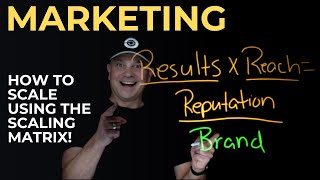
Jim Johnson outlines a stage-based marketing matrix for contractors. Startups should focus on Google listings with 10+ reviews and referrals. As you grow, add marketing automation and budget 3-5% of revenue; at scale, invest 5-10% in omni-channel campaigns like TV and billboards.
Chapters
Most contractors treat marketing like a gambling addiction. I see contractors that are doing $500,000 in revenue with huge ad budgets like they're a $20 million company. Today we're going to talk about what you should do and when you should do it in your marketing strategy based on the stage of your business. In other words, what size you are determines what you can do in marketing and where you should really be focused. My goal today is to share with you exactly what you're going to need to do in each one of those stages. We're going to talk about the early stage contractor, those guys that are startup and solopreneurs and what you should be doing. And then we're going to be talking about the friends and family type of contractor where you're becoming a little bit of an entrepreneur, the getting serious type of company where you're becoming a little bit of a business, and what you should be doing in those two. And then finally in your growth and scale stages and your expansion stages. My name is Jim Johnson and welcome to the Contractor Training Room where we go live every single week to help you guys, the contractors that are out there, boots on the ground to do a better job of creating a business that you can be proud of. It's a well oiled machine that generates the lifestyle that you're looking for. We help you achieve your goals without sacrificing the things that matter most. And so we've been going through in this series for the last few weeks through this thing called the Contractor's Block Blueprint. It's a framework of 12 pillars of your business, leadership, culture, process, HR you guys call it, we call it team performance, finance and numbers. And then finally accountability on the foundational side of your business and then on the operational side of your business. We have technology, marketing, sales, production, training and finally recruiting, hiring, onboarding and each one of those pillars we need to do certain things based on the stage of our business. And we call that the contractor scaling matrix. In other words, we're going through these stages of startup, solopreneur, friends and family, getting serious growth and scale, and then finally expansion that there are certain components within the framework that need to be done specifically at that time to give you the fastest Runway to growing your business quick, quickly. And so if you want more information on that, go back to the very first video that we did in this series on the contractor's blueprint. I explained this in detail so that you understand the concept and see where you might be as a contractor as far as your stage and Also, the things you might be missing out on when it comes to the framework and what needs to be done in order to propel your business forward. Because as a coach, for the last 13 years, coaching thousands of contractors through our program, we've noticed that when they come to us is because they run into a roadblock or a ceiling that they can't jump through or break through to get to the next level. That's our whole goal with this, is to help you identify those spots, break through those barriers and move your business forward to achieve that lifestyle that you're looking for. So with that understood, let's come over here for a second and look at these kind of side by side, because today what we're talking about is marketing. That area of the business. What should we be doing and when should we be doing it in our business so that we don't get out over our skis? Which is one of the biggest things that we notice with contractors, they end up getting sucked into all these different marketing initiatives and marketing programs and third party agencies and stuff before they're even ready for it, which takes a lot of their cash out of their system and they end up with nothing in the end. So we want to talk about the right time to do those things. Now you can see marketing is a little bit down the list. If you look at this as a sequence, which is what we talked about in the original show, that there's a DNA to your business and each one of these pillars has a sequence. We have to start with leadership, then go to culture, process, team performance, finance and accountability, and then bring up to tech, marketing, sales, production, training, recruiting, hiring and onboarding. We've got to do those things in that sequence, in each stage. Leadership first, culture next, in each one of those pillars. And then when we get everything done in that first stage, we can move to the second stage and start over again doing it in sequence. But we also have to understand that these things have a relationship to each other. Because if we're out of sequence, the thing that we're trying to do isn't going to work very well. For example, if you're over here trying to create a whole bunch of leads for your business and spending a ton of money and you haven't spent time on culture. And so this idea of who you are and why you do what you do so that you can build a brand around it, it's something that people belong to. It's a brotherhood, It's a group of people doing something very special together. Your brand isn't going to hold any weight. It's going to be very fractured and chaotic, and you're going to try different things all over the place. There's going to be no unity to it because there's no unity. It's not going to have very much reach. People are going to be confused by what it is that you're talking about in your business. If you haven't figured out process yet, you're not going to know what to do with marketing. If you haven't worked on your sales system to take advantage and optimize your marketing, you're going to get results less than what you need, and it's not optimized in a way to close at the highest percentages. So I just want to show you how these things relate to each other and how you need to be looking at it. Like, I'm going to spend a bunch of money on marketing. Well, do I know who I am? Do I know why I do what I do? Do I know who my ideal customer is and what their customer journey looks like? Do I know what the experience is going to be for my client? And if I do know that and I do start marketing, do I have a sales system that's going to close those deals at a very high percentage? Am I going to be able to produce everything that we sell? Or is my team going to be trained to our system so they all work together? We've got to pay attention to all these pieces of our business. It's not really that complicated. It might seem complicated, but just doing the things in order at the right time makes things a lot more easy to achieve. Now, I want to talk to you a little bit about something that was shared with me many years ago and I learned a lot about from a really strong marketing mind. The guy's name is Rory Vaden. You can go follow him. He's absolutely amazing when it comes to brand building and really creating a brand. And that's one thing you need to be thinking from the very beginning. No matter what stage you're in, it's all about brand. So what is brand? Brand isn't the logo on your hat or any of the stuff you wear, even the signs on your truck. It's something different. And so let's talk about what that is for you and your company. I got taught this, this math equation that helps you understand a little bit better, and I want to share it with you today. The equation is results. Times reach equals your reputation. When I was a younger man, the most important thing that my grandfather ever shared with me is that your reputation is the one thing that nobody can take away from. They can take everything else, your money, your house, your cars and all that other stuff. They cannot take your reputation. And so your reputation is what the people on the outside, everybody else believes to be your character. That's what they believe, that whoever's out there looking at who you are, they believe a certain thing about you leading to your reputation. And what makes that reputation is your results. So the results that you create for others and how many people know about it and what that ends up becoming so that you understand what it is that you're doing is your brand. Your brand is your reputation. It is what your market believes about your company, who you are, who your people are, the work you do, the reviews you get, all of that is your brand. The nice logos and all that stuff helps support the brand. But the reality is your brand is your reputation. And so if you have great results and nobody knows about it, you're not going to have much of a reputation, thus not much of a brand. If you have great reach, everybody knows about, you're spending money all over the place in marketing and you're like well known but your results suck, your reputation's gonna suck. So you need to consider both of gotta do great work, great customer experience and a lot of people need to know about it. That's what we're trying to accomplish with our marketing from an overall high arching view of creating a brand. Now when it comes to our businesses and our stages, let's talk about some of those early stage things. Get down here where I'm all right, perfect. And what you should be doing. So in stages one and two. So stages one and two, so you're a startup. Or solopreneur and a solopreneur doesn't mean you're doing it all by yourself, but it means you're wearing all the hats. You might have a little help with a horse foreman on a crew or part time bookkeeper or something like that, but you're not very big yet. You haven't created a lot of revenue. You're, you're likely in the below 500,000 revenue for most of these, maybe pushing up towards a million. If you're got a really high end product that you're selling or trade that you do. But the reality is it's mostly you and you're just getting started. So what do you need to focus on when you're first getting started? And that thing you need to focus on is organic. And so what does organic Mean, first off, it's people know about you because you've done something outreach wise to let them know. So what are some of the areas that you need to be focused on? Well, you need to be focused on some light, and I mean light technology side of your business. So you need a website. Those aren't hard to build. It needs to be a place where people can go, find out information about you and see a clear call to action and phone number to involve themselves with your business. Set up appointments and stuff like that doesn't have to be the wildest, most amazing thing in the world, but. And with tools today, you can build a pretty simple website really fast that looks great with its whole purpose. Set an appointment with us. Set an appointment with us. Get a free inspection, have multiples of those viewable right on that front page. And so this is a little bit of digital, but it has to support your organic if people don't know about you. And this also falls in, here is your Google listing. You got to get those two things handled from a digital side of things. They will support your organic. So your Google listing needs to be in place and you need to get 10 plus reviews as fast as possible. And this is for this startup and solo stage of your business. If you can get those things in place, then when anybody else goes and checks you out, you look legit, at least partially legit. You might be early, you might be new, might not have a whole lot, but somebody else has given social acceptance that you exist, that you are, have some authority, that you are a real company. So that's thing number one, thing number two and the area that you really want to probably focus on first, first in what you do is customer experience. So you remember when I said back before results, it needs to be great experience every single time. People cannot stop talking about people that do an amazing job creating a wow type of experience. Oh my goodness. They started early, they got done really quickly. They cleaned up. Amazing. They left me a little gift. Man, they were awesome. If you need a roofer, fencer, garage floor, epoxy, coater, whatever it is that you do, if you need one of those people, you got to get that guy. He's amazing. Now they'll talk less about that though than they will about a negative experience. The negative experience will drive you down super fast. You got to make sure you're really clean on customer experience whenever you first start up as a business. And as you're in this solo area now, the last and final thing is what we call all star marketing. And that All Star marketing, another word for it. And you can go find books about this all over the place. One of the best things I ever learned in my life was this concept of guerrilla marketing. Not like the big animal, but more like the military. Like, hey, we don't have a lot of people, but we're going to be very good at what we do. The idea behind All Star marketing is it's low budget, highly effective. And so what falls into those categories of this All Star marketing? Well, first off, you can, you can do a few posts and stuff like that. You can create a Facebook page and start to create some organic following of you updating your website and those type of things will move your website up. It starts to support your SEO. And just those two things being pretty consistent with, with putting out some social and some Google updates on your, on your company, whether that be pictures of jobs you've done, happy customers, a story about somebody that you helped. Whatever it is, put that information out there that starts to create your reputation, thus your brand. But there's also other things that you really should be focused on. I'm going to move this up just a little bit so we can really focus in on this area. So what else gets involved in All Star marketing besides some social posts and things like that? And then supporting your Google listing with consistent new information all the time? Well, first off, we have referrals that should be your number one right away. You are aiming for referrals as much as possible. You're also letting your network know. Whenever I would hire new reps into my company, one of the things that I would really focus on with them is, was who do you know? Who do you know right now that needs to know what it is that you're doing? So if they have the need for it, you might be the right person for them. So allowing your network to know what you do. So those posts that you're making out there in social media and stuff like that, they should be about what you do all the time. Your Persona out there in social media should be about your business. You're a business owner. You love helping people. We love serving people. Well, you. Here's the people that we serve. If you know anybody that needs our services, let us know. There should be emails going out to your entire network. There should be incentive that's applied to your network to say, hey, send somebody to me. You get this cool thing. Really thinking about that. That's another thing early in your marketing that you need to understand. I'll give you another great book to read on that is incentive. The name of that book is called Freakonomics. It's not going to be anything about marketing your roofing business. That going to help you understand incentive. Why people do the things they do. They do the things they do because there's enough of a reason. I brush my teeth every day because I don't want to have a cavity. I don't want to have a bunch of dentures whenever I get older. Everything you do has enough incentive for you to do it. How do you give that prospect, that interested person, that prospective client, enough incentive to work with you or somebody that can refer people? How can you give them enough incentive to be thinking of you all the time? So that's your network now. You can go beyond this. There's a lot more that you can do. You can do town hall meetings where you explain to a property owners association what it is that you do and why you might be the right choice for them and how you can help them with navigating maybe insurance claims or keeping upkeep on their house. Those type of things. You can do block parties, you can do ice cream socials, you can do. I mean, I've seen a million different things, but if you really think about, like, hey, I got this house that I'm doing work on. How do I let everybody else around know that we're doing this? You can create an amazing experience. And so I'm going to give you one really simple one right now. Every one of your salespeople should learn it, do it immediately. So again, I'm going to move it up just a little bit here. All right? Every house you ever sell, you should draw the street, okay? And we'll do a little intersection here. This is the street that you're working on, and you got houses all along it. And this is the house that you're at right there. Boom, boom. Okay, that's the house that you had an appointment with, you were referred to. This is the project that you are actually getting an opportunity with. Now, before you even walk in, the very first day, like you show up right there in your car, really quickly, draw this picture, and then draw the eight closest houses. 2, 5, 6, 7, 8, 8 closest houses to that person. And then save it to the end. So you get all done. They become your client. You put a sign in the yard, everything's wonderful. And you're like, hey, Mr. Jones, before I started here, I drew up a little picture of your house and where it was located and the eight closest houses to you because we're going to be doing work on your property. And when we do that work, we'd like to let the neighbors know that, hey, we're going to have some trucks parked on the road. Might be windy that day. A rapper blows in their yard. We don't want them to call you. We want them to call me. Could you tell me who these people are so I can go over and introduce myself? They go, yeah, because I don't want people calling me. They tell you who they are, you go, any of them a buddy, a friend, anything like that? Oh, yeah, Bob over there. This is Bob. Hey, you want to walk over and introduce me? Sure, man, come on. Because we've become friends now. At this point, we walk across the street, I introduce myself to Bob. Bob, this is what we're doing. Be helping this homeowner get a brand new roof on their home because their home is 15 years and older. That's when roofs start to need to be replaced. Got us performing inspection. We found some deficiencies, even a leak. And when we do that work, we're going to have some trucks parked out in the street. We are going to have crews working. It might be windy. Thing could blow into your yard. Here's my card. Call me. Don't call Mark, call me and I'll come out and take care of it and address it personally. We don't want to infringe on you in any way. By the way, have you had anybody inspect your roof yet? So it gets us this next end and the next end and we start to be able to work those referrals and you'll be shocked. The people that you're doing work with, these people are all watching now. I've got their names now from the very beginning. And so even if I don't get them that first day, whenever we come out to do the work, I'm going after them again. I'm getting them to introduce me to the other neighbors. And I'm expanding throughout that neighborhood, keeping my work very centralized, making me very efficient. That's just like a simple little thing. There's so much of that on our platform. On the contractor training room, guys can go and sign up for it at Contractor Coach Pro and get access to that. Absolutely. It's very affordable. Great ways to get some of this guerrilla marketing done. We really focus on the self generation side of what we do. You can do other things as well, beyond referrals and networking. Like I talked about. We talked about, talk about social events. You can set up booths at places like the hardware Store baseball events, stuff like that, just introducing, handing out a little bit of free swag that doesn't cost a whole lot and start to be known in your radius and you're concentrating on the first five miles around you. First you want to own that, you don't want to let anybody else into that area. So this is how you take one job, turn it into a lot of jobs without a whole lot of extra expense in your marketing. That takes care of the startup and solo, let's come over here and we're going to talk about the next group of folks and this is where we begin to start building a scaling engine. In other words, all this over here was sweat equity. We spent time, which is the thing that we have a lot of whenever we're smaller and we can start to do some guerrilla marketing, we can start to do some organic information into our social and website and we can really start to build up our brand and reputation there. But that can only go so far. If your business is built solely on word of mouth and your time and sweat equity and you're going to hit a ceiling at some point that you're going to need more opportunities to support the overhead that you're taking on and the sales team that you want to bring on. And so here we want to talk about a few other things and what are we doing here? What, what, what are the things that have to happen? And so very first thing is we have to start to develop systems. So we have systems to what we do. So we are specifically doing a certain thing for a prospect for somebody that's not addresses for neighborhoods we want to work. There's systems that we're starting to build out to saturate our market a little bit further. And a lot of that system stuff is being supported through technology. So you can start thinking about automations, marketing automation platforms that allow for nurturing of the prospects that you're getting. They are keeping people in your environment. In other words, they've had some interest but they kind of walked away a little bit. Well, we don't have the time to call back, follow up all the time, every single day. And salespeople were terrible at that. So technology can help with that to keep us in front of those people. We want to be top of mind and this is where we kind of start. Some of this top of mind thing is this idea that we always exist, helpful newsletters, going out by emails, how to take care of your roof. There's all kinds of really cool things that you can send out as valuable Information that keeps you as the person they think of first when it comes to their need for the trade that you do. That's the whole goal. How do I stand in front of somebody enough that when they finally need me or they're thinking about me, or they need to take that thing off of their task list, I'm the first one they call. So there's all kinds of things that we can do with that in the system side of things. We could start a system where we're doing direct mail, so that's an investment. We can start a system where we're doing some Facebook ads. That's a system. We can start a system where we're doing Google Ads or Google LSA here. Lately I'm hearing Google Ads aren't working as great as they used to be. So Google LSA tends to work well. We could have a lead aggregation tool like Angie's List or something like that. And don't knock it until you actually have a system for it. Because when you create a system for it, those type of tools can actually be very beneficial. We help clients with that all the time. So we have systems and tech. So what's. We've now got the, like, we developed some systems, we started putting some technology to it, right? And now we want to really take it to the next level. And this is where we start to really announce our brand. We start to tell the story of who we are. What we do, why we do it is the biggest and most important thing. And we share the results of that. The people that we've helped, the charities that we give back to, the communication that we create with our people. This experience that people have with us, we're promoting that all the time. That's starting to become a bit of our reputation and thus becoming our brand. And tech and systems can support that dramatically. And what you'll find is because you've done that and you've gotten more into digital marketing in this big cog as well. So those would be things like Facebook, Google, lsa. Map present. You've really gotten systems for getting reviews. You've really gotten systems for locating the jobs that you've done. You've created these systems that's supported by tech, and you're promoting it out through your digital. That's creating your reputation and thus your brand. You have marketing automation tools that support your Facebook and Google efforts. There are several other things that could be done, but a lot of times we get out over our skis and start investing way beyond what we can handle at this Size of our business. Because what we have to remember is at this size of our business, we're still at 3 and 4, which is friends and family. I'll move that over a little bit so we can see it here. Friends and family. And we are at our getting serious stage. Now. The other thing that we're doing over here, when it comes to this third big wheel and we're doing three major things, we're creating brand, we're creating digital. We're also creating a budget. Earlier over there when we were solo and we're startup type situation, our budget's kind of what we can afford. We keep it pretty minimal. It's a lot of sweat equity. We're not spending a whole lot, usually less than 1 or 2% of our actual total revenue. But here you're starting to move into numbers like 3 to 5% of your annual revenue. This is what we should be buying, budgeting into our marketing, which means we need to raise our prices to account for the 3 to 5%. So how do we. You can't just raise your price for no reason. That means you have to have better work, you have to have better experiences, you have to have something unique and different. And that's where in those sales systems we can start to talk about how we'll build proprietary things that make us unique, allow us to sell our jobs up more so that we can invest in marketing and really own our markets. This is how all of these things start to work together. That sequence and, and the order in which we do things. But here we're doing 3 to 5% of our annual revenue as a budget because we've become a known brand a little bit and it allows us to start to invest back into our business, to start to dominate outside of that five. We've dominated that five miles. We're going to reinforce that now. We're going to take it out to 10, maybe even 15 miles. Like, hey, people are going to see us and know us. All right, so that's stages three and four, where we're focused on friends and family and getting serious. And this is your scaling engine now over here. I'll make that a little smaller. Takes up a lot of space. This is where we're getting into the growth and scale and we're getting into the expansion phases of our business. And this right here is one of my favorite aspects of growing a business because we get to get really smart. And so what I want you to really consider here or really think about is this dude I know named Tom. Tom is awesome. Tom is top of mind. That's what that stands for. And that means that when somebody thinks of roofing or siding or fencing or garage, whatever it is you do, okay, in your market, they think of you first. You are literally top of mind. Like, oh, man, I need a roof. Those guys, we've had some great companies, really create that. But you see, you have to grow to this in most circumstances. Now, if you got a couple million dollars laying around and you want to really blow up a business really fast, great, we can go right to here. That's not most of us. That's a very rare circumstance. And so what's happening in top of mind marketing? Because the big thing that we're doing is we are really grabbing brand recognition. I o m. There we go. Sorry about that. It's close enough. But brand recognition. And so you're going from leads that we're really focused on to people just knowing who we are. When we show up, we walk. You ever heard of us? Yeah, absolutely. We heard you guys see your commercials all the time. You see your billboards all the time. And so those are the types of things that you're now doing because they have a much bigger expense. And so what are we investing here? We're investing anywhere from 5 to 10% in our budget. So once again, if we're raising our budget for marketing, that means our prices have to go up to account and allocate for that budget. And so that means I have to be better known, more trusted, great customer experience, immense amount of reviews. I have everything everywhere, all the time. And that's really called Omni Channel. And we started some of it back over there. Okay. We got involved with the baseball teams and that type of stuff back over in Solo and over there. Then we got into a little bit of social media and Google over here. But we start to add to those things and we're into things like tv, radio, those billboards. And these things are very hard to track to actual cost per acquisition. But when you look at it on a macro level, we sold this many jobs and we had this much in our marketing budget. We can actually say buy that number of jobs. We would divide that by the amount that we spent and it would give us a cost per job acquisition CPA for each one of those. And that's the other thing that you're doing back over here, and I just want to make sure that we don't miss that is we're starting to rely heavily on metrics. So you have cost per acquisition, cost per lead, cost Per click, all those things, you're starting to get those involved in your systems. Okay, Knowing what they are, there's a system to go, hey, spending too much there that we need to move over here. We see that we're getting great results there. Double down right there. We start to get systematic about our marketing so that our budget is used wisely. So this is what it looks like to move from stage to stage to stage. And if you're doing anything here, when you're really over here, you are putting your business into a situation that it could go out of business because you've outreached your spending for what it is that you are known by, what your reputation is, what your results are, what your reach is. You've got to build that over time. So just a little, put it all together, that's kind of what it should look like. That we move from here to there because we've done a great job of creating an amazing customer experience. We've got a website and Google to validate us and we've used some sweat equity, all star marketing guerrilla tactics to build up our business to generate enough revenue to break through and start to set aside 3 to 5% because we've built systems, taken care of our metrics, apply some technology to it, and started marketing a little bit more digitally to add to the number of opportunities that we get. We get really good at that. Then we move over here to the big stuff. This is where. We really start to own our market. This is where you see companies that are 25, 30, 40, $50 million starting to really heavily invest and put budget behind what it is that they're doing. So that right there should give you a really good understanding of what it looks like to market your business and what to do and when to do it based on the size and stage of your business. Now, some of you are probably attending live on YouTube and Facebook and LinkedIn and some of those places. Put your comments down below and I'll come back to those after and do my best to answer them as well as I possibly can. But depending on your stage and where you are, you will likely need some help in starting to build out some of those strategies and specifically what to do in your case because you might be solo and startup and you don't know much about door knocking. That's another one of those guerrilla marketing acts like it's just sweat equity and time. How can I get great at that? Well, we have a tool built just for you that is a do it yourself tool. And this is diy in other words, you can chat with me anytime you want, like a Coach in your pocket. 24, 7365 I've got questions. I need to learn how to door knock. What's a great door knocking script? Boom. Ask the chat tool and it will give it to you through 20 million words that we've put in that thing from all the trainings, coaching teachings that we've done over the years. What should I invest in my budget? Boom. Answer for you. What should I invest now based on this situation in my so this do it yourself approach is super helpful, very affordable. It's only $29 a month. That's less than a cup of coffee that you make at your house every day. And then you have the getting a guide, getting a mentor. This is where you're usually going into the friends and family or getting serious stages, maybe even up into the growth and scale stages. And you need somebody that's been down the road before. I've built 25, 30, $40 million annual revenue in my businesses doing exactly these things that we teach. We've been teaching it to contractors for the last 13 years with an extremely high success rate. It's one of the things we love to do is to help contractors build the business of their dream. And a lot of times you have nuance and uniqueness to your business, things you believe in. We want to bring those things together with that framework and matrix, help you do the right thing at the right time to grow your business really quickly. So this would be more on the one on one coaching side of things. Click either one of those QR codes. Click the QR code. This contractor assessment, it's going to take an assessment. It's going to take you about 20 minutes. It's a no joke assessment. We put a lot of time and energy and effort into that so that we can eliminate the questions on the coaching call and actually do some coaching. We don't have to do a whole bunch of fact finding. We can actually see from the answers that you give us exactly where you are as far as the stage of your business and then where you have holes in your foundation or I'm sorry, in your foundation or operation on those pillars so that we can then give you specific guidance that very day. No obligation. We want to coach you that day. If you like coaching, you want to work with us, wonderful. We would love that. If not, at least we gave you the two or three things that you should work on next in your business. So you've got a couple of different options on how you can work with us if you need some help, and we have others as well. If you want to get on our learning platform and learn all the stuff from our learning platform, there's contractor training room. We do a lot of different things to help contractors out there. We keep them as affordable as we possibly can because we want to see you succeed and succeed in a way where you achieve your goals without sacrificing the things that matter most. I'm Jim Johnson, head coach here at Contractor Coach Pro, here to help serve and love on this industry that we care so much about and has been so good to us.










