The Big Squeeze - Sales Crisis
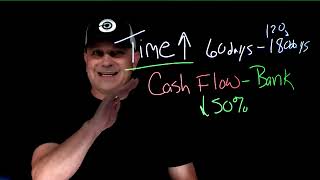
In this 2026 YouTube episode, sales trainer Jim Johnson outlines a severe profit squeeze affecting home‑service contractors. He attributes the squeeze to four converging forces: (1) top‑line revenue falling 20‑30% across trades, (2) overhead rising 18‑25%, (3) the “peak price” per job stagnating while cost‑of‑goods sold climbs 18‑25%, and (4) cost‑per‑lead doubling (≈118%) with closing rates dropping 10‑20% and sales cycles lengthening from 60 to 180 days, all of which erode cash flow. Johnson then presents his solution: a sales methodology called Neuro‑Storytelling, built around a four‑part flywheel—Authority, Communication, Logic, Emotion. He explains how to build authority (rapport, credibility, expectations, expertise), foster genuine communication (interest, attentiveness, confirmation), structure a logical, step‑by‑step process, and invoke positive emotions (empathy, control, future‑self visualization). He illustrates the approach with a proprietary inspection offer and the principle of reciprocity. Finally, he promotes a three‑hour virtual workshop, a 150‑page field guide, and a 52‑card objection‑flashcard deck aimed at insurance‑restoration contractors, promising higher close rates (50%+), faster payments, and sustainable profit in a down market.
Chapters
There's a crisis going on out there for home service contractors and that crisis is the amount of profit that they're making today versus what they were just making a year ago. And I want to talk about the factors that are affecting it and talk about what's going on for you as a business and actually how we can solve it. We're going to talk exactly how to solve it throughout our entire episode on Neuro storytelling as well as our entire series, seven part series on the big squeeze. So the first thing we have to realize is there is a big squeeze. What do I mean by that there's a big squeeze going on in our contracting industry? Well, what I mean by that is you have a couple of different factors going on. You have this one right here that's really important. It is costs. So think of that as things like overhead, things like material labor, those type of things. And then you also have your top line revenue. And so this is your top line revenue. And that has been going up over the years. This started to flatten out a little bit. And if you think about the thing that happens between those two things, that's your profit. And that profit is being squeezed down from both sides to being significantly less than it was before. And where is that happening for us as a company? Well, let's talk about the four main areas that it's affecting our business are top line revenue. So our top line revenue, what we're bringing in as a company, those top line revenues are down 20 to 30% across the board in roofing and siding, in fencing. Whatever your industry is, you are probably experiencing some of this right now. And then you also have a problem that it is versus your overhead. And so you have this top line revenue going down, but your overhead is going up because overheads are up anywhere from 18 to 25%. And so what happens there is you have top line revenue coming down, you have overhead that you've brought on. You were probably predicting the same type of growth that you've had over the years and that growth just isn't happening the way that you were expecting it to be. And so that's our top line revenue. What that does is that gets us out over our skis cuts our bottom line net profit at the end of the year and that net profit starts getting into the red. This number that we are either way lower. And I'm seeing numbers from 2 to 8% when prior to that you were seeing 10 to 15, maybe even 20% net profit at the end of the year. That's because we said, hey, our revenue, we're expecting it to be this. And so we put in the overhead to do it. And the bottom fell out of the economy. The bottom fell out of what you're doing out there in the world. And in addition to all that, we've got some rising costs that we want to talk about. So let's move that up this top line revenue and overhead, and we'll talk right here about our. What I call, Let me get this. There we go. Our peak price. So your peak price that you can charge per job has been steadily rising for several years since about 2019. It's been a significant rise. It was rising before that, but pretty shallow. And then all of a sudden started rising quite a bit. Covet hit and everybody started getting work done. And boy, the cost or sorry, the price that we're able to charge somebody has gone up because the cost for doing that were also rising. And so we have this cost factor that's rising as well. So this would be our cost or cost of goods sold. Think of that as cogs cost of goods sold. So this would be material. Labor and commissions at your cost per the job. And your revenue per the job was also rising pretty equally. And we were able to keep pushing and keep pushing. Every time we dealt with a raise in our cost, we were able to handle that out in the world with our customers. But what's happened here recently is we've hit a peak price point, a point where the homeowner goes no more. And so this number has started to stagnate and slowly rise back like it was before 2019. But our cost of goods has continued to rise, squeezing down the margin by job. And so the problem with that is not only are we not making enough profit per job, but it even affects our commissions and everything else that people make, affecting your culture, affecting all kinds of situations out there for your business. In 2025, this past year, the amount that we could charge only rose about 1.5% over the last year. But our cost of goods have continued to rise 18 to 25%. You can just imagine the squeeze that that's putting on. And that profit is going to be almost nothing if we continue on this trajectory. So that's peak price. We talked about top line revenue, peak price. Let's talk about the next factor that's causing this squeeze, this crisis in our industry. And that would be our cost per lead cpl, our cost per lead in just the last year. So in 2025, our cost per lead rose 118%, in other words, double. It went from about 450 to almost $900 to generate a lead digitally. Now, why is that happening? Why is that cost per lead going crazy like it is? Well, number one, we have competition. There's more competition out there and less people looking. There wasn't the storms that the insurance restoration needs out there to do the work they need. There wasn't the economic capability for people. And. And so there are less leads that cost more for more contractors, creating immense competition so they can drive the price per lead through the roof. And so we have to make some adjustments there. This is one of your biggest problems that you're dealing with right now. And then on top of that, what that caused was it caused our closing percentages on the leads that we were able to get and go and sit with, they went down about 10 to 20% per company. So if you were closing at 30% before, you might be closing at 20. If you were closing at 40 and maybe even 50, you might be closing at 30 or 35 somewhere in there. If you. But those closing percentages went down because the peak price got more than the homeowner could bear. You had more competitors competing for it. People started competing on price and driving the number down. And so we into this crisis that's really affecting our businesses, and if we don't watch it, we're going to put ourselves out of business. But my job is to be here to solve it. Now, let's talk about the last factor, the one that's really important, and the next one that we have to talk about is time. Now, this is directly related to you guys that are insurance restoration contractors. The amount of time has risen from 60 days to 180 days in some cases to close out a deal from start to finish, from the time you meet them till the time you meet an adjuster to get it negotiated out until you do the work. Collective depreciation, have another supplement. We're running anywhere from 120 to 180 days, when it was 60 days. And what does that affect? What. What's the problem with that? What affects cash flow? You just became the bank. In other words, you're floating money. You're floating money that you have put out, waiting on money to come in to pay the bills. And we get behind the eight ball and all of a sudden we've done more work and put out more money and we can afford to continue to pay for overhead and we go out of business or we get really compromised, or we do even worse, we go and Take out loans and lines of credit and things like that, hoping that we're going to be able to manage this. And all the insurance companies want to do is make it last longer. They would like to see it last as long as we possibly can and increase that number so that you don't want to do that type of work anymore because it costs them money. So think about it this way. Your cash flow is being cut in half. Okay, it's down about 50%. And what does that relate? Like, the time doubled, so my cash flow went down by 50%. In other words, I don't have as much ready cash anymore as I used to, so I can't invest and grow my business the way I want to. So my guarantee to you today is that we're going to be talking about the sales side of things and I'm going to walk through exactly what we need to do on the sales side. In our other episodes, we'll be talking about the business side, but this one is strictly about the sales side and how to solve that part of the problem. Hope you watch the entire series. We're looking forward to sharing this with you. So before I go there, though, before I talk about that, I want to tell you a little, little story. Okay? Now, I've been teaching salespeople for a long time. My name is Jim Johnson. I've been doing this for 30 years in a variety of different industries. In the health club world, in the painting world, in the construction world, software world. And I've taught thousands and thousands of sales reps. I've helped them to increase their closing percentages from the 20s and 30s to the 50s and 60s. We train on a methodology that makes absolute sense and makes it super easy. And the thing that I've learned over time in training those folks is that most of them, it isn't their fault. They are more than willing. They're going to put in the effort. They're bumping up against walls. And that comes down to a couple of things, really. And truthfully, it comes down to one, not relying on any kind of technique. They're just relying solely on relational sales. They're able to go out there and talk a good game and, and do the thing. And they do pretty well. I know lots of guys that sell that way, and they do pretty well. Unless you have a down market. When you have a down market, that goes out the window. And then the other thing is you have this idea that they get trained, but they only get trained on pieces and parts. There's not really a Good methodology put to it. It's a little bit of winging it kind of a feel, learn from me ride along training or if they even do have training, there's actually no science behind it that has proven over and over and over again to be successful. And it's one of the things I've spent my entire life learning. The psychology of the sale, the human behaviors involved with it, the steps and the process question, all those things are really, really important. And imagine, just imagine for a second if you knew those things and the order in which to give them and what would that feel like for a homeowner? Like if you were able to put a homeowner in a position that they were able to understand exactly what was happening, they were feel like they were in charge, they were confident and felt like their decisions were correct. They trusted you. How do you think that would make them feel? Do you think it'd take away a little stress? And then on your end, like wouldn't that be awesome if you didn't have to have a high pressure, stressful situation defeating objections all the time and people just chose you, like went obvious choice, what would that make it feel like? Well, that's what we're going to talk about today. We're going to talk about that because I think it's important. I want to share something with you that I just did and point that out of what we're going to be talking about. That story that I just shared with you, the first piece of it, I created authority and saying, hey, I've trained these people and I have done it. You can go check it out, prove it for yourself. And thousands of guys sell millions of dollars. As a matter of fact, probably the people that I've trained sold well over a billion dollars at this point, over all these years. So I gained authority, right? I gained some trust, I built a little rapport. And you're starting to go, hey, I might listen to this guy. And then what I did is I communicated with you, particularly you salespeople, because that's who I want to talk to. I want to talk to salespeople and sales leaders right now. I put myself in your shoes and explained the story of what you deal with with a lack of training, winging it. Those things that I talked about. And then I talked about logic, I talked about logic, this logical order in which to do things, that if I do those in, in the, in that way, the result is the resolution is determined already, the outcome is predictable. And then I brought in emotion and what it feels like and imagine yourself in a homeowner's shoes or B, put yourself in the shoes of a salesperson like that. This is what neuro storytelling is all about. And we're going to talk about these four things right now and how and they affect your sale and what you need to do to improve that in your world. So I want you to think about it like this. That is say flywheel, okay? That's a flywheel. So this is the first part. This is the second part is the third part. That's the fourth part, four part flywheel. And the very first piece of that flywheel, grab us a color that we like to use here, is authority. So we have to get trust, okay? That's what authority is. That's trust in what we do. So that's the first thing that we tend to do. And if you think of your sales process in phases, we get to do it over and over again in various different pieces of our sales process. The next thing that we have to do, just grab a different color here is communication. In other words, I got to connect with you and I have to build relationship. We have to relate to one another. And so hopefully I was able to relate to you guys as sales guys that are out there struggling. So you could see that I have been there before, seen it before, dealt with it myself, and I understand what bad training looks like. Whenever I first got into the insurance restoration world, horrible training, I was just lucky that I had some previous training that helped me to be successful at it. And then the next piece of what we have to do, and I always like to put this one in green because I think it's really important, is logic. In other words, it has to be rational. So this person walking through a process with you, one of your clients, it has to feel like it's a rational reason that I'm going to choose you. And there's several factors that play into that. We're going to talk about those in just one minute. Want you to understand this flywheel first. And then finally the last part of that flywheel is emotion. And this is the way we feel. So if we feel under pressure, stress, tension, stuff like that, closing ratio is going to go way down. But if we feel confident, we feel good that there's empathy, we feel that you genuinely care. Like those things are super important. So this is the flywheel. And this flywheel I'm going to do several times throughout a sales process. And if I understand this flywheel, I'm building trust and authority. First off to if you're out there knocking doors. You guys do insurance, restoration, or even retail, you've got to get a little trust just to do the very first thing, much less the thing you want to do. If you're out there on an appointment, you got to build trust right away in the fact that you have some things going for you. We're going to talk about exactly what those things are. But then I got to be relational, relate to them and understand who they are, put myself in their shoes, help them see what those shoes could look like if they make the right decisions. And then I got to make it rational, logical process from start to finish. That makes everything seem like, oh, why not? That's exactly what I should do. And the whole entire thing becomes emotional. And that's what storytelling is all about, is creating some of that in our sales world, at least in stories, when it comes to sales. So let's talk about each one individually. So I've got to create this authority or trust with my clients. And some of the first things that we do to create that authority and trust is we do a little bit of rapport building. Now, a lot of you guys are actually pretty good at this side of it. You're able to build rapport quickly. You're likable. People like you, and you're able to sell off of that, but that's not nearly enough. That does good in a up market, but in a down market, you've got to start to help that person realize you're the right person for them. Because you've got to go from likable to leader. You got to be able to lead like you're the person that's going to solve all their problems for them. You can't just be likable. They have to, in the end, ultimately feel like you are leading it. So there's this emotion that you're the leader. And so we've got to build some rapport. But the next thing we have to do is we have to build credibility. So how do we create credibility? Well, we show them our credentials. That would be number one. But we would also probably show things like our licenses. We would show things like awards. We would. We would show things like ratings and reviews, testimonials. We gotta create this credibility. And after credibility. And before I leave, credibility, one more thing. Not just the company's credibility, your credibility. Do you have any kind of training? Do you have any kind of certifications? Do you have experience? Like, do you know what you're talking about? And we, we create that credibility in a variety of different ways. But I teach people like, hey, don't only just talk about what the company has. Talk about what you have and go get those things yourself. And then we do a walk around with that homeowner talking about their project. I can actually start to move myself from just being credible to a thing that's really important. We're going to talk about in just a minute. But the next thing I have to do in this authority aspect of things, and I got to set some expectations because now I'm in the lead position. So I'm going to set expectations of what's going to happen next. And so if I'm doing an inspection, I'm setting expectations for that. If I'm done with my inspection we've talked about, I set expectations for how we could solve the problem. I set expectations for the price. I set expectations for a lot of different things throughout the process. You can see it as a flywheel I keep using over and over again. And then the last thing, that if I do all of those really, really well, I can position myself as the expert. That's where during that walk around, I'm using terminology. I'm talking about the critical issues. I'm talking about what problems we may have. I'm also putting them into some ownership as well. I'm saying, hey, here's the deal. It looks like that's a problem. You got missing some shingles up there. You agree that we should do something about that, right? Oh, yeah. Well, that's probably because their nailing pattern was off or they used a shingle that didn't have a. A special kind of strip or sealant or type of nail in it and causes. Now I'm really, like, becoming an expert, and I would use all the terminology for my manufacturer, my shingle that I enjoy using. But I need to talk in a way that sounds like a contractor, not like a salesperson. And we really shouldn't be perceiving ourselves as salesperson or salespeople. We should be like problem solvers. We're a solution artist, like that type of thing. Like, we're here to serve you and do well. Like, if you could put yourself into a position where you felt like you were serving somebody every time, how much more fun would it be to sell? So that's authority. And, like, how we establish some of that in our sales process. Let's talk about the next one. Try to remember my colors here. The next one is communication. And what communication does is it creates relationship. And so what factors allow us to create relationship with Somebody else. It's cool. You're nice. But do I actually want to be in a relationship with you and can you relate to me? Those things are really, really important. So the things that you have to consider is, number one, you've got to be genuine. In other words, if you're full of it, they're going to know it right away. If you don't really want to help somebody, you look at them as a paycheck. They're going to feel that energy right away. So you've got to be genuine that you truly want to help somebody. Because if you are not out there to do that, your chances of success have gone down greatly, then you have to be interested. What does that mean by interested? Well, if there's one thing I've learned coaching thousands of salespeople, taking all the sales courses you can possibly imagine getting certified in just about every system that you can think of, interested means I got some questions. They're not a survey at all. They're natural. Throughout the process, I'm asking questions like, hey, Mr. Jones, have you ever worked with a contractor before? Yeah. Oh, how did that go for you? That was awful. Well, tell me more. And they start to tell me some speed bumps and challenges and issues that they had, and I'm just cataloging them because I'm going to solve them in my presentation, in my orderly presentation. That's going to be very, very clear. I also say things like, hey, Mr. Jones, if you could wave a magic wand, what was your perfect experience with a contractor look like? Boom, boom, boom, boom, boom. He just nails off everything that I need to know to solve those problems for him. So I'm. I'm genuine. I care. I want this thing to go well and I want to serve them. And I'm interested. If you're genuine, you're truly interested in solving their problem. So after being interested, I need to be attentive. Most of you talk way too much in sales process, ask more questions and listen to more answers. We've done a lot of studies with several different sales analysis platforms where they actually listen to the conversation, analyze them, and let us know what's going on. Tools like Rilla or Ciro, those type of things. And what we've found out is that the sales reps that ask more questions than everybody else and listen more, in other words, they talk less than the homeowner does. Their closing rates are significant, like double higher than everybody else. So we've got to be attentive, listen, take those answers down, catalog them, write them down. If you need to. But we want to listen for understanding, not for response. Most people today listen to respond. They're not even really hearing what you were saying. They're just thinking about the next thing they're going to say. And the problem with that is immediacy. We want to respond right away. So we look like we're confident we know what we're talking about. But there's techniques that allow us to be attentive and listen and then still take some time to think. Oh, Mr. Jones, I hear you there. As a matter of fact, I've had several other people that have had the same issue. All that time I had to think and then I get to talk to them about what happened with those people. I know exactly what that looks like whenever I'm being attentive. Now, Mr. Jones. Oh, I hear you there. Help me understand real quick because it could be either this or that. Which one is it? So this gives you time to think and they give you the answer. Now you can really hone in on that particular issue. So we want to be really attentive. And then finally, and I was alluding to it right there is I want to confirm. Oh, so I hear you Mr. Jones, and if I'm hearing you correctly, I understand that you want this, this and this. Is that correct? So I'm confirming and I'm communicating in a way that they understand there's a relationship between us. And that relationship is I want to help them solve their problem. I am the, the, the, the pinnacle of all things to solve whatever problem it is that they're dealing with. So that's communication. And the important part for you to remember about this is these are forces that are happening out there between you and the homeowner. And if you're off on any of them, each one knocks down your closing percentage significantly. And so these are the underlying forces behind the neuro story selling method. If I don't understand these forces, the method doesn't work really well. We're going to talk about that method as well. So after communication we have logic. And I think of logic as this thing that's rational. In other words, it makes sense that this is something that I should do. And people don't make rational decisions based off of confusion, based off of a lack of understanding, based off of a lack of order. And so that's really the first thing that we have to establish for people to make a logical decision is that there is an order to the chaos that is construction for everybody else that we're going to Have a systematic approach that walks them from any A to Z, step by step, With no gaps, That brings them to a logical conclusion that you're the choice. So they have, in the end, a conclusion or decision. And if I make things logical, for example, we're going to do this first, this second, that third, this fourth, this fifth, this sixth. And from the day I meet them till the day we're finished with them, they go, huh, that makes a lot of sense. A lot of you lose sales right here. And the reason is you take it halfway, especially in insurance restoration. Hey, you got damage? Let's make a claim. Meet your adjuster. I'll meet him. We'll get everything taken care of. And that's where you stop. But you don't tell them what's going to happen after you get everything taken care of, how you're going to deliver materials and communicate with them from production, how you're going to take care of their home, how you're going to keep things safe, how you're going to do the next steps all the way through to how you pay us in full, where you're all done and finished. And if you leave out any one of those steps, you get this objection at the end. You know, Jim, I need to think about this. And you're like, I don't. You have no idea what it is they need to think about. They don't know what you miss, so they can't communicate it to you. And you get into this back and forth that goes poorly, and you ask the wrong question almost every time. Hey, Mr. Jones. Completely understand. Could you help me understand exactly what it is that you need to think about? Well, big decisions like this, I just like to take time, sleep on them. I'm going to talk to some other contractors. They start to give you all those objections because they don't know what you missed because you didn't make it clear to them. And this is where most of us fall down. All right, so that's logic. Let's talk about the next one. That one's in red. I remember correctly, and that is emotion. Or the field, how somebody feels about what it is that you're doing with them. And so we have options here. We can either make it stressful, difficult, confusing, and all those things that lead to no sale, or we can start to do some things that help them be a little bit more comfortable. And so we can be empathetic. That's understanding, but not having sympathy. Empathetic. I can put myself in their shoes and understand where they are. But we got to do something about it anyway and I'm here to solve that problem for you. So I need to be empathetic. I need to allow them some control if they feel like they're in control, which, to be honest with you, I would like them to be in control as much as possible without deviation from the process. So anytime we get off the process, I'll always come back to that. But I want to be in control of what's happening throughout that process. I want them telling me what they want. I don't want the. I don't want to be telling them what they want. And so when to give them some control. We're going to talk about that more in this series because I want them to be confident, Want them to be confident that they made the right choice. Everything was logical that seems right and rational. And now I'm confident about my decision. I feel like that. And then the next thing that I want them to do is I want them to see their future self. So I want to paint a picture. I want them to see themselves with that new roof or with that new fence or with that. And what difference does it make in their life? I want them to picture themselves in the future enjoying the thing that we did or at increasing the value of their home or solving a problem they have and what that makes them feel like. Less stress, more hopeful, proud. All of those things are emotions. People buy on emotion. That's ultimately the reason they buy. Most purchases start off rational, but we allow some emotional to get in there and tell me I'm wrong and I'll show you the last car you bought and I guarantee you there's something on there that you got that you probably don't need, but you thought it was cool or you thought the other people would like it. So be very aware of emotion. Makes a massive difference in what you're doing. So I want to go back a little bit for just a second or let's, let's give an example, let's apply this a little bit and let's talk about application. Where does this work? Like you see those four things, I got to build some rapport and trust. I've got to get credibility so I have authority. I got to communicate and be relational. I've got to give a logical order of things and I've got to put some emotion in there. And so this is where I struggle with a lot of, especially door knocking, insurance restoration style reps. But this applies to everybody that does retail home services is this idea that you're selling the end thing before you sell the first thing, you're there to sell the thing. A roof, a fence, a deck, a garage floor, epoxy coating, whatever it may be, that's what you're there for. So that's what you're focused on. But the idea is that's a piece of value I don't want to give you and you haven't earned yet. I want that to sink in for just a second. That's a piece of value that I don't want to give you because you haven't earned it yet. So what do I mean? Well, whenever we go out on our appointments, we are there to usually start with some kind of inspection or survey of the project. And we dismiss it like, hey, I'm going to take a look, I'll go get my measurements, I'll do my inspection. And that's all you say, there's nothing more than that. And your idea is that I'm going to go get the information, come back with the information. It's going to mean something to you. And so you're out there generating free estimates and saying, hey, here's the total generation. Do you want to go with us? And they go, no, I got a lot of things to consider still. And that's because you jumped all the way to the end to sell the thing without selling the first thing, which, if you sold it right, would make a huge difference. And what that is is your proprietary inspection. It's one of a kind, unlike anybody else is out there on the planet. My inspection is so much different, and here's why it's different. Mr. Jones, you're going to get a report that looks just like this one that I did for one of your neighbors or my last customer. It's going to cover this, this, this, this, this, and this. I'm going to document special instructions. I'm going to document any issues that may have arise and I'm going to get done. And I'm going to sit down with you and I'm going to go over it with you. And it doesn't cost you anything. It's something that we want to do for you so that you have the proper information to make an educated decision to do the right thing for your particular situation and this project that you want to do. And imagine if you knock a door and that's what you sold. You sold this proprietary report that nobody else has. Nobody else does because they're too darn lazy. And lazy doesn't work in a down market. That if I did this report that was amazing looking, done professionally and I gave it to you willingly without any want for anything else because I genuinely care enough about you to protect you from nefarious contractors. If you're in the insurance world, nefarious insurance companies, because you're part of my community now. I want you to think for just a second when somebody gives you something unique and different and valuable, what do you want to do in return? I know man. For me, I have people that will take me to dinner and it'll be an awesome dinner. I'm like, next time we're together, I gotta find this awesome place and we're gonna have an awesome dinner and it's gonna be more awesome than his was. That's called the law of reciprocity. They want to give back to you. If I do this well and I sell this part well and I sell this, not that, that it's unique and different and I can prove it and I get done and they have something valuable and I say, hey Mr. Jones, looks like we got a problem. Want to see some solutions for that or let's take a look at some solutions. Just assumptive they go, yeah, go ahead, I earned it. I earned the right to do that. Prior to that I had no right. I did something awesome for them. So this is just one example of what we teach in Neuro storytelling and how that helps you sell more, close more, hire profits, get paid faster than all these things that are really, really important we're going to be talking about throughout this series. And we're actually going to be doing a virtual workshop on this. And what do I mean by that virtual workshop? Well, this virtual workshop, it's going to be three hours and it's going to be intensive. We're going to walk through neuro storytelling from beginning to end, exactly how to do it. Each step, the talk tracks the objections, the scripts, everything that you need. As a matter of fact, when you get done, you're going to get 150 plus page field guide that you can literally take with you anywhere, put it right in your truck. That'll guide you through each and every situation that you might deal with out there. It'll talk about how to tell the stories as you walk through your sales presentation. It'll talk about how, how to do the give up to get close, how to sell the best and then negotiate the rest. It's going to cover all the things that allow sales reps, even in a down market to close at 50% or better on their sales calls. And what difference would that make if you had that kind of a closing percentage? So this thing is going to be three hours. It's an intensive. You get a field guide and you're going to get our neuro story method. You're going to get all the assets to pull this off out there in the field. You're also going to get Nero story flashcards. Now these flashcards are designed for the insurance restoration industry. The reason that we're doing those is because many people in the insurance restoration industry want to convert an insurance restoration job over to retail. And we deal with different objections for that. This is a 52 card deck. Just like a deck of cards. There's going to be 50 objections in there. A couple of really cool things to share with you as well that I think you'll enjoy. And, and they're going to help you get practiced on what it is that you need to do. So if you want to find out more about this, we're going to be doing this early in March, either the first or second week of March. We haven't gotten a date yet. If you want to know what that date is and you want to get notified, we'll get back up here and go through all the stuff that I just talked about. I know it's over there. There it is, my cool little screen here. This is so much fun. Just click that QR code right there. Click that QR code name, email. That's it. We don't want a whole bunch of other stuff. We'll just keep you notified. But keep you notified that hey, you want to become a professional salesperson, a down market, still make the money you're making and probably more. And then when the up market comes, you really blow it away. This is going to be life changing for you. I am tired of watching our industry be in a crisis. Let's stop the crisis not only for the companies or for the salespeople as well. You sales leaders out there watching, send us your guys. They're going to come back not only fired up, but they're going to come back with practice regimen that you're going to be able to implement in your business that's sustainable. It's not just going to be a spike for a week or two or a month. It's going to be sustainable over time forever because we're going to roadmap it out. That's contractor training room today. Hope you enjoyed it and we'll see you on our next episode where we talk about the actual system itself. The eight steps. Don't miss it. Otherwise, go get registered down below and we'll see you on the next episode.










