The Resilient Leader with Ronnie Lollar
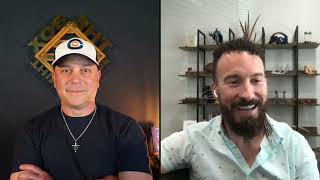
This is a Contractor Radio interview (April 2024) with Ronnie Lollar, Chief Revenue Officer at Avco Roofing. Ronnie describes his background in door-to-door sales across multiple industries, his rise into leadership, disciplined personal routines, and coaching-oriented approach to people. He recounts Avco's rapid growth (from about $1.5M to ~$30M), a subsequent cultural fracture and mass departures, the health/stress impact, and the company's recovery by recommitting to culture-first hiring and intentional leadership.
Chapters
That's the type of thing that I think contractors need to hear. They're not the only ones out there, even the ones that they're looking at going, hey, boy, those guys really have it figured out. We all have our problems. We all have our struggles. It's how we manage them and the actions that we take during them and the fortitude and resilience that we have. I think that structure and discipline that you have is what helped you get through this. Pretty awesome to watch. I know. We're back on the rise again. Yeah, it is good to see you get back to what made Avco Avco, which was the culture. It was always the culture. Hey, everybody, it is Jim Johnson, your host here with Contractor Radio. Four and a half years of putting out what we think is pretty solid content to help you contractors out. And I have a rockstar guest. This guy is actually really near and dear to my heart. One of our coaching clients. For many years, they've had their ups and downs, more ups than downs, and we're going to talk about some of those things today. He's risen through the ranks as I was working with the owner of the company. He had started out in sales and he's moved up and now he's literally like the man. He's the one running everything. And I can't wait for you guys to hear from him. He's absolutely awesome. Brings a lot of value. We are here, our contractor coach pro. That's what we do. We coach contractors. This is actually a good example of some of that coaching. Once you see who it is, you'll be like, oh, man, they coaches those guys. And we're here to help and serve you guys. We're helping you to become better leaders so that you can create the processes and systems that you need to grow and scale your business in an effort to help you find what we're hoping is prosperity, this personal and financial freedom to chase the dreams that you've had in your life. It's what we do. If you want to get great at that and you want to get where you want to be faster, that's what we do here. Go to contractorcoachpro.com Click on our take assessment button. You can take a quick assessment. Well, it's not that quick. It takes about 15, 20 minutes. But that's because you're going to tell us everything we need to know. So we're not having to ask you a bunch of questions. We're going to give you a free coaching call. It's not going to cost you a dime. If you like what we do and you want to coach with us, great. But if not, we've served you well that day by giving you two or three things that you should work on next to level up your business as you move forward. So since the commercial is done, I'm super excited to bring this guy on. He's not just a contractor. I've had the opportunity to actually spend personal time with him on a couple of vacations on location with them. And above and beyond everything else, he's an amazing human being. Welcome to the show. Ronnie Lawler. What's happening, brother?
What's up, Jim? Great to see you.
It's good to see you, too. What's the title nowadays?
I think Chief Revenue Officer at the moment, but it kind of changes quarterly sometimes. So, yeah, a little bit different here and there.
So you're so good at what you do. You're moving up fast. That's one of those things that's pretty cool. So for our guests and listeners that don't know who Ronnie Lawler is, bring us up to speed. Who's Ronnie Lawler and who do you work for and what do you do and why are we here together today?
Yeah, so, yeah, I always like to relate myself as being a dad and a husband first and second foremost. Been married to my beautiful wife Lindsay. This will be year 18. Been together for 20 years now. You know, my wife, you've got to meet her. And you and Michelle got to spend a lot of time, which she loves both of you guys a lot. So, yeah, we've been married for a long time and thankfully still very happily married. I make sure that I do date night at least once a week. It's an important thing that hopefully we'll get to maybe talk about a little bit later in the call. Father to three amazing boys. Got two teenagers now, which is kind of bonkers.
I can't believe they're teenagers.
Holy cow. I know it doesn't feel like I should be able to say that. I don't feel like I'm that age, but somehow here we are all these years later. So. Yeah. And I love, honestly just getting to help people in general. And so I happen to be the chief revenue officer here at Avco. Roofing is where I work. So I've been here for. October will be nine years, which is kind of crazy to think that it's been that long. You've been around for a lot of those years and helping us with that ride. Yeah. And got a lot of love for sales in General. I've knocked doors in six different industries and seven different states and sold all kinds of different stuff. And I love talking about sales, I love talking about helping people. And it really, you know, roofing specifically helped radically transform my life and my family's life. So I love actually getting to talk about that and seeing new people get into the industry because it was something for me that really was life changing. And so, yeah, that's kind of quick about me been in the roofing space. Let's see, this is like year 17, so that's also kind of crazy to say as well. So. Yeah.
Man, that's a lot. Okay, so I learned something new today that I did not know. Six different industries. What?
Yeah. So first was knocking doors, selling newspapers at age 11. So that was my first gig was selling newspapers in inner city New Jersey, which now that I think about it as a parent, I don't know what my parents were thinking where, you know, this guy rolls up in a, you know, beat up station wagon. He's like, hey kid, you want to make some money? Like, if somebody did that to my kid now, I'm pretty sure I'd probably chase him out of the neighborhood. But you know, those were simpler times back then. And so, yeah, so he asked like, hey, you want to make some money? And kind of grew up lower class. And so I was like, yeah, I'd love to make some money. I'd be great to add parts to my BMX bike or whatever it was. And so I asked him, you know, what do I do? Yeah, yeah, you guys just knock doors and sell more subscriptions than anybody else and you can win some stuff. And so I was like, I competitive person even as a young kid. And I was like, well, I don't like losing, so let's, let's figure out how to win. And thankfully I won like my first three or four sales contests. Knocking doors, selling newspaper subscriptions. So that was my first gig selling newspaper subscriptions. I've also sold insurance door to door. I've sold property and casualty insurance. I've sold life insurance, personal property. I've sold irrigation. I've sold gym memberships and personal training. I mean, it's actually like a bunch of other things over the years in addition to roofing. That's been kind of, kind of crazy.
I never thought of like, so that's my background is the health club world. Like, that's where I got my footing and my start did pretty well in that arena. And I never thought like going door to door and like asking People, hey, you want to come join the club? Yeah.
That was definitely a different approach, but it worked.
I was going to ask, did it work?
Yeah, no, it did. That was one of the things that was always interesting whenever I was a personal trainer for 24 Hour Fitness for a number of years out in Colorado and Houston and a couple other different areas. And being able to, once I branched out on my own, getting people to come in and either purchase memberships or buy personal training. Yeah, it actually worked. It was a different approach. Right. Because you would think from a retail perspective, you know, only people that are interested in the gym are going to come to the gym. Well, you know, a lot of people are actually very intimidated in coming to the gym, so why not go to them?
Oh, man, that's, that's, that's brilliant. I wish I would have thought of that potential that I missed out on. That's frustrating. Is there anything. Okay, so you've sold door to door and I was thinking about as you were talking about, like, I guess I sold door to door too because I did like lawn service stuff when I was 14. So I'd knock on people's doors, hey, do you want me to mow your lawn? Was there anything you found universal across them? Like, hey, this is something that applies to all of them.
Yeah, I think that some of the things that I still use when we're training kind of new people nowadays is really like, you know, the tactics. People kind of get all in their head when it comes to knocking doors. Whatever people's view is, you know, it's really like, we're out there to meet people, we're out there. Is there a need that they have that we can fulfill? And then I'm ultimately the third is that I'm there to make money. Like that's kind of the three step process that really encapsulates anything that you're doing when it comes to any of those types of door knocking opportunities and whatever you're selling. So just out there to meet people, do they have a need that I can help meet? And then I'm ultimately out there. I have to provide for me and my family.
That's really like the core of it, isn't it? So you're now chief revenue officer, you're leading a bunch of people, right? What does that feel like? Because you came from sales, right? Like, hey, that's what I did and I was really good at that. And then you became team leader, sales manager. You've moved up through the company. What has that transition been like? For you? Did you pick up on it right away? Was there a lot of stuff to learn along the way? What did that look like?
Well, I had other leadership experience prior to Avco, and so for me, I had led sales teams at different organizations. I actually led sales teams at 24 Hour Fitness was another place that I led multiple different personal training groups where I was the fitness manager. So I had some experience with managing very unique personalities when it comes to the personal training space, for sure, as you. As. You know, when it comes down to that kind of stuff. Yeah, I've had a couple of those guys. Yeah, yeah, yeah, yeah, exactly. And so I think a lot of those things kind of translated, but some of the things that were really helpful and one of the things I was actually talking to Heath Hicks about it today. Today is his birthday, and so.
Happy birthday, Heath.
Yeah, so one of the things that I was talking to him about today that he really helped kind of open my eyes was kind of the willingness to fail and being okay at failing, because it meant that I was actually trying. It meant that I actually cared enough to push the envelope and trusting my people enough to let them fail as well. And so that's actually like one of our core values is that we learn, we improve, and then we refuse to quit. Not failing. Right. Because in my opinion, a lot of times people think those are synonymous and they're actually not. And so that really was really important for me. I'm a very competitive person. I don't like losing, and my thought of losing is failing, and it's actually not really quite true. Really. If I was to quit completely, that would be really true failure. But so I think that was one of the lessons that I had to learn was allowing my people to fail because they weren't going to do it exactly. Like I would necessarily do it. And instead of coming in to the rescue and being like, no, no, no, just move out of the way. Just let me do it. Right? Let me. Let me. It'd be better if I just did it. It'd be faster. It might be faster this time, but the reality is it's not going to be faster in the long run if you don't actually take the time. Let them do it. Let them screw up, let them fail, and then coach them on what they need to do properly. So that was a lesson that I had to learn pretty early on, and I think that's served me pretty well. Like, I encourage my people to fail all the time. And so if you were to probably come in and you were to hear some of our leadership meetings or our quarterly updates or our weekly sales calls or anything like that, where we talk about I need you to fail more often, you'd probably be like, what, what does he mean? Like why is he wanting these people to fail? I want them to be trying, I want them to be vested, I want them to be willing to do the hard things. And you know, it brings about character. Right. Which brings about growth. Not just in your professional life, but that's also, in my opinion, going to bleed over into your personal life as, as well. And so it's something that I get really excited about. I say this all the time. Like we're actually in the people business. That's what we're in. We just happen to put roofs on people's homes. We put shingles, you know, on people's houses that we're actually in the people business. Right. Whether it's your sales organization that you're. You're interacting and leading or it's your support team that you're involved with, or it's the crews that are actually out there installing our roofs, or it's the customers that we interact with. Interact with or it's our distributors that are supplying us. Like those are all people. Right? Like that's what actually gets me excited about waking up and coming to work every single day is the people that we get to interact with and take care of and help and be a blessing to. I don't actually get excited about like asphalt shingles. I wasn't like, woohoo, let's go install asphalt shingles or low slope application. That's what's up. I've never said that. I don't ever foresee me saying that ever. But yeah, I think it's really an amazing opportunity that we have to be able to do that. So um, it's been, it's been a learning experience over the years, leadership wise and making those transition. I think what really helped me to be okay with doing that was I was good at sales. Like I've always just kind of had a, had a niche for that. But I knew that that just meant that I could only impact it like a 1x multiple. Right. Because I only have my designated amount of time to interact with that many people or I could try to replicate myself into somebody else and I could have a lot larger of a multiple and then ultimately I would be able to impact more people. And for me that was exciting. And so it took me a while to kind of like not want to always scratch that sales Itch of like, being like, hey, I can go sell some stuff right now, or I can invest in these people and help them get better at sales and help them get better at operations and production and, you know, all those myriad of different things and pour into them and actually have a bigger impact, which is ultimately what I really want. And that's to make an impact in people's lives. Like, that's really what I get excited about.
You are preaching to the choir right there. It sounds like we've had some conversations before. That's. That's really what it's. In all honesty, I don't get all that excited about coaching. I really don't. I get excited about transforming businesses. And people like you see their lives absolutely change. You see the impact that they have on others. And it was the same for me at Acculinx and doing what I did there. Contracting, like, that's been the thing, and it seems to be a common thing among leaders. They're more selfless than selfish. The really good ones, the ones that sustain for a long period of time.
Right.
Who in your life has been one of those mentors that you, you, you learned from along the way they went, man, I want to be like that guy. What did you get from them? Is there anybody in particular out there that you followed and watched and seen and done and tried to emulate?
Yeah, I've had different mentors over the years, and it seems like it'll be kind of seasonal where it's like, okay, I really, you know, I can relate to this person, you know, some of the things and people that have been the biggest impact, like my grandfather, my dad's dad had a really big impact in my life, you know, work ethic wise of like, hey, whatever you do, make sure that you're doing it with your whole heart. Whether you're, you know, digging ditches, cleaning toilets, it doesn't matter. You need to put that kind of effort 100% behind whatever you do. And that's always kind of like rang true with me throughout my life. And then, you know, my dad being very, very selfless and a lot of different ways with putting his family first was always one of those things. But honestly, when it came down to business wise over the years, I've got some good friends that are that live in Colorado. My buddy Jason Kingry is somebody that I've always kind of admired business wise. He happens to be a real estate broker. Really solid guy, loves his wife, loves his kids and has a thriving business. And so for me, I always looked for those people of who were able to have that kind of like dynamic where they had a great professional life, but they also had a great personal life. Because I saw a lot of people that had a great professional life and their home life was just a dumpster fire. And that wasn't anything that I ever really wanted to be a part of. You know, I didn't want to have success, the sake of having success. And at the end of the day, looking around of like once, you know, I get done with a podcast or once I get done speaking on stage that nobody else is there to actually share in that with that. That was really something for me that I wanted to make sure that I tried to attach myself to people that were successful in all of those areas.
That's really insightful. Number one, like to go, hey, it's not just the success, it's the. I like to use the word prosperity or thriving. They're thriving both business wise and personally. And that's a hard thing to find because so many of us, so many of us chase the success of business at the cost or sacrifice of everything else. How have you found that balance?
So a couple of things that I've tried to do over the years and sometimes depending on the season, it's a little bit more, a little bit less. But I've really tried to prioritize my, my family. You know, whenever I was just still selling, I would personally like front load my work days to where I'd work four day work weeks and then I'd be off for three days so I could spend time with the family and I'd have like designated time. And that was early on in my sales career, maybe not right off the bat, but then I would do that. So I'm like, okay, if I'm working, I'm fully working. And I'd be gone, you know, those times, which was a little bit rough on the family, But I'd have three days where I would have concerted effort with my wife and with my kids. And then over the years, it's kind of changed a little bit, but really making sure that I can try to be as present as possible when I'm with them. And so for me, one thing that I've done over the last several years, I have three boys. And so like I mentioned earlier, what I do is I actually have one designated night per week for each each kid, so they get designated time with their dad to where they're the focus. They don't get just kind of lumped in together as the kids but they have designated times. So whether we're watching a movie, we're playing a game, going to the batting cages, playing pickleball outside, whether, you know, going on a scooter ride or, you know, going on a run or whatever they want to do, I kind of allow it to be what they would like to do. And so, and then just for, because my youngest, he's very, so he's on the spectrum. And so like whenever you tell him things like he's a very literal person. So we actually change up the dates of the order of who's whose week or day of the week. It is quarterly. So they know every three months they rotate, you know, like, so then whoever was Monday is now Wednesday and so on and so forth. So I do that. And then weekly I also have a designated time where it's just me and my wife. We've had years where when we were, you know, young and broke, where, you know, we couldn't afford to have a sitter and go out at the same time, you know, it was just too much cash flow wise. And so for us we would do try to be creative and have like, I would make dinner, we'd have date night in, you know, and the kids would be, you know, in the other room. But we're, you know, we're, we're still trying to, you know, do what we can. And so, you know, different things like that. And then for, for me, my wife's an amazing person. She homeschools our kids and then just realizing like that she has a very difficult job too. At least all the people I deal with most of the time act like adults. Maybe not all the time, but most of the time act like adults. And so I want to try to prioritize her and what she wants to do and make sure that she still feels like a woman and not just a mom or not just a wife. And so for me, that's an important thing is to try to help encourage her to go spend time with her friends or go have some alone time or do whatever she needs to do. Because, you know, so often, you know, as guys that are kind of driven, you know, you come home and you're like exhausted and you know, it's like, okay, well I'm going to do whatever else I'm going to do now. When I get home, I'm going to keep working or whatever. Well, she's been working all day too. Even if she's at a job or she was, you know, being a stay at home mom, whichever, like all of A sudden, like, we want to pass the buck off on them. Why do we want to do that? And so for me, it's always been an important thing to make sure that I prioritize my wife and prioritize her in my life. And that way, you know, one day all the kids are gonna be gone. Right. Like, one day. As you well know. As you well know. Right.
It's amazing.
But I. But I don't want to wait, you know, and be like, oh, we're completely different people. I didn't realize that you changed as a person all these years ago because we never spent connected and quality time together to know that, you know, you've grown as a person, just like I've hopefully grown as a person. And so for us, it's a really important time for us to spend and do those things towards one another.
So there's something that has always struck me about you, and it's even, even more palpable today. You seem to be a very intentional and structured person. Is that natural? You just grew up that way? It was who you are, or is that something that you've had to learn?
So it's a little bit of both. My mom always, like, whenever my kids are visiting their grandmother, you know, they'll bring up, was dad. Was dad always kind of like this? And she was like, yes, he was like the most disciplined child I've ever met in my life. So I was kind of like that early on in my life, but also, like, things I had to learn how to get better in, because if I wanted to grow into a different person or if I wanted to grow into a different role, I knew that some of those things were going to have to get better. As an example, my wife, when we first were married and I was just getting into roofing, and she would always tease me about how bad I was at, like, calendar management, which I used to be very, very methodical. I worked at a ministry and they made us do 15 minute time blocking. And so that was pretty, pretty nuts. 15 minutes. I had to give an account for seven days a week for every 15 minutes of what I was doing for the coming week. So I did that for years, and eventually I was like, screw that. I don't want to do that. And so then I kind of threw the baby out with the bathwater, and then I had to kind of swing the pendulum back. Because once you get busy as a salesperson, as anybody understands, like, you've got to live out of your calendar, and if you don't, you're not going to be efficient. So I had to get back into that habit. But yeah, for me, if it's not on my calendar, it's probably not going to happen. So over the years I'm very structured. Like I have a morning routine that I do every single day. I have an evening routine that I do every single day.
Hold on, hold on. Because I know you pretty well, you're Mr. CrossFit and all that. What does the morning routine look like? You take good care of yourself. It's one of those things I admire about you and you're able to get a lot done at the same time. So what does the morning routine look like?
Yeah, so wake up is usually between 5 and 5:30, and then I try to guzzle water like first thing in the morning. I try to drink about 18 ounces of water first thing in the morning. And then I thankfully have. Over the years I've built a home gym. So now at our new place we have a detached garage. So I don't even like, my wife won't hear me dropping weights or, you know, grunting or, you know, any of those kind of things. So detached garage. So it took me a number of years to get that to where it is today. But go to the gym and then right now like I had shoulder surgery eight months ago because of a car wreck. So that, that life has looked a bit different, but it's not really stopped me. I've just had to kind of shift my focus. CrossFit unfortunately is had to be on pause for the last eight months plus since my, my injury. Um, but yeah, for me it's, you know, this morning was a zone 2, 30 minutes on the, the bike and then it was a leg workout morning as well. So I was able to get into that. And then I get done. I'm usually in the gym for like an hour to an hour and a half depending on the day. I do intermittent fasting, so I don't eat till noon. So I work out, fasted and then as soon as I get done working out, I cold plunge. So I cold plunge depending on the time of year and what I'm training for. Like right now I cold plunge is like 45 degrees at the moment. I'll get it down around 40 degrees here in the next couple months. And then. And so, oh, one of the most important things I forgot, actually the very first thing I do when I wake up is I take five minutes of gratitude or minutes of gratefulness. So I think of three people specifically that I'm thankful for. And I try to, like, shift it and rotate through. And then I take five minutes to think about them. And then I take. You know, during that time, I also take some time to pray for them specifically, because I want to start off on, like, a positive mindset before my feet hit the ground, ground out of the bed. Like, I don't look at my phone for Facebook. I don't check my emails or any of that kind of stuff. Like, I want to focus that first two to three hours of my day, generally focus on, you know, gratefulness, thankfulness, my workout, cold plunge, and then kind of getting the day started. So that's like a really abbreviated version without going into details of, like, the prep for the rest of the day and all that stuff.
So about 45 degrees, about as far as I want to go. I don't see any additional benefits below that number. But it's pretty similar. Like, you and I have a pretty similar thing. You know, I've gone through an autoimmune thing for the last year and a half, so it kind of threw off the workout aspect of things the way I would like. But I'm getting back at it now. And pretty similar. The first thing I do, man, water, like, right away. And I actually do the AG1 thing. Are you familiar with that?
Yeah, I do. Yeah, I do. I. Yeah, I do AG1 as well. So, yeah, I do that about a half an hour before I break my fast. I do the AG one.
So. So let's talk about this intermittent fasting thing, because that's been a thing that I. I chose to do. I wasn't doing it before I came down with the autoimmune, but I like, hey, I couldn't work out. Like, it, like commanded by a doctor not to work out. And so I'm like, hey, how do I keep the weight off or at least managed well. And that was one of my choices, was do the intermittent fasting thing. And had a big conversation with my wife about it, with the family about it, the whole bit. And then about a week ago, my daughter sends me this article, this study that was done by, like, a real college, that intermittent fasting is bad for the heart, which I did not realize. And so I didn't know if you had heard anything about that, but it was dramatic. Like, 91% more likely to have cardiovascular issues. I went, whoa, that's a big number. Like, if it was 12%, that's not one thing, but 91%. So I'll share that article.
Yeah, share that. Because I wonder, because there's a lot of things that skew some of that research. Right. Like a lot of people do inter fasting for weight loss. I don't do intermittent fasting for weight loss. So if you're in that group and you're doing it for weight loss, you might already have some chronic issues that are kind of underlying that's going to like, compound that 91%. They're going to be, you know, kind of a larger chunk of that, if that makes sense. But, yeah, I'd be interested in. I love research studies.
Yeah, I wasn't, I wasn't doing it for. I was doing it more for weight management. I didn't want to gain, I didn't want to lose. I just wanted to manage it. And so, yeah, I've got to dig into it further. Sorry to get off track there, but it was interesting that you brought it up because I, I know quite a few people are into that. It tends to be just kind of natural almost for some people, like they just don't eat breakfast and they go to lunchtime, right?
Yeah, I'm a big breakfast person, so it's actually kind of hard for me. I actually, I do that five days a week. And then on the weekends, I actually don't do intermittent fasting. I like, I like to change. And then I, I also cook breakfast for Lindsey and the boys on the weekends. I really enjoy cooking. And so, like, I, I wake up and I don't want to be like, well, I'm going to not eat with you guys. I don't want to be that guy either. So for me, I just, I just don't do it on the weekends. I still train on the weekends and do everything else, but I don't do the intermittent fasting part on the weekends.
So as you've moved into more what I would call an executive role, has anything changed with how you lead or the way people perceive you?
So I think that sometimes when you're in that quote unquote, executive role, a lot of people kind of have a stigma that goes with that. And so you have to almost go above and beyond to make sure that people understand that you are approachable. Because some people, unless they've known you for a while and interacted with you for a while, they automatically are like, oh, he's the boss. He's probably kind of a little bit more strict or less approachable. And so you almost have to kind of go above and beyond. And so I've realized that I have to almost take it up a notch with taking that Extra step with interacting with people. And one of the ways I do that and it's actually on my calendar, I actually have connection like on my schedule at 8 o' clock to 9 o' clock where I don't schedule any meetings at 8 o'. Clock. I actually. First thing I do is I go and I talk to everybody in the building, in the entire company like all the way around. And I've done that for years. It's just been part of my routine and it's literally on my calendar every single day. And they just. My assistant, she just knows that's what's on the calendar. That does not get moved. That's a non negotiable for me. It's important part of my day.
Yeah, that's an important part of our coaching for leadership is connecting with your people. So that's. That's good to hear. I love that. So Avco, I had the joy of coaching you guys. I've known Heath pretty much from the beginning. Like they're still small just. And you right away. I think we've known each other eight and a half of those nine years or so.
Right, Right.
And it was a rather meteoric rise. I think a lot of that had to do with the culture that you guys created, the intentionality with which you approach. You dug in and you did the work and, and you did the things right. And, and you went from like one and a half million to 30 some odd million over about a three or four time year, time span.
Right.
Then things got weird.
Right.
Some struggles came along, there was some fracture and you stuck it out the entire time. And then there was a bit of a comeback, another little stumbling block. And it seems to me like, hey, this comeback is now really solid. Like you guys have really gotten it back to where it was a roller coaster ride. But now you're on that uphill and you don't foresee a downhill. Can you walk us through like what. What happened? Like how did that become what it became as like a little bit of a. Because this is something that happens. Right. I think this is really important for people to hear is we have some success. We get to a place that we may not have really believed we were going to get to and we got there. And it happens for a variety of different reasons. There's personal issues that come up, there's complacency that comes up. There's taking a little bit like oh man, I worked so hard, we finally got here. I'm going to take some time. We take our eye off the ball lose a little bit of focus. The people that are listening to this have probably some of them have been through this type of thing. And then whenever it gets off the rails and it goes awry, pulling it back is actually the hardest thing that we've done. It was harder than getting it there in the first place. Can you give some cautionary words and some wisdom along the way of how to avoid those type of things and then maybe what you guys have done to make it become more stable and still start to move towards that growth path that you've been after?
Yeah, absolutely. Yeah. I mean, like you said, I mean, you know, we went from, you know, one and a half million to, you know, 31 in five years, like year over year, continuing to grow revenue wise. And it was pretty nuts, as you all know, from us reaching out to you and talking. I mean, because when you, you know, you're doubling year over year or tripling year over year, you're going to break a lot of stuff, including people like in reality. And so I think that some of the things happened because of the amount of stress that that growth did cause over time. And also something that we've really kind of learned was we should be choosing people off of culture first, not off of capacity first or capability first. And we made some decisions that weren't that way initially. And so we brought in some people that they weren't culture fit first, they were capacity or capability first. And over time there was some frustrations on multiple people's sides where what we thought and what they thought were kind of starting to fracture and, and separate. And you know, you try your best to, to help and like hear and listen and take feedback and over time realizing that sometimes like people are only for a season in business and realizing like, if you hold on to that person or that position or whatever too tight, then it can be problematic and it ends up being really disruptive for the whole team and the whole company because they're like, well, you're letting this person who happens to be, you know, part of your leadership team or one of their top producers or whatever it is, you're letting them do things that you never let anybody else do. Like why? Why is that? Okay, that really starts to kind of undermine your leadership and didn't really realize it to the capacity till like it was like, you know, for lack of too late. And at that point in time, you know, because of the stuff that happened, these were people that we actually cared really deeply about. And several of you that are probably listening to this A lot of you, you know, might be in business or have partnerships or people that are part of your company, that are your friends, and that's how you actually even brought them in. And sometimes those are some of the hardest ones to have those kind of conversations with or people that you had life and did life with prior to business. And it's hard to make those kind of decisions, but sometimes it's the necessary decision for the long haul and for the betterment of the company. And so, yeah, we had a pretty drastic couple occasions that happened over, you know, kind of a year to two year span. And to be honest, like, I wasn't sure if we were going to make it. I'll be 100% honest. Like, I wasn't sure if we were going to be able to kind of rebound from that. And you know, it was one of those things that Heath and I, like, we had some really intentional conversations he and I have. Like, man, this was, you know, like I ended up actually having two episodes where I had to go to the emergency room because I thought I was having a heart attack because I was so stressed about everything. And like the amount of care and concern that you actually care for those people, even the ones that are gone and have left in whatever manners they left, you know, like your heart still like kind of cares for those people and it's, it's hard when you go through those things. And so, yeah, I had two episodes and they were like, are you stressed? And I'm like a little, little, little, little bit, little bit. Like, yeah, your ag is totally fine. You don't have any actually heart issues. Like you're, you're actually stressed like to the max and you're going to have to do something here pretty quick or you're going to actually have some, some heart, some health concerns. And for me, you know, like, I'm an active person. I eat really clean. Like I should not be having those that, you know, 40 plus years old. Like that shouldn't be an option. And so I think some of the biggest lessons that we probably learned from that because like I said, we like, we, we lost like, I don't know, close to 2/3 of our sales team and like one fell swoop, like out the door.
Devastating.
Yeah, because you haven't, you have a company that's built around that size of the sales organization that's going to sustain and needs to support all of those people. Your overhead doesn't automatically just drop and it goes away all of a sudden. Right? Like, that didn't just Happen and be like, oh, yeah, we don't have that amount of overhead any longer. Like, nope, still exists, right? And those are people's jobs, and those are people's families. That's their livelihood. And so trying to make. Make hard decisions based off of some of that stuff was really, really challenging. And it was very sobering because, like, when I look at a person as they come to work for us, I don't look at them and I just see them, like, I see their spouse. Like, I hope to get to know their spouse's name. I know how many kids they have and, like, you know, generally, like, what they like and what are their hobbies and what are they passionate about? And I see that. I don't just see, like, oh, well, they're, you know, in my insurance supplementing department, or they're a lead intake person, admin. Like, I don't see that. I see them more of a holistic, like, person. And so making those hard decisions was really, really difficult of, like, hey, is this a role that, you know, is going to be able to continue to be sustained? And so I remember I was at a conference, like, right after kind of the big separation. And I remember being at a conference, and I was. I was hurt, I was frustrated, I was sad, I was mixed emotions all around. And I remember I was talking to Kurt Leamington, and I brought up, like, you know, like, I just don't know if I want to pour into people any longer. You know, like, it just kind of hurts too much when. When these things happen. And I just don't know if I want to, like, make that emotional investment. And he said something to me that, you know, and he probably doesn't know me at all, but I remember he said something where he said, you know, me and my business partner, whenever we were starting our company, we talked about that. We knew because of the amount of people, the amount of effort and heart and, like, emotion that we were going to pour into people, that we were going to be basically building other companies that were going to split off of us pretty regularly. Like, that's just. That was just gonna happen. And we had to make the decision that that's okay and it's not gonna change who we are at the core of who we are. And I was like, I had to have, like, a. Like, a stop, you know, kind of pause. What he's saying is, like, I don't want to be that person that's never been who I am. I don't want to stop investing in people or caring because I got hurt or, you know, some bad things happened or whatever. You want to, however you want to kind of phrase it or categorize it. And realizing that I wasn't going to let that change who I was at my core. And I was going to continue to do that because that's who I am and that's who I want to continue to be. And I want to care about people and I want to be concerned about people and I want to help people. And instead I kind of leaned into that more because I think that's like one of my superpowers and I want to lean into that more. And because I did and because I trusted the people that were here and the people that did decide to stay and work through those really difficult times. It was, you know, it was a very, very difficult time, don't get me wrong. But we went from, you know, this 30 plus million dollar a year roofing company to not. And then realizing like, okay, the people that we are, that we have with us now are the people that do want to be here because they're willing to slog it out, they're willing to push through the hard times, they're willing to be asked more of because of, you know, like they believe in like what we're doing. And so really what we've tried to focus on the last two or three years is focusing on that culture piece so much and really getting back to the core of who, who we are and who we want to be and make sure that we pay attention more. Are they a culture fit first versus do they have the capacity or do they have the capability? I'm not as concerned about that. Like we can work through those kind of things. And I think some of that stuff's teachable and coachable in people as long as they're, you know, have the open mind to be able to do that. And so for me, we've really poured into that and making sure it's kind of that right person, right seat, and that they are a culture fit for us moving forward. And that's what we look at when we're bringing somebody on for sales. Whether we're bringing somebody onto our quality control, like it doesn't matter, like that has to be at the core of who we are. And if they're not, like we've interviewed tons of people over the last several years that were like, oh no, this person's a killer, like we need to bring it in. I'm like, they might be a killer salesperson, but they're not going to Fit our culture. It's actually not going to be good. I don't care if they've, you know, come from car sales and they sold a bajillion cars. Like it doesn't matter as much.
Well, I'm going to bring this full circle. If you would have quit, you would have failed. You didn't quit, so you didn't fail. Yeah, you learned something from it. You're probably better for it. It's probably better for the people that you're leading for going through it. You know, how to navigate it now and how to stop it before it ever happens. Sometimes we have to go through that. And one of the things I've learned because I've gone through a very similar thing and there was a lot of bitterness and anger on my side. I was the opposite of you. I wasn't like sad, I was, I was bitter and angry and frustrated. Like, how in the world could these people leave me after everything I've done for them? Right? And what I realized, it was a two way street. It wasn't all them and it wasn't all me. It was a combination of factors that led to what it was and I'm now much more aware of and has made me a better leader and better person along the way. Did you find some of that too? Like, hey, it wasn't just the other.
Oh, one, yeah, 100%. Like, you know, I can't say, oh, well, it's all these people's fault. Like, no, there was definitely things I did that I, you know, hindsight's 2020 that I could have done different and that I could have been better about for sure. And so, you know, like, I don't, I, I'm not like, oh, these people, they're terrible human beings. And I, like, I actually don't wish ill of any of them, to be honest. Like, you know, that's just not my personality. Like, I, you know, I don't want them to, you know, you hear all these crazy stories of people, like when they burn bridges and they're like, yeah, I want that person to die. Like, I don't want that for any of those people. Like, that's, that's.
I did for a little while.
I didn't want him to die.
I wanted bad things to happen to.
Him for a little while.
But I started to realize it was me. Like, that it was me more than it was even them. And I made some errors along the way that led to it that I should have done something different earlier in the process to solve that. Ronnie this. That's the type of thing that I think contractors need to hear. They're not the only ones out there, even the ones that they're looking at going, hey, boy, those guys really have it figured out. We all have our problems. We all have our struggles. It's how we manage them and the actions that we take during them and the fortitude and resilience that we have. I think that structure and discipline that you have is what helped you get through this. Pretty awesome to watch. I know. We're back on the rise again. It is good to see you get back to what made Avco avco, which was the culture. It was always the culture. And being able to identify that while culture is what made us who we were, we compromised it for people's capabilities along the way. Now all we have to do is not do that compromising aspect of things, and the culture will take us where we need to go.
Yeah, agreed. I mean, yeah, I think that there was definitely times. I'm not going to lie, there were definitely times where I thought about quitting. There was definitely numerous times where I was like, it would just be easier just to quit and just start over moving. And I just. The more I thought about it, the more I did see all those people at. At the office and, like, who they were and, like, once again, the people that they represented. And I was like, I can't do that for them because this is their livelihood that, like, this is. This is where they have chose to invest this part of their life. And so for me, that was a boat of confidence from them, whether they said it or not. Like, in them staying, they said enough to me to saying, okay, if you're not going to quit on me and Heath, then I'm not going to quit on you. I'm not going to stop, and I'm just going to keep going. And I believe that if you do right and you take care of people, I think a lot of other stuff kind of takes care of itself, in my opinion.
Well, I know you would never say this about yourself, but I'll say it for you. If you would have quit, that would have been the end of apco. If it was not for you, it wouldn't be doing what it's doing today. And I'm super proud of just watching you do that. I have a lot of respect for you. The people that work with you and around you, and for you also have that respect. So well done. Good job. And don't. Don't forget it. Don't forget it. No matter how well you guys do in the future, that can always come back to bite you. Hey, Ronnie, it's great having you on today. I feel like you. You shared things that most people wouldn't share, and those are the things that are actually helpful. So I appreciate you, man.
Yeah, absolutely. Yeah, I appreciate the opportunity.
Great show. I know that you are in an efforting phase of putting yourself out there more. This is one of those things that isn't to your nature. Normally, you tend to be more in house and like, hey, let's get our stuff done. Take our world. But I think you need to do more. I think you need to share more. I think your voice is one of those voices that you've been around this long enough that you can help a lot of people do well, and I look forward to seeing what that looks like over the next few years.
Yeah. Thanks, Jim. I really appreciate that.
Awesome show, man. Thanks for being on.
Yeah, thanks for having me.
All right. All right, everybody. That was Ronnie Lawler, the chief revenue officer for Avco and above and beyond that, a good friend of mine. It's awesome to have him on. I didn't know how that conversation was going to go, but he handled it very well. And I do know at the core of his being, he cares for anybody and everybody that ever has been engaged with Avco or that he's been engaged with. And it does hurt. It hurts when those people leave and we do still love them. And I know that that was genuine and authentic from him. I hope those of you that are listening out there know that not everybody's on your bus all the way to the final destination. And so our job is to love and serve and care for them and help them reach their potential while they're on our bus. Thanks for being here today. Thanks for listening in on this episode, and we will see you on the next one.










