Young Guns of Contracting with Jake Strotman
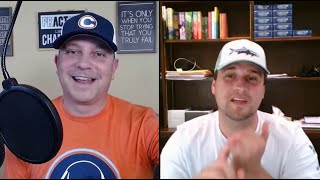
Jake Strotman went from selling water at sports events to founding American Home Tech, a roofing and restoration company in Cincinnati. He scaled to over $6 million revenue in his second year by building repeatable systems and hiring carefully, though he faced setbacks including sleeping in his car and employee theft.
Questions this video answers
February 14, 2021.
American Home Tech.
Cincinnati, Ohio area.
December 29 (year implied context: prior to 2019 discussion).
A little over $6 million (year two total revenue).
Chapters
Hey, everybody, it's Jim Johnson here, the head coach at Contractor Coach Pro and your host here at Contractor Radio. And we have a really cool guest today. This guy was referred to me by our sales coach, Chuck Thokey, and he's like, you got to hear this guy's story. And he's part of one of our series that we're running about guys are younger in this business and them achieving some pretty amazing things. We're going to get him on here in just a minute, but talking a little bit about, you know, opening up other locations and, and the trials and tribulations of all that systems and processes. And our guest, we were talking before the show here and I thought one of those things that was really important. He says, like, I got to get all my systems and processes down first before I go open a new one. And that's kind of the drill that I want to talk about today is just making sure that you put the cart behind the horse, not in front of it. We tend to do that. We tend to run off and go sell a bunch of stuff or get a bunch of marketing going, generating a bunch of leads, try to even build a bunch of stuff. But when we don't have systems and processes in place, it leads to failure. Because people can steal from you because you don't have systems and processes in place. Your systems can break down, you can make homeowners angry and it just ends up putting the business out, out of business. You also have a situation where with like the people that work for you and the problems that they would have. If you don't have systems and processes, when you do, you can plug them in. When you don't. It's this verbal word of mouth translation of information all the time. And it puts you in a position of really being kind of the Google of all things, contracting with your people instead of the position of being able to work on your business and them knowing the process and flow. So we're going to take a quick break here for just a second for one of our sponsors and we'll be right back with our guest.
Hi, I'm Ricky Harmon with Balance Claims. I'm here in the Balance Claims office to help answer one of the questions I hear all the time. Why use Balance Claims? Well, I have two of the account managers here, Travis Croft and Emily Caldwell, to answer just that.
Contractors should use us because we have experts on site that are well versed in xactimate, able to write our estimates and make sure that your claims have everything accounted for, making sure that you're paid out correctly.
Contractors should use Balance Claims because we are hassle free. You have the time to focus on the homeowners and the sales for these roofs while we focus on the insurance claims for you. That is where time is money and we are here to help you. So you heard it from our ams. There are multiple reasons why you need to be working with balance claims. If you want to reach out to us, our email is successalanced claims.com or or you can reach out to me directly. Ricky Harmon at 317360-0903 talk to you.
All right everybody, we are back here. I want to say thanks to our sponsors for supporting Contractor Radio and I am super excited we are going to bring in. He's laughing because he gets to watch the whole scene of what happens with the podcast. We're going to bring in Jake. Jake, welcome to the show. Good to have you on board. You're with.
How you doing, Jim?
It's good to have you. I'm doing great, man. We kind of get things kicked off here and ready to go with you. And so you're with American Home Tech, you guys are based out of the Cincinnati area, is that right?
Yes, sir.
The reason I'm like excited about this conversation is you're literally kind of still brand new. About two years into this, owning your own company and starting out with a big goose egg and you're at 6 million already. And I wanna kind of dig into that story a little bit about how we got to there. But what brought you to this idea of owning a contracting business? Like what in your background brought you to that kind of catches up to speed of how you got to that point.
So I had always grown up a little left to center, as I like to say. I had started off always cutting grass. Whenever I was like in grade school and stuff, all my friends would want to come shovel snow with me because I was always the best hustler. You know, we go knock on doors and, you know, see how much we can charge people to make money. And you know, seventh, eighth, ninth grade, that's what you do up in the North. So, you know, just that spirit. And then, you know, in high school I sold peanuts before Reds games. I tried to make the American dream landscaping and got humbled really quick. And that's where, you know, life kind of got real. And then, and then I got into the home improvement business and then, you know, naturally I just, I always knew I'd own something again, but I thought maybe I'd take My time after the, you know, I mean, cutting grass and that kind of stuff as a kid and selling peanuts is one thing, but whenever you get into, you know, performing, you know, where you're tearing someone's house apart or something like that, you know, I was like, I better slow down and figure out what the heck's going on. And got into, got into, you know, got just slowed down and kind of learned the business and found the storm restoration get up. That's not originally what I got into. I got into more of selling windows and that kind of stuff and siding and roof. I sold roofs, but I sold them as cash deal. I didn't know what an insurance claim was up until I think I was in it about four, four and a half years in the business. And then I, you know, through Hurricane Michael and stuff back in 2018, I learned what the insurance part of the business was and really took a liking to it. And that's kind of how I got to where I'm today, as far as, you know, being an owner of a company and things of the sort.
That's awesome. So there was a lot there, I heard, selling peanuts. There was some landscaping. There was some. And that's when things got real. Right. I can't wait to dig into what that means. And then there was this idea of kind of slowing down a little bit and taking some time to learn something before you ran off and did it, which some of us, we learned that the hard ways. I'm very similar. I have the same background.
Yeah.
Before we, before we dig into those things, I ask all my guests because I just am genuinely interested. What's your greatest achievement at this point? You know, not, not family or anything like that. That's always our greatest achievement. But beyond that, what's the, what's the thing you're most proud of doing?
I would say, you know, just, just creating. And it's probably. I don't know if you'll like the answer or not, but just waking up every day and like, I love what I do, you know, I love being around people. I love answering the phone. I love coaching. I love, you know, training sales reps. I mean, that's. My wheelhouse is trained sales reps. The finances and the spreadsheet. I hate that stuff. But just, just being able to wake up every day and feel like myself and feel, you know, it's, it's, it's. It's crazy because, you know, whenever you, you know, my whole life, like, I want to make money. I want to make money. I want to make money. And it was always about money. And now that I've made a little bit of money, it's not about money. You know, the basic needs are meant, and the money doesn't take me anywhere past that, really. And it's just, you know, it's. It's how much can I learn, how much can I grow? And just. Just having that, creating that, like, I never feel like I'm in a rut. You know, I wake up happy, I wake up excited. And not only that, but teaching others is, you know, giving myself the opportunity to teach others, you know, how to think for themselves, how to, you know, I stress on people that work for me. You know, I hope I can teach them a skill set in life to where, whether they work for me or someone else, they're going to be fine, you know, because they know how to think, and they know how to think for themselves and do things for themselves. That's probably what I would say is, you know, it's not A monetary like, you know, A plus B equals C achievement, but just. Just creating that for myself and then in turn being able to teach others how to do that. And, you know, one of the things that I like the most is, you know, some of the people at the company, they say, you know, I said, you know, what do you like? Do you like this or your old job better? They said, hours are easier to put in here. You know, it's a job at the end of the day, you know, you're. You still got to come to work. I mean, that's what we do to provide for our families and stuff. So, I mean, a job is a job, is a job at the end of the day. But, you know, hearing things like, then also taking younger folks, I guess, too, or just people that just don't know how to think or maybe down on their luck, like I was a little bit sometimes in life and things of the sort that just teach them how to think for themselves. What we look for in people is a student mentality, a positive attitude, and a work ethic. If you have those three things, we can plug you into our system and get you where you need to go. But that's. I'd say what my greatest achievement is. I don't know. I wake up happy.
You said, I don't know if you're gonna.
Like, that's. That's pretty cool to me, you know, because there. There's a lot of years in my life I didn't wake up happy, you know, and just being able to wake up Happy is just. It's. It's amazing. And whether the money's there or not there, I always wake up happy because the mentality. And you just learn so much along the way that it just. You're going to be all right, you know.
So you said, you asked, you said before you answer, you said, you don't know if I'm going to like this answer. I love that. It's like, all right, so my greatest achievement is waking up happy every day because of what I do and how I do it, and maybe even some of the lives you change. And that seems to come from somewhere. You know, there was something there that at one time, it wasn't about that. You talked about that a little bit, too. This idea of being about the money. Now we got some. And then it became something else. I see that common in young people. I mean, I was that guy. I was all about the money. And then I kind of woke up one day and went, I got everything I need. Now what?
Right.
And so what brought you. What brought you to the thing of, hey, I want to wake up happy every day? And. And that wasn't what was going on. What brought you there?
Well, I mean, it was a combination of things being being young, ambitious and just stubborn, you know, just full of ambition and not. Not so, you know, just, you know, I didn't, you know, I lived a very blessed and fortunate. I mean, we didn't have a ton, but, you know, we. I had family and I had, you know, friends and sports and, you know, I didn't have to worry about meals or rides or hanging out my friends or, you know, we went on the, you know, the one trip a year and all that stuff. So my basic needs and beyond were meant growing up and that kind of stuff. So, you know, it allowed me to dream and think and stuff like that and not really, like, look at the. You know, I was just naive and silly, right? I didn't have to look at the, you know, the devil's advocate side because I'd never had to worry about it in my life. Well, you know, I had found success being naturally jovial and, you know, just fun and whatever. And I've always been able to talk to people and that kind of stuff. And my uncle, he always told me, he said, you're going to wind up a millionaire. You're going to wind up in prison.
Hey, just so you know, 99% of my family said the same thing about me. You're going to be in prison or you're going to be rich. One or the other.
And I almost went both ways, but. But no. So just. Just going from, you know, going from that to, you know, I. So I did well in selling peanuts. And, you know, I know I mentioned that briefly, I did well with that. And then, you know, the whole college thing. My parents want me to go to college. They mean, you know. Then I found out through an internship how much someone who graduates college actually makes. And I was like, well, that's really. I don't want that. I don't like school anyway. You know, I always. I always got A's on my homework because I cheated and like Ds on the test because I can remember stuff that I wrote down. Whenever was copying someone else's homework, right. I always had a good memory. That's always been my saving grace. And so I always just did enough to get by in school. It was not fun to me. I did not wake up happy to go to school. I lived five minutes away from school. You know, I was the last one there every time. But no. So going through that and having success and then dropping out of school and thinking that I needed to do something and make a statement, you know, and do something bigger and better. And so I did, except I got humbled really quick because it just didn't work out. And then whenever it didn't work out, instead of learning from it, I just cocooned myself and just became someone I wasn't. Whenever you don't have money in life, it's so hard to have a good, solid moral compass right now on the other side of it. Now that I've lived enough life to know life ebbs and flows and a lot of where I was because of myself, because I let one mistake turn into 2, 3, 4, 5, 6, 7 mistakes. It just became this big thing that was. Just Almost felt like it was impossible, you know, to get out of. Whenever you burn bridges with, you know, friends and family and stuff like that, due to just silliness at the end of the day, looking back, but. And then you think you can never get those things back. And then slowly, over time, you know, it just. And it's never about the. You know, it was always. To me, it was always about money. But it's now that, you know, it doesn't become. And Jim, I'm sorry, I forgot the original question, but it didn't become. What was the original question? I'm sorry.
Yeah, the original question was, you know, at what point did everything kind of shift? I mean, we. We all have this story, right? Yeah, I think Anybody that's really successful has, in most cases, gone through some type of trial. Right?
Yeah.
And so if you don't mind, is it something you up for sharing? Like, what happened?
Yeah. So, like I was saying, you're going from such an extreme high my whole life and to at 19 years old, just, you know, crashing, you know, for two years. And like I said, doing things that I typically. Normally wouldn't do. And, you know, just like I said, it's hard to have a moral compass. But I started a landscaping business, and I went out of business in three months. Didn't have a credit score, got my truck repossessed, had to move back home with my parents. Like, it was just bad. And I got depressed, and it just. I mean, it just snowballed. And I fought with my parents all the time, and I never fought with them before, and just, you know, I just. I lie, cheat, steal sometimes, and just. It was never good. And it was all because, you know, I thought that money, you know, because I was here and then I was here and I didn't know how to handle being here or how to. Instead of, you know, going, you know, they always say, you know, it's your ceilings, your ceiling, but, you know, smooth out your valleys, right? Make your, you know, your peaks are always going to be your peak, but take your, you know, make. Raise your floor as best you can, right? Focus on what you do well, you know, and what you do, what you're great at. But also, don't be. Don't be. Don't be equally as bad at what you're bad at as what you're great at. You know, bring that up a little bit. And just going through that, you know, I finally. There was one day where I went downtown, Cincinnati is where I'm from, and sat down at the river and just. I just decided to change my mentality that day. I just finally got sick and tired of being sick and tired. And. And I had said, you know, enough is enough. And I'm going to, you know, the person that I know I can be, I'm just going to be it. And whatever happens, happens. And I started, you know, reading books and that kind of stuff and then coming, you know, back from that, you know, it took a while to, you know, you know, like, my dad had kicked me out of the home, and I slept in my car for a couple weeks. I slept on my, you know, some guy didn't even know his couch for, like, two months, right? And then. And then I slow, you know, came back from that and and, but I changed. I changed, you know, because I finally just gave up. I'm like, all right, I'm done trying to hit a home run. I can't, you know, change what I did overnight anymore. It's just. It's just. I just need to change me again and just get back to being myself. And that's what I did. And then, you know, I just applied myself with what I did. And. And I'm a big believer in knowledge is power. And whenever I, you know, started learning the home improvement business, you know, I went to the suppliers and I asked them questions. I went to, you know, I started off selling windows, so I went and looked at a couple manufacturing plants on windows and stuff like that because I knew, you know, I was in the home competing against people, had been in the industry for 10, 15, 20 years that worked for probably a lot bigger companies and knew, you know, a lot more. So I just wanted to know more than them. So that way, you know, because whenever you walk in a house, whenever you walk in anywhere, I still get sized up. You know, it's. It's, you know, I say, it's funny. Like, I say I own a business and, you know, it could be my fiance's, you know, family, and they size me up because they own businesses too, and they think it's just some small, rinky dink operations. I'm a young guy, right? So you're always getting sized up and stuff. And it's not about just puffing out your chest. But no, if you sit down and have genuine conversations with people instead of just saying, hey, look at this, look at this, look at this. No, you can actually sit down and, you know, talk to them and answer questions or teach them something, you know, at that point in time. Now you have their respect, right? And so, you know, whenever you can answer questions and teach and educate people, now you have the respect. Now you can sell them something, right? So, you know, you got to have the trust part and you got to have the edification part. And I feel like if you have both of those, you know, you have a sale. And the way, you know, you get, you know, the way you build that is through knowledge. You know, the way you build trust is through knowledge because they're like, you know, this person really knows what they're talking about, right? Like, and that's what we train on. And that's, that's kind of how, you know, I went from going from such a poor, poor, poor low, because I was, you know, my first part of my life. I Was high. But I never understood why, like, I was. Why I was where I was. I just thought it was just easy and it wasn't. You know, I just happened to be a good at it. But, you know, then being humbled, I actually had to. And then, you know, whenever it went down, I couldn't just like, talk my way out of it, even though I tried to talk my way out of it for like two years. Right. So sometimes your greatest. I can talk decently well. And sometimes your greatest assets are, you know, your biggest crutches. Right? Which I think is why that such extreme picture gets painted that you said got painted for you, Jim, which is, you know, the going either prison or a millionaire, right? Because you can either use it for good or you can use it for evil. And you can do a lot of good or you can do a lot of evil. It's, it's not, it's. It's a blessing and it's a curse. And that's where I think all those kind of saying come from.
But yeah, you know, you, you, you really touched on something there. You talked about how, like, when you said one thing, it led to another thing, and then it led to another thing and it led to another thing. And having the gift of creating relationship. It sounds like you are like, you and I could talk to anybody on the planet, right? And that person that we interact, we have this conversation with that we have a choice, a choice of that can go this way with that very first interaction. Like, it can go, hey, over here. And maybe I kind of fudged the truth a little bit or maybe leave something out of the story and that's a decision that starts making compounded decisions down the road. Or I can just say, hey, I'm going to be honest, I'm going to be straightforward. This is the way things are going to be. Because our gift allows us to go either direction.
Yeah, that's a great.
And we think because we're so gifted in that area, that no matter which way it goes, either this way or that way, we're going to be able to do just fine. The easy path is the one where you start off with whatever it takes to get the deal. Where the hard path is like, hey, no, this is, this is what you need. And so, yeah, man, that was really good. Like, I hope people hit home with that, that they, you know, if you are somebody that has this ability to just have the gift to gab and talk to people, stay on the straight and narrow, because that first one may not seem like A big deal. But down the road, you could spend two years trying to repair everything.
Yeah.
So landscaping didn't go well. Kind of blew all that up. Two years in trying to get it figured out and depression and stuff. And you got in the home improvement deal.
Yeah, go ahead. I was gonna say it took me two years to make a decision to get better. And then it took like three years to repair the two years or four years to repair the two years of bad. Yeah, two years to make that decision. Not, not, not two years to fix it. I was. I was trying to fix it just by, you know, the scratch off lottery ticket approach to life, which does not work.
Yeah, no kidding. So the decision was, hey, I'm. I'm not gonna chase this business stuff anymore. I'm gonna go learn something. I'm gonna go to work for somebody else. And we'd had a lot of success before. Like the. I want to talk a little bit about the success early, and then we're going to talk about the success later. What got you started? Like you said, I'm selling peanuts. Like, what do you mean you're selling peanut? Who are you selling peanuts to? What started you on that?
So that goes back to the young. Going back to the talking thing. So, long story short, guy I worked with at my first job that I kept for seven years was the boss's son. And he was like four years older than I was. And my Xavier musketeers, this was back whenever they played the UCLA team in the NCAA tournament. And I believe they had Russell Westbrook, Kevin Love, and they had another long, lanky guard. In my head, I can't remember who he is, but I think he's like a solid role player in the NBA. But anyway, Xavier played them in the elite eight. And I had a dream, and in my dream, I never actually got to go to the game. But anyways, so in the dream, I was stuck at the stand outside selling. So I go to work the next day, and we go from appointment to appointment to appointment, cleaning carpets. And that's like 150 miles of driving, 200 miles of driving, about three hours of car time. So we're just talking, talking, talking, and I tell him, I say, listen, I'm going to start selling bottles of water at games and stuff. And I just making this stuff up on the fly. I'm pretty good at mental math. And he's like, oh, really? He started asking me questions. So I just started making stuff up. I'm like, Yeah, I was 15, 16, so I've never Been to a Kroger or Publix or Costco or Sam's Club or any of that stuff. I said, yeah, bottle of water. You know, a case. Water has to be, what, 10 bucks, and you get 24 of them in a case. I knew that much. I thought, and he's selling for A$14. That's good money, right? So, you know, I talked to him about it. He looked at me and he said. He said, you, Jake. That's a great idea. He said, I want to do it with you. I thought to myself, oh, shit, right? So I didn't want to ruin that relationship. So I got home, and that forced me to do research on it and come to find out what you actually need to actually have a stand and sell water and stuff like that. That's how I got into the first, I guess, true business on paper. So I go back to him, and I found out that you needed to be 18 years old in the United States of America to own a business. And he was over 18. So I said, hey, Mike, I said, you want to go into business with me because I need a partner. And he said, yeah. And that's how I got in the. You know, selling peanuts is by, you know, once again, just. Just. Just talk. Just. Just running my mouth and. And, you know, once again, using my. That. That was even. Even with that success. And, you know, two years later, we ran five stands. I was a senior in high school. I made some. If I knew what kind of money that was now I'd probably still be doing it because it's. It's good, solid income. But, you know, I got bigger ambitions and goals as a Now, you know, than I did then. But then I would have been just content doing that. But, you know, that goes back to, you know, I was. I was using my mouth, and I'd always. You know, I just. I was able to get out of it, right? I was able to get out of telling him, you know, just making stuff up, because I did the research and did the work and found out it actually worked. And, you know, I thought it would, and it did. So that's kind of how we got into that.
So you were selling. You started selling water, then it was peanuts and then football games, right?
Yeah, yeah, yeah. Cincinnati Reds games and Cincinnati Bengals games. It was. Anything that was not cooked. So you could sell peanuts, water, Gatorade, you know, anything. You can go buy gummy bears and sell gummy bears if you wanted to. Just.
I always wondered how those guys got the rights to be able to do that. Oh, man.
It's 12 ounce bag of peanuts is a $0.89 from a Hampton Farms and some for 4 bucks a bottle of water. If you go to Sam's Club and you buy the 35 pack, the Kirkland brand or that's Costco, but the Kirkland brand at Costco, 35 package, it was not. Well back in that day, nine and a half cents a bottle. And there were some Sundays, you know, in August, you know, we'd stand outside and we'd sell like 400 bottles after a ball game because you got 10,000 people walking past you in 20 minutes. It was just, you're just collecting money. It's funny because we'd sell them on the first two corners. We'd sell them for a dollar. And then after they crossed the street, I had two guys cleaning house at two for one. And there's always like one or two people that came back. They're like, man, I want another water. Let's sell a two for one.
That's pretty slick. And so that stuff is like us as young, young people and people that are kind of wired for entrepreneur. You go, hey, this thing is this much. I can sell it for that much because I make it convenient for somebody. And then we keep adding to that and we figure out we can make some money, which is really cool. Then you figure, hey, I can probably do some other businesses. And those may have gotten a little bit more complicated. And. And you kind of got it figured out. You said, hey, I got to get this right. You decided, hey, I'm going to go into this, you know, home restoration, home services side of things. It sounds like. Sounds like it was more on the retail side of things. Tell us a little bit about that. What made you go there? Why that?
Well, I. Well I. So I went into. So I went in for a job interview to a granite, like granite countertop company and the guy didn't hire me. So I went back the next day and I said, look, I said, I gotta tell my dad I got a job, you know, Cause I was living at home, he's paying help me pay my bills and stuff at that point in time. So I gotta tell my dad I got a job. So he's like. I was like, listen, just give me the job. You don't have to pay me anything unless I sell something. And so I got in that. I got my foot in the door there. And then I ended up meeting the manufacturer's rep and I started talking to them. And then they got me a job at the Manufacturer's rep. So it got me into the home improvement, like, because at first it was like, car sales, paramedic. I sold the stuff inside Costco's and Sam's clubs, like that QVC type commercial product stuff. I sold cable or, you know, that stuff. But that got me into the home improvement thing. And then I got a job at the supplier or whatever selling the cabinets, and. And it was like, you know, I thought I made it. And then I sat behind the desk, and two weeks later, I said, I can't. I don't want to do this. So I offered to get the first check back to the owner, and I told my dad I quit that job. He sucker punched me in the face and told me, get the hell out of his house. And that's how I ended up at the casino. And so I started thinking, you know, while I was at the casino, because I slept in my car for, like. My mom still talks about it because I missed Thanksgiving that year, and that was tough on her. But. Cause I quit that job. My dad was done with me. He's like, screw it, you know, you're an idiot. And so I ended up there, and I started thinking, and I'm like, you know, home sales, you got to get a license. You have to work under a broker for so many years, and you can own a brokerage, right? The commissions are capped. You can never make more than 6% on a home. No matter how good you are, no matter how well you sell that home, you can't create any value. You can't. You know, you can't truly sell, right? You can't create a relationship and get paid for it. You know, your commissions are capped. You got to work people. Car sales, same way. You know, the only way to make anything more than 120, $140,000 in car sales is to own the dealership, right? Big barrier to entry, owning a car dealership. And so I just started going down the line, like, what has the hot. Because obviously, if you sell, you know, a $50 product, in order to make good commissions, you have to sell. Like, that's like, 20 sales, right? Well, I never want to. To work that hard, because 20 sales, that's a lot of talking and a lot of people. And as a salesman, you know, you only have, like, three good hours a day, in my opinion, where you're, like, mentally just freaking on it, right? Where you're just like, boom, I got this. You know, I'm gonna own everybody I talk to. And you can still sell after that three hours Is up, right? But it takes so much, you know, each sale takes so much out of you, and you just get like. I mean, sometimes you sell and you just get mentally, like, drain from it. So I just started going down that list, and I was like, well, home improvement. So then I started looking for home improvement jobs. And that's whenever I stumbled across the app to set up window appointments. And a sales rep would go in and install those appointments for a window company. And I started two days before Thanksgiving. And the first deal I set up, I talked to a guy about there was a garbage truck out in his. I don't know why, but I remember that. And I ended up setting up like 20 to 25 deals, maybe the first, like five or six weeks. And it was commission only. And, you know, some of those I put on paper because I was new and I don't want my canvassers to do this, but I put them on paper and wrote down their name and number and turned it in because it got my numbers up. They were never going to sell or answer their phone anyway, right? I just. I just bull rushed them in to give me their number, you know, fake number, probably, I don't know. But I got their information and turned it in. I looked good, right? But no, honest, there were some of those where I'm like, oh, man, this was a layup, you know, Like, I'm like, I'm like, oh, yeah, you know, I'm getting paid on this one, right? This, they need them, you know, they got like two. Like, yeah, this, this one, I'm good. Well, this. The sales rep never, never sold a job to. Finally, you know, I went into the owner's office and I said, look, I said. I said, I don't understand. I said, you know, here's all my appointments. And I showed him my book. I said, it's been five weeks, man. I said, I've been patient. I said, we haven't sold a thing, you know. And he looks at me, goes, really? And, you know, he looks at me and does all the calculating stuff. And he goes, he goes, he goes, wow. He said, you have it? And he said. And I said, yeah. I said, I know. And I said, and I said, why? He said, well, I don't know, you know, because he was just the owner, right? And I said, okay. I said, well, can you find out why? So next day he calls me. Can you come into the office? I said, yeah. He goes, so he has the guy there that hired me because the guy hires you, you know, that's who you're under, right? He has different sales reps, and you go under different people. Well, the guy who hired me didn't even like selling, so he sent someone else into the job to sell it, and then he would make. The sales guy that sold it would make a cut. The guy that hired and trained me would make a cut, and then I would get a cut. Right? And that's how it was set up. And I was like. And so they come in there, and there's the guy that hired me and the owner, and they're like, well, we didn't sell any of your jobs because we did some investigation. And the sales rep that went into the house didn't even take a sample window with him. He went in there, wrote a price down and said, do you want it or not? And I said, you gotta be kidding me. And I said, give me a window to go sell or I quit. And they're like, well, we don't want you to quit. So they gave me a window to go south. Well, so that night, you know, I had, like, two appointments scheduled. And fortunately, unfortunately, the two appointments I had scheduled were both like, you write them down, get their name number, put them in, got an appointment. You don't sell nothing, so you don't get paid. But, hey, you got name number, right? But you practice your handwriting. I practice that. No, you know, the. The. You know, so we went to those two appointments, and the guy that hired me was going to go in the house and sell the window, even though he didn't like doing that, I guess, for whatever reason. And it's. So we go to these homes, and, well, they're not there, you know, or they didn't, you know, they know, you know, the one. The one appointment I set, the guy wasn't there. The next one, I said, you know, the wife was there and was like, I ain't mine. No windows or whatever. Go away. So. So I got 30 minutes of training in a Walgreens parking lot on Winton Road and Kemper Road out in. If you know the city, I know you know Xavier, but if you know the city, it's out in, like, the Forest park area in the CVS parking lot. And next day, I had an appointment down in Hebron, Kentucky. And I went down there, and the guy was a fireman, and the person and the. In the. And his wife was a nurse. I'm like, no way. My mom's a fireman and nurse. I'm like, that's so cool. So I went in there, made a friend, you Know, they talked to me about tempered glass stuff. I went in there and sold that deal, and I took the contract into the owner, sold it cash. I didn't know how to write a bank app or financing or, you know, terms of a loan or anything like that. I'm like, you just 20% down, let's roll. That's what they told me. So I get 20% down. And, you know, they had told me about tempered glass and all these expensive things and how expensive windows were and which they are very expensive, by the way, to install the sale, the overhead on the installation of them, you know, going back and fixing problems. It is a very expensive process installing them to everybody out there that thinks it's easy. But anyways, you know, so I go in there and I take the contract to the owner. He goes, jake, you want to call him back and give him some money back? And I said, what do you mean? He said. He said, well, that's just a lot of money for these windows. I said, I don't want to give him any money back. Can you just put a better window in their house or something? I don't know what to tell you. And I said, well, how much did I make? I made 2,800 bucks. That was my first commission check. I looked at that check and I said, well, shit, I said, I ain't never made that in a week before. And the next deal I closed, the guy looked at me, said, well, I sold him for about half the cost. I sold the first job. And he said, well, my dog likes you. I like you. We'll do the deal. And then I didn't sell anything for like two months. I had to figure it out, right? But no, that's kind of how I got into home improvements. And then over the course of finding the right company to work for and that kind of stuff, because I worked for that guy. And I saw what they were trying to do, which is hiring, training people. Well, whenever I was working at the Costcos and the Sam's Clubs and stuff and selling cable door to door, they wanted you to do the same thing, right? Get good at selling it and hiring train and build a sales team. So I had already had experience doing professional interviews and that kind of stuff. They called it entry level management training program. And so I had experience doing that stuff with those companies. And, you know, but the one company I worked for, I built a sales team, like 12 people. The owner of the company kept sleeping with, all the girls I hired, causing all this drama. Then all the sales people wanted to sleep with each other. But the owner was. And it just. Everybody quit. And I'm like, well, shit, I quit too. And so I got into. So I went to the window part, and I said, hey, I can build a sales team and hire canvassers and stuff. And I did that. And then the owner started taking those sales reps and putting them on his. You know, because I had, like, 10 commission only canvassers in there, so he started stealing them from me.
So, yeah, your story is so similar. Like, it's just funny how, like, you got all this experience, and you kind of almost found the right spot where the experience started to work for you. And because of your ability to make friends easily, you made a couple of sales, but you realized, like, hey, that's about as far as it goes. So did you. Did you get some professional training? Did they supply any training? Did they do anything like that?
They didn't supply any training. So that's where I. So the training came from. So whenever the owner started taking that. Those sales, like, the commission. Only sales reps I was telling you about, because the problem was, was, like, I would be like, if they showed up late, I'd send them home, all right, you're not getting paid. Did I see a buy? Right? And so the owner. And then they would go and tell someone above me, like, oh, he treated me bad. And then once one person did it, and he's like, then the owner gave that rep to his team member, right? And then now it was that person scammed or even them. I'm a 1099. I pay them out of my commission. I hired him on my time, you know, all that stuff. But anyway, so I was in there one day. It was like, June. He had just taken, like, four of my guys. I had, like, two left. And like, everybody else had all the guys. And I'm like, yeah. I said I was a nerd cussing owner out and the sales rep that would help me sell my jobs, he pulled me aside. He said. He said, jake, Jake, Jake, Jake, Jake, Jake. He said, just shut up, shut up, shut up. He said, come outside, come outside. So he pulled me outside, and he's like, listen. He's like. He's like, you give me leads, I'll sell leads. You don't have to talk to him. I'll talk to him for you. He doesn't have to know who canvases for you, and we'll just do that. So I had the opportunity because I was good at hiring people to hire people, and they would set up the Appointments. And he would. Me and him and I would go play golf in the morning or whatever, and we would go run the appointments in the afternoon and in the evening at the canvassers that I hired and trained, set up. So I got to watch someone who, who had done it for 30, 35 years and was. He has a talent. He's very, very good at it. And I got to watch him in the home for six to eight months. The only problem was, was he like to drink a lot and other stuff. And I just knew that I didn't, you know, I used him for what I needed him for as far as the training. And then I, you know, politely moved on from him and, and. But no. So I had the. I had the privilege of. Of, you know, like, running like 8 to 10 in home sales appointments with him a week while we were making money. And he really, he really taught me the business. He went to the manufacturers. He taught me how to measure siding, how to measure windows, how to order it, how to, like, he helped me understand, like, what the. What it actually meant. Like, you know, okay, great, you're selling the window, but here's the breakdown. Here's how the glasses mean. He's the one that's like, this is what you're going to do. You know, you're going to go to the, you know, you're going to go to the manufacturing facility of the windows and watch him make the glass. Now you have a story to talk about, right? He's the one that taught me how to dress, and he taught me the language of the windowsill. And that's what started that. Knowledge is power, things. He gave me, you know, that baseline that I've just always sought more and sought more and sought more. Like I said, unfortunately, you know, he had other demons in his life. But, you know, it was crazy because, you know, we go in the home, he'd talk for two hours, he'd be sweating. Yeah. We'd come outside of the car, price it up, chug half a fifth of vodka, walk back in the house and collect 20 grand. I'm like, shit, if he can do it, I can do it. Sign me up. Let's go. You know, You know, here I am, right?
Because I started in the health club industry and, and they did supply some training, but most of the training was like watching another guy do it. And this guy had the same demons, but he was awesome. And I learned a lot from him. And, yeah, I ended up being able to outsell him. They made me a manager. I said, okay, Training doesn't work like that anymore. We're gonna actually get some professional training. We're gonna get this figured out. And so that is so wild, because I think that's how a lot of people learn. I think a lot of people get into the business and they get lucky. They get lucky that somebody believes in them and says, hey, come on, I'll take you. Or they talk to somebody, say, hey, will you please take me? Whatever it takes. I would just watch and listen. But he was smart. He was like, hey, this guy can figure out how to get a whole bunch of appointments set up. That's going to be winner for me. And he's going to get some money for that, and he's going to get some information. That's pretty cool. So doing that and. But that's not what you do now. You do some insurance restoration work. What flipped that switch? Where did that come from?
So I was in. That was my first year in windows. My second year was another year, and then my third year. I finally said to myself, okay, I'm not going to hire any more canvassers. If I'm going to be in this business, can I actually make enough money to support? Because I had started 23, 24, I was like, okay, can I actually support myself if I just work on my own? Right? So I did it by myself for one year in windows, and then the next year it was just me, and I had one canvasser and then sold again. And then Hurricane Michael hit, and I got into the insurance restoration side of it and learned about, you know, insurance claims and stuff like that. I just started to learn about those in 2018, and. And then I was like, well, so I reload. So I went down to Georgia and. And worked Hurricane Michael for like a month, month and a half. I told this guy, I'm like, listen, I'm gonna hire people and train them. We're gonna get sales and stuff. And just. He just did not have the. You know, the pay was so low on the insurance side. All the deals we sold, he couldn't accept because they were too low. He couldn't figure out how to supplement them and get them up and stuff like that. So I came home and interviewed a company and worked for them and just didn't like it. So the guy that I was selling windows for previous two years, I pitched him on the idea of getting into this insurance restoration stuff. And he said, now I'm staying my lane with windows and my cash business. And I said, that's fine. So I went to my uncle who owns a print shop. I said, after, you know, I said, hey, I'm starting a business. You know, I'll be there in 30 minutes. I'll have a name for you by then. And came up with a name and got started.
It was so awesome.
So I started a roofing company in Cincinnati on December 29th. Great time.
December 29th. Came up with a name in 30 minutes. Said, hey, Unc, print me out some stuff.
Yeah.
And so 2019 rolls around. So, you know, 2019 wasn't that long ago. It was two years ago. Like, right now is almost exactly two years. What was the hardest thing about starting that new business? Just one. Just one. Not all of them. Just one. What was the hardest?
Just people's perception of it early on, you know, because, like, now the people I hire are. But whenever you're first starting out, you have to like, so everybody is W2 now. And it was all 1099 before. Right. And I hated the commission only scale because I was a good sales rep, and I hated it. I also hated that I'm so good at selling and you want me to go pick up checks, you want me to meet an adjuster, you want me to go solve problems and run material and go to Home Depot.
Why?
You know, so whenever I started my company, I created a system to eliminate that semi. They don't, you know, they don't make as much per sale, but that's why I got sales reps to do 180,000 to $250,000 every single month. And I hire and just plug them in, and I just don't hire too many of time. That's why it's not like. Right. But no, you know, so the hardest thing, though, sorry, I get sidetracked a lot. But the hardest thing is starting out, starting anything out. You know, getting that momentum going is tough, but once you get that momentum going, the people that you started with, you know, like your first hire, your second hire, your third hire, your fourth hire, right. Are typically the sales guys. And they think they. Some do, some don't. I mean, some people are just born evil, but some people aren't. Some people can be manipulated. Some people can't. It just. It's. It's. It was just. People think that, you know, that we're always competing with each other. Right. In life, we're always competing, and we're taught to compete from a young age. And, you know, humans in their bare nation, we're pretty barbaric, you know, And I mean, you know, we used to kill each Other for whatever, just 100. I mean, I mean, you know, we're pretty civilized now. It's pretty fortunate too. We've grown a lot since we've become civilized. Right? Civilized world is only 150 years old. The rest of human nature has been just barbaric. And for what, you know, 4,005, 6,000 years, you know, so it just, you know, the people that your first hires, they think they're more important than they actually are at points, you know, they think they deserve more than they actually do. And some of them think they can even do it better. So, you know, I had the great fortune of, you know, I had guys on because I would pay the sales guys get a weekly salary and I would pay that salary. So One guy manipulated four. So I had five. I had, I had. There was one, two. There was. On the sales team. There was five people on the sales team in August 2019. One, two. No, there was, there's four people. Well, there's 1, 2, 3, 4, 4 or 5, something like that. All but one of them was in on this scheme and they just stole from me. I mean, they would put fake jobs and names in our system so it looked like we had work and stuff. And I was so busy trying to figure out how to figure out the financial part of 400,000. I mean, we're doing about 300 to 400,000amonth at that point in time. And we did it for two months and they started stealing. So, you know, we had work and subcontractors are just, you just don't have control whenever you're that new. Right. And that's, that's just part of it. But you know, just people's perception of things is difficult to deal with starting out because like now, you know, you plug someone in, there's 40 employees that think about stealing from you. Right? They don't think about those things because it's a well oiled machine. It's an established, you know, it's an establishment. It's not a, it's not a theory or a concept or. And I was overly thankful. I was very. As an owner, I was just, I was a bad owner. I mean I was like, I was the, that's great. You know, like just instead of like, hey, that's your job. Great. You know, I mean, you don't want to be a jerk, but it's a job, you know, it's, it's just a job. So. But I thought, you know, I thought, I thought I was, you know, I thought money was everything. And there's. You can get into books about, you know, money and stuff like that and how it affects people's psyches. And just like, you know, people. Like, there's a study that, you know, you have a volunteer group that has to come up with headlines, and you have a group that gets paid for every headline they come up with. Which group do you think comes up with the most headlines? Well, the group that got paid money came up with less headlines than the volunteer group, right? Well, whenever they cut the group that. That got paid money in half for every headline they came up with, their production dropped 80%. Right. So just as an owner, rewarding people with money and thinking it was all about money just kind of burnt me in the end. But I learned so much from that, and I protected my house and built it back so much stronger and so much better. From that instance.
You were doing good numbers. I mean, you were talking 400, $500,000 a month. Those are great, amazing numbers, especially in your first year. But a lot of lessons learned, you know, a lot of processes and systems that need to be put in place and kind of learn it. Did it feel like you're kind of learning on the fly, or did you have some resources you went to that helped you? Like, how did you get it all figured out?
So it was. I asked questions. I call people. I do the same thing today that I do whenever I first started. I mean, just talk to people. You know, talk to your suppliers, talk to the branch managers at your supply houses. You know, they've been in this business for a long time. Talk to your. Talk to your manufacturing reps, if they're willing to talk. I happen to have, I think, one of the best manufacturing reps in the business. And, you know, after I got stolen from, I had met Chuck and, you know, hired him and, you know, he helped me from August, September on, and kind of, you know, just. It's just nice to have that person in your corner, you know what I mean? And that person that, you know, teaches you things because there's things like, you know, that. That, like, it just. They're right there in front of your face. But until someone says it, like, man, like. Like, it's not even. Like, they're just cool, you know, like, they just work, you know what I mean? Because it's experience. And you.
Yeah, they've been down the road. They. They've. It's been where you're trying to go. And. So why do I go out there and beat my head against a wall trying to figure it all out. When somebody's already taken that path before and I can just get it from them, I'd rather learn all my stuff that I can that way. And that way, whenever I get to the end of it, it. It's just now I'm being creative and innovative and new things. Jake, man, amazing story. So let's tell everybody where you're at now. The year two. You just finished year two. What'd you do for year two?
In the. For the. For the top 500 home remodeling thing or for the. Just.
No, just total revenue? Like, what'd you do?
Like, so we. You want. We did six. A little over six million. I can tell you the exact number.
So in case you didn't know, this, this puts you in the top 1% of all contractors in the nation.
Based off the top 500 remodeling list. We're in the top, like,.0005%. I love. And that's one thing, like, being in home improvement sales. As a sales rep, the companies aren't that big that people typically work for, and there. It's not like a national, like, sales organization. So you don't get that luxury of competing. Right. And that's one thing I couldn't stand. But, like, I would always be calling my supplier. I'm like, all right, I bought $100,000 of shingles this month. Like, am I beating this company yet? I know they're buying from me. I always wanted to know where I rank. You know what I mean? Like, it was just. It's just fun. Like, you know, it's just like, I always wanted to know. But. Yeah, and that's why I know, like, point zero is of kind. I've done the math. You know, there's 40, 483,000, 170 some odd home improvement companies in the United States of America. So, you know, as a business owner, you do get to compete. And as a sales rep, you know, if anybody out there wants to know what my sales reps do, you can compete against them all day. Good luck. But now it's just, you know, competition's fun and, you know, it goes back to. Money's not everything, right? It just, you know, it just being able to. I like competing, but. Yeah, no, I didn't realize that. You know, I just been just grinding away, grinding away, grinding away. And I think one of the coolest things about where we're at today is our best quarter that we've had was quarter four in Cincinnati, Ohio. Quarter four of 20, 20 was our best quarter we ever had. And that's daylight savings. Daylight savings in the door knocking business is a huge deal, right? Daylight savings winter all October, November, December 2020 is our best quarter by 400 grand.
Dude, that's. That's awesome. Something to be proud of for sure. Jake, you're one of those guys. I could probably talk to you all day long, but we. We probably. I might have to have you back because we're getting to that time. And I got one more question for you.
Yes, sir.
So we all, you know, we're only here for so long, right? That's just the way it is. You're still a young fella. And all that other good stuff like you got. You. You're a year younger than when I got started in the restoration industry. And you. And if everybody's like, putting on all the things you did and a lot of those things were a short period of time, it's like, did that. Nope, didn't work out. Did that. Didn't work. That worked okay. Did that for a little bit longer. This didn't work out. And you got all these things that are back there that created this experience for you. And so you've done a lot in your 28 years. But at some point, this all comes to an end, and we hope that at that end there's a bunch of people there celebrating and all that other good stuff. Our lives.
Lives.
What do you want them to remember you for? What do you want them to. What do you want that legacy to be?
Just. Just that larger than life. Just big heart, man. Big, big, big heart. That's. Yeah, just a big heart. I just. I want to be kind to people. I want to treat others. I want to be treated. And I just. I just. I just want to be remembered as somebody that cares, you know, I. I want to always give time and give back. And, you know, I feel like I got so much to learn that I don't have anything to give back. But, you know, just, Just that. Just the fact that, you know, I care about people and I. It's. It's. Man, I've had. Even whenever those guys stole from me, it was one guy influence and three others. I said, man, I said, don't go work for this goofball. I said, you know, I said. I said, man, I said, I can hook you up with so many people. You know, Like, I. Yeah, I just, I like, you know, I don't care about competition. You know, there's. There's. Look at the gross domestic product of our country. Right. I mean, there's so much I just take a little, you know, I mean, just. Who cares? You know, just. Just be good to people. You know what I mean? And that's. That's what's important. That.
I'll tell you something, that attitude will take you a lot further. It'll take you a lot further. I. I'm proof of it. I changed my world by going down that path. And if you get remembered that way, something to be proud of. Absolutely is.
And I think speaking too real quick to, you know, success and stuff like that. Yeah. Guys, if you can, you know, find someone that knows what they're talking about and use them, pay them whatever, you know, it's just that information is so invaluable, you know, consumers. Cause five years ago, if I would have known guys like Chuck existed, I wouldn't have had to go through what I went through, right? Because I would have been. I'd already been wise enough to listen, Right? But don't hire them if you're not willing to listen. You gotta listen and apply. You can't just hire someone to think they're gonna do it for you, right? It just. You gotta take their ideas and their things and you gotta make them your own. And. But just, you know, if you can find someone and if you're listening to this, obviously, you know, Jim and you know, everybody else listen to these guys. I mean, they know what the hell they're. So they, you know, listen to them and get their stuff and use it and. But, you know, It's. It's the 70, 30 rule, right? Just like, just like, you know, if you learn 70% of it, the other 30%, you'll learn on the fly. You know what I mean?
It just, it just, you know, that's pretty accurate. And that's kind of the game plan whenever, you know, we talk with our clients is, hey, let's get 80% into them as fast as we. We possibly can the first three to five days so they can go out and start making money right away. Because it's time to money. If I can't make money, I'm going to leave. So we got to get money in their hands. We'll get the other part in over time. But that's the nuance and that's the mastery. That's the becoming really great at what you do. Sometimes just being good can allow you to make some money.
Yeah. Jake.
Hey, man. Awesome, awesome interview. I know I held you longer than I said I would, but you, you had a lot of great stuff thank you for being on the show. Really appreciate it. And all the best in 2021. I have your goals. 20 million, if I heard you right.
That's right, dude.
I hope you rock it out of the world and hit that 20 million and get after you. I have no doubt. You seem like a pretty driven and very competitive guy, and those guys usually hit their goals, so good luck on that. If you need anything from us, hit me up.
The other goal this year, too, is to come above reproach, right? Because you're a new company now. You got to become above reproach. And contracts are right. Make sure your insurance is right. Make sure your accounting's right. Do your research on your CPAs, on your attorneys, people like that that you need to hire. Just educate yourself enough to ask the right questions. So whenever you find someone who knows what they're talking about, they actually, you can feel confident that they do.
Yeah, we do. That's one of the things we do. We're like, okay, here's some of the CPAs we know. Here's some of the attorneys we know. These are the marketing companies.
Yes.
Yeah, like that.
Well, they know, but you can't put a price tag on them because first off, learning the other way is not that fun.
Yeah. Most of us here that coach have, you know, more than 20 years experience in the industry, so we know that. We know the industry. We have a network. And those people that are in our network, we know they can be trusted, which, you know, it's a hard thing to find sometimes in our industry. And so it is helpful. You know, it just saves a ton of mistakes out there. Jake, I'm going to cut you loose. I hope to, like, meet you one of these days and see whenever you make it 20 million. And I'm interested to see what the next goal is going to be. So maybe we'll catch up with you next week.
Year, Jim. Sounds good. Take her easy, man.
All right, brother. Have a good one. We'll talk to you later. All right, everybody. That was Jake with American Home Tech Man. Inspiring story, right? Like, it started out, kind of. Everything was pretty easy. A lot of. A lot of just gregariousness and, like, the guy's just outgoing guy and. And success kind of tends to fall on folks like that, that. But until they have all that structure and the knowledge that they need, it can end up leading you down a tough path. And he went down a tough path, but he made the right decision. He decided to take that first step. And that first step was to gain Some knowledge, I thought that was one of the key points is like knowledge is power. Remember that. Be a sponge. Get it from everybody. Your manufacturer's reps, your suppliers, Facebook groups. Go to events and spend some time learning from other folks. Because whenever you do, it keeps you from making those mistakes that may make you make a bad decision that sends you on a path that you can't get off of. I thought the other thing that he said that was really inspiring and kind of kept my mind really focused on it was that while competition and money are important, they're not the most important thing. It's people. And he's investing time and energy not only into them, but he's investing time and energy into himself to make sure that he serves his people the right way. So I would say those are the bigger takeaways from, from Jake's story today. I hope you guys learned a little something from it. You'll hear a word from our sponsor at the end. Thanks for listening to Contractor Radio. If you like what you heard, give us a thumbs up on the ratings deal there. Subscribe, Download. We're here to serve this industry and we hope to that we are doing a great job for you. Leave a little comment there if you see us on YouTube and we will talk to you later. Want more 5 star reviews from your customers? At Signpost, we make it easy for your customers to give you great reviews on Google, Facebook, Yelp and more. Our software connects with industry specific solutions driving even more reviews from your customers. Drive loyalty and repeat business by sending the right messages at the right times to your prospects and customers. Message your contacts from anywhere, anytime using text, photos and video all in one app. Check on progress with campaigns and review generation across Google, Facebook and Yelp. Visit signpost.com and get your demo today.
It's most important to have a strategic partner and that's the way that I look at Atlas. They're my strategic partner. You start breaking it all down and you look at the product and you look at your company and what you're trying to deliver to somebody. And Atlas right now is pushing that best product by far.
We feel like it's the best product.
Out on the market.
It's an no brainer. When it's, when it's time to sell.
The shingle actually sells itself. I've been incredibly impressed actually. They have the best warranties, they guarantee no streaking and guaranteed longer lasting seals. And whenever you're selling somebody something that.
You want them to feel comfortable, we.
Want to offer them the best product that we have available to us. I want to leave my homeowners with.
A long lasting roof, that they're not.
Going to be mad at me in.
10 years and say, why did I.
Spend all that money on the roof?
It looks so. If you care about your homeowners, you're going to get malice. Atlas is a great partner for customer service. We have any issues we do have, Mike, come out immediately and address those. If we have any warranty claims, they back us up and they're very supportive of what we do and how we do it. Atlas takes care of me.
They want to make sure that I'm.
Happy with the products I'm putting on, the literature that I'm getting, the questions that I have.
We never had support from the other companies. None. I like my partnership with Atlas.
I feel like I'm not a commodity.
They make me feel like your opinion matters. They kind of treat us like family. We started with Atlas and we won't change Atlas. Our relationship will be forever.
Contractor Radio has been brought to you today by Contractor Coach Pro. If you're tired of all the chaos and you feel like you don't have a plan and you're not setting yourself apart from your competition, contact us at Contractor Coach Pro by taking a free assessment that you'll find on our website@contractorcoachpro.com once you take that free assessment, we'll set up a time for a free strategy call to give you some advice and guidance on how to grow and scale your business immediately. We look forward to hearing from you at contractorcoachpro. Com.










