60,000 reasons why you need this media matchmaker today for your public relations.
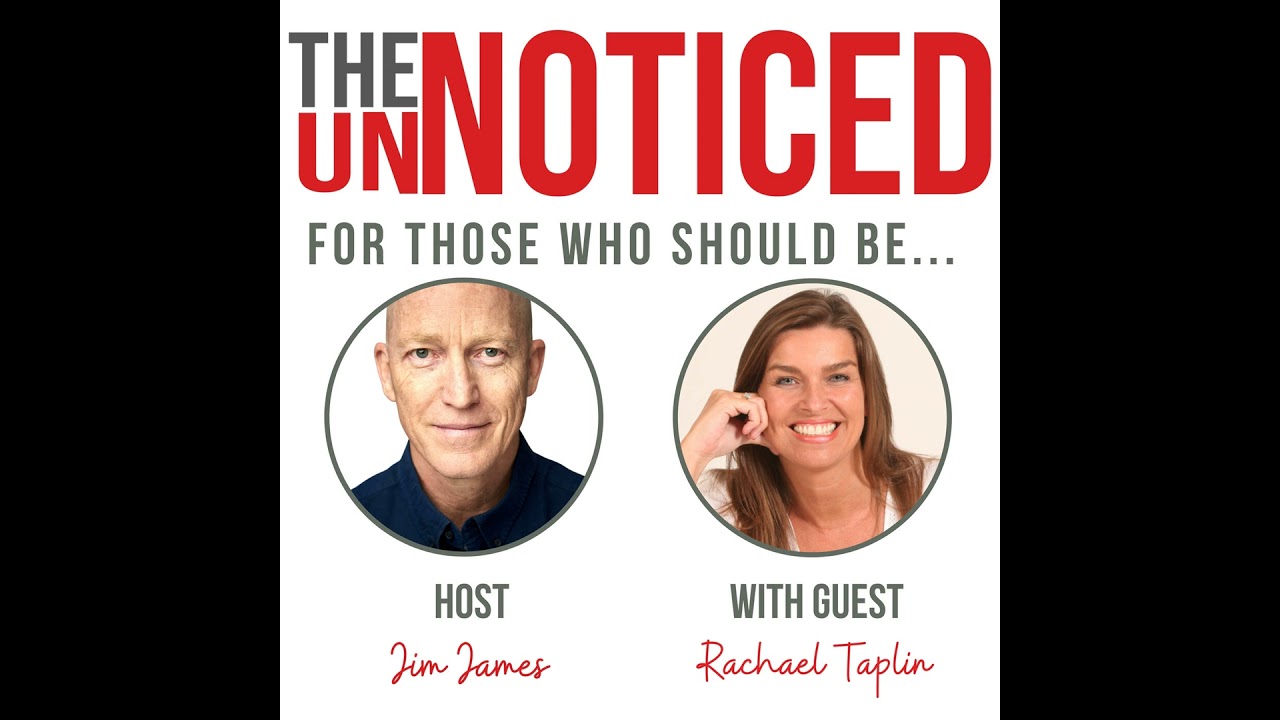
Rachel Taplin built Media Matchmaker to give small businesses access to 60,000 journalists and daily PR leads without hiring an agency. She walks through how to pitch reporters, what to put in a press room, and why the media landscape now rewards speed and variety over polish. Basic access costs £600 a year.
Chapters
Hello and welcome to this episode of The Unnoticed Entrepreneur. Today I'm delighted to have Rachel Taplin joining me all the way from Solihull in the middle of England to talk about Media Matchmaker. Rachel, welcome to the show.
Thank you for having me. I'm very excited to be here.
Well, we're super excited to hear about all the success. Now tell us about Media Matchmaker and how does it help entrepreneurs to get noticed?
Oh, bless you. It's my absolute passion on what I've created with Media Matchmaker. And we help business owners and entrepreneurs secure publicity, but we do it very differently. We're not PR agencies, so we provide you daily PR leads. We give you all of the training and hold your hand every step of the way. And we give you access to up to 60,000 journalists so that you could pinpoint target the right type of journalists. So we're a very cost-effective way to secure publicity.
We'll talk about price later, but let's just talk first of all about the challenges facing business owners, because you've mentioned 60,000 journalists, but Sheryl Sandberg once wrote that the media are not interested in small companies. They only want to talk to big companies. You know, she was the COO of Facebook.
Was she wrong?
Are you saying that there's an interest from the media in the small to medium-sized entrepreneur-led agency then, Rachel?
There's a massive interest. I've seen it. I've worked 30 years in the media, so I've seen it change a lot. And I've worked closely with journalists over the last 10 years. And even in the last 2 to 5 years, it's changed. So the way we consume the news has changed. Everything we read is shorter. We have soundbites because our attention spans are a lot smaller. There's so many online media outlets as well now. So they need content and they need it fast. And the way the media report the news has changed. So that they now report the news and how we consume the news via social media. So the journalists will sit down each day and say, right, what's trending rather than then leading the news, they're following the news. So that's a great chance for you to secure publicity, but absolutely now could not be a better time. There was an interesting stat. I did a survey once to some small business owners and out of it came that 80% of corporates use PR as a natural strategy, yet 20% of SMEs only considered it when it really should be the other way around. And it was, you know, so yeah. Yes, the perception is only corporates use PR or should be using PR, but oh my goodness me, it's amazing for us small business owners.
Yeah. Well, so why would it be that only 20% consider using PR? Is it because they don't understand it or they don't have the time? And how do you solve the problem for them?
I think it's a bit of both those things. We don't know what we don't know in business. And we always feel we have to have a big budget and traditionally, and PRs do a great job, by the way, PR agencies do a great job. But if you want to connect to the journalists and get those connections yourself and do it yourself, then you can create amazing kind of success for yourself. So traditionally, yes, you'd have to go through, but with technology now, everything's at your fingertips. You know, the journalist contact details are at your fingertips. Journalists are using Twitter for journal requests. We put a journal request service, so we bring the leads to you. So everything's so far more immediate and accessible, which has opened it up for the media to connect to every single person. But don't forget, the media are looking for new sources all the time. We're looking for diversity. They're looking for people, you know, with different ethnicities, different backgrounds, disabilities. We're so much more inclusive now. So as I say, it's far more easier than you think.
Okay. Well, that's really encouraging. And I'm like you, I think that technology is sort of democratizing the process, but what about the skill sets though, Rachel? Because most entrepreneurs didn't start out with a marketing or a PR background. How do you help people to overcome or some guidance that they say they can't write or they're nervous in front of the camera or don't like the way they look or sound? Any guidance or encouragement on that front?
I've got loads of, I could speak to you all day long about this, but one of the biggest things to kind of remember and take away is when we write a press release or we were thinking about writing a press release, or if you were going to consider it, what you probably want to do is be getting across your company, what it is you do, and ideally a special offer or maybe a product that you're selling. Well, that's advertising. That's logical. PR is all about an emotional connection. You have to share value. You have to connect to the audience. So always try and remember advertising sells, PR tells. You're telling a story and that's what you need to to do. And that's, we guide you to show, right, that's a bit of an advertising there, but just, they want to know the story behind the business. So it's practically what you're doing. If any of your listeners are already doing marketing and they're doing their blogs, you know, their social media, they're writing posts on LinkedIn, those are stories that can be sent to the media. Those stories will help because you're giving value. And that's all I'm asking you to do is take your current marketing one step further and send it to the media.
So most people are afraid of sending something to a journalist because the view is that the media gets many inquiries per day that yours is just going to be, you know, spam even, right? Any advice then? Because it's great to say if you write a blog post, you publish it yourself, there's no editor, right? You get, you have control. How do you get that journalist who's getting hundreds of emails every day to take notice of yours?
I've interviewed literally hundreds of journalists and they're all slightly different, but they all have similar themes. You've got to make it relevant, make it relevant to their audience. Don't waste their time. So if there's a trending news story and you know you can comment on it, send them an email and say, in light of today's story. I'm available for comment on mental health awareness, whatever it is. So be relevant, be specific industry. So if you're going to send something to a trade industry magazine, make sure you've got some case study behind it, have some stats behind it, you know, just make it relevant. So we don't always do press releases. Sometimes we just send intro emails. We sent one yesterday to targeted journalists for lifestyle and parenting. And this was a lady who does parenting for parents with children with disabilities. And literally within seconds of us sending it out to targeted And that's the key to it. We had a response and she got some publicity. So if you imagine something like The Guardian, The Guardian or The Daily Mail might have 150 to 200 journalists. What you want to do is make sure your press release, newsletter, email, whatever it is, ends up in front of the right type of journalist. The freelancer that writes about parenting or health or business, not just at the news desk, because yes, that will then go into a spam box with lots of other things. But journalists don't just dismiss you. They will, you know, I had someone I interviewed from The Telegraph actually. and that's written for Forbes, he literally stars everything and he files it all away so he can just do a search by keyword in his inbox. So, you know, don't always think if they don't respond to you straight away, they won't use your story. Often they will come back to you. It just takes a little bit of time and commitment.
And I think that's a really good point that they might not be working on your story right now, but they might want to build that story later, right? So to keep you on file. So what sort of information would you want to send to a journalist about yourself as an expert or an entrepreneur so that they, they kind of know to keep you on file and also that you're a credible source? Because that's another issue, presumably, for journalists.
Well, don't feel that you've got to have, you know, lots of media interviews behind you or lots of letters after your name. If you've got the expertise and the knowledge, then you're helping them. It's a win-win. They're not there to trick you. They're there to share the information to help their audience or their listeners. So you can either share your story, you might have a personal story that's never been shared before. The media love exclusives because there's so much noise out there. If they can get an exclusive, so if it is an exclusive story and you want to get it into wherever you want to get it to, send it as an exclusive story. If you have a specific expertise, send it to targeted journalists. See what trending news stories are said. See if there's any national days or celebration days or weeks that you can ride off the back of that you could preempt it. Have case studies. You know, there's lots of ways that you can make it easy for yourself. But simply, as I said before, just an intro email sometimes works really well. One of my clients a couple of months ago, she's a relationship expert. I think she secured 8 to 12 pieces of media coverage from one introductory email.
Wow. That's amazing. Amazing success you're getting for clients. And what about this idea of the exclusive, Rach? You mentioned that. What we found is that if we have clients that want to have an exclusive, the danger is you're sending it to lots of journalists and you're kind of worried about upsetting those that don't get it. What's, what's the strategy you recommend if you've got a piece of news and you know that making it an exclusive would be a better hook for the journalists, but you don't have the time to send it to one at a time, kind of like in series, you need to send them out in parallel. How do you manage that?
I think like anything in business, it's No, like trust, isn't it? So if you can try and build some relationships with the journalists where you want to be, I always encourage my clients to have like a hot media list, 10 client, 10 media outlets, if you like, read their articles, follow them on Twitter, on LinkedIn, find out about them, like their posts. So they kind of get to know you in advance. And then you can say, look, you know, I've been following you. I love your articles. I love the way you write. I've got an exclusive story. Give them about a week, maybe follow it up a few days later. If not, then send it out. What you'll tend to find is we had a client last year and she was launching World Jenny's Day. Her daughter sadly committed suicide. And out of that, she's created her own business to help people now with her epiphany process. And she sent this story out and literally had the media, you know, coming back to her. And she positioned an exclusive with a national newspaper that went on then to a national glossy magazine. So they shared, they agreed terms that she was an exclusive story for a month. So they'll all agree different terms. And then she could put a story and speak to other media. So they'll all have slightly different ways. So either target it really specifically to one media out there, give them a chance or send it to say, this is an exclusive story that's not been shared before. And then wait to see who comes back to you.
Okay.
Yeah.
What we've done is say, here's a deadline. It's a first come, first serve. Whoever comes in first gets the exclusive.
Yeah. I wouldn't quite put it as a first come, first serve. I would just say it's an exclusive story that hasn't been shared and I'm really open to sharing it. And you've been authentic with that and then just see if they get back to you. And it might be that you get it and then you can choose, but also be mindful. where you want to be, who your audience is. I always say, you know, I help people with publicity and PR, but I'm a business owner first and foremost. Look at the bigger picture. What is it you're trying to achieve? Make sure the media coverage has your customers. That's the most important thing for you. So, you know, PR isn't about ego. It's about getting the success that you want from raising your profile, new customers, and cash in the bank.
Lovely. And I think you're absolutely right. You've also raised an interesting thing about consistency and about going to the media over time, because PR isn't just a one-hit wonder. You are building a relationship. Rachel, how do you sort of guide clients on building the relationship with the media over a longer period of time rather than just a one, a one hit? And if you've got an exclusive with one journalist, maybe you're upsetting another one. And that danger that you could over time only have one or two journalists that you deal with. How do you navigate the long-term building?
We help you. So the way I work with Media Matchmaker is we're together for 12 months minimum. And it's a program where we say, right, every first Thursday of the month, you can join us and we'll give you guidance on your strategy, what your ideas are. About consistency. You're not going to upset somebody, a journalist, they're not going to remember. If you make them a promise, obviously stick to that promise. But you are open to talk to anyone. As I said right at the beginning, it's over 60,000 journalists, there's over 44,000 media outlets. There's plenty to go around, there really is. And, you know, a big lover of radio. Radio is a great way, BBC, to secure publicity and start your journey. Podcasts— we just launched a new podcast service. This is a great way to secure publicity and get to reach new potential customers. So don't always think PR is about traditional PR, the national broadsheets, the national radio stations. It's digital PR as well. But there's so many opportunities and it's about consistency and we encourage you. So we give you access to templates and things like that, but it's about showing up. You know, in business, we can't just stop. We have to do something, whether we're doing pay-per-click or I don't really know that side, or marketing or sales. We have to have some sort of strategy. And for me, because I've had so much PR success myself and helped hundreds, if not thousands of others succeed in it. I think this is one of the easiest ways to add on to what you're already doing and get success.
Rachel, you've mentioned there about sort of the consistency. Can you give some guidance about how much activity you think a company should be doing? Because that's the other unknown, isn't it? And in social media, there's this, you know, how many posts you should do and so on. From a PR point of view, is there too much? Is there not enough? What sort of guidance do you give on volume?
It's when you've got something that's newsworthy. And so you can do maybe once a month, check in with the media, send them an email to say, these are topics I can talk about, or give them 3 new topics to see if they're interested in covering these stories. If you're a natural writer already, send them some information, send them your blogs. If you're not, you can give them the headlines. Because don't forget, the job of the journalist is to introduce you and to interview you. Your job is to be the great source of information. So I'm dyslexic. I really get challenged with writing. So I love podcasts like this or radio interviews, but I've done, I've had so much coverage in the print and press because the journalists have interviewed me. So play to your strengths of what you want to do, but just because it isn't so, maybe if you've got a new trending news story, get it out straight away and get it to the media that can publish a story straight away. So have different media lists. So consumer magazines, trade magazines, they'll print 2 months in advance. So your breaking news story isn't going to go to that news desk unless they've got an online version. You need it to go to the dailies, the radio stations. The TV channels, the podcasters, and the regional press if they, if they print weekly. So just think about where your story kind of fits. If there's, say, a breaking news story that's trending and you're the expert, jump on it straight away because they want people to comment. And a great place to start is your local community or your trade press because you are credible in what you do. Hopefully you know your services. We're not asking you to be someone you're not. We're just saying share your expertise and your knowledge.
Fantastic. What about the assets, Rachel, that a company should have? Because you've talked about writing and pitching, but can you share with us what we would call a press room, really? Some of the materials that a company should have ready in case a journalist does reply and say, hey, that's great. Tell me about you and your company. Can you give us like a checklist?
Yeah, absolutely. So we have, we built Media Matchmaker, so it's multimedia ready. And that's what you need to consider. So in our platform, we encourage you to put your audio files there so they can listen to see what you sound like, your videos, so they can see what you look like on camera and also your photos. So have kind of those links to them. So I'm going to download them, have some low-res photos, but have some high-res photos available as well. Head, shoulders, action shot, maybe if it's relevant to your business, but definitely have the kind of the auditory side as well. If you're going on radio, the press pack is simply, you know, the details of what you've done before, the topics you can talk about, the credentials you have, and your contact details. It's really important that you are available. So you have a mobile phone number so they can get hold of you when you want to, but don't get too hung up about it. You know, some of clients have a media page. If you can, nowadays, a lot of us are creating our own websites. If you can have a press page stroke media page, even if you haven't had publicity, show that, you know, available to speak, topics you can talk about and put it all on your, you know, there. Or you can obviously just send them a link to your profile with us. You can send a link to it, but it doesn't need to be overcomplicated. Gone are the times where they can see, they can do their due diligence. They can look you up. You can just send them and help them as much as you Okay.
And presumably it's also important to be consistent across, for example, having your LinkedIn profile updated, maybe your Facebook group, your Google Business. All of those other touchpoints need to be aligned, don't they, as well, Rachel? Is there something that you're doing to promote Media Matchmaker and as an entrepreneur that you found to be particularly useful and successful to get noticed? What would be your, your own success points?
Yeah, no, I'm doing exactly what I'm sharing with my members. So, you know, I do a lot of speaking at events, which raises profile, but I share my content first. So I teach people how how to do it and get them inspired and take the fear away from it. And also as British people, this is obviously a podcast, I know it will go international, but typically as British people, we're kind of a bit more reserved, aren't we? We don't push ourselves forward. And I teach you how to say you are the expert, you're knowledgeable. If I have a conversation with you, I'm hoping you could talk about your business. That makes you the expert. So in terms of getting ready for it, you don't need to prepare too much. You just need to just put yourself forward. So what I do is I share my stories through press releases as well, through podcasts and stuff like this, through seek for opportunities and through just networking.
Fantastic. And if people want to use your platform, tell us about the pricing for Media Matchmaker and for podcast hosts and also podcast guests. Just share with us, is it affordable for everybody? Have you made it super expensive?
I've made it super, super, super affordable. So on average, a PR agency would cost between £3,000 to £5,000 a month. And that's not, I mean, and don't get me wrong, they do great jobs and we work with PRs. So this for the whole year, you can start working with me, getting daily PR leads and ongoing training for the whole year. For just £600 plus VAT. So it's really, really affordable. And then if you want to take our larger package, it's just over £2,000 and that's access to all of the journalists. You can literally send unlimited press releases. You've got all their media contact details. So it's really affordable. But most important thing is you're getting a return on investment. The stories I hear every single day, I got featured there. Even my, my marketing guy's got a side hustle business. And he said to me, I responded to one of the journo requests. He said, I got publicity. Yeah. I'm, I look, I'm really proud of this and I created Media Matchmaker. Out of my own pain of wanting to raise my own profile and build credibility way back in the day of the credit crunch when I couldn't afford a PR agency, and then realized the insider secrets and how you do it. So I share with you and hold your hand as much as I can. It's free for podcast hosts like yourself. It's free for the media to join because if we have the media, and we do, you know, we have so many podcast hosts sign up yesterday. The media use our services. It's free because they need a quick turnaround. They can search for experts. That's you guys. They can send out media requests. You receive them, and then I give you the training. So hopefully you can see that I'm supporting you with the whole package.
Well, I'm convinced. Rachel Taplin, if people want to find out more about you, how can they do that?
Oh, thank you. Just go to the website, mediamatchmaker.co.uk, or you can connect with me, Rachel Taplin, on LinkedIn. I'd be happy to have a conversation with you.
Rachel, and I'd be very, very happy to have this conversation with you today. Thank you so much for joining me on The Unnoticed Entrepreneur today.
Thank you for having me.
It's been my pleasure. And for everyone in the audience, that's Rachel Taplin, who's here in the UK, and I'll put all this information in the show notes, of course.
Thanks for listening to this episode.
Episode of The Unnoticed Entrepreneur. If you work with Rachel, then you become the noticed entrepreneur.
More from Jim











2 people, infinite agents, 1 billion dollar idea #AIAgents #Startup #Productivity