Finding and funding your way to success with the right type and way of investment; with John Gall...
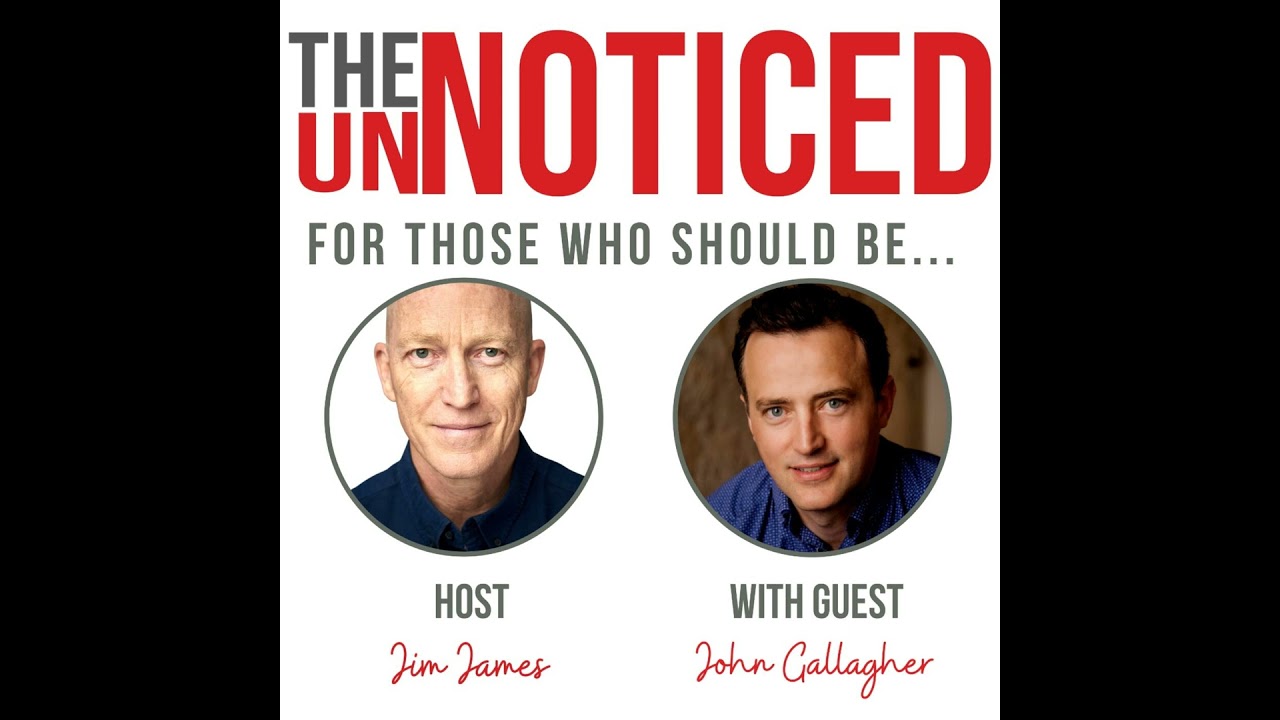
In this episode of The Unnoticed Entrepreneur, host Jim James interviews John Gallagher, CEO of Element Finance, a Dublin‑based non‑bank lender that provides non‑dilutive debt to SaaS companies that have moved beyond the early startup stage. Gallagher explains that Element Finance targets businesses with proven product‑market fit, recurring revenue, and strong customer stickiness. The firm looks for metric‑driven founders who can demonstrate clear ROI on sales and marketing spend. Unlike venture capital, which seeks large market opportunities and outsized exits, Element Finance offers smaller, staged loans (typically $0.5‑$2 million) that allow founders to scale without giving up equity. The conversation covers how Element sources deal flow through content marketing, SEO, conferences, and referral networks; the application materials founders should prepare (pitch deck, financials, data room, credit paper); the internal credit‑committee review process that can close in a few weeks; and the importance of matching capital structure to the target customer segment, especially in martech SaaS. Gallagher also advises founders on using fractional CFOs and tracking the right metrics to make informed financing decisions. Contact details (elementfinance.com, LinkedIn, Twitter) are provided at the end.
Chapters
Hello and welcome to this episode of The Unnoticed Entrepreneur with me, Jim James, from the UK and John Gallagher in Dublin. And John is the CEO of a company called Element Finance. And today we're going to be talking about getting noticed by the money people. John, welcome to the show.
Thanks, Jim. Thanks for having me.
Oh, you're more than welcome and really excited to hear what does a fund manager, a company like Element Finance, look for in a business to invest?
So in the stage that we invest in companies, companies have got past the initial startup phase and they have got to the stage where they have customers and revenue and they're looking to scale that. So they're looking to win more and more customers. They've done a lot of the product work. Everyone always has product work to do. They're looking to scale their business and their customers. So they're They're looking to scale their sales and marketing team to get out into the market and just get noticed, as you call yourself, you know.
And so you run Element Finance and you could explain a little bit about Element Finance, but what I'd really then love you to do is to explain to my fellow unnoticed entrepreneurs, you know, what do you look for in an approach from this entrepreneur who's maybe going from 6 to 7 figures, for example, and needs that cash? To grow the team, to grow the brand.
Sure, absolutely. So Element Finance is a non-bank lender to mainly SaaS companies. And it's for founders. They don't have to have venture capital behind them. So it's for founders who've got their company to a certain stage. They've started it. They've won the customers. Maybe they've invested some money themselves with their friends and family. But to get to the next stage, they want to take on some investment. And it doesn't have to be a huge investment. So, you know, we all hear the big VC rounds that are done. It might go into hundreds of millions. It might be $20 million, might be $30 million. But a lot of the time, founders need access to half a million, maybe $2 million. That number might grow as the company grows, but they don't need huge. So that's what we try and solve for. We try and work with founders to say, okay, well, you know, over the next year, you probably need half a million to do what you do. And that maths works for us. But then we're also in the background, you know, in a year, or 2, when they get to the next stage and they need another check and they've proven out their strategy to grow, then can we then back them again and provide more capital to them?
Great, John. So you're providing, you know, cash without dilution, right? And how much fund do you have available for the businesses you're investing in?
So we've raised $60 million to date and we've been around about 4 years and we're, we've been growing. consistently. We're bootstrapped ourselves. So, you know, just like a lot of the companies that we work with, we've lived a similar story. We're growing our team and different things just like them.
Yeah, I think that's really useful that as a source of funds, you also understand the journey of the entrepreneur. Let's just talk about what you look for in the approach, what works, what doesn't work from companies that have been approaching you.
So What we look for in a company is that they have a product that has been out there. It's been tried and tested. They're winning more customers. The customers that they have are staying with them. So it's a sticky product. And then how are they growing that business? Like, what are their channels to market? How are they going after those customers? What geography are they in and how are they going about approaching those geographics? Is it, you know, UK-based? Is it European? Is it Global. So every business is different and every different scenario then needs to adjust how they approach trying to get that market or get their audience. So we're looking at a lot of the finances behind that and the metrics behind that that come out of it, because that's, that's really where they see the results in their customer base, their user base, and then how they think about for every pound, euro, or dollar that they're spending into be digital marketing, SEO, PR, advertising, sponsorships, conferences. They're putting dollars into those. How do they track those dollars and the return on investment from those dollars? And some of that is very trackable and some isn't so trackable, but there should be a, you see a general effect in the business. And that is really the key. So if someone can take more dollars or pounds or euros and build their business further with that based on the metrics that they're seeing and tracking. And once they see something coming off of it, maybe they pull back a little bit and they try something else. You know, it's that sort of metric-driven approach is really what we like. And I have to say, you know, I'm sure you might agree with this, that when founders are running a company, they're living and breathing the company. So, you know, Most founders are tracking everything that they can track to see where they can get the wins and where they should be spending money and where they can save money.
Yeah. Well, I think that most founders though are probably less metrics-driven. Certainly I'm guilty of that. And more, if you like, vision and sort of getting the team and getting the product out. So I'm interested that as a VC, your primary concern doesn't seem to be the problem the company is solving, but their ability to see the margin and the leverage and turn the handle. Uh, as a VC, it sounds that that's the message you're interested in, not the market opportunity that's being seen. So explain that more.
Yeah, so we operate differently from a VC. We're in the debt world. So VCs, what they do is they look for big market opportunities. Okay, so they might invest in, say, it's 20 companies. They they invest in from a fund, they need 2 or 3 big winners that are solving big problems that are going to be global businesses. Okay. So that means that a high proportion of their companies are not going to succeed. So they need to look at the product and go, okay, this product has been brought into market in the UK, but it's solving a worldwide need and we can help explode that business into a worldwide company. We're different in a way that we're working with founders who Absolutely, you're solving a product need. And we do look at that, but they're looking at it in a way that they don't need the company to be worth $20 billion for it to be a success for them, like a VC would, so that they get the return that covers all of their losses. They want to grow in stages and want to grow so that there's a high rate of success or chance of success of their company being a valuable exit and business for them. So all our companies that we invest in should be winners. We should have 100%, and we do have 100% track record of these companies. Where a VC is different, they need to see that big market opportunity that means that it's going to be a $10 billion business.
Right. Yeah. So the VCs are almost more like record labels, aren't they? A few stars and a lot of people playing in the hotel lounges, John. So with what you're doing though, just take us through, can you, an example of how you yourself get deal flow? Because presumably, as Element Finance, you need companies to be coming to you. And frankly, you're explaining to me how your business works, which is also new to me. So how are you getting deal flow and explaining to potential clients of yours what you can bring to them?
So the way I look at our deal flow is that, you know, when you're looking for finance, it's, it's like an enterprise sales process rather than a mass market process that you have to go through. So what we have to do is we have to be back of mind for SaaS companies whenever they're looking for funding. They think, I remember seeing a good post or reading an article by John at Elwood Finance or one of his team, you know, and being back of mind constantly that they see you enough that whenever they are going to make that decision, that they send you an email, they get in contact with you, or, you know, through networks, you know, that we're connected somehow. And so it's really being back of mind. So a lot of So that is, you know, conferences, content, PR and advertising, but then simple things like SEO, digital advertising, so that when they go and search for SaaS funding, that we come up on the first page rather than on page 4 or 5. And there's a myriad of tactics that it takes to get to the first page and get you moved up on different rankings, which I'm not the expert on, but, you know, we do a lot of work on.
Yeah. So I can see, yeah.
And then also relationships are massively important and the people involved. So we get referrals from a lot of other investors, other SaaS companies, clients that have been ours that are in the network of businesses that potentially could use us.
Right. So a lot of, if you like, almost sort of soft and you say content-led engagements there as well, as opposed to broad. broad brush advertising. Can you take us through the process, John? If a company, if an entrepreneur is looking for this kind of finance, kind of almost like a bridging loan, isn't it? It sounds as though it's an intermediate finance solution. What would they need to do? Is it a PowerPoint? Is it a video? Is it just a spreadsheet that you're looking for? Help us with what works because many entrepreneurs you know, don't deal with finance as a first port of call for them.
Yeah, absolutely. And, you know, we work with companies of different sizes that look at finance in different ways. And, you know, when you're starting up your business, you don't need a CFO or a finance director. That's not what you need to focus on. You know, you need to focus on product and customers, and that is the most important thing. Absolutely. But there is great resources out there for Initially, just doing your books, keeping track of your customers. There's great resources there, part-time resources and tech resources that will help you do that. And then as you move along, there's different things like you won't need a full-time CFO or finance director, but there's lots of finance directors and CFOs that do fractional, they're called fractional CFOs, and they're a great resource. They might work with 5 or 6 different companies at one time. And guide them through until they need a full-time resource. And I agree with your point, you know, founders are very much product-led people usually, and, you know, at the start they absolutely need to do that. But as they go and they develop their company and they're moving from that, you know, 5 or 6-figure company into being a 7-figure company, it's trying to track the right metrics for the company. And every business is different, but trying to track the right metrics that make sense so that they can make informed decisions. And that's what we're looking for. How are they tracking their business to make informed decisions? It's not just a, you know, a guess. And not everything can be tracked. And there is some personal feeling and gut feeling about what you should be doing for sure. So finances are very important for us, but we absolutely, you know, a deck explaining your business, who you are. What your product is, what it does, and how it solves the problem for customers. And then some information about the type of customer that you work with, the number of customers, how sticky your product is. You know, those are the key things that investors are looking for.
And John, you obviously run a team of people. If you have a deck or a pitch from a potential, I guess, a client of yours, right? So a company that borrows money, how many people are involved in that? And how many people would that entrepreneur need to convince in order to go through your process?
Sure. So it usually starts off with a conversation with myself or one of my associates. We have 6 people in our business. Started off just me. So we've, we're now 6, we're growing. And it'll start off with a conversation with one of us. Then if it's not me to start with, one of my associates, I will get involved and look to meet the founders. I'm a big believer in the people and getting to know how they talk about their business. And then once we're happy with it, then we have to write what is called a credit paper to our credit committee. And they basically just rubber stamp what we're doing, that we are lending to a business in a way that we said and we set out to for. our own investors who've given us their money to lend out. So that's the really important thing, putting your best foot forward to that credit committee and making sure that we understand everything fully.
And how long would that process take, John?
It can be very quick. It could be just a couple of weeks, but it really depends on how well the business is set up to raise money. The financials that we spoke of, you know, how well are they set up? Are they can they send you them in a quick enough way that you turn it around quickly for them? And then every business is slightly different. So, you know, we want to get stuck into the revenues and the customer base and just know more about that. So, you know, every business is different and has ebbs and flows. So we just want to, we'll get on the phone and we'll talk through the ebbs and flows in the quarter that, you know, was slow and, or the customer, the large customer that left and why they left. So there's You know, there's a fair bit of work that goes into it to make sure that both we're a fit for the company and that they're a fit for us. It's a two-way thing, really. And, you know, it's something that there's two additional points I'd make there. We see companies that are going out for investment in different ways and they've prepared really well. So they literally, you know, you get a phone call with them and they share a data room with you, which is fantastic. And for the person that is looking for the investment, and this is really important. For founders that they find the right investor for them and whether it's equity or debt, have the right investor. Because especially equity, they're going to be with you all the way. Debt, you're going to have for 2, 3 years, you know, so it's not just a few months. You're going to be talking to this person for a while and working with them. So find the right person and the right type of investment. You know, there's a lot of short-term debt out there for SaaS companies at the moment, and we have seen it used in the wrong way. I liken it to going out and buying a car on your credit card. You know, you can do it, but you're going to have to end up refinancing it at some stage. It's not really the right use of that credit card.
It's a very expensive way to buy a vehicle, right? So final question, John, where do you see the opportunities in martech and SaaS. Is it fair to ask you within the martech space where you see SaaS sort of impacting entrepreneurs' ability to get noticed?
So in martech itself, and we've lent to a few marketing technology companies, where they get noticed really depends on a few things, who their customers are and what their product does. You know, are they going after SME-type companies or are they going after large enterprises? And we've had a couple of customers that have changed from that SME type customer to enterprise, and their whole sales and marketing process had to change as to how they went out and got those customers. The onboarding of those customers took a lot longer, and the whole cycle is different. So you've got to approach it in an analytical type of way that, you know, you're trying to get in front of the right people, and you've set yourself up that, you know, if you want Coca-Cola to be your customer, It's going to take 6 months or more to try and win them as a customer. It's not going to be a couple of weeks.
Yeah. So that's a really good indication then, is it, about financing, that if you're going for a different kind of customer, you're going to need a different sort of capital structure, aren't you, for your business?
For sure. Absolutely.
John Gallagher, CEO of Element Finance. If people are interested in talking with you about financing for their business, how can they find you?
So you can find us at elementfinance.com. You can send us a request and myself or one of our associates will reply, or alternatively, LinkedIn, Twitter.
Great. So you're really leveraging social media. So thank you so much for giving us an insight into, if you like, the other side of the equation, because lots of people are always busy thinking about what they need to send to someone who can provide finance. And you've shared with us what people on the finance side are looking for, and really much more analytical, much more metric-based than certainly I was aware. So thank you for that.
Thank you, Jim. Thanks for having me on.
It's been my pleasure. So thank you for listening, my fellow unnoticed entrepreneurs, to this episode of the show, talking with John Gallagher in Dublin. Of course, I'll include his details in the show notes. And until we meet again, I wish you the very best. If you like the show, please do forward it to a fellow entrepreneur or even rate it on your player. And until we meet again, I wish you the very best. Thank you.
More from Jim











2 people, infinite agents, 1 billion dollar idea #AIAgents #Startup #Productivity