How one man solved the problem of returning to the UK from China without a job, is Scaling Up and...
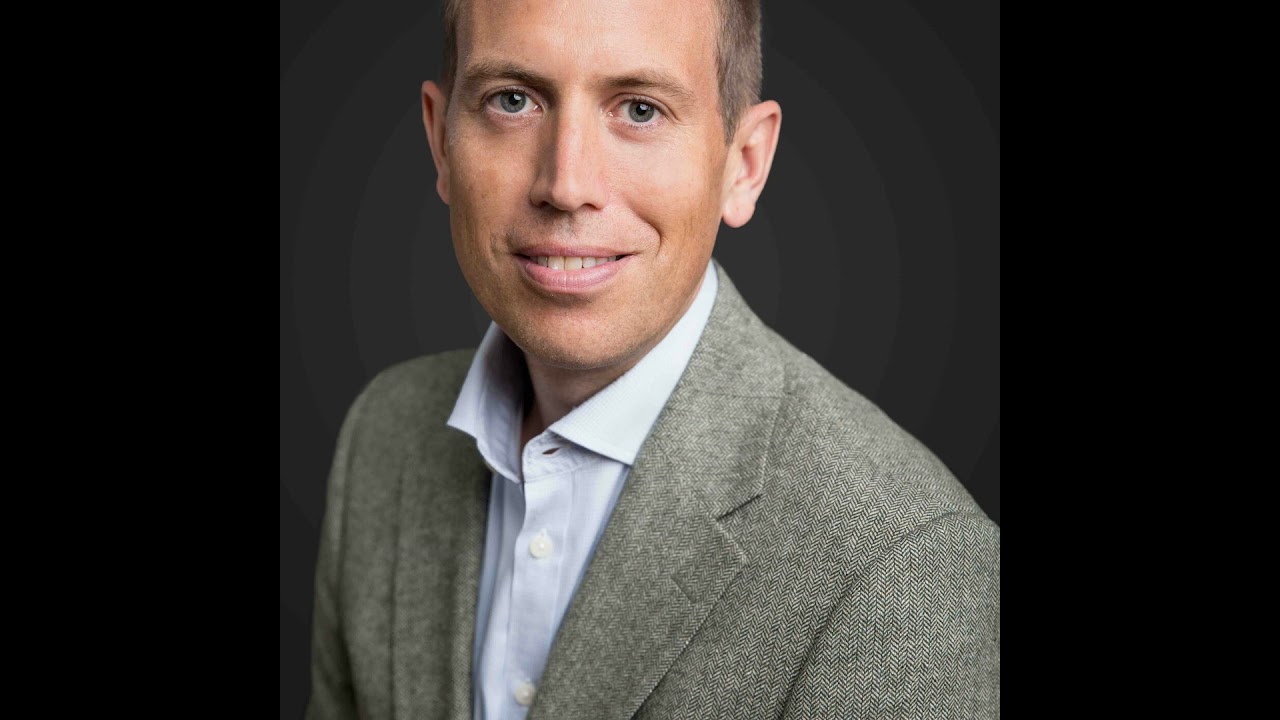
Andy Clayton returned to the UK after selling his China business and took a Scaling Up franchise license with Petrol Coach. He developed the Sweet Spot framework to help entrepreneurs identify high-value work, paired with the SODA method for cutting low-value tasks, and is building it into his own brand through a book and SweetSpot.guru.
Chapters
Hi, welcome to this episode of the Silver Fox Entrepreneurs Podcast. Today I'm talking with an old friend, Andy Clayton. He and I met back in Beijing some 15 years ago. Andy's a sweet spot guru. He's a speaker and a facilitator. And since returning back to the UK, he has become certified as the Petra and Gazelles coach. He's Oxford educated, is now living there. And he's also now devised his own methodology called SODA. Which is a way of helping people to save time. So welcome, Andy, to this week's podcast.
Welcome to the Silver Fox Entrepreneurs Podcast, the show for mature men with enterprise.
Welcome to the Silver Fox Entrepreneurs Podcast. And today I'm delighted to welcome back a good friend from originally Beijing and now back in the UK, Andy Clayton. Andy, welcome.
Thank you, Jim. It's good to be here.
Thank you so much for joining us. And I've invited you on the show because you've always impressed me. You're bilingual, you're an entrepreneur, and you're just a really good person too. Could you share a little bit about where you're at now, Andy? What are you doing?
Sure. Well, I'm 42 and a half. I'm married, have a couple of children in their early teenage years, and I live in Oxford. What I do is I have a small coaching company. So we help high-growth businesses to align their teams behind strategies, and then we coach them to getting those things done. So I'm very fortunate to work with a lot of really smart entrepreneurs, helping them set a very clear direction for their business and bringing their teams together in order to strive towards those goals and objectives.
Now, that's fantastic. And knowing you, you've managed to get that all really nicely organized, but it wasn't always the case, right? I mean, you and I, when we met in China, you were having some decisions to take about staying in China and the business. Do you just want to walk us through some of the history of how you went from Beijing and then back to Oxford?
Sure. So, I mean, the story of my life, or that period of it, is After university, so my very early 20s, I was struck by China, and I got the China bug in a big way. Went over there and did a couple of years as a VSO. Then I got various jobs, and throughout my 20s, I progressed professionally in China and did quite well. And then when I was 30 years old, I thought the next big challenge for me would be to set up my own business. So that's, that's what I did, and with a lot of hope in my heart, I went after it. But I found it much harder than I'd anticipated. A lot of that was down to me. I hadn't been an entrepreneur before, and I'd under-anticipated how challenging it would be. I also made some bad decisions strategically initially with the first business. And the result was I had to spend years clearing up the mess of that. I had some original investors in the business that had to be exited. I had to reposition the business. And then I ended up in a situation of having this very small company with no money and very few people. And it just took a really, really long time to build and turn that business around. So that's what I spent most of my 30s doing. In the meantime, I started to fall out of love with China. And China itself changed and became, in many ways, a more challenging place to live. Also, my son has asthma, and so he was struggling out there. I reached the point in my mid-30s whereby I knew I wanted to leave. We reached a point where Harry was getting quite unwell, and so we moved the family back here. I ended up in the situation of having a business in China, me flying back and forth over here. The business started to grow, but my situation became untenable. So the travel, and also managing a team remotely in somewhere as far away and challenging as China, eventually took its toll. So yeah, so what that meant is that by the end of my 30s, by the time I was about 40, I just decided to sell that business, which is what I did.
And who did you sell the business to, Dan Andean? How did you do that? How did you exit?
Well, it was precipitated by a bit of a crisis in the business. What was always the hardest thing for me was if someone in the China team, someone senior in the China team left, because then I'd have to go over there and fill their role for a while whilst I recruited replacements. And this particular role was a particularly challenging one. And it made me realize that whoever I found to replace, I would constantly face this risk I never wanted to be in that situation of being in hotel rooms and friends' sofas for months on end away from the family whilst I resolved another one of these crises. That's what precipitated the decision in my heart to say, right, I need to sell this business. I opted for a quick approach, which meant that I did realize some value from the business, but not everything that I could have done if I'd maybe spent a couple of years getting it back into shipshape and maybe courting a few more acquirers. So I sold it to a direct competitor. And really what they were most interested in was the client book, the team, the operations. It allowed them to get scale in a market which for them they hadn't really had a position in before. So I got out, I got out quick, I got out with some money, um, not a life-changing amount, um, and most importantly, I got out clean, you know, by which I mean that There were no liabilities. Everybody was taken care of, the customers, the team members, the acquirers. Everybody felt that they'd come out of the situation, I think, reasonably well taken care of.
Good. Well done. That's really both an exit with integrity and with opportunity as well. You got back to the UK, and what did you do then? Because you arrived back here, Families all here, or did you manage to—
Yeah, we were already living here. Yeah, so once I sold the company, I then— it was— we'd been living here anyhow. So yeah, like I said, I was 40 years old, and I sort of realized that I didn't want to do anything China-related again. I was very, very clear about that. And so I had 15 years of experience, and like you say, the language, the business background, the contacts, and everything. in an area that I knew that I couldn't and wouldn't use anymore. So I had to make a pivot. And yeah, so the past 2 years of my life have been a story of making that kind of a transition.
And, and, and how did you decide, um, what to do next then, Andy? Because, you know, it's quite interesting that you say that you decided not to go back to China considering you speak Mandarin, you'd been there for so long. A decision not to be involved in China, but then what next? Because you've dedicated so much of your youth and your career to that market so far.
Yeah, well, I figured that whatever I did that would have a China angle to it would require me to go back sooner or later, either to travel or to spend more time there. Because China, like anything, you have to stay current. You have to be constantly returning back understand what's going on, and also to be relevant to anyone operating that space, it would require travel out there. And also, I suppose a part of me had reached a point where I, I suppose I didn't want to be— apologist is a strong word, but there was so much that was happening in China and the regime in China and how that society, the direction it's going in, I suppose I realized maybe a different value set. And I'll tell you what I came out with that was strongest and most positive for me was really a very deep appreciation for what we have here in the UK. I remember when I was in my early 20s and I left, there were all these disillusionments. I found the place being small and dull and not much going on and all these opinions. Whereas when I came back, I realized what we have here in terms of the freedoms that we enjoy, the values of the society, the good environment that we have, and also actually a great business climate. The UK is, is, is a fantastic place to do business.
Yeah, it's interesting. I found, found the same, you know, coming back to the UK having left at 27 thinking just like it was small and wet and without opportunity, and coming back to actually enjoying the fresh air and finding a lot of vibrant and creative and entrepreneurial people, uh, in the UK. So it's a real celebration of that. And then So that's, that's wonderful. You're able to then kind of enjoy your home country again. What about then deciding what to do next? Because that can be a challenge for everybody, right? Because you're kind of starting from a fresh slate.
That's right, exactly. And so that's, that's a really important decision because it then affects the trajectory for the following few years. So I came out of my previous business with a little bit of money, but really only enough to pay off the mortgage and survive for a year or two, to be honest. So not a huge amount of funds to invest in something big, but enough to be able to run at a loss for a short period of time if I had to, or make a small investment. Most importantly, though, I came out of that business with a few insights that I knew I had to apply. So the first was, Pick something and just do that. Take the time that it takes to choose a thing and make the comparisons and do the analyses, and then be single-minded about pursuing it and don't get distracted. Because in my first business, my original businesses, I'd had these tendencies to try multiple businesses at the same time, and that never worked. That was a key insight. Another insight was, don't do it alone. If I'm going to go into a new business, I've done enough business over the years to know all the many, many things that I don't know about new markets. How to price it, who are the target customers, what are the sales and marketing channels that are going to work, what type of people do I need to recruit to make this business work, what are the good operating procedures, and all those sorts of things. I knew that from my previous business that each one of those things had taken such a long time that if I went and invented my own new business, it would— in a new market, it would take me forever. So I made the decision to do, to do a few things. I, I had been using and also training a certain system for helping high-growth companies from a book called Scaling Up. And there's a few guys that I knew that were coaching from one of the best Scaling Up implementation companies based out of US called Petrol Coach. So I did a deal with the founder over there to take a license for Europe. So essentially, I became a franchisee, a licensee. And I made the trade-off, Jim, of I know this isn't going to be my IP. And I know I'm not going to own the brand or any of those things. However, if I just replicate what someone else is doing, that will accelerate growth. And so that buys me time because it creates a cash-generating—
Yeah.
business, at least in the short term.
I'm listening.
Once I've got that stable, I can then think about long-term equity and IP value-generating activities. And that's where I am now. So that's the result of the past couple of years, is now that I have a strong business, which supports me and the family and the team and everything like that. Although long-term, I will have to consider some decisions around how I generate more of my own IP.
So that's interesting. So it's a very smart and focused strategy there in terms of taking on a franchise. And I think quite a few people do that each year. In fact, I read that in America, some, you know, over half of the people that start businesses later in life are buying over a business that's already in existence or a franchise. Can you just share with us a little bit about the the business model of the franchise? How much do you have to pay to buy it? Do you have a territory? How much revenue do you have to give to the, to the brand owners? That'd be useful to know.
Yeah, I mean, I have a very simple arrangement with, um, the business that I franchise, which simply involves a percentage revenue split with them. So there's, there's no Well, there's a nominal— there's a target that they have for me in terms of size of the business. I get to use the brand, I get access to their team, I get all their operating procedures, and I have regular check-ins. So it's definitely been a big source of support there. But it means that I haven't had to— because developing a brand is actually a very time-consuming thing.
Yeah.
And it's more than just the visuals of it and figuring out the website and those sorts of things. It's about coming up with something that's going to fit the target market. And you actually have to have quite a lot of insight about a business, about a market, in order to be in a position to get a brand that fits right. So it allowed me to circumvent that whole process. So yeah, it's a split of revenues. I think we had a 3-year contract, which is another year to run. I have a European territory license agreement, um, and I'm assuming that, you know, we'll, we'll roll that over. Now the business is bigger, there might be some kind of a renegotiation around those, those percentage splits because obviously that number keeps growing and growing. Although, um, none of those conversations have, uh, started just yet.
Well, I'm sure when they, when they're had— in terms of, can you share, are you willing to share, did you have to put cash up front or was it just a Um, you get a territory and then you pay them a 10%, 15%, 20% of the, of the revenue. And how do they audit that? I mean, how do you— is it just an honesty system, or—
So I didn't have to put cash up front, no. I mean, it's a service-based business, um, so it's much more about IP. And, you know, they've provided a little bit of business and a few leads, but mostly it's been down to me to to generate the business over here. So no, I didn't have to put up cash upfront. What was the second question, sorry?
Well, just about how you monitor if you've got a franchise auditing. Do you have to share books? Do they do the invoicing? From a practical point of view, talking to Bob Grace earlier on, he has another episode, he works with the Hayes Travel Group and they do all the invoicing and the billing. And they remit him at the end of the month his commission. Just wondering how your franchise agreement is structured.
By the contractors, they have the right to come and audit our books. However, in reality, it's a trust-based system. We send them a report every month, which has got all of our revenues in. We calculate what we therefore owe them based on what's been agreed. And they accept that. I think from their point of view, obviously, they have the right and they could come in and take the time to audit those sorts of things. However, I think probably they take the view that it's all an incremental benefit anyway. They don't really have to do very much for that money. They like being able to say that they're a global business now, because previously, they're just in North America. So that they have that network of coaches in Europe. It's great credibility for the business. And I suppose the deal, if you like, the trade-off is, as long as we don't take up too much of their time, which we kind of don't, and we're participating and adding in terms of knowledge and IP and team participation, and we're paying our dues fairly.
Yeah.
then it works for both sides. They don't have any other licensees like us anywhere in the world. It's so far a one-off deal that was negotiated. I don't know if there are other people that they're talking to in other territories or not.
Andy, I've got a question. There are many people, including me, that probably have to do the job to get paid, and maybe in a drain by your sweet spot parlance or a distraction, but it's where they get their money from to pay their bills. But they've got a sweet spot, something they're passionate about, but they haven't managed to monetize it. How do people deal with that? How do you solve that problem, that conundrum?
Yeah, that's a really good question. And I would say probably 3 answers to that one. The first one is that one of the criteria for something to be a sweet spot is that it must be high value. And so that means that an often high value— the euphemism would be that its impact, that it has a significant influence on our lives or on other people's lives. Obviously, one of the key measures of value is monetary. So if it's something that isn't going to be able to generate revenue, then you have to ask yourself the question of if it's a sweet spot or a distraction. And that can be an uncomfortable one because, you know, there's many things that we like and enjoy doing and we're good at that don't generate revenue in our lives. And so sometimes it creates this difficult dilemma between Do you want to spend time in distractions, or do you want to spend time in sweet spots? And it's a bit like the Jim Collins hedgehog concept, in that it's got to— we've got to be good at it, we've got to have passion doing it, and it's got to drive our economic engine. It's got to make us money. Now, it isn't always as simple as that, because sometimes you have people who have what's called an emergent sweet spot. So I've, I've started doing this thing which I, I think I'm good at, uh, and I know I like doing, but it's not making me money yet. So when I founded this business, I knew I was good at helping companies to do their coaching and their strategy and their planning sessions, but without a reputation in the market and without a steady stream of leads, it took a long time to actually turn that into a lucrative business. And so the second thing I would say really is about time, is how long will it take? And again, I use a Jim Collins analogy, which is the flywheel. And in the early days of the business, it just takes a really long time to get the first customers, to get the reputation, to get the testimonials, to get enough cash in order to be able to make investments, to be able to start marketing. And it can feel like a really long, hard push. And in the meantime, Sometimes you do have to be doing other things in order to pay the bills. Gradually, the focus shifts from what was previously being done to the new business. That's the period when a lot of resilience and patience and application and dedication— I'd be lying if I said that the past 2 years for me had all been easy. I had enough insight, and I've been through businesses enough times to know that I would get there, But of course, there've been times of self-doubt or getting fed up, or, you know, is this going to work out? And so the thing that's always kept me going through those times is those moments when I know that it will work. You know, a happy client, even if there's just one, and that's not quite enough to pay the bills yet, or a positive testimonial. And as those data points slowly start to ratchet up, then confidence in the business will return. And then the third point I'd make is about kind of— again, it's to do with skill set and ability, but it takes time to get good at things. And so one of the things about sweet spot is about being good. And often if someone's launched a new business or they're going into a new area in their life, they themselves have to— this idea of 10,000 hours, right? You have to do something a lot before you actually become proficient and skilled at it to really be able to make it lucrative. And that requires sometimes doing things for free or doing mates' rates whilst you're still honing your craft. And again, it's this idea of just having to stick with it and knowing it's a bit like the Rocky montage, isn't it? You've got to put the hours in, do the training, and keep yourself motivated. and believe and know that the outcome will get there. How I would summarize that is you have to search your heart a little bit if you're doing a new thing to see if it's really a good fit or not. It's like, is this something that I'm naturally interested in? It's really got my curiosity. Even when I don't have to, I'm reading up about it and I'm, I'm looking for sources? Is it something that people that I do it with tell me that I'm, I'm good at? And is it something that I feel that I could really do this for a long time rather than I'm just doing it to fill time? And if it does tick those boxes, then it's just a question of consistent, steady application, isn't it? And you just have to kind of live, die, repeat. You, you just have to keep going until our own abilities develop and our own reputation and resources reach the point whereby It has that momentum. Eventually, and what I like about the Jim Collins analogy is that flywheel starts to push you. The people that are working in your team and the customers that you're serving develop a momentum of their own. That's when you know you're there and you've reached the objective that you were looking for.
You mentioned as well, Andy, about developing your own IP. You're an experienced entrepreneur in your own right. You— we were talking earlier on about some of the tools and techniques that you're starting to think about that you've originated. You want to share a little bit about those? I think you mentioned gin and tonic or something earlier on.
Did I? Gin and tonic? No.
You mentioned soda. You mentioned soda.
That's right. Yeah.
I just want to share about— because you're a thinker and you've had some of your own thoughts. So just share some of the things that you've been learning in terms of Best practice that some of the listeners might find useful for them to actually apply?
Sure. Well, I have my first book coming out this year, and it's built around an exercise that we've been using with our clients for some time now, and they've found extremely popular and beneficial. It's a very simple thing at heart, Jim. It's called Sweet Spot. And it's about each of us has particular skills and abilities that are particular to us. And our sweet spot lies at the overlap between the things that we enjoy doing and like doing, and that are high value, that have a big impact in our lives. And usually, most people struggle to spend much time in their sweet spot. And the reason is because of everything else that we do in life, all the other activities that keep us busy. And so those are the other 3 quadrants. You've got things which you maybe like doing or you're good at, but are low value, which are distractions. So, you know, I still do a lot of my own financial reporting because I'm quite good at that, I quite like doing it, but it's probably not a very high-value task for me to be doing. And then you've got things which are important, we feel that we have to be doing, but maybe don't sit within our skill set, which we call drains. So for me, I've done my best at doing my own marketing in my business for some time now. I'm not very good at it. A lot of it doesn't get done, doesn't get done very well. It gets me down. I've now actually hired somebody to take that from me. We're finally seeing progress and development there. Then you've got the disasters, which are things which— For example, this week, our administrator is on holiday. Well, she's not. She's had an operation. I find myself doing travel bookings and drafting agreements, all those things that I gave up doing some time ago. And so the trick in life, particularly as an entrepreneur, is this constant process of moving towards the top right-hand corner there, of eliminating distractions, drains, and disasters so that we can spend more time in our sweet spot. And that changes over time. So what we find is once we get into a sweet spot area, it then divides into 4. And also, as we get good at things and as our priorities change in life, We, we're constantly discovering where that area in the top right-hand corner is. So as an exercise, you know, you do it by identifying where your sweet spot is, what activities you're doing that are taking up time and energy that you could reduce or eliminate. And yeah, we've come up with this acronym, SODA, for how you can go about eliminating or reducing tasks. you're spending time on that aren't in your sweet spot. So it stands for stop, outsource, delegate, and automate. And those are the 4 ways that you can get rid of work. So a lot of things you can just stop doing. It's about setting good boundaries. It's about saying no to things. Outsourcing— there are so many opportunities these days for using external service providers to take work off us. And that may be freelancers, it may be expert agencies, but also a lot of it these days is Stuff like, you know, all the door-to-door deliveries. You don't even have to go to shops anymore or do a lot of the kind of menial things that these days can be brought to your door. Delegate is all about handing stuff over to team members, which sometimes people find hard because it means that you have to actually take the time to go and find somebody and train them how to do it and then trust them to get on with it. And then automate is all about using software and robots and algorithms So, for example, we started using this task management software a few months ago called monday.com, and it's reduced our internal email traffic by like 70 or 80%. But with those, you do have to take on financial commitment often, and usually something that you're then tied into for a while. So the thing with sweet spot is it's an exercise, and you can do it pretty quickly— 20, 30 minutes— you can get immediate benefits. One CEO I worked with, he saved up 5 full days from his calendar just by doing it once. But the real benefit actually comes in doing it again and again, and it's a repeated habit. It changes your mindset and your thinking and decisions that you make every day. There's a guy I've done it with a few times, and he found himself where he stopped driving anywhere. He just took taxis and Ubers and trains because he could actually work in that time. Or he'd make decisions about whether he was going to cook for himself or go to a restaurant. He realized that for him, the key was to put a price on his time. And anything that was less than that, he would find someone else to do it for him some way or another. And then using it with the team. So if you're an entrepreneur and you're running a business, regularly sitting down and going through the sweet spot activity with them means that it improves their productivity and takes off their plates the things that are frustrating them or wasting their time. And also, it means that there's a conversation about the direction of personal development for each member of the team. So I remember years ago, I had a finance manager in the early days of the business, you know, she was doing finance and HR and import-export and operations. And it took us a couple of years, but after we'd done her sweet spot activity together, she said, I really just want to focus on finance. So we had to grow the company and recruit people in and gradually delegate those functions out. And 2 years later, she was just doing finance. And then, like I say, finance then divides into 4, doesn't it? And so within that, we then had to go through another sweet spot to identify, you know, financial management or accounting or treasury. So we have the book coming out this year, we've got the website launching, www.sweetspot.guru. And we're doing a lot of workshops and public speaking events around the launch of Sweetspot.
Andy, that sounds both informative and inspirational. And I think you've given me a lot of food for thought as well about what I do and spend my time doing. So you've mentioned Sweetspot, And how else can people find out about you, Andy? Where can they track you down?
So the main business that I run is called Petra Coach. So www.petra-coach.com. We're up on there along with the US coaches. So that's where you can find more information about what the main business does.
Andy, thanks so much for sharing your wisdom and your insight and really impressive life journey. And I've always I've always admired how you've managed to be focused and creative, but also really have integrity in the way that you're doing your business and your life. So thank you very much for sharing the mic with me today.
Thank you very much, Jim. I really appreciate it. Thank you for joining us today. If you enjoyed the show, do please rate it and share it with your dad, stepdad, son, brother, uncle, boss, colleague, friend, or anyone else who still has a business in them.
Sharing is caring, and best of all, it's free.
For more information about our entrepreneurial community, visit silverfoxentrepreneurs.life.
More from Jim











2 people, infinite agents, 1 billion dollar idea #AIAgents #Startup #Productivity