Jim Penman interview with Glenn Twiddle MDAS 2020
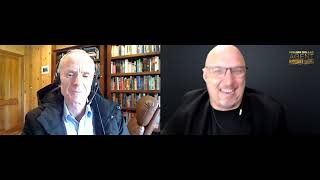
Jim Penman built Jim's Mowing into a franchise by putting franchisees first and customers second. He discusses how COVID shutdowns devastated Victorian franchisees, the mental health toll on contractors, and a new platform called Jim's Jobs designed to help them survive.
Chapters
Guys, our next guest is this gentleman here. You recognize him from that logo. We, we now recognize him from this photo. And there is Jim. He is the founder and the genius behind the Jim's Mowing franchise. I have been spending some late night and intimate time with your good self, sir, by familiarizing myself with this first of many books of yours that I intend to read. Welcome, mate. I feel like I know you already.
Good morning. Good to talk.
Thanks for jumping on, mate. I really appreciate it. I've been an admirer of yours for a long time and I'm now availing myself of the story behind the icon. So this all started mate, because of, I saw you in a lot of media of late with some of the challenges you're facing. So I thought, wow, let's have a chat to Jim, let's talk about those challenges, how you're dealing with them. But not only that, while we've got you, let's sort of inject some of that brain of yours into this industry so that we might even have some solutions for some of our entrepreneurial types. And the majority of the people watching today are real estate agents who again are in a similar pickle to many of the small businesses around Australia that you've got a vast experience with. So let's get stuck into it, mate. And by the way, just on the cleverness thing, mate, I've heard that you're dumber than about 500,000 odd Aussies in this country. Is that a fair statement to make that 500,000 people in this country are smarter than you, is that right?
I would think I'd put that a lot higher actually, after all the stupid things I've done in my life.
I'm just kidding, mate. I know. I read in your book how you didn't want your co author to mention that the intellect thing that you've got because you know, I take exception to.
The description to me as a genius, my wife would tell you quite different.
I love it mate. But again, what I say without the humility there, that Jim is a very clever man who understands so much about human behavior, how people do things that they do. And so it certainly come from a depth of gravitas that his opinion here on both business and our current situation in Australia and how we might get out of it. So yeah, so Jim, give us the overview of what you personally and by vicariously your people have been, have been going through, you know, 2020.
Yeah, well look, until very recently was pretty good because we had plenty of work, work's done about 20% since last year. And what's even more important, we have lots and lots of franchise inquiries because we've got lots of business when the economy is shutting down. I mean, typically we have about 30% of leads unserviced. So our big problem is we simply can't sign enough franchisees because economy has been too good. So in that sense, though it's been horrible for the country and many people, it actually was good for us. And then what happens is stage four restrictions come out. And quite sensibly, the expert advice says sole operators working alone, which is most of our people, can continue working. That's in the headline of the whole guidance. A week later, the Premier gets up at a press conference and says, well, no, you can't get your lawns mowed and your house is clean. Ha, ha, ha. Well, it's just off the cuff. Now, why did he say that? Almost certainly he just didn't know what the regulations are. I mean, face it, they're about six pages from Health and Human Services. He didn't know, so he made a mistake. Now, what does he do? Now, if he was a man of decency and integrity, he simply said, look, I made a mistake. Of course we'll stick by the guidelines. No, he says, I'll be down. I don't want to appear as weak, I don't want to appear as soft. I'm macho man, you know, so I'll just shut down tens of thousands of small businesses, I mean, who don't care about them anyway, they don't pay union dues, they probably don't vote for me anyway. Stuff them. So he shut us down and it's absolutely, ridiculously absurd. The latest thing is dog wash salons, okay? Now, you can go to a dog wash salon which has multiple staff and you're fine. You get that same job done by a person working by themselves. You're not. Now, if the Premier knows something about infection that nobody else knows, it's the same thing as gardeners and the council working in groups to find private operators doing the same job by themselves is not. This is based on health experts. Yeah, that's right. So what the health experts. What he's saying is the health experts telling me the more people on site, the better, the safer you are, contact the better. And there's a very simple reason for this. One is Andy Medic of the animal rights movement has a casting vote in the upper house, and that's his new. The Premier says, tim, you give me six months more dictatorial, total power to Smash the clonamino everyone he wants and I'll let you have your dog wash salons. Now, I don't deny the guy, quite frankly. If I could, if I could get. I try to get a back door to the premier, but it's a ring of iron. I say, Look, I'm losing $50,000 a week. If you want this as a bribe or some labor party slash funds, I'll pay it. Just let my people go back to work because they're no danger to health. So I don't blame the guy for doing it, but I think it's horrific and it just shows its politics, politics, politics. It's power. It's nothing to do with health.
And so you guys, I'm sure be sitting there with bated breath on the daily updates and the weekly updates to try and get some reprieve. So let's assuming that because I'm not even sure what the status is like as of right now. Are your kind of franchisees, are they still in the cartwork in Victoria and how are they in other states? What's the status as of today?
Other states are fine. Regional Victoria is fine. It's just Melbourne. We've got about 700 of our guys shut down, look, supposedly coming out 28th. Sole operators can work still not in groups like loan have employees, which is sad for them, unlike council gardeners and bulk wash salons and all the favored groups. But on the 28th, hopefully. But again, the premier has changed his mind before. We were supposed to go back today, he can change it again. And even if we go back, infections got beat his ass. Okay, shut them all down. All these garbage small businesses. We don't care about them. We don't care about those people. I'm just in here for the big end of town. You got to think about who's in favor of this stuff. The people that love it are the haves, the wealthy, the professionals, the people who work from home, the people who've got secure jobs, you know, professionals, lawyers, accountants, civil servants, politicians, all those are fine, you know, a bit inconvenience, can't go to a restaurant, but fine, we're okay. But what about the poor sods, the battlers out there who are just getting crushed by this particularly small business. It's horrifying the damage that it's causing, the mental health issues, the despair, the anguish. I know personally of two franchisees who've had people in their households attempt suicide. Seriously, attempt suicide. I mean, just myself personally. What's going on? It's. It's horrible. Yeah.
I saw some reports from an iconic venue in Melbourne that people have a real affinity to because they've, you know, maybe met their wife there and things of that nature. And he is sitting there. Look, we've done our best, doing whatever we can do for six months, but it's about to come to the end and those are the sorts of ramifications we're seeing. So, Jim. But you're no, you're no stranger to, you know, in your journey of building your brand and things to maybe, maybe not to this degree, but horror times when you've got those individuals that are going through the toughest time potentially of their. Of their lives. What sort of advice did you give them? Because I know that you've been out there attempting by your own sweat equity to get out there and spread the cause, to maybe affect change at the highest possible governmental level. But getting micro. What have you suggested that your guy on the end of a mower has done to get through this? Has there been any advice there that's been helpful to them?
Look, first of all, for me personally, this isn't that bad. My company is still profitable. I'm still making more money than the vast majority of Australians. I'm less than I would be, but to me it's nothing. The agony that hangs on me is my guys. They're so distressed, upset, so crushed by it, and we can't do much for them. I've been through times in the past which personally were vastly worse times of total despair. And if you read something, there's another book that I've got called Every Customer a Fan, which talks about some of my early experiences and how heartbreaking it was when I was deeply in debt and struggling to make a living as a mowing contractor and just didn't know whether I could pay my rent at the end of the. And then something goes wrong and it's very, very difficult. Look, how do you. What do you do about this kind of stuff too? What helps me a lot is my Christian walk, my Christian faith. In my worst time, I'll listen to some inspiring music by someone like Keith Green and I'll know that God's with me and I do trust him to look after me. In the end, I know I'm fulfilling his purposes for my life. So it's a very big thing for me. Social support is really, really important. One of the things that's happening is our franchisees are actually shut down, about 700 of them, and they're paying no fees to the franchisors but you know what, the franchisors for the most part are still ringing them. Even more than usual. They're ringing up and saying, mate, how are you going? What's going on? And then they talk to each other. Franchisors in different franchisees in different states are often to pair up with our guys. They know the despair, they talk. We have a group, we're like. Jim's is like an extended family, which is why I get so upset about people being hurt. It's not, it's not financial, it's personal. We know people. I've known franchise. I've known people to commit suicide in gyms. I mean, it's, it's. We had a dreadful case a couple years back where one of our franchisees in West Australia killed his, his wife and his three little girls. And that was horrifying. And I went over there to talk to them and the whole room, most of the franchisees in this whole state were there and people were just crying, they were so distressed by this. So we put all kinds of changes in place to try and put mentoring in place, put volunteer mentors. Half the people in the room, more than half volunteered to be volunteer mentors. They were so distressed. So we had this network of this extended family that's very, very important. And I would say to anybody in this situation, reach out to those around you, reach out to your family, reach out to your friends, to your neighbors, to contacts, build ties and support each other and care for each other. You might not be able to, you might not be able to meet in person, but you can meet remotely. That's so important.
Yeah, I remember when, when Covid first hit, I sort of had about a week of panic right, where I genuinely thought, worried about what the hell was going on. And then I thought, well, when in doubt, serve more. So we did like a 13 hour stretch where I pulled in every favor from every human I knew, who my, my people would, might want to hear from. Charged nothing, just gave for 13 hours. And then we did the same thing again like three weeks later. So it's like we gave more. And then what those, those entrepreneurs, those in this case real estate agents did is they took that ethos to their local communities as they said, hey, do you need a Danny paper run? Are you screwed? You know, do you need someone to help you out and do a post office run? Just now wasn't the time. At least that's what we were saying back then. Now wasn't the time to reap. Now is the time to Just sow goodwill and take exactly what you were just saying there out into our business lives where instead of just say, hey, I'm a real estate agent, want to sell? It's hey, this business that I run is because of you. And when no one's doing it, well, right now, do you need anything? And that was so well received. Those who went and did it have been kind of. Even some of them, as leaders might be saying, when some people in Australia are devastated, they've been seeing improve in their business based on those actions of giving. It's almost like the. Is it Jim? I was gonna say, is it Jim Benman? Is it Zig Ziglar that said help enough people get what they want, you'll get what you want.
That's right. If I could recommend a book even more than my own books, That's Stephen Covey's 7 Habits of Highly Effective People. And that's all about principles and it's about giving and it's about actions based on integrity and character rather than short term advantage. It doesn't sound like that. I heard about it for years and thought, oh, this is just a self help book. And then my daughter, who's trained to be a doctor, she said to me, jeff, you got to read this is what you're saying all the time. And I read it. It's fantastic.
I'm sure you would have loved it, mate, because I loved that book when Stephen did an audio tape version of it. That's how far I'm going back where Mr. Covey, I think might even be Dr. Covey, but Stephen Covey did a audio and I could understand the principles when he verbally orated them. But when I was reading that book, it was like, oh my God, these four, it was like, it was very cerebral and formulaic and it did my head in a little bit, but boy, oh boy, when he spoke the principles to me, they are rock solid and gold. So, yeah, the Seven Habits of Highly Effective People. Amazing.
Can't have too much Kobe, that's for sure. Great book for the Times.
Agreed.
Yeah.
And my tape set has pride of place even though now I've had it converted to MP3, but I'll skip that forever. That tape set in those early days, mate, when you were going through it was wonderful reading the first of your, of your books when you had bugger all in the bank account and you were deciding, you know, there was some contest for another franchise player and you had to make a decision whether you were going to go all in on this sucker Was that a, you know, was that your mindset that kind of shifted and things like that, or did you see the demand of what could be and. And you sort of couldn't let the opportunity pass or. So it's almost like, did you push to get it, knowing that it's what you wanted and you needed to shift your mindset, or could you just not let that sort of thing go by because the opportunity was there?
I wish I could say that I am this all seeing genius that seems to be, but in reality, it took me a long, long time to even understand what I had. Look, in the beginning, basically the only reason I started mining lawns was because I was trying to be an academic. And I failed miserably. And if anybody wants to know why, there's my book, Bio History or Decline of the west, which is, which talks about my approach. I wanted to be a story, I want to be an academic. And I had such incredibly radical ideas that there was no possibility of a job. And I was broke. I was $35,000 in debt. I started mowing lawns because that was my student job. That's the start of it. That was temporary. Something better comes along. And then I started to do this and it was desperately hard and I started to succeed. And all the time I was thinking, I had a few contractors, I was, you know, building up and selling lawn mowing rounds. And I thought, okay, until something better comes along. And then this company called VIP comes into the market. Now they're a franchise, which is unheard of. I had about, you know, dozen subbies and stuff. Very low. No, no. No uniforms, no signage, no logo, no nothing. Just a few guys in little business. They come in and I think these guys. 250 franchisees, my goodness, they got all these logos and they got these office in South Melbourne, all this stuff. And I was petrified. And I just rang them up. I rang up the state manager guy called Dave Mitchell and I said to him, david, look, I'm Jim of Jim's money. I know I am. I said, I don't want to compete with you guys. I'll just give you all the clients at a good rate and help to build up vip. He said, no thanks, Jim. So I thought, all right, what am I supposed to do now? No great vision. No great vision. I just thought, I'll go along and find out what these guys are doing and find there's any way I can, I can possibly survive against this giant, giant business. 250 franchisees. So I went the Expo that year which was 1988 on the old exhibition building in Melbourne. And I went in there, I went up to the stand, they gave you little name tag. I took it off, put in my pocket.
Ah, because if they'd have seen. I love that story. If they'd have seen that that's you, they might not have been so welcoming.
Well, no. So I walked up to the stand and I said to the guy running this down, I'm interested in your lawnmowing franchise. Now, fortunately, he didn't ask me why, because I would have told him I'm useless at telling lies. And he spent 15 minutes explaining to me. And then. And then Mitchell came along and said, get rid of him, get him off.
Oh, so someone spotted you.
He said, don't tell him anything else.
Too late, you had it.
But you see, the point of it is, when I saw this, I thought, cheapest. There's some point to. This is not a bad company. I got a lot of respect for them, actually, I do. There's benefits to this system. I can see why you'd want to join and more important, stay with a franchise. But you know what? I reckon I could do a better deal for the franchisee. And that was my vision. And that's why I started. When I first took my first franchisee, June 1989, which is 20, what, 31 years ago now, I just wanted to survive. And I thought, if I can do a decent job looking after my franchisees, then at least I can survive and they won't crush me entirely. And somebody asked me at that stage, they said, jim, if it really works well for you, if it really works well, what could you have? And I said, look, this is really optimistic in the extreme, but if it really works well, one day I could have 100 franchisees. That was my ambition.
That was the goal of all goals.
That was my leap high goal. By the end of the first year, I had 60. And I thought, what is this? But you know what? You know what the secret was? And this comes back to talking about real estate. I got some good stories for you later. When I was selling lawn mowing rounds, I was really crap at selling. I'm a dreadful, dreadful, dreadful salesman. I got no people skills. My wife says I'm borderline Asperger's. I've got no. I always blurting out the most outrageous, ridiculous things and I'm no good at selling. But I discovered what to do to sell is that all you have to do is to look to the interest of the person you're dealing with. And this came to me, this whole thing, which is the whole basis of my career, came out of an experience when I was looking for some advice about how to advertise. And I went to see somebody in my church who was an advertising agent. And bear in mind, at this time, I was thinking of this problem of selling. I was trying to build up and sell lawn mowing runs, but I was really crap at selling. So that was in my mind and I asked everybody for advice. How do you do? I had a professional salesman sitting in my office selling stuff for me, my own lawnmower rounds. Because I was so pathetically incompetent at that job. This is. I hope you're really getting the idea of this old standing genius thing is definitely not correct.
All right, I love you're totally. A book. There was a book that again, I couldn't get. So I said, as soon as I talk to Jim, I want a copy of Selling Without Selling.
Yeah, that's an older version of the current one, but it comes from this anecdote. So anyway, I went to see this guy, advertising agent, very successful millionaire, 20 years in the business, knew everything. I was nothing, okay, down the hill, mowing contract, trying desperately to stay afloat. And he invited me into his office and for half an hour he just did nothing but tell me about the advertising business, how to find work, what media to use. Lots simpler in those days. No Internet and stuff and kind of messages to go to, how you convey. Half an hour, did nothing but that. At the end of the time, he said to me, jim, you don't need an advertising agent. Go out and do this now. I walked out of the office and I knew if I ever did need an advertising agency, I would go straight back to this guy. And I was walking back to the car, which was parked some. Some blocks away, and I was thinking about this. Bear in mind, it's probably in my mind, how do you sell? How do you sell? I'm pathetic at something. How do I sell? And I walked back to the office and I thought, but this guy's completely sold me on his business. What on earth has he done? I knew that. But next time, when I did need an agent, many years later, after the franchise went straight back to him, I didn't have any idea what he charged. I didn't know who his clients were. I knew nothing. But as I was walking, I figured out the only thing he'd done in that interview. Only interest he'd shown is in my welfare and the welfare of my business. And by doing that he'd sold me on his business. I can remember rich in the car, which is a really, really bad battered Holden Kingswood, filthy, dirty, full of banks, backseat ripped out to put rubbish in. It was the worst car you'd ever seen in your life. You've never driven in a car as bad as my car was in those days.
I think I had one mate, three on the tree, all right?
I had people back into me and I just say, mate, look at the car, who cares? So I can remember reaching out to this car, which was never locked because nobody would steal it. They might tow it open there to steal it.
Remember those ones? You could just turn the barrel. You didn't need a key on them suckers steal it.
And I, and I said, I wonder if this particular thing could ever work for selling lawn mowing rounds. So the next time somebody approached me, a bit of just rang me from the age in the paper and said, I want to interested in the round. I said, okay, tell me something. Do you know what the cut of a lawn mowing round means? Now, the cut is each job done once. So if you got 100 clients for 60 bucks each $6,000 cut, you do a multiple. That's how you sell rounds. Now, I knew that everybody in the industry know that, but people who were concerned didn't know that. So I started to explain to him, and then I started talking about the industry and how you find work and how you advertise and what you should charge and what kind of jobs you can do, what sort of equipment you can use. And as he came to see me, I was giving more information. At the end of, the end of that, I actually, I just said to him, look, I got some business in your area. That's that, that's my, that's my entire sales pitch. Little while later, somebody rang me who'd been to see me and he said, jim, I want your advice. And I said, sure, okay. He said, look, I've been offered a lawn mowing around in my area and I want you to advise me which is a better business, that one or yours. Now think about it. I'm doing this whole process to try and sell lawnmower. Now he wants me to give advice on whether to buy my round or not. So I thought, well, I'm not going to do this. It has to be with integrity. So I asked him the question. I said, okay, how many customers? How far apart are they? Average value? How long has he had it for? What's he going to do with it? The kind of Questions that anybody would know how to value a business allowing for drop off rate, all kinds of things, okay? And I, and at the end of the conversation I said to him, that's a better business by that one.
Wow, that shows the integrity, doesn't it?
I asked the same question three times in a row and three times I told the guy to buy the other business. The third time I said, it's a better business and, but he's charging too much. Offer him this. So I gave away three sales. And you know what? Every single time, every one of those guys bought from me. And from that time onwards, this incredibly crappy, challenged, you know, socially challenged individual, I was able to sell. And what I would do was every time somebody bought a business from me, I would do everything possible to make them successful. I would replace jobs without question. I give them advice. I used to run free lunches and stuff, everything possible. I used to write their little name, their name on a bit of white card, black texter name and phone number, stuck it on board behind me. If anybody wanted to know anything about me, I'd say, I give them a brochure about how to buy all this stuff, all this advice. I'd say, you want to ring any of these guys and just ask them. And they rang him and they said, jim's fantastic, Jim's great. So that's how I started, that's why I began. And I was up against this. You know, I had the same. When I started the franchise, this was 20 years before the code of conduct, nobody used to do this. I used to give them a list of all my franchisees and they say, why should they buy from you? You run your business from your basement. VIPs got this flash office, they're interstate. You're a nobody. Why should I buy from you? And I said, look, there's some differences. This is how. But here's a list of my guys. I want you to go and read every single one of them and I want you to go to VIP and get their list. And that was really a bit dishonest because I knew they wouldn't give them a list. They couldn't. That's what built my business.
I tell you, a few of our guys have unknowingly modeled that principle that they've had. You know, imagine if someone printed out a list of the 200 last, with permission, and they asked permission at the time, 200 of their last 200 properties they've sold and said, just call as many or as few as you want and there's the horse's mouth. I love that principle. Magnificent.
Let me apply it to real estate. I'm going to give you two stories. Okay. I was interested in the very early days of buying a house. Now, I love trees. That's why I'm a gardener by trade. I love trees, love grass, love outside. So I saw this house and I spoke to the agent and I said, look, the biggest problem is got no trees in the garden. And he said, well, look, there's companies that actually transplant mature trees into the garden. And I said, oh, that's really interesting. Who are they? And he said, well, if you buy the house, I'll tell you. I never dealt with him at 10. I never had anything to do with this guy ever again. I wouldn't consider him. I wouldn't look at him. To me, that was just the opposite. Now, sometime later, I was actually buying. I was trying to get some commercial venture going, like a holiday resort. And there was a little house at the front of the property, which is near the entrance. And I was dealing with the agent there in Marysville, and I was running short of money, so I wanted to sell this house. Now, bear in mind, I go to my agent and say, I want you to sell the house. He said, jim, don't do it. And I said, why not? And he said, because if you do that, it won't be in your best interest. So I was there offering him a commission to sell the house. And he comes to me and said, I want. I don't want you to do it because it's against your best interest. That guy I deal with to the end of time.
Yeah, because he sort of took the relationship in your best interest over a personal, however many tens of thousands of dollars in a commission. Same principle as you just suggested.
Yeah, exactly the same thing. If you look to the interest of the person that you're dealing with all the time, then that's what makes it work. See, when I. When I launched my franchise, actually took me nine months to get the contract. That was. One reason it was so delayed was because I was arguing with lawyers, because the lawyers always want you to have all the power, all the rights and everything. And I said, no, I don't want. I want a system that I want to join. So I put all this stuff in about the fact that they could automatically renew after 10 years, which is very contentious. If you read about it, people actually quote our. In parliamentary inquiries, they quote this clause. As long as you're compliant, you can renew after 10 years. We can't take jobs off with you without your consent, which other companies will allow, including vip, all kinds of stuff. And I went to my people, I wanted to start the whole thing. My best franchisees, sorry, my best subcontractors, people who bought rounds off me, I wanted to come in, I said, here's the contract, what do you think? And they looked at it and they said, what about this? What about this? They changed everything. So I had a contract. Now the lawyers said, this is really crazy. You cannot run a business like this. This is so franchisee focused. You've given them all the power. You're going to actually ease off on this bit of time. Well, you know what happened? The absolute opposite happened. We put all kinds of extra things in place. For example, we allow our franchisees to change to a different franchisor if they're not happy, which puts a lot of pressure on franchisor because you can lose them and the franchise has no say. If you don't look after your franchisee, they can go to somebody else. We actually give our franchisees the right to vote out their franchisor. They can vote them out. This actually happened last week. Not very common, but it happens. The only franchise system in the world that gives them power, you know, our franchisees can actually veto changes to their own manual. So how can our franchisors, Nobody else does this. So we've given franchisees and our franchises more and more power with time. And that is the principle behind what we do. And it works, it works brilliantly.
So again, taking that principle out to other industries, certainly mine and certainly theirs, always having everything, whether it's legally and you know, because certainly the master franchise owners of the big real estate companies certainly don't have the power of, you know, often not even the power of the principal licensee. But the salespeople who work for them have no say yet. They're the ones that are the revenue generating force, which is those bottom level folks. Imagine if the salespeople had the say, had the right, had the power. It would be a game changing model I would suggest, if ever that was launched in our industry. But it's such a rare thing.
It should be. It should be. You should give the power to the people you're dealing with. You know, the one decision that matters more than anything else in business is whose interests are you after? Are you interested your own financial interest or interested in the person you're dealing with? Because strangely enough, and it happens every time, every time you make the decision, I'll do what's right rather than what's in my own self interest. In the end it comes back and proves to be the best decision. Now maybe not in the next three or six months, but in the long term that's what works.
And sometimes not even from the person who you make the decision in the best financial interest of sometimes. It's funny where it might come in from unexpected and unknown sources. If you live your life though with that attitude, then it comes in, in that way that it's almost like Zig was quite prophetic when he said help enough people get what they want, you get everything you want. And it's not so long back a dozen or so of my clients all got together and these are people who paid me money but. But I liked to think I lived for the most part as best I could with that attitude in place. And for my birthday these buggers conspired for six months to say what would Glenn they bought me a 30,000 odd dollar Harley Davidson just to say thanks on top of the fees they'd paid me. And there's my birthday present from people who were paying me who my job was to service. And I thought that was an amazing example of that principle. And now that Harley Davidson is pride of play, I will never sell it even when my back gives out and I can't ride because that's a symbol that that attitude works, you know, and it works in sometimes some unexpected ways. One thing I wanted to throw by you is I've always used your company as an example of you got the marketing system right for one thing, meaning the lawn mowing is where it all started. But then once you've got that database and that system perfected, you can bolt so many other services and in your case so many other things because you've got the most valuable thing which is the ability to get a customer the trust of a customer. And now once you've got that, there's so many other things they want. Have I misinterpreted that intent or because that was just by observation I thought, oh, he started there, now he's got Jim's everything. Was that the strategy and is that the principle that that success is based on?
Well, once again I got to say something that will dent this, this aura of genius that you put on me and it shows what an idiot I am. Alright, I had this mowing business mine franchise system which seemed to work okay. I was growing quite rapidly, we're doing all right. And I decided to get into cleaning. I thought I'll use the same contracts for cleaning, getting the same Answering systems and, you know, computers and everything else. All right? I dye cleaning. So I thought, nobody's going to be interested in a guy with a beard and a hat. That's a gardening image, not a cleaning image. So I decided to divide this new logo called Sunlight S U N L I T with a little sprays like that, you know, very, very clean, bright and stuff. Sold. A couple of franchises went out. Couldn't get any work for them. Just couldn't find enough work. Eventually I said, this is. This is no good. This is no good. Here's your money back, all right? So I gave it back to them. Little while later, somebody comes to me and says, I want to do cleaning. I say, we tried. It doesn't work. I want to do Jim's Cleaning. I said, no, no, you don't. Jim's Cleaning. Jim's is a. It's. It's. It's a gardener, all right? A gardener with a beard and a hat. That was me in those days, by the way. I was like that. I didn't wear the hat all the time, but actually, one time I walked into a. Into my jungle greens, into a butcher. And he said to me, g', day, Jim. And I said, g'. Day. He said, your name's not really Jim, is it? And I said, you know. And I said, actually, yes, it is. He said, you know, you even look like him. So anyway. Anyway, this guy comes to me and says, I want to do Jim's Cleaning. I said, no, it won't work. Absolutely. The brand will not spread to anything else. It's mowing. It's a gardening image. And he said, look, I'm so convinced it'll work, I'll try it myself. And I said, well, look, okay, minimal investment. Give it a go. Then you'll see it's impossible. So he goes out with his Jim's Cleaning thing, and he goes to an estate agent. I remember this story. He went to a stat agent and showed it to me. He said, I'm from Jim's Cleaning. Are you? Oh, you mean Jim's Clean, like the mowing guy? Oh, yeah. Okay, I'll give you a go. All right. That's how it worked. So this brand, unlike what I thought, actually worked pretty well. That's how it started. One of our best divisions is fencing. Somebody came to me and said, jim, want to start one of my. That's. He's one of the guys who bought a lawn mowing run from me, transferred to a franchise, later became a franchisor. He's a multi Multi, multi millionaire. This guy Andrew, I'm so proud of that too. Not with us any longer, but he's been hugely successful. Got masses of nurseries and property developments and everything. He's a real, real successful guy. Anyway, this guy came to me and he said, jim, I want to start Jim's fencing. And I said, nah, that won't work. That will not work. Not much demand for that. Won't work at all. Done. He said, look Jim, I'm so convinced, I'll give it a try myself. And I said, all right, well, same deal, doesn't cost you much up front. Give it a try, you'll see. But of course it worked brilliantly. Now, like our third or fourth biggest division, it's got 140 fences and chippers. You think about it. I said, lack of work. The biggest problem is fencing. It's about 60% unserviced. We can't recruit enough people. The demand is massive.
That's what I loved in your book, Jim. I couldn't believe that you're sitting there saying our biggest problem is too many clients and not the capacity to sell to them. Oh my goodness. First world problems that I know every business would love to have. Too much demand, not enough supply.
But you know what the key is. And you mentioned marketing before now I am a complete dunce at marketing. I know absolutely nothing. But the interesting thing is in recent years as our levels of leads have risen and our unserviced leads, 130,000 leads knocked back last year, it's horrifying problem for us. But you know what, you reckon it's because of marketing? It's the opposite. We've actually champed down on our marketing. We knocked it back, in fact, some of it. We have about 140 bucks per month from each franchisee goes to the marketing fund. Our franchisees, quite a lot of them have to go back to their franchise and say, guys, we can't spend this. There's too much money. You don't need to work your flat out year round. We can't spend it. How about we give it back to you? So they get several hundred thousand dollars distributed just free because we can't spend it, because we don't need the work. So why is it we spend less on marketing and yet our leads are going through the roof. Very simple idea and it's called customer service. And that is one area of the business I am really, really hands on. We brought in this survey system few years back and what the survey does is we write to clients and about A third of them are good enough to reply. We mostly text them and they come back and give a rating and that becomes a complaint or it becomes a five star rating, three, one, whatever. And people get an average rating and they get complaints out of it. We also record complaints directly, but there's a lot less of those now. Since we've done that, what that does is put enormous pressure on our franchisees to perform. In fact, I just had a case just recently, in fact, several times this morning already, because I'm the only person that can wipe off a complaint. I had one case where the franchisee couldn't satisfy the client, gave their money back, so I deleted the complaint. Another case, they went back and did the lawn over again. Client comes back and says, happy delete the complaint. So, and franchisees love these ratings. If they've got like 4.8, 4.9, to get a four star rating is a disaster for them. So cheap chasing that 5.0. And it's so important. And the franchisees who don't, which is very few, get a lot of pressure and they actually have to improve or they have to go. But the great majority are really, really encouraged to do everything possible make the client happy in the end. And you know what's happened since we've done that? Advertising goes down and work goes up and up and up and up. And you know, I personally, people think this is incredible. I personally read every bad survey every day and I mark them as complaints. And I'm the only American deleted complaint. And I deal with all these issues all the time. And what I'm doing is teaching franchisees and franchisors to deal with them. And we're also developing software which will really dramatically reduce the level of even the remaining complaints. Looking at all the issues from the inside. Any client that rings our office twice, the second time, if it hasn't been sold the first time, it comes to me personally. And I will sit on that by email until it's fixed. Now, I am the. I am a business. Jim's a business that turns over the best part of a billion dollars a year. How many CEOs would deal with individual client complaints? But that is the kind of fanaticism that makes it work. And like I said, I'm not a genius. I make stupid mistakes, but I am really, really, really focused on service.
Well, it sounds like you. So you've organically came to these timeless lessons. I'm so glad you're documenting them in various speeches and talks and books and things of that nature. Would that one that you've happened across that, you know, the term customer service is bandied about to the point where it's almost become meaningless. But we talk about a principle called the lifetime value of a client, you know, and how would that be the way that, you know. Because I did have a sort of a thought, I want to ask Jim about lifetime value of a client. Is that. Is that why Jim's is a growing service, that when you help someone in this way to the 98% satisfaction on average, whatever that 4.8 might factor out to that, it results in someone staying a Jim's customer, not only in lawn mowing, but then they might try gyms cleaning because they're so satisfied with gyms X and Y and Z. What's your take on when a customer comes in lifetime value or has it just been sort of more organic and it's like, you know, it's got a value, but we got so many of them kind of. How do you have you taken that principle on that someone's going to be a customer for life and what that's worth to a company?
I don't ever think about it that way, Glenn. Sorry. I just don't even think in those terms. I have a very emotional attitude towards service. It's not rational in the slightest. I never calculate it. It just upsets me. When I was mowing lawns, I just had to have the most immaculate job that possibly could be done. It just had to be perfect. Now, in the early days, when I was first starting off in the 70s, to do an edge, the hardest part about doing a lawn is the edges. I used to run around with the wheel and I had a good system of doing it. You had the concrete edge, you run the wheel along. You run the mower with the left hand wheel on the concrete. Because motoring mowers cut clockwise so they suck from the left so I could do a really neat job. But the thing that used to frustrate me all the time, all the time was the other edges around the trees and the clotheslines and the retaining wall, which I couldn't cut. And I would go out in this little furry bit of grass there. And it just used to bug me. Now nobody ever, ever, ever said to me, why don't you do that? Because nobody ever did it in those days. You couldn't do it. You had a pair of shears. And then one day I was in my mower shop. We spend a lot of time because I used to look after my mowers worse than anybody. He said, jim, you look after your customers and your mowers worse than any contractor I know. But I was a pretty good customer. So he'd always drop what he was doing and look after my stuff. When I came in with another wrecked out mower and I was wandering around the shop. I can remember this is in the 70s and I worked the corner and there's this little weird gadget sitting in the corner. There's a long pole handle in the middle, little engine on one end, at the other end it was weird looking thing with a bit of white cord sticking out. And I said, tom, what's that thing? And he said, jim, it's a brush cutter.
Bloody whipper snipper or something.
It's a brush cutter. It's just a new idea straight out from Japan. Now bear in mind, I was a uni student and I was pretty impoverished driving this crappy old car. But I looked at it, I said to him, what does it do? And he showed me, he said, well, what you do, you pick it up here, you start this and that little white cord comes around and it cuts the grass without ring barking the trees. And I said, tom, how much is it? And he said, gave me the price. That's a lot of money. He said, look, it's the only ones in the country. It's one of the first ones in the country. But I had to have it, didn't have much money, had to have it bought. It took me a while to get used to it and then I could do the job that they couldn't do for themselves. And my lawn had to be perfect. Every blade of grass from the edge. You know, I would walk out of a yard and I'd see a little ball of grass that side. You know, when you grass a bit wet, it gets other side of the front lawn. I'd pick it up, pick it up, chuck it into the garden, had to be perfect. And then when I was using the brush cut, I'd do the nature strip in the front and the back and then I was walking down. Yeah, I'd leave it going. I'd get the grass from the cracks and blow it off. And people would look at my stuff and they'd say, I never knew a lawn could look this good. And I was fanatical about turning up. I would never, I would just. I remember once I actually let down a couple of customers and I was so devastated, so demoralized by it, I was shocked by it. I just had this emotional drive to look after customers, which is beyond reason. Beyond reason and sense. It's just so extreme. And that's what I have today. But the other thing too is that where I apply this even more, it's not even so much my customers as my franchisees. And I've got a little thing, if you saw my email on the bottom, there's a little three part thing. Our first priority is the welfare of our franchisees. We are also passionate about customers. We sign only franchisees and franchisors. We are convinced we'll succeed. First things first, my franchisees are my primary customers and everything I do, including fanatical service, is to get them happy. And I have to say too, and if people are watching me or clients, I might get upset at you. One of the things we teach our franchisees to do right from the beginning, give incredible service, amaze your customers, shock them, but don't be cheap. I don't want you to compete ever on price. You are the quality brand, you are the quality operator. Charge well, find out what the officer is charging, add 10%. If you can't make 60 bucks an hour minimum, it's not worth being in business and hopefully a lot more. That's what we're after.
And certainly when I hear, you know, with your attention to detail, I remember and boy, it's going away. So I think I'll get this quote wrong but in Conrad Hilton's book, and I think it was called Be Our Guest, one of the principles he was talking about in all of business, in all of success, he said put the shower curtain on the inside of the bath and I'm like, so out of all of that, that little thing like you with the edges for Conrad Hilton, the Hilton organization, in his book he said that that was the most important thing was that little thing in his industry which would be the same as you taking such pride in making the edges around the garden as fanatical. So I suppose what I would say, audience, is just what's your equivalent of the shower on the inside of the curts and the gym's edge around the tree that you can't kind of trim properly? What would be your equivalent in our industry?
That's right. Ray Kroc's the same way. Ray Kroc when he was a multi, multi billionaire, so forth, he'd go to a McDonald's outlet and he'd pick up the rubbish from the surrounding streets and he'd go and dump it on the manager's desk. He was, he was a fanatic. He was really over the top. But the interesting thing is that his franchisees were billionaires before he made. He made a dollar out of McDonald's. He had this attitude, looking after McDonald's is a great company. It's pathetic, greasy, unhealthy food. But as a franchise they are incredible and they're still great. You can learn a lot from McDonald's.
Yeah, I mean, look at the way we're sort of pulling out principles and things. Jims. I can't help but notice, as I often have when I haven't got silly green screens but behind me, when I'm at my other office at home, I'm at Naomi's house at the moment. You're very well read and you pull. You know, it seems like you know, the way you're spouting in your business that these things aren't to chance, even though you'll play humble and say they are. But what's your take on learning with a library? Like I see in your background there, Quoting of Covey, quoting of Ray Kroc.
Folks like that, I would probably read or listen to a talking book. Round about two to three books a week.
Wow.
I read a lot. I also read magazines like the Economist and New Scientists and so forth and quality papers like the Australian. Yes, I'm a huge reader now. Not all of it's to do with business, but it's just. There's just fantastic stuff. I think one of the greatest blessings of the modern age is your ability to read anything. I can be reading about a book and I can download it, be reading it within a minute. I can just see something in the Economist. I love that kind of stuff. Things like Cobit, for example. That's an outstanding product. It's not just business, though. I read everything, obviously. I read about. I was reading about Bell Labs, about how they invented the transistor and so forth. I read a book on intel just recently, just looking at the principles behind it. Another about this hamburger chain in America you've never heard of, but it's really famous. I forget its name actually, but. But also books about history, books about. About economics, books about politics, books about everything. Very really fiction. I love. I love information.
I look forward to putting some bubble gum in front of you, sir, because it will nowhere near be as cerebral. But I look forward to send. I'll send you a couple of copies, mate, and look at the size of the font. Believe me, you'll knock it over in about a minute.
I'll tell you what to do. If you can give me a link, I'll download the Kindle Version I love reading on my tablet.
Oh, no, we need to get a Kindle version quick because we got 10,000 copies of them. But I haven't got a Kindle yet. I like paper and ink. So maybe I've got to get away from my preference and get it up for the tablet read.
It's very simple to do, actually. We actually have ours on our website. People can download a book for free from www.jims.net. not the one you've got because that's actually for a publisher, but my own book, we give it up for free, including an audio version. You gotta do the same thing.
Yeah. I'll post the link for Jim's book out there. So it's@jims.net Guys, I'll absolutely email that out and avail yourself of this man, because I've been spending some late nights with Jim, you know, with the lessons there that Katherine is. And I love your honesty in this, that you allowed your co writer in this to delve into the, you know, like, everything. There was no, what's the word? Censorship there. Like, I loved the complete transparency that you allowed to happen within that process, mate. So a credit to you.
Well, she spoke to over 100 people, actually. I actually gave her all the list of people that don't like me, including ex wives and everybody.
And you had to sign some things to say you won't sue them if they tell the truth. Magnificent, mate, Magnificent. Sorry I interrupted. My apologies.
It's all right. I think. I think people shouldn't take the source. You know what I reckon one of the greatest, the greatest assets in business in character, it's humility. People come unstuck because they don't listen. People tell me things all the time. You know, one of the things about my franchise is every single franchisee, nearly 4,000 in Australia, new Zealand, across the world, has my direct phone number and email address. And they know they can contact me anytime. And I am blindingly fast in response. And we get all the time. People just talk about things that are going wrong or we can improve or ideas to shift the business. Just yesterday somebody wrote to me and said, this is an issue. And I said, you're right. And I went, I wrote and I said, change this. This is the wrong way to do it. We should do it differently. Like this guy said, it's just a franchisee had an idea.
What a great attitude, that we're never there. There's always tweaks we can make and improvements we can make. So what's next?
That's what makes it fun? That's the fun.
What's the next one, sir? What is the next one? What's the next addition? Or is there anything on the horizon that I suppose the Greater Australian community can look forward to within the Jim's network?
Well, we launched new divisions sort of fairly regularly and we're working out better ways to do that. The most exciting things I'm working on now is software. We've got a software development. We've got a program called Jim's Jobs, which is an internal program for Jim's people on how to run a business. And it's basically still being worked on, it's been released and it's out there, but we're working. I've got three teams. We're spending like a couple million dollars a year developing this huge part of our company profit. And basically what I want to do is to develop a system that is the best possible thing for a individual contractor to do. It'll do things like, for example, it'll automatically market. It will allow the call center or the Internet to actually put jobs into somebody's diaries because it'll tell where they are and how far away they are and what time they've got available. It'll do things like remind franchisees to ring people back or if they're running late, to tell people. It'll actually have systems that mean that if you ring someone you can't get through, which is a very common problem, it automatically reminds you to send them a text to let them know you've called, reminds you to follow up emailed quotes with a text. It tells you when clients. There's a massive things. All the stuff that I look at every day, all these issues, I think, how can we improve this? How can we change it? How can we use technology now? This is for our own guys, but we're also going to make it available to others. And I actually think this is a big. Could eventually be bigger because I reckon people, software people don't understand from the user's point of view. I know what it's like to be a contractor and it's got to be really, really simple and easy to use at the same time. Incredibly powerful in what it helps you to do with your business.
I love that you, you know, from the sounds that I pull out apart and I think what you're empowering your people to do is take stuff off them that was going to distract them from that primary mission of making me the guy who needs a lawn mowed, just ecstatic about the service that was offered because he doesn't have to worry about. He lets technology do all that reminding and stuff that would have done most business owners heading so he can focus on the mowing, on the, on the, on the activity that. Because me as the consumer sort of don't care how you get my lawn to look great. I care that you do that. So magnificent, Sir. Well, Jim, my thanks to you for availing yourself. Is there anything we can do to help your mission that you're on that, you know, around the economy and those sorts of things? Because we'll have a couple of thousand people a little bit watching this. What, if anything, can we do, either Victorians or otherwise, to assist and support, you know, the local businesses? Because many of them are local, small entrepreneurial businesses in Victoria. But we're all around the country. What can we do to help and support.
Spread the word. If you have anybody wants to follow our Jim's Group Facebook page, we stick stuff on there. Take it, spread it, pass it around. I've written four letters to the Premier. There's a fifth one coming out today written to the members of the Labor Party. And they make this point again and again. And I had the ability to get the message out. Politicians will ring me, liberal politicians will ring me to give me information that I can then spread to the media because I got this voice and this presence that I can say things that even, you know, members of Parliament and even senators can't get out. So spread the word. Spread the word. Look, what's going on in Victoria is absolutely horrific. It's just dreadful. The pain that's being caught, sheer irrationality, the corruption of the system based on power rather than any real concern about health, ignoring the mental health issues, ignoring all the other consumption of alcohol, all the terrible things that come when you destroy people's lives and livelihood, especially when you're in small business, because it's in your heart, you know, it's not just money and you can give me some money, but you don't replace my sense of purpose, my pride, my connection with my customers who become my friends. It's a whole way of life. Spread the word. We're putting pressure on the government. I so much appreciate people from all over Australia giving support. And there's a louder and louder voice. There's real pressure. We've got to show people that we can control the virus without destroying the economy, without destroying the country.
100% good, sir. Well, I'd avail all of you guys, please. And we'll certainly put this in all our follow up material. Follow Jim. Check out the Jim's Facebook page for all of those sorts of resources, open letters, things of that nature. If there's any connection you have with your local members that is of any influence, be that one voice. I've contacted my local member a few times to very respectfully and very carefully and considerately acknowledge the job they're doing. That it cannot be easy but to say my point that I'm one voice that is in the camp of not agreeing with all the decisions that are being made at a state level. And you know, if you can do that without. Because the minute you rant and rave to them, folks, if you are disrespectful and not with the tone. Because I've read the tone of your letters, Jim, they're respectful, they're acknowledging, they're certainly getting your point across but they're not just the rantings of an emotional madman that that's the tone that you've got to have, have and do everything you can. And certainly from a selfish point of view, guys, go to Jim's, the website and download those audiobooks because from the first book that I've read, it will be the first of many. I cannot wait to get stuck into more of your lessons so that you've come across and it's an honor to have had this small amount of time and I really appreciate you sort of spending this time with us, mate. The lessons that you've imparted with me, observing you and your company at a distance have been great and certainly now that I'm a student and we've done this, hopefully not for the last time, sir, it's been an honor. Thank you.
Thanks, Lynne. Good to talk to you.
Jim Penman, folks. Go and dig him up. And my eternal thanks. That's a bit of a dream come true for me, Jim. Thanks again, my man. And until next time, sir, we will wish you well in your message and your endeavour in affecting the change that we all so desperately need. My man, thank you. Bye for now, Jim.
More from Jim


Rising mental illness and falling birth rates have the same cause, it is this.....








