10 Warning Signs of Hypothyroidism You MUST Not Ignore
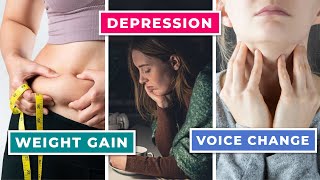
JJ Virgin explains 10 warning signs of hypothyroidism through personal anecdotes and clinical observations, emphasizing that normal standard lab ranges (e.g., TSH 0.4–4.5) can miss dysfunction. She lists symptoms including unexplained weight gain, fatigue, depression, brain fog, dry skin, hair loss, brittle nails, cold intolerance, constipation, joint pain, and heart-related issues. She recommends a complete thyroid panel (TSH, free and total T3/T4, reverse T3, thyroid antibodies), cites preferred TSH 'sweet spot' (about 0.5–1.5), and advises working with a functional doctor plus diet/supplement/stress-management strategies.
Chapters
You just don't feel quite right, your energy is low, you're a little cold, and you just can't work out like you used to. Your doctor says your labs look fine, but your symptoms say otherwise. Now, just because your thyroid lab tests come back in the normal range doesn't mean everything's working smoothly. And you know it because you can feel it. I could too. I remembered the changes that came on pretty practically overnight. I went from always running hot, being a little sweaty, to feeling cold all the time. My LDL cholesterol, which was always ideal, shot up. I got constipated. Honestly, that was the worst. And my weight started going up. Okay, that was bad too. And I started losing hair, outer third of my eyebrows and even in my hair, my head. So I had my labs done and my TSH, my thyroid stimulating hormone was 2.4. Now the normal lab range was 0.4 to 4.5. But thankfully I was working with an integrative doc who didn't just manage my lab values. He also had me check thyroid antibodies and pre T3 and T4. We're going to talk about what labs you need in a bit, but first let's go over the warning signs of hypothyroidism. Now some you may know about, but there are a few surprises out there for you to watch out for. And the first one like this is the obvious. Is this unexplained weight gain? When the thyroid gland is not functioning properly, your metabolism can slow down and that leads to weight gain. This is really one of the first key signs of hypothyroidism. Now other piece here is when the thyroid gland is not producing enough hormones, other hormones in the body can also go out of balance, which further contributes to weight gain. Among them is cortisol. Now hypothyroidism is associated with higher cortisol levels. Likewise, high cortisol levels are associated with lower thyroid stimulating hormone levels. The other one that can go sideways is insulin. Because people with hypothyroidism tend to have higher insulin resistance than people who don't. There was a study that showed that subclinical hypothyroidism increases the risk of insulin resistance and associated disorders such as metabolic syndrome and cardiovascular issues. And then finally, besides cortisol, besides insulin is estrogen. Estrogen levels are significantly lower in women with low thyroid. There was a study that showed low estradiol and low testosterone levels in hypothyroid women. Next sign is just that, feeling tired and sluggish. So when the thyroid Gland doesn't produce enough thyroid hormones, your metabolism can slow down, and that lowers your energy levels and increases those feelings of tiredness, of fatigue. Hypothyroidism can also cause low levels of iron in the blood, leading to anemia, which can contribute to feelings of fatigue and weakness, too. Now, I had this, which then led to my hair falling out. In fact, I had to do iron shots for a year to get my iron back up to optimal levels. And I could actually start to tell where my iron was purely by the state of my hair. Hormonal imbalances caused by hypothyroidism can also disrupt the normal functioning of other hormones like insulin and estrogen and cortisol. And. And this can lead to symptoms such as depression and decreased motivation and can further leave you feeling sluggish and tired. I know everything's back to I'm tired. Next one. And I still remember this. I had a client, this was years ago, who just, like, overnight became depressed. She became depressed, no reason for it. And her hair started falling out. And I've been working with her on some of her diet and lifestyle stuff, and her doctor at the time wanted to put her on Prozac. And I'm like, okay, wait a minute. Like, depressed, out of the blue, hair starting to fall out. I sent her over to my integrative doc, Dr. Alan Christensen, and sure enough, it was a thyroid issue causing depression, not a Prozac deficiency. Go figure. Research shows that people with thyroid disorders are more prone to develop depressive symptoms and depression. So why is that? Well, here's what happens. The hypothyroidism impacts serotonin, which obviously is going to influence your mood. And then you have these imbalances in this neurotransmitter. And that's linked to, of course, mood changes, Carb cravings, digestive issues, sleep issues, and more low thyroid hormones lead to decreased serotonin levels and an increased turnover of serotonin in your body, which means you have low serotonin levels, and then what you do actually have is quickly eliminated. So serotonin helps the release of TSH from the pituitary. If you have low serotonin, you have this whole vicious cycle where you have less TSH from the pituitary, which reduces thyroid hormone levels, which then reduces serotonin levels. And then the deficiencies or breakdowns in serotonin pathways impact thyroid health, too. They stall the conversion of T4 into the active T3. They slow down the brain's communication with the thyroid. So major problems here with serotonin and it's not just serotonin. You got a similar problem happening with dopamine. And dopamine is that motivation neurotransmitter. It's your drive transmitter. So there's a two way street between dopamine and thyroid hormone. Dopamine stimulates the brain to release TSH and impacts both the production of T3 in the thyroid gland and the conversion of T4 to T3 in the brain itself. Now, that conversion to T3 is mission critical. It allows thyroid hormones to get into into brain cells and keep them active so you are mentally alert and have a keen memory. Thyroid hormones stimulate the production of dopamine in both the brain and the kidneys, because the kidneys synthesize neurotransmitters to be used by the body. So low thyroid function decreases the release of dopamine from the midbrain, which makes it hard to maintain thyroid function. So again, another vicious cycle. And that vicious cycle is going to leave you feeling better, brain foggy and just unmotivated. Next thing you might notice is difficulty concentrating. Now, if you're struggling to stay awake during afternoon meetings, you can't focus on that novel you're reading. It may be your thyroid, because when your thyroid is low, it can reduce the amount of oxygen energy available to the brain, and now as a result, less energy to the brain. You've got issues with memory and concentration and overall brain function. And of course, all leading to what we think of as brain fog. When thyroid hormone levels are low, the body's metabolism slows down, which reduces the amount of energy available to the brain. Now the brain has to have a constant supply of oxygen to function properly. If there's low oxygen, decreased oxygenation, it's going to limit the brain's ability to function well. Also, low levels of thyroid hormone can impair the brain's ability to use glucose, which then further reduces the energy available to the brain, which makes it even more difficult to concentrate and pay attention. Skin problems. So thyroid hormones play a role in regulating the production of sebum, and that's sebum is the oil produced by the skin to keep it moisturized. When the thyroid gland is not producing enough T3 and T4, sebum production can slow down and as a result, your skin becomes thin and dry. Also, when thyroid is low, it also slows down skin cell turnover. So you've got a buildup of dead skin cells on the surface of the skin. More dull, more dry, more thinning skin. And like we talked about earlier, low thyroid can also impact other hormones and especially things like growth hormone. Growth hormone is critical because it helps regulate skin cell growth and repair. And if you have low levels of growth hormone, then you'll also have dry, scaly skin. Now, I talked earlier about estrogen and how low thyroid can lead to low estrogen. Well, estrogen is super important for skin hydration. So if your estrogen is low, your skin will get dry, too. And there's one other piece, and this is when I started to notice, too, is one of the things you see in hypothyroidism is this yellow tinge to the skin. This is a sign of jaundice caused by a buildup of a yellow pigment called bilirubin. This happens because the low thyroid function slows down the liver's ability to process bilirubin, so it builds up in the blood and causes yellowing of the skin and the whites of the eyes. Brittle and weak nails. Now, I know how frustrating breaking a nail can be, and I'm not talking chipping your nail polish. I'm talking about when your nails, like, split right down the middle or along the side. You cannot have strong, healthy nails without having good thyroid function. If the thyroid gland isn't producing enough hormones, you're not going to be making enough keratin. And keratin is that protein that you need for healthy hair and healthy nails. And if you don't have it, you're going to have those brittle, weak nails and lower thyroid hormones also slows down the rate of nail growth. So look at your nails. If you've got ridges, splits, discoloration, your nails are splitting. This could all be a sign that your thyroid is not functioning well. This increased sensitivity to cold. Now, we all get chilly sometimes, but if all of a sudden you're in the room and everybody else is, like, in their tank tops, and you're like, sitting there with a big sweatshirt and a hoodie on, you got to start wondering if your thyroid may be not functioning quite up to snuff. Because if your thyroid gland's not producing enough hormones, your body's overall metabolism and energy production obviously nosedive. And it makes it just impossible to keep normal internal body temper temperature up. Right? Remember, your thyroid is a chief regulator of metabolism. So when it slows down, so does your metabolism. And a slow metabolism makes it harder for your body to warm up, so you feel cold even in warm environments where you would normally have felt fine. And low levels of thyroid hormones can also reduce the production of body heat. So if you're feeling Cold inside. When everybody else confirms that, oh, it's just grayed out. Check your thyroid. Okay. Constipation. Apparently, this is the most common gut complaint with hyperthyroidism. Okay, so why does this happen? Thyroid hormones play a role in regulating the digestive system's metabolism and overall function. And when you're not making enough thyroid hormones, your digestion slows down. A slow digestive system can lead to decreased contractions of the muscles in the gut, and that is going to make it more difficult for the stool to move through the digestive tract, which then results in constipation and heart health. Heart health is the leading cause of death among women. You may not know that. You might think it's breast cancer. Nope, it's heart health. 50% or more of women, this is what is going to be the thing that takes them now. If you've got high or low blood pressure, if you've got unhealthy cholesterol levels. I know. This is when I noticed that my LDL shot up. If you've got elevated lp, lots of small, dense LDL or HDL particles, or your heart rhythm's erratic. These are all potential red flags for thyroid problems, because your thyroid plays several important roles in heart health, including regulating heart rate and rhythm, including keeping your blood sugar balanced and your cholesterol levels. One study showed that hypothyroidism has profound effects on heart function. It can impact your cardiac contractility. This is the ability of your heart muscle to contract, and as a result, your heart has a harder time pumping blood. It can impact your blood pressure, your heart rhythm, and it can increase small, dense LDL cholesterol. All of these things increase your risk of heart disease. Hypothyroidism can also lead to the development of atherosclerosis. That's where your arteries become narrow and hard, which is then, of course, going to increase your risk of heart attack and stroke. Next, one, joint pain and swelling. So hypothyroidism may lead to muscle aches, tenderness, and stiffness, especially in the shoulders and hips, and then swelling of the small joints in your hands and feet. I still remember being at the gym and doing the regular workouts I did, and I just could not recover. I felt sore and achy for days afterwards and literally went on thyroid hormones, and bam, it vanished. So low production of thyroid hormones can decrease the amount of synovial fluid in the joints. And the synovial fluid is critical. It's what lubricates joints and helps keep them flexible. So if you do not have enough of that, you're going to start having joint pain and swelling. The other challenge is the joints also tend to thicken while the bones are thinning, and that can lead to even more joint pain. This can happen anywhere, but the most common places are your knees, your ankles, your foot and your hand joints. And it turns out that joint pain is one of the most common complaints with hypothyroidism. But a lot of people don't associate it. They don't realize that this is one of the issues. So the big question for you going through all of those is how many of these are you struggling with? And I'll tell you, if you answer yes, even one of these. You're going to want to test, but you are going to really want to go beyond the traditional lab tests. Here's what you're going to want to have tested and also where the ideal ranges should be. So, first of all obvious is thyroid stimulating hormone, tsh. The TSH test is going to measure the amount of TSH in the blood, which is produced by the pituitary gland to stimulate the thyroid gland to produce hormones. According to my buddy, Dr. Isabella Wentz, the thyroid pharmacist, most people are going to feel best somewhere between 0.5 and 2. Now, I personally find that 0.5 to 1.5 seems to mean a sweet spot. And remember, the ranges are like 0.4 to 4.5. They're ridiculous. Disregard those. But remember, TSH is only one piece of the puzzle. This only reflects the overall level of thyroid hormones. It does not reflect the levels of the active hormones T3 and T4. Turns out your TSH levels can be normal even when levels of T3 and T4 are low, which those alone can also indicate hypothyroidism. Also, TSH alone can't detect thyroid hormone resistance, which happens when cells are unable to allow thyroid hormone inside because their receptor sites are malfunctioning. So you got to go beyond just testing TSH and you want to get a complete thyroid panel, which is going to include free T4. Free T4 is measuring the amount of free or unbound T4 hormone in the blood, which is the active form of the hormone that regulates metabolism, and a total T4 test, which measures the amount of total T4 in the blood, including both bound and unbound forms of the hormone. Next, you want to get a free T3 test, which measures the amount of free unbound T3 hormone in the blood, which is the active form of the hormone that regulates metabolism, and also a total T3 test, which is measuring the amount of total T3 hormone in the blood, including both bound and unbound forms of the hormone. Then you will do reverse T3. This is a non active form of T3 that's going to help you identify that thyroid resistance I just talked about. And you'll want to do thyroid antibody tests to measure the levels of antibodies that attack the thyroid gland, which can indicate autoimmune disorders like Hashimoto's thyroiditis, because most of hypothyroidism is Hashimoto's. And by the way, you do not want to have any of that elevated there. So where they might say, oh, it's okay, you've got your antibodies a little up. No, you don't want your antibodies up. You don't want to watch your antibodies. You want to get those things back down to normal. Now if you have hypothyroidism, if you have anything irregular with anything I just said you're going to want to work with a functional doc. That functional doc is going to help you determine if thyroid supplementation is what's needed and if so, what's the combination that you need. Some people just need T3, some people just need T4, some people need a combo. But remember, that's a piece of the puzzle because there's also several key diet and lifestyle strategies that can make a big impact because the goal is always use as little medication as possible. Now first off, diet, you're going to want to remove any of the potential autoimmune triggers and identify your hidden food intolerances. So use my virgin diet, right? That's either virgin diet or Breakthrough Food Intolerance online program that is going to help you with with this. And ideally you're going to be pulling dairy, gluten and soy out on an ongoing basis. Virgin diet plant is going to help you incorporate more fiber, more anti inflammatory gut healing in as well because those are super critical. Now there's also a variety of supplements that can help your thyroid function better. Selenium B vitamins, zinc, vitamin A and omega 3 fatty acids. You can get those from a well designed daily pack like my Reignite Wellness Daily Essentials. And you're going to want to work with a functional medicine doc and test your iron and vitamin D levels and supplement if needed. Now beyond diet and supplements, you're going to want to address stress because you cannot fix your thyroid issues if you have chronic stress because chronic stress is going to really get in there and inhibit that conversion from T4 to active T3. So if these warning signs of hypothyroidism resonate with you, go and get the test from your doctor so you can accurately assess where you are. In the meantime, you're going to want to watch this next video on simple tips to boost your thyroid health.








