5 BEST Foods for Brain Health 🧠 Prevent Dementia & Depression
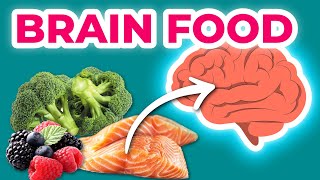
JJ Virgin presents a YouTube video describing five foods (fatty fish, green leafy vegetables, berries, nuts, coffee/tea) and dietary/timing strategies aimed at improving brain health, preventing cognitive decline, and supporting recovery after brain injury. The speaker emphasizes the gut–brain connection, omega-3 supplementation, circadian-aligned eating, and exercise/fasting to boost BDNF, illustrated with a detailed personal account of her son’s severe brain injury and recovery.
Chapters
We all want a healthy brain. Having a healthy brain is key to our quality of life, and especially as we age. But getting your brain into top shape and keeping it there depends on a lot of things. Now, there's no magic bullet to prevent cognitive decline. Sleep, exercise, engaging your brain, they all play a big part. And of course, so does diet. Diet is huge. So what should you eat? When and why? To have the highest functioning brain possible. I am so glad you asked. Stick around, because in this video, I'm going to share five simple things that will make a really big difference in the health of your brain. But before we get into it, make sure to subscribe to this channel so you stay up to date with the latest tips and strategies to get truly healthy for life and stay that way. Hey, it's jj. A recent survey of more than a thousand US Adults found that right behind cancer, Alzheimer's was the diagnosis people feared the most, even though it's not the number one cause of death in America. But the CDHC data separates Alzheimer's from other dementias. And combined those deaths, they're actually higher than from stroke. About 1 in 10 people age 65 and older in the US have dementia, and it's more common in women than men. And as the population ages, the number of people affected is projected to increase to 9.3 million by 2060. Now, I've worked with tens of thousands of people to improve their health, their weight, and their fitness. And through their stories and my own, I realize it's just as important to focus on brain health, brain fitness as it is to focus on your body's health. The gut brain connection is a real thing. And what we eat can influence our focus, our moods, and even our mental health. So choosing foods that are good for our gut and that feed our microbiome also means supporting a healthy brain. But eating for brain health isn't just about that or even about preventing dementia. Sometimes it's about nourishing a depressed brain or even rehabilitating a very injured brain. So my son Grant, I have two boys. They're one year apart. And when my son Grant was 16 and my son Bryce was 15, my son Grant was the victim of a hit and run accident, literally left for dead in the street. He had severe brain bleeds. It was called diffuse axonal injuries. And he was in a deep coma, the deepest coma that you could be in and still have brain activity. He also had a torn aorta. The doctors literally told us to let him die, that he would be so brain damaged if he made it through that it wouldn't be worth it. Well, if you are a parent, you know that you just would never let go of your child unless you've exhausted everything. And so we decided to fight. And I told Grant, holding onto one finger while he was in a deep coma, that he was going to be 110% and I was going to do whatever it took to get him there. He was in a coma for weeks, and it took him months to actually even get to a point where he could talk or make any kind of eye contact. It took him a year to start to recognize normal things like who he was, where he was. And at 10 years, I can say that he is better than before the accident. And what we did to get him there was use the foundational stuff. The trauma center saved his life. But the things that we used, everything from big nutrition, big supplements, hyperbaric, different laser treatments, stem cells, lots of meditation and breath work, lots of exercise, lots of supplements, lots of fish oil is what brought him back. But one of the core key cornerstones here was what he ate. And Grant got the very best foods for his brain, which helped his brain heal because there were things I knew to do. But I also will tell you, I brought in every expert I could, like, brought them all in. So I learned even more about which foods are best for our brain health. And I'm going to share them with you now. And coincidentally, they're also the ones that protect your heart. So first, one, eat fatty fish. Now, fish are loaded with two types of omega 3 fatty acids, EPA and DHA. And these have powerful antibiotics, anti inflammatory properties, and are critical for normal brain growth and function throughout your life, from when you're a little baby all the way up to, you know, senior, senior, senior citizen. So these healthy fats support communication between brain cells. And in older adults, lower levels of DHA in the blood have been associated with a smaller brain size, which of course is a sign of accelerated brain aging. But on the other hand, another study found that postmenopausal women who had higher levels of EPA and DHA also had a larger total normal brain volume and hippocampal volume. And the hippocampus is the area of that brain associated with learning and memory. Now, I will tell you that I had grant on 10 grams of fish oil prior to the accident, which is what I think protected his brain. And then we put him on 20 grams short term to help get that inflammation down and have kept him on things on 5 grams cents. So Omega 3s have been linked to lower levels of beta amyloid plaque. And that is that protein that forms those damaging clumps in the brains of people's Alzheimer's disease. And for something as serious as a brain injury like Grant had, the research from the National Institute of Health suggests that omega 3 fatty acids may not only protect brain cells from dying, they may actually be the key to reconnecting damaged neurons. So another study showed that when the brain's injured genes are activated to contain the damage, especially from inflammation, and omega 3s are what activates those genes. So to connect this to practical advice, here's what I want you to do. Eat wild caught fish a couple of times a week and make sure it's a fish low in mercury. So salmon, halibut, scallops, sardines. Now, if you don't like fish, you can get omegas and flax and walnuts and chia, but you're not going to get what you need in terms of the EPA and dha. So you're going to need to supplement with algae and either which way, I believe that you should be supplementing with a good Omega 3 supplement every single day. And ideally, it's probably about two grams. Okay, number two, green leafy vegetables. So green leafies like kale and spinach and arugula and also cruciferous vegetables like broccoli or are rich in brain healthy nutrients like vitamin K and folate. According to research, these can also help slow cognitive decline. And next up, berries. So my friend Dr. Daniel Amen, who's one of the doctors that's been helping us with Grant, here's his favorite tip on blueberries. The flavonoids in them, which are natural plant pigments that give them their color, also help improve your memory. There was a study done by research at Harvard's Brigham and Women's Hospital, found that women who ate two or more servings of of strawberries and blueberries each week delayed their memory decline by up to two and a half years. And that was just two or more servings a week. That's barely anything. So big important thing here, you want to do one to two servings of this a day. Do not overdo it, because fruit comes with sugar. And even though that is your brain's primary fuel, glucose, feeding it too much sugar will make you feel worse, not better, because the spirit spikes and the crashes of that roller coaster ride is going to bring you down, make you mentally foggy and hangry all the time. And of course, too much sugar leads to insulin resistance, and then you're headed for type 2 diabetes. One things I love to do is use a continuous glucose monitor just for like a month or two, just to see how you're reacting to different things like fruit. But again, fruit is a great food. Berries are a great food. Here we just want to make sure that we are doing the right amount. Okay, number four, nuts. Nuts are great sources of protein and healthy fats. And walnuts specifically might also help improve your memory. There was a 2015 study done from my alma mater, UCLA, that connected the dots between eating more walnuts and better cognitive test scores. So put some walnuts and blueberries in your oatmeal. There you go. All right, number five, my favorite, coffee and tea. Now, if you can handle caffeine, this is one more reason to love being a coffee or tea drinker. It's not just about the energy and focus you get from the caffeine. In a 2014 study published in the Journal of Nutrition, participants with higher caffeine consumption scored better on tests of mental function. And other research shows caffeine might help you lock in new memories when you make them. Okay, so now let's talk when. Now, if you're eating specifically for brain health, there are a couple of approaches on when it's best to eat. First of all, our brain is hungry, and it demands up to 20% of the total energy available from the food we eat. That's a lot. Now, when you don't give it enough fuel, your mental function is going to suffer. So one of the most common recommendations for timing is that you eat based on the circadian rhythm signals your brain sends out. What does that mean? Eat during the day, do not eat at night. Daylight and darkness actually impact how we metabolize food. So you have to eat breakfast, because what you eat early in the day can have a huge impact on how you perform. Perform hours later. And you can't just eat anything for breakfast. You need plenty of protein and healthy fats. So starting with a nutrient rich, loaded smoothie is great for your blood sugar balance. And it's also going to give your brain the best start possible so it has the energy it needs to power you through the whole day. Now, if you're doing intermittent fasting, just push your breakfast a little bit and push your dinner down a little bit. But you're still getting more your calories earlier in the day and eating that normal circadian rhythm. And make sure you have some slow, low carbs at dinner. According to my buddy, Dr. Alan Christensen, by dinner time, your insulin response is at its peak. If you don't have healthy carbohydrates, cortisol will raise your blood sugar, which will prevent you from getting a good night's sleep and also cause a blood sugar crash. And you know what that leads to? Sugar cravings. But again, do not eat dinner too late. If you eat a late night meal, it's going to confuse your whole body. Circadian rhythm clock. When the sun goes down, your brain starts to release melatonin to get you ready for sleep. So eating late just strains your digestive system. But the caveat is if you have low blood sugar and you're going to bed, you might have to have a little something like little low sugar protein snack. But for most of us, we're going to stop eating three to four hours before bed and we're going to focus those calories during the day during the normal circadian rhythm. All right? If you're wondering about the impact of intermittent fasting on brain health, the early animal studies show that it may have positive effects on brain related diseases and developing neurological disorders. Now, according to Dr. Jason Fung, who is amazing, my favorite fasting expert, he says aging raps started on intermittent fasting regimens markedly improved their motor coordination, cognition, learning and memory. Interestingly, there was even increased brain connectivity and new neuron growth from stem cells. A protein called brain derived neurotropic factor, which supports the growth of neurons and is important for long term memory is believed to be responsible for some of these benefits. In animals, both fasting and exercise significantly increase the beneficial BDNF effects in several parts of the brain. That is huge, right? Like that is holy smokes huge. One more thing I want to just point out in that, that he just said and something I've done extensively with my son Grant is he said fasting and exercise. If exercise was a drug, it would be the biggest drug used for brain health, for neurodegeneration. It is huge for improving bdnf. So exercise has got to be included here. Okay? Now, having gone through what I've gone through with my son Grant, I know that your brain is it. It's the most valuable organ you've got. You got to have it to communicate, to make decisions, to solve problems, to have a quality life. And you only have one. So you got to use these tips, right? Take care of your brain. Thank you so much for joining me. And if you don't know me, I'm JJ Virgin. I'm a four times New York Times best selling author, I'm a fitness hall of famer and I have lots more to share with you to help you get your brain in tip top shape. I've got great videos on exercise on my YouTube channel. Like the best exercise to protect you as you age and and ways to boost the impact of your exercise because again, exercise is key critical here it is the fastest, most effective way to boost bdnf. And when you boost bdmf again, that protein that helps your brain improve memory function. Brain function. When you put the exercise and the diet together, holy smokes, it's an exponential impact. So definitely check out those videos and I will see you next time.








