9 Liver Health Foods That Will Detox Your Liver Naturally
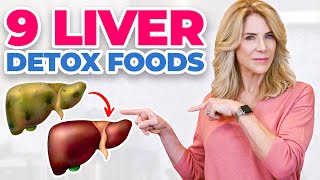
JJ Virgin (YouTube) explains liver function and describes dietary strategies to prevent or reverse non-alcoholic fatty liver disease (NAFLD). She outlines things to avoid (ultra-processed foods, excess alcohol, toxins), recommends nine foods/supplements to support liver health (fatty fish; gluten-free oatmeal in 1/2-cup dry servings; non-starchy vegetables—broccoli and spinach highlighted; nuts—almonds; berries—~2 one-cup servings/day; grapefruit/citrus with caution for drug interactions; alpha-lipoic acid, milk thistle, dandelion; herbs/spices including garlic; prickly pear), and summarizes preliminary timing research (larger share of calories earlier in the day and skipping fewer meals linked with lower odds of fatty liver). The video mixes practical dietary advice with cited study findings and actionable biomarker targets.
Questions this video answers
About 4.5 million adults.
Estimated 1 to 2/3 (one to two-thirds).
A 2.1 ratio (e.g., triglycerides 100 mg/dL and HDL 50 mg/dL).
Men: 110–180 mg/dL; Women: 110–205 mg/dL.
A half-cup of dry oats.
Chapters
How do you feel about your liver? You don't even think about it, do you? Nope. Our livers don't get enough love, let's face it. I mean, they are amazing. They digest our food, they store energy, they clean our blood and fight infection. And if you drink wine, thank your liver. But if your liver is neglected, that's not good. Things can go wrong in a hurry and you could end up dealing with a sick, serious disease. In this video, I'm going to give you the intel on what to eat, when to eat, and why to make sure your liver is working for you full time, full strength. And of these nine tips, I think number nine is the most surprising and also super easy to do. But before we get into it, make sure to subscribe to this channel so you can stay up to date with my latest tips and strategies to help you get and stay healthy. Hey there, it's jj. Your liver is the largest solid organ in your body. It filters your blood to remove toxins. It balances your blood sugar. It stores vitamins and minerals, and it performs hundreds of other vital functions when it removes excess sugar from your bloodstream and it takes that sugar and stores it as glycogen. And then when you need some energy, your liver can convert that glycogen back into glucose. But if you overdo it on calories, especially carbs or sugar, it stores the excess sugar as fat. After all, you only have so much room in your muscles and liver to store glycogen. And when they're full, guess what? You're packing on the fat pounds. So when you stress your liver or it's not working well, a of lot, a lot of things can go sideways. In the US There are about four and a half million adults with liver disease. And one of the most common is non alcoholic fatty liver disease. And as the name says, you don't have to be a drinker to get it. NAFLD happens when excess fat builds up in your liver. Now, this isn't the fatty liver that's caused by too much alcohol. NAFLD isn't caused by alcohol. It's caused by fructose. So people who don't drink at all can get it. It's common in people who are obese or who have type 2 diabetes. And the stats are pretty alarming. The estimate is that 1 to 2/3 of people with type 2 diabetes have NAFLD. And the research indicates that NAFLD is present in up to 75% of people who are overweight and in more than 90% of people who are severely obese. Now, if that is not scary enough, napldee doesn't usually have any symptoms. But if or when you do get them, they can hit you hard. You might feel really tired and weak. You might lose your appetite and start losing weight. Your skin might turn yellow, which is called jaundice. You could get brain fog. I mean, none of that sounds pleasant, right? And guess how many medical treatments there are for nafld? How about none? There are no medical treatments for nafld. But the good news is there are things you can do to treat it and prevent it. And I'm going to share those things with you now. Now, I have helped thousands of people do this, and I can help you too. And guess where you start. With what's on the end of your fork. And also importantly, what's not on the end of your fork. Meaning there are things you should avoid, things that hurt your liver. And you don't want to be working against yourself if you're trying these other nine things to make your liver stronger and healthier. So stay away from fatty foods like fried food and fast food. They're known in the industry as ultra processed, but I call them dirty processed food. And they're usually loaded with sugar and salt and fat. And they're low in fiber. The sugar and the salt, they just stress your liver. Plus they make you absolutely want more such trigger foods. So this means you got to reduce or avoid foods like the salted deli meats, the. The cured bacon. I know, I know. And no surprise here, you knew I would mention alcohol. Now when you drink, your liver stops doing other things so it can break down the alcohol and take it out of your blood. So if you want to give your liver a break, think about reducing or eliminating alcohol and avoiding toxins in general, wherever you can. And let's think about some of the places they're most prevalent. They're prevalent in cleaning products and in your personal care products. And then finally, really important is getting to and maintaining a healthy weight or healthy body composition. Super important. And lowering your cholesterol and triglycerides, if they're high, really focusing over there on the triglycerides. And that what that means here is you want to aim to a 2.1 ratio of triglycerides to HDL cholesterol. So if your triglycerides are 100, your HDL should be 50. Also ask your functional medicine doctor to measure your aploprotein A levels. Apoprotein A is a protein carried in the HDL cholesterol and it helps HDL remove potentially damaging types of cholesterol. For men, the normal range is 110 to 180mgs per DL. And for women the normal range is 110 to 205mg per DL. Alright, now let's talk about the what you should eat to support your liver. Now start including these nine amazing things in your diet. And don't you love that I'm telling you to add things in and rotate them in when you eat by the plate. So you can also support your liver with a balance of nutrients from clean protein, healthy fats and fiber. Okay, first one, fatty fish. Now fatty fish and fish oil supplements are rich in omega 3 fatty acids and acids and these are great fats to help fight inflammation. So that's reason enough to have them be number one. But studies also show that they may prevent the buildup of excess fats and maintain appropriate enzyme levels in the liver. So that's amazing. Now, if you're a vegan or a vegetarian, you are not going to get the DHA you need. So what you're going to want to do is take an allergy based supplement for your DHA and and then make sure you get things like walnuts and chia and hemp and flaxseed so you'll get your ALA too. You've got to stay on top of it if you're a vegan. Here. Now number two, oatmeal. Okay, so with this one, my caveat is to make sure your oatmeal is made from gluten free oats. Quite often oats are processed in plants with other things that have gluten and so you might have a little gluten in there. And do not use instant oatmeal because you want to make sure that you're really getting that fiber instant. It means all that fiber is broken down. And by the way, they usually add some sugar too. So that is a total no go. You just turned your oatmeal into dessert. Now the reason gluten free oatmeal makes the list is that oats are high in compounds called beta glucans, which are super biologically active in the body. They help regulate your immune system and reduce inflammation and they may even help fight diabetes and obesity. On top of that, A study in 2017 found that beta glucans in oats CD seem to reduce the amount of fat stored in the liver in mice. Now oatmeal is great too because it's rich in fiber and so that's going to help your liver work at its highest level. Just make sure that you're eating the right amount of it. Too much of a good thing here can turn into a bad thing and go straight into carb overload. Okay, so serving size is a half a cup of dry oats. Super important. All right, number three, non starchy vegetables. Okay, so we say eating by the rainbow, but I'm going to call out a couple ones that I want you to really focus on, especially broccoli, my single most favorite vegetable, because studies are showing that broccoli can help protect you from non alcoholic fatty liver disease because of a compound it called Indole 3 Carbinol. In one study, researchers found that people who had lower blood levels of Indole 3 Carbinol had a higher amount of fat in their livers. And they also showed that animals treated with Indole 3 carbinol significantly reduce fat and inflammation in their livers. Now, I'm going to give a little shout out to spinach as well, because leafy greens like spinach have a powerful antioxidant called glutathione in them. And glutathione plays a major role in detoxification that all that liver detox. Next one, number four, Nuts. Nuts and especially almonds, which are great sources of vitamin E. And research suggests that may help protect you against fatty liver disease. Now, to make the case even stronger, nuts are also high in unsaturated fatty acids and antioxidants. And those are also known to reduce inflammation and oxidative stress. So far, like, don't you love all of these? Like, this is all like, oh, darn, I have to add nuts into my diet, and this one's the same. Number five are berries. Come on, who doesn't love berries? Berries. Berries have antioxidants in them, and they are a specific type called polyphenols. And studies show that polyphenols have an effect in treating liver pathologies and may also help protect your liver from damage. And that goes for all berries. So go ahead and pick your favorite and really, like, rotate them around. Blueberries, raspberries, blackberries, cranberries. But here's the thing. Just like I talked about with oatmeal, don't go crazy here because too much of a good thing can become a bad thing. Remember, too much healthy food is unhealthy. So think about two servings a day, and a serving is a cup. Next up, and this one might surprise you. Number six is grapefruit. Now, actually, all citrus fruits stimulate the liver and help it neutralize toxic substances. But grapefruit is one of the best because it has the antioxidants naringen and narin. This is a hard one to say, neringenan. So naringen and narinogenin, and what they do is help protect your liver by reducing inflammation and protecting it from injury. But you have to be careful here because you probably heard this. Some medications that are metabolizing the liver can interact with grapefruit. So if you're on medications, you gotta check with your doctor before you start on the grapefruit. And one other important thing on the citrus side, eat the white part too. I know you have a tendency to go, I'm just going to pick all the stuff and not eat the white part. The white parts actually got really key nutrients, really key polyphenol concentration there. All right, number seven, supplements. You know, I love supplements. Now some supplements like alpha lipoic acid can support the liver by doing the helping support the detox work that's being done in it. Alpha lipoic acid works like an antioxidant to protect your liver cells. And, and you can get this in foods like red meat and carrots and spinach and broccoli. But you're not going to get what you really need here as a therapeutic dose. So I highly recommend supplementing with it now. Also good milk thistle and dandelion. They also can help remove toxins. In fact, the active substance in milk thistle, silymarin, has been shown in studies that it can help regenerate liver cells and protect them from damage and decrease inflammation. Animal studies on dandelion also show that has a powerful antioxidant and anti inflammatory properties. Okay, next one, Herbs and spices. And this is delicious news. You can help your liver out while you're making your food taste even better. So herbs like oregano and sage and rosemary are great sources of healthy polyphenols, just like the ones we talked about with berries. And they're going to help you cut back on things like salt too, right? Cinnamon and curry powder and cumin are good too. And then of course, garlic. Now, of course, garlic's kind of a vegetable, but really, to me, it feels more like a spice. So in a small little study in 2016, there was a. They suggested that supplementing with garlic powder can reduce body fat in people with nafld. And as you know, being overweight or obese can contribute to nafld. So throw some garlic into your food. Easy peasy. And then my favorite, the surprising weapon you can use to support your liver. Ready number nine, prickly pear. Okay, that's a fun one. But here's what's crazy. It's got a serious side. So the fruit and juice and prickly pear has been used to treat liver problems for a long time. And it's not just some old wives Tale. A 2014 study in rats with obesity indicated that the compounds in prickly pear and may be beneficial in treating nafld. The thinking is that the antioxidant compounds in it help protect against inflammation and oxidative stress that can damage the liver. Okay, I'm going to give you one more bonus drinks. Now this is great news for you coffee and tea lovers like me. First of all, coffee. So coffee does not get enough credit. I think coffee is one of my favorite health foods. So here's the news on it. It can also potentially help protect against fatty liver disease because it seems to increase protective antioxidants and reduce fat buildup in the liver. And compounds in it may also help liver enzymes flush cancer causing toxins. So how cool is that? Drink up. Just don't put any sugar in there right now. Green tea is loaded with an antioxidant called catechins. And these could protect you against liver cancer. And finally, of course, you want to drink lots of water. You got to stay hydrated for a number of reasons, but especially when it comes to supporting your liver function, it's important not just know the what, but also know the when to eat. Because this can make a big difference too. And this is really interesting. According to the American association for the Study of Liver Disease, there's some association between when and how often you eat and your risk of developing fatty liver. And this is from a preliminary study of 9,000 adults in the United States from 1988 to 1994. So the day was divided into four intervals that correspond to meals in the morning, middle of the day, evening, and eek late at night. The researchers were looking at skipping meals, mealtimes and calories to see if they impacted fatty liver and fibrosis or scarring of the liver. The study showed that dividing the day's calories into more meals a day was actually associated with lower odds of having fatty liver and significant fibrosis. And by more meals, I mean normally accepted times, breakfast, lunch, and dinner. I do not mean that fourth meal, that last one. Okay, not ten meals a day. In the study, the odds of getting fatty liver decreased by 10% for every meal not skipped. And the odds also improved if a greater percentage of the day's calories were eaten earlier in the day. What does this mean? The data suggests that skipping breakfast and lunch as well as eating meals late at night were potentially harmful. So timing seems to matter, but obviously more research needs to be done here. But I think one of the things we do know for sure is eat more your calories earlier in the day. Don't eat all throughout the day and don't eat late at night. All right, Deal. So when you do eat, eat by the plate and incorporate the foods and drinks we talked about to make sure that your liver is the superhero that it's meant to be. So your liver is such a workhorse and it does so many important things in your body. At least 500 vital things, including making sure it flushes toxins that could make you very sick or even kill you. So you really can't overlook this anymore. You have to support it and give it the love it deserves. Thank you for joining me. And for those of you who don't know me, I'm JJ Virgin. I'm a four times New York Times Best selling author and Fitness hall of Famer and I have lots more I can share with you to help you get healthy and and even lose weight if that's your goal. So check out the rest of my what to Eat, when to Eat and why series on my YouTube channel and I will see you next time.








