Feel Great & Lose Weight After Menopause! | Menopause & Weight Loss | JJ Virgin
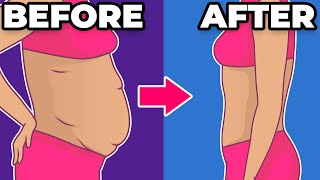
JJ Virgin presents a motivational, practical guide for feeling better and losing weight after menopause by focusing on three actionable areas: (1) building and preserving lean muscle through resistance training and HIIT; (2) controlling blood sugar via diet, timing (intermittent fasting), sleep, stress reduction, and select supplements; and (3) increasing daily movement through NEAT (non-exercise activity thermogenesis). The talk includes specific targets and practical tips (e.g., typical menopause ages, vitamin D ranges, sleep conditions, and NEAT as ~15% of daily energy expenditure).
Questions this video answers
Between 40 and 58 years, with an average of 51.
Around age 60.
About 15% of total energy expenditure per day.
Between 50 and 80 ng/mL.
Chapters
If you think menopause is a synonym for giving up for life and sexy times being over, I'm about to open up a whole new world for you and a new vocabulary. So I went through menopause and literally I feel better than ever. So when you hear all of that old doomsday garbage, just stick your fingers in your ears and la la la those people away. This is not your grandmother's menopause. You'll get what you expect. And I'm here to tell you, you can expect to feel great and even lose weight if that's what you set. So assuming you're in, I'm going to share three key things to help you make it happen. Hey, it's jj. Now make sure you don't miss out on videos like this that help you get and stay healthy, just like and subscribe to keep them coming. So let's chat about menopause, because I can really help if you're struggling and I don't want you to struggle. No one should be struggling. So first, a quick primer. Most women hit menopause between the age of 40 and 58, but the average is 51. And if you've already experienced it, I'm sure it came with a certain amount of dread. We've been led to believe that this is going to be the time in our life when our metabolism grinds to a halt, we pack on pounds like a sumo wrestler, and we want to sleep all day. I think we're supposed to be grumpy, too. Now, right out of the gate, I need to disavow you of the belief that your metabolism hits a brick wall as soon as you have your last period. New research shows that your metabolism does take a little dip as you get older, but that doesn't actually happen until you hit about 60. So if you're not there yet, I'm going to help you prepare for it. And even better, that study showed that menopause had little effect on metabolism and if at all. So then why does it seem like it does for so many people? I think it's because most people don't pay any attention to the three things that can help them navigate the hormonal changes that come with menopause. And you can navigate them. So here they are, and we're going to go through each one. Number one is focus on muscle. Number two is blood sugar control. And number three is neat non exercise activity thermogenesis. Now, once you're through menopause, at least you know what you're dealing with. Your hormones are no longer a moving target like they are when you're in the middle of it. That's when you're at risk of becoming a menopause meme. Let's be honest. So let's get into these three things that will lessen the impact postmenopausal life has on your physical and mental health. So number one, focus on building more muscle. Adding muscle will do all kinds of things to mitigate some of the changes you're experiencing, courtesy of the change. And by the way, you may notice that building muscle is one of my recommendations. No matter what stage of life you're in, it's that huge. But I digress. Lean muscle can help you burn more calories, so you lose fat faster. And it supports your metabolism and increases your insulin sensitivity, which then gives you better blood sugar control. Muscle also makes your frame sturdier and protects your bones from injury, which gets more and more important as we age. And it improves your health in general by increasing your fitness and stamina. When you add lean body mass muscle, it helps improve your body composition, meaning how much fat versus how much lean body mass you have. More muscle than fat makes you more metabolically healthy. Now, if you focus on that, on getting and staying metabolically healthy, you're going to actually lose fat faster. So if weight loss is a goal, then focus on adding muscle first. Now, if you're carrying extra weight, especially around your waist, weight loss needs to be a goal, right? Belly fat, or really your waist circumference, is one of the hallmarks of metabolic syndrome. And metabolic syndrome is a precursor to full blown heart disease, diabetes and strokes. The other markers are for measurements, and here are your blood sugar, your triglycerides, your HDL cholesterol and blood pressure. Now, if they're high, you've got metabolic syndrome. And when you're postmenopausal, you have the added issue that the lower estrogen can increase your risk of heart disease. Seriously, no fooling around here. So adding muscle really is one of the best ways to fight back. Now, if you're in the camp of being at risk for diabetes, exercising and building muscle has this one, two punch of increasing your insulin sensitivity, which you need to have under control to lose weight and keep it off. And of course, the exercise itself burns calories and helps you lose weight too. And on top of responding better to insulin, you're going to improve the way your body uses blood sugar. And of course, you're also burning glucose while you're exercising, and that helps stabilize your blood sugar. As well. Okay. So for exercise, I'm a huge fan of resistance training, for building lean muscle, mostly because you can do it anywhere. The gym, not the gym, on vacation, doesn't matter. You can do it at home, you can do it in the park, at the airport, wherever. It's super easy to get started. You can use dumbbells, you can use a TRX trainer, you can use your own body weight. No matter which one you choose, you're going to build muscle. So mix it up and keep it fun. You're also going to want to do some HIIT training. That is horrible. High intensity interval training, which means it's a bit more of a intense workout, but it's also super sharp. And when you're doing that HIIT training, it's going to raise growth hormone. That's super important. So we're going to do some of both of those. Now, you may also know that just going for a walk lowers your blood sugar response to that food. So I also love you. In combination with the resistance training and the HIIT training to go out and walk, especially if you can after your evening meal. Okay, that leads me to number two, blood sugar control. Now, as I just mentioned, when you build muscle, you're going to be giving your body one of the most valuable tools you can for blood sugar control. So number one and number two go hand in glove. The most important thing you can do to get healthy is to balance your blood sugar. Blood sugar control is a key indicator of whether you're metabolically healthy or not. When you balance your blood sugar, other hormonal issues start to take care of themselves and extra weight just falls off fast. So between building lean muscle and focusing on doing what you need to do to get your blood sugar under control, you're going to be feeling great and losing weight in menopause, like nothing. That's one of the main reasons you should focus on getting healthy first, if losing weight and keeping it off is your goal. So I made a video specifically on how to balance your blood sugar and how to make sure you stay insulin sensitive. And I encourage you to watch that because in that one I was able to get deeper on this whole subject. But the main thing here is that you really don't want to become insulin resistant. You do not want that to happen. If that happens, you are setting yourself up for chronic disease. Now, what does insulin resistance mean? That means that you're insulin receptors can no longer hear that insulin message. Well, so they keep pushing out more insulin and more insulin. When you are eating carbohydrates and pretty soon, at some point, they can't hear it anymore, and that's when you become diabetic. But all along the way, this is creating a lot of inflammation, and it's basically locking the doors to the fat cells so you cannot burn stored fat for fuel. So we want to make sure that you are getting insulin sensitive. Sensitive. And one of the great ways to do that is get that lean muscle on. Now, another way that building muscle and blood sugar control go together is that when you exercise to add muscle, that exercise helps you fight stress, too. And stress has a huge impact on blood sugar control. And even finding just one thing that helps you handle stress can be so important, it can be a total game changer. So figure out something that you can do to help you lower your stress hormones. Now, it could be a movie, it could be a bath, it could be hanging out with your dog. For me, it's become meditation, which is something that I've gotten really into over the past year. And what's crazy about that is, over that time, without changing anything else, I lose five pounds by meditating, sitting still. What? Well, here's why. Meditation lowers your stress hormones. If your stress hormones are elevated, they shoot up your blood sugar. Blood sugar up shoots up insulin and creates insulin resistance and inflammation. Of course, then you lock the doors of the fat cells so you cannot burn stored fat for fuel. And that cortisol that's up makes you store more fat around your waist. Insulin does the same thing. So you can see how lowering your stress can have such a huge impact on both your blood sugar and your body composition. Now, another way to lower your blood sugar is to get some really good deep sleep. Did you know that just one poor night of sleep can make you more insulin resistant? I mean, one. One night of five to six hours of sleep. And you know, when you're tired, you're cranky, you're hangry, right? I mean, everything just starts to go sideways when you're not sleeping well. You're just set up for bad choices. So getting quality sleep every single night is mission critical for stabilizing your blood sugar. Now to sleep better. I went into super depth in one of my videos with so many suggestions and great tips, but here's a few that might help. Wake up and go to bed at the same time. Make your bedroom cool and dark, right? And cool. I mean, I'm talking cold, like between 65 and 68 degrees. And when you go to sleep, I want it pitch black. And if you can't get it? Pitch black. Then you want to wear an eye mask. And before bed, take a nice long, hot Epsom salt bath. Take shred off all of your tech. Wear those blue blocker glasses. And then also, like cut the caffeine midday, right? And cut down on alcohol and take my sleep candy. All right? And again, I go deeper in my sleep video. But those are some you can get started on right away. Now, of course, for blood sugar control, you gotta focus on your diet, too. But it's not just what you eat that matters. It also matters when you eat. And timing is really important. So I highly recommend you give intermittent fasting a try. When you do a fast, you give your body a break from dealing with sugar and allow it to rest. And that improves insulin sensitivity. A few other things that you can do, eat by my sugar impact plate. That's going to help you up your fiber. And you want to have that fiber because fiber is going to help you not have those blood sugar spikes, right? It's going to give you a nice, slow, steady release of sugar into your system rather than a spike or a mainline. Fiber also helps keep you fuller longer, so you're not hungry. And of course, fiber helps feed your gut microbiome. Now, if you got a sweet tooth or sugar cravings, first of all, check out my book, Sugar Impact Diet. I wrote it just for you. But here's a little hack you can do. Use a little lemon juice or apple cider vinegar. Throw it on your salad, throw it in your water, and it's great. One of the things that happens with lemon juice is the sour can take your sweet tooth away and also lowers the blood sugar response to the meal. Apple cider vinegar can also do that. But also apple cider vinegar can help you become more insulin sensitive. And then cinnamon. Cinnamon also helps lower insulin resistance and helps with blood sugar and good glucose tolerance. Cinnamon. So add some cinnamon to your coffee. Put some cinnamon in your smoothie. Maybe put it with an apple nut butter. You know this is not one that's a hardship, right? And then there's also some supplements that can help with blood sugar. Vitamin D is a huge one. If you're vitamin D deficient, you will, it will set you up for insulin resistance. So it's super important to optimize your vitamin D. You want to do that by looking at 25 hydroxy vitamin D. You want to be between 50 and 80 ngs per milliliter. And what you want to look at is taking a good vitamin D with K formula and then the other one I love is berberine. Berberine is amazing for helping you become more insulin sensitive. Now if you're taking metformin or other diabetes medications, make sure you work with your doctor on this because these things work and you might not need those medications as much anymore, if at all. How cool is that as that? All right, let's talk number three now. Now the third way to feel great and lose weight after menopause. It's super neat. Hahaha. It's neat meaning non exercise activity thermogenesis. So this is a super simple way to hack your metabolism and burn fat and maybe even live longer. So people who live in places called the blue zones, they have the longest average lifespan, they're living longer, healthier. So it's really, they have the longest health span. So there are five different places around the world that have pretty much the same lifestyle habits. And there's one thing that they do that's like just a complete no brainer that everyone can do, including you. Okay, this is what it is. They move, they move more, they stay active. That is it. And that's the A in neat. The A is for activity, not like going to the gym. That just means you're moving more throughout the day. You know, you park further away, you go up and down the stairs a bunch, right? This is non exercise activity thermogenesis. So they do little things that keep them moving. They fidget, they take the stairs, they walk up hills. Nothing difficult, they just keep moving. And this is a great reminder that activity shouldn't really just be about the calorie burn or the pounds you want to drop, but it's more about the, for your overall health, the metabolic impact you get from managing your stress and improving your insulin sensitivity. These are the keys to longevity and quality of life right there. And so for neat, it should represent about 15% of your total energy expenditure every day. And that's more than what you're going to do if you exercise, by the way. Now I'm not saying don't exercise, I want you doing both. But I want you really starting to look, can I stand instead of sitting? Can I take the stairs? Can I park farther away? Maybe I should get a dog so I have to walk the dog. So neat can be a game changer. And it is the game changer in the blue zone. So let's like steal that little hack. So think about all of the little things that you can do to move more every single day, right? And there's so many of them. And again, the one I recommend the most. Get yourself, get yourself a needy dog like Daisy who's going to look at you with those eyes and go, walk me. And you will not be able to turn them down. That's the best one. How you activate your need is up to you, but make sure you do it because it is so worth it. It is just like a little simple change that will make a huge difference in your health and how you look and feel. And finally, just a quick bonus. You know I always like to recommend supplements if they can help you. And since this is about feeling great and losing weight after menopause, you may want to add supplements from my personal menopause formula, DIM that helps you detoxify estrogens, CoQ10, great for your heart and energy and Annatto egg. And again, Dim is going to really be important here for that estrogen balance. CoQ10 is so great for your heart. Annatto Egg is both your heart and your brain can help protect and also super cool. It can help with having healthy bones and hot flashes. I mean, so it's like the perfect thing for menopause and beyond. All right, there you go. If you enjoyed this video, please let me know by hitting like and subscribing to stay connected and get more just like this. I'll see you soon.








