How Creatine HCl Is Made | JJ Virgin
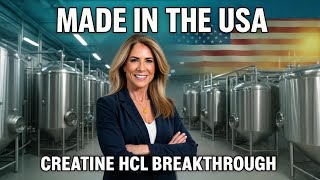
In this monologue, JJ Virgin recounts a two‑decade effort to bring creatine hydrochloride (HCl) manufacturing back to the United States. The first synthesis occurred on January 23 2003, but limited resources delayed domestic production. In the summer of 2020, amid the COVID‑19 pandemic, the company broke ground on a U.S. plant, using the downtime to build a facility that could produce high‑quality, American‑made creatine HCl. The speaker emphasizes that most creatine HCl on the market is imported, positioning domestic production as a trust and quality differentiator for American consumers. Quality assurance is highlighted through a tiered certification system: GMP (bachelor’s level), HACCP (master’s level), and SQF (doctorate level), each accompanied by rigorous ingredient, purity, and contaminant validation, including a Certificate of Analysis. Sustainability efforts are also detailed: a 95 % reduction in plastic waste from international shipping (saving roughly 8 million lb of material) and a closed‑loop ethanol recycling program where used ethanol is repurposed by a sister company that manufactures industrial solvents. Overall, the content blends a narrative of visionary onshoring, stringent quality protocols, and environmental stewardship to position the company at the forefront of American supplement manufacturing.








