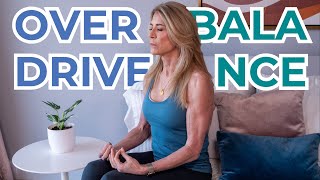
In this interview segment, JJ Virgin asks expert Speaker B to explain how a person can recognize nervous system dysregulation and what practical steps can be taken to restore balance. Speaker B describes the hallmark feeling of being "wired and tired" and outlines a range of physical signs that signal dysregulation, including anxiety, sleep disturbances, digestive issues (constipation, bloating, IBS), hair thinning, thyroid sensitivity, weak nails, and fertility problems. The explanation centers on the gut‑brain‑endocrine (neuro‑amino‑endocrine) axis, emphasizing the role of the vagus nerve in linking stress, digestion, and hormonal health. The conversation then pivots to everyday interventions—grounding foods, breathwork, meditation, and other parasympathetic‑supporting practices—that can help shift the body out of a chronic fight‑or‑flight state and restore nervous system function, reflecting a functional‑medicine approach to identifying and correcting the body’s "check‑engine lights."
And how would someone know that they are sitting in that place of being, of anxiety, of nervous system dysregulation? What would it look like? And then, what should they do?
Yeah, the sort of cliché, but it's deeply true, is that feeling wired and tired, anxious and exhausted. So I would check in, with your whole body. I think that a lot of times it is that the mental symptoms of anxiety, exhaustion, trouble falling asleep, trouble staying asleep. It could be digestive problems to the gut-brain axis, and the vagus nerve is the largest cranial nerve in the body. It's responsible for that resting, digesting. So both the anxiety calming, resting, but also your gut health. So people— a lot of people that have this dysregulation of the nervous system, immune system, the endocrine system have digestive problems, chronic constipation, bloating, irritable bowel syndrome, IBS. So those are some problems, but because when the body's under that sort of frenetic fight-or-flight-freeze state and the sympathetic tone is overactive, that can manifest in many different ways. There's a cascade, a ripple effect. That can happen. So then it could be, you know, hair thinning, hair loss, the thyroid's highly sensitive to stress, so thyroid issues can happen which can cause a whole host of different problems, and weak nails, the outer third of your eyebrows thinning, fertility issues can happen here because you're talking about a cornerstone system, connection highway of the body that everything— when that's dysregulated, it's gonna cause a lot of cascades throughout the body. So that neuro-aminoendocrine axis is really what I'm talking about, the gut-brain-brain hormonal axis. So those are some telltale signs that your body's giving you some proverbial check engine lights, and where our job in functional medicine is to figure out, hey, well, what is it? And then why is it going on? So we can start to bring function back.
So someone listening, because so much of what you described is kind of every person everywhere right now, what are some things you could bring into your everyday life to start to shift that, to start to regulate your nervous system? What are your favorites?
Well, and that's why I called that book "Gut Feelings," 'cause it was both a both/and, not either/or approach. So a gut and a feelings, a physical and then a mental, emotional, spiritual. So there's a protocol in that book that each day there's a gut and a feelings tool. So for on the gut side, it could be bringing in more soups and stews, like broths, something that is like a proverbial siesta for your gut where you're not working on digesting lots of raw things like salads or something like that, which have their place. Even you can have a salad, it could be a steamed salad or something that is a little bit— when you're using sort of traditional Chinese medicine, Ayurvedic principles of when the body is stressed out like this, you want to have these hearty, nourishing, grounding, easy-to-digest things. So think soups and stews and broths. So that's definitely something that I would predominantly make your food as medicine in those sort of forms and do some brothing and souping. And then on the feeling side, it could be cultivating JOMO into your life. Bring some joy of missing out. And what do you do? It's not just about not going to that Inaugural ball. It's about what are you doing in that time? So maybe some breathwork, releasing ceremony. It's how do you kind of nourish that parasympathetic? But some of my favorites are like breathwork, meditation. I talk about like the Scandinavian practice of hygge, which is like getting cozy and, you know, curling under that weighted blanket, which is also great for the parasympathetic, lighting that non-toxic candle. Just sipping some, you know, green tea or whatever you want to have there, some cozy thing, because not enough people do that.