How to Deliver a Great Client Experience Long Term - Joe Foley
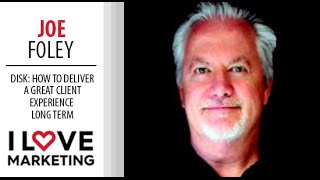
Joe Foley built disc.com from diskettes in 1984 into a fulfillment and replication company serving info marketers and event organizers. The company handles everything from short-run digital printing to large CD/DVD replication, with a facility tour showing how they manage production, warehousing, and client confidentiality.
Questions this video answers
1984
1995
About 100 employees
About 15,000 packages per day
Up to 100,000 DVDs or CDs per day (full capacity, 24-hour machines)
Chapters
Hello, this is Joe Polish. I'm here with Joe Foley. You're about to watch us in an interview, a really long one. But before we get into that, I want to show you some of the stuff that they do@disc.com this is many of my Genius Network materials. And you know, from newsletters that are sent out to professional carpet upholstery cleaners to different courses, our hiring model, our Genius Network experience. Whenever we do holiday cards, they print and can mail these for us during our Genius Network annual event. They can do the bags, they can do the T shirts. They can do, you know, all of this. Just print it and make it look beautiful. Winners find ways. That's Genius Network. And so There's a special disc.com-k.com joe and there'll be a special offer there so that they'll know that you came from watching this interview or listening to this. And there'll be, you know, just a way to get into what you're about to hear us talk about. Now I want to show you one more table filled with stuff and this will give you some context of what you're going to hear me and Joe talk about. So let's go into this next room back here. Now, on this table are a lot of products. Most of them are from my friends and Genius Network members. You've got the JV Jedi Process from Kevin Thompson. There's book fulfillment from people like my buddy Jay Abraham, Arianna Huffington, which I helped her with the launch of that book Thrive Bold. Peter Diamandis, Double Double from Cameron Herold, Fascinate from Sally Hogshead, Irreplaceable Service Manager, Chris Collins. You got Brian Kurtz's Titans of Direct Response, his whole program. Fabian Fredrickson, her Client Attraction System. You've got, you know, JJ Virgin's materials over here, Joe Foley and disc.com print, produce and fulfill this bunch of different stuff. I won't name every one of them. I'll just point out some of them. Abundance360, which is an idea that I came up with for Peter Diamond. It's the very first Abundance program he did. Now it's turned into Abundance 360. They do the fulfillment of his movie Visionnaire. And you got Brendan Bouchard's, you know, different programs from Millionaire Messengers Audios to the Experts Academy. You got Joel Weldon's before and after of his ultimate speaking system. Here you got, we got our client, John Bowen, his basically, you know, breaking through. He teaches High Level Advisors, Product launch Formula from Jeff Walker, Mary Morrissey, I mean, Dan Sullivan's the Game Changer Workshop. We just were there yesterday and they do this here. So there's a whole variety of stuff that disc.com does. And so join me as I do an interview with the founder, Joe Foley. Hello, everybody, this is Joe Polish and I'm here with my friend, Joe Foley.
Hey, Joe.
Yeah, we're@dis.com, your headquarters.
Thanks for coming.
What do you do? Give us some background of what, what this building is, what this business is, and then I'm going to ask you all kinds of questions.
Okay. Well, my name is Joe Foley and I'm the CEO of disc.com. it's a 33 year old company, started back in the old days when there were these things called diskettes. And we started doing work for software developers, duplicating their programs and then shipping software products all around the world before the Internet. Thankfully, we got our URL in 1995, the disk.com.
And it's such a great name.
Yeah. And we didn't realize, but we just keep changing over the years, our services. And then about 10 years ago, things got really exciting when information marketers found us, you know, through our URL.
Right.
And things have been pretty crazy since then. Yeah.
And you've worked with like we're sitting in a room. This table behind us is all of my stuff. I mean, we have, you know, genius. I can go back and reach for some, but we've got our Genius Network journal. It says winners find ways. And Joe's company basically prints a lot of my stuff. You know, here we have one of our Genius Network Year in Review wisdom books. And so when we do the Genius Network annual event, it's just, we do color versions, we do black and white versions depending on how we're going to use it. And we just put, I mean, it just looks, you know, awesome. The draw shop does a lot of the drawings and the animations, and so they're all incorporated bios of everyone. But this particular one, what do you call this when this is your picture?
Right.
Because you're a Genius Network member. And so it's kind of funny because you print your own one that would go.
But that's variable data, you know, printing. So it's kind of like when you get a direct mail letter and then, you know, and it's a Dear Joe.
Right.
So with, with this, we took every Genius Network member and we put their picture on the COVID plus the group group shot. So when everybody sat down at your live event, I was watching people because I was emotionally involved. And of course, they're pulling them out. And, oh, my God, I can't believe Joe put me on the COVID for a split second. And then they realized, yeah, everyone has it. But.
But the point is, when you get something like this in the mail, because people that are genius network members that for whatever reason, so, you know, they're having a getting married or whatever, they can't attend one of the annual events. We send them a copy of it, and it has their own picture on it. So this little thing, if you had a book, that's one thing, but if you had a book with your picture, how much do you think that would heighten the attention that someone would place on looking at it? Because all of a sudden, you've instantly made it personalized, and so you've worked with a lot of different people. Now, what I'd like to do during our conversation here, Joe, is tell the entrepreneurial story of kind of how you got into this. Because you have 100 people that work for you. You've been doing this for years. You mail currently, at the time that we're doing this, you're averaging about 15,000 packages a day. The post office comes and picks up pallets, and it gets shipped all over the country, all over the world. You can produce up to 100,000 DVDs or CDs every day. You do USB stuff. You do. I think you do web applications, you do web design, you do packaging, you fulfillment. There's printing. I mean, there's a variety of stuff you do. And I mean, you clearly are the resource center for a lot of the people that train the world on what they do and how they do it. So you see everything. So there's a bunch of stuff we could talk about, too, including who are the authors that write books that are really congruent with what they talk about and who are the ones that are full of crap. We could do that, but I know you're not going to talk about that, but anyway, you might. You never know. You never know, but tell the story. So you started in 1984, right. Okay, so what got you into this business and what was the world back then? Before there was no Internet and people, you know, there were no streaming videos, There weren't online programs. It was literally physical stuff. Talk about your entrepreneurial ventures.
Well, in 1984, people used to have these diskettes, and they'd put these little boxes of ten on their desk. So when the business was started by two of my friends, Alan, Bill, they would put corporations names on there like Motorola, and you'd get your boxes of 10. And right after that people started asking on the phone, they'd say, do you guys do any diskette duplication? We go, no. Then finally someone called on the phone and said, do you guys want to buy a diskette duplication machine? We go, yeah. And that's kind of been how we've managed to grow for 33 years. We just listened to what our clients want or need and then we figure out a way to provide it to, for them.
Well, first off, there's a lot of lessons in that. So how many employees did you have starting out? Was it just you?
Oh, just a handful.
Okay. And so over the years, how, what was, what was your first office? What was the size of it? How did you get stuff done? Did you used to outsource that? Although back in those days they didn't really call it outsourcing.
The business started in Al's basement. Then it, then it went a couple years later to a bigger room that was maybe like 12 by 12 room, this building. We moved here 12 years ago. Before that was maybe about 30,000 square feet. Before that was about 15. So it's just been a little by little progression.
Okay, great, great. And so what were the biggest challenges to growth in the beginning and what are the biggest challenges to growth in today? Considering you now have a lot of real estate, you have a hundred people that work for you, have thousands of clients, you know, probably hundreds of thousands. I'm sure you even have any idea how many packages you've mailed. It's got to be just in the millions.
It's definitely in the millions. I did do some calculations recently. I know, like this year is going to be 2 million.
2 million.
Last year was 1 million. So if you go back over the years.
So you're growing still.
Yeah, we're growing like crazy.
So no one, it's kind of funny, people, like no one listens, listens to DVD. Listen.
Yeah.
Listens to CDs or DVDs or reads books anymore. It's all digital. And you're of course, right. That's nonsense.
People, people ask me, what are you gonna do when everything's gone? And I'll say, well, we're still growing like crazy. I, I do predict we'll be, be the, maybe the last place standing in, in North America. That's okay. And, but we have lots of other cool services, so. So even when there, there aren't any CDs or DVDs which will still be a long, long while from now. And the phone still rings off the hook, people asking for vinyl records, really. So, I mean, some things stay forever.
Okay, so I took you a little bit off track, but the question is, you know, going from back when you first started versus today, what are the differences, challenges, similarities of business growth that you've had to encounter?
Well, to be honest, there's no differences. It's just always been similarities. We've always listened to what our clients needed and then we built a team that could provide those services. So we're always. Our challenge is to always have enough people to back up for the backup, for the backup and have everybody be cross trained so that we can constantly, you know, over deliver. That's been the key to all of our growth. We've got 70% of our business comes from referrals. And the reason is I have incredible team.
Yeah, well, that.
Okay, so let me, let me ask.
You about this too, because a lot of people, you're clearly an extraordinarily extroverted guy. Right? You just always yelling and screaming. No, no, you're totally a total introvert. Right?
Yeah.
Yeah. So you still have built a very successful company that has just a great reputation, that people love you and, you know, at least the ones that I know do. And so how do you look at developing a culture? How do you look at managing people? What are some of your philosophies on how you build a great team?
What we really want to do is serve the client's needs. So that's all we talk about all day long. I learned some of it from Eben Pagan, one of your buddies, and he taught me to have a customer avatar. And every time we're communicating with a customer, thinking about what's going on in their head, how can we best serve them, what are their needs? And we want everybody to. When they're. When they have us working on a project, we want them to just take this giant breath and say, okay, Joe's taking care of it, or Cindy or Victoria, some of my superstars on our team, that feeling of, I have this handled. So that's kind of the underlying feeling that we want everybody to have that works with us. And, and when they get that feeling, they become raving fans and they tell all their friends about this great experience, and then we keep them as customers for life.
Yeah. Awesome. Awesome. So let's actually talk about what you do, and then we'll get into what's working today, what isn't. Because I think many of the people watching this, for one. I want them to see there's resources that are available on pretty much getting almost anything you want done in business. A lot of people don't realize how this works behind the scenes. People that are new to the business, like, where do authors get their books put together and how do you put together programs and who, you know, lays them out and who prints them and creates them. And you do all that stuff, and you will fulfill them. And so what. What I'd like to do is have you kind of give a setup and let's show some of your buildings so that people can actually see the facilities. And when you're where you're. You literally melt plastic and you put that. You make, you know, CDs and DVDs, and you stamp them together and you do. You do everything. So explain kind of how you go about what disc.com does.
Okay. Well, most of the time, clients call up and they've usually heard about us from a friend. And I'll say, I need help with this project, and a lot of times it's us audios or videos. So we'll go ahead. And it doesn't have to be a. You know, I have a lot of really cool, superstar clients, but maybe 80% of our clients are, you know, just getting started out. We could do small quantities, 25, 50, or 100. And we short run, you know, digital and quick turn. So that's the beauty is you can. You can test. You can, you can try something. Hey, that's working great. All of a sudden, the best thing that could happen is two days later, you. You need to triple your order.
Yeah. So, okay, so what is short run in digital? I mean, I'm just gonna ask you some basic questions so people even know what that means in case they're. They're confused.
Okay, well, I'll give you an example of a guy I met at a genius network event about five years ago. He started off with a single dvd, and he wanted to test. He had a digital offering, and he wanted to test this. So I said, how about doing 50 DVDs? And we put them in a little mailer, and he sent it out. People requested it online, you know, like a freebie offer.
Right.
And then that led to him selling a full product. A couple days later, he asked for 100. Then he went to 250, you know, and then now the sky's the limit.
Yeah. Yeah. And so you're. And you're doing some big numbers for some clients. And see, the cool thing about physical, which I always Talk about my love of direct mail. I mean, even in my new book, you know, Joe's marketing book, we, you know, I talk about that in the mailbox, there's less noise than ever before in human history, Right? Well, for as long as mail's been around human history, I wonder when they first do. Any idea when they first started doing mail?
No.
I should know this. I should know that. But the thing is, when you're online, you're competing social media, email, I mean, you're just looking at thousands of different communications. Whereas when someone can physically hold something until holograms, until VR. And certainly there's a lot of digital technology with AI that's going to create some amazing experiences and already does. However, when it just comes to taking knowledge and expertise or training or education, nothing beats being able to hold something in your hand and being completely separate from everyone else. So let's do a setup of a tour of your facility. Then let's show some of the things that you have going on here. Talk about the equipment that you've had to invest in, Talk about what we're about to see, and let's give a tour of your facility and show people what this stuff is. And then we'll come back and continue to talk and about this business.
Okay. That. This is gonna be fun. We're gonna start. We're gonna go into the replication room. That's where we make the CDs and DVDs, right. Right. From the melted plastic. Then we'll head over to where we print on top of them, you know, using the silkscreen technology or offset printing.
Yeah.
And then, then we'll see the fulfillment room. That's the giant warehouse with all the products in there. People are, you know, it's going to be loud. People are busy working.
Okay.
And we're going to probably load three or four giant semis today. So the. Everybody's going to be hustling.
Great, great. All right, so we'll go take a tour.
So let's go see how DVDs and CDs are made.
Yeah. And by the way, so it'll be a little noisy in there, but we're going to do our best to pick up and just have you describe some of the things on how this is, how you actually do what you do and how it's made.
And it's going to be a quick overview because I'm not super technical.
All right.
I got an incredible partner for that.
First thing you do is you give us the raw dvd. All the content, it gets burned on a piece of glass. And then the opposite of that is.
The stamper.
You take the stamper out and you put it in this machine. It goes right in there. And the hot melted plastic comes down from there and gets stamped in there. And a second later you have a two hour video, Zardi's, on the plastic material. Then you can see it coming down here. The next step, it goes through here. You can't see what's happening, but this really incredible vacuum in there and there's this nickel dust that makes the metal ice coating. That's what the lathe reflects off of it, how it reads it.
So how many of these can you actually do in an hour?
Well, we always figure we could do at full capacity. It would be a hundred thousand a day. That's counting up all the machines going 24 hours a day. I always stop here and point out this one screen right here because it's amazing. You can see everything that's happening in the. This entire machine. If you wanted to, you could change the language to Japanese, to Chinese, French. All the machines are. Most of them are made, manufactured in Germany.
Okay.
So it's so cool. The equipment does all the work.
Puts the.
If it identifies a fault, it puts it in a bad hopper over there.
Okay.
And try to keep your yield at about 98, 99%. I'll show you the little plastic pellet. This is waste, and that's recycled. But this is the stuff I want to show you. This is made out of oil. It's called polycarbonate. It's incredibly pure. And that's the raw materials to make.
The CDs and DVDs.
Check this out, Joe. It's like, like rock candy.
So this, this bag is amazing. That's.
That's the polycarbonate. And right, right there, it's 200,000 DVDs.
There's 200,000 DVDs in there?
Yeah.
They can get made out of that raw material. That's called the polycarbonate.
Okay.
And so these are the little feed.
They're made.
Well, this is the. This is the waste material.
Can I just. I'm gonna climb in here real quick. I've always wanted. Is that okay by climbing it?
Yeah.
All right, So I am. I'm gonna try not to kill myself, but here I am in a box of CDs. This is wild and bizarre.
I know, but you're gonna be recycled.
I'm just kidding. I'm just gonna hang out in a big box of. You know, I can imagine. These are all my competitors. That teach really crappy marketing advice. And I just am stomping on all of their stuff. So this is dis.com and we're in the middle of doing a video, little backstage stuff. This is how this works. There we are. Stay tuned. Talk to you later. This is gonna be a great video.
So that polycarbonate that you just saw, it's already getting heated up and now it's hot and it's going in these pipes to the different machines. So whichever machine needs some more polycarbonate, it'll send it right here. We have the printing machines. Remember back in grade school where you did silk screening? That's this technology. So it's going to print some green over here, some white. This machine is cool. Oh, this is a cool one. So this is a fancy offset printer. So it's printing all four colors at once. That's photographic quality. You know, you can have a perfect photograph on there.
So you can pretty. I mean, what's the most unique thing that you've ever done with a DVD or cd?
I'm actually not sure. It's the content that's really unique. You know, the printing is we take really good pictures and then we just print super high quality stuff.
Yeah, and like I love the idea of putting response mechanisms on a D. Like call this 24 hour pre recorded message, visit this website, you know, things like that.
So it's pretty cool. Okay, let's go and see some other stuff.
Okay, so now we're entering into the fulfillment room, right? How many, how many products do you have here?
I mean, oh my God, I have never thought of that answer. But I know we ship maybe 15,000.
A day and I imagine we have.
Probably a six month supply. So I have to do that math to figure out the number of units. But you can see all the people. Everybody's super busy, they're grabbing products.
These are all.
As soon as the skid is done, it gets wheeled out. So we have a semi that goes to the post office, a semi for UPS and then another one for FedEx.
And there's a special shelf that has all my stuff on it here.
No, things are spread out. We go to the computer. But if we wanted to find everything.
Of yours, we could find it. All right, Joe, we're back from the tour and that was actually really cool. And what I'd like to do for sake of people watching this and the beauty of editing is we'll be able to go from different rooms that we went to and cut in and then kind of talk about it so that big, like you're saying it is noisy in that big. That duplication room is pretty cool. And so what I want to do, what we're going to show is like a room where we went into where there was 200,000 DVDs of plastic or CDs. And then of course I jumped in the box of CDs. Explain that. What does one have to buy in order to have this? Where do you get this stuff from? How many companies manufacture the stuff for you or how does this work?
Well, that polycarbonate is made from oil. So that's the little clear plastic pellets, little pellets in there that'll make 200,000 DVDs and CDs and then we heat that up and then the stamping process puts the video right on the plastic. It's so weird to think that two hours of video exists on plastic.
I know, it is totally bizarre.
You put the metal coating on there and that's really it.
I was fascinated by the big room. From what we captured on video was cool. But I still wandered around there for quite a few minutes looking at how many of the people that I know, how many of them are my clients, how many books I've read. And we stumbled across different books that you've sent out, including Dr. John Sarna, who's a back pain expert. Just his books are life changing for pain. I mean, you have a lot of stuff down there, all kinds of different things. So in order to inventory people's things. So for instance, if someone wants to hire your company to produce, you know, info products, you can ship it to them and they can send it themselves or you can do all the fulfillment for them. So explain a little bit about how the fulfillment business works in general and how you work from how much inventory can you store? Is there certain? I mean, how do you, how do you go about pricing for low quantities, larger quantities, that sort of thing? Some parameters that would be useful.
Okay. The nice thing about fulfillment, I kind of compare it to online banking. Almost everybody knows about that now. And that's kind of what working with us is like because we have all of your products are stored here. And then when people request them, you know, on the Internet, we integrate with the shopping carts. And then so 24 hours a day, when people are going to your shopping cart and putting in their credit card or even signing up for a free plus shipping offer, then those electronic orders come to us during the night and then we pull the orders and get those shipped out. And how it all Works just like printing. All depends on quantities. It's just more economical. The bigger the quantities, the better the pricing. Because it is just a lot of setup. Like to set up the DVD machine might take about 45 minutes, and then you can whip out a thousand of them and maybe 10 minutes.
Right.
So it's all in the setup.
Which means why it's important to actually learn how to market and promote yourself. Because having the stuff is one thing, the ability to sell it is another. And so you actually have seen things that work more effectively than others. For when it comes to authors and speakers and info marketers, what are some of the best practices that you could share that people wouldn't think of or maybe not know as well as you, because you see this all day long.
Okay, well, of course, the. The bottom line is to have incredible content. You know, that that's really more important than everything else. And we, we've seen people that have worked for years developing their product, and they take so long working on their product, they miss the opportunity to market it. And that's sad. Or we've seen people that come up with a product that they think is what their clients really want, and it's not. It's not. So they should have implemented first. You know, learn things from the greats, like Jeff Walker will teach you how to do a proper launch. You know, Brendan can teach you how to be a. Be an expert, how to be a great speaker. And then, of course, you know, you model the superstars. But I think the most important thing is to know what your clients want. And the way to figure that out is to test. I think testing's really important.
So when you say testing, what do you mean by testing? Because of course, we are at a strategic coach workshop with Dan Sullivan yesterday, and I actually just want to show this because I got it down here on this table. This is where at the game changer workshop. And this is like one of the things you printed up and Right. This was handed out yesterday. And so one of the things I said is, which I didn't come up with this term, I just always liked it when I first heard it is in the real world, it's called failure. In the marketing world, it's called testing. And so the reason you test is because you want to actually see what works and what doesn't. But how does one do a legitimate test? Because I imagine you even test different things all the time for yourself, of course, but for your clients. So how do you describe testing?
I think another thing that you made me Think of was Dan Sullivan always has. He has the 80% solution. And there's so many times I'm talking to clients, and I'm like, just get this first rendition out there. Get some feedback. You know, I consider that a test. When you let your clients give you feedback, they'll tell you what they liked, where they want to see some improvement, and then you just constantly listen to your clients. And that's the reason we're successful. Whenever our clients, whatever they're thinking, whatever they tell us, we listen and learn, and then we figure out how can we improve our service. Right. Right.
So for someone starting out that wants to go down this path, what are the things that they should do first and what are the things that they should not do? I mean, we've kind of touched that, but I want to make sure any. Any sort of recommendations and suggestions, because a lot of the people that will listen to my marketing podcast listen, you know, they want to get into this business. And then, of course, there's people that are extremely skilled at it. But for people that are starting out, what do you suggest?
Well, in the last couple years, we've seen, you know, so many people that started with a book. You know, it used to be you'd have an ebook, you know, now, now you can have a physical book that you can get to people, and then that leads to some kind of upsell offer.
Right.
And I think you learn a lot by, you know, writing a book, you know, and it helps you develop your. Your product. So I always think that's a great way to start out, you know, even.
Just sitting there talking to you about it. I remember back in the ebook days, and people like, yeah, you know, books are going to go away. There's more books produced today than ever. I mean, and it's just getting more and more and more and more. And what, you know, I've talked to Dean Jackson a lot about on our I Love Marketing podcast is just having a book doesn't always necessarily mean people are going to read it, but the mere fact that you have it is such a credibility builder. Now, going back to your comment of, you know, having great content. Yes. If you're gonna put crap in a binder or put, you know, a cover on top of, like, a lousy, lame book, I mean, that people are.
That's not gonna work.
Yeah. I mean, people will find out very quickly, and then they will basically talk about how your book sucks, especially if you're selling it on Amazon or any place where someone's gonna review your material. So everything that we're saying, of course the caveat is, you know, deliver what you promising, make sure that your content lives up to the promise of your marketing offer to the premise. That being said, putting together great content in order to acquire a client doesn't always necessarily mean they're going to read all of your books. Some people may read the first 10 pages and realize, I want to hire this person. So they're great lead generation mechanisms. And much of the things that you produce here are just stairs that step people through, you know, the business relationships with these people. What are ways that, what are some things that you offer that people wouldn't even think exist? And we can, you know, do some, you know, we can do some, you know, extra footage and stuff of showing some things while we're talking there. If people want to see, you know, the video books and different things that you have, but talk about some of the different products that you create here.
Okay, well, of course there's the audio CDs, the DVDs, those are obvious. Then we have a lot of, lot of workbooks. Those are always great for, to enhance a product and get somebody involved in the product. Our friend from the old days, Evan Pagan, had his monthly audio series. A lot of people are still doing that. So things from 10 years ago are still working. I also doing a lot of USBs recently. That's, that's a great way.
Little memory sticks, right?
Yeah, I have, I just did one recently that was made out of a crystal, had a gold cap and it was engraved on there. 32 gigabytes. It held four days of audio, four days of video, and then all the transcripts, PowerPoint slides for the entire event. Those people who receive that are gonna keep, keep that forever. It's a, it's a sleek design. I would say that's, that's a trend nobody wants to get some big box with light on content. Right now people see right through that nowadays. You, you got to deliver incredible value.
Yeah, yeah.
And some other really cool trends are like things that, things that you do, you know, adding a 1, 800 number, a little sticker on a product or different ways where people can get more information because you want them to be engaged. You gotta give them a book, give them 10 ways inside that book where they can reach back out to you. You, you know, raise their hand. Right?
Yeah. So right here, Joe, you are the one that has produced the very first copy of my Joe's Marketing book. And I'm going to give people a little bit of, you know, Backstage. What's going on here? This particular book is the first version, all right, of my marketing book, which I have a bunch of different titles. And so right now we call it Joe's Marketing Book, Final title based on your feedback. And this is going to genius network members, some close friends, because I want, you know, a lot of people will get testimonials for books, they'll get endorsements, and I don't want any endorsements from anyone unless they've read every word of my book. Because what a lot of people don't know is there's testimonials on a lot of books. And people that write those testimonials a lot of times don't read the book. They just happen to know the person, they happen to be buddies with them. And I am very much about. I don't ever want to give somebody an endorsement or a promotion for something if I don't know what their content is inside now, and if I haven't read their stuff or watch their stuff or whatever. So in this particular case, you know, we had a PDF of the book laid out and sent it over to you. And as a surprise to me, you brought these to me yesterday, printed out, and I've not seen it yet. And so I have warning, Reading this book will change your business. Call now to hear a free recorded message from me. And what it's saying is for the first people that are reading, this is like, thank you, I want feedback. And so we have a special. We own the URL, Joe's marketingbook.com and forward/ feedback. And it gives people the ability to give me feedback. And so we have it printed on the bottom of all the pages, Joe's marketingbook.com and so what I'm asking the clients to do is if you have any ideas, and then the very first, when we get all of that feedback, we're going to corral it and then we're going to go and update the book and then we're going to do it. And I'm going to acknowledge the people that gave me feedback. I'm going to acknowledge people that helped me with the book. But this is a response message mechanism. And there's. And so of course, when we start sending these out, you know, you'll be fulfilling these and sending them to people that buy them and things like that. But that's, that's how I'm, you know, doing this. And so the beauty, you know, the beauty of this sort of thing is that you literally. Eunice got you. My assistant got you the PDF and like, you know, here we are coming to Chicago and you had these already made for me without me even knowing it. So you can.
I got the file at 11 and about 1:30 they were in my briefcase and I headed downtown for the Dan Sullivan event. And then I surprised you with it in the morning at breakfast.
Right, right. And it was awesome. And what's funny too is like, so once I get all of the feedback, I will go through and say, okay, what needs to be updated? What are the graphics? What sort of ways are you utilizing this? So I'm crowdsourcing the version two of my book. And whatever is the best title may end up being the title. But the whole book is written about having an easy, lucrative and fun business. So, like many of my Genius Network members are seeing me with these innovative ways to not only see people support what they help to create. If you let them plan the fight, they don't fight the plan. And so my whole thing is like, I want people's feedback on my content so that I can make it better. And before I put the final version out into the world, I want to get the greatest feedback from all of my clients and all my friends and then develop it. And I could update Joe's marketing book every year. It could be the 2018 version, the 2019 version. It's all built around principles. But the point is it will start with this book and there's going to be a lot of content I give away for free on my podcast. I already do most of the stuff I write about in here. I've been giving away for people for free on my podcast for years because my world consists of high investment things like Genius Network. We have a $25,000 group, we have $10,000 events, we have a hundred thousand dollar group. Now these, most people don't invest in those because those are focused towards people that have very successful companies and it's the top marketing group in the world. But for all the people out there that are starting out, because I have never forgotten what it was like to be a Deborah cover cleaner, living off credit cards. And even much of what I write about in this book is telling my story and saying these marketing principles work. Now, once this book is out there, people that want to go deeper with it are going to want more stuff. They're going to want an online training program, they're going to want a physical thing. And so who's going to make all of that stuff? I'll have Joe.
I'm standing by for that.
Yeah. So I mean, so this book will be a seed, and it creates everything else. So I want you to think about a company like disc.com is. They're the ones that help you basically harvest your crops. I mean, you bring your seeds there, you plant them, they will make them. They will make everything. They will put it out to the world. And if you start getting more and more clients and you start building it, they will continue to do that. So you really become, like, you're not a printer, you're a business partner.
You are total partnership. And we focus on all the stuff. That's just a distraction for you. I mean, people like you, Joe, you need. It's your content that you need to focus on.
Right.
We'll handle all the. All the other stuff. Some of it's a little bit of Ajidot's project management, a lot of people involved, and we'll get it done right. And then you could just focus on creating new stuff.
Okay, Joe. So that's cool. I mean, there's just so much cool stuff. So let's talk about other stuff, including this big table of, I guess, my courses, my materials, this. Why Genius Network, which is kind of some of the thoughts from me and Jay Abraham, who loves Genius Network and talks very nicely about it. And as we've done interviews, you actually do my T shirts.
Yeah.
So we have the. Look at that very special Genius Network T shirt.
Now, this is every bit of swag you could think of or for events like your. Your gifts bags when you get to the. To the conference. Yeah, those duffel bags.
So, yeah, because when you're doing it, when you're doing a 10,000, $25,000, $100,000 event, I mean, you want nice stuff. And so you can literally do black and white, and you can do, you know, very inexpensive, but it's, you know, it doesn't cost a lot of money, and you can do very beautiful stuff.
Nice to come to one place that you could trust with your. Your mailing list for all your clients, but you can also trust them for. To make your. Your name badges, your lanyards, your foam core signs, your big banners.
Yep. And so you've got some other stuff here. Well, look. Yeah, we got lunchboxes, we got, you know, cards. So for the holidays, whenever we need new cards, Joe does that. When we have our Genius Network experience, you know, we have these things. And of course, I always put warning, do not open this package. And do call this free recorded message. Because I always want to connect with people. These are, you know, we can put little CDs inside these packages and brochures.
Those are still hot. I mean, everybody doing a lot of those. Yeah, there's your old.
There's a little mailer that you do on the back of these.
Piranha Bites.
Yeah, Piranha Bites for my professional cleaners and restorers that we send out, you know, Genius Network hiring model, where to connect with the most successful people on the planet. This is a Genius Network annual event which has all of our different tools that when people come, you know, to our events, they don't just get seminars. We actually give them planning. They come in the email, plan their businesses, they, you know, focus. They walk out with. With actual, you know, plans and pass. This is the year in review, you know, just. Just a lot of different. I love all this stuff. It's beautiful. Bags.
Yeah.
So let's talk about this. So what's this crazy thing?
This is something for the future printed video. It's so cool. You. All you do is open it up and the video starts playing.
Yep.
You can switch to different videos, but. But this is something that you're, you know, you're talking about the full inbox. You know, people have thousands of emails they haven't read, but you get one of these delivered to your house, and you're gonna sit down at your somewhere and open it up and you're just gonna go, wow. You know, and it could be, you know, you. You making a. A personal message to, you know, 20 important people. I think Brendon Bouchard is going to be doing a lot of those someday soon.
Yeah, he's actually met a lot of important people that I've introduced him to. I don't know what Brendan would be doing for a living if he.
Frank Kern.
Same with this guy, Frank Kern. I mean, what the hell is this stuff?
This is Mass Control 2.0. I wanted to highlight that because I think it was maybe 10 years ago we did the first Mass Control, and it was a. It was a black box with, you know, his logo on top. Right. Our phone rang off the hook and people were saying, I want a black box like. Like Frank's. And that was before Apple had the black box. That was before American Express came up with the. The black box. You know, nowadays people are still asking for a black box. So now what Frank did now is he. He took his content and made it better. Now it's a sleeker package. And that's what you were talking about, where you just, like, you keep improving your book and your products. That's what everybody does. And that's what your clients want. Yeah.
So. And then we, of course, we've got Victoria labaume, who. She's one of. One of my genius network members, dear friend. Rock the room live. She does her live events, which basically teach people how to present themselves, which is really awesome. So, you know, the sky's the limit. So what, what didn't we mention? What are some things that I should have asked you that I did not ask you, that you can think of, of, if anything?
Well, one. One important point we started to talk about that the digital books have not replaced, you know, printed books and digital products online. You know, like Brendan Bouchard used to be one of our biggest customers. I mean, he's still huge, but we used to deliver a giant box of DVDs and stuff for him. Now, now he has the online platform. But, but my big point is I think physical products complement your digital offerings. So even if you have a digital platform like Kajabi, I told Brendan and the owners over at Kajabi that wouldn't it be nice for those people that if they could press a button and get a physical solution, Maybe it's only 25% of the people that want the physical product, but I think it's important to give people, let them consume your material and your knowledge in the format that they like. A lot of people would choose multiple formats if they could.
Oh, I'm still a physical guy. And I own iPads, I own Kindles, I own many electronics. I'm walking treadmills where I can actually read and watch videos. And there's still, you know, I still, you know, have DVDs. I still love holding physical books and highlighting them in spite of all of the cool technology. And there is something about the client experience and what you're saying which is so critical. And your goal as a business owner, as an entrepreneur, is to bond with your clients. And what I will say, you know, there's very few people that I would go into their businesses that are vendors and not only let everyone know where I get all my stuff done from, but that I would endorse the way that I endorse you. Because over the years, you have just done such a. A fabulous job for all of our Genius Network members. And again, Genius Network is the highest level group in the world. And these people, you know, their confidentiality is critical. So when people do stuff with you, you know, you're not sharing the list. You're not, you know, people are entrusting their database with your company. So you have all of these measures in place. And that's been a horror show for a lot of fulfillment companies where someone's like, oh, I can get something really cheap here. And then they send over their client base and all of their customers, and then all of a sudden someone steals their list. I mean, how do you protect confidentiality of your clients?
Integrity is so incredible. And since we started with computer software, you know, back when Windows was, I think, 3.0 and 3.1, we set up all these procedures because all the software developers, I mean, their intellectual property was critical. We've just made it a practice that we never mention anybody's business to anybody else. You know, numbers are ever mentioned. And we have incredible security and we really have respect for our clients. So, yeah, that's the. That's the bottom line.
And every person that we've shown today are people that would be completely okay with being shown today.
Right.
You know, so it's. And again, the biggest thing is not someone's course or book, it's their actual person that you're sending the stuff to, that database, that client. So, although if there's a way to go in and steal Frank Kern's list, I would like to do that just to protect them from this. This man.
Well, since you're his friend, I think all you have to do is contact him. He'll probably help you.
That's true, that's true. But if there's anyone we can make fun of more than Frank Kern, that's a client other than Brendon Burchard. We just wanted to go there. Okay, so how do people reach you? What's the best way to get started with working with disc.com?
Of course we have the URL disc.com.
D I s k used to stand.
For corporate disk diskettes. Corporate disc company. But then informarketers decided that was a mouthful, so they shortened it to disc. So they'd say call disc. So now we've made an acronym that gives that some meaning now. So we deliver information or inspiration and specialized knowledge. So when you're thinking of disc, just go to our URL and contact us. We also do, besides the live event stuff, we do crowdfunding rewards. So everything that you would want for swag or gifts for your clients, we do all that kind of stuff and give us a call. We'd love to serve you. That's what makes us happy, is being appreciated. We like to work with clients that are trying to make a difference in the world. We're not a big fan of people that want to send out a light package and get a lot of returns. We were motivated by helping the people like you, Peter Diamandis and Dan Sullivan, that are on a mission to help people. That's what gets us super happy. Like that Truth About Cancer job, the biggest one that. The biggest job of our career. We did it last fall and we were just buried. Trucks, semi trucks, like crazy going out of here every day. Then it repeated last spring. But when I talked to everybody on the team, the thing that made them feel so good about the hard work was knowing that that product was gonna help people. So that's what we're all about. So give us a call. Okay? One more thing I want to tell you about. If you want something that's really cool, it's new, state of the art, something incredible that you're all going to want to have, and all you're going to do is text the word future to 480-485-3475. You're going to get this amazing digital video, maybe 30, 45 seconds. You're going to be wowed, and then you're going to want one just like it.
Well, it's great spending time with you and going behind the scenes and seeing everything. So I appreciate it.
Thanks for everything.
Thank you, Joe. And yep, you'll see Joe at Genius Network if you ever come there. Or you might see him somewhere. So either way, if you need any work done that's in this realm, then go to disc.com and check it out and make it happen. See ya.
More from Joe

This FBI Trick Can Command Respect Without Saying a Word ft. JEFFERSON FISHER & CHRIS VOSS

How To Stand Out, Be Different, and Create Raving Fans, Customers, and Employees ft. Jesse Cole



90% Of Businesses Fail In Their First Year, Here's Why! ft. Dr. Benjamin Hard & Dr. Robert Cialdini

The 1 Piece of Business Advice I Got From Elon Musk That Changed Everything Ft. Kamal Ravikant

The 6 Traits You CAN'T Teach in Entrepreneurship ft. Richard Branson & Gino Wickman

The Leg Method: How to Make Your Book into a Million-Dollar Asset ft. Anna David


7 Millionaire Mindset Hacks for Daily Success and Wealth ft. Brian Tracy & Dan Sullivan
