HOW TO SAVE DOGS: Anthony Amos’ UNBELIEVABLE Journey to Revolutionize Grooming
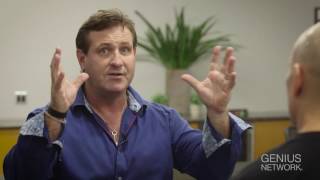
Anthony Amos went from washing dogs in his backyard to building Hydradog, a mobile grooming franchise that made him a millionaire in Australia. After losing it all, he rebuilt and launched Bathe to Save, a tour and franchise pushing groomers to adopt shelter dogs instead of buying from breeders.
Chapters
Hello, this is Joe Polish and I'm going to be interviewing a very interesting guy by the name of Anthony Amos. He's a multi founding franchisor, serial entrepreneur, author, professional keynote speaker, partnership expert, creator and inventor, and an angel investor who along with his team, helped revolutionize the dog grooming industry by designing and creating a fiberglass mobile grooming salon in the shape of a big blue dog called Hydradog. With over 200 franchises to date, Hydra Dog became the first of its kind to be in every state and territory of Australia, making Anthony one of Australia's youngest millionaires at age 28. So Anthony, great to have you here.
Thanks for having me, Mike.
Yeah, absolutely. Well, we were introduced by our good buddy Kevin Harrington and I was totally fascinated when I first heard with what you were doing. More so like the business that you're doing is very interesting, but more so is you. You're quite a character, you're quite a driven guy and I think it's pretty cool. And so throughout this interview, people are going to see what this is because we've got some footage and you might be looking at that right now describing kind of what it is you do. But for people that don't know who you are, how would you describe yourself? Like, who is Anthony Amos?
A lunatic? Would that be fair to say?
Yeah, you can look around and by the way, you won't see this on camera, but Anthony's wife and three children are here watching. So you might hear some noise in the background, maybe some chuckles and see if they agree with everything you say or not.
Alright. I guess if you wanted me to start from, I guess a sensible beginning, which is what my career I thought was going to be. Coming out of high school, I was a professional footballer pretty much at the age of 19. So I went straight from school straight into professional football and after two years I started to realise that I still love the game, I still love the competitive edge, I love playing with my mates. But there was that strict being told what to do by now professional coaches. Whereas back at school it was just your coach and everyone got on really well. Now the professional side was, ah, I don't really like being told what to do. That's when I 100% knew I was an entrepreneur. It's hard being told what to do when you're an entrepreneur. So in my downtime my brother and I actually wanted to go into business for a long time together, just on the side to sort of make some money. And I came up with this idea of actually washing dogs and how that came about was there was a fiberglass hydrobath that you could actually wash your dog in. So it's like a bath, but it's a shower head. And the shower rose washes the dog's hair. So there was a secondhand trailer in my backyard. We got this $1,400 hydro bath, put it on the back of the trailer, went and rented a mobile phone. So this was in 94. Rented a mobile phone, put an ad in the paper on Friday, and waiting for the phone to ring on Saturday. On the Friday, we rang everybody we knew. We had our phone for the first time. We ringing our dad and our cousins, and we got no wires around the phone. So it was really exciting.
But you're like, oh, my God, this is amazing.
Unbelievable. So nobody rang us, so we didn't know what the phone sounded like. So Saturday morning came around and the phone rang. And the person I was with at the time, sorry, sweetie, over there. So she. The phone rang and I went, oh, my God, it's the fire alarm. She said, you idiots, the phone. It's the new phone that you've got. So I answered the phone. Hi to dog. Anthony's speaking. Yes, I just saw you out in the paper wondering if you could wash my dog. I said, oh, yes, of course I can. So she gave me the address, right, $10. Mind you, we're charging $10 to wash the dog. So I rang my brother and said, mate, you're not going to believe it. We've got our first customer. Oh, my God, what are they doing? I said, they rang on the phone. I've just booked them in. So I went from my house to about 30 minutes. By the time I got there, we had nine dogs booked in. I said, Mate, I had eight phone calls on the way. Now we've got nine dogs. I said, quick, grab the shampoo, chuck it in the back and let's go. So he chucks the shampoo on the back of the dog. We get to our first customer, and he put dishwashing liquid in the back of a dog bath instead of the dog shampoo. So he's gone, he's put in the dishwasher liquid. He said, what do we do? I said, well, they don't know that it's not dog washing stuff. Let's just wash the dogs. So our first nine dogs starting this company washed in dishwashing liquid. That's how the whole thing started. We had no idea how to run a business. Nothing.
Well, if anyone really knew everything that went down when you first Started to figure out how to do it. Well, okay, so we're kind of in similar things because I actually sold my carpet cleaning company in 1994 and started my marketing company, teaching carpet cleaners how to market themselves. So I remember that period of time really well when I got my first mobile phone. It was like a giant brick. It was this huge thing. So how did you decide that was a good idea? I mean, can you even remember back then? Because that just seems sort of like a strange thing. Were you an animal lover?
Well, I wanted to be a vet at school. You know when you say, what do you want to do when you get older? I want to be a vet. Well, my grade, I was playing football, and I really. I didn't like. I mean, I love school kids. I love school a lot. I really did. But, damn, it slipped out. But, yeah, I just. I didn't fit in with the rhetoric of school. You know, I got on really great with the school teachers, and I got through school because I was really good at football and had great relationships with my teachers. So I guess it was just one of those things where I've always been good with people and booking people. My brother would pretty much do the washing of the dogs, and I'd be talking to the customer and get them to book in for the following week. So I guess there was always something there. But when the relationship started, that's when it really worked well.
So here's the thing, because you having built out franchises and this is kind of what you're doing now, there's the technician, you know, the person that does the actual work, especially in a service business. And there's the visionary, the person that comes up with this idea. How do we replicate it? So clearly my perspective of you is you're this visionary guy, and washing dogs just happens to be the service provided. But it's the whole business around that. Because just washing dogs in and of itself does not make somebody a millionaire. Learning how to develop a business and package it around, that does. And so. So since the vast majority of people that are listening to this are watching the video version of this, if you are listening to the audio on the podcast, we do have a video version of this, too. I mean, I would like to speak to some of those people because those are the ones that typically listen to my stuff, and they want to. They're either already in business, they want to start their own business, they're looking for different key insights and things. And I don't think about just, oh, how do we help entrepreneurs market or how do we build businesses? I try to think how do we build a better entrepreneur? Which has to do with their health, it has to do with their family, it has to do with the value creation behind what it is that they're doing. So there's a lot of layers to what it is that you're doing. It's one thing about washing dogs, but you've got causes. The idea from you started with your son Austin about saving dogs lives. So I kind of want to go into all of that, but first I want to ask you what's your philosophy when it comes to. To family and business since you're traveling around the United states in an RV in 200 square feet, you know, I mean, so how do you think about this?
The transition from Australia to America was just mind blowing because we all speak English, but our cultures are so different. And I often do things. I'm going to tell you a very funny story that's actually in the book that I've just written. I always do. The cultures are colliding and, and the colliding of the cultures is always. I tend to get away with a lot of things because of the Australian way. Nothing's ever intentional. It's just who we are. And the Americans are a little bit more serious than us. We're sort of a little bit more. What's the word? Careful.
Americans are more serious than by. To what degree?
Well, just by. With the rules and regulations of having. Like for example, if somebody wanted to sue you in Australia, you have to put money into a retainer and. And you've got to go down a path and actually go to a bigger effort to get someone. But here they do it on pro bono. You just. Basically, that's the difference. We know if you've done something wrong, then we're ready for the consequences. But here you can sort of go for somebody over the littlest, tiniest things and it doesn't cost you a thing to do that. So I guess we've sort of got more of a carefree way of just presenting it. So I'm not explaining myself right, but that's how I sort of feel with the introduction when we first came here. But the best story was. And just to sort of back up a bit. We were very successful very early. And then like everybody in the crash, we crashed as well. So we had to sort of reinvent ourselves. This time it's now me and my wife, my brother and I separated in our business and we got together. Well, we were together, but we came to America together. And I remember sitting on the back of my dad's place. It was the last night just the five of us were there. It was New Year's and we. The fireworks were going off the Harbour Bridge and it was like, it's New Year's. And Rachel had fallen asleep and the kids were asleep, and this big gust of wind came through the back door. And I got really emotional thinking these four guys believe in me to make a new life for us. Going to America. I had no idea how we were going to do it. Zero. I just knew with hope and faith in my back pocket and this big blue dog, if I've done it once, I can do it again. And that's pretty much when you talk about family, when you're on that. That edge of life, knowing that everything that you do right now is all to do with their future. It's a very impacting moment. And I think that was the precipice of me growing from a 20 million population to 365 million population. I had to put my big boy pants on and come over here and sort of start from the ground level, whereas I was a big fish in a small pond. And now I didn't even know what it was when I came here. But there was. But it was very, very challenging to sort of make that decision. But once I made it, I think that's when the family value system I really appreciated more than you can believe.
Well, the entrepreneurial culture in America, from your perspective compared to Australia, how do they differ?
Oh, so different. And I probably might get a little bit of slack about this, but we have what's called the Tor poppy syndrome in Australia. So the tor poppy is, you know, the heroin. You cut the top off and now the stem's worth nothing anymore. But, so I'll give you a really good example. Playing local football like I did, everyone was great because we're all, like, on the same level. But as I started to escalate in business, I was now separating myself away from where we all were collectively together. But everybody wanted me sort of back at that level, so they'd sort of try and, you know, tear apart, I guess your growth just become back and be just like us. Don't be up there and be, you know, anywhere else but here in America. Oh, my God. Everyone wants to be an entrepreneur. Looks at entre, looks. Looks at you and says, I want to be just like Joe. And they go all out to mimic or read or listen. And it's a culture of great respect and wanting to aspire to be something different. That's definitely not our culture in Australia, for sure. Interesting, Interesting. Okay. Yeah.
You know, it's been a while since I've been back there, but I have several hundred service companies that have become members of Piranha Marketing in Australia. And so I've always thought it was such a cool country. But it's interesting to see because there's so much of that, too. That's one of the questions I'm going to ask you. What are some of the mistakes that people make in business? One of the things is, I think one mistake is not preparing yourself for success. Most people don't become successful as entrepreneurs. The vast majority don't. But when you do, you literally will find that you have people that are incredibly supportive of you, and then people that you thought were supportive of you aren't supportive if you're surpassing what they perceive their thing is. Because, I don't know, there's probably many causes to this, but I think it makes them look at their own lack of success or, oh, you're doing something. And it's bizarre how much people shift. And so one of the things I think about a lot is that being successful as an entrepreneur is not just being strategic and making smart decisions and the. The ability to create value, get paid for it, be a great marketer, communicate what it is you're doing. I think one of the attributes of successful entrepreneurs is a tolerance to all the crap that exists because you got to have thick skin. I mean, there will be a point in time where people that you thought were your allies are really your enemies. They don't want to see you be successful, and they will give you their opinions about what you should or should not do. And so part of it is being. Being able to know what to pay attention to and what to ignore, what's relevant and what is irrelevant. So how do you think about, like, how did you go through that transition? Because there's a lot to be learned.
I think the number one thing for me is maybe I think a little bit differently than others. But when you marry your lifetime partner, they've got to be on board 100% of what your dreams are, or vice versa, whatever it is. But the support that I get, I can be me Joe every day of the week. I normally swear when I say that, but I can be Anthony Amos every day of the week.
I don't have. I wouldn't be cussing right now if.
Your kids were not in the streets. Yes, I cuss in front of my kids. I'M sorry to say that, but we're from Australia. But it's just one of those things where, yeah, I'm a little bit crazy and I love getting out and having a few drinks with guys because it brings out the best in people. If you sort of say a little bit reserved, it's not like off the menu, but it's just really getting other people relaxed and talking more what they would normally do if they didn't just have a couple of beers. But, you know, that sort of. I mean, the things that we do aren't normal. I mean, we do embarrassing things and we've all got a similar sense of humor and it's a lot of fun. But you can't have that stability if you don't have that support at home. Because when you walk in those doors and it's open arms, you know, this is great. I know it's a tough day to day. You've got to have that. If you don't have that, then I don't think I could have done it. I really don't.
You know, the classic think and grow rich from Napoleon Hill. He had his 31 causes of failure and one of them was wrong selection of a mate. And I think when it comes to entrepreneurship, yeah, there's a lot to be said of it's a tough life for someone that is not an entrepreneur, that doesn't get the drive and the ambition. And I think entrepreneurs are misunderstood. A lot of people think, think all they care about is money. And frankly, most of the entrepreneurs that I hang out with, and I know money is important because you need money in order to run a business, but it's not the cause of what it is they're doing. I mean, many entrepreneurs I know that are very successful honestly don't care all that much about money as long as they have it. Now, if they don't have it, nothing else functions. So it holds a very important context. But these are people that are dreamers and they're trying to make stuff up and make it real and dream it into being. I mean, when I sit and think about your dog grooming business, I mean, at what point did it occur to you that this is a good idea? I mean, you probably weren't a little kid saying, you know, when I grow up, I want to wash hundreds of thousands of dogs. It seems like hard work to me. I don't know if I'd want to wash a single dog.
Well, it's funny because I literally washed dogs day in, day out for six or seven years. That funded the company. So I learned the business from the ground level all the way through to the high end level, like selling our master program within 18 months. We sold off every single state and territory within 18 months. It is just unheard of. But I think when you learn and grow the business and not raising any capital, but raising the money through your hard work and pouring it back into the company and living on baked beans, but still growing the company, that does something to you inside. It gives you a real strength of knowing that as you get into the next venture, I know what it's like to be like that. So when I relate to my franchisees, when we start selling franchises, I, I've done what you're about to do. I know every angle that you're going to go through in your business and I'm going to be able to help you with those particular decisions. And when we're talking about the partners, the hardest thing when selling a franchise to some of the men back in Australia, the wives are like, I don't want my husband to be a dog washer. He's not a dog washer, he's an entrepreneur. He's getting out there out of the rat race and wanting to be a successful person. I don't. And that's what I was talking about. But the other husbands that came in the door, how was your day, honey? How many dogs did you do today? Yeah, you broke the record. That difference between, oh, I don't want my husband to be a dog washer, how am I going to tell my friends my husband's a dog washer? That's when you've got to align yourself with the right partner to know that when you do come in the door, they're happy that you did one more dog that you did than the day before. That's the type of thing where I'm coming from with that.
That's so true. Speaking in my own life of many relationships that I've gone through and thankfully I'm dear friends with most of these. The relationships I've had in the past, I'm talking intimately. I mean, I know I have all kinds of relationships personally and professionally. It is alignment. I mean, if you do not have alignment in any sort of relationship, it's going to be very short lived. There's going to be a lot of tension and there still is. I mean, because I'll tell you what I tell people. Successful entrepreneurship is really about developing a tolerance to stuff. Because the stuff that would have killed me in the very beginning of my business happens on a daily basis today. And I'm like, whatever. So I've built up just a tolerance to nonsense, you know, just like crap that happens. But that's part of the game.
Well, it's funny that you use that word because in the book, I talk about congruency. So the first thing with me is I've got to a point where I just. I instantly know whether I'm congruent with somebody, I feel it, or you just have a little bit of a conversation. Oh, geez. That feeling that you really like that person, it's congruent. Whatever this value system is, we don't even know what it is, right? But it feels good. And then when you know it feels good, I like to add as much value as I can first. So if I get in there first and go not expecting anything other than we could be friends from that point of view or making an effort for our friendship. This is my favorite part. I call it, like, the triad of how it works for me. But if I've become friends or business partners with that person, like Kevin, I get out of the bed in the morning, and we're about to go and have coffee at lunch, like, I can't wait to go and see this guy. I'm so excited. I get all ramped up and excited because when you know that I actually felt like coming here today, I felt, like, so excited. The kids can tell you, like, and this lovely lady, of course, how excited we were to get here. And to be broken down the day before, not getting here. And then we thought, well, Wednesday's actually a better day. It just worked out perfect. But it's that feeling that you get so goddamn excited just to turn up and be in the presence of that person. That's when you know you've nailed it. That's when you know you've done it.
You know, because I used to get all giddy about, like, going to a rock concert when I was a kid, you know, going to, well, not just rock, but at any sort of concert. Although just the sheer excitement. And that's what really great business deals, I think, do for entrepreneurs. Just like sports, which I never really got into sports. I had a Little League coach that ruined my liking of sports because he would force me to hold a baseball bat in a certain way that I couldn't hit the ball. So it ruined my liking of sports. So it's interesting how influences affect you growing up. But I see a lot of entrepreneurs, the corporate athletes, which is a term my buddy Tony Schwartz says, and they Want to win. And winning comes in different things and different levels of excitement. But part of success as an entrepreneur, aside from, obviously, strategy and a sound business model and the ability to keep your act together, is just massive enthusiasm for what it is you bring to the table.
Oh, my God, you're speaking my language right now. Because if you strategically put together, I want to be friends with that person to get that it never happened. I've never been that way anyway. But I just know my brother was very much that way inclined, and that's how we sort of butt our heads a lot, is that he'd worked out strategically how to get to that person to get that end result. And I was always uncomfortable with those sorts of deals because you're really looking out for yourself first. But if you genuinely believe that that person has got some sort of value system similar to you, that then show them that you're good and you can do something to get them excited. And let's be friends. Let's see how this could work out. I love doing it. I got chills thinking about that. I loved all that stuff.
That's awesome. Well, okay, so here's your book, how to Catch a Shark. And you did this with Kevin Harrington. How much did he actually contribute? Because Kevin really doesn't do much work.
Well, we actually. He did a story on Donald Trump when he was in Donald Trump's office and put a deal together. And he. We did a lot of work with recording. So we recorded it and then sort of typed it. And my beautiful wife over here and a great, dear friend of ours, Bonnie Crandall, edited the book and pieced it all together. And we've got our publisher, Tara. Tara Richer, of course. But we had so much fun putting this together. Cause Kevin and I have developed a really awesome relationship and I think he vicariously lives through me a little bit now with him being sort of on the straight and narrow. And I'll often read him. You have one for me, buddy? All right, you get out of town. I'll get out there. But we've got. I think he's got such a. Not a lot of people know this, but he's got like a kid, like, sense of humour. He's just funny as hell. So in even the most serious situations, and we're at a meeting, I've got probably a little bit like you, sort of. My attention span isn't that good. Yeah. So I'll just sort of sit there and send Kevin a text. Kevin will always read his phone no matter what meeting he's in. So I'll send him a text, something hilarious of, you know, who we're talking right now. You see him go. But I think that's the type of thing you've got to do with relationships like that when you're in a. You're there because you've said you would be, but you don't really want to be there and you've got to make light of the situation sometimes to really sort of get through it.
Well, totally. I mean, one thing about I can usually gauge the value of relationships, man and woman or friends or whatever, just based on how much they laugh together. If you see people that cannot laugh together, then there's a good chance that they're probably not.
Wow, that's really interesting. Instantly got what you've just said, but I've never looked at it like that before.
Well, if you're at a restaurant and you see a couple that's just sitting there and they're just not really even talking to each other, well, there could be times they're just arguing, but for the most part you can pretty much gauge that do they have fun together or not? Because I have this thing I came up with years ago to try to describe the marketing systems that I created that are robotic. Using the 24 hour free recorded message that sift sorts and screens people that want to get information about how to choose a carpet cleaner or how to use a sports supplement or pick a category is a far easier, more robotic way to get people information than doing face to face selling. So I started calling anything that would use replicatable, canon, cloneable sort of marketing systems as ELF marketing. And I started saying, you could have an elf business which is easy, lucrative and fun, or you can have a half business which is hard, annoying, lame and frustrating. And so if you're going to go out and develop a business, you want to make it as elf as humanly possible. Now in my life I actually look at human beings that way. Is this person easy, lucrative and fun? Or is this person hard, annoying, lame and frustrating? Or in some cases hard, annoying, lucrative and frustrating? Because not all money is created equal. There's some money that is just painful and there are some people to work with that they're just not fun to work with. And so kind of what you were saying to you earlier, I've never approached relationships as let me figure out what I'm going to get from this person. I don't ask anyone to do anything for me if I can't create value for them first. And I really come From a try to be generous, try to be useful. And I don't even say try, I actually believe I am. You just show up and you just are useful. And if you cannot be, then don't show up. What reason do you have to, to do anything if you can't bring that to the table? And so I think part of you, because the moment I first met you, you're just a very likable, very friendly guy. And that's.
Did you hear that?
Yeah. Now again, they may experience something completely different than me. But the thing is that's very hard to fake doing that consistently. I mean, some people can, they'll have their spiel, they'll do that sort of stuff. But for the most part, you know, you know, being a generous, caring, useful value creating individual is not a shtick, it's this. That's who you are, that's what you do. And if you adopt that as a way of life, I mean that's how you develop things. Because in the beginning, when you have not created any results, when you just have a dream and idea, the thing you have to go on is just your caring, your enthusiasm, your wanting to be a contributor. And that's going to get you much further. You can read every negotiation book on the planet or read how to manipulate people, but that's going to be very short lived. I mean, it really genuinely comes down to how caring and how useful are you. And that's a far better attribute and way of being, to be and to develop than anything else I've ever figured out.
I really appreciate it. That's a very nice thing to say. I feel very good about myself right now.
Good, good. Well, let's try to take that down a little bit. No, I'm kidding. So, mistakes. I was going to ask you about mistakes. So let me say it from this context.
Let me just jump in and say something really, really cool. So when you talk about the enthusiasm and the excitement that we have when we go to dinner as a family, honest to God, it's so much fun. And when we were in Phoenix and we were sitting there at dinner and this young bloke was on his own and he kept looking over with sort of like a fence between us, not a fence, but in an area. And he kept sort of looking over and smiling. I thought, mate, what's going on? What are you sitting by yourself for? He said, oh, I've just come down from Illinois and I'm, I'm just sort of sitting here having dinner. On your own? Yeah, I'm Here in Phoenix. Come over here. Come on. Come and have dinner with us. Come on. Come and sit down. So he sat down next to Rachel. It was Easter Sunday, and he was a guy that maps areas, and his name was John. Rachel's got the funniest sense of humor ever, so she's nicknamed him John the Maptus. So now he's John the Maptus. And I said, do you drink? I said, why don't we have a couple of bourbons together and celebrate Sunday? He said, yeah, let's have a couple. So we had about four, I think, or so, something like that. And he just said, I've never experienced something like this before. For you to bring me in and be on my own. And we've been texting backwards and forwards since we've actually met him. But just to be in that of him wanting to be a part of something, that's just so exciting. I could feel that he was on his own. And then for him to be accepted in that sort of situation, that sort of stuff just blows my mind.
No, that's great. You know, let me say this too, because a lot of people that listen to this sort of stuff, they go to seminars, they read a lot of books, and they're out there. And most people that go to learning events or entrepreneurs that travel, they travel alone. And many of them are actually lonely individuals. I mean, being an entrepreneur at times can be very isolating. And when I've done seminars, I would ask the audience, how many of you are introverts? How many of you are extroverts? The extroverts will raise their hands much higher than the introverts. And I would say, how many of you would be offended if someone came up and. And said hello to you and no one would raise their hand? How many of you would like to meet someone new this week? A whole bunch of hands go up, and I'm like, okay. When you see someone by themselves or eating, go up and say hello. And I would do my best because, see, I was that way. I was very shy and very introverted growing up. I never thought I could ever publicly speak. I mean, I remember the first time I heard my voice in a recording.
It was on a cassette tape.
I'd be like, I can never do an interview like this. I mean, I sound like an idiot, and now I do this crap all day long, right? But it's almost like getting over the sword of fear. But when you see people and you reach out to them like that, not only does it make them feel good, but it also allows you to continually develop your relationship building skills when you take someone who you don't know who this person is or whatever and just interacting with them.
But what about these kids? Like, yeah, that's what I was about to say. Like, you know, Isabella's just turned 13, but they were 12, 11 and 10 not that long ago. But they're seeing their parents do that. They're seeing their parents actually bring somebody, bring a stranger in, engage them and it turned into an awesome night and he laughed his head off the whole time. But they're seeing that at that age. I mean, that's just a wonderful thing. I think that's a great contribution that we bring to the table for the generation coming through.
Awesome. Yeah, absolutely. So the thing I wanted to ask you about mistakes is that not only in the beginning, love to hear any ideas that you have and mistakes that you think people make so that they can avoid them. But also when you went through the crash, you had built up something very successful and then it falls apart. And then how do you not only deal with franchisors and different individuals whenever, like things just start crumbling down around a business that you have developed and that employs people and that sort of stuff?
Well, we'd sold Hider Dog Australia before the crash. That actually cashed us up to go into property developing, which we'd never done before. But that's what you tend to do when you make a bucket load of cash. You want to go into a huge, big 100 million dollar Ramada Resort and get twice the mate. So anyway, that's the biggest state. Never go outside of what you know. If it's taken you seven years to learn a craft, don't jump straight into something brand new you know nothing about. And that was the biggest mistake that we made, is that we went way outside of our comfort zone. We were just, we had property developers and we had project managers and we're thinking, shit, they're going to do all the work and we'll just sort of sit back. But totally lost control of what we're doing. Still good with people, but we didn't understand the business. And that's really something, if I can reiterate to anybody, when you get that success, jump in something that's parallel to it or even something that you even enjoy doing more of a hobby that you could become better at and do it for another seven years or however long it takes. Right? I mean, with jumping into what we're doing with the tour, we've never done that before. We've been finding our feet, but we still know our business structure of all these years of what we've done, right? That's helping us. Now do it. I'm washing dogs again. I'm getting in there and actually washing dogs with the kids. It's a lot of fun. I'm thinking, shit, I'm going back to where it all started from. But I think the biggest mistakes is definitely that's the first one. The second one is getting into business with the wrong people. That is the number one problem. And I look at it like this. It's almost dancing with the devil. You know, this person's got money. Your gut tells you that he's the wrong person to do business with, but you're like, if I don't get the money, the business is not going to work. I need the money. So people chase the money in the beginning. And I guess if you're young enough, you don't understand that principle. You think, I'll just get the money and I'll deal with that person later. No, it doesn't work like that. If they want a return on their investment or they're a really hard business partner to deal with, then all of a sudden the conflict starts and you lose your passion and you don't want to do it anymore and shit falls down. So you've got to pick the right partner. So my real big thing is this. And it's just a very quick story. When I met this lovely lady over here first time, she met all my friends and she's gone. Great guy. Oh, what are you doing with him? Not sure. He's just following you after your money. How do you know? How do you know this stuff? I wouldn't even know for a million years how to read people art. So after we had kids, it went through the roof. Whatever happens from a woman, from having intuition to knowing everything about everybody after they have kids to just some sort of chemical brilliance that takes place, you get away with nothing. I'm telling you. So I thought, I want a piece of this. So I started to ask embarrassing questions, putting myself in compromising positions, just really being painful most of the times. And Rachel will tell you there's some crazy stories out there of just. I want the information on why you are that particular way. So I read a book. Can't even remember what it was. It was about four types of personalities. I ended up having 21. So I'd have these little baskets. Talk about massive memory core. My memory got so good, I put someone's memory in that basket. And that went up with about 21 of them. So over that period of time, I'd sit down and talk to someone and sort of say something. How did you know that it was. Well, I just spoke to a bloke like you down the road last week. So I started to get a little bit of influence. And there was a lot to do with that real understanding of people's way of thinking. I can't explain it, but it worked for me.
So basically what you're saying is you just understood and studied how to gauge and learn people and show signs of whatever, how they.
So sometimes you get one of those people like us that you've never sort of. You don't know what basket to put them in.
Yeah, they're just so strange.
Yeah, you just don't. Anyway, so, yeah, big basket. So it started to work for me and people were really interacting with me because obviously I love being around people. So the personality starts and couple of drinks. This sort of personality goes, you know, times 10. And everyone sort of wants to, you know, get engaged. And then just starting to work out how it is. And you have much more of a centered conversation because you're talking to them now rather than just having a conversation. So those relationships that started to build like that then became like, for example, someone like Kevin Harrington. I mean, have you ever seen him at a networking event? He would just talk to every single person in the whole wide room. He's just incredible. But he seriously has a huge wall around him of getting to him personally, like everyone does. But. But it's hard to get in to be that close to a guy like that. It's all happened because there was a personal interest in someone that I really cared enough about. But I actually have a little bit of knowledge. It's been 20 years now since it started. And I really feel that I can know people well enough to engage and be present. And I think that's the biggest thing if you're present with someone. And I guess Rachel can also back this up. Living in the moment for me is really important. When we broke down in Lordsburg, which is in the middle of nowhere. I don't know if you know where.
Lordsburg. I've been there before because I went to college in New Mexico for a couple years. Never got a degree in anything. And I used to live in Demi, New Mexico. Las Cruces, New Mexico.
That's where we went to La Cruces. We had to drive two hours backwards for where the RV actually got fixed.
Wow.
So on that day, it could have been we're meeting you the next morning. It could have been a diabolical situation. So I just put myself in the moment. And Austin ended up jumping into his first semi trailer, turned the truck on, and he's sitting in the front seat, and the guy was so great, and he was showing Austin how to do things, and the girls were working on the trucks. It turned into an awesome day. It was one of the best days in the middle of nowhere, doing nothing. But if I wasn't present and being in the moment, it would have been a disastrous day. It would have been such a shitty day, it would have been unreal. I think that's the key, being really personal but also being present. When you're having a conversation with somebody, just be there then that does magnitude these days, because everyone's always busy outside, people think they can multitask. They say, no one listening. I'm listening to you.
Oh, I stop talking to people when they're on their cell phones or whatever, because I want to let them finish what it is they're doing. Because even if I try to continue to talk to them, they're like, no, I can hear what you're saying. All you can hear is mumbling, but you're not comprehending anything.
We're on the same page 100%.
Because I know for myself, if someone's trying to talk to me and I'm trying to do. I'm like, I can't pay attention to two things. But you're right, though. I mean, becoming skilled in communication and studying that is incredibly useful. Becoming a communication expert, I think, is important. Coming from the world of marketing. Marketing is pretty much what you say and who you say it to. It's all about communication. It's all about making a connection. And people ask me all the time, how do you do it? Well, like anything else, you learn it. I mean, anything worth doing well is worth doing poorly in the beginning. Now, if you keep doing it poorly, you're probably not set out to do that. So I'm not a big believer in get strong at the things you're weak at. Because like my friend Dan Sullivan says, if you spend your life strengthening your weaknesses, at the end of your life, you have a lot of really strong weaknesses. So I'm a real big believer in, like, whatever you have a propensity to get good at, do that. But learning how to interact with other humans is critical as getting through life. Learning how to sell, learning how, you know, I mean, those are all the most important skills, the technical skills of something are far easier to learn than just, you know, becoming a communications expert.
I think the secret is that you gotta love it and you gotta really love people, because there's too many people that don't like people very much. I mean, I'm telling you, I'm in a world right now where people love their dogs more than they love people. And I get it because I didn't understand to begin with. Every single person that comes in to get their dog washed tells us about their rescue story, and they're passionate about it. Oh, he's a rescue? Oh, yeah. Let me tell you. We found him on the side of the road and he had one ear bitten off. And, you know, look, everyone's passionately engaged. And I've learned that it's the unconditional love that the dogs are giving these people, that whatever their family upbringing or relationships are with their colleagues at work, whatever, they don't get the unconditional love. But this little dog that they've got, they get the unconditional love. So they're putting everything and all their energy into that. And tolerating the rest of society is what I really feel is going on with this particular area.
Well, so what have you learned being around all these dogs? About caring for yourself, caring for others? I mean, there's got to be so many lessons that have come from this that most people would never even think has happened. I mean, you've probably gotten bit by dogs, I imagine.
I've never been bitten.
Never.
And let me tell you why. People often say, I don't believe that's true. So you gotta remember, I washed dogs for seven years, had the franchise for, what, 13 years, and then now we're back into it again. Is that when a dog goes from its environment into yours, it's not protecting your environment. If you go into their environment, There's a big chance that you'd get bit if you were washing a dog in their environment. So first and foremost, it's coming into yours. So it takes away that elimination. Now they're more worried about being scared rather than being protective. So. So that's the first thing it eliminates. And the second one is people who have got those really vicious dogs don't bring them to get washed. They don't want to be embarrassed and have this big, dangerous dog coming in there, knowing that they're going to bite you, especially here, if they're going to get sued if they bite you. So it just doesn't happen. It doesn't happen.
So what do you think that Animals actually do for people. I mean, here you are on this mission with, you know, bathe to save, and you want to save all these dogs. It's one thing about saving the life of a dog, but there's something way beyond what dogs represent and what they do for people. So what is it?
I think it ends up boiling down to the human element. I've actually thought about this myself, because on the surface, it's about saving the dog's life. But when you save that dog, doesn't it go to a family and be a part of a family environment? So really, in the end, it ends up being that communication skill again of wanting to connect with the human on the other side. And the dog pretty much is the conduit. That's how I've sort of seen it. But I think from the people that are living in this world, it's really about saving that dog's life. But they don't understand that it goes to a. Well, I guess I understand. I'm not saying that they're naive, but it really ends up helping another human being at the end of the day. So really it's all that connection on the outside. That's why we do it all at the end. Even if it's a subconscious level. That's why we're doing it.
Yeah. So you have three rabbits in your.
Oh, God.
We don't want to start with that. What's the story on that?
Why do you have rabbits? All right, so when we were over here, we said to the kids that, you know, they wanted a dog all the way through, and we're in a couple of beautiful homes that just really wasn't right for. And I'm gonna have to put this down to your fault, sweetie. I'm sorry, but it was Aria's youngest daughter's. We celebrate our half birthdays. We call them a celebration day. So when you're six months older, we have just the five of us, we call it celebration day. Okay. So we go to the pet shop, and there's this little rabbit. The kids are wanting this rabbit. And Rachel. Oh, it'd be so cute. Let's just get a rabbit. So I really don't want to get a rabbit. It's so small. Put it in a cage. So we get the rabbit. Then about two weeks later. Was it two weeks later? How long afterwards was it? It was a few months. Oh, was it? So I don't know. I think Rachel might have had a couple of wines, to be honest. I don't want to throw you under the bus. But we get down to the pet shop and there just happens to be a male rabbit there. And she's like, wouldn't it be great just to have these little tiny rabbits running around and we can sell them, the kids can make a little bit of money and it can teach them entrepreneurial skills. She totally sucked me. And I thought, alright, let's give it a go. So we get these two rabbits and they had eight babies. So we have all these rabbits jumping around the house this whole time. And they totally fell in love with the two rabbits, like, really honestly, just because they haven't been outside of our family. You got to remember, we're in America with no extended family. And long and short rabbits ended up having three litters. And we've now got the mother, the first litter child, and then the third litter child, the son. Yeah. And you just can't separate them.
It's gonna become a zoo. You're gonna become the mobile zoo.
Yes.
Yes.
I think that's how we're gonna be doing.
This is like, God, Noah's Ark or something. But it's gonna be like Anthony's Ark is gonna have every animal and you're gonna wash them.
And we got our dog. We've got our little bubbles. Our rescue dog as well. Yeah. And the three kids and the wife and it's. I'm just known as the bus driver, mate. I just drive the bus. That's all I do.
You know what, though? It's a fascinating life that, you know, that you signed up for that. You do, but it's kind of cool. So where are we going to see you in, like, three years?
Well, right now we're involved in a stack of companies, almost like 21 companies and 35 different business partners. And we're all. And what's great is it's all been leveraged. There's just one business that I'm working with, a partner of mine. I've got to get sort of back on track. But all the others are great and they're all sort of coming to market at the same time. We'd love to sort of live in America and Australia six months of the year sort of thing, so we can sort of go back and still have that cultural connection and come over here. It doesn't mean it's six months and six months, like two months there and two months here. Ultimately, we'd love to do that collectively and run our companies and be a part of it all together.
Well, here's the thing, because I'd like to get Your perspective on this because most people are not going to be traveling around the country, especially a country that's not even their primary residence. But you're doing this. I mean, it reminded me of, I can't remember the guy's name, where he had taken his three kids. It's very interesting because I thought of this when I saw you this morning with your whole family. And they went sailing for like almost a year. I think it was like nine months. And they had to home school their kids, I guess boat schooling them or is what you would call it because they're literally on a boat and traveling just around the world in a sailboat. And the first couple months they said the kids would just argue and they were bored out of their mind. But then after a couple of months they would start reading and they started getting along and they just started doing things that were different than anything that they had ever done before. And you know, in the beginning the kids thought they would absolutely hate it. But after this was all done, they became more grounded, they became more peaceful. And it like, because I had spoken to this person, you know, many years after they this had happened. And so the kids were much older and everything, but it was just something about getting away from modern life in the way that they're used to it. And so I think the thing that's most interesting to me about what it is you're doing is how this totally shakes up your conditioning.
I mean, God, talk about getting out of your comfort zone. Seriously, the transition periods. I actually spoke in front of six young entrepreneurs just the last time before we went back to Australia because we go back a couple of times a year. And he said, tell everybody about what it's like taking risk. I said, I don't see myself taking a risk. I had a big blue dog. That wasn't a risk. You know, going around the country, Are you kidding me? This shit isn't going to work. That's not a risk. It's getting out of your comfort zone. Going from Australia, our home, forever. I'm such a patriotic Australian like you wouldn't believe. I think I speak more Australian being here in America than I do actually back in Australia. Just to keep that authentic. I mean, I love it so much. Love interacting with you guys. So coming over there, that was so uncomfortable knowing that we didn't know what we didn't know, but I just knew it was going to work. That wasn't a risk. I was fucking frightened as fuck. How's it going to work? We didn't know what to do it. So getting out of your comfort zone is the biggest thing. And then when we go from. We get it all back and we're successful again and whatever you define success. And then giving all that up and going into a 200 square foot RV, that was so uncomfortable. That transition was so difficult. It was unreal. But now we're on the other side of it. It is unbelievable. It is so much fun. And the kids, they've just grown to a level of like, if you interact with these guys, they can speak to anybody on a level of just great sense of awareness. They can talk to adults, like adult. They picked up so many incredible skills listening to my negotiating deals. Even when we went to, oh my God, we went to LA, to Vegas. And you got to remember, parking this 60 foot train is very difficult to. We can't reverse it and we can't do a short U turn. So we can only go straight or a big area. So we're looking for a huge car park on the Vegas strip. We find one. We go into this particular car park. The guy comes over and he says, oh, it's $10. It says $10 on the site. $10. This is like $50. Look how big this thing is. I said, well, how much is it going to be? $30. I said, how about 20? All right, 20. But the reason that I do that, I just show the kids that a price that's sort of set forward, there's always that negotiating room. And if it's stuck, then it's stuck. But at least you ask the question, what do I always say to your kids? If you don't ask, you don't get. So those things are just. Oh, we should actually show them a couple of things that we know together. Yeah. And we found this great car park right in the middle of the strip. Isabella did a video. We were behind MGM grand, the Aria built in New York. New York. What was the other one? Monte Carlo. Monte Carlo, right on the strip. And at nighttime, the lights were just up for 20 bucks a night. I know you've got a nice coach, but for 20 bucks a night in Vegas, you can sit in the car park and we stay there for two nights.
That's fantastic.
Unbelievable. They're the little things that are just something awesome to take away from.
Yeah. Love it.
Love it.
So what are a few of the business best business lessons that you've discovered over your career?
I think having great partnerships. I'm not an employee guy. I don't want to have a bunch of employees working in the Business, that's sort of not me. I love having the entrepreneur to entrepreneur being business partners together so we can actually bring all our best angles to the game and own it together. So as long as I've got control, most of the time in my company is that I can be the decision maker. So I'm the one that's loud and proud that's going to make it work. I don't want to be stuck in a boardroom. All right, Anthony's got these things on the agenda. That doesn't work for me. I might be out here right now just at lunch. Bang. Pull the deal off, guys. You're not going to believe what I pulled off today.
Yay.
Rather than, oh, guys, listen, I've got a great opportunity for you. This is what could happen. By that time, that guy's gone. Another deal. As long as I've got that control, then everything, everything's great. But I think it's more about partnerships with me. Because if you own the company wholly and solely on your own, then you celebrate the wins on your own, and you go through the bad times on your own. But if you've got three or four or five different business partners together, my God, the celebration of success together is just magnanimous.
You know what's interesting about that? Because I've heard completely opposite views. Some people love partnerships. Others, they don't want to be partners at all. So the big takeaway that I got from what you just said is that knowing what your wheelhouse is, knowing where your boundaries are and what you're really good at, and if you're not good at something, going and finding someone else that has those capabilities, well, congruent.
I have to be congruent. If I'm not congruent, I just won't even contemplate the opportunity.
Yeah, well, and plus, you said earlier about the gut feeling going into relationships, like, every time that I have ignored that, whatever you call it, intuition, you know, that gut feeling, the thought. I mean, it expresses itself in many different ways. But whenever you get a sense that this is not a good deal, you should probably pay attention to that.
Yeah, I agree with that 100%.
Sorry, I look like I'm going to sneeze here. So I keep grabbing my nose. Maybe there's something happening that's telling me. Yes, that is a sign. So what is the mission of the Bathe to Save tour that you're doing and how can people donate and contribute to it?
Okay, so the objective is to. For the next 18 months, we're going to visit. We've actually visited like six or seven states already, but we've been finding our feet. As I said, brand new industry, knew nothing about it, wanted to get in. And just before we even started, let's at least find out what partnerships we need and, you know, what products and all that. So we've nailed that. We've actually nailed it. So we're officially starting on the 7th of May, and what we're doing is we want to raise a million dollars, save over 20, 25,000 dogs and go to every single state, even Hawaii. We've worked out how to get the dog on a barge over to Hawaii. We can't take the RV. The RV's like 15 grand. That's just crazy. So we're going to take the dog over there and maybe just have a week off while we're in Hawaii maybe. And that's really what we're going to do now. On the back end of that, after that period of time, we're going to be selling our franchises, which is Hider Dog. But this is what we've 100% sold solid about. Purchasing a franchise is a big thing with us and we want the legacy of the bathe to save with what we've done, saving all these dogs lives that a franchise owner operator, one day a week, part of the agreement's got to go to a shelter, wash dogs, raise awareness for animal adoption. One day a month. That's all we're asking. One day a month. But if you get up to the hundreds like we had in Australia, or even to the thousands with how big America is, we're going to have a huge impact long term with this whole culture that we're creating with the business. So that's really the objective. But we've been self funding just to make sure we got it right. We didn't want anybody to come in until we knew we got it right. And now we're getting ready to do some big sponsorship deals where people can come on and get national exposure for the next year and a half and be close with us. Especially with me getting excited about the sponsors, I would just do whatever it takes to get their brand so recognized throughout the country. And that's really what the next objective is to do that.
Okay. And so the website for that is bathed b a t h e to save t o s a v e dot com.
Yep, that's great. And I can get me through that and I'll get back in touch with them straight away.
Awesome. Awesome. Okay, so in this book, yes, I have some questions here. How to catch a shark. You talk about different type of shark entrepreneurs need to understand. So what are the different types of sharks and what are the mindsets that entrepreneurs need to build relationships with the right, you know, the right ones versus the wrong ones?
Well, I think the biggest thing with the show Shark Tank completely changed everyone's mindset about what a shark was. It sort of was one of those things where a shark came in and just bit your leg off and took everything they can off you. And I think now that's how Australia saw it. But it's more now to the point where you've got these really high successful investors and mate, you're a shark. Everyone's got that contribution of what they can bring to the table for somebody that's looking for something else. And if you're a high player in your field, then you're pretty much one of those sharks. And the main differences are if you're looking for money, then you're obviously looking into the area of the great white shark, the one that's just going to come in. If you don't pay that money back or you don't get that return, you're gone. We're going to take your company, we're going to dilute you, that sort of type of thing. Kevin in particular, he's like the hammerhead shark, the social shark. The guy that's out there, he'll still bite you, but that's not his intention. He wants to get around all other entrepreneurs and work at it. He's such a deal maker, that guy. I've never seen a bloke hustle like he does. He is just incredible. I've learned a lot from that guy. And the other big one is the whale shark. The whale shark is like the shark that is the weathered entrepreneur. That's a lot older, that sort of is more graceful, that's more at the philanthropic stage, if that makes any sense. That can actually come back on that particular level. And the last one's like the no shape. This is the one that's sort of like the hybrid between the great white and the hammerhead. You can invest with them and they can still be a great social business partner. But what you've got to do is work out. Exactly what are you after? Are you after money? Are you after a partnership or are you after connections? And some of these guys, like you have a Rolodex that just blows people's mind. I mean, I've been there with Kevin and said the relationship that we've got this. Kevin will open up the door, as you said, a window, and I'll jump in and I'll just ravish that relationship. If I'm congruent and want to be a friend with that person, that's my mo. I love it so much. Whereas Kevin's more on the side of just. He's friends with everybody. I'll tell you a very quick story. He rings you up and he says, gotta meet this guy Tony. I've known him for 20 years. He wants to put this business model together, sort him out and see what you think about him. Loved his unbelievable business model and loved him. I thought he was fantastic. Said kevin, this guy's great. I want to do a deal with this guy. Anyway, so we sit down at lunch and Tony brought Gary, his business partner, on there with Kevin. And I've been working with Tony this whole time. He said, well, what do you guys think is a fair deal? I said, Tony, 20. 20 and 40. 40. So you guys get 60, we get 40. Deal. Shook my hands. I went, holy smokes. I think I could have got a bit more out of that. Said, oh, this is a great deal. We were talking about the same thing. So as we were walking out the door, Kevin jumps on my back and says, are you kidding me? 20%? I was expecting five. I said, but I see the value of what we're bringing to the table. It's sort of like he's got such a drive of better equity, because rather than just being a brand or an influencer, if he can be a part of those conversations and making the business better, that's where his real speciality is, you know? So then he. Then he rings a couple of months later. You got this guy you got to meet. I think his name was Peter or someone. And I just, oh, my God. It was like, geez, now how many fingers I've got left. I just felt really awkward of having this conversation. Kevin, I'm really sorry. I'm not congruent with this guy. Screw your congruency, screw your continuity. Get the deal done. Come on. It's a great deal. I said, no, I'll be the one working with this guy. I'm not wanting to do this deal whatsoever. So I think that's when you get to a point of those relationships with the shark that can open the Rolodex, do the deals. And that's what I love about that relationship I've got with Kevin. But work out what that is. If it's money, then you go to somebody that's got money that they're going to be really hard on you on the return on investment and sometimes you end up working for the investor, then you lose all your passion out of it. So you've got to be really careful with that sort of stuff.
You're absolutely right. And that's why I think.
What I.
See a mistake that a lot of people make is they go in trying to raise money because they don't know how to sell what it is they're selling. And they're hoping that if they get somehow some influx of cash that along the way they're actually going to figure out how to actually sell this. And that they don't realize is when it's someone else's money, like you said, in many cases you lose control of your thing. You're now working for them and if you lose their money, they're not going to probably be very happy about it. They're probably not going to be very nice along the way and they're going to be very demanding and that will suck the entrepreneurial spirit out of you. So when you're going into something, I mean, I've never borrowed money, I've never wanted to, I've never had to. Now there are situations where maybe in the future, because I never say never. You know, I have done, you know, a recent crowdfunding campaign for Joe Volunteer, which I could have self funded that myself, but we utilize that because we even wanted to use the crowdfunding to gauge the interest level of this, you know, Uber for volunteers and it very successfully. We've learned a lot by just doing that. But for the most part, don't borrow money unless you really know what it is you're getting into because you're going to be beholden to those people. So since you have a lot of experience with franchises, if someone wanted to create a franchise, what do they need to know and what are the steps that they should take?
Well, the first thing is know your business. Like, again, like us, we got in there and got our hands dirty and created, we manually did the work ourselves. So as long as you know your business from the ground level and it's successful and you can duplicate it, don't just come up with an idea and say I'm going to franchise it. You know nothing about the business. Because when a franchisee comes in and says, God damn it, this stuff doesn't work. Whoa, hold on a second, I did that for seven years. I know it works. If you go and do it this way, you've got the upper Hand on franchisees. Franchisees aren't employees, they're, they're invested in the company. So you've got to treat them with respect, that they've believed in you and your system and you've got to give them the experience, you know. So as long as you know your business, then you've come in and you've created a business model that can be duplicated. Then you work out who the team's going to be. Now for me, I love to bring people in again as partners as the expertise coming in. So we've got a team of experts. I've got an attorney that's a franchise attorney, that's an equity partner. I've got a franchising consultant, that's an equity partner. I've got a manufacturer manufacturing, that's an equity partner. And then I've got an ERP system partner. I've got every single angle covered in that business model and that's how I was able to build the franchise. And through the franchise documents that can be so goddamn expensive. If you bring the attorney that's building the documents into your business, you can often get them in for equity so you don't have to put up that expense to start with. There's so many great ways and anybody wanting to franchise, I mean, I'd be more than happy just to see, steer them in the right direction with this. So many good people in this country to make a successful franchise.
Yeah. Awesome.
Awesome.
Okay, so that we haven't talked about yet. What are you working on now that has a lot of momentum and that you're most excited about, that you've planned into your future OR Are you 100% all into this?
I'm 100% all into this right now. All the other companies and business partners I've got, they're working, we got that to a certain level that they're now just sort of taking care of those. But this is my number one focus. I'm going to give it everything I've got to create this momentum for the franchise to come up and support what our cause is. And I think that's going to show the franchisees and also area reps. We're selling an area rep program in this franchise. They're going to see my commitment, especially with the family. Not too many lunatics would take their family and put them in a 200 square foot home and drive around the country for a year and a half. But that shows the extent of the brand awareness and the commitment to, to the business model. Because I know that look, we've got 200 franchises in a 20 million population. There's 365 million people in this country. It's a no brainer to me, but I want to do it the right way and show that I'm prepared to get back on the tools again, wash dogs again, get out there and be like a franchise owner myself. So people can say, wow, this guy's that committed to his business, he's getting out there and doing the dirty work.
Yeah, gotcha. So what sort of rituals, if any, have you created when things are really tough? Like, so when you're having challenging days, I mean, you had your vehicle breakdown. I mean, what sort of. And this is good advice for the reason I'm asking this question is that some days you wake up and you're going to war as an entrepreneur. I mean it's really tough, you know, you don't feel good, but you gotta, you know, you may be sick and you have to get up and do the thing because you can't call in some when you're the boss, right. And that sort of thing. So what sort of rituals, advice, suggestions have you developed to deal with keeping your stamina up mentally, physically, things with your relationships, with your family, when things are really strainful? I mean, what are some of the things that you do that you have found that work?
It's very easy enough for me to say this now, but getting to this point of living in the moment is just, it is so empowering because it puts you into a place of not dealing with anything right out of what you've got control over right now. And that's really what's magnified into the way that I think. So when it first started was I used to have you got to remember, like I was in my 20s, so everyone's got that sort of testosterone and craziness going on. But I'd get really frustrated and angry fast. So I created this system where I had 10 gratitude things, like 10 lines of gratitude I had in my back pocket. So each time I felt that way, I'd read one of these gratitude lines and just sort of change the mindset a little bit. And then it got down to five, then it got down to two, got down to one, then all of a sudden it was sort of happening away. And I remember Isabella saying to me, I think when she was about seven, I'm not a. Well, Isabella's going to say I smacked her once, but I've never smacked my kids. I'm a yellow ra like that just to sort of get the impact. But then as soon as it's done, I back on fire again. And his brother said one day, dad, how do you do that? How do you get so angry and then you get back on fire so fast? I said, well, I look at it like this. Being on fire is going down the highway. You're on the highway and then when you get angry, sad or outside of being on fire, you go down on the off ramp. You're actually off the off ramp. The secret is don't get caught up in the neighborhood. Get back on the on ramp again as fast as you can. So my attitude is that if you can work out by being in that position of, of being disciplined with them, show them that once it's over, now you're back on fire again. And they understand that what they did was wrong. But now you haven't dragged it out. So it's an all day thing. And Isabella was struggling to change her moods, if you like. But they've become so great with their mood changes. I mean, you know, she's 13. Mood changes all the time. Now before I go to sleep every night, I say thank you and really put myself into one of those moments that really meant so much to me. And I thought asleep saying thank you. But then in the morning when I wake up, I'm grateful. I say I'm so grateful for everything that's going to happen or what I do have rather than the events that happened the day before. Now it's going into what's going to happen today. So that's pretty much the platform of. Remember when you were talking about being in a situation that's stressful or whatever. I just get into that little place of right now saying I have no control over that or that or that. And that's why I'm going to get through. And until I get to that, then I have to make those decisions. I don't sort of prolong it to fuck me up. I mean, mess me up.
That's okay. Hey, look, at this point I'm just proud of myself. I haven't said a single profane word.
But you have.
It just makes me look like an angel here, which I'm really not. So where can people go to learn more about and get more involved with you? Because you obviously, you got the book, you got this franchise, there's a bunch of cool stuff that you're doing. So the book is how to Catch a Shark, Anthony Amos A M O S which is also the site too, right?
Howtocashark.com yeah so one of my real passions is a little bit like yourself. I want to be able to sort of get back to the entrepreneur. And if they want to learn how to catch their own shark, I've got a business principle methodology that I work one on one to actually help them get to that. That's really something I love to do because one on one with people is a big thing. For that knowledge that I've got over all of it. That just didn't happen. Since I come, it's been the buildup of the 20 years I've been telling you. But meeting someone like Kevin Harrington, you know, I mean, if someone met you and all of a sudden you got this Rolodex, you wouldn't happen to know such. Oh, we're just talking about this with Kevin Owens. Honestly. What about. Yeah, give this guy a ring right now and you write the number down. Kevin told me to give you a call. Holy smokes. Now all of a sudden you're playing in a completely different level of business because you've got that trust from the person that recommended you.
Yep, it works well. And also, as you. One of my favorite pieces of advice that I've. You know, people that listen to me, they hear me say this all the time. It's a quote I heard early on when I was growing up is, be nice to the people you meet on the way up. They're the same people you meet on the way down. And you will come across people that five years, 10 years, 20 years from now, you will run across people that you met very early on. And so the most important thing that you can do in your life is just be good.
You know what it is? Never burn a bridge. Exactly. My two biggest things are you've got to burn the ships behind you like we did with Australia, and then like we did moving from the home and the rv. Once you burn your ships, you've got nothing to go back to, so you have to be successful. But on the flip side, if you come across a relationship that you really feel like you could ruin it because of the ego. If you just don't burn any bridges with anybody, but still don't be treated like a doormat. But just don't burn that bridge. You never know. If I had done that with the business partners I had with Hiderdog, I would have never been able to board it back the way that I brought it back. They came in and we did such a great deal together because we never burned any bridges with each other. Yeah. Which is great. Which is great.
So is there anything that I should have asked you that I did not.
Well, I'm gonna. Yeah, I'm gonna. Do you wanna put the camera here or. They need to come over here.
Bring the kids over here.
You'll love this.
I'll have you introduce everyone.
This is one of the daily things you do when we're dropping off to school each day. We call it the family mantra. There's a couple of things I might forget, but we'll do our best.
Well, we should be. We should be videotaping this because they're all crawling under tables and stuff. Well, I'll get you. Gather around your dad.
Come on. Stand behind me.
Yeah, okay.
All right, you ready? Is everybody happy? Who's on fire? Whose day is it? My day. Do you want to soar like an eagle? If you follow the crowd, who's the best team in the world? Who's the best? Mummy? Who's the best Daddy?
Daddy.
Who's the best? Bella, Bella. Who's the best? Ossie Austin. Who's the best? Aria. Aria. Never, ever give up. If you continue to do what you've always done, you'll continue to. Have we always got. What's today? The greatest day in the world. And the moment. This moment. Yeah. What time is it now? So that's sort of the first parcel, which is just awesome. But then we'd say, your smile is your logo, your personality is your business card, and after you leave the room, what do you want to leave behind? Get your trademark. So that one for me is like huge, because once they sort of. And a lot of this process that they have learnt, they didn't really understand and just starting to understand, but it's been in their system for so long, it's giving them a great foundation to really work with it. So the last thing I'd do before they leave is I'd kiss them three times. I'd say, integrity, courage, honour, proud, because I'm an Amos. And then they'd walk off to school. And I'll tell you, this is when I reckon success is different to everyone else. Out of all the kids racing out of the car, embarrassed to get to the school, they'd all turn around at the same time and they'd wave goodbye, say, oh, my God, what father has that gift of those kids wanting to do that after they get out of the car? But you've got to remember, when they get out of the car, we're all fired up and pumped up and I go off and do my thing, they go and do their thing and we're all just like in that little area of being in it together. That's great. Yeah. So it's very, very cool. Oh, yeah. So the kids notes, this is what I normally do when I speak. I talk about the seven habits of highly effective people. Who knows the book of highly effective people? Everybody puts their hand up who knows what they are. Few people put them up. Who can do from 1 to 7? Nobody puts their hand up. So if you kids want to kick off the seven habits, that'd be really cool. Ready? Go. Number one, be proactive. Number two, begin with the end in mind. Number three, put first things first. Number four, think when. When. Number five, seek first to understand then and to get understood. Number six, energize. Have a seven sharpeners store. Number eight, leave legacy.
Wow.
Wow.
They got the eighth one too. They got the eighth one.
That's the one we threw in there. Wow, that's big at the moment. Leaving a legacy. I think everybody wants to have that opportunity to do that.
Well, that was fantastic. You guys are doing awesome stuff.
Thank you.
So great doing this episode. Appreciate it. You guys are awesome. Thank you.
More from Joe

This FBI Trick Can Command Respect Without Saying a Word ft. JEFFERSON FISHER & CHRIS VOSS

How To Stand Out, Be Different, and Create Raving Fans, Customers, and Employees ft. Jesse Cole



90% Of Businesses Fail In Their First Year, Here's Why! ft. Dr. Benjamin Hard & Dr. Robert Cialdini

The 1 Piece of Business Advice I Got From Elon Musk That Changed Everything Ft. Kamal Ravikant

The 6 Traits You CAN'T Teach in Entrepreneurship ft. Richard Branson & Gino Wickman

The Leg Method: How to Make Your Book into a Million-Dollar Asset ft. Anna David


7 Millionaire Mindset Hacks for Daily Success and Wealth ft. Brian Tracy & Dan Sullivan
