I Love Marketing LIVE 2014 Holiday Meetup (in Phoenix, AZ)
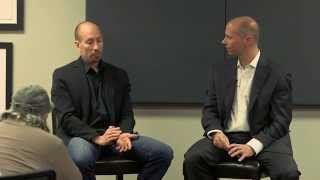
Live I Love Marketing meetup (Dec 2014) where Joe Polish leads entrepreneurs through goal-setting (R‑factor), peer coaching and practical marketing strategies. Core themes: direct‑response marketing (write a sales letter, education‑based marketing), pricing tied to ability to sell, building capabilities to match opportunities, productivity filters (ELF; not‑to‑do list), Dan Sullivan’s frameworks (5 ways you get paid; M = O − C), and a proposed Genius Crowdsource Blueprint (using platforms like Fiverr/99designs/Herox to run incentivized contests to reach marketing goals). This chunk (closing segment) emphasizes contests and incentive-driven campaigns — how contests, challenges (Ice Bucket), and donation-matching (Dean Graziosi’s campaign for Make-A-Wish) create urgency, engagement and exponential results. Joe proposes charging attendees $100 to test if paid commitment increases attention and pledging proceeds to organizer; he stresses legal structuring of contests (spokesperson vs. lottery) and gives examples of charity viral campaigns and contest mechanics (24-hour urgency, calling out others).
Chapters
So welcome to the last I Love Marketing Meetup group of this year. And so the purpose of this one is to help you think about your business, how to help you multiply your business. As my good friend Dan Sullivan says, the problem is not the problem. The problem is how you think about the problem. So all of you have things that are going on in your personal and professional life that you would probably consider problems, things that cause you stress, challenges to overcome. And of course, all of you have opportunities that you want to make reality. Because what entrepreneurs do is they make it up and then they make it real. How many of you have your own businesses? Okay, cool. How many of you work for somebody right now and you don't want to work for them anymore? Including people that work for me that raise their hand. It's like, I hate that guy. Buys nice cars and doesn't give us any money. I'm a bad person. But those of you that are brand new here, you'll realize that as we go along. So, Charlie, since you are the one that keeps the local I love marketing chapter together, I'd love to have you say anything that you would like to say to the group. Anything you would love to.
Anything I'd like to say.
You can insult people. You can, you know, do whatever you want. Absolutely not. No.
I'm happy we're here. It's our second annual holiday party here. So we've had the group now away from the Peron office for two years. And last year we met and we had this meeting and then we're doing it again.
So I'm happy to be here.
Really?
Yeah. And give her a big hand because she keeps. Yeah. Seriously. Thank you. Thank you. And Dan is, I guess, for lack of what else we call it, we don't do titles very well here at Piranha Marketing and Genius Network because we believe titles equal entitlement. And as soon as you give someone the title, all of a sudden it may establish some sort of hierarchy. And no one is as superior as I am. So we don't want. I'm totally kidding. But Dan is like the CEO, so he pretty much runs the company and team meetings. And he's a great strategist, too. He also had a company that was, I think, doing about 25 million a year. Before he sold it, he had 175 employees. He's a very smart marketer and he knows his stuff. So give it up for Dan. Dan, you want to join me up here?
Yeah, slide over.
Sure. All right. Yeah, I was going to try to put you right here. But yeah. So basically, what I'd like to do before we get started is have you think about the R factor question, which is, if we're going to meet a year from today, next December, what needs to happen both personally and professionally in your life for you to feel happy with your progress? So if you could think about that right now, if you have any paper where you could write down something like, what is a goal? Is it a fitness goal? Is it a certain level of income? A certain type of client? Something to do with your family? I mean, you're working because you want something, you know, freedom. You want money, whatever you want. I'm going to try to refrain from talking all Tony Robbins. I just spent the last seven days with Tony Robbins. I went to Date with Destiny, and I've been helping Tony with his new book, Money Master the Game. Has anyone ever been to Date with Destiny? Yeah, that's why I got a cold. I mean, like, literally 16 hours a day. You don't get enough sleep. They don't take any breaks. You have to bring your own food or eat the crap that's sold out in the hotel. And everyone's screaming their asses off. So it's like a cesspool of people that are just motivated and totally excited. And he gets everyone in the state, and. And of course, Tony does stuff that I don't think another human being could possibly do, but I've been screaming my ass off for the last six days. And then Rochelle, she went with me, and Eunice, who's downstairs, went. And then who else went? Christian Cattuccini. But he talks about the reason that everyone's trying to do what they do, make money or whatever, is they want the emotional feeling that comes with having money. But we're not going to go there. It's going to be very superficial. And maybe you just want material items. You want a new car, Whatever it is, you can go de. Go ahead and write something down. So who has something that they would like to share? Because I would like to use the time we're spending together to help you get to where you want to go. Yes, sir. And say your name. And. Michael. Michael wanna. I'm about to launch a new company. It's an online presence of B2B company. I'd like it to work. Like it to work. Do you have a company right now? Yeah. Okay. Is that company working for a company? Oh, you work for a company. You going to quit, or are you going to stay at your current company? Yes. Okay. Does the current company you work for know you're going to quit? No. Okay. Do you want us to send this video to them just to give them a heads up? No, I'm totally kidding. There's a transition period. Yeah. Yeah. Well, look, everyone that's going to start a company works somewhere, you would hope. I guess the other officers are leeching off the government or something, but no. So when are you going to. Is the company already started or when are you going to do this? Let's start it now. Except it's Christmas, so we're going to wait till what kind of company it provides the business to business Chat product and some other stuff. Chat products. Okay. Okay. All right, awesome, thanks. Who else? Someone raise their hand over?
Yes, I'd like to systematize some my business and launch it online and actually have a following of 10,000 or more.
A following of 10,000 or more. Okay. What are they going to be following? Are they going to pay you? The 10,000 people are going to pay or are they going to be free? Is it going to be a blog, a podcast, a video series, YouTube channel? What is it?
It will be a training and development which will be a combination. It'll be basically a blog style, but it will be a training and it will go out over 12 months and integrate various styles of training from video to written to interactive lesson plans.
Okay, and currently you coach people, I think one on one.
I do. I coach people one on one and in small groups currently. And I also like that to be an access to much larger groups that they can come in once a month and do a live training with me.
Okay. And is it over the phone, Skype in person, or all the above?
The above currently. But the live training, I'd like to offer it monthly via some sort of Skype or video offering, and then maybe once or twice a year, allow people to come in and do fake, you know, Tony Robbins.
Right, right. Big groups. Yeah. Okay. Who is your ideal target Market?
Innovative. You're aligned leaders. So in other words, people that are more likely to follow their heart than their mind. They're not just chasing the money, they're chasing a mission. And they're innovative. They have something that they see is a gap in the market. And they don't need gigantic audiences. They need those markets that they see an opportunity that will better a lot of people just by serving that one market.
Gotcha. Okay. Yeah, you can definitely narrow it down to women, to specific industry, to religious belief system, to sexual preference. I mean, there's a million different ways that you can narrow.
Clientele's currently really diverse but I'm totally willing to like hone in on entrepreneurs if that's a good place to hone into.
Yeah, yeah. Cool. Is there anyone here that's in the professional cleaning or restoration industry, which is where I started. One, two. Anyone else? Three. Okay, awesome. What are your guys goals? What do you want to do in the next year?
Just starting up a business. I wanted to with a year to be turning $100,000 in profits.
Okay, cool, awesome. Thanks. Yes. What about you? And if you guys, if you really don't like being called on, just say I pass. We can act like it's a 12 step group or whatever if you don't want to talk. But I'll, I might call. I have primarily a janitorial business and from that we spun off some carpet cleaning, air duct cleaning and tiling route and we're looking to double our janitorial business and bring on a truck mount system for our carpet cleaning side. Okay, cool. So if, when you say double, would you care? Is it doubling the revenue or doubling the clientele? Doubling the revenue. Okay. Yeah. Okay, awesome. You double your prices or you can just work twice as much as you're currently working right now. One of the best ways to double your business is just whatever you're working right now, just double it. I'm listening to your 10x podcast and it says if you have a goal of going by 10x, you ought to hit 2x. Yeah. Growing 10 times is easier than growing two times because there's more juice, there's more enthusiasm, there's more motivation. And if you think at that level, not just give yourself bullshit affirmations about it, but truly say okay, what is the setup that I need to have in order to have the conditions of growing 10 times? You're there's probably much more likelihood that you will do that. You want to share? Yeah. I'm in my second month of business.
I just started a professional carpet telegraph business.
How many? Three. Okay. How many have now? One. Okay. How many employees? Two part time guys. Okay. Any of you done this before?
I ran another company for about a year.
Okay. I like female owned cleaning businesses because they just have a different. It's funny about carpet cleaners, most of them are male. And those of you that don't know, I started my marketing business after being a dead broke carpet cleaner. A lot of you know my story. I was living off credit cards. I was paying money to actually stay in business. It was costing me more money to have my business than I was actually bringing in. Have any of you been in that situation before where you're actually paying to have your company? It's a really dumb way to work because people will hire you and pay you minimum wage, which is better than paying to go to work. But of course I was unemployable. I didn't really want to work for anybody. And I had the entrepreneurial desire to have my own company and all of the things that seem like the benefits of that. And I read a Gary Halbert newsletter. So I started learning about the power of words and the power of copy. And so that's how I, I applied it to this small carpet cleaning company. And I went from $2,100 a month in average gross sales back in 1992, within a six month period, I was doing over 12,000amonth in revenue simply by changing the words and the campaigns and the promotions. But I learned how to successfully sell something nobody wants to buy. And the interesting thing about being in the cleaning industry is that it really helps you learn how to be a better marketer when you're selling things that nobody really wants when they're kind of resistant to buying it. And it allows you to understand the psychology of influence because selling is influence and marketing is storytelling. So if you want to make more money, tell a better story, if you want to get different clientele, you need to tell a different story. And your marketing is totally contingent upon what you say and who you say it to. On I Love Marketing. Some of you are here for the I Love Marketing. Well, all of you are here for the I Love Marketing Meetup Group. But it's started out of a podcast that me and Dean Jackson, who is just a brilliant guy who I've known For damn near 20 years, he started in the real estate industry and a very similar story to me. He was just a struggling real estate agent and he learned marketing because he needed to make his business work. And we studied the same stuff. Read Gary Halbert. Dan Kennedy started applying it. See, because a lot of people read stuff, but very few people actually apply it. And my strategies that my company has shared and sold and offered to people has generated over our ads and promotions and campaigns and processes that we can track, has generated over $2 billion in revenue for our clients. I've sold tens of millions of dollars worth of marketing programs over the years and have the highest level of mastermind group in the world for marketers. We have 156 people that pay 25 grand a year whenever I Speak. My typical gross revenue that I'll bring in when I speak right now, based on the way we're running, is about 150,000, 175,000 a day. So I don't do a lot of speaking because most people aren't going to pay me that and I have to fly somewhere. Whereas I can do this stuff in this office, in this room with people that are running multimillion dollar companies. So the benefit is we get to hear just some of the best marketing strategies. Brendan Bouchard's a paying client. Mike Koenigs, Jeff Walker, Dr. Daniel Amen, David Bach, Dan Sullivan, Peter Diamandis. I mean, just a whole slew of just JJ Virgin, a lot of health people. So we get the benefit of hearing all of that. However, it all started from just needing to figure out marketing so that I could survive. And so marketing was the single most valuable skill that I ever learned. And I think marketing is everything. Peter Drucker, the late Peter Drucker said, how many of you do not know who Peter Drucker is? How many of you know who Peter Drucker is? Just trying to see who's lying. That won't raise their hand whatsoever. No, it's fine. I mean, a lot of young people would have no idea who Peter Drucker is. But Peter Drucker's considered probably one of the greatest management minds ever. And he wrote the Effective executive in the 1950s and I highly recommend you all read that book. It's a fantastic book called the Effective Executive. He was all about creating results and being effective. One of my favorite Drucker quotes is, there's nothing more useless than doing really well that which need not be done at all. So a lot of you probably do things really well that don't produce any results for you that you're really damn good at and are completely irrelevant to helping you multiply and grow and, and build your business. And there's other stuff that probably makes all the difference in the world. And are you aware of it? He said, primary purpose of business. The primary purpose of business is to create and keep customers. Marketing and innovation produce results. All other business functions are costs. And if you break that down, the primary purpose of business is to create and keep customers. How do you create and keep customers? Marketing. Marketing, Exactly. And everything else is a cost. Innovation and marketing, that's pretty much how you will build and grow your company. So the whole key is to whatever degree we can answer questions, we can share strategies, I'll share one methodology, a process that we're doing that we've only shared with our 25k members. It's still in the development stages. So I'll just kind of give you guys an idea of how to think about it. Dan oversees a lot of campaigns. I mean, we spent 363,000 on full page ads in Forbes, Fortune Inc. Success, Entrepreneur and US Airways magazine last year. And I think we've developed a methodology where we can produce probably 10 times the result for 10% of what we spent last year. And no one's doing it. And you'll be the first group of people that I've ever shared this with outside of people that pay 25 grand to hear this shit. But we'll share that later. And then Dan's running Facebook campaigns and putting together all kinds of stuff that I'm completely oblivious to because I'm sort of an oblivious person and I'm sort of just riding on fumes. I did a few smart things a few years ago. Now I just kind of coast. Just kind of.
Yeah, just coast.
No, if I had all. I'm going to grab my water. If I had all the money in the world, I would still. Thank you. I would still keep working. I have no, I mean, at least right now in my current state of mind, I have no thought of ever retiring. I mean, you know, I'm here to produce in the world and you know, if you're working right, it's awesome. And if work sucks, it's frustrating, it's messy, it's anxiety provoking. Yeah. Ten years from now we're going to have gamified artificial intelligence that helps you think and make decisions for it. People will be having, and I'm not saying this to just provoke a crazy response, although it will. People will be having sex with robots. There will be self driving cars. If you're going to go buy a pair of shoes, you'll go to your computer and you'll put whatever color you want, whatever designs. It will be 3D printed part of it, and it will be delivered to your doorstep the next day. Completely personalized clothing will be that way. Everything will be the Internet of things. So toasters and refrigerators and AC units and things will all be interconnected. There will be a lot of cyber security crime because people will be hacking your homes, people will be hacking your clothes because your clothes will have, you know, the way they. I actually did an interview with Mark Goodman, who is the top cyber security expert in the US maybe in the world. And he. That was about a week and a half ago, two Weeks ago. And his book Future Crimes comes out in February. And he's been a consultant for Interpol. He was the futurist for the FBI, former police officer. And you know, he was telling me about how they, you know, broken the target. Although you can find this stuff online, I just didn't know. But remember the hacking of all the credit cards at Target? Does anyone know how they actually got into those? Got people's credit cards through the heating, air conditioning unit. Because there's, there's a computer, the guy that mans a computer that controls all of the stores for the right temperatures. But it's all on WI fi codes. But they were able to get into that and then trace it and go through everything that they could link and get eventually into the cash registers where they got access to people's credit cards. So he has a chapter in there called Home Hack Home. Now the reason I'm telling you this is because to make you paranoid, technology is amazing and it's complex and the people that are going to make the most money in the future are the ones that are going to learn how to bring simplicity to the complexity. So as we get in this ever increasing, amazing, bizarre, interesting, super fast changing world, you know, there's always going to be all kinds of opportunities and, you know, problems. The reason I bring this up, you know, listen to my interview with Mark. When we put it out, it's going to be put out on I love marketing as a bonus episode and read his book futurecrimes.com and you will have a lot of insight on how people sell stuff. There's even a company that it's a like software as a service, it's like crime as a service. And there's a company that actually has a 24 hour 800 number where you can call and they will literally teach you how to commit crimes. And they can't trace these people because they keep jumping from different. It's just nuts. So anyway, why am I bringing that up? It's just really freaking interesting. And there's a lot of things that most people don't know that they don't know. And if you want to make a, I mean I'm of the personal opinion that we could have a worse economic crash than what happened in 2008 in the next year or two. Now I hope that isn't the case. But if it does happen, the people that actually know what the hell they're doing can make millions. And the people that don't can be absolutely destitute and lose a lot and the value of the dollar. But again, so that being said, what we would like to do is help you think about your business, think about marketing, think about strategy, and cover whatever we can. So.
So should we tell them about the bonus too that we're going to do tonight?
Sure.
So what we are going to do is, number one, is provide multipliers that you can walk out of here with that we've been using with our 25k members and or gotten from our 25k members as many as we can. As I interview Joe and he can give you his best condensed wisdom in 40, 45 minutes, then we're lucky enough to have Shawn Stevenson here, who you're going to actually get a chance if you want to participate. We'll take a break, but after the break, Shawn is actually going to help us do a case study that if you want to participate, you can. It's just going to be a fun. You know, Joe talks about marketing is theater, and you're going to get example of staging theater to help edify Joe. There's an incredible story of what impact that Joe has had on Sean's life and vice versa. And if you want to participate in that, you can. And I think you'll get a lot out of it if you do and walk away with things going, wow, that's a unique way that I can put this transformational idea in my business to grow, multiply, advance, and accelerate what I'm doing to go to another level. Right, so with that, you want to jump into it?
Yes, yes. And by the way, since those of you showed up late, I do have a cold. So I'm not going to really work hard to give good advice. I'm just going to sit here and just sort of, you know, I mean, my feeling bad is really. You're going to be the bearers of that, unfortunately. I was trying to be funny. Kidding. I'll do the best I can. And by the way, if any of you do not like what it is that is shared, ask for a refund. Yeah, we'll give you a refund. And you can have two cookies. You can have two cookies. I will pay for your gasoline to drive home and. And whine about how it was bad. No, but in all seriousness, we have some great content on I love marketing. If you're not an active listener to it, we interview some of the brightest, sharpest people on the planet. Me and Dean have just some great conversations about everything related to the before, during and after unit of your business. Because all of you have three stages of your business. The before unit, what you do to generate business, the during unit, what you do while someone's interacting with you. And then the after unit after someone's giving you money. How do you deliver awesome service and get repeat business and orchestrate referrals? So it's put into a structure. And that's the whole purpose of I love marketing.
Knowing what you know now, what is it you would do differently in running your business?
Oh wow, that's interesting. I would, I would focus on creating the most powerful offer that I could to an audience that is responding to it. I would fish with the very best bait I could. You Talked about spending $2,000 on the first set of videos. I bought a $2,000 set of VHS tapes called the Atom Bomb Seminars from Gary Halbert. So the greatest discovery I ever had was I learned direct response. So direct response is learning how to use powerful words, powerful offers, emotional copy, sense of urgency. There's elements of a direct response ad. It's not just getting your name out there like brand building, it's getting your name out there and getting a response back. So when I learned how to use education based marketing to educate back in those that period of time, carpet cleaners, prospects of carpet cleaning, how to make a buying decision, how to hire a carpet cleaner, I totally shifted what people were responding to because all my competitors were using price advertising. So what I wouldn't change is using education based marketing. And I do believe that the number one thing to start improving your marketing with every business, I don't care if it's a product, a service, online, offline, I don't really care. Anyone that will argue against this is an idiot is write a sales letter. The very best thing you could possibly do for yourself is sit down and write a letter crafted so it would compel somebody to do business with you. And if it didn't work, you would have your head blown off or your family if you don't care about yourself enough like they would kill your children or something like that and literally put yourself in that pressure mindset. So you would have to sit down and, and write the most compelling and the most convincing and the most powerful communication that you could just to go through the process of really instilling the belief that you have in yourself because it's very hard to sell something if you don't have a lot of enthusiasm for it. And if you can't muster the enthusiasm or you can't produce that level of without even having to be a writer. Here we got Jeremy over here who's a professional copywriter and you can pay him to write a letter for you. So if you can't write yourself, you know, I would always say talk, talk into a. You know, I mean, you can freaking do this on Siri now. I mean, it's kind of clunky still, but I mean, it's easy to get something transcribed today. So I wouldn't change that. What I would change is that it is just as difficult to sell a singular sale as it is to sell a continuity sale. So that's one thing. It is just as time consuming and it requires as much effort to get someone to buy from you once as it does to get them to buy from you over and over and over again. Versus selling a day pass at a gym, versus selling someone a gym membership or like a month pass. So the more that you can sign people up in any sort of subscription service or any sort of continuity do that, that would have made me millions. It took me years to realize that.
So a lot of people seem to confuse marketing and selling. I know early in my career, my teens and twenties, when I had my first company, I know I did. And what would you say is the difference between marketing and selling?
Okay, well, my whole shtick that I've said a million times is that selling is what you do when you're on the phone or face to face with somebody. Marketing is what you do to get someone on the phone or face to face with you. And if you do your marketing right, write sales letter, write, offer write list, by the time they end up talking to you or your team or visit your website or go to your order page, they're pre interested, pre motivated, pre qualified and pre disposed to give you money. Pre interested, pre motivated, pre qualified, pre disposed. So it's positioning. So marketing is selling in advance. If you can remember that selling in advance is what you want, then if you do your marketing right, you don't have to hire salespeople or as many. And if you do have salespeople, you've dramatically enhanced their ability to sell because you're delivering to them. People that have already been put through a process, it's kind of like, let's just assume that everyone here is not a vegan and you eat like steak. Okay, well, marketing would be a cooked steak, not having any. Marketing would be trying to sell someone a raw steak. I mean, it hasn't gone through the process yet. It would be a different sort of experience. And people, when I read the E Myth by Michael Gerber back in 1997, I'm sorry, 1997. In 1992, he ended up hiring me for consulting in 1997. When I first read that book, it was all about sales, setting up your company like it was a franchise. What if there was more than one? So if you had to have 50 locations or if you had to have 100, and he would use McDonald's as an example of a franchise, a turnkey system. And the whole book was based on systemizing and automating things. And the thing that clicked for me was what if you automate and systemize the most important function of a business? Going back to Drucker, you know, marketing and innovation produce results. What if you could systemize selling? That's what marketing does. It systemizes and automates selling. But not the marketing that they teach in most schools. They'll teach brand building, they'll teach logos. I mean, all of that for small business owners is just nonsense. But it's really hard to argue against it because, oh, you don't want to have a good brand, you don't want to represent yourself. And so it's like if you say to someone, don't focus on building a brand. It's almost like they interpret it like you're telling them to be evil or something. It's like, no, talk about the benefit. No one cares about your company name. No one cares about anything related to you unless you give them a reason to care about it. What they care about is themselves. People are self interested. There's a couple of books. There's ones like why Not Socialism? Which is one of the biggest books pro socialism. And then there was the argument against why not Capitalism? And what's said in the book why not Capitalism? It's not that socialism would be bad for the planet. It's just it's bad for people. Human beings are bad for socialism. It doesn't work. It's a horrible system. I mean, I just did the fourth episode today with we did a four part series of 10X talk about social entrepreneurship and how, you know, calling anytime you put the term social in front of something, it demeans it. But people do it so they can dress up like entrepreneurs and get invited to the right dinner parties. And then if you're anti, like, oh, social entrepreneurs, people think you're evil. It's like, no, I mean these are just leeches that try to disguise themselves as. Anyway, listen to the podcast, it'll give you a bit of perspective. One more thing I want to mention before I forget, Price. Do you know how much the formula for some of you already know this because you heard me talk about this or you just know it. Someone that doesn't know the answer. Do you know what the formula is for how much to charge for something? Any idea? I mean, how have all of you, how many of you have things that you sell and you have a price? How did you come up with the price? You guess. Yeah, but how do most people guess? They look at the. Yeah, they look at competitors. That's where marketing incest comes in. Everyone does what everyone else is doing and like real incest, pretty soon everyone gets real stupid. And so that's horrible. Dan Kennedy taught me that. So blame him if it sounds right. But that's what people. Anyone else. Is there any other formula that you use to come up with how much you charge?
I just kept trying to charge more than people were willing to pay and eventually as I got more confident, my prices went up and more credibility. My prices went up. So now I charge more than most people in my market.
You said something really important, which as soon as I got more confident, my prices. It's all about. This is all a confidence game. This is all a confidence game. And some people are really good at marketing, but they've never been able to get a check for it. They think, think about it, they read books about it, they tell other people about it, but they never roll anything out. They'll try a little test here and they might spend 20 bucks and they'll make 30 bucks and they don't realize, well, if you spent 2,000, you might make 3,000, and if you spent 20,000, you might make 30,000. And if you spent 200,000, you might make 300,000. There's a big difference between making 10 bucks on running a small Facebook ad versus getting to the point where you reinvest the profits and. And you literally start running a multi million dollar business. And so it does come with confidence, but confidence. I meditate every day and you can sit and think like confidence. I want to be more confident. I am grateful. What I believe though is it's generated, it's generated by action. I mean, if you take the most freaking attractive, good looking rich guy who's shy and has trouble asking a woman out, and you take a bald, ugly, smelly Bulgarian who's vulgar and nothing against Bulgarians or bald people or any of that. I'm just trying to make an example vulgar. But that person goes out and asks women out for their phone numbers, for their emails on a date, and the other person just sits around at home Watching videos of Eben Pagan or reading the Game by Neil Strauss or whatever, reads books, both of which are great friends of mine. I mean, I just spoke at Eben's last event that he's doing in the dating genre. When was that? Like a week and two weeks ago. Whatever, you know, you. I mean, look at Sean Stevenson, right? They always says I have a hard time. Like, he's married to Mindy. This little man can get laid. Exactly. If this little dude can get laid, I don't want to hear anyone bitch about you. Can't like get a sales letter in the mail. I mean, you know, friggin send a postcard. This marketing shit is so difficult. He doesn't walk, okay? He's a rock star. Okay. Because he takes action. And he actually. And see the beauty though, is Sean. And we'll have Sean talk a little bit later. His mission is to rid the world of insecurity or at least rid the people that come into his world as much as he can. But he first had to do that to himself. And being a convert of your own system gives you confidence that you're not going to get any other way. So pricing, the thing I was going to say about the formula for how much you charge for something is based on your ability to sell it. That is the formula. The better you become at influencing, the better you become at telling a story, the more you can charge. I've said this a million times. If you go out and buy a Timex for 100 bucks, you're buying a watch. If you buy a pebble watch, you're buying kind of a cool, you know, techie watch. If you go out and buy a $10,000 Rolex, you're buying jewelry, you're buying status. And so I would, going back, I would have focused a lot more of my energy knowing that there's a segment of the population that does not feel psychologically good unless they spend a lot of money. Because you know where the biggest opportunities are with people that no one is hitting up in quite the same way. And no matter what business. What business are you in? Construction equipment. Construction. What about you, sir? Real estate. Real estate. What about you?
Video production.
Yeah. You, sir? I'm not in any business. Well, I'm trying to get into trading. Trading. Okay. Online trading. Okay. I'm thinking of doing consultants consultation. Gotcha. Once I get my trading consistent. So I'm thinking of how do you build it? And that's what I'm trying to figure out, what marketing is. I've been listing to Podcasts. I've been listening to your podcast. I've read the Michael the Education of Millionaires. Oh, yeah. That's how I got your. I think I. That's how you heard about me. That's the first book ever where they wrote about. Yeah. My crazy childhood. That was very inspiring. So good. Thank you. Yeah. So you want to be a consultant. Okay. Who. What about you?
Direct response copywriter.
And what's your business? Consulting. Consulting. What about you, sir? Both of you? We'll go. Oh, okay. Both of you? I do consulting at the moment, but I want to transition to doing some sort of product as yet to determine. Consulting on what? It's just high tech stuff. Engineering science related stuff. Okay. And you want to put together books, courses, seminars, that sort of stuff. Part did you want to put together, like, training? I don't want to keep doing that. I want to switch to doing some sort of product. Oh, okay, okay, cool. But I haven't determined. What about you? What's your business? I do fitness consulting and coaching. Like, just teach people how to eat, how to work out, or do you just everything outside of the gym? So helping them with eating, putting together a workout plan. Okay. Kind of the whole thing. How do you charge for that? Well, actually, I got my first client probably four months ago, and I've studied your stuff for probably two years. Oh, okay. So I wanted to. I wasn't sure how I was gonna charge, but I sat down, we had a conversation for probably two hours, and I just taught him everything I know. At the end, I said, well, you want me to help you kind of go about implementing it? And then I said, 500 bucks? He asked me, I said, 500amonth? So he said yes. That's awesome. We've been working together ever since. And now I'm just trying to help him as much as I can and then grow it. Yeah. And by the way, if you do that about 10 times, you'll be at the point where you can charge 5,000 for the same exact thing. I just. Right before coming over here, I mean, it's been an interesting day. I did a couple of podcasts with Dan Sullivan. Then I went and drove and met with a guy who is a coach, and he's a business coach, and he charges 150,000 a year and I may hire him. I've been contemplating hiring him or Tony Robbins. Tony's a million a year, but Tony's like, you know, he's a nutcase. And I don't want to. I mean, I'm kind of I'm sort of a wussy and he'll beat you into submission. But you know, it's like, but part of it I just wanted to see like what, you know, what does he say, what does he offer, what does he do? Because he's told he has one slot left available, a two hour slot, he's totally booked and you know, people are on a waiting list to pay this guy. You don't have monthly or month? Year. Yearly, two hours, two hours per week? Yep, yep. For a year or a year. And you know, and part of it is I'm going to start a hundred K group. You know, I have six people that will pay me 100 grand as soon as I say I'm starting the 100 K group. And part of it is I try to walk my walk and talk my talk. You know, I want to know what it's like to see. Because when I was a Deborah carpet cleaner I would charge people fees that I myself would not pay. And that's a hard thing to psychologically do unless you really instill the value of what you offer. Which is why a sales letter is such an important thing. Because you want to sell yourself on what is it you're doing first. Because if you cannot convince yourself that what you're doing is an enormous value, then you sell from your heels. You know, you know what selling from the heels is where you kind of like, you ask for the clothes but you're really not into it. You're sort of afraid. And the confidence actually comes from the validation and the edification that you're actually creating value. So the question for all of you is whatever business you think you're in when it comes to making money, write this down somewhere, put it on your computer, remind yourself you're in the arithmetic business. That's the business that you're in. And if you can't make the arithmetic work, then oh well. One of the things that I've done to help professional carpet cleaners literally get them to raise their prices 10%. So you take the average carpet cleaner, based on banking information of the profitability of an average carpet cleaning company. The average carpet cleaner, not a very high priced one, but not a bait and switch, but a middle of the road average carpet cleaner around the U.S. i had these numbers done years ago by Larry Stymetz who wrote a book called how to sell at prices higher than your competitors. The average cleaning company can raise their prices 10% and they can lose up to 40% of their clientele and still maintain the same Net bottom line profit just by a 10% increase. So I got all these carpet cleaners that are charging X dollars a room or X dollars a square foot. Get them to do a 10% price increase. You think you're asking them to go commit murder. It's like, oh my God, I can't charge 10%. And I have to say, well, do you really think that you're going to lose 40% of your clients now? If you do, who gives a shit? Because you're still, as a matter of fact, you're still at the same net bottom line profit. You have less mileage on your vehicles, less gasoline, less chemicals, less equipment, less labor, and you're still making the same. Now what if you doubled your prices? What if you actually, what if you didn't lose 40% of your business? If you raise your prices, three things will happen. Your sales will go up, your sales will go down, or your sales will stay the same. And what usually happens is they typically stay the same. If your industry is so commoditized that literally you're going to lose the whole slew of your business based on price, then look at another business to get into. But the bigger reason is they don't instill enough value in why they charge what it is they do. Pride of spending is a really great element. A lot of you here could absolutely transform your business. Even if you didn't learn anything more about marketing just by leaving tonight and increasing your prices by 10 or 20%, it would transform many of your businesses.
Yeah. One other way I think I've learned from you of looking at marketing and pricing is it's like field position. In football, we all do marketing. We either do it really great or we do it mediocre, or we do it really bad. And if you think about the sport, football field position is everything. If you get a kickoff and you basically down it at the one yard line, you got 99 yards to go. Your business, you're low priced, you're commoditized, all those types of things, you get a good return. Maybe you return it to the red zone, you've got 20 yards to go. I mean, great marketing you talk about sets people up so that they're pre disposed, pre qualified, pre motivated and pre interested and ready to do business with you. And so the key is with your pricing and or your messaging or your storytelling, it's all about that field position. All of us are doing it. It's just, are you setting yourself up? You got 99 yards to go or do you have 50 yards to go or are you basically at the other goal line ready to put it in the end zone? And I think that's a way to really think about how you do it. One thing that comes to mind with all this, I don't know if anybody else is thinking this. How do I write better sales letters? How do I write better copy? And one of the things I heard you talk about was a technique from Gary years ago where he essentially talked about how you can get in the mind of the greatest copywriters in the world. I'd love for you to show that because I think that's something everybody can use here.
So when Gary would have copywriters that would want to learn and those of you that write professional copy, if you want to call it professional. Right. He gives a shit about professional as long as it sells anything. Yeah, I mean, I failed owning and operating a small business at Chandler Gilbert Community College and I got a C minus in marketing. So I have zero quote unquote professional qualifications to do anything. So basically if people would want to learn how to. He said, you really want to learn how to write world class copywriter? And they're like, yes. And he said, well, okay, so here you go. Here's a sales letter. Write it 10 times. And he would hand people 10 page, 20 page, 30 page letters. And these people would spend hours handwriting the copy because he wanted embedded into their DNA. He wanted them really thinking about it. It's actually a great process to really learn how to write. And you end up writing world class copy because you're just writing the letters and you're embedding the words and the emotion it will copy. And if none of you have gone through that process, I would recommend doing that.
I would say it's one of the most transformational, simple things that you can do to transform the way you communicate and, you know, reach people with your messaging with that. I mean, just one technique, taking the time to do that. So what pops up? Let's fast forward to where we're at today, where you're at the last 18 months, because you've gone through some huge. I've known you almost 14 years and the company's grown and all this different type of stuff. But there's been some other shifts that has nothing to do with marketing, but it has everything to do with marketing and more importantly, life and lifestyle and quality of life. And I've seen that. I think anybody that's been around you seen that and I'd love to discuss it because I think it's at the core for all of us. Because there's this idea that to be successful you have to be a certain way and give up and say sacrifice and all these types of things. And I mean, you've made some dramatic changes personally. And we've been lucky enough to, you know, we were with arianna, you know, Dr. Bruce. So I'd love for you to comment if you had to say what has been the biggest transformation personally for your that resulted in the business growing and also having a better quality of life. What would those things be? Because I think those would be great takeaways for everybody here too. Would you all agree?
Yeah.
Cool.
Well, okay. So I've gone to a million seminars. I'm a major consumer of personal development. Part of it is because I, you know, and I say this in a self deprecating way and I probably more and more do less of it except to make jokes. And people tend to bond with you when you tell them you're shit. And I believe you're as sick as your secret. So I love 12 step groups and I love things where you can actually disclose that. Sean's been an incredibly. He's basically a PhD hypnotherapist and really amazing guy who does these breakthroughs that he charges people a whole bunch of money, but he basically gives you the equivalent of five years worth of therapy in a day. And you walk out of there feeling better, but like he got beat with a bat in a good way. But the things that have probably had the biggest shift for me in the last 18 months is several things. One, I learned TM Transcendental Meditation in Fairfield, Iowa with, you know, we went to Maharishi University, got an award from the city. I thought it was a total setup to get us to come there, but we were on the Me and Brendan Bouchard, they gave us both awards. Me for the contributions in entrepreneurship and Brendan for being like a crack addict or something, I don't know. And we literally went to all of the different places in Fairfield where they do the brain scans on what meditation does for the brains. And we met with kids that have been doing TM since they were like 5 years old. And these are the most peaceful children that are just awesome. And really. So it really gave me a perspective. We went to the Golden Domes and all that sort of stuff. But I started doing meditation and prior to learning how to do TM I couldn't speak, sit still for like five minutes. My brain would just torment me. And I still have that. It's just really Gotten better and better. But it is a practice. It's like working out. If you just eat a great meal once, you ain't healthy. You just ate a great meal if you work out once. Some things just need to be so developing that as a ritual has been really useful. I'm always looking at I've had my brain scanned by Dr. Daniel Amen, who's a one of our Genius Network members. About a month ago we had Dr. Michael Bruce who's the sleepdoctor dot com. He's one of the top sleep experts in the world. He's been on Oprah, Dr. Oz, all kinds of stuff. So we've had him come and teach our 25k members. So one of the things that I really want to do is I want to reduce suffering for entrepreneurs. Some of the most driven, accomplished people on the planet are entrepreneurs. But because they have financial success, the world doesn't look at them as like, oh, these poor people making money. But as a matter of fact, those people work harder and care more and are more resourceful and are more diligent and make more sacrifices than people that don't do that stuff. But the difference is they're vilified, they're taxed like crazy and a lot of people just simply don't understand them. And so I really want to help entrepreneurs. So I sell people what they want, which is typically money, and we give them what they need. Once we get them in, our Genius Network group is like Hotel California. Once they're in, they don't ever leave. And we want it that way as best we can. But that requires us to have to create value for these people and they have to feel like it's truly a place where they're making progress. So going back to his fitness example here, working out critical, I get all my food from people. Pete's paleo.com they deliver it to me. It costs about 12 bucks a meal. It's better than I've had chefs. I've had all kinds of stuff. And it's simple. Eating is a coping mechanism. And if you don't fuel your body with good healthy food on a regular basis, your brain's not going to function well. Sleep is incredibly important. So I ran with a lot of help from a lot of 25k members, Arianna Huffington's book campaign for Thrive Redefining the definition of success. And I was drawn to that because I get caught up like any achievement minded entrepreneur, working too much or getting distracted by all these. I mean I'm super add, so I Do things to try to help with that. And we're getting ready to. The paperback version to Thrive is going to come out in March. And so we're going to launch a whole series of videos which Rakim, who's just an amazing video editor back there, I haven't even seen them yet, but while I was at the this Tony Robbins gig, he chopped up literally about five hours of Arianna Huffington video footage of me interviewing her with a group of Darren Hardy from Success magazine and Brendan Burchard and Dean Grazio, a slew of people. And we're going to literally put those videos out to the world to help entrepreneurs rethink what success is. And I get a real joy out of that. I just helped some therapists launch a podcast on. It isn't official yet, it's not publicly done, but we've recorded the first episode on sex addiction because sex addiction is a huge problem. I mean in Europe, the average 12 year old watches an hour of pornography a day at 12 years old. And so, you know, we're talking about cyber crime, behavioral addiction. You talk about gamification. There's going to be some gamification that's going to teach and educate and engage people. There's going to be other forms of gamification that's like Vegas. People are going to be like walking like slot machines. Like everything's going to trigger them and they're going to freaking. They'll die. And they do. People die in front of their computers from work exhaustion because their brains. So you know, I'm always looking at, I mean where we're at with surgery in the world is very advanced in some areas where we are with understanding the human mind. I still think we're in the dark ages, but in the last decade there's been so many advances with brain sciences. So I look at all that stuff, but it's all rituals. I mean, it's all rituals. I mean even we go into meeting with a guy today, I'll justify paying him 150 grand a year if I hire him because of what can it produce for me results wise. But really it's really about me. It's my own head trips. Christ, I could sit and pontificate marketing strategies. And I have people that I've taught how to make a lot more money than I've ever been able to do myself because it's all a behavioral thing. So constantly the biggest thing I got out of the Tony Robbins event is to exchange expectations for appreciation. So there's this quote that Krishna Khadachini said to me, it's an Indian proverb, which is, he who has their health has a thousand dreams. He who does not have their health has only one. And so everyone sitting here that's starting a business and you're going to leave tonight and you're going to drive home and you're going to. Maybe some of you are in relationship, maybe some of you are lonely. And the thing that causes you the most angst is you don't have a partner. Everyone here has had some level of trauma or something. What everyone here has, though you wouldn't even be sitting here, is the ability to focus on things other than just your health. Some of you are in great health. Some of you have health challenges. But I think about that a lot because the fact that I have the ability to build a company and grow a company and have dreams and have aspirations is the fact that I actually can function. You take my friend Shawn Stevenson. How long ago was it now? Three or four months. Four months ago. I mean, he literally, he had not broken a bone in 17 years. He has a brittle bone condition. He had over 200 breaks in his body by the time he was 18 years old. And most people that have his condition die or very miserable because they're constantly breaking bones. And through just sheer tenacity, wonderful parents that were supportive and encouraging. But him, the human spirit that Sean has, he was able to really rebuild, exercise, eat well. But he had a dog. First time he ever had a dog. And they were trying to as a service dog, they were trying to train, and the dog got spooked by another dog. The leash was tied to the wheelchair. The wheelchair tipped over. Sean fractured his ankle, his femur, his kneecap, bruised his ribs and cracked his skull and had bleeding on the brain. Me and Crystal, you know, went there the night that it happened, and I mean, he was like, thought he was going to die. And in that situation, the only thing that mattered was not. Well, for him, though. He's so concerned about his damn clients, he was still in lucid moments of the drugs, not wearing my seminar. I got my seminar in two weeks because he had a seminar. I was blogging from the hospital. Yeah, but no, but at first you were fucked up. I mean, you were just fucked up. So if any of you have ever. If any of you have ever been, it's been great for me. I feel really good about my life. Good. Look, just go home and do some shit on yourself. You'll figure it out. But it's like in those moments, though, the only Thing that matters is getting into a healthy state. But I'll tell you, had he not done all of the things for years, he would have died that night. I think. I don't 100% know that, but it probably would have happened because his body wouldn't have been prepared for it and his mind wouldn't have been prepared for it. The thing is confidence. What you said earlier, most important things to protect as an entrepreneur are confidence and gratitude. You can make all the money in the world, but if you don't have any gratitude. And I never really learned how to feel good about myself as a child. I didn't have a lot of support structures. So the personal development, the friends, the relationships, what I now call a genius network is like my support system. And I create a school and a support system for me because without it, I just wouldn't have the same perspectives, insights, actions and behaviors that I have. So I'm constantly, you know, I'm in no way, shape or form, you know, pretending that I somehow am better or no more than someone else in certain areas. I. I'm better than anyone else in the room in certain areas. And everyone here in a certain area in your life, you're better than everyone else in the room. Equality. Equality is nonsense. It's a fantasy world. It's not. Equality doesn't mean you treat people badly. It's just different people have different skills. So I'm always about designing skills and capabilities. So before we take a break, what I was going to say with the money thing, you as an example, because this applies to everyone. Hopefully everyone's hearing what I'm saying and they can see how it applies to you, is if you started asking yourself the question, what if I only got paid if I produced a result for someone? How would you change the way you explained it? How would you change the way you offered your services if everyone here tonight, there was some law passed that you could no longer charge for what it is you do in advance. You had to actually produce a result first. Not that this is going to happen, but if you actually ask yourself that question, you will operate completely differently than if you're just saying, oh, how do I write a better sales letter? Or how do I do this or that? And see, people are not willing to think. Most people don't think, they just copy what everyone else does and they just look at what everyone else is doing and they try to look at that. But you're so much more powerful when you ask yourself a more powerful question. You know, Edison had that quote If I had an hour to solve a problem, I would spend 55 minutes coming up with the right question in five minutes on the answer. So you would be well served to go to a library or something like the New Year's coming up. What I would recommend is the question that we asked you in the very beginning. You know, if we were to meet, you know, a year from today, what needs to happen both personally and professionally for you to feel happy with your progress? You should really sit down and think, think about the answer to that question. Because it's a good question. It's a real good question. Dan Sullivan came up with it and you should sit down and say what will happen? And then once you are clear, because fuzzy targets don't get hit and most people, they live in a world of fuzzy targets. I know people that are so much more intelligent and capable than me, and I'm not even clear. I mean, I try to juggle multiple different projects. I'm disorganized. Although I've interviewed some of the top organizational people on the planet. I mean, I have all kinds of weird, quirky characteristics, but I'm clear on enough things to where bumbling my way through life, I still manage to net over a million dollars a year, inspire tens of thousands of entrepreneurs and do all that stuff. And anyone that is diligent enough to put in the time and effort into a particular area can transform their life and transform their situation. And don't compare yourself to other people. A great way to be miserable is to compare yourself to other people. Compare yourself to yourself. Compare yourself to your own life and measure your own progress, not someone else. Because then you're fixating on what other people have and what you don't have. And none of that's all that useful.
How do you filter opportunities?
This is the biggest challenge that most of my genius network members have. When you're talented, when you're capable, when you know how to produce a result. And there is an infinite amount of people that would like your help. And that's one of the downsides. It's one of the main reasons I haven't written a book, because I have a real sensitivity when people send me letters or messages. On average, between social media and personal emails and phone calls and even faxes, I get between 50 to 200 requests a day. I get sent about 20 books a week that people would like me to look at, like me to read, and will tell people to go to hirejopolish.com unless it's a book that genuinely I'm interested in, you know, I mean, like right now I'm reading, you know, Brendon Burchard's well, almost done with that. But I read all these books and pieces. Tony Robbins book, Dave Asprey's Bulletproof Diet, Peter Diamandis book Bold, you know, and I get books, Future crimes. Yeah, future. All this, like. And these books, like, this is Peter Diamandis book Bold, which is going to be a massive best seller. This comes out in February. But I get all these books well in advance, like, long before they ever come out. Because I help people with marketing and stuff. And there was even a gentleman here that asked me during break, do you have time for 10 minutes after this thing? And I would love to say yes to that, but I've got my girlfriend here and I don't have 10 minutes after this. I mean, if I did, I have to say no to. So everything you say yes to, you say no to something else. And I have a hard time with that. I mean, really hard time. Because I wish I could help everybody. So some of the strategic ways. One of the reasons I love marketing the podcast is I needed, for lack of a better word, a dumping ground. All these people constantly. Can you help me with marketing?
Yes.
It's called ilovemarketing.com we have 180 hours of free content there, all kinds of examples of stuff. Go there and listen to it. And if someone doesn't listen to that, I mean, I tell people everything. Stuff that I charge people for, consulting. So having a place where you could send people where they can get training, even if it's free, is a beneficial thing. Now, what you said, Derek Sivers, who founded a company years ago called CD Baby, he has this thing where he's like, it's either a no or a hell yes. So if you have an opportunity that comes to you, if you can't say hell yes to it, it's probably not an opportunity you want to say yes to at all. So it's either no or hell yes. And that's really difficult to do. So I try to put things through a filter and part of it has to do with the idea and a lot of it has to do with the people. There are some people with great ideas, but they're despicable human beings. There are some people that are amazing human beings with mediocre ideas. What you want is amazing people with amazing ideas where it's the right fit.
And can you speak to the five ways you get paid? Because I know even as a company, our team now is working our best to duplicate you to help filter a lot of that by using the values that through Dan his five ways, you get paid. I imagine you could speak to that a little bit.
Yeah. By the way, since we say team, the way I filter a lot of this stuff is we have a team. I mean, if I didn't have a team of people, like, how in the hell would I get anything done? I mean, I'm a starter, not a finisher. I mean, I love to start things, but I hate finishing things. So I'm like a baton runner. I'm really good right out of the starting gate with a baton, but if I don't have anyone to hand it to in order to run the rest of it, I have a big pile of batons that, like, right out of the starting gate. But you know what I do? Instead of saying, oh, we better carry that whole baton around, no, let me just go start another one. And what I learned about myself is that when I get bored, I never believed in the concept of boredom. I'm like, how could anyone ever get bored? There's so many books to read, there's so many things to do. But then I realized, boredom, the way I experience it, is frustration. Even if I'm doing a lot of stuff, a lot of activities I just get bored with, I don't want to do it. So when I get really overwhelmed and I have mastered the art of putting myself into an overwhelmed state, if I get really overwhelmed, the one thing that takes stress off me is to add a new project, my plate, temporarily. It gives me a hit, it gives me a buzz. That right there is really fucked up. I mean, we're going to talk about problems, right? Listen, listen, listen, you little punk. All right, so. But here's the thing. Thank God that people have problems and bad news. Because all money that you're going to make, 99% of the money you'll make in your life is going to come out of other people's bad news. People don't make a lot of money off good news. And I've said this right before, if you're hungry, bad news. If you own a restaurant, that's good news. If you break a leg, bad news. If there's a doctor to go to that you can pay money to help fix it, treat it, that's good news. If you die, that's not good, that's bad news. If there's a mortuary, that's good news. It's not a great situation. But imagine if there were no mortuaries. Imagine if there were no doctors. Imagine if there were no restaurants. You're bored out of your mind. That sucks. That's bad news. Go to a movie, go to a comedy club, go to a, you know, whatever, wherever you go, hang out, you know, I mean, so transforming other people's bad news into good news is where money is made. So going back to my overwhelmed thing, I would like, literally add a new project to my plate. And so I finally learned that about myself, and I was like, this is insane. So the five ways to get paid. I learned this from Dan Sullivan at Strategic Coach. If you want to listen to 10xtalk.com that's the podcast that I do with Dan Sullivan. It's a whole podcast for affluent entrepreneurs is who we focus on, on how to build and grow a company 10 times. And so there's. I used to beat myself up because I would find myself working on projects and with people that didn't always pay me the most money, but I would find myself gravitating towards these things. And I'd be like, this is not how much I want to make per hour. And I'd go through a to do list and say, if I do this thing, it's worth X. If I do this one, it's worth X. Why am I working on it? Well, because it's not just about money. If you make everything in your life just about what's going to be the highest return? Then you might be engaging in prostitution, which is fine. If you know what it is, that's where you want to go. There's five ways you get paid. One is reward, where someone pays you with money, okay? So you get rewarded. And in a capitalistic world, money is usually the thing. You can also do barter, but you get rewarded. You're given something. The second way you get paid is people utilize you. They actually, if you're in the advice business like I am, you know, I can sell a book to some person or I could do a bunch of episodes of I Love Marketing or. And one person that listens to it and uses it is going to pay me in terms of psychological paycheck, much better than someone that doesn't even use it and says, hey, can you give me some marketing advice? Have you listened to. No. One thing I would say to carpet cleaners all the time, I have the best marketing strategies in the world by a thousand times. For carpet cleaners and restorers, if you take every franchise organization and combine all of their marketing, they don't have 110 10th of what we have proven for cleaners and restorers. But I'd have all these carpet cleaners for years. They would come and they'd buy my courses and I'd tell them what to do. And I know what to do. Not like advice like, you should tell someone how to split up with their partner. That's a much but strategy. Send this letter, people will call you. That sort of shit. So very scientific specific things. And they would come back to the next meeting and they're like, what's the next idea? It's like, well, I would always use the Emerson quote. You ask for a new idea when you haven't used the first one I gave you. But some people, they don't want to use ideas. They want to be the consumers of ideas. So if you're in the how to business, you got to understand with a certain level of conscience, produce stuff that's helpful to people, but know that a segment of the population is buying a ticket on the good ship Hope, as Cavett Roberts said. He was, you know, one of the founders of NSA National Speakers Association. You know, a lot of human beings are walking around the world with their umbilical cords in their hand looking for. For some place to stick it into in order to give them some nourishment. And they will stick it into religious organizations, they'll stick it into therapy, they'll stick it into gurus, they'll stick it into alcohol and drugs and pornography. I mean, people are just trying to feed stuff. So, anyway, I'm going on a tangent. Let me narrow this down. You start a new project. I think if I talk log enough, we'll have a whole new website set up for this show. So do people utilize you? That's the second one. Third is, do they appreciate you? Do people appreciate you? I mean, if you think of all your clients, some people actually are more grateful for what you have done for them than other people. Which means all people are not created equal. All consumers. Some people are great buyers. You know, Dan Kennedy would say, a good buyer is a good buyer is a good buyer. A bad buyer is a bad buyer is a bad buyer. And, you know, they're just. There's a whole slew of that. So do they appreciate you? The fourth way is, do people refer you? That's one way to get paid. Do they refer you? Okay, and then the fifth way is, does it enhance you? Does it actually make you better? I'm always surprised where. Now, granted, if you are not getting enough money to literally pay your bills, then you have to go to A job or somewhere. But there are certain people that would literally exchange $0.50 more. I've had people that have worked for me. They will try to go get a job at a place that they're not going to learn shit now. Maybe they want to be social. I had to let go of the fact that I see the world through my own eyes. What is important and useful and awesome to me may be terrible for someone else. There's no such thing as bad work in the world. There's this bad work for certain people. I could sit and say, I don't really want to mow lawns. And to me, that would be bad work. But there are people that love mowing lawns. Dan Sullivan talks about his bookkeeper, who he's had for 25 years. In the best that he can tell, she does the same thing day in, day out, sitting in the same place, inputting numbers, looking at things. And he asked her a few years ago, do you really like what you're doing? And she's like, oh, my God, Dan, I love it. Every day. It's brand new. He was just like, I just don't get it. I don't see anything that is brand new. So the thing is, you can't layer your likes and desires on other people. So it's going to be different. Some people, their number one criteria is money. So my criteria of how I get paid, I want to cycle. That's why we dropped one of the things that I was doing. Because the financial paycheck was there, but the psychological paycheck wasn't there. And the beauty of getting to a level of financial success. And I didn't have this for many years of my life as well. Walk away power. Freedom to walk away from bullshit relationships, bullshit projects, things that annoy you, things that are beneath your skill set. I mean, your whole life. I'll go write this down up here real quick. Something I learned from Dan. I don't know if I could actually. Can I erase this?
Yeah, take that out.
So some of you have seen this. I think we have a little video of me. I learned this from Dan. Here's if you have. How many of you have messes in your life? Yeah, Any kind who has no messes. Yeah. So you're all hosed up. Okay. M equals O minus C. What a mess is, is a mess equals an obligation minus a commitment. So. So if you are doing something that you're obligated to, like, go to this job, but you hate it for what you're getting paid and what you're doing the way you're getting paid, the way you're getting rewarded psychologically and financially is no longer, it is a mess. You have an obligation. How many of you are or have been in personal relationships or marriages that you have an obligation to stay married, but you're not very psychologically committed anymore. We always need to fix that. So especially me, because I'm nuts. Your life as an entrepreneur consists of this. You have a capability box and you have an opportunity box. Every person here in the room has opportunities. I want to make more money. I want to live in a certain house, I want to travel. I want to have a great relationship. I want to have a certain type of physical energy way you look. I want to spend more time with certain types of people. I want to learn how to ride horses, I don't know, whatever. So whatever your opportunities are, you have to have the capabilities equal to make it happen. So one of the things I would always tell professional cleaners, because I had to learn this stuff myself, is if I want to build a million dollar a year business, I can't do it with $50,000 a year capabilities. I got to have million dollar a year capabilities. So in order to reach your opportunities, you need to make sure that your capabilities equal your opportunities. And until you do that, you just simply will not make, you will not get them. And that's why reading and going to seminars and learning because the very best thing that we could possibly do on I love marketing a meeting like this is try to impart knowledge that will give you a capability that will show you how to do something. And if you increase that capability, your chances of reaching your opportunities are much greater. So sometimes we need management capabilities, sometimes we need technology capabilities. How many of you have bought a software CRM or an app that has given you a capability? How many of you use Uber? Anyone in the room use Uber or Airbnb for free? You have just downloaded a capability that you now use. If you use Evernote, what is Evernote? So you can have technological capabilities. Everyone that works for me, there's 1, 2, 3, 4, 5, 6 people in this room that work for me right now. They are behavior rental agreements. I am renting their behavior. I pay them money to do certain things. Now when people hire me, I'm a behavior rental agreement. So I don't say that to be demeanor. We're all doing that. If people are giving us money for what? If when people come to my 25k group, they're paying $25,000 a year to Rep my behavior and I better facilitate some sort of discussion or some sort of connection or some sort of knowledge that they're going to say, I'm glad I paid 25 grand for this, because if I don't, they're not going to give me 25 grand a year. And the same thing goes, it's a two way street. So everyone that works for me, it's really an investment. I mean, it's not a cost. Now there are such things as bad investments. You can hire people that just aren't very good investments, but you can hire people that really multiply you so that you can get capabilities by paying for capabilities, by hiring other people with capabilities. And the beauty is there's an infinite amount of capabilities that people are willing to give you for money, which is why it's so important to make money. Because as Dan Sullivan says, if you've got enough money to solve the problem, you don't have a problem. And so the greatest problems in the world to have are the ones that you can cut a check and no more problem. And then you're left with real problems like your relationship problems, your head trips. Like Jim Rohn says, you can't hire someone to do your push ups for you, you got to do your own push ups. But you can hire a personal trainer if you have money, you can buy better food. You have access to that sort of stuff. So sometimes the capabilities we give people, his marketing capabilities. And so here's what happens in your life. If you can remember your very first job. How many of you remember what your very first job was? Paying you per hour? What was it paying you? 335. Really? What were you doing? Where? Busch Gardens. Okay, sounds kind of sexual. All right, so who else? Who else? 675. 675. Doing what? Safeway. Okay, cool. Yeah, I used to. I mean, one of my very first jobs, other than I think I was selling acid when I was like in high school, was working at an aquarium where I would actually take care of tropical fish. And the guy that owned that store was an asshole. I mean, he just painful. But if you did that today, would you have a mess, a psychological mess? You'd have a. Where would you live? So the thing is, you develop capabilities in your life. So as you develop capabilities, your opportunities need to increase. So here's what happens. So after you develop these capabilities, say you become a world class marketer, but you don't change the clients or the prices you charge or the target market. You focus on. You still do the same things, then you have a mess because you have all these capabilities, but the opportunities are beneath you. So, so the job of the entrepreneur is always build more capabilities or pay for them or hire them or develop them or access them however you get them. There's many different ways to get capabilities. And then you apply them in a very resourceful, targeted, clear way into the opportunities that you want to reach. And then after you've developed these capabilities, you're going to have all kinds of other opportunities. Always. And sometimes these things are people. There are certain people that you have to get the hell out of your life because. Because you will grow beyond them. And so the skills that get you out of Egypt are not the same skills that get you to the promised land. The accountant that was good for me when I was doing half a million a year is not this right now I have a CFO, I have a CPA, I have a bookkeeper, I spend about part time CFO, I spend currently 70,000 to 100,000 a year just to have people count money because I hate looking at people. I love marketing math, but I hate P and ls. But if you don't look at the numbers, then you can be kind of screwed. You pay for these capabilities, but what happens is you have to either make your opportunities in your life equal to your capabilities or you're going to have a mess that requires you to say no. You either have to say, nope, can't do it anymore because I'm going to jump on something bigger, or you have to build it up. This is where most entrepreneurs, as they become more successful, successful, the money increases, but the aggravation can go through the fricking roof. Because success traps are harder to get out of than failure traps. When you're down and out and you have nothing to do but figure out how to survive. Because given the choice of starving or eating, most people if they have the capabilities, not if you're like in a third world country and there's no resources and you're government control. I'm not talking about that. I'm talking like in America, we actually have freedom, many freedoms, amazing things. The hardest thing for people is when they start making money. Like, how do you say no to stuff? How do you say no to certain people? And so part of what has helped me is just building up a tolerance to the crap that comes in, but also having the ability to say no and being okay. The last thing I'll say about this, this is an analogy, is Dan Sullivan talks about how many of you have Ever swam in the ocean? Other than. Hopefully everyone here. Has anyone ever not swam? Not been in the ocean? In the room? Okay. Once in a while, we see someone who's never seen the ocean. Dan talks about, like, if you were to go swimming in the ocean and you were to come out of the ocean and someone that you're there with said, you know, how was the swim? You would not say, well, you know, it was great, but I missed a lot of the water. I mean, you. No one would ever say that because it sounds ridiculous. But that's how we all are trained in a lot of ways, with this constant stimulation. See, the great beauty of manipulative advertising is you're not sexy enough. You don't weigh. You're not the right weight. You don't have enough money. You don't have the right makeup, not the right hair. You don't drive the right car. You don't hang out at the best. So there's always this messaging to instill how inadequate we are as human beings. And so there's this belief that, oh, we got to do this, we got to do that. And it's fascinating to me. But the thing is, there's always opportunities that you're missing when you're here right now. There's all kinds of opportunities you're missing because you're here. But you can't be at two places at the same time unless you leverage yourself through marketing, unless you leverage yourself through hiring other people. There's two ways to grow your business and leverage your business. You either do it through marketing, which will replicate the sales process, or you hire people. That's how you do it. But even then, you could do it in a very dysfunctional way, because you're just trying to conquer the world. You're trying to get everything done. Then you never see. So to wrap up what Dan was saying, I mean, elf put things through an elf filter. If it's not easy, lucrative, and fun, or you can't make it easy, because in the beginning, most things are not elf. They're half. They're hard, annoying, lame, and frustrating. So you can either have an elf business, easy, lucrative, and fun, or a half business, which is hard, annoying, lame, or frustrating. So hang out with people that are elf people. They have the ability to become that way, and you hire slow and fire fast. And then as you go through life, one of the best pieces of advice that I. All of you have heard this, but I really took it seriously, is someone told me when I was in my early 20s, be nice to the people you meet on the way up, they're the same people you meet on the way down. My criteria of how I decide who I'm going to go deep with is when you're hanging around powerful people, and I hang around powerful people all the time, is how do powerful people treat people that are not as powerful as that them? How does a really wealthy, successful person, man or woman, treat a waiter? Or if someone opens the door, do they say thank you? Do they have common human courtesies? Or are they assholes? Are they arrogant? And if people exhibit those sort of behaviors, I just want nothing to do with them. And part of it is it just makes life a hell of a lot easier. You're never going to have a great deal with a bad person. There's no such thing. And if it's too good to be true, it probably is. And a lot of these things are common sense. But I didn't pay attention to my. My gut. That's the beauty of meditation. It's given me a whole different sense of being able to pause long enough to say, because someone's like, oh, can I send you my book and read it? And I'll be like, I want to be an asshole and say, no, don't send me your damn book. But I'll say, yeah, you can send it if you want. And I'll usually preface it and say, I probably won't have time to read it. But I mean, I can maybe look at it. Maybe in their minds, they think, Joe's going to read my whole book and then give me three feedback on it. In my mind, I'm just. Now again, I'm working on even being better at it. And there are times where I was like, don't send me the book. I mean, as much as I would love to, I just can't do it. And I know one of the ways.
We do it with the company as well, on behalf of Joe, and it might be something you can borrow, is use Dan Sullivan's 5 Ways yous Get Paid as a filter too, in addition to ELF for Joe. We look at it and go, does this appreciate Joe in the company? Company? Does it enhance? Do we utilize each other? Is there referability capability? And then is there the reward? And if we can put plus plus, plus, plus, plus in all five, then we might go to a next step. But if there's a minus or a question mark in any of those, it's going to delay the process a lot, considering we get at least 15 a week. And I know you wanted to cover capability with the crowdsource blueprint. But before we jump into that, and then Sean's going to follow, follow up with what he's going to do.
And then we'll, by the way, can you guys go a little bit longer? We're going to maybe go to nine and then we'll try to how many.
Can stick around for Sean and what he's going to help do. And you guys can be a part of this. Look. Awesome. So in one minute or two minutes, talk about. Because one of the big tools in our 25k group is the not to do list, which people rave about all the time. So speak to the not to do list and how you can do it.
Yeah, your not to do list is more important than your to do list. So if you, what I would recommend you do especially this is a great time to do it at the end of the year is make a list of everything. If you need a guidance on ilovemarketing.com, type in focus finder, Focus the word focus Finder. And then watch the 50 minute video from Dean Jackson. And it's how to do a brain dump. You just take everything that's on your mind and just go ahead and write it down. And then one of the things that I've been doing, and I have apps, I have basecamp, I have assistants, I have all kinds of stuff. The thing that I've been doing, believe it or not, because it just works for me right now, is I use post it notes. I put post it notes on an office I have downstairs. And I have like important things, things related to 25k. And it's kind of like sort of Stephen Coveyish, you know, important, urgent. I sort of think of it that way, although I don't have it, you know, categorized in those four quadrants. And I think, and I just, as soon as something is done, I just take the post it note away. And if it's, you know, and then Eunice, we just start doing this. If Eunice needs to do something or if I need something for Eunice, there's a post it note that Eunice is going to do this. Anessa, who's one of my assistants, who does a lot of personal stuff with a home I've been remodeling for a year and a half, I put all the stuff related to that on a post it note. And then she can come in and say, oh, we're going to do this, we're going to do this, we're going to do this. Now it's painful. Some of you would look at that and be like, that is the most ridiculous thing. But that sort of works for me. And what else am I missing here?
No, I mean, I think that's great. I use a handy dandy notebook.
Yeah, I like visual things, but email. One of my things that I'm trying to figure out is how can I actually live without email? I hate email, freaking hate it. But it's a great tool and I make a lot of money with it and I get a lot of stuff done. So the key is use it on other people. Just don't let other people use it on you to the best of your ability. But I don't think the solution is get rid of email. The solution is just continually honing my capabilities. I'm really going to work on finding a person. There's so many personal conversations and I'm sort of paranoid that I would not want anyone else to read because of the nature of them. So it's really hard for me to just let someone read all my emails. The thing is though, the not to do list. What I would recommend is watch the Focus Finder video from Dean Jackson, sit down somewhere for two 50 minute sessions. You take 50 minutes and just write, write, write. Take a 20 minute break, go take a walk, whatever, and then do another 50 minutes and, and look at everything that's on there and say what should be on my not to do list. What can I delegate? What can I get rid of that sort of thing and filter it? Because one thing that I learned from Gary Halbert is don't spend your time stepping over gold coins to pick up the bronze and silver. And so look at the gold coin opportunities. If you want an eight, nine or ten income, you can't do one, two and three activities. You can't hang around one, two and three people or two threes and fours. You got to hang out with eight, nines and tens. You've got to focus on eight, nine and ten activities. If you want a ten life. You can't turn a duck into an eagle. And when you hire someone, one of the things too is hire as talented people as you can that are preferably smarter than you because you don't want to buy a dog and then bark for it. And I have that tendency because I was childhood stuff, you got to micromanage stuff. So over the years it's just honing it. There's a lot to be said. And hang around people that are smarter than you all the time. Because if you're playing Tennis with someone. If you want to learn how to be better at tennis and you're better than them, you're not going to learn anything. So constantly challenge yourself and find people that are always going to make you up your game and do something every day that skills scares you. Do something every day that scares you. One of the things that scares you is to drop stuff. Ariana says the best way to complete a project is to drop it. You can really complete a lot of your projects by saying, you know what? Fuck this. I don't need this anymore. And don't confuse activity with accomplishment. And you look around, there's a bunch of people doing fake work all day long. The country is filled with people that are super busy doing fake work. They are busier than shit, and they are accomplishing more nothing. And they're like, I'm busier in hell and I can't pay my bills. What the fuck are you doing? Okay, well, you know, I don't know how to do it. Well, that's good. Okay, well, you're learning stuff, but, you know, either you're intellectually lazy or you're just not clear. You're not focusing on things that's producing results. Now saying all of that, we have episodes on. I love marketing on all of the things in depth of everything that I've touched on tonight. So if you want to go deep with this stuff, it's all there. It's free. You don't have to buy anything now. I would hope that you would. I mean, at some point, we would love to extract money out of each and every one of you, because I got to knock out some mortgage and shit here. But try to be funny and being serious, too. I like money. Money represents fun tickets. It's like when we went to the comedy club, me and Rakim and Rachelle, we went to this improv thing. So I put a lot of money in training my team, and they gave us an improv line where we had to come up with a punchline. And the line was, money can't buy happiness. And some girl there said, yeah, but poverty can't buy shit. And I'm like, that is awesome. Hey, Joe, quick question. Can you tell the group about the pay attention? That was big for me and they're all here for free. Yeah, it's an interesting thing, and it's something that I constantly juggle with. And there's a part of me that's like, I guess philanthropic about it, where I just want to be helpful. And I am always testing things out. But if every one of you paid, say, $200 to be here tonight, everything that we have talked about, you would hear it with a completely different listening. Because when people don't pay, they don't pay attention. And that's one of the dangers of when do you charge a fee versus when do you give something away for free? So part of a lot of stuff with free, I'll do it as a practice session. Part of it. I just like doing it. I mean, my 25k group, I would do it if I didn't get paid for it. But the beauty is I get paid a lot for it. And it would be a completely different experience. Yeah. I mean, it would be a completely different audience. And the beauty of paying money for something is it's less about what you're buying and more about the competition commitment that you're making to it. The people that have made the most money with our training are the ones that have given us the most money, like Dan Benimos. He's one of. He's, you know, he's the top marketer to independent pharmacies in the world. That guy bought my Nightingale Kona program for 300 bucks back in 2004. Then he joined my coaching program at 1000 bucks a month for carpet cleaners. And he was in there for, like, six years. And none of the carpet cleaners could figure out, what in the hell is a guy that. That runs independent pharmacies in a coaching program for carpet cleaners? Well, I have carpet cleaners going there. Will this apply to me? It's like, well, Dan's out making millions, applying the same concept I'm teaching the carpet cleaners. And finally, publicly, someone says, why are you here? Year after year, he's like, I've run a coaching program. Joe has a niche. I have a niche. This is freaking awesome. I mean, I apply the same things. Dan Benimos, I think, has paid me close to $400,000 as a client. He's in 25K. You know, he's just, you know, he's paid me money for years, but he's made millions. You know, Robin Robbins has paid me several hundred thousand dollars. You know, she makes millions every year. You know, Bill Phillips paid me $175,000 in consulting. The guy went from $60 million a year to $200 million a year in sales within, like, two years, predominantly using my marketing strategies. And he sold it for $300 million. And sold it for $300 million. Yeah. Which never would have. The book Body for Life wouldn't have existed had he not hired me for marketing. Dean Graziosi, when he joined our Genius Network group, he was doing between 12 to 20 million a year, which is a big company for that. Last year, he did 214 million in sales, predominantly from the relationships and things here. But I didn't do the work he did. You just got to inspire the right person. You can throw pearls before swine. And so, last thing about saying, no, don't throw pearls before swine. I mean, do not suffer fools to the best of your ability. There are a lot of leeches out there. And the whole Zig Ziglar line, which I loved for years, which is you can have anything in your life you want if you help enough other people get what they want, is not always true because you can help a lot of people get what they want. They won't do a damn thing for you. Yeah. So it's part of his selecting those people. But I'm still a giver. I will always have situations where people take advantage. But to go back to Sean's point, if you can't charge for it, you can't give it away. And if you get into the mindset, well, I got to give it away. I got to give it away. Or you take it out of context. If you're creating value for people, get a check. The only votes that really count are the ones that are bought and paid for. If you really want to know the evidence of your value creation and your messaging and your marketing is see who's giving you money. Because any idiot could put up a free blog or free videos or a free podcast or whatever and just try to get people to listen to. Some people can be shocking and outrageous and they don't have anything that really can monetize. And then they can get a big following using gossip. And there's a lot of gossip blogs, but then they have giant followings and they charge for advertising. I mean, there's all kinds of different ways that you can monetize stuff. So you want to look at what models that exist and preferably invent a model. That's amazing. Read Peter Thiel's new book, Zero to One, which is a really excellent book. All right, so did that cover it? I think so. Okay, what we'll do, I'm going to quickly show you this, knowing that this could open up a bazillion questions, but I'm not going to do a whole bunch of questions. What I'm going to do is just paint a picture of where I'm Going to do my best to reinvent the way that things are sold using methodologies that already exist out there using crowdsource. Not crowdfunding, but crowdsourcing. Sites like fiverr.com, freelancer.com, elance 99designs, Tongo for video topcoder. There's a lot of crowd sourcing, where you get the crowd to do stuff. Now there's a site called Freelancer.com and they had a Expose our logo contest. This is a two minute video and they basically put up. This is the second contest they did. The first contest they put up money and they had all these people do all kinds of stuff to show their banner, their logo, videotape it, upload it and share it. And whoever did the best job won $25,000. So all of the footage that you're about to see, all of these people, many of them in Asia and Europe, did this for nothing. They actually worked to go trying to win $25,000. So what I want you to envision is you have something that you want to sell. Sell. Instead of paying for advertising, what if you actually just put up money or a prize or a vacation and you incentivize people. Like, I know one of the things you diabetes, you want a community. You find the top people that have cured diabetes for their children, put up a prize. Whoever has the best story, the best. I mean, you can crowdsource anything. So one of the things I'm helping, Tony Robbins is going to put up a million dollars and probably his Rolls Royce for a contest that I'm developing with him. Peter Diamandis. We're going to put together a contest, a sugar contest with JJ Virgin. So there's all kinds of things that I'm working on and we're throwing mud against the wall in a lot of ways. But I just want you to see what people will do for something not even sophisticated, like expose our logo and go and show this in my. I need a Kleenex. Oops. Let's start that bad boy over. Even the rap song was part of the contest. Do what I can do. Yo I can get the chapter I'm putting in the game I bet you get it you better for me working my code so clean I could be the every PIO virtual team with the six figure skills and the three figure price tag Cutting in check from the web to the iPad, iPhone mobilize, mobilize key. I can localize apps using tokenized streets. I can Write Flex and AS3 they integrate with back and database services using PHP. And I can do it at a fresh. That's the model. Shoot, upload and share win25. Now, if they would have had to pay people to do all of that, how much do you think it would have cost them? I mean, how the hell would they have even organized it? It would have taken. And what did they do? They held a contest. They incentivized people to do it. They went out to their own pre existing list. They got a shit ton of exposure. So I saw that stuff and I'm sitting there thinking, man, so many of you know I'm Richard Branson's largest fundraiser. So I do trips to Necker island every year. But I'm kind of bored with them now. So this year I'm not going to do. I'm going to let Yannick Silver do the trip until we can go to a different place. Because even Sean married someone. I mean, he did the ceremony, whatever you call it. I try to stay away from the marriage stuff. Yes, but Virgin Galactic was actually created because of a contest, because of crowdsourcing. And so Peter Diamandis, in 2004, he had the X Prize Foundation. Have you guys heard of the X Prize? Okay, do you know where X Prize the name came from? X. It took him so many years to find a sponsor. The name of the sponsor was supposed to be in front of the prize, but the X just ended up still sticking. So it became X Prize. But he came up with the idea to do an incentivized thing when he read The Spirit of St. Louis about Lindbergh flying across the Atlantic spirit of St. Louis. And the year that they put up a $25,000 prize for him to fly, for people to fly across the Atlantic, Limburg won. And basically the year that, that year there were 6,000 flights for private planes, but for Atlantic flights, after he flew successfully and won the prize, the following year they sold 180,000 tickets. The industry increased 30 fold because of an incentivized prize. So if you want to dramatically launch anything that you're doing, you can sit and try to get creative, write powerful copy, but let the inmates run the asylum. So I started thinking, how many of you have ever used fiverr.com okay, so Fiverr is like one website. Although you can use 99designs, there's all kinds of things that you can do. But I was sitting there thinking, okay, so what if you put up $10,000, you got a book that you want to sell or some sort of whatever, you know, educational program, but it would probably work for anything. And you want people to do things to help promote it. So you, for $10,000, you can get 2,000 unique things done for five bucks a pop. Right now, let's say 95% of them are all crap, but there's 50 of them that are awesome, that just exceed all expectations. And so you can get people to tweet their list, to send out a Facebook message, to do a one minute animated video, to do a voiceover, to take a picture of your book or your company name in a weird location on a roller coaster, whatever. And whoever does the best job doing whatever your goal is, whatever, you're going to incentivize them what you want them to do here, in this particular case, it was expose our logo. But whatever you want them to do, like I need to get in touch with someone. Whoever gets me in touch with this person, like Oprah to call me, wins 10 grand. I'll put $10,000, whatever. You just come up with shit. And so all these people are working on 99designs and Fiverr and Freelancer trying to just get money anyway. It's a commerce site. They're just trying to get paid for their skills. But what you're doing is you're incentivizing them to do a really badass job. Imagine someone's getting paid five bucks to do something and they have an opportunity if they do the best job to win ten grand, that will change their life. So I was sitting there thinking, if I took the $360,000 I spent on full page ads last year And I took 10% of that money, $36,000, and I allocated 10,000 for a prize, another 10,000 to get stuff done and just tested it. There's no way in hell that's not going to sell a boatload of stuff. So it's called the genius crowdsource blueprint. This is the first iteration of it. I'll just read it to you to kind of give you a perspective and I'll show it to you. And I'm going to do. If any of you want this, I'm trying to think of even how to crowdsource it right now. Like if every one of you go and you actually post, post like a Facebook message about how awesome I love marketing is and you get five people to join or do something, then I'll just send it to everyone. I want to come up with something like that. But we can contact everyone after this. Or else we. Or you know, but I'm also. I can be bought. I mean, I want anyone to think this is, you know, this is not a charity here. This is a. All right, so Genius crowdsource blueprint. So what it is and let's scroll up. So design tech content. So design. That's cool. Go up. So I'll just read it what it is. You have a goal with your current project. To reach your goal easier, faster, and more cost effectively, it's now possible to tap into collective intelligence. Millions of people all over the world, when incentivized correctly, will compete to produce your goal and exceed it. The key word is correctly. The Genius crowdsource blueprint is a methodology that correctly incentivizes millions of people to help you reach your goal. It harnesses the power of monetary incentives and contests, resulting in collective content competition among the crowd to reach your goal. Whether you have an upcoming book launch, a new business venture, an awareness campaign, whatever, your goal is correctly applied, you can tap into the talent that will make your goal happen. So down here, how it works, on the next page, you'll fill out the Genius crowdsource tool. This tool forces you to be succinct and get clear on the top priorities as they relate to your goal and the talent you'll be sourcing from the crowd. You'll gain clarity on your contest name because you want to come up with a good name for it. The goal of the contest, what do you want people to do? The crowd intelligence. You'll be engaging and I'll show you different forms of intelligence that you can literally hire people to do for you and the prize you will incentivize them with to get your result. It doesn't always need to be money. It could be a vacation, it could be hanging out with something, it could be giving them a back massage. I mean, whatever. The intelligence of the crowd will then work to get your result by the deadline you set as they collectively compete for the contest prize. The Genius network Crowdsource blue blueprint utilizes proven crowdsource platforms such as Fiverr99designs, Freelancer, Odesk, Crowdflower, and more. So the five forms of intelligence, here's all the different sort of stuff that you can go to websites and just get people to do. Five forms of intelligence. You reach your goal by tapping into five forms of crowd intelligence. This could mean logos, webpages, book covers, illustrations, and more. And by the way, many of these things you can literally get done for 5 bucks to 50 bucks on numerous sites. It's unbelievable. Tongal as an example, you can get high quality commercials 10 times faster at a tenth of the cost of video production firms. Tech intelligence, this could mean coding, data software, SEO, mobile apps, and more. Content intelligence, this could mean voiceovers, articles, social media, proofing, creative and more. Digital intelligence, this could mean audio, video, animation, editing, post production and more. Wild card intelligence, this could mean stunts, pranks, celebrity, the unexpected, viral impact, and more. I've always wanted to create a show where you punk people. And I'm half tempted to, like, crowdsource that and just have other people just do crazy shit. Let them do everything, be liable for the people they kill and maim. And I have all. And let's upload the videos on my. I mean, I think it would be awesome. All right, so let's go up one and then I'll show you the tool. Yeah, exactly. So you just basically come up with a contest name, what is your goal and the intelligence you want to source. Choose your top three. Design, tech, content, digital, and wildcard. And then you basically have what's your prize going to be? And then what's the deadline? And then on the next page, this is my Genius Network tool. So in Genius Network, the way I think about Genius Network is here's you in the middle, and if you wanted to build, you know, promote a book campaign, what do you need? So you saw me talk about capabilities. You want to list the most important people that are going to help you reach your goal. Their name here and then the capability here. And on this tool, I actually created a connecting methodology that I can do on the back of a napkin if I have a problem like, you know, I need to be in better physical shape. Who needs to be part of my Genius Network? So, you know, Jordan over here, I do yoga with Jordan, so she could be someone there. I have, you know, a chef, a massage therapy, whatever, a personal trainer to lift weights with, whatever. You can use this if you want to have a better family. Who do you know that are great parents if you want to focus on parenting? What's their name? What's the capability they have? So anything that we want done, any of our Genius Network members, when they come to our 25k group, we actually have them fill out Genius Network tools. Because the answer to all of your problems and to solve your problems and get rid of your challenges and to reach your opportunity are all within the right Genius Network. So if you have the. So the crowdsource thing is who do we want, what sites, what capabilities, that sort of thing. And that's pretty much. That's an overview. And then scroll down to the bottom. If you could and the way the genius network thing works, the way that I connect with people is I list who they are, their name, what's the genius or wisdom they have, how can I help them and how can they help me? And part of my premise with like the number one thing I'm asked all the time is how do you meet all of these people? People? Because people see me hanging out with all these well known people and we live in a culture where people get all gaga over famous people. Part of it is I never ask anyone to do anything for me if I can't create value for them first. So I just think it's a great operating system to whenever you're wanting to do something and get people to really help you is how can you help them and then they'll help you. And I think crowdsourcing is the ultimate form of doing that because you can incentivize people. And if you don't want to like incentivize people with per se just money to sell stuff, but you have like a cure for a disease or you want to anything that could be solving a world problem. There's a website called HeroX.com HeroX which is the for profit division of XPRIZE. And if you want to put together an incentivized contest, you're familiar with like Indiegogo and Kickstarter, those are platforms that are crowdfunding platforms. Herox is a platform for incentivized competition. So if you want to set up a contest and you want to put the prize together and they will help you develop the prize, think through a contest and you can use their platform, they will take a percentage of the prize money or whatever it is that you are offering there. But they will help you design a contest if you want to go there. So all of these things are starting to be developed. And the founder of Herox is Christian Cattuccini. He's in my 25k group. Peter Diamandis, which is the best incentivized competition for big global problems, who has Larry Page and Elon Musk and James Cameron and all of these high level billionaires sitting on his board, is in my 25k group. So I hear about all of this stuff. I see it in a way that I don't think anybody does. On top of the fact that I've ran contests for over a decade with my better your best contest. I gave away three Corvettes, four Land Rovers, a Jaguar shirt, Shelby Cobra, two Mercedes. So I have a lot of experience with contests and incentivized Things, but it didn't dawn on me until the last few months going, holy shit, I can actually get anything I wanted done by incentivizing people and going out to these sites. There's people looking for work, but you incentivize the hell out of them. And so this is the current iteration of that. And what do you think? Awesome. So there you go. Yes.
Something we're doing in house too that may be of benefit. Tying this in is talking about increasing capabilities. As many of us as entrepreneurs are looking to do more with less. Most people are probably familiar with sites like Elance, Guru, Freelancer, that type of thing. I see a lot of people will hire and source out. I'm looking for this person to do this and then you have to go through. It's almost like hiring someone in house. And it can become a taxing type of thing, complexity wise. One of the things we've been doing for about six months, from designing websites, to writing copy, to creating tests against our control pieces in the full page ads with magazine, I mean a whole variety. I bet you we've done at least 20 projects recently. We were working on a campaign with Ariana and we wanted a redesign of a site. And so we submitted it not just to hire somebody, but as a contest. The way Joe talked about it, went through the crowdsource blueprint process, posted it up $150 contest. We got over 40 different versions submitted to us to pick and choose the best. Now we didn't go with any of them, but we pulled out an idea from this one, an idea from that one, and we rewarded the number one, which I recommend, guarantee a prize winner in it because you'll get more people engaging in it. But think about writing copy, think about designing mail pieces, designing ads. All the different intelligence Joe talked about is instead of looking to hire it, look at it from a perspective of running a crowd sourced contest to make that happen. It's a huge multiplier, huge capability. I mean we're seeing huge dividends here in the company overall just using it on that small of a scale. We're getting ready for 2015 to really take it to a whole other level with marketing advertising the way Joe described.
What if we did an I love marketing meetup specifically designed on this idea where everyone would have to fill out the thing. If I gave it to you, but you had to pay 100 bucks to come to the meeting, how many of you would do it? Absolutely. Okay, so if you're interested in that, then give us a card and we'll do it. And what I'll do is I'll give 100% of that money to, to Charlie here because she has to freaking organize these things and do that. You can spend the money on food or drugs, even hookers if you want. I don't really care. Yeah, but I think we should do that. And then we'll figure out if people, if they pay, if they pay more attention and that sort of thing, because this idea is completely and utterly badass.
Do you want to talk about Tony and what you're doing with this?
No, no, no. Just because of Tony. Just because of Tom. Time. So, you know, but that's, I mean, that's just, that's where my thinking is right now. And we have several very high level people that are putting together, you know, contest and, you know, we're putting it together. So over the next few months, we're going to learn, we're going to have real, you know, we're going to have real campaigns that we launch. Yeah, yeah. He did the EAS physique transformation that ended up becoming the body for life contests. Contests are huge, right? Well, see, everything measured and reported, you know, it's the whole. Everything measured improves. Everything measured and reported improves exponentially. If you look at any sort of contest from super bowl, imagine the Olympics without gold medals. How hard would people work? You know, we live in a world, you know, it's like the pacification of America with a lot of stuff. And that's a technical term, by the way, but it's where, you know, oh, like, you know, everyone, you know, it's like this equality thing. No, you actually, people win, people lose, and whoever kicks ass wins big. You know, and if you people love a challenge, I mean, you know, you want to give people a reason to work hard. Like one of the things I learned in contests was I can teach goal setting, I can teach marketing to people. The moment I said to a carpet cleaner, if you do a really good job systemizing your marketing and your advertising or increasing your net or gross profits. Because my two categories when I first started this and it was a spokesperson contest. Because what I learned is if you charge people money to just try to buy things from you so that they can win, you're running a lottery. But if you have a spokesperson contest where they're competing to be a spokesperson and it happens to come with prizes, that's how you do it legally. Now, there are certain states that you can't do anything contest at all. However, there's plenty that there are. So it doesn't matter. What I learned is that I can teach people marketing strategies, and I sold them in books and courses and still do. I mean, we sell courses, like all these marketing strategies. If you want exact, step by step things, samples, sales letters, copy, we sell all that stuff. If you guys don't want to recreate the stuff, you can give us money. We'll give you some of that stuff. What I learned is that the moment you start giving someone an opportunity to win a prize, that they just work harder. It ignites something inside people that cannot be ignited any other way. There's a community. Even when you see all these charity races, you know, you give people a goal. Here's what we're trying to do. You know what I loved about the. What was the Ice Bucket Challenge that was such an intrusive sort of contest? Because I thought, well, more of a. Not even call it a contest, but it's like you have people on Facebook. It was a direct response campaign. You have 24 hours to dump a bucket of ice on your head and share this with how many people was it? Three. Call them out. And people are sitting there just trying to waste their time on Facebook like most of the country does, just kind of going through. And all of a sudden they've been called out and challenged. And all of a sudden, it created this massive viral campaign. And if you just look at the aspects of that, it created a sense of urgency. 24 hours. You had to call someone out, right? And if they didn't do it, they look like an asshole. Or at least you want them to think that. I had a million people call me. I didn't dump a bucket of ice on my head. Fuck that. But what I did do is I freaking go to Dean Graziosi, who calls me out, Tony Robbins and Brendan. Brendan Bouchard. And I called the Make A Wish foundation because I gave Bill Phillips the idea to donate money to. To Make a Wish. And because of my idea, he became the single largest individual contributor in the history of the world to Make a Wish. So I know the CEO of Make a Wish and everything. The main headquarters of Make a Wish is here in Phoenix. So I go down there, and Dean did this contest. He goes, I'm going to give money to als. But what I'm going to do, I want to raise $100,000 for up to $100,000 for make a Wish. And so whoever shares this video, I'll donate a dollar. No, whoever likes it, I'll donate a dollar. Whoever shares it, I'll give $2. I'll up to 100 grand within a matter of, like, two weeks. He had over 5 million views on that video through Facebook. And so he raised his hundred grand, but now he's going to multiply it and make a wish. I gave them the idea because they have this blue day coming in. I think it's in April of 2015. They want the world to know about make a wish on blue. So I show them this freelancer video. I said, here's what you do. You crowdsource, you have fricking people, wear blue T shirts, do anything blue, and just show share it. Whoever does it good is going to win all this stuff. But they're not even going to win money. They're going to donate money. I go, it'll be the biggest thing that's ever happened to make a wish now, because nonprofits and charities are very bureaucratic, we'll see if they can get this shit done. But Dean is actually. Dean himself will probably end up donating $500,000 just to make a wish with the way he's spending it. And he'll do more one individual using marketing than, like, half of their employees combined, you know? So anyway, there's so many different ways that you can spin this stuff, so I will shut up, because we're past time, and we're going to do this parody. So was that a good use of your time? Okay.
More from Joe

This FBI Trick Can Command Respect Without Saying a Word ft. JEFFERSON FISHER & CHRIS VOSS

How To Stand Out, Be Different, and Create Raving Fans, Customers, and Employees ft. Jesse Cole



90% Of Businesses Fail In Their First Year, Here's Why! ft. Dr. Benjamin Hard & Dr. Robert Cialdini

The 1 Piece of Business Advice I Got From Elon Musk That Changed Everything Ft. Kamal Ravikant

The 6 Traits You CAN'T Teach in Entrepreneurship ft. Richard Branson & Gino Wickman

The Leg Method: How to Make Your Book into a Million-Dollar Asset ft. Anna David


7 Millionaire Mindset Hacks for Daily Success and Wealth ft. Brian Tracy & Dan Sullivan
