If You Are Struggling To Be Healthy, You Need THIS Skill! ft. NATALIE JILL
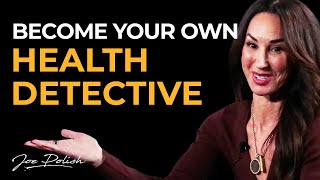
This is a recorded interview (YouTube) between Joe Polish and Natalie Jill (May 2025 upload). Natalie—a 53-year-old entrepreneur and midlife fat-loss/health expert (about 17 years in the online space)—explains that becoming healthy in midlife requires detective work: testing gut health, checking toxins and air/water quality, optimizing thyroid and hormones, and addressing root causes (e.g., parasites, mold, ruptured implants). She contrasts simple willpower/quick-fix thinking with a systems approach that includes mindset (driving core motivator), vision/decision boards, habits built from a future-version self, and practical tactics (walking, short intense workouts, adding muscle, sunlight, infrared sauna, red light, blue-light blockers, minerals). She also endorses specific interventions (BPC157 for pain/inflammation) and shares business/marketing guidance: know your avatar (her target persona is “Lori”), speak directly to that person, favor simple, value-first content, and leverage AI for content/nurture. The interview mixes personal anecdotes (weight gain, parasites, removing implants, mold) with actionable tips on testing, detox, routine, and messaging.
Questions this video answers
17 years
53
Midlife Conversations
BPC157
"Lori" (described as a woman who used to be fit, has children, is now struggling with midlife changes)
Chapters
So it's not about having more willpower or saying, what's wrong with me? Why can't I eat healthy? Or why? Like, because that can end up being a guilt thing again, like, what's wrong with me? That's detective work. Why am I having these cravings? And what do I need to do about it? And with the amount of things we have available to us now, there's no reason to suffer with that. You've got to go deep. You got to look at your gut, health. What's going on with your gut? Your gut is truly your second brain. Everything's processed through there. What's happening there. You have to look at toxins in your environment. What's the air you're breathing? What's the water you're drinking? What are you exposing yourself to? How is your body facilitating all that? Third, you got to look at your thyroid. Men and women have to look at all this stuff, especially women. Your thyroid starts to decline. Is your thyroid optimal? That's a whole big piece. And then there's hormone optimization. So what are your hormones doing? You have to be a detective and look at all the things.
Natalie Jill is a multifaceted entrepreneur who's mastered two distinct domains. Transforming women's health and midlife and and revolutionizing business growth for founders and CEOs. So she has some awesome business growth strategies. As a renowned midlife fat loss expert, Natalie has revolutionized how women approach health optimization and aging. Her gift for simplifying complicated health topics has empowered over 250,000 women to transform their bodies and reclaim their vitality during midlife and Beyond. Now over 50 herself, Natalie serves as a living example of of what's possible when you embrace aging with the right mindset and strategies. Simultaneously, Natalie excels as a dynamic business strategist who helps entrepreneurs dramatically increase their revenue and market impact. She specializes in optimizing webinar strategies and supercharging product sales. Through her proven methodology, Natalie transforms businesses by up leveling vision, refining messaging, expanding online presence and implementing high conversion sales processes online. All techniques she's developed and perfected while building her own high seven figure enterprise. Her impressive credentials span both worlds. Two best selling fat loss books that sold out nationwide television appearances including the Doctors, a globally recognized brand with over 3 million social media followers and a top rated podcast, Midlife Conversations with Natalie Jill that's changing cultural narratives around age and potential. For multiple consecutive years, Forbes and Greatest have recognized her as one of the world's top health and wellness influencers. What makes Natalie's approach uniquely effective is that she's not just a theorist. She's battle tested her methodologies through her own remarkable success story, creating multiple streams and a powerful digital presence before advising others on how to move their products and optimize their sales funnel. So please help me welcome my friend, Natalie Jo. All right, this is great. So this is the first time we've actually ever sat down and done something like this.
I know.
Yeah. So, all right. I was originally. And then I started whispering to her over there. I was going to ask you a lot of stuff about, you know, I've got a whole bunch of questions on, you know, aging optimization habits, eating, exercise, all that. But I want to. I'm gonna go off script and we're gonna talk. Not that I'm ever on script. I was gonna say that's the dumbest thing I could ever say, so.
Because he sent me questions and I thought, joe's not gonna ask me these questions.
Yeah, exactly.
But he feels like.
Yeah. So I want. Because you know how to build a business too, and you have a big following. One thing I'll say, like, because me and you have a lot of messages back and forth. What do you think about this person? What about that person of who's ethical and who's unethical, who's full of crap, who's, you know, a good person, who's a bad person. And when I say good or bad, I mean like the results of what they're doing and that sort of stuff. So we have. We won't name names unless we decide we want to go there.
But it could be. It could be perceived as gossip, but I think of it as helping.
Oh, absolutely. Yeah. No, and it's. It's good to know. So how many years you've been doing this stuff?
Gosh, 17 years in the online space.
Yeah. And in that time you meet a.
Whole cast of characters, a lot of characters. And not all good.
Right. And a lot of people that are quote, unquote, influencers, vying for attention, and they will do certain things in order to get it. Even if that means stepping over people or stealing their stuff or exaggerating, lying, misleading, that sort of stuff.
We have a lot of similar stories there.
Yeah. Yeah.
But I think you get really good at judging character and really good at listening to your intuition and seeing red flags before they're even close to being ready.
Yeah. Yeah. Awesome. So what do you do? What do you do? Let's start with that because even though I gave an intro for you, I like to hear it. Out of your mouth of what do you actually think of.
So my ADHD answer is, it depends on the day. And if you ask my friends, you'd probably say that about me, too. It depends on the day. But I would say my main business is helping midlife women level up and truly thrive and age better. There's just a really bad stigma around aging. And I'm 53, and I was very scared of aging, and I look at it very differently now. So my main business truly is it's evolved from fitness and fat loss to really helping midlife women specifically navigate aging. And I have a podcast called Midlife Conversations. So that's the main area of what I focus on. Some part of that business is I work a lot with brands, brands that I think add value to that population and telling their stories, sharing them on my platforms, collaborating, connecting them. So. And then just a side hustle of my business that I just enjoy doing is I really love the sales process, webinar strategy. So it's not something I really market, but it's something I enjoy doing and help people with.
And you're very good at it. And so the thing is, and you'll see, I'll ask you some questions. We'll do a little bit of Q and A after I ask Natalie the majority of questions, because there are no. There's no such thing as a dumb question or stupid question. I like saying this. It's easier to find a new audience than a new joke. But this is kind of. There's no such thing as a stupid question. There's the stupid people that ask questions.
Yeah. And we'll gossip about it on text. We'll gossip about it on text later. So just be careful.
Just kidding. So let's first start. I'm going through this whole thing. Let me see the one. I think there'll be a few that will be most valuable. So what changes with fat loss and muscles as we get older?
Yeah, so I used to. I was known for fitness, and what I used to teach was a triangle. I said it was state plate and weight. It's what you believe, it's what you eat. It's how you move your body. And I really thought everyone fit into that triangle. So it was always, well, if you work out harder, if you eat stricter, and if you believe it's possible, you can get fit. And I always believed that until I was approaching 50 and I thought, wait a minute, things are changing. A lot of things are changing. And that advice no longer was working for me. And when I Think I had to go through my own setback of getting injured, getting sick, gaining weight, like having hormones, swings all over the place. And I took a step back, and that's actually when I shifted my podcast into Midlife Conversations to get answers. And what I really know to be true now is it's a whole picture. I mean, yes, you have to believe it's possible. That's number one. Like a lot of people say, I genetically, I can't or I'm too old. So, no, you have to believe you can. Two, you do have to eat well. Yes, yes, you have to move your body. And that's just a part of it. The other part is you've got to be your own health detective. Especially now in this day of age, you have to be your own health detective. You've got to go deep. You got to look at your gut health. What's going on with your gut? Your gut is truly your second brain. Everything's processed through there. What's happening there. You have to look at toxins in your environment. What's the air you're breathing? What's the water you're drinking? What are you exposing yourself to? How is your body facilitating all that? Third, you gotta look at your thyroid. And this is men. And I mean men and women have to look at all this stuff, but especially women. Your thyroid starts to decline. Is your thyroid optimal? That's a whole big piece. And then there's hormone optimization. So what are your hormones doing? What I see midlife women do incorrectly that I used to say it's just one thing. They think they have to beat themselves up harder at the gym or eat stricter or just go to hormone replacement. And what I want people to know what's changed is you have to be a detective and look at all the.
Things, Hey, I hope you're enjoying this video. And I want to let you know that I have a new book that's come out, and if you'd like to get it absolutely free, there's a link below in the description. Or you can wait till the end of this video, or you can Simply go to joe'sfreebook.com and you can get a copy there. So what do you personally do? Like, what is your now knowing all this? What's sort of your routine, things that you could share that would be helpful to people here.
So I definitely don't live at a gym and I don't like calorie count or restrict things. I'm not really weird about any of that. What I do do is I stay in the mindset that I'm not declining. So most people, as they age, they think they're declining. I don't choose to bring that into my world. So I feel 30. I just, every day I'm 30 to myself. I mean, I say I'm 53, but I don't associate that with a negative thing. I have friends of all ages. So number one, I just don't believe or buy into the aging declining thing. Two, I do put self care as high priority, if not higher priority than work, than everything. And what I mean by self care, it's my relationships, it's my family, it's my friends, it's social stuff, it's working out, it's moving my body, it's detoxing, like going into my sauna, like that stuff is all high priority to me. Work to me is very secondary. And people will say, well, I can't do that or I don't have time. But if you don't take care of yourself and you're not in an optimal state, then your work is going to suffer. Because I think now, whenever I am focused on work, I'm giving it my all. I have full focus. I'm not tired or burnt out because I do that. So as far as my actual routine, it's not a very specific thing. I move my body every day. I eat nourishing foods, I do supplement, but I'm really rigorous about testing and making sure I'm not taking junk that I just don't need. And I'm really on top of letting my body detoxify things.
Yeah. So here, so I want to ask you about, here's my observation. Love to get your perspective on it and even all of you as an audience want you to think about this in your own life. If someone's already put a heavy emphasis on exercise, how they look, how they feel, everything from circulatory system, not just vanity stuff, but like aging, right? And you know, you can get into details of bone density and a variety of different things. And if you have a system that is functioning and you're not in chronic pain, you don't have a disease, you haven't had a recent surgery, you can sort of listen to a conversation like this and it could be inspiring and be like, yeah, I'm going to learn tips and suggestions on how to tweak things to be even better. Now, if someone is not in good physical shape or they've not been able to exercise or work out, a conversation like this actually can piss them off. And Be not only not motivating, it could be depressing depending on how their brain interprets that. So the reason I want to bring that up is that if someone has not been exercising for a while and they listen to two people talking about how exercise is so important to you, part of their brain is like, screw you. You don't know my life. You don't know the family I have to take care of. Must be so nice to have money and be able to work out in the afternoon because you have your own business. But I mean, whatever, whatever. Now, the reason I bring this up is part of a trick that I think we all plan ourselves. There's some area, most people's lives, where they totally are winning or it's working and others where they're losing and it's not working at all. And it could be fitness, it could be relationships, it could be your career, but it's habits.
Well, I'm going to take it a step back. So that's actually people that come into my fat loss program, the women there, they have 50 plus pounds to lose. These are not fitness women. These are women, women that have lost their way or maybe never were fit and they're feeling defeated because not only are they overweight and sad and losing confidence, but now they've got aging catching up and they feel that. And they scroll social media and it feels miserable to them. So that's who my woman is that comes in. And I will tell you before we do anything, the first two weeks with me, it is a mindset piece. Now, I don't tell them it's going to be a mindset piece because they think that's in their head. But what I get them to see is a possible vision for themselves, just like we do with business. So in business, and if you have a vision for what your business is going to be or your relationship, you had a vision before it came to fruition. So somehow with our health and our bodies, we forget that piece. So what happens is people that were once fit, they have that vision because they're like, well, I was once fit, so I know what that's like. But people that have never experienced that, they have a very hard time getting that vision to begin with. So step one, I tell people we got to make a decision just like you would it, hey, what's your decision? My decision is it's going to be possible for me. This is the year, this is the time it's going to happen. I'm going to release that weight. Then it's what does it look like when you've arrived there. So just like you would tell in a business coaching set, what's the end goal? Because just saying I don't want to be fat or I don't want to be sick isn't a vision. The vision is what do I actually want? What does that feel like? What does that look like? What's that going to be like? And then same as within business too. You've got to act as that person. So if you are that future version of yourself, that's £50 less, what is that person doing each day? And only from that place, Joe, can you actually take actions to tweak nutrition or try to move your body or even consider hormones or whatever. If you're not operating from that place, you're just going to be in this yo yo process.
Right? Right. So, okay, so what, what are the biggest reasons people opt out or fail?
Because they are looking for a quick fix. They don't want to do the work. And I don't mean the work as far as working out. I mean the work as in digging deep and being that detective or three. They get into comparison. So comparison is very dangerous because we're all very unique and what works for me doesn't necessarily work for you. Or like we are all so unique. So comparison shouldn't even be part of it. We're all on our own journey. So those are the reasons people fail. But I will also say we keep looking for the reasons we fail. And the biggest reason we fail is we keep looking for the reasons we fail. So you have to make it non negotiable that you're not going to fail, that you're going to get a result. You make it a non negotiable first.
I like that. That's very good. Okay, so you're not about fix, you're not about quick fixes. And I want to then go into what do you need to set up in order to give yourself the highest possibility of success? So that'll lead me back into habits. One of the things that. So B.J. fogg's a dear friend. Known him for many years. He's been in Genius Network. He's the Stanford professor that wrote Tiny Habits. That is, I mean, I consider him probably the world's leading expert on habits in terms of research. I mean, even just James Clear who wrote Atomic Habits, learned a lot from bj. And one of the things that I think about when it comes to habits is not calling them good habits or bad habits. Though based on the conversation, I could Understand? Oh, that's a bad habit. That's a good habit. But I think whatever we're doing, we have habits. So if you wake up every day and you go to McDonald's and eat two Egg McMuffins and smoke a pack of cigarettes and yell at your spouse and kick your dog, and you do that every day, you've developed really good habits of doing those things. Right. So they don't provide great results. Maybe. However, they are habits. So when people are like, I'm too busy or I've got too much, I mean, you have a whole series of behaviors wrapped around the way you behave.
That's right.
And call them habits, call them whatever you want. So when we're presenting something like this in order for it to affect change, not just someone hears it and says, that sounds good. But then nothing happens. What needs to happen? The mindset's an important part that you talked about. Now, I want to take it into, like, what do you actually do?
So there's one piece of the mindset I want to make sure we don't skip, though, because this is, and I call it a dcm, your driving core motivator. You have to know you're driving. You're driving core motivator.
Okay. Driving core motivator.
Yeah. The reason behind the reason behind the reason. You want something for yourself. So if your spouse is just telling you to get healthy, that's not a reason enough for you to stick to a habit. If your friends are telling you, you have to know, what is it I'm after? Like, why am I wanting this for myself? The same reason you know, why you're in Genius Network for your business or whatever it is. You have to be really clear on your driving core motivator, the reason behind the reason. And Clark, who was supposed to be here, he always calls it the why that makes you cry. Because there has to be an emotion attached to that. And that's the only way we change things. We change things because of pain or because of pleasure. So this falls into that. Your driving core motivator is your reason behind the reason. And you have to know that first. And then you have to take those habits that we're going to talk about from the place of your future version of yourself. So you think, okay, I know why I want this. What does that future version of me look like? And what would she be doing? And can I just rewind and tell a quick story? Okay, so how I even got into any of this was 17 years ago. Almost 18 years ago. Now, I was in corporate America. I wasn't doing anything as an entrepreneur. I wasn't in fat loss, I wasn't in fitness. I was an overweight, broke single mom. That's who I was. I was getting a divorce. I had just had a baby. I gained 60 pounds. I was losing my house. It was back in 2007. You guys remember what was happening then? I was literally losing my house. I had absolutely nothing and I was 60 pounds overweight. Now granted, I had just made a human, but she weighed six pounds and the placenta did not weigh 54. So that was, that was my McDonald's french fries and ice cream sundaes. And I'm only five foot two is a lot of weight. But I was getting a divorce. I had literally every freaking circumstance not in my favor. And I was depressed. I was full on depressed. And I had four months of just feeling super depressed. And I remember I was getting out for the day, like my one walk of the day. And I had my two dogs and my daughter and the stroller. And I passed one of those window reflections and I saw, saw myself. And I remember looking at myself and I was only 35 at the time or something, but I remember just looking at myself in self beat up, like, what's wrong with you and why are you overweight and you look like a loser? And just all this self talk. And I had this moment of okay, but what if I decided something different? It was just a thought like, what if I decided something different? And I started walking home and I just kept asking myself this question, like, what if something else was possible? And I started noticing like just with that question I had this glimpse of hope out of a depression. So I got home and I turned on the TV and Oprah was on with Lisa Nichols, who is a friend now. But they were talking about vision. And I remember just like being kind of wide eyed to it, like vision, okay. And I remember grabbing a bunch of magazines. They talked about a vision board, which I call a decision board now. But I grabbed all these pictures of like fit girls and just everything I was not. And I remember looking at that board every single day and I just said, okay, Natalie, you don't feel like this, but if you look at this board and you imagine you're the girl on that board, what would she do? So I had like these fitness girls on this board and I would say, what would the girl on that board eat today? What would she need to listen to? What would she do? So I started operating as that different version of myself. So Back to that question. You have to operate as a different version of yourself. So I started new habits, but not from my broken place. If you try to do new habits feeling like crap, it doesn't work. But if you, like, psych yourself up like, I'm this future version of me, you're going to have a different result. Just like some of you came into Genius Network the first time you came in here, maybe you felt intimidated or like, I don't have. I'm not this group. But the more you started listening to people, you're like, wait, no, I am this group. And you start getting your. You feel better. And now you take different actions and you get different results. It's the same thing with our health and our body. We just have to take what we know about business and apply it. There's.
Yeah. Very good. Very good. So what are some habits that derail people?
Habits that derail people are one. Other people. So we get. We fall into people pleasing somebody else's time schedule for us, things that we think we're supposed to be doing. So it's. It's external. It's other people's things. And we start thinking we're selfish to do that. And I think it's selfish not to take care of yourself. My dad dropped dead at age 49 of a heart attack. He had massive visceral fat, high blood pressure. He died. He left my mom, a young widow at 47. He left my sister, 12. He never met his grandkids. I love my dad. I miss him. And I'm mad, you know, so what's selfish? Is it selfish to take care of yourself, or is it selfish to not take care of yourself and risk your health and hurt others? I don't know. It's a question.
Yeah. I've always tried to instill because believe me, there's a part of me I don't love exercise. I wish I could eat unhealthy food. Because by no other, when I say unhealthy, meaning it'd be great to eat freaking pizza every day. It'd be great to taste good. Right. And food is engineered to literally be addictive. I mean, the same companies that own most of the processed food companies are the same ones that used to own the cigarette companies. Yep. Just when they started. I mean, if you just follow the money, they just go into a different addictive thing. But the. If you don't take time out for it now, you will take time out for it later. And Dan Sullivan has that line. There's two types of suffering There's a short term and there's long term. You decide which one you want.
That's right.
And the long term suffering is way more painful than the short term. Where it might be like, let's extract the taste buds that are conditioned to eat this certain way, or the workaholism that causes you to not get enough sleep or not drink enough water or get sunshine and all of this sort of stuff. But in reality, nothing tastes as great as being lean. Feels. I used to put that on my refrigerator and I'll rotate it at times, but it feels good to feel good. And when you don't feel good, and if you don't feel good for a long enough time, you actually don't remember what it feels like to feel good.
This is true, and I'm going to add to it. I'm a woman, so I can't speak for men as much, but with women, hormone shifts, declining, thyroid, a lot of things, even unhealthy guts, this is. Men and women will affect your cravings. And like, if you have gut dysbiosis, if you have parasites, which 50% of people do, by the way. So it's not a weird thing. It's a real thing. It'll take over your brain. You will crave things and feel like you need junk food that you don't. So it's not about having more willpower or saying, what's wrong with me? Why can't I eat healthy? Or why? Like, because that. That can end up being a guilt thing again, like, what's wrong with me? That's detective work. Why am I having these cravings? And what do I need to do about it? And with the amount of things we have available to us now, there's no reason to suffer with that. There's so much help for your gut health. There's so much help for thyroid. Heck, there's help with GLPs and microdosing them and turning off food noise. Like, there's so many possibilities to help to give you tools, to be able to eat healthy and nourish yourself. So if you. If you do have that, that thought of, like, what's wrong with me? I know, I hear you, Jo. I should eat healthy. It feels good to eat healthy. But my brain is telling me I need gummy bears. Or it's telling me this, you got to be a detective and find out why and get help there.
Yeah, okay. So really, I'm glad you brought that up, because that. Let me, I guess say this, then. It's very similar where my Brain is going with like addictive cravings where people are constantly viewing people that are. They consider behaving badly or can't control their desires, their urges, their cravings. Stop it. You know, like just say no. Well, if you have a parasite in you that's craving something, it's another creature inside the body that is overriding any rational logic. Thought. So someone that doesn't have that. I mean, just to go on a little bit of an add tangent here. I crack up when I see 20 year old influencers that are genetically blessed, that have never had broken bones or anything, telling people how to be in their best physical shape ever. And then the other one, that even cracks me up, not in a good way, but like where they're talking about how to process grief or a break. They've never had their fucking heart broken, ripped out of their chest yet, or someone died. That's important. You know, it's like, what are you talking about now? That sounds very judgmental as I say that. I guess it is. The thing though is there's a point where life, you can be, you can look at someone and be like, oh, I can't believe they're doing that. You're not in their body, you're not in their mind, you're not in their life. If you had any idea, like, you know, people like these addicts, they need to be thrown in jail. It's kind of like, you know, if you were. Believe me, no addict wants to be shooting heroin. No, none of them. I don't care what you say.
And just so you know, like sugars as addict. They say sugar is as addictive as cocaine. Like it's a real food addiction is very real and so is issues with our body that are craving things. And I just, I'm gonna give you a kind of give you a detective story here. So somebody that meets me, now, they don't know anything about me and they see me at the gym and they're like, oh, you have abs, you're 53. It's your genetics. Okay, my genetics, cancer, heart disease, type 2 diabetes, autoimmune, obesity. My genetics are the worst. In fact, when I had my DNA done, I have like terrible mitochondria. I got all the bad mix of genetics. So that's first and foremost. Yes, I worked hard, I got fit after my daughter and did all that. Then approaching 50, completely lost my way. Like got thick in the middle, didn't know what was going on. My body did what a lot of women do. Oh, it's just hormones. I must need hormone replacement. Okay. No, it wasn't just that. Took a blood sugar dysregulation and being told I had type 2 diabetes to say, nope, something's up. I know I don't have type 2 diabetes. Became a health detective. Learned I had gut issues. Literally. Parasites showed up on my test. That's rare. Like, usually you do a GI mapping, it doesn't show up. Mine showed up. I literally had a parasite. So went through a whole protocol to do that. My friend Laura, who put me on the protocol, says to me, something's feeding, that you don't just get parasites. It doesn't happen. Something's feeding it. Learned I had a ruptured breast implant. Had breast implants for 33 years. Most people dismiss that stuff. I'm like, nope, detective, take him out. Took him out after 33 years. Went through detect. Learned I had a house of black mold. Okay, so lots of stuff. Right. But got it. But went through the process. Have Mike's filters in my house now. Like, did all the things. Two years, £19. Back off. Back to what I always was. So is it genetics? No, it's not genetics. We all get to be health detectives. And when your body is going astray, you got to listen to it and do the rewinding and. And go, what's going on? And it's a cause effect thing. So what's the root? What's the root? What's the root? And then what do I need to do to tweak this? There's no right or wrong answer, but what do you have to do? But it's not giving up on that and just saying it's genetics or I'm just old.
Yeah, there you go. Well, very good. Very good.
That was a big story, but I want to hear how that works.
That was a great story. Well, I guess what are some tools and tactics that you utilize today that you have discovered? Be it peptides, be it any nutritional supplement, be it anything that you think would be worth sharing, that has been a big lever for you.
Okay, a lot of things. Number one, BPC157. Best peptide out there for pain. If anyone's dealing with pain or inflammation, that one is life changing to me. BPC157. Injecting it where you can do the oral. But I think that's just a huge game changer. I also think minerals. I think most of us are depleted of minerals. So whatever brand I happen to love, beam minerals. It's what I use. There's lots of brands, but I. Minerals Your body has trillions of cells.
Carolyn's a member of Gene's.
Shouting her out. Love her minerals, love them.
Beam Beam.
Also a fan. And these are people I work with. But honestly, whether I've worked with them or not, I swear by them. Getting your. You're not going to avoid toxins in your life. Like, toxins are everywhere. But getting your body really efficient at detoxing. So something that you and I both have are an infrared sauna. So I happen to love sunlight. And so infrared sauna using JASP air filter, amazing. Clean out your air quality. Like so much junk in our air. So having, having that, those are huge. Just like simple hacks. One of the best things that most people are not getting is the sun. We should be in the sun every single day. Just notice how different you feel just going outside. Just, I mean, that's not. That's free. Like, just get yourself outside, get some direct sunlight in your eyes on your body. I'm not saying go fry your skin, people. Take it to a whole extreme. Just get some sun on your eyes, be out in nature. It's so important that as far as, like gadgets, red light. If you can't get out in sun or red light having, whether it's in your infrared or just something you use at home, another game changer. That's a big one. As far as food, I'm gonna say I always go back to unprocessed, natural, real food. Like 95% of your diet should be it once grew. Like, is this food that once grew, is it natural, unprocessed and real? I mean, it's as honestly as simple as that. I mean, that's one of the biggest things. And I have like lots of little, oh, red light glasses at night. Another big important thing. So we are not meant to be under these fluorescent lights, these bright lights.
Oh, by the way, our lights now are not fluorescent. We have lights that produce serotonin.
So I use at night when the sun's setting, always covering my eyes with using blue light blockers. So I happen to use Viva rays, which are great and they have different lenses, but really aware of that at night just to have your body release its own melatonin. So that's some of the things.
Love it. What about routines or anything that you've added that's made a noticeable difference?
Yeah. So I am, I should be because I'm super ADHD and I've just owned it. But I should be very regimented. And I'm not because it doesn't work in My personality. I like to kind of do what I want to do, but there's things I get in every day. It's not at the same time, but I do make sure I walk every day. I mean, I'm always walking. Just I always am. I'm standing more than I'm sitting. So stand up. Desk pacing if I'm taking a phone call. So just getting in as many steps as I can, like making sure I'm moving. My workouts are not long. I mean, 20, 30 minutes. They're just in, they're quick, they're intense. I think you've got to be challenging yourself. Being progressing and intense for you is important to me. Adding muscle is key. I wish I had Whitney. I wish I had known you years ago. It's so much harder as we age to add it. I Wish in my 30s I had added it. The best aging prevention we can do is adding muscle. So I'm actively working to increase muscle now. So upping protein, lifting heavier, all of that to get that up. And then as far as routine, I do work very hard, but it is not my priority. Like my priority is connection and fueling myself and things that feel good. And then I put my all into work when I'm doing it, if that makes sense. But I'm not a sit at my desk, grind it out for 10 hours. I just don't think it's healthy.
Yeah. So do you care more about the outcome or the process?
That's a good question. I would say outcome. Typically. I don't think I'm ever really thinking of the process. I'm just getting to the outcome.
Yeah, it's kind of the ADD brain.
Yeah. I mean, I think I need to learn how to enjoy the process more and be in the moment, but I don't think I ever really think about it.
Okay. No, that's good. So I'm going to rapid fire questions. Favorite food?
Favorite food is steak and it's a filet. And you know, I never ate at age 12. I learned the food chain and stopped eating red meat. I didn't eat it at all until about six months ago. And now I can't get enough of it. So I don't know what happened. But now I. I'm like living off of it.
Okay, so the next question was healthiest food. Maybe it's the same.
No, I would say I. So I knew you were going to ask me that question. I'm going to say something really weird. I randomly crave parsley. I have no idea why. I think it Must be really good for me.
You crave parsley?
I will eat.
I got a joke on that, but I can't tell it. You guys probably know what that joke is.
I eat like it. By the handful. Parsley.
Wow.
Every day.
Really?
Yeah. I don't know. My husband calls me a brontosaurus. I have no idea.
Wow. Okay. I'm thinking of shit right now. Favorite workout?
Favorite workout is anything that I'm filming. And I'm gonna be serious about that because something about it makes me get excited. Like, let's try something new so it's the truth.
Okay. Favorite quote or idea?
Favorite idea or favorite quote. And I don't even know if it's a quote, but it's act as if. Is that a quote? It's that Acting as the future version of yourself.
Okay. Biggest win.
My daughter. Having a daughter. Biggest, best thing I've ever done.
Cool. Biggest loss.
My dad. Losing my dad.
Most memorable day.
Oh, gosh. My most memorable day would be my daughter being born.
Happiest time in your life.
When I was living in San Diego with Brooks and my husband and my daughter, and she was around seven.
What are you most grateful for?
My family.
What are you most excited about?
The future. I don't know what that means, but I'm always excited about the future.
Cool. What do you think would actually make America healthy again? Put a little maha in here.
People listening. Because people are so busy being right and being stuck and attached to what they know. And if people would actually just listen and be open minded and ask questions, they would learn a lot.
Okay. So in going out and living this life, living this lifestyle, going through the ups and the downs and then imparting that knowledge to others. Part of it. I remember I did this interview years ago with Jonathan Cogden. Him and Carl were the ones that founded Beachbody. And he was 47 at the time. And I was like, probably 10 years younger and in my 30s. And I was like, so how do you stay in good physical shape at 47? Not thinking that. Well, here I am at 57. How am I going to think about it? But 20 years ago, literally, it was probably close to 20 years ago. I did that interview 18 years ago. He said, well, I kind of have to, because my business is exercise and fitness and selling this sort of stuff. So I have a different reason to do it. So there's something that keeps you in the game, which is you actually have a career built around all of this. But the reason I bring it up is there's a ton of people that try to make money and a living imparting advice. To me, it doesn't have to be fitness. There's a lot of you that are in the room. You make your career around the knowledge that you impart to other people. So that requires marketing, packaging, presenting, educating, distilling, addressing all kinds of myths and educating people on, you know, your view of what works and what doesn't work while also having to go out and learn yourself. So how would you, what does marketing mean to you? How would you define marketing?
I love that question. So I look at sales and marketing as very different things and I think I'm a natural salesperson, not a marketer. And sales to me means you're a really good listener and a really good solution connector. So the reason I thrived at sales, even in corporate America and now in my business is I'm really good at listening and asking questions and giving people real solutions. So that's what I think of when I think of marketing. That is the opposite. It's like not going deep with one person. It's mastering a message and then getting it out to the masses. So in full transparency. I struggle with marketing as a salesperson. What's worked for me in my business up until now, I mean, is when I take my sales ability and try to scale that. I think marketing can be, when it's done that way, it can be really amazing and helpful and integrity driven businesses and help a lot of people. But when marketing becomes just marketing, it has a sleazy feel to me.
Okay, yeah, well, let's talk about that because me and you have a lot of conversations about the sleaziness of some marketing. So you have, by all measures, you have built a dream business for what a lot of people would love to be able to do that. And I remember asking you, so tell me about your social media team. And then what did you.
I said it's just me.
Yeah. So there's people that employ groups of people to do stuff that you have figured out how to just make work. Because there's certain things that you know that those other people don't know because if they knew those things they might be using them. So share some of those things with us.
So number one, I just talk to people like I'm not thinking what's a viral video to create? Like I think what does my woman scrolling need to hear from me? Like what does she want to hear from me? And, and does this help inspire and help her or is this going to make her not like me? So, for example, because I started in fitness, a lot of fitness, people would ask me, like, why they weren't growing their social media. And I would. I would ask, well, who's your ideal person? They'd say, well, the woman that wants to lose weight. And then I would see them in their thong with their butt sticking out. And I'm like, you think you're a woman wanting to lose weight? That's motivating them. That draws hate. They're like, what? What is this? So, number one, like, who's your audience? And talk to them. Just talk to them. So that's one. People don't want to see perfection. They want to feel that they can see themselves in that.
Yeah, because, I mean, you pretty much talk about almost anything you want.
I talk about anything and everything. I don't filter anything. I don't care. I just literally talk. But I always think of it from the person watching's perspective. Like, is this adding value to them? Or is this about. Or is this just about me? If it's just about me, I'm not gonna post it.
How much of it is? Because you say, that video that we shot, like, a lot of, that's this entertainment, right? You know, there's.
Well, those are little tricks. So, like, for example, the video we just shot, I did, like, I hit the camera. Like, people like movement. They want. So part of that is definitely a marketing thing because think about what you like to watch. So if you are trying to build your own social. You gotta look at where your own habits are. Like, what do you like? The reason TikTok is so successful is it's fast and it's motion. And so I take some of that into video editing and think that movement is interesting. If you watch a movie or reality tv, lots of clips, movement, there's never a frame more than a second or two. So nobody wants to watch talking head video. I mean, they want movement. So even if I'm just doing a talking head message, I'm going to walk and talk. I'm going to move the camera, because that's how it really is. So the best advice I could give is if you think of. If you were to FaceTime a friend. So like, you FaceTime people all the time. If you're going to FaceTime a friend, do you just sit there with your tripod and talk to them? No. You're, like, walking around. You're, like, doing your makeup. You're, like, cooking. That's the same thing. It should be on social media. So it should be literally like you're talking to a friend.
Well, you said something I wrote down which is so obvious, but it rhymes. What does she want to hear from me? What does he want to hear from me? So you said she, which means you obviously know that you're Tiger. Exactly, that's that. And so do you use things like Avatar or customer prospect profiling? I mean how.
I mean I have my woman in mind. Like I know exactly who she is. Like I've named her. I know how many kids she has. I know what she's struggling with. I know what she thinks when she looks in the mirror.
What's her name?
Her name is Lori. She has four kids. She used to be fit. She's not anymore. She doesn't understand why she has bags under her eyes now. She's almost feeling embarrassed like she should know this stuff and she doesn't know what went wrong.
Lori.
Yeah, so I just made up person. But that's who I'm talking to almost always. And you know, over the years I have spent more money than I care to ever admit in marketing people and whatever. And what I've learned is that simplicity is what works for me and that's what is relatable to people. I have wasted so much money on expensive marketing teams that like promises it's never outperform me just talking to my person.
Yeah. You know, most agencies and most people that you can hire, it's usually not a great experience. Now over the years I've learned that anyone that is focusing on building your personal brand and not that this is because there are people that help build personal brands that are amazing. All right, so let me say that first, however, if you focus less on your image and more on the substance of what you're offering, I think you're going to do a lot better. Secondly, you realize like your doctor doesn't take care of your health, you take care of your health, you just utilize a doctor for assistance. Your accountant doesn't take care of your taxes, they assist you with stuff. And a lot of people don't delegate their marketing, they abdicate it. Let me go find a savior that I can hire and they're going to make all of my half cocked marketing visionary dreams come true. And it ain't that freaking easy. And I think the number one problem with helping people with marketing is that they underestimate the importance of it and the difficulty of the task. It is. If it was so damn easy to just throw out a marketing message, everyone would have a successful business, all of this stuff would work and It And I hate the fact that you have to do all of this marketing in order to find people to do business with you. However, I would be living in a fantasy world if I thought it should be any other way. Because the fact is, if it was that easy, every charlatan, every goofball, every person would be out there doing really well just because they advertise. And so I am yet to meet any really successful person that has been doing it for a long time. Not people that hit it out of the park because there are those lucky situations, right timing, right, you know, whatever. But I'm yet to meet anyone that's been at it for like 17 years, 10 years, whatever. That doesn't say the same thing. Yeah, how much money have you wasted? And so it's not that some of those people that you hired, if you were in a different state, you could have utilized them differently, knowing what you know now. But I think half. But all that being said, there are a lot of people that are promising all kinds of things that just suck. And so what the mistake that I've made is sticking with mediocrity for long periods of time instead of like, you know, there's a certain level of time someone needs to get the like for a copywriter as an example. And I say this now because AI didn't exist when we first started doing the shit that you can do now. And the ease of doing this compared to going back 15 years is the. I think the.
We don't need copywriters. I mean, I hate to say it, but we don't need copyright, we need people that are good with AI. We don't need copywriters anymore.
Well, you know, here's what I would say. Yeah, I think you're mostly right. And why I say mostly is that a really world class copywriter will at least help hone in on offer strategy and how to utilize is a point.
Where AI is everyday nurture stuff. There's no if you've got content out there and you can feed it into your AI and create your own AI bot. Like look, I am not a tech person and I figured it out like it's there is just unbelievable. So to me the best marketers that we can hire now are people that are really up to speed with AI and know how to structure and orchestrate that you're absolutely.
And I would almost go so far as to say that with almost everything that requires thinking, like AI can do almost everything better. Almost everything except the things that a human can't do. So Right now, most people that are not utilizing AI, it's just because they don't know what it can do with that thing, including me. The areas where I'm not able to use it, I don't know how to use it, and I don't even know you could yet do this thing or piece it together in this way. But all that being said with back in the day when hiring a copywriter, because I spent, I'm sure I've spent a million dollars on copywriters. When you factor in upfront cost, royalties, you know, tons. And one of the number one jobs back then was for them to do the research. It wasn't the writing of the copy. It's just learning about what the hell.
The business now on.
Exactly, exactly. So you can do incredible amounts of research. And now that you got that. But to come back to it, the whole thing of knowing your customer, you know, the eight profit activators that me and Dean Jackson have been teaching on, I love marketing forever. Select a single target market. And so what would you say to help? Because I think as basic as this sounds, it's not super sexy. It has nothing to do with technology. You could use tech and you can use AI to help you. Is how does one hone in on getting their own? Lori? Yeah, it's such an important thing.
Yeah. So number one, you have to let go of the idea that you have to help everybody. Because if you're helping everybody, you truly help nobody. So you have to let that go. Like, yeah, I could help a lot of people. I choose to focus on the woman that's in her 40s, 50s, and beyond. Like, that's who I am. So that's who I focus on. Doesn't mean I might not have an amazing thing to tell a guy, but it's not. That's just not my thing. Focus. So number one, think about that. Like, if you try to focus everybody, you get nowhere. So just think one. And then I think not just who has been working with you? Who's your ideal person? So who would you love to help? Who would you feel rewarded helping? Who is going to be the ideal student client for you? So I thought that through and I'm very clear now, like, who my person is. So if somebody outside of that wants my help, I'm going to be really upfront and say my specialty is here. So, yeah, as long as you know this is my specialty here, I'm staying there. They're very aware. We don't disappoint people. It's just very Clear. So I think it's a bigger question is number one, why am I focusing everywhere? And usually it's because of scarcity. Like, I think I'm going to lose money by not, you know, and then get clear. And then who do you actually want to be serving? And if you think of like down the road, if you're going to scale that, who do you want an army of? Like, who do you envision your tribe being like, who are those people? I'm sure before you grew Genius network, you had an idea of who would be in this room. Yeah. You were clear on it. And it's very seldom somebody gets in here that falls out of that. And if they are outside of that, usually you're like, I should have known. It's like a very clear thing. So it's the same thing. Like, I know now, like, if someone comes into one of my programs and we do an intake form with everybody now in my group programs, we'll scan them or now we'll use AI on all that. But if I see things like that trigger like that they have an eating disorder. Nothing. I understand that. It's just not my jam. That's not what I help with. Or they're 30 or they have just £5 to lose or whatever. They're outside of my scope. We refund them or we offer a refund because it's just, I know that's just not my person. So we really protect who it is that we work with.
Well, it's also cool too, because you put out so much free information anyway that it's really hard for someone to be like, she's not helping me because, like, you put out. I mean, I do the same thing. I just put out a ton of content. And then, you know, the right fit clients find their way into our world. Yeah. Okay. I hope you found that video awesome and useful. So if you want to get a free copy of my book, I want you to click here. And if you want to watch some more videos that will be useful and awesome, click here. Go ahead, you're over here. Do it now. Come on. Thank you. Watch them.
More from Joe

This FBI Trick Can Command Respect Without Saying a Word ft. JEFFERSON FISHER & CHRIS VOSS

How To Stand Out, Be Different, and Create Raving Fans, Customers, and Employees ft. Jesse Cole



90% Of Businesses Fail In Their First Year, Here's Why! ft. Dr. Benjamin Hard & Dr. Robert Cialdini

The 1 Piece of Business Advice I Got From Elon Musk That Changed Everything Ft. Kamal Ravikant

The 6 Traits You CAN'T Teach in Entrepreneurship ft. Richard Branson & Gino Wickman

The Leg Method: How to Make Your Book into a Million-Dollar Asset ft. Anna David


7 Millionaire Mindset Hacks for Daily Success and Wealth ft. Brian Tracy & Dan Sullivan
