Overcoming TRAUMA: How Kimberly Murphy Found Healing Through Psychedelics – A Powerful Journey
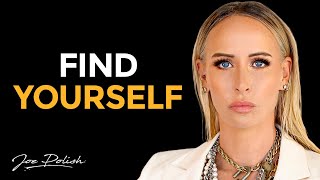
Kimberly Shannon Murphy, a Hollywood stuntwoman, discusses surviving childhood sexual abuse and using ketamine and ayahuasca to heal from trauma. She describes how psychedelic-assisted therapy and Internal Family Systems work helped her recover, and shares her story in the memoir Glimmer.
Chapters
How many people do you know that have been run over by a car, thrown out of a window, fallen off of a roof, and gotten paid to do it? That's exactly what Kimberly has done as the go to stuntwoman at Hollywood.
I did three more jumps out the window. My face is completely cut off. And it was like my trauma is so deep that the psychedelic work was necessary.
When people ask you who you are, what do you mean, go see your head?
A lot of people will say, well, you can't heal if you don't forgive, which is not true.
Who is Kimberly Shannon Murphy? How do you think about that?
Well, the biggest work that I've been doing lately is just coming back to myself and finding out who my authentic self is, because I feel like I'm probably going to cry a lot. So I'll just preface that. I feel like when you have a childhood taken away from you like I did, you never had a chance to connect with who that person ever was. So that's what I'm doing now, and I'm proud of that.
Yeah. Yeah. Do you mind sharing some of the. What happened between the ages of. I believe it was 2 to 11. Your grandfather.
Yes.
Yeah. Let's just go into it.
My maternal grandfather was now with all of the doctors that I've been connected with, has been diagnosed. He's dead. Obviously he was a sociopath and he sexually abused his children and in turn, me and my siblings and I'm sure countless others. And it was something that happened my entire childhood until he died when I was 11. And kind of everybody knew it and nobody did anything about it.
Yeah. And he, I mean, you write a lot about this in the book. So he gave you herpes when you were eight and you went to a doctor and they. How did they respond to that?
My mother was obviously severely traumatized because it had happened to her her whole life. And then my grandfather was this person that they sort of put on a pedestal. And so everybody, you know, I was being told, you know, your grandfather's so patient and amazing and this incredible human and this, you know, my reality was what was happening to me, which was actually everybody else's reality too. But they were just so traumatized and groomed by him that it was just sort of swept under the rug. So when my mom took me to the doctor, which she had, let it get really bad, and I lived in New York growing up, so it was really, it was on my face and it was. It was in the winter. It was really cold, really uncomfortable, and the doctor Said to my mom, she has herpes. And my mom just sort of grabbed my hand and was like, absolutely not, and dragged me out of the office. And of course I'm like, what is herpes? Like, it has a name, like, I love some medicine. That'd be great. And yeah. And that pretty much like that story kind of sums up my whole childhood with just how everybody was able to turn the other cheek.
Yeah. For me, we both have male figures in our families that both sexually abused us. Right. And then I had a lot of stuff happen in church and there were people that were supposed to be caretakers and. And the level of gaslighting and manipulation under the guise of being a caretaker or under God. I mean, it becomes very confusing for a child to try to make sense in the world and then to go throughout their lives trying to figure out who to trust. And I mean, I'm speaking for myself, of course. You know, second guessing everything, trying to find real connection, feeling constant fear. How did you survive that? That. And when I say survive that, you know, were you ever in a situation where you were so close to taking your life that you nearly did?
No.
Okay, so how did you armor yourself?
And I speak about this in the book. I felt like. And it's interesting who you were just speaking about. Like, it's not how you were wrapped, like not how you were kind of born, that you wake up and you're happy. I feel like if I was able to be who I was without my grandfather, that I was a really strong ass person and this happened to me and that was still like coming through, if that makes sense. Yeah, yeah.
So, you know, one thing that I have sort of a. I mean, we both in our own ways have done a lot of work. We've gone to a lot of therapy, done a lot of work, really different stuff. And I look at some of the world leaders, many that the world admires and are put up on a pedestal and are celebrated and given awards. And these are people that have just done despicable things and they're gaslighting not just people close to them, but the whole fucking world. And some people call them out on it, but the power and the following that they have and the people that make money from them, they know it, they see it, they profit from the crime, they don't get punished. And it becomes very difficult sometimes to stomach and make sense of a world when you're trying your best to walk through the world not harming others, and you see people go to the highest levels of status and wealth that are just, you know, they're rapist, you know. So how do you come to grips with that, boy?
A lot of therapy. And also, I think, well, a big part of my journey has been psychedelic work, and that started two years ago when I met Gabor. I was writing my book at the time, and I actually didn't know of him when I started writing, and someone had mentioned him to me, and I looked him up on YouTube, and for the whole night, I was just, like, watching video after video. I was like, this man, like, his take on trauma. And I just felt like everything that I felt inside, it was like he was speaking directly to me. So I'm like, I'm gonna find him. That's like, one of my strengths is I get shit done.
Right, Right. Yeah, you definitely do, though. It's true.
So I went to his Instagram, and I was like, clearly, this man doesn't run his own Instagram. You know, he's obviously very famous, and he's, you know, he's now he's 82. At the time, he was 80, 79. So I found out who his son was, and I sent his son a message on Instagram, and I was like, you know, this is who I am, and I'm writing a book, and I feel really connected to your father's work, which I'm sure, you know, they get millions of messages. But he wrote me back, and he said, I'm seeing my dad tonight. Let me ask him. He was writing the Myth of Normal at the time. He said, he's writing a book right now, but I'll see. And I was on a zoom with him that night.
Wow. Wow, that's pretty cool.
Yeah.
Yeah. And Gabor. I've brought Gabor to Genius Network twice to the annual events and stuff, and he's. Yeah, I mean, he's definitely an insightful person. He's actually helped me also with understanding. Like, I have a lot of anger and a lot of rage, and I think in the rage, I do try to keep on the level of anger, because when it gets into the point where you're blowing up, then that's dangerous. And with Gab Bohr, I've learned a lot about addiction and different ways to frame it in pain. And I try to think of. To use. Mentioned it earlier before we having this conversation. Dr. Don Wood, who's sitting here in the room, who said, if you understood the atmospheric conditions of somebody's life, it would make sense why they do what it is they do. So you're a stunt woman Right. And so this one question I have, you've spoken about the adrenaline rush of stunt work as a way to momentarily escape the pain of your childhood trauma. How has the rush affected your mental health? And how have you learned to balance the thrill of your job with the need for emotional healing?
That's a loaded question. Well, when I got into the business, I was 25 or 26, and I definitely was not doing the work on myself at all. I was still really toxically enmeshed in my family of origin, and we were all healing by writing this really graphic book together. And it was not healing nor helpful. And so when I got into the business, it was initially just kind of a financial, like, awe for me because I was struggling so much financially. I was a dancer with Alvin Ailey, and I was, you know, an acrobat performing all over the world, but I wasn't making any money. So when I got my first job, which was my super ex girlfriend doubling Uma, it was like this financial just. It helped so much for me. And then a year later, in 2007, and I write this in the prologue, I got really badly hurt on a film called I Am Legend, where I was doing a. Was I doing a descender or. I was doing my husband.
He's also been a stuntman for a long time. You guys met on set at a Tom Cruise movie.
We did. I was doing.
Yeah, he was a double for Tom Cruise.
Yeah, he doubled Tom Cruise. I doubled Cameron Diaz. Super cheesy story. That's how he met. Yeah, yeah. Night and day. Yeah, yeah, exactly. So, yeah, so I was doing a descender out a window, and the rig went bad, and I landed, like, flat on my face, and it was 20ft, probably. So it was. I mean, it was into pads. But when you go out of glass, the glass breaks obviously in front of you. And so the glass was on the ground, and I hit my face on the ground, and so my face was completely cut up. And, you know, and I speak about this in the book, my father, who just recently passed away, he was a Marine in Vietnam. He was a minesweeper. So I was raised with my grandfather, who was a sociopath, and my father, who was a really great person, but a really bad father. So. But I was raised with three other sisters with the mentality of, like, we're Marines. Like, that's what we were told my whole life. Like, we weren't allowed to cry. Wasn't something that was accepted in my family. And it was just my dad's trauma, bleeding out on Us. And. And so when that happened at work, it was like, I'm not going to the hospital. Like, I'm a fucking Marine. I'm staying. You know? And the reset for the window was, like, an hour and a half, which is obviously for. It's a long time. So I stayed for. And the coordinator, everyone was like, you need to go to the hospital. I mean, I was literally like. I had, like, band aids, like, all over my face, and I'm like, I'm not going to the hospital. And I stayed. I did. I did three more jumps out the window. I went to the hospital, like, seven hours later. So my cuts had, like, already started healing. Your face heals really quick. So when I had the stitches taken out, like, you know, two weeks later, it was infected. And, like. So I had to have, like, probably three surgeries after, just because, like, it had healed and there was dirt underneath. And so it would just kind of. So that was a really pivotal moment for me in my life and realizing that I needed help because.
And you didn't ask for it right away, which, of course, would make sense going back to your childhood. You didn't. You didn't know how to ask for help. Or there was no one. No adult was with you or at least taking care of you. And so.
Which is what. The first thing that Gabor said to me, which is honestly what changed my life in so many ways, he said to me, I'm just gonna tell you that, you know, your primary trauma was not your sexual abuse. And he said, I'm not saying anything bad about your parents. You know, he's like, very. He's like, I'm not saying anything bad about your parents, but your primary trauma was that you were cut off from all adult support in your life, or the abuse would have never happened in the first place. And I was like, oh, shit, I have more work to do than I thought, because I really, I think, had to hang onto my parents so strongly because I was dealing with this massive thing, which was my abuse from my grandfather. And so to have to sort of look at the whole family system and my parents was almost debilitating for me.
Yeah. Yeah.
That, like, everybody failed me.
And what happened to the rest of the family members that haven't dealt with this abuse or have swept it under the rug or tried to go through their lives ignoring it, I imagine it's been quite challenging for them.
Well, it all comes out in some way. You know, my Aunt Pat, who is in the book, and actually a lot of her writing, she was an amazing writer. It's my mother's sister. She was the oldest of the six of them. She's a beautiful writer. She always wanted to be published by HarperCollins. So I was like, aunt Pat, I did it for you. She was actually the first one to come forward when she was 9 and tell my grandmother that she was being molested by her father. And my grandmother confronted him. He denied it, and everything went on. And so she carried a lot of that guilt, even though it wasn't hers to carry with her through all of us. And I've had to deal with that, too. That. Yes, she was a part of that as well, even though she was like, I wouldn't be sitting here without her. She was such a beautiful, amazing spirit. And she got Alzheimer's very early. I think that her brain literally could not handle everything that had happened, and it just, like, shut off. That's what I truly believe happened. And she died about four years ago. Yeah, yeah.
You know, and there's a lot like, my mother died of ovarian cancer when she was 41 years old, and she.
Oh, wow.
Yes, I was four. And she. I don't know what happened to her, but I've also, you know, through a lot of the work I've done, there's a lot of women that become nuns. There's a lot of sexual abuse. And when a woman. I've read stats, I don't know exactly how they trace this statistically, but I've read things where if a woman is sexually abused, she has a six times greater chance of having cancer than someone who is not. And I don't know what happened to her, but there was some issue with the family. I was too young. No one ever explained it to me. But, you know, she never drank, never smoked. You know, a good human. Just something happened to her. And she died at 41 of ovarian cancer. I mean. And so.
And I think that's, like, the suppression of it, too. Right. It's the not talking about it or getting it out or doing any work on it that causes the illness. And I do truly believe that, like, everything Gabor speaks to about trauma and illness and it manifesting in your body, I'm watching it play out in real time with every single one of my family members in its own way.
Right, right. And I see that all the time. You know the line, the issues are in the tissues. If someone does not deal with this stuff, it will work its way out.
It deals with you.
Yeah, exactly. So your grandfather, how was he viewed in the eyes of others that didn't know what was going on.
Amazing. He. My father came from a really poor family, and he was. Which is really interesting. Really interesting. But he was an architect. But actually, now I've come to find out that he actually never was an architect. He worked under an architect, and when the guy died, he assumed his license. So he was basically living a lie in every aspect of his life. But he was successful and made money, and no one ever questioned him. And at his funeral, I remember, and I speak about this in the book, too, it's like every one of my mother's siblings went up one by one, to say something about him. And it was all just, my father is so patient. My one aunt was like. My father was like, Jesus Christ. Like, that's literally what she said. I mean, it's crazy. And that aunt now is in her 70s, and she is. I mean, it's devastating. She's, like, the biggest alcoholic. She never could keep a job. I mean, it destroyed her. Destroyed her.
Yeah.
Do you.
What do you. What happened to him? Do you have any idea what you think might. To use the term atmospheric conditions, what do you think caused him? Where did this come from, if you have any thoughts on that?
Well, the. I have. I do. I think he was abused. Like, they would always say, like, when a certain uncle came over, that he always, like, hid under the sink, you know, but the other half of me also doesn't give a shit what happened to him. Yeah. Yeah, that's like that. You know, those angry moments where I'm like, I don't. With everything that happened to me, I. And what I've done with it, I just. It's hard for me to even care.
Yeah. Yeah. Well, let's talk about that, because that could sound, you know, different interpretations that people have to that. So when Ramany did an interview with you, she asked you, you know, how did you feel when he died? And I'll ask you the same thing. And have you explained that?
Yeah, I felt relief.
Yeah.
Like, immense relief. And it was a lot of confusion because nobody else seemed to be relieved. Everyone else was really sad and devastated. And this was so. It was really a confusing time for me.
Yeah, Well, I think death, especially, you know, how. And again, only speaking from my exposure, everyone has a different interpretation in how they're raised and how they view things. I think in this country, in many parts of the world, we avoid death. We don't talk about it. Many people, unless they're in the medical industry, can go their whole lives. We've never even seen a. A person who has died unless they go to an open casket funeral or something. And there's weird thoughts about death. And when my father was dying, I was his caretaker for the last year of his life. And he had lung cancer and he had his own addictions to alcohol. And he had injured himself when he was in the army, and he was on a lot of pain meds, and when he would go to the Veterans Administration, he would. They would just dish out pills. And it was very difficult because he was suffering. And when he died, on one hand, you don't want someone to die. But I felt in Dan Sullivan. I was having a conversation with Dan Sullivan about when his father died. He said, you know, you can feel liberated. And that word liberated just helped me because there's. I didn't want him, you know, to die, but I didn't want him to suffer. And I had a very difficult relationship with my father because he was really hurt when my mother died. He was broken. He never recovered from it. And so we had a really crazy childhood, and he didn't know how to be attentive to me. And I also had a lot of resentment. But over the years, I have a lot of compassion because, I mean, the poor guy, if I could just give him a hug, going back at the age I am now and just knowing the difficulty. But with people that really hurt you and abused you, you know, you're so close to it. It's fucking hard.
It's hard. I think there's different tiers of it, too. And I think experiencing my father just dying as well. And my father was physically and emotionally abusive towards me. And I actually had a psychedelic experience where he came. And it was really interesting because I was going to do this retreat with Dr. Schwartz, who is a big. He wrote a book called no Bad Parts. And he's ifs internal family systems. He's a brilliant man. He also endorsed my book, and he's become a really good friend. And I went and did academy retreat. And it was like three weeks after my dad died. And I had planned this retreat for like a year. So it was so interesting, the timing that it happened. And because of the book, because of the book and because of choices I've made now as a mother and just as trying to be a different person in the world, I'm estranged from my family. And so when my father was in hospice and when my father died, no one told me so. Nobody called me, not even my mother. And just shows you in the situations like that how deep the trauma is, because it's just not human. Like, I don't care what has happened. It's just not human. And one of my sister's husbands called my husband to tell him that my dad was dead. But I wasn't invited to the funeral or anything. But then I went on this ketamine retreat, and it was instant. When I got the medicine, it was like my dad was just there, There's. And I was sitting with Dr. Schwartz and I said, my dad is just telling me he's sorry. Like, he's just saying he's sorry. And he said, can you tell Dr. Schwartz that thank you for giving her what I never could give her.
Wow. Wow.
So it was better than any funeral for me. I'll make the tissues worth it for you.
No, please. Yeah. Yeah, I definitely. Don't make me have to run over there. Just so you know, I often ask questions about how do you deal with trauma, how do you work through it? And we'll speak to that. If anyone happens, we're going to put this video out publicly. We may put it into the prisons wherever we can, because I know a lot of people resonated with it. There are people that are abusers, and most people that are abusers is because they were abused. And they live in shame and guilt, and they don't deal with it. They don't know how to deal with it. And they're lost and they're hurting other people. Some of them are not sociopaths or psychopaths. They have the ability to feel empathy. It's very complicated. It's very hard to find compassion with someone that has hurt you or. And it's even more difficult if you still have to interact with that person when they're still alive. And there are people that were watching this that are being abused and other people that are abusers. And, you know, I'm sure you as well as me, if we could wave a magic bomb, we would stop all that. Right? But that's, you know, that's fantasy. So this is. There's a lot of pain in the world. There's a lot of suffering. What would your message be to anything, to someone that's out there, that's hurting someone, and they have the capacity to try to get help, and they don't know what to do. They don't know who to talk to. Because I've been in 12 step groups where people have admitted to, you know, abusing people. I was Harvey Weinstein's sober coach for a period of time. You were yeah.
Wow.
Yeah. So I got asked, never, never taken a penny from anyone for doing. It's all volunteer stuff. And a friend who was his sober companion said, can you meet with him? And so I did, and I met with him multiple times. And then it just happened to be a dinner one night where some guy recorded it and sold the video for, I think, 50 grand to TMZ. And here I am, you know, on video after someone tries to slap Harvey for dinner. And, you know, and I follow the 12 steps thing where if anyone, you know, recovery is available to anyone that is at least seeking help. So it's one of those difficult things where you have to sit down with someone that is kind of a despicable person and very narcissistic and, you know, probably a sociopath, and also try to help the person and, you know, and it's very difficult. And I've learned a lot about acceptance of others, sitting down with people that if I could take the recovery part out of it, I would want nothing to do with these people. But you're sitting there going, okay, is this person trying to better their life? And it's a very complex sort of situation. And I can do this with people that didn't abuse me, but if they abused me, it's way harder to sit with someone that's hurting you. I've had to go through medicine journeys with people that are stealing from me, betraying me, and, you know, and it really has helped let resentments go. I mean, I think we're in the same belief, Ramany. Like, people, like, just forgive. Just forgive some people. I don't think you can forgive them.
There are some things that are not forgivable.
Yeah, yeah.
And there's also the forgiving, you know, the whole square saying, like, forgiveness is for you. I don't understand that. For me personally, I think forgiveness is fine and good for certain situations. But I also think, especially in my family, there was a lot of I'm sorrys thrown around with no change behavior, which is not a sorry at all. If someone's going to say sorry, then they're making a conscious effort to change their behavior, whatever that is. And if that's not happening, then that's not. That's not an apology. That's just words, and there's no actions behind it. So I don't, you know, I don't really connect with that. But it's not that I don't believe in it. It's just that I believe in it for certain things. But as far as something like what My grandfather did to me. It's unforgivable. And I. You know, a lot of people will say, well, you can't heal if you don't forgive. Which is not true.
Right, right. Not true at all. So the term would be letting go, or at least accepting.
Just coming. Like Dr. Romney speaks about coming into full acceptance that this is my story, this is my life, this is what happened to me, but I'm not at peace with it. I'm not at peace with that. This is my story, but it is my story. I accept it. And what am I going to do with it now? How am I going to show up to my daughter in ways that no one ever showed up for me?
Right, right. Well, tell us about your daughter.
She's like this magical being from, like, another planet or something.
I don't know.
No, she really is. I know everyone says it about their kids.
You know what, though? I mean, isn't that. And again, I speak from ignorance, though. But the magic of being able to, you know, you gotta connect with. Some people do it with animals, some people do it with children, some people do it with work, some people do it with just being of service. But it is literally, there has to be an extension of your own being into others to really, I think, heal.
Yes, absolutely. And I tell this story a lot because I think it's so. It speaks to so many things. When I started doing psychedelics, I had a lot of memory, a lot more memories than I. My memory started at 15, but when I started doing psychedelic work, my memories were just flooding in. And my dog. I never liked indoor house plants. I just, like, didn't like them. Matter of fact, I met my husband and I'm like, why do you have plants in your house? Like, the dirt's supposed to stay outside. Like, why are we bringing dirt into the house? Doesn't make any sense. So I have my daughter and she's like, I want plants all over my room. I'm like, of course you do. Like, why is this happening to me? And it's like that trigger, right? I had this trigger with her where I was like, absolutely not. You're not getting a plant in your room. And then I had to check myself and say, kim, why are you having this? She wants a plant. Like, why are you. She's not asking for, like, you know, knives. Like, you know, like a knife, board or whatever. So I was going into a psychedelic journey and I said to my doctor, I just want to kind of get curious about, like, where this is coming from. Like, why Am I having this, like, such a reaction to her asking for a plan? So I have this full memory in my psychedelic experience that my grandparents had this, like, huge cactus that I always remembered was in their house, and my grandfather had pushed me into it, and I had, like, you know, like, when you get a cactus on your hand, but it was, like, my whole backside. And he was the one who saved the day all the time. So he was the one that I knew they were going to send me into a room with if I told them that I had gotten cactus in my. So I just shut my mouth and I just dealt with the pain because he knew and I knew that that's what was going to happen, and I was not going to be put in a room with him and a pair of tweezers. So once I was able to, like, get in connection to this memory and see that that's where it was coming from, I was literally, I think the day after I said, capri, we're going to the plant store. And she's like, what, Mom? I'm like, oh, yeah. And I probably spent, like, a thousand dollars on plants. And she's got, like, 40 plants in her room right now. But my whole point is that if I didn't get curious about what. Where that was coming from, I'm now not allowing her to be her authentic self. And I'm taking my trauma, and I'm. Even if it's not like, my trauma, I'm taking a part of my trauma, and I'm putting it on my child. And I'm not allowing her to just be this. Like, she loves plants, she loves animals. She's just like this magical being. And I would have stifled that for her if I wasn't doing the work.
Yeah. So I guess I'll come back because I was meandering quite a bit, which I do, with people that are out there that have not done the work. Either they have been abused or they are abusers. What would you say to them? Where do they start? What do they do?
I struggle with talking to people who are abusers, but I think everything comes back to our childhood, and everything originates there. And most of the people that are walking this planet are just injured, wounded children that have not dug deep into what happened to them as a kid to turn them into what they are today. And if we would all get curious about what that looks like and do the work, this world would be a completely different place.
Absolutely. Hey, I hope you're enjoying this video. And I want to let you know that I Have a new book that's come out and if you'd like to get it absolutely free, there's a link below in the description. Or you can wait till the end of the this video or you can Simply go to joe'sfreebook.com and you can get a copy there. Yeah, absolutely. Well, I think you are. I think a book like yours does more to help people than most self help books.
Thank you.
Yeah, it's just. It is a really good book. It is really. Well, I mean, what did it take for you to write this book? Because it is. When you read it, if you've not read it, you will see it is. It's pretty deep.
I'm really proud of it because my goal was that I wrote it for survivors and I wrote it for people who have people in there. Everybody has someone in their life that has been through some sort of trauma, whether it's big T or little T trauma. And if you've been abused, it helps you or if you know someone who's been abused. But I wrote it very specifically for it to not be triggering. And most people that read it say they pick it up and don't put it down. Like read it front to back, which is kind of what I'm really proud of. And it is something I always wanted to do with my story. I didn't want it to. And I've said this before, like I didn't see what the pain was for if it didn't have purpose. And I feel that my purpose is to help people. And I truly feel that way. And I know my story is one that can help people. And so that's why I wrote it.
Yeah. Well, after I first met, I had all these books I needed to read and everything. And so I had your book and then I listened to the whole thing on audio and I put all these other books to the side because it is a gripping freaking book. And your actress friend who read it, what is her name?
Caitlin Olsen.
Caitlyn.
Yeah.
And it's so damn good. And like Richard Schwartz, he says, I absolutely love this book. I love how it will help childhood sex abuse survivors better understand themselves and feel seen. I love how it gripped me and made me weep with empathy and joy. And I love that I now have such a wonderful resource to share with students who want to understand how people with childhood trauma can not only heal, but thrive, even Glimmer. Why'd you call it Glimmer?
It's really interesting. I did not know that glimmer is the opposite of Trigger, which I didn't know when I named the book, it always felt like I had this light inside me that refused to give out. And I think that light was my inner child. And now that I've connected with her and now I'm gonna sound like, really woohoo. Because I've like, because of all like the psychedelic work of it. But I really feel like that was the pivotal moment when I was able to connect with her again and take her hand and let her know that she was finally safe and I was going to be the one to save her.
Yeah. Yeah. Could you. I think most people here know, you know, have done inner child work and know a little bit about it, but some people, they hear that word and they're like, what are you talking about? How would you define inner child and inner child work?
Well, as Dr. Schwartz puts it, which I do really agree with, is that, you know, when we're triggered many times it's coming from a five year old place, a six year old place, wherever that place was, that we were hurt in our childhood. And when we're hurt at those times, we sort of get stuck there. And when we don't get curious about it and go inward and start to heal those parts of ourselves, the shameful parts, the guilty parts, the sad parts, the grief, all of those parts, we're not able to connect with our inner child. And I believe that that's where healing stems from, is the connection with our inner child. And to say that I felt very disconnected from her because when you're abused, as you know, you literally disconnect from your body. I mean, that's what happens. You're a child, you're in this traumatic event and you leave your body. So. So it's like I could literally see myself watching the things happen to me, but I was not in my body, so now I'm in my body.
Yeah, Yeah, I totally relate. There's not a day that goes by in my life where I don't have flashbacks to the abuse every freaking day. And I've learned over the years, what the hell was that movie? Learn to ignore it. Russell Crowe. What was that movie? Beautiful Mind.
Oh yeah.
You know that scene where he's like, you know, I just learned to ignore it, you know, and it's. That's some of the ways, you know, that I've probably dealt with it. And part of it is getting to. It's only in the last few years where the things I would drink, drug, sex, I mean, everything to try to explain, escape it. I Could not embrace it. I could not find acceptance. Even though I would hear the words, even though I'd sit in therapy, I'd sit in groups. And it's like. My question is, in order to really. To truly get to that place of healing and opening up, what do you have to go through?
I think for me, personally, my trauma is so deep that the psychedelic work was necessary. I think that you have to tap into those memories in order to get through them. And I literally have it tattooed to myself, the only way out is through, because I really believe that. And same like, the flashbacks are real, and it's really painful, and you have to sit with them and go through. And you have to go through it and feel it and cry and do whatever you need to do to release that, but you have to go through it. You can't ignore it because it doesn't go anywhere.
Yeah, yeah. And I see that all the time. And I mean, again, I speak for myself. I spent probably 20 years of my life avoiding things that only took a few minutes. But it was those few minutes that were so fucking scary to even say, to utter, to expose myself, to believe that anyone would care, that they would trust that I could trust them, that they would trust me, that it was real. And it's.
You know, the believing thing's a real thing.
Yeah, yeah, absolutely. And so I had physical pain, I had addiction. I had all this shit that I would do. And of course, you know, there's always shrapnel. There's a lot of scar tissue. I mean, I still, you know, there's still a lot of pain and angst, but it's now become more of a sense of gratitude and being happy.
And we've already been through the worst.
Yeah, yeah, exactly. And I hope that conversations like we're having right now and your book and things just help encourage people to go into those pits of hell. But if you don't go into those pits of hell, and there are ways to do it that can be better or worse, if you're not willing to go into those pits of hell, you don't ever get to the other side. I always like the Joseph Campbell quote, the cave fear to enter holds the treasure that you seek. And it may not be treasure, it may just simply be healing in your life. And it ain't going to be fireworks and celebrations and all that. Sometimes it's just a. It's a lifting of this dark cloud that all the different ways, you know, you try to go around. And again, everything I'm saying, I'M just speaking from my own experience. I can't say that for any of you that this is how it occurs to you, but how it occurred to me. I mean, most of my life, I had a dark cloud following me everywhere, and I was so busy to get somewhere, and as soon as I was there, I was in a hurry to get somewhere else. It never felt okay, and it wasn't. And then finally doing collectively, people, like, what was the moment? What was the big epiphany? What was the aha? And I was like, it wasn't really that. It was just a lot of little things. And finally I was like, huh? I don't have this pressure. I don't have this anxiety. I don't have this craving that used to control every aspect of my life. And I would try to disguise it with performance and making money and business and drugs and sex, and it's like, oh, I don't have that. Nothing feels better than not having hooks in you that are pulling you into. You know, it's just such a. It's such human suffering to be in the.
You know, and there's a small percentage of us that do this, right? Very small percentage of us that go through what we've been through and do something positive with it. And I can't tell you the countless messages I've received, because 90% of abuse happens from a family member or somebody family knows, which is an insane number.
And I know people in this room that have been abused by family members.
I believe it. I mean, it's insane. And the messages I've gotten, like, you know, you've given me hope not to end my life. Like, my father's still in my life, and he abusing my. I mean, it's rampant. And if I can be. And I said this when I wrote, when I got my book deal. I'm like, if I could be that for one person, it will make it worth it for me.
Well, you're that for many people, not just one, so thank you. So what's the most challenging part of sharing your story publicly? And how do you hope your memoir will impact others who experience similar traumas? Because you're kind of talking about it right now.
You know, look, it's difficult to talk about. Right. And I was saying this, too, because I haven't spoken. I've done so many podcasts, but, you know, you're in a room with one other person. I mean, not that that's easier, but it's definitely difficult to speak about it. My husband could probably speak to this better than I can because, you know, it's. Look, it's consumed my life since the day I was born. I'm just doing something different with it now. So I'm definitely, you know, the book process was about three and a half years of, you know, talking and writing and getting it all out, which was a process. And then it coming out and speaking about it and having, you know, some. Some platform to speak on it, and having the doctors that I've had amazingly support me. So it's been a lot. And probably after my event with Gabor in October, I'm going to take a big break.
Yeah.
So my husband doesn't divorce me. I'm kidding. That's not. I mean, I think. I'm kidding. I'm kidding.
We could get him up here and ask you, how difficult is it for you to be in relationship and to be in relationship with you? Because I know I'm a piece of work. I mean, like, when you have abuse and stuff, man, it's hard to. When you've had connection, you know, when you have connection issues and you've had abuse, I mean, it's difficult to do it. Like, a lot of the people here that are entrepreneurs is they just had to figure out how to become resourceful and take their adversity and try to figure out how to do something. Because a lot of these people will brag and say they're unemployable. You just had a lot of fucking pain in your life and this is the only way you figured out how to work it out.
Yeah, Yeah. I don't know how I actually married my husband. He's really normal, so it's slightly confusing, but he, I do believe, was, you know, whatever God you believe. And I do believe that it was a gift from God for me.
Yeah. Yeah. Which is good. So, you know, how long are you going to stay a stuntwoman?
Well, I coordinate now, so I'm kind of the boss. I do a TV show in la and so I'm not really doing stunts so much.
Do you think you'll do any more of that or are you kind of done with putting yourself in those sort of dangerous situations?
It's different now when I choose to do something. And also since I had my daughter, it's different with. And the more work I do on myself, the less attractive it is to me, interestingly enough.
Well, yeah, so that. That makes a lot of sense. I've unfortunately learned quite a bit about certain parts of Hollywood because of the people that I've met in the addiction recovery space. And it's fucking weird. And fame is very weird. And people who make their living pretending to be someone that they're not often I find are some of the most lost people. Some of them are hiding. Other people are master narcissists. And what is your perspective on this whole profession that you've hung around because there's a stuntwoman? How has that changed your perspective on Hollywood and life in general? Because most people don't see or hang out with the people that you hang out with and are around it in a completely unique way.
I've seen a lot.
Yeah, yeah, yeah.
But I will say that Cameron and Caitlin are two of my actresses that I've been with for a long time that Cameron wrote Forward. Caitlyn, read the book. Are two of the most grounded, kind humans that I've. They're two of my best friends, honestly. And I feel really lucky for that. Like, they're both moms. They're, you know, we have very similar. They're not. They're very. Not Hollywood as much as, like, especially Cameron, as Hollywood as she is. She's very normal and just amazing person. But 90% of Hollywood is insane.
Yeah, yeah, yeah, yeah, yeah. And I'll tell you, man, I've met some of the funniest comedians on stage and off stage. You see some of the darkest pain. And I'm like, some of them, they're just taking their. You know, they. They take their pain and they trans. They transmute into humor. And others are just like, it's. It's so bizarre. But.
And everybody glorifies them and it just adds to the. Yeah.
They start believing their own pr. Yeah. And they oftentimes can get away with all kinds of. And again, there's good people in every industry and there's. I don't think most people are bad. I think there's a few wound. You know, that whole line, hurt people hurt others. Well, not all hurt people hurt others. Some hurt people are saviors. Some hurt people really take care of others. And other people, they're hurt and they cause a lot of other hurt to other people. So it's. It's a mixed bag. What helps you find peace and closure the most?
I don't know that I'll ever find closure on this. I do feel like we pick our lives, and I do feel that way in a spiritual sense, that there is more than this. And I do think that we pick our paths before we're here for a reason. And my daughter gives me an immense amount of peace. Because she has shown me what life truly is about.
And.
If I can make her proud, then it's all I really want.
Do you know how to articulate what life is really all about at this stage?
Like, what life here is all about?
When you say your daughter. So I interpret that as love, really caring, protection.
Yes.
But, like, yeah. What does it mean for you? What makes you feel connected, feel whole?
Being authentic to myself, and that was a really big thing for me. And Gabor speaks about this hugely, which is the attachment versus the authenticity. And I had a really, from a very early age, really unhealthy attachments, whether they are my parents, my grandparents, everybody in my family was extremely unhealthy. It was a trauma bond, really. And. And I struggled with that my whole life, trying to keep the attachment and be authentic. But then I was having to show up as a different person to everybody in my family, which told me that I wasn't being authentic to myself at all. And so walking away from them and making that choice and being able to be in a space where I can say, I know how hurt you all are, but I can't do this anymore, and I need to be true to myself. And that's what this looks like for me moving forward, is if I can't be authentic with you, then we can't be in a relationship.
Yeah. And here you are having to navigate this whole world now of people that are in the quote, unquote, author, speaker, influencer space. It's a whole nother can of worms with.
Yeah, yeah. It's so interesting.
Yeah, totally. Well, so our friend Ramani Dvassila, who's awesome, you know, I've got a great interview with her online that's helped so many people.
She's so brilliant.
Yeah. I'm bringing her to the annual event this year, so she's gonna be coming to the annual event and she's awesome. And then Gabor, mate, you're doing this event with Gabor and you've never done anything like this before?
No, no. And he's like, you wanna do an event together? I'm like, huh? Yeah. And it's so interesting, right? Life. And that's the person I've always been. Like, go getter. If you were to tell me when I started writing this book that I would be have him on my texting with him and then doing a live event with him. It's crazy, but I guess it's not so crazy, really. So, yes, we're doing an event together October 6, called Return to Navigating. Attachment and authenticity in Santa Monica. And it's an all day event and if no one has heard him speak live, he's just.
No, he's most people here. If you've been to the annual event where I've had Gabor, so. And this was not her idea. I said, give me the website. I'm going to have my team turn it into a QR code because I always tell everyone, do not pitch here unless I'm suggesting I'm going to go to this. And how much is it?
It's, I think like just under 400. But it's a full day. It's 10 to 5.
Yeah.
With a walk away lunch.
Yep. So if you guys want to go, that's information about the event. I'm gonna be there. And Gabor's great. You know what I like about, you know, this too is I never would have thought that all of the shit that I had happen in my life would also become a domino effect for trying to share and expose into other people and whatnot. And I had first Met Gabor in 2015 and then he knew my story of my childhood and stuff I'd share with him. And then I met him in person in Vancouver and for the first, we had a dinner there and hit it on. I'm like, I really want to bring you to Genius Network. So I ended up doing ayahuasca with him in the jungles in Mexico in 2000. Yeah, it's funny, I think we brought in the new year from 2015 to 2016 on an ayahuasca journey.
Oh, amazing.
That's a hell of a New Year's. But it's, you know, so I became friends with him and brought him to Genius Network, I think for the first time in 2017. And then when I was in Vancouver a couple years later, I brought Ben Hardy, the writer, the author, over to Gabor's house with me. And then Gabor's talking about, you know, we're talking about what do you want to do? And Ben introduced him to who's become his current agent, which led to the book the Myth of Normal and then his second book, which he's working on right now.
Yeah.
So by me connecting him, it ended up being a two book deal. And now these books reach, you know, millions of people. And I love that because, because it's like, you know, that's what connection does, you know, that's when you just put it out there. And if I would have never started talking about any of this shit, none of that Would have happened.
Right.
And so it's kind of cool.
It all starts with the truth.
Yeah. Yeah. And it's so hard. I mean, God, I just. I could talk about drug addiction, but when you start talking about sex addiction and things that have shame attached to it, it's like, it took me a long time to do it. But I'll tell you, my life gets better when I just. You know, you're sick of your secrets.
Because you're not running from it anymore.
Right, Right. Yeah. Trying to embrace it. So I sort of asked you this, but I want to just get an. See if there's anything else on it. How do you think people break the cycle of abuse and silence that surrounds traumatic experiences?
By not passing it on to your children or anybody else.
That's great. Yeah. Yeah.
And that goes for anybody in your life.
Yeah.
Whether you're in business with them. Relation. You know, relation. Romantic. Whatever it is. Just by not doing that.
Yeah. Yeah. That's great. So. So I think of this group, Genius Network, as a connection network. I think of what we're doing in Genius Recovery as connection. So what role does connection and community play in your life and in all of this?
Incest is something that nobody talks about. When I was doing comps from my book, we couldn't find any. You know, when you're doing a proposal, you have to come to the. You have to come to the publisher and say, these are other books that did really well on this topic. We couldn't find any that did really well on this topic. And it's. Because it's so layered and so painful for people to talk about sexual abuse in general, but especially when it happens within a family. And I think that's part of why everybody is so disconnected that have been abused. And so I hope that starting the conversation will help other people start to talk about it themselves. And I think that's how we connect back to ourself and we all start healing.
Yeah, yeah. No, I really think, you know, like, the first chapter of my book is. My latest one is Be a Pain Detective. And I sit and think of pain as a messenger. Like I was talking about this morning. And there's. I think one of the ways that I've been able to develop so many relationships with awesome people, and I never could. I was super shy, super introverted, scared to talk to people. I mean, I still have a lot of fear with. If I go to cocktail parties or events where I don't know people and stuff, I feel very anxious. I feel nervous, and people like, you. You feel like no one would know, but it's like, I feel that. And. The connection with humans is the solution to almost everything in my life at this point. And when I look for pain in somebody, not like, hey, where are you hurting? And how can I manipulate that? But just really, just looking at another human to know that this is someone's brother, father, mother, daughter, someone that's struggling, someone that's just trying to get through life where they have. Even if they're successful, you know, their life is a mixed bag. You know, you look at a James Bond movie, James Bond movies are cool. You know, he's getting. He's getting the girl, he's got the money, he's saving the world. He can operate any weapon, any vehicle in real life is stunt Pete has done a guy. Exactly. Yeah, you're right. You're absolutely right. It goes to show you, everything's fake.
Everything's fake. Right.
You know, because my point is real life is not. It's not that cool. Real life is mundane and boring, and there's pain, pain, and there's hurt. But it's like, you know, my friend Ken Wells, he wrote a book called Dare to Be Average. And he's like, that's where the real happiness is. It's in the average. It's not in this, you know, it's not in, you know, Instagram post that someone's life that looks better than yours. And so I would almost feel it'd be incomplete if I didn't ask you about this, because I now see the term I've heard is woundology, where a lot of people are now telling their stories, but they're doing it in ways to just get. To manipulate. And I love the fact that there's so much thought about trauma because there's so many more people that need help than aren't getting help. There's very few that talk to it, and there are a few that are. They get caught up in the victimhood of it. Right. And how does one heal and go through this without becoming identified as a broken, incapable victim? That can't. You know, it's an excuse instead of a. It doesn't expand them and others, it contracts them. So how does one use their pain of telling the story and sharing and getting help and healing, but does it in a, I guess, authentic way to where you don't get trapped by this idea? Because I've. I mean, there are some famous people that we all know that tell stories about how they've been in car accidents and stuff. And I know these people and the stories are fucking made up. They're complete bullshit. And they might have had a fender bender, but all of a sudden, you know, it's like the fucking greatest tragedy of their lives and they found God in the middle of it. So. So my. Like, how does one do this? But. Because I'll tell you, I always try to caution people, don't do a Facebook confessional if you've never sat down with a group or a trusted person and disclosed your shame or your guilt or your pain or your abuse or whatever. You know, there are ways to do this that I think are healthier than others. There is no perfect way to do it. And I would be silly to say that I know the way. You know, the way is different for everyone. Right. What I do want to do is more so caution people against these manipulative, narcissistic sharks that use pain as a way to. Because predators know how to groom, predators know how to manipulate. And so. So part of it is there are some people that tell their stories that are. They're not coming from a place of trying to help anyone.
Yeah. Well, I think that's because they're not in touch with themselves and they're not being true to who they are, and they're not in their authentic space. And for that, you just have to have empathy for them.
Yeah. Yeah.
There's no. We can't control how other people choose to do things. We can only control how we react to it and what we do. And my husband taught me that. So I think when I do see those moments, I can now go to a place where it's just, wow, you must be really in a lot of pain and need this attention so badly. And I've actually been there, so.
Yeah. Yes. Well, I will say I have some recommendations for everyone here, and then I'll leave with any final words. Anything I should have. Is there anything I should have asked you that I didn't?
No, I think that. Yeah. No.
Okay, here's what I would say. We're going to give everyone a copy of Kimberly's book, Glimmer. If you're watching this online, either buy the book, read it, listen to the audio. It's unbelievable. Give it to someone that may need it. Once you read this book, I think you will find people in your lives that this book will be a path out of pain. It is such a good book.
Thank you.
You have really put something great into the world. I'm super happy to call you a friend. And the fact that you came down here and shared your story. If you want to go to the event with Gabor, come to it. It may not be the easiest thing you've ever attended at times, but it'll be very powerful healing. How do people follow you? Anything that you're doing, anything you want to share the. If they want to learn more about you. I know you have a bit of a social media presence and whatnot.
I'm only on Instagram. It's the only thing I can handle. I think I have a bunch of other accounts that I don't even have the passwords for, so if anyone knows them, just let me know. I only have Instagram and it's. Kimberly Shannon Murphy stunts like the longest handle anyone's ever. Kimberly Shannon Murphy stunts literally like the longest handle.
Yeah, yeah, yeah.
The fact that they even let me do that is, I think, ridiculous.
And what's next for you?
I'm coordinating a TV show in la, which has been a nice balance for me because once the book came out and I was doing so many interviews, it obviously can get a lot. So that's been really great. And just I have. I'm doing a few more podcasts that I know of in the next few weeks and then my event with Gabor.
Yeah, and then you're going to take some time.
Then I'm going to take some time.
Wonderful. So did you find this valuable? Kimberly Shannon Murphy? Thank you. You're awesome. Okay. I hope you found that video awesome and useful. So if you want to get a free copy of my book, I want you to click here. And if you want to watch some more videos that will be useful and awesome, click here. Go ahead. You're over here. Do it now.
Come on.
Thank you. Watch them.
More from Joe

This FBI Trick Can Command Respect Without Saying a Word ft. JEFFERSON FISHER & CHRIS VOSS

How To Stand Out, Be Different, and Create Raving Fans, Customers, and Employees ft. Jesse Cole



90% Of Businesses Fail In Their First Year, Here's Why! ft. Dr. Benjamin Hard & Dr. Robert Cialdini

The 1 Piece of Business Advice I Got From Elon Musk That Changed Everything Ft. Kamal Ravikant

The 6 Traits You CAN'T Teach in Entrepreneurship ft. Richard Branson & Gino Wickman

The Leg Method: How to Make Your Book into a Million-Dollar Asset ft. Anna David


7 Millionaire Mindset Hacks for Daily Success and Wealth ft. Brian Tracy & Dan Sullivan
