Public Speaking: How To Make An Audience Love You | Joel Weldon
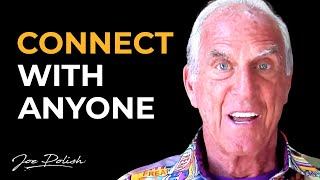
Joel Weldon shares a 50-year speaking career framework: tell your audience what they will know, what they will have, and how they will feel. He uses live examples from team meetings and financial reviews, then emphasizes recording Q&A sessions to strengthen your closing.
Chapters
I'm so excited about what I've learned in 50 years when I first overcame my fear of speaking right here in Tempe, Arizona. This is the 50th year, September 9th, when my life changed, when I learned how to speak.
When you meet somebody new here at Genius Network, you just say hello and you start talking. You've been doing it for years. But what if you're speaking at a meeting? How do you start a conversation with your audience? And actually, according to Joel Weldon, you don't. Joel suggests that's what the introducer does. Just like what I'm doing now, introducing Joel to you, I'm actually starting this conversation. And then when Joel comes up, he's going to continue that conversation. Over the past 45 plus years as a Hall of Fame speaker, Joel's developed speaking tools and simply and easy to implement systems to help speakers make that connection with the audience and then deliver a crystal clear message that's impossible to be misunderstood. Then when you ask your audience to take action, you get the results you want. Over the past five years, Joel has helped so many of our members improve their speaking and communication skills. Dan Sullivan, founder of Strategic Coach, is one of them. Dan said he learned more from Joel about speaking than from anyone else in his over 40 years of speaking. Plus, the biggest surprise benefit of Dan working with Joel was how much better his writing got. What Joel is going to talk about is how you can open any presentation or message so, so you can have an immediate connection with the audience and it becomes crystal clear what you're going to talk about and what the end result is going to be. It's such a simple idea because it only involves three words. Joel's title is how to Open any Message. Please welcome Joel Weldon.
Thank you, joe. Have you ever been at a meeting, heard a speaker like this woman or this man and thought to yourself, what are they talking about? How many have ever been confused, lost? What happens? Why does this occur? Well, in this message, you're going to know exactly how to make your message crystal clear. And you're going to also have three words, just three simple words to help you. All of this is in the handout, so you don't have to write anything down. And you're going to feel even a greater connection to your audience. You're going to know that the message is connecting. And, and when you feel that, can you feel that when you're talking sometimes that you're connecting even, as Joe said in just a private conversation, and you'll be thrilled with the results that you'll get as a result. Does that sound good? Yes. That's the end of my presentation. Thank you. What? Well, you just saw it. That's how you open any message. So what you just saw is how to open any message. Did you see it? Some of you, I know Brian has seen it. I just used three words. And that's what I'm going to encourage you to do. Open any message with what will your audience know? What will they have? How will it make them feel? Three simple words. So what will your audience know when you're speaking to them? Is this what you give them? Information, statistics, tactics? Any of these insights that you give, that's what your audience will know. Tell them right up front you're going to know this. Then as a result you're going to have. What will they have? Well, I told you, you're going to have a handout, but you could have tools, you could have systems, processes, any of this, the follow up that we're going to do, that's what they're going to have. And maybe if you're selling something, you tell them right up front and you have an opportunity to get my book or enroll in my course. So come to my mastermind group or come to this different program. And most of all the feel. What are they going to feel as a result of what you've said? What are they going to be excited? Are they going to be inspired, informed? What are you going to leave them feeling confidence or a commitment or a challenge that they could do anything. Did you see that? Three words. Three words to open any message. Impossible to be misunderstood. If you will just say what are they going to know? What are they going to have and how is that going to make them feel? And if you will focus the message on what you have set up, it makes a difference. What will they know, what will they have? How is it going to make them feel? And that last word up there, emotions is so important. So let's say how many of you ever do a team meeting where you have your people, could be virtual or live, how many get people together? We talked about communication. That came up earlier, Barbara, and what you said about the money. Everybody needs to know these things. So imagine you're in charge, this is the team. And what if you open with something like this? At the end of the meeting we're going to head off to lunch. But before we do that, you're going to know three things as part of our team. Number one, you're going to know our new marketing plan. Number two, you're going to know about our new health plan that we've got and Dave Berg has helped us. We'll tell you how that's going to work and then we're going to talk about that bonus so we don't have to worry, Barbara, about money. We're going to give a lot of money away as part of your bonus plan and you're going to have a specific budget. You'll know the goals and you'll know what the bonus plan is. And hopefully when this meeting is over, you will feel so excited that this is going to be your best year ever. Now, with that said, let's go have some burgers for lunch. Those were the three words, know, have and feel. And if you would just open any message, even a one on one conversation, Mr. Sweet. And as a financial advisor, people come into your office all the time and you're coming in for an annual review. As a financial advisor, here's what you're going to know, here's what you can have, and here's what you're going to feel. We're going to do all that in one hour so it makes such a difference. I I'm going to pass out the handout in a moment, but I wanted to comment about feelings.
Hey, I hope you're enjoying this video and I want to let you know that I have a new book that's come out and if you'd like to get it absolutely free, there's a link below in the description or you can wait till the end of this video or you can Simply go to joesfreebook.com and you can get a copy there.
What are feelings? How do you feel? I've been talking to you for five minutes. I have 10 minutes and I want to talk about something I don't usually talk about here. Feelings. I talk about systems, ideas, simple tools. And Joe asked me this year to focus on giving you ideas in these 10 minute talks to help you have better presentations. The first one was three different types of speakers in January. Then in February we talked about what makes a great speaker, getting results, what does the audience do as a result of, of what you say. And today is really how to open up any meeting. But feelings are what's inside. So I mentioned before about getting involved with leverage because I work all the time. I realized I've been on Social Security for 15 years. I have mandatory. What's the mandatory, Brian that I get to get from my retirement plan? I've got minimum, I've got to get these minimum Distributions. For seven years I've been having to take all this money. I. I'm not doing this to make money. I'm doing it because I'm so excited about what I've learned in 50 years. When I first overcame my fear of speaking right here in Tempe, Arizona. This is the 50th year, September 9th, when my life changed, when I learned how to speak because I could never speak to anybody. And if anybody ever told me that I'd have a 45 year career as a speaker because I could learn to speak, it would be impossible. I don't have any education. I was a construction worker for seven years making 62 bucks a week. And this life has happened because of speaking. And I look at Lisa Sini over there and helping her three years ago on a talk she gave and how she killed it. And Summer Felix, five years ago when we started and you made that presentation at ypo, I still remember your call telling me I how much this helped you. And that's such a wonderful feeling working with Brian on his talk. Brian speaks a lot. Jennifer Carroll has been a friend for 15 years in helping her with her message and then getting her to join. And then people who are experienced speakers, like Jason when we started five years ago, and seeing how this guy has taken these simple ideas, as smart as he is, and improve them, that's the feeling of what keeps you going. And I think, Joe, I can officially hold the title as the oldest member of genius network. It's 77 and I got a long way to keep going. And older than Dan Sullivan, you know, he keeps trying to tell people how old he's now he got him beat. But are you that excited inside about what you do and how it helps people? And when I come here and look at all the people that have engaged me over these years, from John over here and Todd over there and Brian, it's so rewarding to know that what you do helps people be better. And Joe, that's what you bring to this group. I was dragged kicking and screaming to see you five years ago when what do I want to do with some guy who sold carpet and teaches marketing? I mean, clean carpets. I mean, this is ridiculous, but it changed my life. And that's what you all have this opportunity to do, if you will take some of these ideas that you hear here and just use them. And my approach is make it so simple. Would you agree that if you opened any MIS message, what they're going to know, what they're going to have and feel that you could do that. So is your message doable? How many times do we hear ideas, boy, that's a great idea, but no way I can do that. Then that's not a good idea. If you can't do it, it's results, results, results. So these tools that we talk about are designed to help you. And in the 10 minute talks, when I come up and give comments afterwards, and it's really for you, not so much the speaker, because I want to emphasize things. What did you just see that worked, that you could do? What did he or she do that could have been a little better? And maybe are you doing the same thing? And you just saw the result of that. So one of the tools I use that only Jennifer and Brian know is I showed them my slides and I said, when I show this slide, that's all folks. I'm going to walk off and say, that's over. And I want you to yell out, what? What? Now some of you yelled that out, but I couldn't be a hundred percent sure that would happen. So I set it up. If you are looking for a specific answer, set it up. It's not going to impact the audience. It's going to make the message so much better. And I've seen that happen. So, okay, so can somebody tell me this? No, that's not right. All right, how about. And we spend like a minute looking for the answer when all they had to say is jfk, Martin Luther King and Ronald Reagan. That's our nine minute mark. So when you hear that you've got one minute left. Does this make sense to you? Any questions? We don't. I allowed time for this one. Any questions about anything I said, especially the no have field. Yes, Eunice? Oh, you were raising your hand. Oh, I thought, finally I'm going to get Eunice to ask a question. She raised her hand. Now, is that a good sign or a bad sign? I have a message on never ending with Q and A. The best kind of Q and A is just what happened. Because if you have a lot of questions, what does that mean about know, have and feel you? I don't understand. Tell me again, what does no mean? I don't know what I'm supposed to tell them. That if you have no questions, when you finished, you made a great presentation answer. And now if you have Q and A, record every Q and A session, figure out what the theme of the questions are and put them in your next presentation and then you answer it. And I did that with one of our real estate groups and they told me afterwards their closing percentage went up 50%. Because the only question was, how do I get started? Prior to that, they had two hour Q& A session. So now that we have no questions, it's time to bring back Mr. Joe Polish.
Okay. I hope you found that video awesome and useful. So if you want to get a free copy of my book, I want you to click here. And if you want to watch some more videos that will be useful and awesome, click here. Go ahead. You're over here. Do it now. Come on. Thank you Watching.
More from Joe

This FBI Trick Can Command Respect Without Saying a Word ft. JEFFERSON FISHER & CHRIS VOSS

How To Stand Out, Be Different, and Create Raving Fans, Customers, and Employees ft. Jesse Cole



90% Of Businesses Fail In Their First Year, Here's Why! ft. Dr. Benjamin Hard & Dr. Robert Cialdini

The 1 Piece of Business Advice I Got From Elon Musk That Changed Everything Ft. Kamal Ravikant

The 6 Traits You CAN'T Teach in Entrepreneurship ft. Richard Branson & Gino Wickman

The Leg Method: How to Make Your Book into a Million-Dollar Asset ft. Anna David


7 Millionaire Mindset Hacks for Daily Success and Wealth ft. Brian Tracy & Dan Sullivan
