The Art and Science of Reinventing Your Career and Life
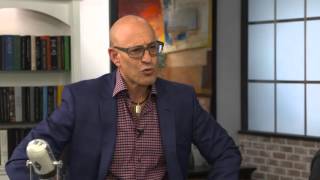
This is a recorded interview (YouTube) in which Joe Polish interviews Adam Markel about his book Pivot (subtitle: The Art and Science of Reinventing Your Career and Life) and his transition from an 18-year law career to leading New Peaks (formerly Peak Potentials). Major elements: Adam describes a health scare/pivot moment at age 38 that catalyzed change, diagnoses fear and status quo as primary barriers, and outlines small, repeatable practices (morning ritual: gratitude, declaring 'I love my life') and iterative pivots (five-degree course corrections, domino metaphor) as the path to reinvention. He emphasizes experiential learning, failing fast, selling/enrollment from a heart-centered perspective, and building supportive networks. The interview closes with purchase/marketing info for Pivot (pivotbook.com) and an invitation to live events tied to the book.
Chapters
Hello, this is Joe Polish, and today I'm going to interview my buddy, Adam Markell. How are you, man?
Awesome.
Great to be here. So, look, you got a brand new book. The art and science of reinventing your career in life.
That's what it says.
Yeah. We're going to talk about this, but for people that don't know who you are, who are you? What do you do?
Oh, that's giving me the who are you? Question.
Exactly.
I love it. All right, so in order of sort of. Of most important things I know about myself, I'm married to My college sweetheart, 26 years. Have an incredible, wonderful marriage.
I've been married 26 years.
26 years. We have four healthy kids. I'm also a recovering attorney. I spent 18 years in the practice of law. And so, you know, a little thing about sort of repurposing myself, reinventing myself, that's what the book's about. But that's. That's a little bit about who I am. Yeah.
And so in your company now, what do you guys do? I mean, you, you obviously address hundreds of thousands of people and you, you know, in all areas of improving their life and their business and all aspects. Plus, you're. You're healthy, you work out all the time, that sort of stuff.
So. Yeah.
What, what's. What business stuff do you actually do? What does your company sell and offer?
Yeah, my sort of. My title is. I'm the CEO of a company called New Peaks, was formerly known as Peak Potentials, and we have a beautiful business model. When I was a lawyer, and I get people that come up to me all the time at one of our trainings or any place I speak, they say, you know, I'm a practicing lawyer and I'd love to be a recovering attorney like you and that kind of thing. So I don't put down the law profession at all. It's just that when I practice law, I got to see the worst in people. I was a litigation attorney, but I also handled a lot of transactional things and, you know, people arguing at a closing about 25 bucks just. I could see people almost all the time in their lower self and the work that we do. This company, New Peaks, is a transformational training business. It's an integrative business. So it's integrating both the personal development side and the business development side, which is what I really love about it. And we train people all over the world. I think now at the. This current tally is more than a million and a half people, 104 countries for more than 20 years, which is pretty cool. And I get to see people at their best. Meaning people are coming into our space looking to create a better, the highest possible, you know, the best version of themselves, the highest vision for themselves.
You know, that's interesting when you said seeing people in the lowest versions of themselves. So what takes people there the most and what pulls them out of there the most? I mean, I know we can talk about this that on for you know, two days, we could but like just some, some things that off the top of your head and what you've observed, what, where, what causes people to get really in the dumps and, and what pulls them out.
Yeah, you're right. It's a deep question. I want to do it justice. But I'll say it's a four letter with F or you could say it's fucking fear. Right? I mean fear rears its head. And I forget whether it was Roosevelt that said the only thing we have to fear is fear itself.
Fear itself.
And that really is true because when fear shows up, it brings us to a place where we're not in our hearts for the most part. So love and fear are two states of being. And I think those are the only two states of being. And when fear is there, it's, it limits our decision making. It limits us to usually very poor choices that are scarcity based. So when it comes to people wanting to create more money or create solutions in their business or iterate something new to create new results and you know, fear is the thing that will always get in their way. And the antidote to fear, there are a number of different antidotes to it, but that's, that's where we kind of, we get people curious about how it is that I live with, live not without fear, but how do I, when fear shows up, actually put it in its proper place, which is not in the driver's seat where it usually wants to be, but in the back seat, you know, and it's not the one holding the map or the GPS and saying here's how we go and this is where we go. It's relegated to a different place in the vehicle.
Yeah, interesting. So in your law career, how much of your time was spent in a state of, I don't know if you call it liking the business, being in flow, being connected, or was it just a very difficult, challenging career the entire time?
Well, I was enthusiastic when it started because I grew up in Queens, New York in a small apartment. My brother and I shared a tiny little room. So I Didn't learn anything about money or financial literacy or business or entrepreneurship. So met my wife in college, decided we're gonna get married and have a bunch of kids. And I'm a teacher. I was a junior high school English teacher for a couple years in New York City. And I was working that job and I think two or three other jobs. I was waitering and I was a lifeguard just to pay bills that were small, not even big bills. And I knew I had to change something. So I went back to school and three years later got a law degree and was working my way through that whole process. And I primarily did it because it seemed like the thing to do. And now I've come to understand at this point in my life that a lot of people take that job or pursue a certain direction in their life because it seems like the next best thing to do, especially when it comes to maybe making some money and getting on your feet and all that kind of thing. I went down that road and liked that Pink Floyd. So Money, you know, 10 years gets behind you. No one tells you when to run. You missed the starting gun. And that's what it was like for me. I got into my mid-30s, and I realized that I had started to lose my hair.
I woke up, I just shaved my head.
No, I'm kidding me. I'll own it. I just shaved my head because I can't grow hair anymore. I put my feet on the floor in the morning, and I would feel to start every new day, I'd. It was dark out. I'm going to leave the house before the kids would even get up and not see them for breakfast or anything and take them to school. And the first thoughts I had when I put my feet on the floor were like, anxious thoughts, thoughts that were like anxiety and fear, anger even, and dread. And that's how I start my day. And that went on for years. So this slow torture, this, you know, water, like a Chinese, you know, water torture, day after day after day, leading a life that was less than I knew it could be. And so that mediocrity became, you know, was just in my body, was in my energy. And at a certain point, I was in enough pain and literally was in pain that I had to make a change. So, yeah, that's. That was sort of what led to my moment of my pivotal moment, if you will.
Yeah, well, and that's interesting because, Tado, your book is called Pivot. Do you believe that most people need to get. Get to such a place of pain before they'll shift, or is there a way to. You know, Because I work in a lot of the world of addiction, and you'll hear a lot of people say, you have to hit bottom. And I believe there are ways you can bring the bottom up so you don't have to have it be so freaking agonizing. That's a great way of thinking in your particular case. So most people, if they're. They're complacent, if things are kind of working, if things are good, you know, it's either most people are operating out of intense inspiration or massive desperation. So. So how do you think that applies to most people? Because you're certainly with Peaks. You guys are working with all levels of people at different stages in their life.
We do, and we really stir people up at all different areas of their life. But the reason is that status quo leads to mediocrity, and mediocrity is an epidemic in our world. And I think that's the reason why so many years ago, it was Henry David Thoreau that said, everywhere people lead lives according to quiet desperation. And I think that quiet desperation is really what's got the greater chokehold on our world. Yes, there are all the stuff that comes outside the bell curve of people that really fall on hard times. And when you brought to your knees, you find spirit, you can find recovery, you can find support, you can find all the things that help us to be more connected to who our true selves are. I don't think, as you said, that it needs to get there. And at the same time, I speak to audiences all the time, and I kind of call them on their shit in a pretty direct and intense way after, of course, asking for permission to do that. Right. But the fact of the matter is, and I say sometimes to people, do I need to put my foot on your neck? Do you really need to be in that much pain? Do I have to call you out for all the places where you're out of integrity before you'll take some action to change something? Or do you want to lose another 10 years? Because you blink your eyes, it's a year, right? You blink again, it's five, you blink there and it's 10, and you go, man, how much time do I want to actually let go by before I'm doing what I'm supposed to be doing on this? Feel good about it?
Do you have a lot of people that get really pissed off at you with these sort of conversations, or do you think you've learned how to basically set it up? And get their permission so they become receptive to what you're saying. Or do you find yourself still having to bust through the shells, the resistance, the facades, the fears, all the things that. All the roadblocks that people put up to, you know, being able to be coached.
That's why it only takes, like somebody that's in the space and is a great coach to ask a question like that. Because, yes, there are people that are ready to be. They're ready, you know, like when the stage students ready, the teacher appears kind of thing. So there's always those people that show up and they're a blessing because they're easy. But I'm not doing this for the ease of it. I mean, this is one of the toughest sort of businesses I've ever been in, and yet. And I work harder and longer than I did even when I was a workaholic attorney. But I love this work. I love it. And part of why I do love it is that it's the nut that's hard to crack that oftentimes is the one that will bring us the most fulfillment.
Oh, yeah, exactly.
Because that's a person that, yeah, they need to be driven to a place where they can have a mirror put up and see themselves as they really are showing up. And that's probably. I'd say that's one of the areas where our company does excel, is on the experiential learning side of things, on the breakthrough side. Because it's one thing to deliver great content and it's another. Another thing to lead people through process and exercise to discover what they've forgot, what they've forgotten about themselves.
That's real key too. Getting someone to the point of having that experience and feeling it at a visceral, emotional level. My dear friend, the late Nathaniel Brandon, he was like the father of self esteem. I interviewed him many years ago, and he said, when someone goes to a therapist seeking help, they're not seeking. Seeking an explanation, they're seeking an experience. And I just thought that was a really profound line because you can hear these things all day long. I mean, there's a lot of stuff that we can say and talk about until someone actually has the experience of it or goes through a process, then it becomes much different. I mean, if someone goes to a gym and looks at the equipment, that's much different than sitting down on the bench and actually working out. It's much different. And the same thing with practice, personal development. So you're totally a student of this. At what point did you start utilizing what has now become your life. I mean, because everyone has that stage where they seek it out. No one would be listening to this or watching the video of us talking if there wasn't some bigger future or some obstacle, opportunity, challenge, something they want to pursue. I mean, people are more apt to watch cat videos on Facebook than they are a couple of guys talking about how to get your shit together in your life. No kidding. So these are obviously anyone that would be paying attention to this. There's something that they want. What was the light bulb for you?
Well, I want to start with that last thing, because I don't believe there's any accidents. I don't think you do either. Right? No accidents in the universe. So if somebody, Whoever's listening to this or watching this right now, the good news is that it's totally for a reason. It's totally on purpose, Right? Because there's bazillions of people out there that could be and aren't or wouldn't be because it's not their time at the moment. So for me, it was the same thing. I was, again, unhappy, had plenty of money. I mean, I'll give you just a little thing on this. I'd made several million dollars Before I was 30 in my law practices. I had a practice in Manhattan and one in New Jersey. And then because I was miserable and unhappy, I started to create new things to do. I opened up a restaurant. I bought some commercial real estate. I bought residential real estate. I bought a title insurance company. I was a serial entrepreneur. Now, some of those businesses made money, but quite a few of them lost money. And I hemorrhaged quite a bit of money during that period of time where I was miserable. And people wonder. I think one of the biggest questions that they have inside that they're not vulnerable at the point where we usually meet them. They're not vulnerable enough yet to express that they get there pretty quickly, because when they find that everybody else has kind of been in that same boat, then they feel more comfortable, right? Yes. Sharing how they've screwed up their life or sabotage their success and give them back a boatload of money. But for me, I was driving in the car from our home one day. It was with my wife, Randy, and I pulled off to the side of the road, and I said, would you please drive? And I was the guy who was always driving the car. Type A, gotta be behind the wheel, whatever. And she said, no, no problem. You know, we switched seats. And I said, just keep going straight. And she says, what do you got to make a phone call or something? And I said, no, no, just go up here, you know, make a left and then make a right. And before we knew it, she could tell something was up, but she wasn't probing it too much. We're pulling into the Central State Hospital, which is in Freehold, New Jersey, where we used to live, and we're right up. I said, just pull up, right up to the emergency thing. And now she completely gets. I said, listen, I'm having some chest pains and trouble breathing, and I think, you know, I don't know what, but I got to get in there. Next thing you know, I'm on a gurney. You know, they got electrodes on me. I'm in a full on cold sweat, and I'm. Now my heart is pounding three times as hard as it was just 20 minutes earlier. And my wife's in there with me and she's holding my hand and she's crying and I'm crying and it seemed like an eternity. But a doctor finally walks in and looks at my EKG and whatever else, and he long pause system. He goes, so what do you do for a living? I go, I'm a lawyer. He goes, okay, and what kind of practice I got? Litigation. He's like. I'm watching his face, almost like creating a slight grin, but it, you know, small. He could barely notice it. He says to me, and he goes, and do you drink coffee? And I said, yeah. He goes, well, have you had any today? And I go a little. And he goes, how much? And I go, I don't know, five, six cups. This is like noon or whatever. And now he is like toothy, grinning me, you know, And I'm going, you know, what's going on? He says, listen, I tell you right now, you're not having a heart attack. I know that's what you think you're having, but you're not. He says, so, you know, take a deep breath. And at this point, you know, my wife, she's bawling. I'm getting emotional now, even just thinking about it, because I could still feel the tingling in my fingers like that. The ends of my fingers were numb. And he says to me, you're not having a heart attack. You're not going to die today. Because I'm lying in that bed thinking I'm not going to see my kids today, and I'm not going to even have an opportunity to correct any of the things I knew inside of me were just not right. And so I thought, geez, I'm not going home. And when he said that to me, it was like, I got this. It washed over me that I'm going to actually get a second chance. So he said to me, look, you're lucky today, but you could be in here in six months or a year and not have the same good news story. And we walked outside, my wife and I holding hands, and I look up at the sky. And I'm a spiritual person. At the time, I think I believed in something. But I wouldn't say somebody sneezed. I'd say, God bless you, but that was my only word for God. And I looked up at the sky and I said, thank you, God. And that was a moment for me where I realized I knew something had to change. I had no idea what that change would be. But I wasn't going to go back to the thing that was, you know, that was running my life. The day, just a day earlier.
How old were you at that time?
38.
38, yeah. Yeah.
I'd let it go on for a while. You know, these things don't come upon us, you know, like overnight.
Right.
We just sort of ignore.
Yeah. We notice it when the punch is, you know, or whatever it is, is big enough and they gets. There's always clues. I mean, your life and everything that's not working. These are all. There's signs everywhere. It's just if you're receptive to see it. And again, I'm in the same boat. I mean, there's so much of my adult life with the success, with money, with the driveness that I was completely numb to it. From addictive behavior to body pains to.
All kinds of stuff you can ignore incredible feedback. Right. Stimulus from everywhere. And you can ignore all of it. If you're up here. Right. You're totally in your head, which I was.
Yeah, yeah. And I think a lot of entrepreneurs are. And It's a catch 22 because, you know, like you say workaholic. I want to actually talk to you about the strategies used to actually shift after that sort of thing. But, you know, workaholism is the response. Respectable addiction, you know, and there's a lot of driven entrepreneurs that the driveness comes from trauma as a kid, comes from crazy making. I mean, you could trace a lot of insanity in people's lives now. It's better than being in prison in some cases. Although they do end up there. There's all kinds of ways that someone, you know, can transmute whatever their life experience. Experience is into better ways. I'll tell you Though I know a lot of people that have built lots of prisons with golden bars. I mean, they have a lot of money, but they live lives of incredible torment and angst and the outside world, because they'll see the financial success, think they're lucky, or the people that we have as role models. And anyone can be a role model. People have no idea what's going on in many of their lives and the pain that exists for some people that you would look at and think, oh, they've got it all.
You can make a heaven or a hell out of anything.
Exactly, exactly. So when you were a workaholic attorney, what are some of the strategies used to transform your life? I mean, get out of that.
Yeah. So, I mean, I started by reading a book. So to me, that's the first place I always kind of lead people is any transformation begins with awareness. And so I just was unconscious. Like, you know, God knows how. What percentage of our world is a bit unconscious? And so for me, every day is a process now of waking up a little bit more, waking up a little bit more, you know, my own consciousness, waking up to the truth about myself. And that's what's helped me continuously. But when I started this, I Read Scott Peck, Dr. Scott Peck's the Road Less Traveled.
Great book.
Crazy book, too, right? Talk about crazy. Making that book is like performing psychoanalysis on yourself.
I remember the first line in that book either. The first chapter. I don't know if it's in the intro, but it says, life is difficult.
Life is difficult. Exactly.
Well, let's go into that, because you say, I read a book, and a lot of people are like, well, yeah, you read a book. There are several books that absolutely changed the entire course of my life, my life and my thinking and how I do things. And so a book can actually change your life. And most people that, depending on what they read, you know, they can. They can change your life with a book. So the Road Less Traveled.
Yes, exactly. Like you said, you can read Mein Kampf, you know, or you can read something other than that.
Right, Exactly.
So, yeah, I read the Road Less Traveled.
That would be a Hitler book.
Yeah, that would be for anybody who doesn't know, right?
Yeah.
Or you could read Awaken the Giant. I read Awaken the Giant Within Tony Robbins book. Now, what's interesting about that book for me is that there's a little footnote. I mean, an amazing book. And I finished it. It's a big. It's a tome. Right? Really? And I loved it. And there was A footnote in one part of the book leading reference to the Seven Day Mental Diet. So anybody listening or watching this now, just Google that. Emmett Fox, the Seven Day Mental Diet. Because that, that was sort of. I like to think of things. And in the book Pivot, there's, you know, first part's a book about how to clean your windshield. So everything starts with clarity. Because if you're driving down the road, you know, and you can't see, you're either going to drive normal speed, which makes you a danger to yourself in the world, which there are a few people like that, but most people are not like that. What they mostly do when they can't see is they slow down, they go slow, which is why their lives turn into this status quo, this mediocrity, because they're going so slow. Right. Whereas you meet somebody like yourself, you who's really on purpose. It's because you're clear that you can be so on purpose and so driven to go fast. And you can go fast and you can go fast safely. That's the key. So that's the first part of the book. And the second part of the book is about momentum. And how do you create momentum? And I tell a story about dominoes. And so really it's this domino effect. And what is the thing that's going to tip the first domino? So for me, yeah, Awaken the Giant within was a domino book. So was so the Road Less Travel then Don't sweat the small stuff. And a bunch of books that I kind of was ripping through when I was curious about why I was in so much pain, I was curious about my own pain. So that domino led to Emmet Fox, which led me to create spiritual practice for myself, which led me to understand that if I couldn't control and master my own mind, if I couldn't master my thoughts, that I would be hooped. And it led me to, to Napoleon Hill. And then I adopted this mantra that I want to share that I think is in think and grow rich. Which is that I ask not, O Divine Providence, for more riches, but more wisdom with which to accept and use wisely the riches I received at birth in the form of power to control and direct my mind to whatever ends I desire. I mean, if you can't control your head, your mind, your crazy monkey mind that's constantly rattling the cage and get some control over that thing, how do you expect to create any results in your life that aren't haphazard or random?
Right, right. And that is an art. And A science in and of itself for many people. I mean, I was doing yoga this morning, and the guy who's the instructor, I've gotten to know him, a really great instructor. And so I'm in there, I'm the only guy.
There's a bunch of women, which doesn't suck, by the way.
It doesn't suck at all. I very much like that. And he. He said, he goes, control your breath. And if you can't control your breath, you can't control your mind. And I've heard yoga instructors say that a bunch of different times, but I really thought about it. I was like, it's a very interesting concept because as simple as that sounds, whenever you're in the midst of a lot of anxiety, if you just come back to the breath, there's a lot that could be said about it, but it could take some people 10 years to just even get that one thing point. So there's.
Can I share like a. I don't know what you call this. Like a. Not a guilty pleasure, but a selfish, selfish pleasure. Right. So I get to speak like you do to people kind of all around the world. And I was in Sydney and in Melbourne and some places recently where, you know, I had five, six thousand people in an audience. And sort of the first thing that I did when I got on stage, you know, greet them and thank them for being there and all that kind of thing. And then I said, so now everybody take a nice deep breath. And we breathed for like a minute, just breathing. And it's a pretty amazing experience, definitely out there. And for me, it was spiritual experience, that 5,6000 people in coordinated breathing together.
And when you do it, even for a minute, in that sort of context, it could seem like forever.
Especially to the promoters.
Yeah, exactly. To the people whose event it is. Right.
And you're out there to talk about business and 10x your thinking and stuff, and here you got a whole room full of people just breathing, right? You go, what's going on? Right. But the oneness, the feeling of oneness, the feeling of connection between us all, it was remarkable. And then we were able to go forward together because just getting present is such an impactful practice to be able to think more clearly about yourself, your.
Business, any area, what you're saying about being connected, I mean that to me, connection is the most critical element. I'm actually going to launch a podcast called I Love Connection. And that's sort of like my code word for helping people with addiction, because the opposite of addiction is connection. And so when you're talking with someone, you're either in communication or you're trying to escape. I mean, you're either there or you're not. And some people, they aren't very connected with themselves. And if they're not very connected with themselves or a purpose or something, then they're trying to escape out of their own skin. The problem is, it's hard to escape out of your own skin because you're there with you even if you hate yourself. And so it's a very interesting thing to see tons of people. And so you're considered a leader in the personal development space. I mean, what's the biggest audience you ever spoke to?
About 10, 11,000.
Yeah, but you're doing this all the time. I mean, you're in front of people all the time. And so a lot of people will look up at a guy like you and say, God, I wish I could do that. I mean, that's, you know, you have to be so talented backstage. You know, everyone sees the front stage, but backstage, there's a lot of shit involved in running a speaking business. There's a lot of stuff. There's a lot of logistics involved in doing events and. And having done events for many, many years. When attendees show up, everybody does the additions, but no one does the subtraction. They count how many people are in the room, how much money the person's making, this and that, not realizing that there's a lot involved in that. How often do you go up on stage scared or questioning yourself? Even as many years as you've been doing this? What is like the secret lives of a transformational leader? You know, what. What really are the challenges for you.
And what you do, you know, thank you so much for that. That's. That's a real. I think that's going to be a valuable question to pull the curtain back just a little bit. So, first of all, I think it's interesting to note that I'm not a. I'm not the gregarious one in my. In my personal life. I mean, I like to, you know, joke and kid, you know, and have fun all, you know, as much as possible. But I don't seek to be the center of attention when we're at a party. And in fact, usually it's my wife that will walk up to me and she'll put her arm around me or something, because my love language is physical touch. So she'll come over and she just touched me and go, you good? I'm like, yes, I'm good. But I'm more of an intimacy person. So I like to be in a small group of people and when I'm around a lot of people, yeah, then I'm not the most comfortable. But the beauty of this is that if that were me, if that's how I went, approached talk or approach to training for three people or 3,000 people, I'd be done, I'd be done before I began. And, and that's because I'm making it about me. And so back to yoga. A dear friend, long ago, and I was, I was going to go out to Singapore to speak to 5,6000 people for the very first time. She said, I want you to, we'll work through some yoga together. That's just something you can do to kind of relax yourself a little bit, you know, the day of and all that kind of thing. She said, and I'm going to share this term with you. And she said, om Na Maha. And she said loosely, it translates to it's not about me. And so now I will say from that moment forward, as much as I could easily get into my head and my nerves and all the things energetically that could, you know, are not right or could rule wrong. And like you said, there's, you know, filling a room, if you're filling a room, it's a full time thing, it's, it's unbelievable. Or you're being invited to someone else's room, you know what they're going through. So the pressure on you is even more so because you know how agonizing it was to get people to freaking take action. You know, getting to say yes to something, but then to actually show up in their own lives is a major, major thing. Right?
Right.
And more I think it's harder and harder every day, which is something maybe we'll get a chance to talk about. But they show up and now you got to serve them. It's like, well, don't screw it up. Don't be an idiot. So I've heard a lot of stories of people that they trip on stage and they look like a fool and all that kind of thing. And yes, I made a gazillion mistakes on stage and I've screwed up countless different ways. But the difference for me is that when I start, and I always start with Om Na Maha, that it's not about me, that when I screw something up, I don't try to hide it from the audience. I don't pretend it didn't happen. I just go, holy smokes, did you just see what I Just did. I mean, I don't even know what to say about that. How about I just start again or whatever? Because they see you.
Totally. And if you try to act so damn polished, you don't come across as being a real human.
No, it's good you're not human. Right. But, but that's the thing I want, I really would love folks to know is that even though death and the public speaking are like two greatest fears and all that kind of thing, speaking to an audience of people, large or small, has everything to do with your intention.
Yeah.
And so if you're going to give a presentation to your board of directors or to your small mastermind group or whoever it is, or you know, the people, people you want to ask for money to invest in your business, you got to check in with what's your true intention there? If it's about them and somehow the opportunity is going to impact their lives for the better, you just rise. I get beyond myself.
No, it is true. It actually, when you come at it from that intention, you become a more caring, capable person. I mean, I really think you do.
It's your true self. Yeah, it's back to that. Who are you really?
And to take people from their lower selves to their higher selves. I actually take it so far as thinking the mechanism to do that is selling. You know, I asked my buddy Dan Sullivan what's the definition of selling several years ago and he just said these words and I wrote it down when he said it. He said, getting someone intellectually engaged in a business, bigger future that's good for them and getting them to emotionally take action to achieve that result. And so I wrote down getting people to engage in a bigger future that's good for them and get them emotionally engaged to take action to achieve that result. So I even did this video called Is Selling Evil? Which is online. It's been viewed thousands and thousands of times. The 3 minute, 50 second video someone types into Google is selling evil. And it's my whole little spill on selling when I was asked the question is selling evil? During the filming of this documentary. And so it was some B roll footage that never made it into the documentary. And what I talked about is that the keyword is good for them because you can get someone intellectually engaged in a bigger future that's not good for them. I mean, cigarette companies do it, fast food companies do it, Hitler did it. I mean, there's lots of ways that you can persuade people, but it is a sales job. And I've asked audiences and if you have a friend that you really care about, they're in trouble, they're dating someone that is very toxic, or they're going down a path that you know is going to make them miserable or something that's going to endanger their children or their health or it's just not a really good decision, you know, what would you do? I mean, when you're talking with them, what are some of the things that you would do? Oh, I would ask them questions, I would challenge them, I'd be empathetic, I would listen, I'd be caring, I'd get them this, I'd be supportive. There's all these things that people would do when they're trying to care for somebody. And I said, okay, well, so what you're doing is you're actually selling someone, you're actually persuading them, you're influencing them because you care about them. Now take that into a business environment. When you're operating in that way, you're going to be doing the same sort of thing. Right. And so the question is, how do you actually access all these wonderful qualities when you're trying to influence and persuade someone that you care about? How do you do it? And someone will find, well, you do it by self selling. Exactly. So if you're selling and that brings out these very. Who are you in the best of terms when you're selling? Not when you're trying to talk someone into something that they don't want, that isn't good for them, that's manipulative. But when you really care about someone, all these wonderful qualities come out. And people would, yeah, I never thought about selling that way. And so. Well, if you know that that's going to happen, then how often should you be selling and someone would be like, well, all the time, like, exactly. But the number one sales job you have to do first and foremost before you can be effective at persuading an audience or persuading someone else, your children, is you have to sell yourself. And so every morning you get up and you either everything that comes out of my mouth, your mouth, anyone's mouth, is either going to design to attract them or repel them. And in some cases, you repelling is actually a smart thing to do. There are certain people you don't want into your world. There are certain situations, situations you don't want into your world. So the question is, how do you do that? And the reason I'm bringing this up is because you don't just get up on stage and talk to people. You actually sell people. I mean, you are there to actually put them into some sort of personal development or some sort of place that's going to hopefully produce a better version of themselves.
The next domino.
Yeah, exactly. And some people, they. That requires a certain level of persuasion and a certain level of getting them to see pain and realize that if you don't make this shift, if you don't go into this place, not much is going to change. And so I wanted to actually talk with you about. Because you had to first do that to yourself. I mean, when you go back to the hospital and you walk out and you said, thank you. I mean, something shifted there. And there was, you know, there was some. I need to do something different. And what you had to do is you had to say no to a career that you had been conditioned and learned a lot about, and you had to walk away from it.
Yes.
And that's really hard to do. You know, like Jim Collins, you know, good to great is whole. The enemy. The good is enemy of the great is the good. And there, I've always loved the line, be willing to destroy anything in your life that's not excellent.
Yes.
And there are steps where you have to be like, you know, just saying no. Sometimes you have to just blow shit up. So what was it for you and how do you most effectively do that to someone else?
Yeah, that's beautiful. I want to kind of riff on some of the things you just said, because you said so many great things there. I mean, sales is 101. You want to be successful in business and in life, you need to be able to sell. Now you. You can use the word sale. Sometimes we use a euphemism. We say enrollment. You know, enrollment conversation. You want to get your kids to brush their teeth. It's an enrollment. You want to do the homework's enrollment. You want to have sex. It's an enrollment conversation. A little bit different enrollment conversation, but it's an enrollment conversation. You're selling somebody on something. And I think one of the greatest shortcuts, because I think it's kind of cool if we give some little nuggets here of shortcuts for people that you can get into that heart space. That's the term I typically use, is when you say you're going to show up for a friend and empathize and listen and coach and hold up a mirror and all the good stuff you do. If you are really a great friend, not just enable them, but be a great friend to them, you're really in your Heart space. And that heart space for a person who's not your great friend yet is education. So to me, if you just teach, you just go into teaching mode, that it puts you in that place. It's a shortcut. How can I teach them something? So here's your problem. I'm going to teach you about your problem. But actually, you tell me what your problem is. Right. Just you can ask, what's the biggest challenge you're having right now in your business or in your personal life? Right. They'll tell you, what's the solution? Because Socrates said all learning is remembering. So you just, you know, all new information comes from out there. You could be the genius if you want to be, but the fact of the matter is, they're probably going to have more of the answers than. Than you'd think anyway. So just ask them. Right, exactly. What's the solution? You know, what are some of the things that might help you to shift from that problem to that solution? Again, you can just educate them in the process as you're enrolling them, as you're selling them. I actually like telling them that's exactly what we're doing. There's going to be something here that's going to be of interest to you. We'll get to that when it's time. But in the moment, I'd like to just share with you the sales process and how this works and how it works. So it's reciprocal. So there's a benefit to both of us in engaging in this way and how you can learn something valuable as you're also about to take action to change your life. Right, Right. And that when you, when you kind of pull the curtain back a little bit and you share that, that's what you're about and that's what you're doing. You're authentic.
Yes.
You're being. In your heart, you're teaching. There's an education to it. And at the same time, you're enrolling them. Right. That is, you're selling them. Right. So that just trips me. That's just great, I think, as a shortcut. And then you said that first you have to start with yourself. Right. Enroll yourself. How do you change anybody else's life? How do you do anything different tomorrow than you did yesterday or today if you're not able to start off? By getting leverage over you.
Right, exactly. Getting leverage over you. It's a great term.
Yeah. So to me, one of the cool things I love in the book, and I say this to people, is that the power of your life, excuse me, Quality of your life is equal to the quality of your rituals and the things that you do consciously, repetitively, that you practice, that this is what's going to determine the ongoing elevation of your consciousness and your own personal unfolding. And so that starts with how you wake up so you can go through a whole day's worth of rituals and things. But just what is it that you do to begin your day? And when does the enrollment start? When do you start selling you on you? I was with Stedman Graham the other night for the little party to launch Pivot, which was great, and he gave a great talk. And one of the things he said that's the most challenging in the world, where he's constantly, through his philanthropic activities, coming across young people that are really challenged and are coming from challenged circumstances, you know, where they live and how they've grown up and who their parents, you know, have been, etc. And a lot of addiction, a lot of poverty, a lot of discrimination and things like that. And he said that the key to elevating yourself out of those circumstances, the way he was able to elevate himself out of circumstances where he was born in that same sort of situation, was knowing thyself. Like it sucked. It's that know thyself thing. But to, to really explore who you are until you have some sense of that, so you have a beat on who you are, it's impossible be authentic with anybody else. Which means you're never going to be good at selling because. Because people can see, smell it. They can smell it when it is a fraud, right?
Yeah, totally. And when you're second guessing yourself all the time, it's very hard to be engaged and connected and influential because you're constantly second guessing yourself. And one of the reasons that people don't go to higher levels is they do such a shitty job of persuading themselves and influencing themselves. And what your thing with rituals. I personally think rituals are everything. I mean, I saw this on the back of a guy's T shirt in the airport several years ago. It said Winners Find Ways. And it had something to do with some sports jersey. And I was like, that's a really great line. And I checked to see if the URL was available and it actually was. So I registered Winners Find Ways. And at this point I've still never done anything with it, but I love the term and I've thought about it a lot. Because losers Find Ways. Also. Now, I don't mean like a loser person as, as a human it says, if your life isn't working, there are certain things and certain rituals that you're doing that are causing it to not work. And if your life is working, there are certain things that you do in a way that's making it work. I don't believe in good habits or bad habits. Not to debate semantics. It's just that I understand what people mean when saying I've got really bad habits. I mean, I can point to things that I've done or might be currently doing that aren't the highest and best use of my time. It could be done more effectively and that sort of stuff. But it's like if you wake up every day and you guzzle five cups of coffee, smoke a pack of cigarettes, yell at your wife or your husband, kick your dog, and just have a really shitty attitude, you've developed really great habits about eating fast food, drinking coffee, smoking cigarettes. I mean, you've really developed that. So when people have things that I can look at people's lives that are just a mess and reverse engineer what it is they're doing that's causing it to show up. That way I can look back in my life when it was just not working very well, and I could look and see, well, obviously, because I was doing certain things in a certain way. And you can wake up and turn it all around. I. I mean, it may not be easy, but it is. Absolutely. That's why it's so great to see someone that has made a transformation, because most people don't. But in reality, there's not a lot of real complications to some of the successes now. Some successes, yeah. There's a lot involved. There's a lot of effort. But I mean, sometimes if someone just changes their sleep, it can transform their life.
Sometimes it's so simple that it would shock, you know, some. Shocking. It's shocking. It's shocking how simple some of these changes can be for folks, right? Because for the most part, you know, people. People think, you know, they're not happy, it's not the way I want, and all that kind of thing, but yet they still play the refrain in their mind that they know what's best for them, that I know that kind of thing. And. And I sometimes say, you know, everybody in this room's an expert. How many of you believe you're an expert? Right? You know, a few hands. And I said, no, no, no, everybody's hands goes up. So you're an expert. And here's why you're an expert, because you're an expert at Getting exactly the same whatever results you've got in your life, you're an expert at it. You're an expert at how to have the relationships you have. You're an expert at how to have the body you have. You're an expert at how to have the business you've got. You're all experts at it.
Yeah.
Oh, and I say, and the thing about it is that it really is a just learning something new, being open to turning around those words. I know that. And saying instead, my greatest obstacle in life is not even learning, you know, learning more. It's unlearning. Some of the things that I think are true, that I believe, and that's truly shocking, is how people will hold on so desperately to their beliefs, to their precious beliefs, which they often don't even realize are not even their own beliefs, they're someone else's. They're their parents, their grandparents, whatever, it's collective DNA of generations or whatever. And they hold onto those beliefs like they're a life preserver and it's the rock that's dragging them to the bottom.
Yeah, absolutely. Completely agree. What's funny with Genius Network, my high level group for entrepreneurs, I. I focus more, it's sort of a trick that I play with on really successful people because the type of clients that, you know, I have clients at all different levels, but the ones that I actually take money from are usually very successful running multi million dollar companies. And we give them strategies, we give them all kinds of things to look at, talk about their challenges or opportunities, the messes in their life. What I One of my favorite tools though is the not to do list, which we have a not to do list. We have a not now list, which you may have great ideas, but it may not be great right now. And the thing that's hard to share with people that are pursuing more ideas and more strategies and always want to learn is that unlearning is infinitely more valuable than learning. Because it's the shit that we need to unlearn that will make the most difference in your life. And I interviewed this guy about a year and a half ago on a day addiction named Roy Nelson, in his 70s and he wrote a book called Love Notes from Hell. And we were talking in the interview about people that are in recovery because he'll help addicts, people at the very worst level that just have not been able to make any headway from rehab centers and all kinds of stuff. And he says one of the challenges with the way that some people pursue personal development is they're trying to learn stuff. But if you don't discard, if you don't clean out the stuff that, you know, it's like putting whipped cream on top of dog shit.
Yeah.
And he goes, and if you don't clean out the dog shit, you can't enjoy the cream. And that's how a lot of people pursue. I mean, you send an asshole to a personal empowerment seminar, you're going to have an empowered asshole. And so until you can get to the core of what's really going on, then that's how you do it. So I want to talk about pivot.
So you do that, you strip away those layers because, and not to be. I mean, I'm from New York, right. So it's not, I don't have an edge. To me, we are, we are all the same on the inside. And, and I mean, at the core, there's just, there's just one thing true, there's one basic truth about ourselves, but some people have some scar tissue. And yet to get, to get at that, it takes, it takes some doing. And, and, and there's, there's a lot of layers of crap, you know, layers of programming, of abuse, of, you know, all kinds of abuse, self abuse, abuse that came from other people. There's lots of mine files that kind of have to be opened up. You know, those dark closets that have to be opened and light has to come into them, fresh air has to come into them. Yeah, and that's, that's a process. It's not.
Yeah, well, it's, it's, well, it's a serious process. And so, and so like to talk about, let's say, like the comment of, you know, you send an asshole to an empowerment seminary of an empowered asshole. Now, it doesn't mean that is a terrible human being. It's just the way that they're actually showing up. And the hardest shells hide the tenderest meat. I mean, one thing that being an addict has given me is tremendous amount of empathy when I see people screwing up their lives. Because most people don't wake up every day and want to figure out how to have life not work, not interesting.
They don't put their feet on the floor and go, you know, today I'm going to be a manipulative, you know, no integrity loser, or I'm going to be abusive and unkind to everybody I meet, have shit thoughts all day long. I mean, nobody wakes up in the morning, puts their feet on the floor and says that.
Right, exactly.
They all start out with great Intentions. And it's funny because the results that people have speak so loudly, right. That their intentions kind of fade away in the light of what they've produced so far in their life. Because that says what's been going on. I mean, their best thinking, all the outcomes in their life have produced the results. All the outcomes were produced by their best thinking so far. Which is, it's a moment of humility, this. Because everything that's shown up has been the result of your best thinking. No. Or did you just at some point go, no, no, I'm going to produce these results intentionally so that they cause me pain, they cause others pain, they cause me suffering and struggle. No. We all set out every wanted to be rich, happy, healthy, all those things. And yet you got this mixed bag of things that shows up and you go, okay, how'd that get there?
Yeah, exactly. Well, there's a line I have to borrow this from 12 subgroups where there will be someone that will show up in a 12 step group that's like really fighting it, very resistant, didn't want to be there, but of course their life is out of control. So they showed up in this room with a bunch of strangers and here they are. If you follow a 12 step model of admitting that your life is unmanageable and that you need some sort of help and you have to turn it over and there will be someone that will say, well, your best theater thinking got you here. And they're like, well, so your best thinking is going to get you out of it. So you look in the mirror every day and say, good morning, let the stress begin. Or you're going to say, I'm responsible or I'm not. And so what you do with it has everything to do with it. So you wrote a book called pivot. And the term pivot implies from my definition of you can make a big shift. So define pivot, the word from your context first. And then let's talk about the book, because certainly from what you've talked about, I'm sure there's a lot of people that are listening, would be like, I would love to make some big changes here. That's why I'm listening to this in the first place. And so pivot, what does that mean?
Yeah, thank you for that, by the way. So pivot, you know, making a big change doesn't start with a big change. That's the kind of the, the enigma of it is that it's the, a large change starts with a small change. It starts with a small domino and what's amazing. And again, I don't know if there'll be people that will be listening and then others that may just be able to see this.
I'll hold it up for everyone.
Okay, cool.
I'll do this camera here.
You start with a straight line, right? And I think of that straight line as everybody's trying to just kind of live a good life and not make too many mistakes. And I'll sometimes ask people, how many of you like to make three times as many mistakes next year? And nobody's hands go up. And I go, see, that's your issue. Your issue is that you don't want to make mistakes, you know, because you equate mistakes with your life not working and things not working. But what ends up happening is that if you make a small change, even just like, you know, even a small change in your direction of 5 degrees, so it's like you can barely tell the difference between those two lines, right? It's hardly noticeable. And you just extend that out over time. So you imagine this line over time just stretching out, and this could be, you know, six months later, you know, over time. This is one year. You blink your eyes, it's one year. You know, all of a sudden you can see that these two lines, you know, it's like the old Robert Frost point.
Six months, one year.
Yeah. Two roads. Two lines diverge in a yellow wood. Right, Right. You know, which one did you travel? Well, the bottom line is the line of status quo, and that's the line that leads to mediocrity. And the disruptive line is the line of change. Constant, never ending change. That's the rule of the universe, that nothing is stagnant. Nothing stagnates. And if it does stagnate, it gets toxic. So people are trying to live a safe life. And that's the problem, is that safety only begets mediocrity and unhappiness. And when you. You realize that something is not working. So, like, look at a business context for a second. YouTube. Right? Most people know YouTube. Right? Everybody knows YouTube. Multi, multi, multi. Billion dollar. I think it was sold for 2.3 or $2.4 billion, you know, to Google. And now it's worth whatever it's worth. That business started out as a video dating site. It was a video dating site. So what did they do? They looked at the model. It wasn't working. They decided to take the experience that they were getting, you know, and the feedback from the market. The market tells you everything you ever need to know about Your business, right? The market was telling them everything they needed to know. This business sucks. This business will be bust, right? So instead they kept the video, got rid of the dating, you know, got rid of the dating, kept the video. Look at where they became, you know, where they went to. Because what they did was the most valuable thing in a pivot, which is that you take, you know, you have experiences, so you're not committed, you're not committing your life to the status quo. You're committing your life to experiencing life. You have an experience, you might call it a failure, which there is no failure, there is only feedback. And feedback is simply a way to find out. You find something new out, right? So you have your experience, you get your feedback. And if you own it, if you own the result, as in, it didn't work this way, take the feedback and make a small change, even a five degree, you know, change in direction over time, you can create a massive transformation. And that's what happened for YouTube. Small change in direction. But over time, it became what it is today. Because they took the feedback. They didn't say, hey, you know what? Video dating, it's going to be right. Trust me, it's never going to fail, right? Even though the market's telling you no, and you insist through ego or whatever it is just being blind, that it's going to be right at some point. You know, it's like the clock that's broken, it'll be right twice a day. If that's your method of approaching a business challenge or a life challenge, you know, you're stuck, right? And that's why, you know, I wanted to write the book was as a way, as a guide to getting people unstuck. And really the inspiration for the book was to write a book for our kids. Because I thought to myself, jeez, if they ever were to get to that stage where I was at in life, I was fortunate to have that little warning shot over the bow. The universe delivered me that warning shot and I actually paid attention. I didn't go right back to my ways of being, which were my habitual ways of being. I could have easily just gone back to it and said, hey, three months later I would have forgotten about it. And then who knows what would have happened to me. So it's that guide. It's that, what do you do when you're stuck? I wanted to write a book for the kids that if they ever got there, they'd pick up, maybe just have learned something or picked that book up and knew they had options Because I'm sure the people listening to this right now might be feeling like they're without options, feeling pretty frustrated that maybe something they've been trying for a while isn't working. How do I iterate something? Something new? What do I do? I'm in partnership. I don't like the partnership. The business doesn't seem to be working. My relationship or some other area of my life is causing me pain. Which way next?
What did you learn from writing the book? Because you said many things, but one thing you said that I find very interesting and that many people may not pick up on, so I want to highlight it, is I wrote it for the kids. And I think you can learn through the school of hard knocks, which most of humanity does. They don't go out and read, they don't go to seminars, they don't read books. They just try to figure shit out and they bumble their way through and they get very bloodied. And that's a very unleverageable way to actually learn something. But you do learn. I mean, life does teach you experiences some people over and over and over again, but you do learn. That's one way to learn. Second way is you learn through the experience experiences of others. You read their books, you attend seminars, you consume some sort of education or training. And the most effective way to learn is you teach it to other people.
Exactly.
When you learn something, this has read my mind and teach it. So, like, every person that's watching this, that has children or has anyone in their life, they know a bunch of stuff that if they ever were to document it in the form of a book or a video or a podcast, podcast or recording like we're doing right now, and put it out to the world, you captured it. And that's really useful. What it does for the person doing it, though, is huge. So writing this book, there's a lot of stuff in here, and we'll talk about some key things that will be useful for people listening to this. What did it do for you, though? I mean, because you can't write a book like this and not have a transformation and. And a big benefit in the process.
Yeah, I did. I closed my eyes there because I wanted to just get grounded with the whole experience. Because quite honestly, it doesn't have to take three years. I mean, it took three years for this project to be completed from first inception, talking it out, listening to myself say it enough to say, is this crazy? Is this crazy? Should I be spending my time? Do I want to go down that Rabbit hole, that kind of thing. And then when I really got grounded on my inspiration, which was that it be a valuable tool for our kids, which meant that, you know, any meal I would serve our children, I would serve to anybody. Like there's nobody on this planet I wouldn't put that plate in front of if I'd give it to my own kids to eat. And so that's when I realized that there was a bigger vision, potential vision for the book to reach a lot of people. And then I started fantasizing about things that, you know, 50 years from now, the book is in knapsacks of people hiking in Nepal. It's this old, torn, tattered copy of this thing.
You never know.
You never know, right? So that was my intention, but I did. It's just what you said. I learned so much in the process of writing because to teach something is the fastest way to learn it and to be reminded of certain things. And so, yeah, writing a book is not easy. It doesn't have to be torture by any means, but it really, it takes a team. I didn't go it alone. I engaged people. I got a publisher, I got an agent. I had people that we did case studies with our own students just to see where their successes and where their challenges had come from and how they pivoted in their lives to reinvent some aspect of how they show up. And for me, it solidified principles, it solidified for me, my own story. I mean, I really got to understand what I had done. And one of the things as a distinction that I got out of it was that I could actually use the book to break a myth because it's something that's perpetuated in the self development world. And if I offend anybody, when I say this, it's not my intention to offend, but I'm not going to apologize for it either. We tend to say to people, you know what, you want to be successful? Then you got to be like the Mongolian warriors. You know that story of the Mongolian warriors? They never lost a battle. Why didn't they lose? Because they brought their families, they brought their possessions, their kids, their grandparents. They brought it all into battle right behind them. And so they had so much on the line that they couldn't lose. They wouldn't allow themselves to lose. And on some level, yeah, that's. I get that. And there are success stories out there of people who risked it all, put it all on the line, and had the, you know, know the fruits at the end of the day. And I feel like those people are outside the bell curve. And why, you know, we said at the very beginning of this, this, this broadcast that the biggest thing that gets in people's way is fear. And so what scares the shit out of people is the idea that they got to bring their families, they got to bring everything and put it all on the line. And if they lose, if it doesn't go well, if the economy tanks or anything, they've lost it all. So now that, that leaves them, it's a, it's a Hobson's choice. They can't make a good decision now. And so they simply do nothing, which is why they continue on that road of status quo. And so it's a jump ship mentality. And so what I discovered as I was writing this is that I didn't jump ship. I didn't leave my law practice for three years as I was reinventing and creating my plan B that ultimately became my plan A. It was just one little pivot, one little change, one little lily pad after another, one domino falling after another. And it didn't involve me putting my whole family and everything I owned at risk to have a better life.
Yeah, well, that's great too, because a lot of people believe, well, I'm never going to be able to do it because the shift that is required is so massive and huge. And the risk I have to take and the risk of reputation or losing it all or what are all my ego, which of course is one of the biggest barriers. All of that is. So, so what you're saying is that's not the case at all. You actually can make small little pivots along the way and boom.
Yes.
Well, there you go. So let's go through. I've prepared some questions that I want to ask you. A couple things. So you talked about it earlier. I want to go a little deeper on it. How can people ultimately get clear on what they really want in life? And you have six steps for getting clarity. So can you kind of go through some of them?
Yeah, I mean, to me, the first piece of clarity and it's a really big deal is again, this process of unbelieving, of looking at your life and examining why you believe, what you believe, where your beliefs come from, basically. So it's an awareness of where your beliefs come from, examining a little bit about why that is and then making a conscious choice whether to continue to believe those things or not believe those things. Because we know that whatever you're believing is what's produced your creation, your actions, and now your Results are the other fruit on the tree, if you will. And so recognizing that and then in the process, this is really important is letting go, is being able to learn the process of letting go. So, I mean, I love when I'm teaching to refer people to books because books are great. It's a great way to learn in your own environment. Right. My environment's usually like a hot tub. And one of the books I love is the Sedona Method. Hal Dwoskin, and he's part of the Transformational Leadership Council.
I went through Sedona Method in the early 90s.
Amazing, right? It's incredible. And when you realize that you can release stuff and you release shit and shit thoughts and all the stuff that comes out of that, you have so much more clarity to be able to create a vision, which is the next thing. It's. The next step is, you know, when you have a clearer view of what you believe or what you want to believe even, and why you believe what you have believed, and you make a choice to maybe not believe some or unbelieve some of those things, you get to create a new vision for your life. And, you know, any CEO, anybody that's managing or running teams knows that you have to have a big vision that other people can be excited about. But that starts with you. You're not going to enroll anybody else in your vision until you know what your vision is.
Exactly. And you got to have one. And I mean, it doesn't need to be perfect, but there's, you know, the fact is there's so many people. If you don't create your own value system, then you spend your life adopting other people's. And a lot of.
Could you repeat that?
Yeah. If you don't develop your own value. You know, human happiness comes from developing your own value system, not adopting someone else's. Because if you. And most people, they'll read a book and they'll try to take that author's stuff and make it their own, versus taking it and applying it and developing their own value system with it. And you're not ever you. If you don't develop your own philosophy, if you don't apply it to your own life, your own situations, your own desires, and then you end up living someone else's life. So it's develop your own value system.
I think that's powerful.
Yeah, it's worked well for me. I think about it all the time. What are some of the results you've seen people achieve after utilizing the tools that you basically teach in pivot?
That's really the coolest part of this, is that we've seen people that have created massive money, you know, success and business and things. And that's usually what people say they want. It's the first question kind of, you know, what would you, you know, what would your life be like if you had no worries about money? And then all of a sudden they're, they're happy, they're healthy, they have great relationships, you know, that kind of thing. So they're after the money and there's nothing wrong with that. So. But what I've seen is that in addition to people producing wealth, what they've really been able to produce is more peaceful life, a happier life, a more on purpose life, the kind of a life we don't worry about money at all anyway. And it's not because you don't care about it. It's because money flows as, you know, is a result that flows out of the way. You're showing up differently when you're a purpose driven person, when your intention is to serve, not to take. Money is, you know, money is a fruit that hangs on that tree, the root, you know, it's the roots that create the fruits and it's the root of that intention to serve and to help others and make the world better, or to relieve pain or whatever it is that, you know, you're going to be able to use your special gifts to add value. That just produces a fruit that's called fulfillment, you know, And I love where Tony Robbins, early on when I started to read and listen to him, he'd say, you know, success without fulfillment feels like failure. Right. And I've, you know, that was me, he was talking directly to me when I was a lawyer and I'm going, holy shit. So I've got plenty of money, you know, I've got power, you know, authority and all that kind of stuff. And yet I'm fucking miserable. Why am I so unhappy? Yeah, well, because the key to happiness was missing from the equation, right? Right. So one of the great results that come from people, people reading a book like hopefully like Pivot, but coming to a training and being in a space, a heart centered, you know, heart centered space for their own personal development is that they're gonna, they're gonna discover the truths about themselves. And some of those truths are, will shock, you know, to be shocking. It will be shocking to them when they discover what they really, really want in life. Right. And more often than not, it's, it's not really a money driven thing.
You know what's funny is when I was dead broke, carpet cleaner, living off credit cards and I would read Think and Grow Rich and the Power of Positive Thinking and many of the classic personal development books, it wasn't until I learned marketing and some strategies where I was able to actually make money. And I became a millionaire by the time I was 30. And I still, at the time I was thinking, man, if I just have the money, that will solve so much of the shit. Not realizing that money actually allows you to buy some pretty bad vices.
Money's a magnifier. I heard somebody once say, isn't it true?
It is true.
If you're a shit, more money can make you even a bigger shit.
Oh yeah, yeah. I've seen it happen at so many levels. And so what's interesting though, and again, I am never a person to poo poo money. I mean, if you don't have money, you don't have food, you can't get medical care. I mean, when people say money can't buy happiness, I think they're crazy because there's a lot of things that make me happy that I can buy with money. However, like Jim Rohn says, you can't hire someone to do your push ups for you. Money's not going to buy you true peace of mind or relationships. It'll give you access to things, but how you interact with it is a really important thing. So I'm never a person to poo poo money. Money's really valuable in a certain context. Taken in the wrong way though, it could lead to a lot of self destruction. That's what you see happen with lottery winners. You know, two years with them winning the lottery, they're usually in worse debt than they were before they ever won it.
Exactly. And here's one little addition to that or plus to that, which is that we dive in, in our training, we dive into why you want money to begin with. Because if you do truly want a lot more money, often that simple shift in that 5 degree change in your direction has to do with your motivation for money.
Right.
So if, when you're, you know, you brought up Jim Rohn, so he's got a great quote on this, which is the bigger the why, the easier the how. Yeah, you know the how the dreaded house is my Mike Dooley would call them. Right. That's the problem that stops people because they're not really, they're not solid on their why. Yeah, that's one little thing. But it's a major shift for Folks.
And see the reason. It's useful from my experience, and I can only speak from my experience, the reason, you know, people say to me all the time, why do you still go to seminars? Why do you read all these books? I mean, you, you know, because I've read over a thousand business books. I've got an incredible library. I've been to more events and things than most people that I know. The reason that I do it is not because there's something I haven't yet learned. It's just the whole process to me is kind of like working out. I mean, you don't just go and have a great workout and you're healthy or you eat one healthy meal and all of a sudden it's handled. It's just part of life. It's just something that I do and it keeps me in an engaged state. It's. To me, it's just part of a process. And you live that way. And when I live that way, life works better. It just does. So it's one of those things that I do. The thing about money is when someone is broke and they don't have their financial needs, like they literally can't pay their rent, as an example, or they're deeply in debt, it's very hard for them to say, hey, you're going to get the peace of mind. You're going to do this, you're going to do that. I'll tell you when I learned from Dan Sullivan that there's five different ways you get paid for something. I used to read all these books in the beginning of my career of how much is my time worth per hour? Am I spending my time making, broken down to the minute, how much you want to make? I would always beat myself up because I would find myself focusing on activities that didn't always bring in the highest level of money. Some that didn't bring in any money, but they were just interesting to me. But I would always layer this compared to the stuff that I was reading about. Every minute of your working out day needs to be focused on the return. And it wasn't until my friend Dan Sullivan shared with me this thing called an opportunity filter where there's five ways you get paid. The first way is reward. You get paid with money. The second is appreciation. Another way you get paid is utilization. People utilize you. Another way you get paid is people refer you. And another way you get paid is people. It enhances you as a person. And until I actually realize that, for me, whenever I'm working with a person on A project, it has to. My number one criteria is, does it enhance me? Second, do people utilize me? I mean, I do not like giving advice, especially proven business strategies to someone that says they want them, could transform their business with them, and they don't use it.
Don't throw your pearls to swine.
Exactly. It's the Emerson quote. You ask for a new idea when you haven't used the first one that I gave you. So when people don't utilize it, the third is people appreciate me. The fourth, do they refer me. And fifth, do they pay me? So I like getting paid. I do want money. However, that's only one way of getting rewarded. And so I go into my life now, so saying, okay, is this person elf easy, lucrative and fun, or are they half hard, annoying, lame and frustrating? So you can have an elf business or a half business. And I really think about stuff that way. And I'll tell you, operating that way brings me a hell of a lot of peace of mind. And it keeps me out of a lot of success traps. Because when people get successful, success traps are harder to get out of than failure traps. Because when you're down and out and all you have to do is go up, you know, I mean, you literally.
You could try anything.
Exactly. But when you have, like built a business or a career, let's say, where you're good at it and you're making money, but it's draining the life force out of you, it's actually hard to give that shit up. It's really hard because you're not even. I mean, you're not even aware of it. So that's why getting perspectives from the outside. That's why I'm always saying, you know, like, read a book. I mean, read this book. It will change your perspective, it will give you strategies, and the more that you're into personal development, love it or hate it, and certainly there's a lot of shit out there. There's a ton of people that are pontificating nonsense.
There's imposers for sure.
Yeah. However, the more you do this, the more you know this works for me and this doesn't. Because some things work for some people and don't work for others. But the point is, it is a journey. So let me ask you. I'm rambling here.
I just don't think there's any limit to it. So like you said, I'm a lifelong learner and constantly reading. And it really is because there's a. I believe that to be a great teacher, which, as we said, to learn something is to teach something. So here's the circular nature of this right? In order to be a great teacher, you must be a great student. And the day you stop being a great student, you stop being a great teacher. So then you stop learning what's the essential tools to keep evolving. But so you just basically kind of shrivel up and die at that point or something.
Or you start to suck more than you were. Like, there's a lot of authors that I know and a lot of speakers that, when they were hungry and they were first starting out, I think were far better than they are. Once they got the ego, once they've got the fame, once they got the notoriety, the ones that I admire the most, I've done a whole podcast episode with Dan Kennedy, who I've worked with for many, many years, the grumpy marketer. And Dan, we would talk about. When you're first starting out in your career, you get paid for what you do. And hopefully your what is good. Like, whatever you put out into the world, it creates value for other people. It's good. And if you do a really good job at what you put out there, then you become a who, and then you start getting paid for who you are. So a lot of people that become famous, they spend more time hooing than they do whatdings. And when you become a who, but your what that you're putting out there is still incredibly valuable or preferably keeps getting better and better and better. That's why a guy like my friend Tony Robbins, I mean, we're both friends with Tony. I mean, he has had incredible longevity because that freaking guy just works his ass off. He puts really good stuff out there. And so, you know, I mean, he's just, you know, he's Tony. And so. So the thing is, part of it is I really look at who's the what and then who's the who. And if you actually get to the point where you start resting on your laurels because you've gotten some waves on wind in your favor, that's the time to actually even look at. Okay, let's make sure I'm doubling up here, because I actually think life is. You're on track, and then you get thrown off track, and then you kind of move yourself back on track. But some people, you know, they've got momentum, and then they just like. Because I'll look at a lot of my clients when their business was really working well and they were kicking ass and taking names, and then they'll start getting into Some messes. And if you simply ask them some questions, kind of what you said earlier, I mean, Socratic selling is more, way more valuable than layering on all kinds of benefits. Simply ask people questions. If you actually inquire into people, well, what were you doing when life was working well for you? And they'll tell you, and what do you do? What are you not doing that you used to. What I've learned being in this business is a lot of times we're just a glorified reminder service.
No kidding.
You just have to remind. There's some humility right there. Remind people you used to do this and you stopped.
There are no gurus. I don't even. I don't know. It's not offensive to me, but I just. The word is just an interesting word to me.
Oh, yeah, I don't like the. Because I can't imagine, like, me even thinking of myself that way.
No, because it's almost like, there you go. I know something. I know that. And I think that's at least one nail in the coffin when you think you know something.
Exactly, exactly. So let me ask you this. What are the best ways you've discovered for facing a embracing fear, which you talked about in the very beginning? So, I mean, there are some people out here that are paralyzed as a result of it. So what does that person do?
So, you know, to me, it's a conversation. And I like things that are simple because for me, simple is usable. And I feel like that's the same for everybody. We're having a conversation all the time, and that's either a conversation of limitation or a conversation of possibility and opportunity. And you can, you know, when you take. Take a deep breath, you can ask yourself, what's this conversation I'm having in my head? And fear is always a conversation of limitation. So in that moment, you just get to say, okay, now I've identified it. No, kid, duh. I'm having. I'm having a conversation that starts with, I don't know how I'm going to pay my bills this month or what if. Right. That's a key phrase that'll come up. And then at that moment, you get to decide, am I going to be curious about this and follow my curiosity, or am I going to stay rooted in my fear? And I think that's. That's a big difference. Because when you're curious, you have objectivity, and that's the distinguishing feature. You know, when you're subjective, you're. You're in it. You're emotionally Charged by it. You can't, you can't actually come up with a solution. You know, you try to think about something. Let's say I'm going to think about playing, shooting the ball, basketball or something. Any physical activity. I'm going to think about putting. I'm going to putt this ball and I'm thinking about it. As soon as your head gets going and you can hear your thoughts happening, you need to step away from the putt or you're going to miss the putt. The only way you're going to make that putt is by getting out of your head. Your body knows it's muscle memory. You know exactly what to do. You're perfect the way you are. You, you're a divine being. You're guided by divine, whatever you want to call it, source, energy, God, spirit. And when you get out of your way, it's all there for you. So fear is just a way of again bringing you back into your head and back into that limitation. I like the idea I have this conversation now. When I feel my fear come up, I go. So thank you for being here. Thank you for sharing. You know, you've kept me safe at different points in my life. It's not like I want to disown you, not like I hate you. But I also know that you're disempowering to me at various points. And this is one of those points where I'm not going to allow you to disempower me. When I wanted to write this book, for example, when I wanted to, you know, when I came home and I said to my wife, listen, we have a really great life. It's pretty cushy, you know, houses, multiple houses, cars, the kids, all these things. Money, money in the bank. And a law practice I can just keep. I could dial this in for a long time. Except you might be a widow. I did sort of say that, you know, if I keep doing this, you're probably going to be a widow. Very wealthy widow, but you'll be a widow. So it was about taking the fear and putting the fear in the backseat, not giving the fear the steering wheel and not letting them have the GPS and, and decide navigate where we're going. And so I think it's that conversation. When you change the way you speak to yourself, everything in your life changes. Would you agree in your own experience?
Totally. There's even a book, what was his shed that wrote a book called what to say when you talk to yourself. And the title, I mean, it says so much because we can really tap into resourcefulness, or we can write a love story, we can write an inspirational story, or we can write a tragedy or horror show. And that all happens. And what your concept of engaging with the fear to some people may sound silly, but it actually is a very useful thing to do. It's like, yeah, you've served me. You've done this, but you're also. You're also not my friend right now.
Because you don't fall through the trap, which is the cliche of personal development, right? Which is that, you know, take out the samurai sword, cut the head off fear, right? It's like, you know what? That's utter bullshit. Because the most successful people I've ever known have fear. And it's how they. They handle their fear with their own internal conversation that changes, whether they stay put, where they stay in a limitation that limiting conversation, or whether they move toward possibility and opportunity. So anybody that's listening or watching this, I want to share. This is really right out of the. This is out of the bedroom. This is what I hear from my wife and have for more than 10 years. She'll say to me, you know what's. In the most intimate and vulnerable conversations I've ever had with her about changing our lives or doing anything that would require, you know, courage or was crazy or whatever. Just say to me, what's the creative opportunity? And I think that is just such a wise question.
It is a great question.
The better the question you ask, the better the answer you get. You ask a crummy question, you get some pretty crummy answers, right?
No. What's the creative opportunity?
What is the creative opportunity?
Yeah. Because you can either create or you can complain. You can't do both. And it's a great question. I think everyone should write that down in, Tweet it, or put it on any form of social media right at this moment. And then you tag this book Pivot. And if you haven't bought it already yet, then get off your ass and buy the book.
All right?
In chapter four, you talk about the superhero formula. So what is it? And how can people use it to change their life?
Yeah, the superhero formula is really just a way of you identifying with who you are at your core. I mean, everybody is in your DNA. You are a warrior in your DNA. You have everything it takes to be successful. And for most people, really knowing who they are at the core is the essence of sort of the best part of the work that we do is us reintroducing people to who they are. So sometimes I actually have the audacity to stand on a stage and look at people and go, you know, I don't know you by name or never met you before, but I know more about you than you know about yourself. If you look at you like, what? What are you talking about? I go, I know you better than you know yourself because you are a superhero. You have the capacity to do superhuman things with your life, but what's it going to take for you to live into that? And then we sort of reverse engineer the recipe of what it would take to get past the obstacles that they think are obstacles that aren't even obstacles to begin with. And I'll say to them, is there something that somebody could come up to you with a problem? Everybody's great at giving advice to other people, right?
Oh, aren't they?
They're experts at that.
Right?
If somebody comes up to you with a problem and you go, oh, this is what you do. Fix it. There's three things, and done. You're good. I don't even know what you're thinking about. Like, why is that an issue? And then you think about right now, what's one challenge that you're facing in your life that you're having the hardest time with? And isn't it true that there'll be somebody else that could walk up to you and go, ah, just do these three things, and you're good to go. You're done. Right? And I think that's the point, is that we cannot really see ourselves. It's the most challenging thing to see our own blind spots.
Totally. Which is why it's so important, in my opinion, to have great sounding boards and what I call a Genius Network. I have a company called Genius Network, but I think of a group of people that just have immense wisdom and capabilities that you can tap into. So who are your friends? I mean, who are people that you hang out with?
Can I plus that just for a second? Because there's three things that we talk about in the book that you got to get stakeholders. You got to know who's a stakeholder in your success, who's going to be impacted by you being successful, or maybe who's going to be impacted by you not being like, you know, your kids, you know, they're a great leverage point. You used the word leverage earlier, right? I mean, they're great leverage. Or your friends or your family or somebody you love, you know, that you're supporting in some way. So who's the stakeholder? Who's a Direct recipient of the good, the bad, the ugly, whatever you know, that might be. Who are your mentors? Who are the people that you're modeling and looking to for guidance? And then who's the group that you're hanging around with that you know, you call call a mastermind group or genius network? That's perfect, because those are the people that can hold up the mirror so you can see yourself accurate. More accurately. Even more accurate.
Well, yeah, I mean, that's my big trick, is that I think any problem in the world can be solved with the right genius network. The way that in the context that I think about it. So I just really constantly am thinking, okay, who do I want in my world? Because when there's shit that I don't know how to handle or I don't know how to think about it, they know how to think about it. And they could offer me advice. And a lot of times you can offer people suggestions, advice, counsel, whatever you want to call it. And then when you forget your own advice, they can feed it back to you and remind you of what you told them at some greater point in time. Which is why I think it always makes sense that if someone's not going to pay you money, at least say it up so that you are adding an enhancement to their life. Because that will always come back to you, even if it doesn't come back directly from that person. The mere fact of putting it out there. I mean, one thing that I heard early on in my life is, be nice to the people you meet on the way up. They're the same people you meet on the way down. And if there's any relationship advice. I have tons of relationship advice for people. As a matter of fact, I'm writing a book right now on how to connect with people. It's simply realizing that as you go through life, do not leave scorched earth. You know, you are going to run into the same people. There are people that, when I was in my early 20s, you know, it didn't occur to me then that I would be running into those people 25 years later. And I do. And some of these people are some of my dearest friends today, because I wasn't an asshole. I didn't. I really thought about reputation. I've never sold anything that I felt was not that I would not want to sell to a close friend or a family member. I think about that all the time. And if someone doesn't like what it is that I've sold, I will give them their money back. Because I don't want anyone having a legitimate reason to say that this guy has not really cared about me and that sort of stuff. One of the things I've never talked with you about this. One of the ways that I gauge people is how are people that are more powerful treat people that are less powerful than them. Like if you're out at dinner and there's a server or someone holds open a door, always say thank you. I mean, always be courteous. Always show that even if you're having a crappy day. I mean, when people are doing things, just acknowledge them. And it's simple. And it adds so much sunshine to other people's lives because, you know, a lot of people aren't. They're not doing well in life. And the more that you can be a fountain versus a drain, the more that you're going to just build your own network. And when your life is kind of maybe you don't know what your purpose is yet, which more of a reason to read a book like Pivot when you're not quite there. If you can at least tap into humankindness and acknowledge acknowledgement and gratitude for everyone around you and the people that you encounter, that alone will give you a certain level of energy and a certain level of strength. And if you do that consistently, because one of the things that you're talking about is it's not some grand thing that you do. It's these constant little daily things that you do. And you keep doing those things.
It's like you said, going to the gym. You don't go to the gym and get a great workout and then leave and go, yeah, I'm set for life. Just like. I mean, that's. It's the frequency. That's the key.
Yeah.
And it is the little things that you do continuously. I mean, I'd say at this stage in my own business career, the biggest challenge is consistency. It's just to maintain consistency. Right. I don't know if that's the same for you, but. Absolutely, that's a differentiator. At a certain level in a company's success, what stops you from getting to that very next level or to that really higher level has to do with consistency.
Totally. And this will sound really funny to some people. And I've worked to maintain relationships with people that I find very interesting, very capable, very smart givers. I mean, most of my world is I do my best. If people show signs of being a taker, I get them out of my life as quickly as human possible. And what a lot of people misinterpret as genius is simply redundancy, where people have stuck with something over and over and over again, and they've just gotten really good at it. And if you do that, the world will view a lot of that as genius because you are good at it. And in some levels, I guess you could call it genius. People, like, they hear me talk about marketing, and they're like, oh, you're a genius. Genius marketing. I'm like, you know, when God was doling out brains, I got 98% of my brains to develop a marketing strategy, and the other 2% on how to run the rest of my life. I mean, you know, I just stuck with it. It's not that something someone couldn't do or someone couldn't learn. It's just a lot. It is consistency.
You ever read any Patrick Lencioni books?
No, I have not, actually.
I'll recommend him to you.
I actually do have one at my office, and I've never read it.
Yeah. Yeah. The five dysfunctions of a team is great, and the advantage is also really great. And in the advantage, he talks about that redundancy. And really, for the purposes of you're reiterating especially the important things and you think. And that is kind of the yakety act that goes on in my head sometimes is especially around things that have to do with our culture or what our mission is and stuff like that is that all people have heard this before, especially the executive team. How many times you going to tell them the same thing? How many times you're going to build the pyramid and show them the structures to create an unstoppable team? You know, they got to be able to repeat it chapter and verse. And the truth is, until you're redundant, until it gets to a point of redundancy, they probably can't repeat it. They can't teach it. And then ultimately, the worst thing that, you know, the best thing that can happen is that it cascades. And what stops it from cascading is your. The little voice that says, oh, I said this before, or I'm being redundant. So I've stopped apologizing now for my redundancy because I used to. I would start off, I say, hey, I'm gonna go over this, and I apologize for being redundant. And, you know, here's. That's my little. My little, little Adam, right? The little. The little insecure. And all the stuff that I work on in my own spiritual practice about not being, you know, having everybody have to like me or have everybody have to please, you know, have them all agree. Like, to me now, consensus is the enemy of, of real. Of great execution in a company trying to consensus build. But I spent two years, the first two years that I was in this position trying to build consensus, and it was a fool's errand, and I was the fool.
That's great. Well, thanks for sharing that. Well, that reminds me of the Covey line. To know and not to do is not to know, to understand, and not to do is not to understand. So a lot of times people when. When what you're hearing actually turns into an action, then you actually get it. But a lot of people have heard something and they can regurgitate it, but they don't live it at all. I mean, how many unhealthy. So you talked about rituals. So what's your morning ritual? And why is it so important?
You know what? I couldn't wait for you to ask that, actually, because to me, this is the way you start. You. You brought it up. So I just love how it organically flows out of that. You really can't get anywhere in your life until you get leverage over yourself. So this is the way I get leverage over myself. I start my day with three steps. So the first step is I wake up.
That is a good one.
Isn't that a good one? And it's funny because I'll ask people in an audience, I say, how many of you woke up today? And then you get. People raise their hand, and they're people that haven't woken up yet or didn't raise their hand. I'm like, so just think about that for a second. We're in a process of waking up. And on a deeper level, to me, why I do what I do now versus being in the business of law is that I get to help people to wake up, wake themselves up to their true self. So it's physical, but there's also a metaphor involved. So I say, you woke up, and is that a good thing? And people say, yeah, of course it's a good thing. Well, let me ask you this. Take a deep breath right now. So. So take a deep breath and let it, you know, release it, Right? You go at this very moment, as you took that conscious breath, you intentionally took a deep breath. Are there not people all around this beautiful planet of ours taking their very last breath? And so there's no question that you being alive in this moment, regardless of whether you're, you know, today's the day you go to court for your divorce or today's the day you get your parents bankruptcy degree or today's the greatest day of your life. It's a blessing no matter what.
I like the bankruptcy degree.
Yeah. Whatever that thing is you might be thinking is great or you might be judging as not great. Your life is a blessing. So what does that sound like to you? And people go, it sounds like gratitude. I said, yeah, so that's it. The first step is you check your pulse, make sure you're awake. Good, you're awake. That's great. It leads into that next natural, you know, the domino falling over is now gratitude. So what are you grateful for? And it could just be that you are grateful to be alive, you know, doesn't really need to go any further than that, you know, or be any more grandiose than that. That's as big as it gets. But it could be, you know, I'm grateful for my family, I'm grateful for my friends, I'm grateful for my business, I'm grateful for or any number of things. I once met a man in Japan who's a billionaire. And I said, well, what's your secret to. Or what's. I didn't say your secret, but what's a ritual that you have? And he says, I say thank you a thousand times every day. And I've told a lot of people, this guy says thank you a thousand times. So I'll ask. He says thank you because he's a billionaire, right? And everybody goes, yeah, that's why he says thank you. He's a billionaire. I said, is he a billionaire because he says thank you or does he say thank you because he's a billionaire? Which one is it? Right? Because to me, the fact that that's his ritual is the reason why he's so prosperous. So you can get the billionaire status just by starting with a few thank yous in the morning.
And the point is, even if he isn't, it's still a very smart thing to do.
There's no losing it, Right? Right, exactly. No downside. So then the third piece of this thing is you put your feet on the floor. And that's a blessing for many that not everybody gets to do that. Put your feet on the floor and stand up and say these words. Say, I love my life. I love my life. Declare it to the universe, say it out loud or think it. But right then and there, you get to set the most powerful intention you'll ever set, which is that your life is something that you love. And what's interesting about our conditioned mind, you Know this medulla that this reptilian brain of ours, it's constantly, its main function is to keep us safe, Protection. And the way it keeps us safe and it protects us is by being right. Because if it's wrong, we die. You know, if it miss, if it miss, assesses the danger, we end up getting eaten by the dinosaur, we get hit by the bus or whatever it is. So it light wants to be right. And why I love it is really what you said earlier about leverage. Because I know that about myself, I love that about myself, that I want to be right all the time. So when I say I love my life, what happens unconsciously throughout the day is that I look for ways to be right about it. I look for ways to prove that that's in fact true. And so when I put my head on the pillow at night to go to sleep and I do my evening ritual, which is all about forgiveness since the separate thing, the last thought I have is that, you know, I really do love my life. And when I started this practice, it was right around the time when I was really unhappy, miserable in my law practice. And I wanted to, I wanted to shift something. So this was the first pivot, this is the first small change in direction which I could do and anybody could do starting tomorrow morning. And what the book does is it gives people a 21 day ritual, 21 day practice to create new rituals and new habits that become habits in your life. And that's the first one that's wake up in the morning, give thanks, put your feet on the floor, say I love my life, and watch how a few things start to just domino.
Yeah, that's great. I imagine in the beginning, like with anything new, it's a little weird.
It's totally weird.
It will. But again, and you won't believe it. Yeah. If most people look at the rituals in their life that work and they look at the very first time they started them, they're like, well, you're unfamiliar with it, but if you just stay it is the consistency thing. So that's great. So what are the biggest lessons you've learned as it relates to growth? And what actions could a person listening to this take right now in order to just simply grow fast?
Well, that's, that's, we could, we could spend hours on that as a dissertation on this. But you know, it's, it's the failure to take action. And, and I really believe, again, we said earlier that fear is the thing that stops and everybody gets that. But I want to unpack that Just in a little different way, which is that I really believe and I, you know, we. We're a marketing machine. Our company, we deliver, you know, several hundred events every year. And they're live events. They're not virtual. People come to a room. It's a massive undertaking to fill rooms of people that are seeking something that we're teaching that we have some expertise in. And so I'm constantly letting our teams know that we've got to iterate. We've got to reinvent ourselves almost every six months on some level, be iterating something new. And. And that means we've got a test. And test involves failure, right? Constantly failing at things. And the only thing that's really agonizing and the thing that gets in the way of people really attaining any measure of their true potential for success is that they don't learn the lessons of failure fast enough. So they fail slowly. There's nothing worse. The only thing worse than failing is failing slowly. Right? Because until they're willing to take the lesson and own the result and then go next, apply the lesson pivot, change your direction a little bit, and find that a video channel versus a video dating channel is actually the way to make a billion dollars. Right. And add billions and billions of dollars of value in the world. Until you do that, you're. You're really just kind of breaking the first rule of management, the first rule of business, which is to continue to do something over and over again that does not work, expecting a different result, which sometimes is called insanity. But I love this book called karmic management. It's a really amazing book. And in karmic management, the first rule is to stop doing what doesn't work. And I love that.
Good advice.
So what doesn't work is failing slow. What does work is failing fast. You fail three times faster so you can learn three times. You can find out three times as fast what is not working. So you do know what. So you know more of what might work. And then you move in that direction to find where the gold is. You know, if all you did was dig into the mountainside, you know, if the gold rush, you know, folks went out there and they found one spot, and they dug and dug and dug and dug and dug. And that's the only place they ever looked. You know, a lot of them wouldn't have found any gold at all.
Exactly.
But they looked and looked and looked and looked. Okay, it's not here. Good. I'm not gonna beat myself up. I don't need to sit On a therapist's couch for 10 years. Oh, my God, this must mean I'm not worthy. I don't deserve it. I'm a loser. It's like you just move over, move over and dig in that spot, you know, there might be gold there. That's great.
That's great. Well, and I mean, I love the line about persistence. Sometimes the best way to get out of a hole is to quit digging. So part of it is when you're in a particular area and you're just not producing. When do you know when to stick with something versus when to shift and course correct? Because there's all those decisions all the time. And there is no perfect way or any exact formula. However, there are. There are gauges and there are standards that you can set up for yourself on how you approach it. Do you have any thoughts on that or opinions on it?
I do. I mean, I think the market. You and I talked about this before we even got on film. The market tells you everything you ever need to know. You just may not want to be listening to the market. And if you're not consciously listening to the market, you need to ask the market. So probing, asking your clients, asking your customers, asking the marketplace what it thinks of. Of you and how you're showing up and what your business is. That's one way I think the work of personal development is beautiful because it teaches you and not just teaches you, but gives you practice at becoming more authentically you. Which means all the answers are already within you. It's how do you get present to that? Like, why do people meditate? Why does Oprah meditate? Oprah doesn't need to meditate. Deepak Chopra doesn't need to meditate. Richard Branson doesn't need to meditate. But they meditate because it gives them clarity to be able to answer that very difficult question you just posed, which is, when do you know when something's not working? Commitment is a big deal. There's a difference between interest and commitment. When you move over to the side of commitment, it's a really powerful thing. When you commit to something, you commit to reading a book and you don't 50 page it. 50 paging it is. You get in 50 pages and you stop. Just like you do in your life. Everywhere in your life, you 50 page things. So if you're going to pick up pivot, I'd say this. I'll do the takeaway. You ready? Don't buy the book if you're going to 50 page it. I don't need to be another book. And I don't aspire to be another book on your shelf that you didn't finish. Buy the book and commit to finishing the book, but at some point you decommit from things. So if you're in a marriage that's abusive and after 20, 20 years of trying to make it work and going to therapy and doing everything you can, you're with somebody that doesn't, you know, doesn't support you, doesn't love you, doesn't build you up, maybe abuses you get out of that marriage because it doesn't work.
Exactly right. Well, one of my dear friends who's passed away now, he said, some games in life, the only way you win is you don't play. And part of it is looking at some of the games in your life. Just quit playing them, you're not going to win them. And sometimes by playing them, you're losing at it. It's wisdom when you actually know the difference. The same guy said what a lot of people consider wisdom as you get older is simply fatigue. All right, so Pivot, where can people go to get your book other than the usual places like Amazon and stuff? And so where can they go to get the book? And if they want to work with you, what do they do?
Well, I sort of have pity on the old booksellers. Maybe going to a Barnes and Noble or going to an old book, you know, like a bookseller, you know, an independent bookseller, and buy it. But you know, for convenience sake, you go to pivotbook.com P I V O-T book.com and the thing that's kind of nice about that is that because we're marketers, want people to sort of engage with us, that there's gifts, there's bonuses that you get, you know, you get two tickets to a live training that we do, a three day transformational event. So if anything that I've said kind of resonated, then you get in the space because it's very different when you're in a physical space with other people that are also seeking that transformation. Something magical. Talk about a community and a mastermind that's formed, a networking opportunity. So you get two tickets to that, you'll get a wonderful journal, you get a video series. You know, all these things that make it sort of a no brainer or an irresistible, we call it an irresistible offer to buy the book. And you can do that@pivotbook.com well, when.
I for I love marketing, which we will have, we will post this interview, we Always tell people, me and Dean Jackson, that when someone is launching a book or when someone is a marketer and releasing it, if you actually pay attention to what it is they have to do in order to sell a book, in order to set something up, you can actually participate in someone's marketing at no cost. It's all free. And if you want to learn marketing, you actually look at what they're doing, how they're doing it, you study it. And for the cost of a book, it's like one of the greatest marketing lessons just to see people that run big successful companies. It's not just what you're going to get out of. Read the book, watch how you actually sell it. Because it takes enormous amount of persuasion to get people to do the things they want to do, let alone do the things they don't want to do. So when you can actually engage with something at a deeper level, when you go to something, something like pivotbook.com and you get the videos and you do all the bonuses that come with it, it's just. You're just going deeper with the subject matter.
Examine how the landing page is set up. I love what you're saying. Buy the book for no other reason than it'll be a course in marketing 101. Exactly. Because you're going to get. If you opt in for this, you'll get some emails that will share part of our community with you. There'll be engagement, we'll congratulations, congratulate you, and that whole series is worth 25 bucks just to learn how it actually is done.
Exactly. I mean, I have so many authors that are clients of mine, and they'd be like, oh, I want to figure out how to sell this book. And I'm like, why don't you just go and engage with someone that's releasing one right now that actually knows what they're doing? Because the vast majority of authors don't know how to do what you're doing with this. I mean, they'll write a book, but they have no cool clue. And they're people that actually write books on how to do marketing or make more money, but they don't know how to make money with their own stuff that they write. So, I mean, it's like, you should watch the people that are having success. And you guys are probably one of the biggest personal development companies in the.
World among them, for sure.
So what is any questions or anything that I should have asked you or could have asked you that I did not.
Oh, man, that's a great question. I don't know. I feel like we've had a really wonderful discussion. I. You know, it's. There's always another layer I love, if you ask me. Adam, in all honesty, you know, CEO of a company, million moving parts, you know, kids and wife and dogs and stuff, and every other manner of thing in life, just generally, and getting, you know, like, every day is. Is a new experience, including a new challenge. Do you really love your life? You could ask me that. Do I really love my life?
Do you really love your life?
I really love my life. And I didn't always. And that's the big aha for me, because I'm a pretty stubborn person at times. I'm as obstinate and as. I know that. And I got just as big an ego as anybody else does, and I didn't. I got brought to my knees, but I didn't have to suffer longer than was necessary. And I know there's a lot of people out there that are suffering. And the truth is, suffering is optional. The struggle is optional. And you can be the one. You have the keys to your own prison.
Awesome. Awesome. Thank you, Adam Markell. The book is pivot. Pivotbook.com and thank you, sir.
Oh, brother. Thank you.
More from Joe

This FBI Trick Can Command Respect Without Saying a Word ft. JEFFERSON FISHER & CHRIS VOSS

How To Stand Out, Be Different, and Create Raving Fans, Customers, and Employees ft. Jesse Cole



90% Of Businesses Fail In Their First Year, Here's Why! ft. Dr. Benjamin Hard & Dr. Robert Cialdini

The 1 Piece of Business Advice I Got From Elon Musk That Changed Everything Ft. Kamal Ravikant

The 6 Traits You CAN'T Teach in Entrepreneurship ft. Richard Branson & Gino Wickman

The Leg Method: How to Make Your Book into a Million-Dollar Asset ft. Anna David


7 Millionaire Mindset Hacks for Daily Success and Wealth ft. Brian Tracy & Dan Sullivan
