The Murray Method: How Marilyn Murray Continues To Redefine Trauma Recovery
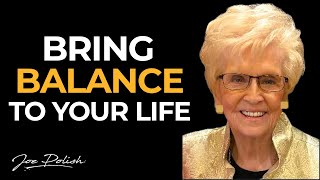
Marilyn Murray, a psychotherapist who survived childhood sexual assault, developed the Murray Method, a framework with 22 instruments and 33 exercises for trauma recovery. Over four decades she trained over 4,000 health professionals across 40 countries and established centers in Moscow, Ukraine, Tajikistan, and Kyrgyzstan. Since 2004 her organization has treated 700+ people in a Ukrainian rehab house and continues trauma relief work in war zones.
Chapters
I know you're going to ask me what's the Murray Method? And part of it is. Part of what I believe is everybody is the person you're created to be. And that means you're. You're very unique, special person. But I know that every one of us has had some kind of pain in our life. Nobody has lived a perfect life. Even if you had perfect parents. You get sick, you're in an accident, your dog dies, your grandparents die, you're a bully at school or Covid happens, a war happens. That stuff just happens to everybody. So nobody has had a painless life. Everybody has what I call a pool of pain. But you are also designed with a defense mechanism. Everyone has one. That defense mechanism, depending on many things, your personality type, the era and time in which you live, situations, you know, all kinds of things changes over time. I was definitely hard driving, perfectionistic, overachiever, workaholic, and an extreme codependent caretaker. So what I teach now and what the Murray Method is, is how to find balance. In other words, still care about other people, but not be codependent. Still do a job and do it well, but not be a workaholic.
So I'm going to introduce a really amazing human. Marilyn Murray is her name. So Marilyn is a pioneering educator, theorist, author and psychotherapist. Originally launched a career in sales before becoming a successful gallery owner at age 39 in Scottsdale, catering to high level clientele. At 45, she shifted her career trajectory dramatically, entering the field of psychology. Renowned for her innovative approach to trauma treatment, Marilyn developed the Murray Method, which has been internationally recognized and taught to students from over 40 countries since 1980. 83. She spent half of her time in Moscow from 2002 to 2020. So for 18 years, educating health professionals and clergy on trauma abuse, addiction and deprivation, Maryland has established the Murray Method International Centers across Russia, Ukraine, Tajikistan, Takistan. Did I say that right?
Tajikistan.
Tajikistan. I didn't say it right. Tajikistan in Kyrgyzstan. Kyrgyzstan. Boy, we're going to do this whole interview in Russia. Just. Her literary contributions include a regular column in the Moscow Times and books like Prisoner of Another War and the Murray Method, of which you are all getting a copy of these books. She leads Murray Method LLC in the US providing training and workshops. And she founded health Restoration International Ltd. Focusing on aiding war efforts in Ukraine through funding and establishing the Murray Method War Trauma Rehabilitation Center.
Poltava, Poltava. Poltava.
I should have Eunice up here doing this. Poltava, Ukraine Now, Marilyn is only 87 years old, so she remains active in her field, residing in Scottsdale and enjoying time with her seven great grandchildren. And so please give me a warm welcome for this amazing human, my dear friend, Marilyn Murray.
Thank you. I will take you. Thank you. Awesome. Thank you.
Thank you.
I'll give you a hug. Of course. I love you.
Love you, too. Thank you. Thank you. All right, so we got a lot to talk about. And, Marilyn, you could talk about any of these topics for, like, easily an hour. All these different things. So we're gonna. I'll do my best to try to ask you some. Some questions. So I guess we'll start with tell everyone about. So who you are about your story, the generational trauma.
Oh, it's making noise, isn't it? Okay, can you help me here a little bit?
Yeah.
Hold on. Right here. There we go. Got it. Thank you. I would like it back.
That's how Eunice uses it. This is how Eunice gets most of her jewelry, by the way. Yeah, it's a good strategy we have here.
I didn't think about that this morning.
All right, so we just removed your necklace so it doesn't interrupt at the. The microphone. So my question is, tell everyone about your story since the generational trauma and what you've worked through, because you have a pretty incredible story.
Okay. I'll make it as short as possible.
I know that's a tough one.
Born in Kansas in 1936 during the Great Depression in a small farming community where I said the Kansas state motto is, what will other people think? Any of you had that same motto. And it was the era and time of John Wayne and the strong, silent type. I said there were no Italians in our town. Because if a normal wave of emotions was this, in my town, the wave was this. And in my home, it was like this. It was, you know, pull yourself together. You never whine. You never complain. You just work hard, and you also take care of other people. Everybody went to church every Sunday, and the mantra was always, God first, family other people, and you, as always, last. So you're always. But also, as long as I'm busy taking care of you and you and you, I don't have time to work on anything or look at anything down here. And so trauma and painful things were never discussed. It was like, it's in the past. We. We can't change it, so we don't waste time on it. We only deal with today. There was a lot of trauma in my family, but it was a secret, and I didn't know about it. I would ask My parents, how come I don't have grandmothers like my friends do? So they would just say, they died before you were born. I wouldn't get anything more than that. I was almost an adult before I found out what had happened. My father's parents came from Russia and I knew that and I knew their names in the villages they came from, but nothing else. My father absolutely would refuse to talk about his childhood, saying, too painful, don't want to talk about it. And so I found out almost as an adult that his mother was killed by lightning. She was inside the house. Very bizarre incident when my father was only seven. And then my father was taken out of school at age 12 and sent to work like a serf in the wheat fields of western Kansas. Never went home beyond age 12. And my mother, when she was 17, and it's still difficult for me to talk about this one, when she was 17, she saw her mother and 16 year old sister burned to death in front of her in a fire that she thought was her fault. I can't even wrap my mind around how horrible that would be. So these two young people who both had mothers who died violently at age 49, get married during the Depression and have me. So when I think of it like that, it's like, whoa, all right. I was an only child and they were very loving and affectionate to me. So I thought life was pretty good. But then World War II came along and at the time, Wichita, Kansas was the largest city and they had three military bases and three aircraft factories, Beech, Boeing and Cessna. A lot of people from the smaller towns moved to Wichita temporarily during the war to help in those aircraft factories, help with the war effort. My parents decided to do that in 1944 when I was age 8. But during that time, unfortunately, one time when I was on my way to choir practice after school and was on a bus and was reading on the bus and not paying attention, I ended up, and missed my stop and ended up deep in the inner city. And when I got off and was trying to find my way back, late afternoon I encountered a group of soldiers and that encounter ended up in a sexual assault in which I experienced an oral rape. And when that was over and they were gone, I didn't know what to do with that because I. I knew nothing about sex. This is 1944. Nobody in the country talked about sex back then, certainly not in my conservative family. And I'd never known violence. I was an only child and even with my cousins, we never roughhoused. So I know you've been talking about brain things from what you talked about earlier. And we know that the way a child's brain is developed is by what we call serve and return and what's common and familiar, what their baseline for normal is. And so mine had nothing in my brain. I had no neural pathways in where to fit that attack. And so in order to survive, to stay alive, to stay sane, I took that attack and put it in a metaphorical box and slammed the lid down tightly and stuck it way over in some corner of my mind. And I eventually found my way home. And my mother remembered when I talked to her as an adult, after I'd done therapy on it about this event, she said, oh, I remember that you came home really late one night and said you'd missed your bus. And I immediately started having screaming nightmares and also getting really sick. And back then, then they didn't understand, like, part of what you were talking about today, the mind body connection. They didn't understand that emotional trauma can create a physiological response. And I started having severe asthma attacks which replicated that. Oral rape, coughing and choking and can't breathe and coughing, spitting things up. And so from that time on, I would have. Whenever it was snowing and cold, which it had been on that day, I would have these screaming nightmares and be really sick. And my mother said that she also remembered when I would have the nightmares that I would say I had sticky stuff on my face and I was drowning in white glue. Now, if you had a child today that said that to you, would that be a red flag today? Today that would be a red flag. But in 1944, they didn't think. They never thought that anything bad happened to children. And so I could no longer compete physically with anybody because of my asthma. So I competed intellectually and I became the best student. I became valedictorian in my junior high and high school class. By the time I was a senior, I was a hard driving, perfectionistic, overachiever, workaholic. Does that sound familiar to any of you? But also my asthma by that time had gotten bad all the time. So my parents happened to have some friends that at the time lived here in Prescott, Arizona. How many of you have ever been to Prescott? So some of you haven't? Well, Prescott is about 90 miles from here. It's in the mountains. It's called a mile high city. And it's known for its clear mountain air. And so these friends happened to be visiting in Kansas. It was at my graduation time. I was age 17, 1954. And they encouraged my parents to let me come to Prescott for the summer to heal, which I did. And I had never been out of Kansas, but once I didn't even know where Arizona was on the map today. You could Google it back then. That was a little harder and so. But I was thrilled to arrive in Prescott. And my parents could only afford to give me a one way bus ticket and $15. So I, from age 17 on, $15 was the last money I ever took from my parents. So it's another whole story of how I survived on that. But I loved Prescott and I felt so much better. And I'd never seen a cactus, a mountain, a palm tree, a cowboy, an Indian. I'd never seen a pair of real Levi's. So I walked around with my mouth agape. But I went to work in a western clothing store on Whiskey Row. Now Whiskey Row in Prescott is where the old bars and saloons are, but the red light district is over those. And that was very interesting. I learned a lot. Didn't tell my mother though she would maybe come home. But I felt so much better. I never went back to Kansas. And about a year and a half later my parents moved out to Prescott. I eventually married, moved down here to Phoenix and to Scottsdale. Moved to Phoenix in 56 to Scottsdale in 61 and had two beautiful daughters by the time. Oh, in the meantime, when I was so in Prescott, I managed this store that I worked in. I was the manager when I was 19 and then when we moved down here, I ended up being a department head and buyer of the largest department store, the Goldwaters, in the state. By the time I was 21 and then by the time I was 26, we owned our. I owned my own store. And so I was very, very active in retail sales. And if you know anything about Scottsdale, Scottsdale now is a fine art district. And I started the first gallery in Scottsdale. And so there are like 125 now. But I started the first one in 1968 and then in 1970 opened a really big store, big gallery in Scottsdale. We were the only gallery, really the only act in town. When things went really well, I was fortunate. Oil prices were high. My biggest clients were from Dallas and Midland and Tulsa. And we hit the crest of the wave. By the time I was in my late 30s, I had become one of the best known female art dealers in the country. Was very successful, had a big home here in Paradise Valley on several acres. And everybody that looked at me thought I had my life really put together because I had this beautiful home, very successful, beautiful daughters, active in church, played the piano, three services every Sunday. What they didn't know was that I was really sick. When I moved to Prescott, my asthma went away, but I started having really bad headaches. And as I was listening to your talk earlier, Daniel, I was bad headaches and heart pains, chest pains, stomach, back. And I was really sick. And people really didn't know it because I kept a smile on my face and went to work every day and looked like everything was fine. But it got so bad that by the time I was in my early 40s, I was getting suicidal. Because doctors that I went to, they just said, we can't find out what's wrong with you. And they didn't. Nobody. Nobody asked me, what's your stress level? Nobody asked me anything like that. And so I had to. Really close friend that we rode horseback together. And she had. Back then, we're talking now, we're talking the 70s, you know, the late 60s, early 70s. And nobody, especially here in Scottsdale or Arizona, went to therapy back then. That's just something you didn't do. It wasn't available to us. But she had found a place in California that did intensive therapy, and she went to work on some issues. Her dad was alcoholic. And so she came back and she said that was helpful. Now it's your turn to go. I'm going like, no, no, no, I don't need this. You know, I've got physical problems. You know, I'm just fine. And my parents lived in our guest house at the time. They lived with us for 10 years. We got along fine. And so I just resisted and resisted, but she was really tough. And she just said. She said to me one day, she said, I see the pain bleeding out of your eyes, and I will not let you die, and you will go. And at the time, I was taking 25 Excedrin a day, extra strength Excedrin a day, 12 to 15 Alka Seltzer a day, 125 milligrams of Elavil a day. And back then, the strongest pain medicine like Oxy would be today was called Fiorenol. And I was doing about a bottle of Fiorenol a week and not helping at all. So fortunately, she insisted that I go to therapy. And so I went to this center in California in the bay area for two weeks. I was scheduled to go two weeks. This was Thanksgiving weekend of 1980. I was gone seven months. And I always say, don't panic. You Say, oh man, I'm afraid to go to therapy. I might end up like that. But one of the books that I am giving you today is called Prisoner of Another War and it tells a little bit about that. But the doctors basically said I was like an old fashioned pressure cooker with the lid clamped down really tight but no escape valve. And after I'd been there nine days, that pressure cooker blew and I like a volcano blue. And the doctors later said that probably saved me from, had I not done that, I would have had a massive heart attack or a stroke. I was at that. You just can't push all of that down all those years without some reaction. So that literally saved my life. But they didn't know how to deal with that back then. And so it just took a while for me to come back. But one of the things that I also had to work on back then we didn't have the word codependency and a boundary was a fence. So my therapist was trying to tell me, you know, when you go home, maybe you should say no to a few of the people you're taking care of. I had. One of the things I forgot to mention and that Joe had mentioned earlier was this friend of mine that sent me to therapy. She and I had co founded one of the first women support groups in the whole country.
Hey, I hope you're enjoying this video. And I want to let you know that I have a new book that's come out and if you'd like to get it absolutely free, there's a link below in the description or you can wait till the end of this video or you can Simply go to joesfreebook.com and you can get a copy there.
Just as an avocation. And that thing had become very big very fast. We ended up with 35 groups in Phoenix and groups in four states. And so I was doing all of that also in addition to running a multimillion dollar business in the art gallery. But when my therapist was saying, you know, you're not going to be able to do all of that, you're going to have to reduce your time and all, I was really offended. But I said because. But this is who I am. This is what's expected. This is what my family, my tradition, my church, my culture says I should do. And he just said, but is it really working? Is it producing health? And we just went around, you know, it's like the earth is flat. No, it's round. I was saying it's flat. He was saying, no, it's round. So finally, finally when I came back to Scottsdale, I had gone from a size 12 to a 6. I was in really great shape physically. All my physical problems were gone. They have never returned. And that's been how many years ago? 40 some years ago. But I came back saying, guess what? Did you know the earth is round? Well, I got a really negative response. They said, oh, you've been brainwashed by San Francisco psychobabble. Fortunately, I found a really good therapist who actually introduced me to Joe. And so Dr. Ralph Wuerl. And he was a lifesaver for me. But with his encouragement I went back to school and got my degrees in psychology. And I began writing a theory on how a person survives trauma. Trying to understand my own garbage. But he said he started using it with some of his other clients. He asked me to teach it to him and he said this works with, with everybody. So he encouraged me to widen it out, which I did. And then also during that time as I finished my degrees, I was asked to work in the Arizona prison system with rapists and child molesters. I started two years in the juvenile system, six years in the adult system. They told me I was the first rape victim to do that. It was part time pro bono work. And then I ended up moving to San Francisco in the Bay Area and started a counseling center there. I was there six years and then to San Diego. I know some of you are from the San Diego area. Was there for seven years in private practice. And during that time I only did intensive therapy where I saw two people a week each for four hours, five days a week, for three weeks at a time. So my clients came from all over the country. And then I eventually moved back here in 97 and went to work in Dr. Earle's office, but again specializing. And I've always had the hardest cases. And so my clientele has always been very, not always, but the majority, very high level clientele. Whether you know, business people, politicians, lots and lots of people out of the Hollywood entertainment field. Tv, radio, radio, not so much radio anymore, but tv, movies, all of that. High end entertainers, heavy metal, rock and athletes. Mike Tyson is one of my. I can say his name. The rest of them I can't say because Mike talks about me a lot in his book and his movies. But then I also was teaching at a university here for seven years in addition to my other practice teaching my whole Murray method. And then I started teaching internationally. I have students from 40 countries. And then in 2001, and this makes me tearful I started to teach in Kyiv, Ukraine. So Ukraine really has my heart right now, big time. And then in 2002, I was asked to go to Moscow. And so since my father's family came from Russia, I was really interested in going there. And so what I did there, every class that I started there, I would start. I wouldn't even say hello. I would just say, we're going to talk about trauma this week, and I'm going to tell you the story of a family. I just called her the Story of a Family, a Russian family. So I show them pictures and genealogy of this family, with one of the grandparents having 14 children and only two lived. And then I come down to where it was actually my grandfather. When my grandfather died, he had buried three of his four wives and nine of his 12 children and his brothers and sisters that stayed in Russia after he came to the United States. Everyone was killed outright by Stalin or was starved to death or were sent to gulags where they died. But at the very end, then I say, this is the story of my family. And they would go, ruskaya, Ruskaya. And so, because I could say, yay Semerici, nor no, Palavino Russkaya, which means, I'm from America, but I'm half Russian. Russians who are very suspicious of outsiders, they embrace me as Russian. So that's been a really special thing that I've been able to stay there. You know, they always say, we can't understand why you are still allowed to stay here, but we're really glad you are here. And so I now, much to my shock, I had no idea that it was what God had planned that we were going to do. When they asked me, they said the first trip that I went, they said, nobody is helping us with trouble. Would you please stay? So I stayed. And so I came back here. I resigned from everything, private practice, the university, and moved to Moscow. I would basically live there and visit here. I still kept my place here, but I was there. January, February, May, June, July, September, October. I did that for 11 years. And then after my great grandson started to be born, I changed it to one time a year for four months. May, June, July, August. Which I did right up until Covid. And then when Covid happened, of course, I couldn't go for two years. And then in 2022, I was all ready to go. Had my visa, my ticket, classes all scheduled. And this horrible war started so before, and I'll finish with that in just a minute. I personally taught over 4,000. Basically, they're all health professionals. And God has brought the top, very top psychologists and psychiatrists in all of Russia to my classes. And I've been really surprised on who we've had there. Plus these are classes that I've, that I've sponsored. But then I've also taught in some of the top universities in Moscow, a number of the top big, including Moscow State University, they're both prestigious university, but we ended up with a Murray Method International center in Moscow, one in Poltava, Ukraine, and then one in Tajikistan and one in Kyrgyzstan. We have a very big group now in Central Asia. So the year, that first year of the war when I couldn't go to Russia, I did go to Central Asia. So I've spent time in both Kyrgyzstan and Kazakhstan. And much to my shock, in Kazakhstan I met 5th generation Murray Method students. It was like, wow. So Joe, where you have here, simplify, execute and multiply. When I sat there yesterday, I kept looking at that and I was thinking, one of the things that has made my Murray Method work is that it's very simple, simple, it's really easy to understand and it's easy to translate into other languages, which Mike has been very gracious to talk to me about. And I remember when I first designed my method, and this is when I was writing my thesis and my supervisor, I said to her, you know, these terms are so simple, I think I need to make them more academic. And she really scolded me and she said, no, keep it very. She said, good theory is always easy to remember. It's easy to understand, it's easy to transfer to somebody else, to teach somebody else, and it works. And she said, that's what you've done, don't change it. And so I've always done that. And to execute it, to have something that works. One of the reasons why my method has been really popular is that it's two things. It's theory, so you understand how a person survives trauma, abuse. But I also have created 22 separate instruments. So today when somebody goes to school to become a therapist or a psychologist, psychiatrist, they're basically taught theory. They're taught all the legal HIPAA stuff, stuff what you can do. They're taught how to diagnose and all, but they're not given actual instruments, practical tools to use. And so that's why they've really loved coming because they go out with a metaphorical big duffel bag full of instruments that they can use immediately. And those now have worked all around the world, which much to my great surprise. And I always say, if they work in Russia, they will work with you. Nobody is too complicated for that. But also in Russia, and the execute and the word multiply. See, when I went to Russia, I didn't even start in Russia until I was 66. And that's really old in Russia. The average life expectancy for a man in Russia when I started was 57. And the women a little older, but somebody 66 was like really old babushka. But I knew that I wasn't going to be there forever. And so I kept saying to them, if you want this to go, some of you are going to have to learn how to be instructors and teach what I teach. And they really jumped at that big time. So I've been very fortunate to have a really wonderful staff of very committed instructions instructors that have gone through my classes many, many, many times, put in hundreds of hours so that I could die tomorrow and the Russia thing would go fine. So I really liked what you had there on the multiply and the same thing into Central Asia. But when this war happened, and I won't go into that a lot now because I'm hoping that I get invited back sometime just to do a talk about what's going on in Ukraine and in Russia, because there's a lot of very powerful things that I could share with you that you couldn't read or you'll never see. I have lots of videos and things on that, but it's been extremely difficult because I have my top people on both sides. And so I spend time at night on zoom talking to Ukraine and they then to Russia or then to Kazakhstan, and everybody's crying. And so it's been a really, really tough time. So that's kind of a quick thing of where I am. As I said, I have two daughters, three grandchildren, seven great, beautiful, great grandchildren. The only thing better than grandchildren is great grandchildren. So they fortunately all live here. So that's it.
There you go. It's quite a history. Well, so out of all the things you said and the things that we could cover today, you started the first woman's group. More than friends. Yeah, more than friends. That's what I was looking for. So here you are helping a bunch of other people, but you're not dealing with your own underlying trauma. And I think that's very soon. Similar to a lot of entrepreneurs that will create businesses, write books, do things. Sort of a joke that I have that a lot of people seem to resonate with. When I say it is, I say a lot of mostly male, but it's both Men and women, a lot of my colleagues and friends, if they haven't done the deep work, what they do instead is they start a podcast.
And.
They start interviewing people and stuff. Right. And there's value in that because you can learn a lot from talking to people and stuff. But getting into the deep work, and then you talk about codependency, no one used that word back then. And sex addiction. You were one of the first people to start talking about sexual abuse and sexual addiction. First woman to ever go and counsel people that are rapists and sex offenders. So I'm going to ask you about that stuff. So you've sat down with some very, you know, I know some of the people, we know some of them personally that are very famous, very, very wealthy financially, that are my clients. Yeah, yeah. And they end up in, you know, talking to you. Right. So what?
Just one second before you go farther on that, you just brought up something. I remember when I started back to school, I was 45, and I remember with Dr. Earl, my therapist, crying and saying, I feel so idiotic. I feel like I'm in K3 with all the other people I know who are my age, already had their PhDs. And I said, you know, if God wanted me in this field, why in the world did he let me waste, you know, 25 years in, you know, as a businesswoman? And I remember he'd said, St. Marilyn, one day those years as a businesswoman will pay off. And it's very interesting because the majority of my clients, 80%, were men, businessmen and high tech people. And so it was. And usually in therapy, you don't have 80% men. It's usually 20% men. And it was just because I could always understand, you know, it's been there, done that, understand it. So that was unique for me.
Well, let's talk about regret for a minute because this is a great line I heard from Dan Sullivan years ago, and he. It's forgiveness is giving up the hope that one day you're going to have a better past. And so everyone here, you know, and I don't buy it when people are like, you know, no regrets, no regrets. Everyone has regrets. There's all kinds of things that we wish we would have said, done different stuff like that. So the question is ruminating on the regret to the point where, like, I feel like I've wasted my life. I feel like I've. Because I certainly can look at how much years I spent marred in active addiction. And I'm like, Jesus Christ. If I could just go back in time. And had I known then what I know now to deal with the hard sitting down and dealing with some of that trauma that just kept me trapped and how much energy and time, you know, that I spent in just absolute mental agony while, you know, I would go on vacations and I would sit rarely, but when I would and be in what most people would consider paradise, and I'd want to freaking blow my brains out. I mean, I was just miserable. And I would escape through work, I'd escape through sex. I'd escape through just anything to just take this dark cloud away temporarily. But the ways I was escaping just made it worse, right? And I was in that cycle. And now I look back on. That's just what I needed to go through. And I could, you know, and I still have ruminations and stuff. And I wish coulda, shoulda, woulda. But at the same time, I also know that has molded me in so many ways and I didn't know it.
It also has given you a real compassion. Compassion and heart for other people who are addicts. One of the things that I always say to all my clients or my students, I always even start at the beginning saying, I believe that God can take any bad thing, even really bad things, and make something good come from it. And for me, see, had my sexual abuse not happened 1944 at age 8 in Kansas, if that had not happened today, I would be married to a farmer in Kansas. I wouldn't be here with you. All the stuff that I've just shared with you in Russia, all the work that I've done here, the thousands of clients and students that I've had, none of that would happen. My books, my videos, none of that. 20 members of my family, my two daughters, my three granddaughters, grandkids, my seven great grandkids, my sister's children and grandchildren, 20 members, none of them would exist today had my sexual abuse not happened.
And by the way, so I always maybe have to say it in different ways. The reason that I have a entrepreneurial group, which is a connection network. That's how I think of this. It's to connect smart people with each other. It's a connection at work. And when you're disconnected from yourself, it's really hard to connect with other people. And if I can, impossible. Yeah. And so when it comes to connection, the things that disconnect us in the world, you know, Dan, go back to Dan Sullivan here. It's the first time you've met Dan and Babs from Strategic Coach. You know, there's I've had many conversations with Dan over the years, and he's had with clients about physical dangers and psychological dangers. So there's the physical dangers in the world, you know, the weather, disease, wars. There's less of that today, even though if you look at the news, you would think it's the worst. And there are terrible things going on as we sit here. And there are billions of people in suffering, probably half the planet. That being said, the world has dramatically improved in many ways, psychologically though we are. You know, look at how many. The health conditions of people. What I was talking with Daniel about, just the amount of women in America on antidepressants, you know, and suicide, I think, is now the leading cause of death among young people. Maybe accidents from. But it's accidents and suicide, right? I mean, this did not exist several decades ago. And we are in a pressure cooker of human agony. Addiction is the largest crisis, and so we all struggle with this. And Ken Wells, our friend, you know, he has spent a lot of time going pro bono voluntarily and prisons and sitting with sex offenders. And I remember talking with him, I'm like, why do you do that? I mean, busy guy, doesn't need to do it. He's trading that time that he has plenty of clients that would pay him. He's like, well, for one, it creates empathy. Secondly, he's like, I can see myself in every one of those people if life ever became so bad. And so what caused you to like, how does one sit with your. You were raped. What brought you to not only counseling and doing that for eight years for free pro bono, but to help heal people that are rapists and sex offenders when most of the world looks at them as monsters.
Well, it was interesting because I'm glad you asked the question. The first time I went to the juvenile prison, it was my very first time. I remember riding in the car with his psychologist. He was taking me there that day. And I said to him, what's the common denominator that you find in all of these? They were boys up to from age 13 through 18. And he said very quickly, it's this. He said, every one of them has been very much abused. And he said, it's how young the abuse happens, how often it happened, how violent it was, and the consanguinity of the offender. In other words, the closer the blood relationship. So, in other words, if it was done by a parent or a sibling or a relative of some kind, and it happened really often, and there was a lot of violence, it started when you were very young then he said, you have an offender and training. So a child that's had that go on, and especially if they have not had any positive influence at all to counteract that. So in other words, from other parent or teacher or someone that's come in and picked them up and mentored them or guided them. And so when I went there, I immediately thought, I'm going to be really angry with these kids. That part of me. But let me back up though, and say I did. During that seven months that I was gone for therapy, I did a lot of anger work, beat the shit out of them, to tell you the truth. There's a racket on a mat. So I had dumped all of that. So I wasn't going to go there and dump it on them. And so what I did in all of those times at the juvenile prison, also the adult prison, was anybody that came to my groups, it was all volunteer. So nobody said, you have to go. So they were really interested in and eager to change. So that was a big thing because so many times our clients on the outside are being drugged there by their spouse or their parents or the law or somebody, whatever, they were eager to change. And so also during my therapy, I had done some very deep experiential work. And so I had one time one of my therapists had taped part of my session. So I have 20 minutes of that child being gang raped. A tape that is just really horrific to listen to. Most that therapist can't even listen to 30 seconds of it. It's really awful. And so I had taken this was back in the days we had slides, you know, we didn't have PowerPoints. And I had taken slides of myself as a child. And so these men, well, the boys and the men had to sit for 20 minutes and look at those slides and listen to that tape. And I had, prior to that, had told them my story, and then they had to listen to that. And they called that tape the bottle opener. Because what happened then, when that was over, then every person shared their own story. And every time, both at the juvenile prison, the adult prison, none of them had ever told their stories before. So this was always an hour, a whole day, like a marathon day. And then they always had a therapist that came right away and followed up in the following days. So it wasn't like leaving bleeding bodies, but that ended up being very, very powerful. And so when I remember, I'll start to cry when I talk about every time I went to the juvenile prison. And the juvenile prison is way on the west side, and I lived here in Scottsdale. I would cry all the way home. I would look at all the houses and I'd go, do you know what's going on behind those doors? Because the stories I heard were so bad, so bad. And I would stand at the door and give every boy a hug, and they would just shake, shake when I would hug them and sob. And many of them, I know I did this also at the adult prison. And many of the guys said, you were the first female who has ever touched me that was not either violent or sexual.
Wow.
And they would just be. And they would just be overwhelmed. They say, we can't imagine why you would even touch us. And then when they found out that I was coming there for free, then that just blew them away because they expected me to come there raging at them about how horrible they were and how bad they were. And I remember men saying to me in the adult prison, they said, from the day I was born and even today, every day, I'm told I'm a piece of shit. I've never been ever told anything different. And many of them would look at me tearfully and say, you're the first person who has ever looked at me as though I was a person of value. So when I went to them, I went to them seeing that little boy that was hurting, you know, and seeing the person who God created them to be, who was buried under that little boy. And that's who I. And I always did therapy with, that little boy. And can I tell you one thing? One of my favorite stories, and it was, I'm finishing Joe's, by the way, if you haven't read his book, what's in it for them? Be sure and read it. I'm in the last 10. But last night I was reading. You were talking about intimidation in that. Okay. But it brought this up, and I thought, I've got to tell Joe this story. It's one of my favorites during the years that I was, especially at the adult prison. By the way, any of you know what a snipe hunt is? 1, 2, 3, 4. I'm not going to tell you. The rest of you, you have to. Okay. Snip hunt is basically when your kid, they tell you, do you know what a snip hut is?
You explained to me the other day. I didn't know at first. I had no idea what a snipe hut was.
Yeah. This is kind of in the Midwest, in farms, you know, they tell their little. Especially the boys, you know, when they're about 4 or 5. When you get bigger, you get to go on a snipe hut. So it's a big deal. But the snipe hut is basically, they take him out in the middle of a piece field with a flashlight and a paper bag and leave him there. He finally realizes there is no such thing as a snipe. But it's always a secret. You never, never, never tell. You never tell the secret, ever. Well, that's what my classes became like that in the prison. They would not tell anybody what went on in my groups. And so they said you could always please tell somebody who had been marilynized by the way they walked across the yard. Because they started walking, you know, standing up straighter. Wait, wait, let me finish. Okay, yeah, but anyhow, but anyhow. So guys would start to come up to him, say, well, you know, what's changed? Why are you this way? You know, and what goes on in those groups? And they wouldn't. It was just, I won't tell you, you have to go. So some of those in a prison, sex offenders are always the lowest of the low in the hierarchy. And they deliberately, at the prison, put the trailer, we were in this old beat up trailer in the farthest corner of the trusty yard so that the guys, when they went there, had to go basically walk the gauntlet to get there. So it took a lot of courage for them to go. And some guys would wait several years before they had the guts to finally go. And so anyhow, so one day, the psychologist who ran this whole program, who was professor at asu, anyway, he came to me and he said, there's one guy in the prison that I've been really wanting to come to your classes. And he said, he's considered one of the most violent men here. And he said, said, I would love you to do your Maryland magic on him. And I'm going, okay, whatever. So this guy walks in and he looked like Mr. Clean. That was back before it was popular to shave their heads. Great big guy. And he had the white T shirt with his sleeves rolled up and his cigarettes and his sleeve and he had to duck to walk in the door, he was so big. And so anyway, he sat there the whole day just like this, and he had a baseball cap on and he had pulled it down over his eyes and he was like this the whole time. And so everybody else is sharing really deeply and it comes to him and he just was like, absolutely not, absolutely not, absolutely not. And so finally I just went knee to knee with him. And took his hands and started talking to the little boy inside of him. And he just was shaking, shaking, shaking. And finally he just broke, really broke. He ended up becoming my most ardent supporter there. And so he just changed radically, radically, radically, radically. So this is like maybe two or three years later. And I went. When I would go down, I would always stay down. This is in Florence. This is south of here in a really rough prison town. The hotel that I stayed in looked like the red light district. Every door had been kicked in. They had a couple of murders there anyhow. But because I stayed there, I didn't have to leave right away. So it was the end of the day and we'd had all kinds of. I did all these follow up sessions with these guys. And so we were sitting around in a group and there were maybe eight or 10 of them and the group was over. So we were just kind of sitting, talking a little bit, just like old friends. And this guy leaned over to me and he said, marilyn, he said, we know that that little boy inside of us, that hurting little boy, that you would never hurt him. But we also know there's a part of you that always says, don't fuck with me. They all just died laughing. They laughed so hard, you know, and they all just went, yeah. And so I said to him, you know, that's the nicest compliment I've ever had because I grew up, you know, with somebody who never set a boundary that never, never. And to know that this guy that's the toughest guy in the prison says that, that he knows that not to fuck with me was a real compliment.
No, totally, totally. Well, I asked you about, like sitting with them. Would you. You would ask the guards to leave?
Oh, yeah. Oh, yeah. It was only me. Me and eight rapists.
Yeah. And I asked you, did you, did you. So you're, you're meeting with rapists, child molesters, sex offenders, and some have committed murder too.
Yeah, yeah.
So what would be possibly very dangerous people in a.
Not just possibly, but are. Yeah, yeah.
Well, no, I mean possibly like they could attack you. But I asked if you ever had a situation in eight years and why?
Is it because they respected me?
How did you.
It was just what I'm just. No, I know, yeah.
But what I want to go deeper into because, like, for someone here, how would you suggest. Now, I don't think you could have that empathy and care and that ability if you had not gone through the work for.
Oh, no, no, no. So I think that's a prerequisite so.
My question I'm asking you is what advice would you give for people to. Everyone here has to deal with humans. And some of them are very difficult. And you work with and have worked for years with some of the most difficult people in the world that have been deeply traumatized and have created. They carry that trauma onto others.
Well, I think that because just like I said, everybody, I don't see the person that is the hardcore tough guy or obnoxious person. I'm always looking at the person that God creates, created them to be that little boy or that little girl. They didn't pop out of the womb a victimizer. So I always see that. And I also very aware, you know, part of. And I'm going to jump ahead a minute because I know you're going to ask me what's the Murray method. And part of it is, part of what I believe is everybody is the person you're created to be. And that means you're very unique, special person. But I know that every one of us has had some kind of pain in our life. Nobody has lived a perfect life because we live in a world where shit happens. It just does. Even if you had perfect parents, you still have things. You get sick, you're in an accident, your dog dies, your grandparents die, you got a bully at school or teacher or eventually maybe a boss or somebody who's unkind to you. Then as you get older, you have things like the world financial crisis happens, Covid happens, a war happens. That stuff just happens to everybody. So nobody has had a painless life. Everybody has had some. And I hate to tell you guys, but as you get older, there's more stuff comes along. I'm sure that, you know, because not only is your body starting to, you know, legs and arms start to go a little bit, but you have more people in your life that you're caring about. See, I started out with two daughters. Then they got married, and then I had three grandkids and they got married and then had seven great grandkids. I went from two to 17 people that I care about that could cause pain for me when my daughter had cancer, when those things happened.
So.
So everybody has a pain, what I call a pool of pain. But you are also designed with a defense mechanism. Everyone has one. And so that defense mechanism, depending on many things, your personality type, the era and time in which you live, situations, you know, all kinds of things changes over time. When you're a kid, your defense may be food. Maybe you're eating pizza, or when you all were a kid, it was TV or whatever. Today, kids, it's, you know, computer, it's video games, all.
Tons of porn.
Yeah, yeah, porn. Oh, absolutely. But sports, as you get older, it's some of the things that you all have been talking about. It's money, it's business, it's work, but it's also caretaking of other people, which was me.
Well, I'll tell you, like, what's common in. I would say definitely ingenious network and strategic coach members and stuff as caretakers. Workaholic.
Absolutely.
Since workaholism is a respectable addiction and people don't even see it as that.
But it's still an addiction.
Yeah, yeah. How do you. What are some of the signs of workaholism? I mean, without. We could go an hour just on that. But what would you say about people that are workaholics and they can't stop, meaning they want to do good work, they want to build a business, they take care of their families, they're functional, but they're just, you know, they're really putting themselves in physical and mental danger.
Yeah. As I said that, my client used to be very, you know, definitely came out of that category big time. And I would say that the majority of them came. They didn't come. Almost always they came because somebody else insisted they come. They were like me. It was like, I'm fine, I don't need to go. But it's their spouse or their kids were having a problem. They brought their kid in, you know, fix him, fix the kid.
And they see us. Yeah, that happens all the time.
Yeah, a lot, A lot of that. But almost all of them had physical problems because that group, you're going to have high blood pressure, heart attacks, strokes, you know, all kinds of physiological issues, diabetes, various different things. And so what I always say when I'm training therapists is with this type of person, you know, they have physiological problems where a lot of the addicts that we, the obvious ones, you know, alcohol, drugs, porn and all, they've got emotional problems. But these are over here are the ones who are writing the books and the podcast and all to tell these poor people over here what to do.
Yeah. One thing I want to point out too, is so, you know, dealing with your own work, you weren't a drug addict, you weren't an alcoholic. You know, they didn't understand behavioral addiction. They didn't understand repressed. So. Yeah.
Yeah, well, I was definitely hard driving, perfectionistic, overachiever, workaholic and extreme codependent caretaker, big Time. Big time. And so what I teach now and what the Murray Method is, is how to find balance. In other words, still care about other people, but not be codependent. Still do a job and do it well, but not be a workaholic. And so how did you.
Did your earring just pop off?
Did it? Okay, thank you, thank you, thank you.
I saw something, but I'm like, am I having an LSD flashback right now? And I just, like, saw.
Yeah, they took my necklace. Now they're taking my earrings.
Yeah, we're gonna have all their jewelry soon. This is the Genius Network sleight of hand interview series.
He's actually giving a talk on the side on how to get your clients jewelry. Okay. But it's all about balance. And you know what? Sidebar. I do lots of sidebars in Russia. They don't have a word in the Russian language for balance. I mean, hello, that says something. Actually, I do a whole thing on what's missing over there, how many words. They don't have a word for nurture. Many, many words that we take for granted. When you understand they don't have a word for that, then you understand. Understand why they're not. Why they're not doing that. But they tease me. They call it balance, balance. I go around all the time saying, balance, balance, balance, balance, because they're so black or white. They're one extreme or the other. And understanding what balance means. So having balance, being able to work hard, be successful, earn money, I'm a big capitalist. All of those things. I totally agree with everything you all have been saying, but at the same time, not at the cost of your emotional health. And so how to be a thinking. I was a thinking person that needed to learn how to feel. And so it's having what I call an effective synthesis of head and gut, letting your mind be your feelings manager. In Russia, whether you realize it or not, their culture is a feeling culture. So they react without thinking. I could tell you story after story. Funny examples of them choosing to do something and then later going like, oh, my gosh, that was the wrong thing to do. But I had to learn how to teach my stuff entirely differently over there.
Well, let's do this for time purposes. So everyone's going to get a copy of Prisoner of Another War and the Murray Method. So you created the trauma egg, which is now used by countless God knows how many therapists.
Any of you ever heard of the trauma egg? Okay.
They all need therapy now, don't they? Well, this is going to sound like an aside, but it's not. In all the years I've been doing recovery, you know, when I used to first go to 12 step meetings, I could regurgitate and articulate things that sounded really smart and it was really good. And I remember I would have people oftentimes take notes. This is how arrogant I was. Would take notes over something I would say in 12 step meetings.
Oh, really?
Yeah. I thought, oh, I'm so clever. I could say certain things and stuff. And it. And it wasn't that it was bad stuff. I just had not. I was using it to protect myself from doing work. I would go and hire the most famous therapist and the most well known. Thinking that was like really doing my recovery. And I would do it as a way to avoid a lot of the pain is really what it work that I wanted to do. And then I joined a high profile group and met all the top therapists and that and met a lot of famous people. And, you know, to this day, I'm friends with some of them. And what I have found is that the smarter and more successful and clever the person is, the harder it is for some of them to recover because they can use their intellectual horsepower to just cover it all up and they hide it.
You use humor and sarcasm?
Yeah, sometimes.
Yeah.
I'm going to get you being more sarcastic than that. That's my goal now. It's like once I can crack that, I know I've really, I've taken up.
You don't want to take me on, honey. Hey, Mike Tyson's afraid of taking me on. You would.
Why does Mike Tyson call you mom? Because he does. He calls you mom.
No, I don't want to interrupt what you would say.
So the thing is, though, is if someone's the reason that I call it an agenda, call it a whatever. One of the reasons I smuggle in people like you into my groups because I bring people like Gabor motto.
You didn't know that he was doing that, did you?
It's a different sort of smuggling is that every time I do it, someone comes to me and is like, you know what? I had no idea what the hell you were bringing someone like there for. But that really resonated with me. And a lot of them, it takes a while. I mean, there are some people that are like, what the fuck is all this addiction stuff you keep talking about? And no one gives me shit about that anymore because there's like, most of them are like, yeah, this. Actually, even if I don't identify as an addict, even If I don't have anyone in my life, it allows me to understand and be more empathetic. And part of the reason I'm doing it is that I think where we're at in the world right now is. It is like what happened over the last four years with the pandemic and in the isolation, in the amount of people that seem to have their life together that I started having conversations with that were starting to lose their stuff. There is a ripple effect that is coming in this world that has happened from the last four years that we haven't even begun to see the mental anguish that people are under that are hiding it. And the really successful ones that lead companies and stuff, they have more pressure and more responsibility. And a lot of them get. No one helps the helpers, and no one feels a lot of empathy or sympathy for the poor rich person with the plane and with the business because they only see part of their financial success. They don't see the level of navigation and responsibility and effort that those people have to put into. Every person in this room puts forth so much effort into what it is that they do.
Well, what. It's interesting because my practice has always been for what I call the up and outers.
Up and outers?
Yeah. And it's people like here. But then my. What I did on volunteer work pro bono was for the down and outers in the prison.
Right.
But the up and outers helped me, you know, and by the way, all the work I do in Russia for all these 18 years has all been pro bono. I don't get paid at all. I pretty much paid for that myself. But the up and outers absolutely need it just as much.
Yeah. So let's do this, because I want to leave people here with like.
I also wanted to share one thing.
On Ukraine, there's a couple of things I want you to share. So. My question about what is the Murray Method? How does someone heal damaged emotions and become a healthy, balanced person? I mean, it's easiest read my book.
Yeah.
So which book to read first?
Well, yeah, when you read it, I would just suggest to read Prisoner first because that's my personal story. It reads very quickly. You could read it easy on your plane ride home, you could probably read it. But it puts the basis. Then everything in the next one makes more sense because it's the basis for that. But the Murray method book has 33 exercises in the back. And if you use those, you can use them by yourself, with a small group, with your therapist or whatever. But if you do those. I guarantee you it's life changing. But they're very, very clear, really easy to follow.
Yeah, they're great. And so then let's. I want to share something. So we were having a hot seat with Cherie and Dr. Dan, and you were talking about what you're trying to do and what you're looking for in my passion. Yeah, your passion. What you're most excited about, what are you. You hopeful for in the future? And so talk about that.
Okay. And I'll try to make it brief. This is difficult for me to make it brief. Okay. When this war started, I have two young men that have been with me. Both of them from the time they were 26. I met them in 2003. One of them is Ruslan, who lives. And one of them is Roman, who lives in Russia. And they both now are my head people in those two countries. But they have grown up in my classes together like they're like brothers. But now they're on opposite sides, so it's extremely painful and difficult for them. But Ruslan, I definitely want you to meet him. Maybe someday we can bring him here. But Ruslan had a horrible childhood and, and had some things that were so bad as a child that he was actually put in a psychiatric hospital at age 5 and sedated. Well, guess what? He became a drug addict. But he started the sedation really early. It reminds me of some of the things that we talked about with Kami last week, about how so many addicts to start with prescription medications. But anyway, he got into drugs as a teenager in high school, ended up in prison, was arrested and spent from age 18 to 24 in prison. But in prison, he had a spiritual change in his life. So when he got out, he went to work for a Christian based rehabilitation sitter. This is right after the Soviet system had just fallen. So those kind of things were very new and unique. Very, very few of those. In fact, we didn't even have AA in Russia until 1989. And when I started in 2002, they had five SA groups in the whole country. So this was. And in Ukraine, the same. So anyway, he went to work for this rehab center. I got a call two years later from a mutual friend of ours and he said, I know this young man. I really want you to take him in your classes. And he said, he is such a fine young man, but he's homicidal and suicidal. And I'm going like, oh, really? And he said, well, I know what you've done in prisons and with Mike Tyson. So I figured you could take this guy. So he said, please, please take him. So I did. And Ruslan, as I said, has become like my son. But anyway, I have helped him. I so have believed in him. I've helped him with. Through his BA degree, his master's. And he just got his PhD, and his PhD dissertation is on the effective dose of the Murray Method with addictions. And so he started a. A counseling center. First a counseling center and then a rehab center that I believe had 40 inpatient. I've been there. I was there a few years ago. And very, very effective. But he. I would love for him to set in on your groups because, you know, notoriously, therapists are lousy business people. Most doctors, you're unique. Most doctors are not good business people. And this kid is. I mean, he's a shark. He's really good, but he's always got TV involved. And, you know, at his rehab center, they had a soccer team that played the city teams. He was on tv. And he's always publicizing the Murray Method all over. And so anyhow, when the war started, I immediately. I talked to him the next day, and everybody's crazy crying, and I could hear air raid sirens, and it was really bad. And he said, mom, do I stay? Do I go? What do we do? And so anyhow, and his wife is also one of my instructors. And so they ended up staying. But what they did is they took all of their. The 13 psychologists that. Their staff at this rehab center. They closed down that center, of course. And. And I sent. I started. Oh, by the way, I started a 501 in 2004 to help raise money. It's called Health Restoration International. And so I wrote everybody all of my mailing list and said, you know, please, can you donate something for us? And so I started sending him money every week. And so what they did, they rented buses, and the guys that worked for him drove under fire to all of these cities that were being bombed and were taking people, families, literally, with nothing but their clothes with them and bringing them back to the town as poltava, until that town filled up. And then they started just taking them wherever they could take them. And so renting buses and trying to get gas was hard. And then they took the vans from the rehab center and the. They completely refitted them and filled them with food and medicine and necessities and then drove. There's literally thousands of little villages all right along the war zone that had been really badly damaged. And so they started taking to them and those People have said that they literally would have all starved without the help that they've gotten. And then they were doing counseling for counseling at these various refugee centers. But then he started talking to me, and we were talking, of course, on a regular basis. But I started hearing from him in November, saying, mom, he said, do you think we could buy a house? I'm going like, no American is going to give you money to buy a house in the middle of a war zone. But I said, maybe we could rent one. And so he said, we desperately need to have inpatient care for this, because he said, just an hour or two of counseling is not nearly enough. And so he found. He hustled around and found a house. It's, I don't know, about 8 or 9,000 square feet. It sleeps 25 people. And so we paid to have everything completely, the whole house renovated. We had to do new floors, new walls, new windows, you know, electric, electrical, plumbing, everything. And it's three stories with a basement underneath. And so now we take 25 people for two weeks, so 50 people a month. And they teach them my Murray Method, you know, the things that that is in that book that you would be teaching. And. And it's all free. And so we've done now over 700 people. So it opened just a little bit, I think, in March or so last year. And so that has become a very big deal. And so that again, he's out rattling the cages with everybody on this. So what's happened now is therapists are coming from all over Ukraine to him to want to be trained in our Murray Method and to say, how can we do the same thing in our city? And they're also getting calls from. In fact, I got an email yesterday from Poland with people from Poland and Germany that have a lot of refugees that are saying, how can we be trained? And so this has be. It's become very overwhelming. And the thing is, what Ruslan has done, he sent me tons. I have literally probably a couple of thousand pictures, but videos that nobody has seen. And I'm hoping sometime maybe you might invite me back to do a presentation for you to show you some of that so you know what really is going on. And also to tell you what I know about what's really happening in Russia, which I know from Roman, obviously, but with this house and all that we're doing is that he's. Now he has all of these refugees, but then he also teaches, he's taking 30 at a time therapists, and he's done three or four sessions of that, where they do a whole week of my. And they're going to do like my level 1, 2, 3, 4. Yeah. And so they're right in the midst of that happening right now. And he's also put together a video series where it's for people who can't come for inpatient so that at least they can learn about it on video. And then another session for a therapist. But that's also difficult because guess what? Lots of times there's no electricity charged or cell phones, you know, because a lot of the energy sectors have been bobbed out. And so having that is difficult. And so really, really, I'm going to do something right now that I've never done ever before. And it came from your book last night.
Okay.
Okay. Your friend Bill Phillips. Okay. Do you all know Bill Phillips? Okay. Well, if you've read Joe's book, he talks about Bill Phillips wanting to have a. Give a DVD or something. Yeah.
Like a movie. He make a donation, but he didn't want to just.
He didn't want to denigrate it, and he wanted people to know it was a value, but he didn't want to charge them for it. So then he asked him if they would give to make a wish.
I think what it was, that was my idea for him.
Yeah. So I decided to follow your idea.
Let's hear it.
See, I'm. Because in my business as a therapist, you never ask your clients to donate to anything. That's just not ethical. So I never have. But you guys aren't my clients. So I'm giving you these books, and I'm not requiring it, but I'm encouraging you to think about, pray about if you would want to give$10,100 or 1,000 or 10,000 to help in this effort, because they have saved, literally so far, thousands and thousands of lives. And the people who are coming to this house, it makes me cry to talk about. He has sent me some of their stories. Some of them are so bad I could not repeat them to you. I can send them to you or you can read them, but they are so. They are what they have. A lot of them have been captured and, you know, have been tortured and fortunately were able to be released and come there then for therapy. But what they've gone through is beyond what you can imagine. It's just. It's really, really, really, really bad. And so the fact that we're saving lives, but also what we're doing is helping. Helping. It makes me cry. Helping people understand that you can still have a Deep core of value and sense of worth, even if you're in the middle of a war zone. See, because for the past, I've been in this business now 44 years. Okay. You know, the other thing. I'm having all kinds of ahas with you. I realize this last night when I was reading your book is that I'll cry for sure. This year is my 88th birthday. I was 44 when I did my therapy. And so this is halfway.
Wow.
Yeah. And I never stopped to think until last night that what's happened from the time I did my therapy till now is equal to the time out from the time I was born to the time I did my therapy. And because at that time, I didn't think I was going to live another day, let alone live here. I intend to be 105, y'. All. So that you might want to expand.
That, because Dan's going to be 156. That's his age.
Oh, okay. I'm with you.
He has an exercise called the Lifetime Extender, which is. You're going to love it.
But the thing is this. What God has done in this last 44 years has been way. If you would have talked to me at 44 and say, what's the wildest thing you think could ever happen? And I've always been a visionary who always thought way out, that would have been the biggest thing. Instead, God has, like, way, way, way here. And so I don't know, even coming here, I was praying about this and going, okay, God, what are you doing with this now? Because Joel and I have only known each other a couple of weeks, and I feel like he's my son.
We've known each other 20 years.
Yeah.
We really had spent a lot of time. The last two weeks, I'm planning to adopt him.
He doesn't know that yet. And so I need you to be my son.
We're going to have a conversation.
You need a mom. You need a mom right now. But anyway, I don't know what God has planned, but this whole thing that's happening right now in Ukraine yesterday, I got a message from Ruslan. And these classes that he's doing now specifically for therapists have now the United nations has found interest in that and is wanting to support that and pay for the therapist to come.
So what is your. What is your ask?
So my ask would be to. If you are at all interested in. In learning more about it, I put. What I did was all of you have my Murray Method card in the front of the book. And I recently got a different email I have and if you turn the card over it says it's just, it's really easy. It's just themurreymethod gmail.com and so if you're interested, you know, please email me or give me your card or whatever and I'll put you on my mailing list to let you know and bring you up to date on. I'd send you some of Ruslan's letters and some of the pictures and all. I think that you'd find them very powerful. But if you're interested in supporting it. HRI that health restoration is a 501C3.
And there it is up on the screen.
Oh yeah. And I know. Oh yeah, that's it. That's the house. Isn't that neat? But the thing is this. Yeah, there we are. That. Did you, did you pull that up? Wow. Wow. Okay. But I know that when you give to. Part of what you talked about so oftentimes is that somebody starts out that something as a, a non profit and becomes a scam over time. This everything that you give 100 goes directly to them. I don't keep anything. I personally just support hri, you know, with all the day to day stuff.
So Jeff asks so two things. One, tell everyone who would want to do it how to donate. How do you donate?
Yeah, you can. On the back of the book is in my Murray Method book is a resource page and there is an address for hri. You can send, send a check to that or if you, if you just email me at the Murray method I'll send you the link to PayPal or you can just, you know just do to PayPal is really easy or. But we on the, if you do on the resources we take, you know, we take credit card or cash what I mean or check and you'll get a regular taxi deductible receipt from me. But I'll just keep you on if you're interested I'll keep you updated and I send every couple of months out a letter and then once a year do a card. But I guarantee you that you would definitely be saving a lot of lives because in Ukraine the whole country has ptsd. So even when the war is over, we're going to need the this kind of therapy for a long, long time. And so that's made. But the other one very quick thing too is that my whole focus has shifted because in the past I was taking care of people. All my clients were mainly working with childhood trauma things or present day with a spouse or kids on drugs, present day, things like that. But this is the first time I've been working with clients where the shit's going on right now. And it's not ending. There's no end in sight. The war is not over. And then I've also been involved in some of the school shootings that they had this last year. And then I just came from New York. I did training with 45 Orthodox Hasidic Jewish therapists who are working with people coming out of Israel. So it's like it's shifting into the. This present day war, violence that has been. It's a totally different thing for me. So I don't know what God has planned, but I would be so honored if you would, any of you would be willing to give something to help them in Ukraine. And I. And I can assure you Ruslan would be what he calls bowing to the ground and kissing your hand and thanking you, everyone.
Marilyn Murray. Thank you. Okay. I hope you found that video awesome and useful. So if you want to get a free copy of my book, I want you to click here. And if you want to watch some more videos that will be useful and awesome, click here. Go ahead. They're over here. Do it now. Come on. Thank you. Watch them.
More from Joe

This FBI Trick Can Command Respect Without Saying a Word ft. JEFFERSON FISHER & CHRIS VOSS

How To Stand Out, Be Different, and Create Raving Fans, Customers, and Employees ft. Jesse Cole



90% Of Businesses Fail In Their First Year, Here's Why! ft. Dr. Benjamin Hard & Dr. Robert Cialdini

The 1 Piece of Business Advice I Got From Elon Musk That Changed Everything Ft. Kamal Ravikant

The 6 Traits You CAN'T Teach in Entrepreneurship ft. Richard Branson & Gino Wickman

The Leg Method: How to Make Your Book into a Million-Dollar Asset ft. Anna David


7 Millionaire Mindset Hacks for Daily Success and Wealth ft. Brian Tracy & Dan Sullivan
