Dr. Jason Bateman interviewed on ESPN Chicago by Carmen & Jurko April 2, 2020
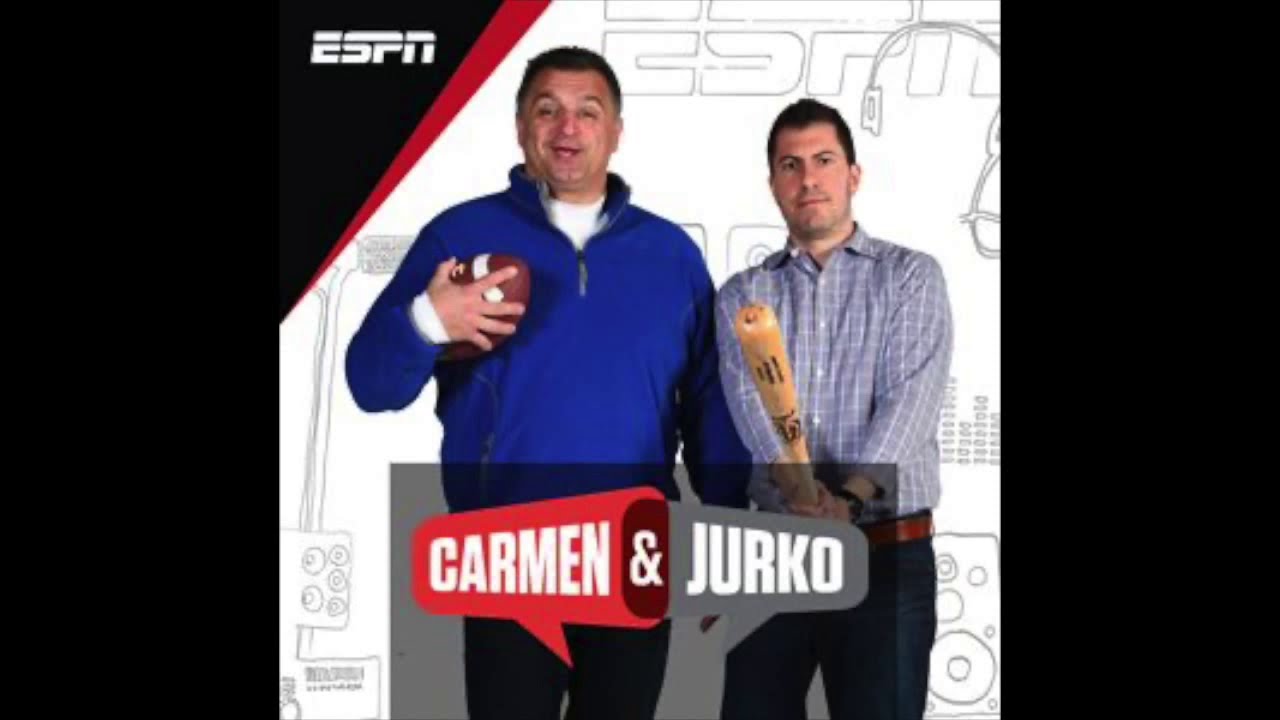
Dr. Jason Bateman, an ER physician in San Rafael, California, discusses how early shelter-in-place orders flattened the curve and kept hospitals from being overwhelmed. He addresses PPE shortages, clarifies that children can spread COVID but typically get milder illness, and says a vaccine is safer than pursuing herd immunity.
Chapters
It's Carlin and Yurko.
Sports talk while you're on the clock. Do I exaggerate? This is Chicago's home for sports, ESPN 1000.
So our producer Randy Merkin thought he hit the jackpot earlier this week, and, uh, maybe his colleague was just playing like an April Fool's Week prank on him or something, but Murkin said to me early in the week, hey, I think I got a number. I got a lead on Jason Bateman. I said, wow, that would be fabulous. You know, we talked to someone like that right now, and Ozark is back for a 3rd season. Incredible. And, uh, it turns out that he has the cell phone number of Jason Bateman, all right, but it is not the famous actor. It is, uh, the famous Bay Area doctor. We'll call him a famous Bay Area doctor. Dr. Jason C. Bateman, Yerko. That's who Murkin is reaching out to. And again, I'm wondering if the guy he got the number from is not just messing with him. Like, he went online and he searched and he said, here, I'm gonna find this guy's phone number and tell him that it's Jason Bateman. So we still figured the good doctor might make a good guest because here's someone on the front lines through all this, a doctor that can educate us and talk to us, uh, from San Rafael, California, just north of the Bay Area. Dr. Bateman joins us now on ESPN 1000, and we're We appreciate your time, Doctor. Have people reached out to you before thinking you're the actor Jason Bateman?
Yes, that's definitely happened before. I think Jason Bateman might be a high roller in Vegas. When I go there, I end up getting amazing reservations until that look of disappointment occurs when I show up to the counter.
You might as well use it to your advantage while you can. What kind of doctor are you first and foremost?
Emergency room doctor.
Emergency room doctor. So you are truly there on the front lines of all this. Can you give us I don't know, a little update about what things are like where you are and if you think, are we close to some sort of peak or is this gonna continue to get worse in the coming weeks?
That's a great question. We're more fortunate in this part of the country than other areas, in part due to shelter-in-place. This is a deadly competitor that we're up against. We're still working out our strategies as to how to outmaneuver it. And I think we're eventually gonna beat this. We're in a better place in large part because of the social isolation and stay-at-home efforts that are in place in California.
Was California out in front of this? And so you're saying as opposed to maybe some other states that rolled it out a little bit later, the Bay Area seemed to be one of the first to definitely be on this, is that right?
Yes, and we've very much benefited from this in terms of flattening the curve. People's efforts, for those listeners, staying at home, it makes such a difference where these efforts They're helping to protect each other and keep the frontline staff safe. I think of all those unsung heroes in our emergency departments are the janitors, the techs. Jose, one of our techs that I work with, he's got family and a young child at home that they have to think about their family as well. So these are the people that keep the place running and it makes all the difference, all the efforts that everyone's making to try to stay at home and stay healthy.
So your hospitals aren't overwhelmed at this point, right?
Correct, we're still managing and we're expecting a surge. We have an amazing team that's constantly considering ways to prepare for what's to come.
As the weather warms around the country, as it gets more humid, will that help prevent the spread of this? People keep wondering, is it kind of like the flu? And I know that that virus never really dies, but let's face it, it seems to become increasingly rare throughout the summer and into the fall. Will something similar happen with this virus?
That's such a great question. I wish that was the case. We can all hope that we'll see some improvement. Right now, we're not expecting it to get that much better. We're still just adding much more preparedness. Everyone to stay mindful. Everyone to really kind of self-regulate and be cautious and careful.
Dr. Jason C. Bateman is our guest. It's Carmen Inyurko on ESPN 1000. Washing hands is the thing I've heard most frequently. Not touching your face. The problem is, I was telling my partner this earlier, I mean, if you put a videotape on yourself, you took a video of yourself for just 30 minutes, and I bet if you went back and counted how many times you touched your face without even thinking about it, the number would astonish you. So I feel like that's easier said than done. But what are some of those critical tips that as a doctor you would tell everybody listening to, other than just staying home, obviously, if you do have to go out, what are some of those preventative measures that are gonna most help you avoid coming in contact with the virus?
John? Just going back to stay at home, washing your hands as much as possible, try to stay healthy. I think self-care is going to be important right now. It's, you know, people who like to exercise, sports and athletic activity, just try to take care of yourself as much as possible. Eating extra healthy, focusing on your sleep. This is all like endurance sports preparation. It's not a sprint. This is more of a marathon. So this is going to be a long haul of washing your hands and being mindful of your health. The— we talk about PPE and masks out there, really, that right now should be used for the healthcare workers. They're facing shortages in so many parts of the country, and it's just really important if people have donations or supplies that they're willing to share, we would really benefit from that too.
There did seem to be a little bit of confusion about that where they said if you weren't sick, it didn't really help you one way or the other. Was that just an effort to keep the masks out of the hands and get them into those other professionals that were on the front lines? And do masks kind of help people if you're not infected? And if I happen to have a mask, me wearing the mask when I'm out doing my essential stuff, my shopping, would that be of benefit to me?
That's a fantastic question, and the guidelines from the CDC might be changing on that. Currently, they're not recommending the vast population to wear masks. They're looking at more data on that. That goes to just— we're all getting so humbled by the new information that's coming out of this to determine if that's going to be helpful.
Will this thing come back just as strong in the fall, in the winter?
Right now, some of the predictions are that that could be the case. Going back to the PPE, I was thinking about Ozark, which is the original reason you guys reached out to me. Yeah, I do think all the missing PPE, it might be kind of like the cash stuck in the wall in Ozark. Maybe someone will find a huge supply of PPE equipment hidden away somewhere.
Where could it possibly be? I'm telling you, start busting down walls. A few more minutes with Dr. Jason Bateman because I think it is important stuff. It's good stuff to know. Any idea why? And it's a good thing, believe me, I have 2 young kids. But why is it that it doesn't affect children at all? And when they say that, are children still, can they get it and contribute in the spread? I mean, I'm assuming they can, but there seems to be Virtually no effect on kids under the age of about 14. Is that right?
Kids can get sick. There's a recent report of a newborn who died of the disease. And children in general are just so super resilient compared to us, us old-timers. We're much more at risk of this, of getting sick. And those kids can then spread it to the people that are more at risk. So these precautions are universal.
Yeah, but the kids— but kids get the flu. You know, like we hear about this herd immunity that we've built up over the years because the flu virus has been around so long and kids get the flu. But this doesn't seem to be affecting them the same way. It's so confusing. Will we eventually build up an immunity to this, a natural immunity, a herd immunity, I guess is what the medical profession calls it?
That's been discussed as a strategy. I think it was in England, there was some discussion about that. And if that was to happen, it's at what cost? So if that vaccine can be developed up until that time, then that's definitely the best course.
I see what you're saying. That's the thing that's gonna protect us most. Can you envision, Doctor, people actually being in stands for games anytime soon? I mean, we're hopeful games return, even if it means no fans in the stands, cuz I think that could be important for a lot of people. But do you envision anytime soon where fans can be able to— and I'm talking about tens of thousands of fans congregating in the same place. Will that happen again in 2020?
Good question. The teams I know are struggling. We want to get people out there to try to enjoy themselves and appreciate getting back into sports. And one consideration was if people might have immunization passports at some point. If people are exposed to it or develop antibodies, can they actually exhibit some sort of a document saying I'm safe and I can manage this? Perhaps once we get a vaccine out there, that would be one route for that.
All right, Doctor, we appreciate it and keep up the good work. Good work in the fight out there, all right?
Thank you both, appreciate it. And a reminder to everyone at home, stay home, stay healthy, wash your hands.
There you go, the 3 most important things right now. Dr. Jason C. Bateman, not the famous actor. He is an emergency room doctor in California where he says shelter-in-place has definitely worked.
And what city was he from?
I forgot. San Rafael, I believe. Yes.
Lovely San Rafael.
San Rafael, which is just north of San Francisco, going north on that Golden Gate Bridge.
Heading up toward Napa, kid.
Heading up towards Napa. That is correct.
You're lovely.
Such a beautiful part of the country.
I got out just before they started shutting down the state, kid.
Yes, you did. Boy, you got out on the 16th. I mean, you guys got— you guys had that trip planned.
Well, it wasn't planned perfectly.
More from John
Michelle Lee gets sworn in as first female Director of US Patent and Trademark Office


