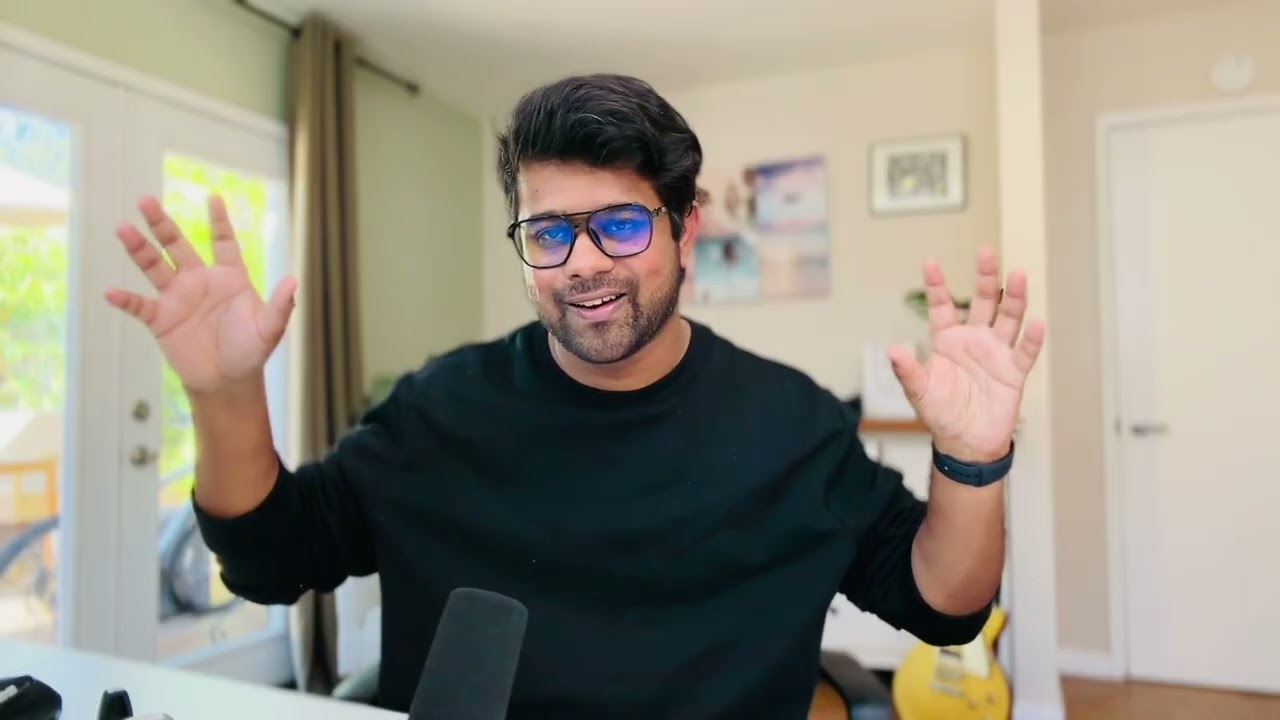
A Path to Solopreneurship Lifestyle with Sarah Jutras

Sarah Jutras, a San Francisco product designer, left 15 years in design to start Huzzah Studio. She shares how she built a consultancy over eight years through experimentation, peer support, and income diversification, plus her approach to client work and launching a cohort on Maven.
Chapters
Hello everyone. Welcome to today's podcast and I'm super excited to have Sara here. And today we're going to talk about the path, a path to be a solopreneur and a lifestyle around it. So today we have Sarah. She's the founder and design consultant at Haza Studio. She's a course instructor and where she teaches about designing your freelance business. That's how I met Sarah and then she has worked for renowned brands such as IDEO, PayPal, Instacart and general assembly. And she has a combined experience of 14 plus years both in the design and the business industry. I'm super excited to have you here Sarah, and I would love you to introduce yourself and tell us about your journey of being a designer and building your business. Great.
Thank you for having me, John. I'm really excited to be here. So my name is Sarah Jutra and I'm based in the San Francisco Bay area and as John mentioned, I've been a practicing product designer for about 15 years now and I've been running my own business, my freelance practice, sole proprietorship for eight years. So I studied graphic design and multimedia studies when I was in school and I got into working as UX designer and really loved that path. So yeah, that's what I've been focused in for my career.
Awesome. What was like your story behind starting your own studio and how did the name come up and why did you decide to build your own studio in the first place?
Yeah, yeah. So I mean I was spending years before starting my own studio working in house for a lot of different kinds of companies and through that journey I was really exposed to entrepreneurship. I was really excited about working in startup world. So I was joining teams. I was a co founder of OneStart and I joined many startups as the first design hire. So this entrepreneur lifestyle was sort of around me all the time and I think it gave me the courage to sort of say to myself, you know, I can do this too or you know, what, what would it look like to kind of do something on my own? For me though, that took the shape of starting my own consultancy practice and moving into, yeah, being a freelance designer and sort of building my studio practice around, around that desire. I think a lot of it came from just experiences I had in house. You know, there was a lot of different factors that led to the decision. One was on the challenging side of things. I think something a lot of people do experience in the working world, which is sort of, you know, challenges with business as usual. It could be, you Know, toxic work environments, overworking some people, you know, experiencing that profit over people mentality. And I was also dealing with health issues and really struggling to, yeah, find my place. And so in 2016, I decided to just take a chance to try something different and think about creating a different experience of work for myself. And that was freelancing. And, yeah, I didn't name my studio straight away. A lot of folks asked me that, you know, name the studio or use your own name, and it really depends. Up to you. But funny enough, Huzzah was something I used to say when I was excited about something. You know, it's a saying that sort of means the same as hooray or yippee. And my sister actually said back to me, you know, why don't you call it Huzzah Studio? That's something that you're always saying a lot when you're excited about something. So that's where the name came from.
Yeah, it's kind of great to hear that. It's always kind of hard to come up with the name for sure. And it looks like you kind of took the real world inspiration and translated that into your brand's name. It's definitely full of joy. And, yeah, it's great to hear that you kind of went from working for the industry and then kind of starting your own thing. I'm quite curious to know, what does being a solopreneur mean to you and you went to that transition and how was that transition look like for you?
Yeah, so solopreneur is a really great word. I'm sort of glad that that word has, yeah, come into the lexicon that we have in the working world. I mean, I also use the term freelancer and consultant. I mean, I like all these words that are sort of interchangeable to me, but I really feel like it's about just carving your own path. And the beauty of solopreneurship is that it can be anything that you want it to be. So again, in my practice, I offer design services as a consultancy and support clients doing a lot of the type of work that I was doing when I was in house. There was a relatively seamless transition into the type of work that I was doing. But other folks might be solopreneurs starting, you know, new products or new ventures sort of different than the services that they were in before. So, yeah, really, for me, it's just about going things, going at things your own way, doing work differently. And specifically, my solopreneurship has really taken shape as building a lifestyle business. For myself. And that's something that I've been really happy about.
I think we definitely want to explore more on the lifestyle side of it. And many people kind of desire to kind of have their own practice and be independent. But it also comes with a lot of uncertainty. Right when you're working for a company that you don't even worry about the next project, it just comes to you. But as a solopreneur, build your own business, there's a lot of uncertainty when my next project is going to be there. How did you navigate through that uncertainty while building your business?
That's a great question. I think the first thing is just acceptance that and that acknowledgment that you're seeing, John, of like it, there is uncertainty. It's. It's definitely, you know, new experiences and unknowns and so knowing, like giving yourself that expectation, like that's going to happen. And so you can kind of be a little bit less anxious and calmer about, you know, knowing that that's the way it's going to be. Um, and on that note, like, one thing that really helped me was taking on this mantra of everything is an experiment. It's something that I share with my students as well. Just knowing that you can try different things, make changes, and you can even go back to in house work if freelancing is not for you. And that was sort of what I told myself, like, can I even do this? Do I, Do I want to do this? Am I going to like doing this? And it's like, I can always make another decision. And then I think, you know, just knowing that there's going to be some unknowns in that path to building a business, looking for those support systems. So thinking about a safety net, whether that is a financial safety net. Right. To kind of support you. Everyone's makeup is different in terms of, you know, their family structure, if they have dependents and they're just financial foundations. So thinking about that, so that can be one less thing to kind of have to stress about. And then finding that peer support to kind of, yeah. Be a system for you to lean on as you're moving through new territory.
And I think being a solopreneur, like you said, you approach it from a place of experimentation. Right. And then it also lets you experiment with like different style from service business to going to the education side. And then you had launched the cohort on Maven as well. What was like your experience launching the cohort? And then what was like, do you have any mentions of any success Stories from your cohort.
Yeah, so I actually started teaching just in general years ago while I was still working in house. So I worked a lot of different companies, startups, agencies, and I started teaching design courses with General assembly and a San Francisco based program that's no longer running called White Space. And I was teaching folks who were really excited to pursue a path of UX design or product design boot camps and you know, design 101 and yeah, so I taught over a hundred classes in that time and really loved the experience of teaching and connecting and sharing the passion that I have for the field. Through Covid. I took a break from teaching and after the pandemic I realized that I really missed it, but I wasn't quite inspired to go back to teaching the same curriculum. So I started thinking, what else am I excited to share? And some friends of mine and some past colleagues had been reaching out and sending me emails and asking me, hey, can I pick your brain about freelancing? I'm kind of curious about it. I sort of want to work towards that over time. And so I would just start to share my experience and some resources and you know, send them a Google Doc of information. And I started thinking, you know, wow, maybe I can actually share this in a little bit of a broader scale. And I was connected with this platform, Maven, which is for live learning. And in 2023 I started working and building on this curriculum and launched my course which is called designing your freelance business. And that goal, yeah, was to just help others like myself. You know, back in the day in 2016, I was trying to just, you know, saying, pick people's brains, Google a lot of information, try and find out like, what does this look like and how do I get set up. And so I wanted to sort of package that to help people start their businesses with more success and more foundation. So yeah, I think for me a successful success story, honestly is probably just launching the thing because I really, you know, we all deal with a little bit of that perfectionism challenge. And I was proud of myself for just getting it launched, knowing that I could iterate. And it was actually really supportive that Maven as a platform really encourages that, like put something out there, you can easily update it. Every time you do a cohort, you'll learn. And I'm doing multiple cohorts and still learning and still making adjustments. So um, yeah, the success was just sort of getting it out there and again experimenting, seeing how it goes.
Yeah, mind you too can kind of like iterating over time to build that cohort and I was part of it and definitely like overcoming like the mental blocks around like pricing and everything was like so fruitful. And then I think like just make having that live session it like made it so interesting just to have interaction real time and then having that community. So that's great that you launched it and then I'm excited like you kind of like growing this and all that stuff. So like switching gears to like kind of working for different brands and companies like Ido and things like that. Right. How was like your experience working for big brands like that and then you know, what have you kind of what have insights do you have to share? Working for you know, around 14 plus years working for brands like.
Yeah, so my experience has always been within consumer product design. So I've worked on many, many mobile apps when we were kind of still in the day of doing separate apps for you know, iPhone and Android and I lot of web experiences in E commerce. One of the things that I really appreciated about my career path is that I did move around to a lot of companies and not always for the, you know, for positive reasons. Sometimes just, you know, they weren't a good fit or you know, startups failed and I, you know, had to move on to other things or startups got acquired. But moving around quite a lot gave me a really wide breadth of opportunity to like see into these companies. So you know, I've been able to as a consultant as well work with lots of different clients and you know, being able to support support teams like Ideo agencies like Deloitte Industry Global, also really small startups that no one's heard of and then medium sized businesses and then large organizations like PayPal. I just got to, yeah, I felt a little bit like the Goldilocks, you know, scenario but I got to compare and see like what resonates with me, what do I like doing and also how do people work? Because you see so many different ways of doing design and also processes like creating internal processes. You can see different company culture and all of that. For me, honestly looking back is, was sort of research and sort of, you know, inspiring me to think about how I want to work and again how I want to run my business. So yeah, it's, it's really, I think it really shaped me as a designer and as a business owner now. And yeah, it's, I'm really grateful for.
That, those opportunities, yeah, I can definitely see that. And like when you work for like so many companies and then you start seeing like different processes, then there's always that itch up. Maybe I should create my own process and the way I like to work. Yeah. And that's great to hear. And like designers who are watching this, they're definitely curious of how it's like different. And like you mentioned every company you had like different learnings and different experience and they all differ from their culture and processes and everything. And there's no like one framework of how one all design companies work. Right. So that's like the key takeaway from it. You've been into the design industry like more than a decade and you've seen this industry changing rapidly. I feel like now it's changing every week. How does, like this is a bit of a big question, but how does like the future of design look like for you and something designers pursuing this profession should know about?
Yeah, I mean, gosh, when we think about the future, I feel like in the current time all we're hearing about is AI right as the future. So that does come to my mind. The type of work that inspires me as a designer is the problem solving. I've loved working on mobile apps and working on websites and digital experiences, but it's been about problem solving and storytelling and connection. So I think that those things are critical and it's, you know, when we think about the term human centered design, we can't have that without humans. So I do feel like I'm not scared about this future with AI. I see opportunities for AI to help support us in certain ways. But to me, the future of design is that importance of collaboration, co creation and even facilitation, which I just don't see AI supporting now. Maybe it will someday. So yeah, I don't think the future looks bright to me in terms of design. I think applying those skills to big challenges that we have as a world, as a society, I mean those are areas that I'm excited to explore, explore further. And yeah, hopefully we can adapt and morph in our offerings and our roles to kind of support that need.
Yeah, that makes sense. And like you mentioned, there are the key skills like storytelling, facilitation and being human centered. Those like things never change. Even the technology rapidly changes. And I think designers who are pursuing the career definitely kind of focus. And when I look back at my work to like, you know, 80% of my job is communication and storytelling and it's, it never changes. Even after being like seven years, that becomes more and more important. And yeah, I feel optimistic about the future and the future of gen AI and how it's going to impact a product we design. It's like we like it or not. It seems like many people come. Products are being adopted, and it's a great opportunity for designers to kind of, like, learn more about it. So I think being a solopreneur is definitely hard, Right? It looks very nice on the Internet, especially, like, creators like us. We show that fancy lifestyle of doing podcasts, going to job, and doing our own thing and all that stuff. But I feel like it's not for everyone. And maybe you might have a different perspective, but if. If somebody needs to pursue solopreneurship, what mindset should they approach this with?
Yeah, I think I feel like everyone has the ability. Of course, it's like saying, you know, everyone is creative, which I very much believe. And some of it's just, like, right. Practicing and kind of getting back to that creativity. So everyone has the ability. I don't. I agree with you. I don't think everyone has the desire to do it. And that makes sense, too. Too. It's not for everybody, to your point. So I think that what's most important is for folks that have the desire, that dream or that little, you know, spark of, like, maybe I want to try this someday, like, that they feel encouraged and supported to try it or to work down that path, you definitely need to be curious, right? And kind of, again, stepping into the unknown. Flexibility or, like, adaptability is super important. As we talked about, there's, you know, some uncertainty. There's the experimentation. So you have to, like, you know, roll with it sometimes. And I think resiliency as well, like, that comes to mind because, you know, you don't have the same ladder that you have when you are working for someone else. And because of the ups and downs, you need to persevere to, like, keep. Keep going and sort of define things for yourself and grow. And so I think, you know, I chat with some folks who maybe start freelancing, and some of. Some of it feels overwhelming. And then it's like, I can't do this. I'm. I don't. You know, I don't want to do this anymore. And so supporting people, they don't have that. Those feelings and can be resilient through the challenges to come to the other side. Obviously, having. Having grown and learned, learn. So, yeah.
See a theme, like, you kind of go back to that mind of experimentation, right? And see how it works out for you. And everybody's so different. Everybody has a different lifestyle. And I think it's kind of rough in the beginning, but eventually Once you build like the systems and processes, you kind of able to maintain that and able to like, live that life of like you're doing your own thing. Every time I speak to you during your sessions and stuff, you speak a lot about processes and ritual design and stuff like that. I'd love to explore that a little bit. What's the role of building processes, systems and ritual design while building your business or having that solopreneurship lifestyle?
Yeah. So when you're working for yourself, you again, don't have the same guardrails as you would working for employer. You know, you don't have like internal company culture or. Yeah. An office to go to with off sites and free snacks and, you know, this like a cadence of meetings.
It's.
It's really like free from structure. And that is exciting in a lot of ways. But structure can be really helpful and supportive. Right. For us. So I feel like we have to map our days and again figure out what works best, which sometimes is trial and error. And so for me, that's looked like leveraging design and creativity to ways of doing the work to plan out how my calendar is going to shake out, to create rituals. So my workday feels a certain way, you know, feels. Feel supportive, feels like I can take breaks because those things don't just happen. Like you can just get started and kind of work like you were working for someone else. And it's a little. It's stressful. So it's interesting how much effort it actually takes to set yourself up, to then have this freedom. Right. And the autonomy and all these things that we really want to feel like when we're solopreneurs. So, yeah, I got really inspired by ritual design years ago. I was working for a company called Better Place Forest, which is a company supporting end of life planning. And I had started learning a little bit about rituals and then suffered a really big grief and loss and losing my mom unexpectedly and really kind of dug into rituals then as well and ended up just. Yeah. Reading books and taking a designing rituals course and kind of trying to get into like, why are rituals helpful for us? And like, how are they different from just the routine? You know, what, what's. What's the catalyst for creating them and making change in our life and those things it's all about, you know, intention and meaning in the actions that we're doing. So. So we have lots of routines and behaviors throughout our workday. But then having these intentional rituals again, that's one of those support systems we were talking about earlier. Of what support systems do you need having rituals in your work life? So I've always tried to think about those things and then brainstorm with other folks and my students and kind of talk about what we're designing for our life to feel a certain way.
Yeah, that makes sense. And I think I can relate to it when I try to do all this content creation as like we need to create some kind of a processes and systems. If I don't do that, you can't have that consistency. And I feel like I'm always tweaking and iterating and trying to create the process and then life happens and all that breaks down and then you have to reiterate it and yeah, I think I want to tell audience like one of my friend, a co worker, he wrote a book on ritual design which Sarah also took a look at it. His name is Krushant. And it's a very interesting and a growing field and even there is it. I need to send this to Krishant. Hey, we did mention your book here. Yeah. And I feel like. And when I, when I collab with Krishant, we try to do this with our onboarding processes and stuff like that. So I think in the generation where the collaboration becomes key while building a product, I think those rituals are very important. Small things. Like we used to do this before the meeting instead of directly going to the agenda, we talk something like fun that connects people so well. And I've been trying that and it works well. And there are some. Sometimes you directly go in the agenda and this meeting feels very mechanical. So I think like little rituals like that. And like me when I'm creating content, I'm writing down my ideas and structuring it and I do it like repeatedly. I think ritual design is a very interesting space, I think to explore in the coming future. I definitely see it being a big part of being a solopreneur and designing your own processes. Or else without structure, it can be a little overwhelming. For sure. There is downside and upside to everything, right. Even a job or being full time, you know, doing your own thing. What are like the three things that you find most fulfilling about being a solopreneur?
I mean, freedom for me is this idea of freedom. Freedom's one of my core values and like what that means to me is the freedom and autonomy to sort of see, set my days, set my schedule. Yeah. Make those choices. I think that's really fulfilling for me. Diversity in the work and the people that I get to collaborate with. I mean As a freelancer, I'm constantly meeting new people through building new relationships for project opportunities, collaborating with new folks. Um, and that really. It excites me and it helps me. I think it helps me really feel connected to the world. Cause I'm just constantly, yeah. Getting like, really broad connections with. Yeah. People from all over who are focusing on different things. So that keeps me really inspired. Um, and then I think the other thing that's fulfilling is just how creative you get to be. Because. Yeah. I mean, obviously as a designer, my services are creative, but everything we're talking about, John, like, the processes and the client experience and what rituals might support you. Like, there's so much creativity in all those pieces. So that really keeps me going, even if it's. I'm working actually on a project that I'm not that excited about or potential, you know, client work that's not a dream gig. But the creativity that's applied to the rest of the business is really, really fulfilling for me.
Yeah, yeah. You brought up the. The how you are networking and connecting and like, what I admire about you, you kind of like, naturally do it. It does not. Like, when you network, I think you do that intentionally. Right. You want to connect people in a more meaningful way. Anything that ties up to this biggest pain point. A lot of my audience struggle is networking. They ask me all the time, John, how to network. I keep writing about it, but people keep asking, especially, like, I'm an extrovert. I think it's a little easier for me. But I. I don't know your personality type, but, you know, but how would an introvert go about networking? And you know, because in this generation or this age, network is everything. So do you have any tips on networking for designers or solopreneurs or business owners? Yeah.
Yeah. And I actually am an introvert, so it's gotten easier for me over time with all the practice. And I realized I never thought about this before, but now I sort of consider myself a community builder. And again, that's not like something I would have said about myself in the past, but I do really love connecting people and yeah, just again, being exposed to new things and learning. And so the best thing for folks to do is think about networking. I like the word relationship building first and foremost. And, you know, almost like an ecosystem as well. Like always, like giving and take, like supporting others and, you know, sharing work if it's not a fit for you or you're too busy passing that along, reaching out to someone to. If you're inquisitive about what they're doing and like being genuine about what you want to, you know, learn from them and if they're open to that time together and just. Yeah, a lot of sharing, it's like a. Feels like a big, like the sharing economy of just chatting with people and supporting them in that way. Those relationships are really critical as an independent. And I feel, I mean, my. I've been in business for eight years and almost all of my leads, my inbound work is from word of mouth. So granted, over eight years. Right. I'm continually working. I've worked with many, many clients, so that does kind of naturally grow. But even when you're starting out, you know, connecting with your past colleagues or your, you know, family friend networks and really. Yeah. Meeting people where they're at and actually like, you know, it's not a sales thing, it's just like a relationship building thing. So, yeah, I think spending the time and making effort to do that authentically is like the. My best. My best tip for you.
Yeah, I think that's the best way, like you naturally, you know, connect with the right people. I went to like a conference and just like was talking and then I met like the previous podcast I did with Marcus. We just started chatting and it just naturally happened. And then I saw his product and it's like, oh my God, such a good design sense. I feel so related to this. So I think just have finding something that you find interesting and just being curious about that, it's like more than enough. But like, people struggle so much in networking. I think it feels forced sometime to them. So I think I like your approach of how can you just naturally connect with people and have that community around what you do.
I failed at the networking at the conference because I went to a conference recently and I'm gonna go, I'm gonna network. And my introverted self, I was overwhelmed. It was really crowded and. And I didn't end up getting to connect with some people. And I was like, you know, that's okay. Like, that. That just wasn't the best scenario for me. I went to an after event which was much smaller and I got to say hello to some people I knew and get introduced to people I didn't know. And that worked better for me. So just also, yeah, like honoring what works for you and yeah, finding new opportunities to connect. I really like one on one coffee meetings or coffee dates that I really feel, yeah. Comfortable meeting with people one on one and kind of getting past the small talk. And so that is something where I Invite people to do that because that feels good to me. So.
Yeah. And there's always that scary moment just going talk to a stranger. Right. Like I was trying to make like a video of what makes a good designer and they will all just like be creators and stuff. Even as an extrovert, like there's always that fear. How do I like initiate this conversation? But you kind of have to sometimes just push through it. I made like a checklist. I have to do it. So it was, I was just like pushing myself. But I'm glad you kind of got to go other events and kind of network there. I think you went for like notion event. Right? Like. Yeah, that's good. Yeah. I, I read this article about the conference especially like config people are saying the key of succeeding in this conference is not going to the conference, but just meeting with people.
Yeah. Not attending lectures. Yeah, I heard that as well. Makes sense.
Yeah. I enjoyed most just like talking to people than going to the actual talks because they were like recorded anyways. Yeah, I think that that's a great networking tip and it kind of, you know, combines everything a mindset people need to approach networking with and kind of make it more natural than. Rather than being like it to be forced. I think like in, in business people network to build like business relationship and help each other out to create value and stuff like that. Right. I think whenever who's taking that path of solopreneurship being like building their own community or product or your service like freelancing. The biggest problem is people ask is finding clients and finding customers. Right. How do you approach or what was your strategy been to consistently have projects or customers to what you are doing?
Yeah, consistent, you know. Yeah, not always consistent, you know, again the, the nature of that kind this kind of work. But definitely creating some guidelines for myself to make sure I was cultivating those relationships and spending time there investing in it. Because that can easily get back burnered. Especially when you're on a project and you're busy working on things. You also have to be thinking about, well, what's the next thing like you're saying what's coming down the line. So we hear of people using the term like pipeline, like filling your pipeline doesn't always work for every service offering a profession. You know, I book out a few months in advance, but I'm not typically booked for an entire year. There's not really like a wait list to work with me. That would be amazing though if people are interested in that. I open to that. So it's again, just kind of cultivating ongoing relationships. I use a reminder system in my calendar to let me know like when I should start thinking about potentially chatting with people to see if there's some new opportunities for new work when I'm sort of coming up on a project completion. And then, you know, you can also leverage other job listings and gig sites. I don't feel like they're as reliable as your own network, but it's helpful again back up to join some of these gig economy sites where you can see the types of projects that are being listed and pick up things like that. There's also opportunity to explore flexibility in your offerings, like maybe doing something smaller scale projects or collaborating with someone in your network who does something totally different than you and kind of bundling your services together or exploring, you know, other, you know, other income strategies. You know, like my, my teaching is very separate from my main business. My design studio has all studio. It's, you know, a very, very small portion of, you know, my overall business income. But still something that, right. I enjoy doing, I can invest in, in. So yeah, I think maybe thinking about it, you know, as like a diverse, diverse map and then just not forgetting that it's about the people so not losing sight of the connections and all that networking.
I think you bring up this important thing of diversifying as a solopreneur. You cannot put everything in like one thing, right? You kind of have to like diversify eventually and not maybe in the beginning. I think you kind of do your consulting, but also you do your education thing. And I think it's how do you kind of like balance those two things and how do you kind of like prioritize about this business? Because from like I have seen like the service business usually is more successful where the education is so hard to scale and especially like having that, you know, because it needs sometimes a lot of like social media presence and people know about it and where service business might be slightly different than that. How do you like approach those challenges as like a solopreneur?
That's a great question. I mean I'm definitely in that challenge for sure right now. So yeah, my, my services business, the income that you can generate, you know, my, my project price points are a lot higher than, you know, selling a course or templates or materials. Right. And so that is also you need a lot larger array of inbound leads to kind of make that more valuable. I love doing that teaching though and I love connecting with community in that way. So for me I'm finding Fulfillment, even though it's not this huge portion of my overall business income. So I think, you know, there's some diving deep, you know, that I've been doing of like thinking about, do I want to invest even more time into this though, and try and build this out and see if it can grow or scale. And some of that strategy work is. Is a place that I'm in right now. But. But yeah, I think it's just trying and seeing what works. And if it's something that's important to you, it just goes back to. One of the beautiful things about solopreneurship is that you can do multiple, multiple things if you want. So even if my, you know, educational side of the business is not going to grow and become the main line of business, it's still something that I love investing that time into and I can do that. I have that freedom as a solopreneur. So it's just again, all about the fulfillment for me and what's aligning for me right now. But yeah, it's good food for thought of like, yeah, could this be something different? You know, we get excited as, you know, creatives of making things and, and helping. So it's definitely something I've been thinking about and you've given me some great ideas in our chats together about that as well.
So, yeah, I definitely enjoy part of being your community and just learning from you and your experience. I really admire how you build like processes and even the notion workbook you made for the cohort as so like, in depth. I was like, this itself is enough of me to get started. So that was really good. I really admired that about your processes, how to. How you kind of like systemize things and stuff like that. I'm gonna go a bit off topic and gonna ask about the social media thing. Right. There's definitely a lot of pressure to build a big following and audience, but I've been seeing like, you going a bit like the opposite path where it's like, hey, we don't have to build a big social media presence in order to succeed. And many people get stuck with that nowadays. Oh, I don't have this following. I cannot build a business. How would you like to, you know, what advice would you share for people who kind of are in that, you know, place where they feel we cannot do our own thing because we don't have a big social media presence. And before in the history, people build businesses without social media. Right. What's your take take on that?
Yeah, I'd like to share Someone who's really inspired me, Amelia Hruby, who runs a podcast podcast called off the Grid. It's something that I talk about in my newsletter now and again. And her podcast is all about this.
It's.
It's being able to, yeah. See different paths forward that don't rely on social media. I've never had a big social media following and I think that, you know, there's a lot of excitement again, about sharing experiences and connecting with others so we can get caught up and feeling like that's the one way to do it. But what I've been really digging into lately is, you know, so many folks are leveraging email, good old email newsletters, and I love email, I really do. It's silly as it sounds and, you know, having people intentionally opt in, say, like, I want to hear from you. I want to stay connected and this is the way that I want to do it and on my own schedule without ads, you know, without the algorithm hiding things. Like, you just have so much more control over that content and the messaging and that connection with the community. So, you know, we'll see what happens with some of these platforms. We have substacks, we've got, you know, like Beehive and convertkit and all these emails. I'm just starting to kind of get into this and activate my newsletter. And of course you have, you know, this blog and your newsletter going. So I think that that's a great option as, you know, first and foremost. But to be honest, you know, I wouldn't say I love LinkedIn, but I do feel like I still want to be a part of it because it does allow me to connect with a lot of people. I have a lot of more of the cold, you know, reach out cold intros or folks who I maybe meet in teaching contexts who, who will connect with me. And there's actually more that I desire out of that tool. I feel like, to make it even actually more meaningful, but just to be able to, yeah, like, get to know other people as a connection tool. That, that works for me. But I catch myself feeling the, the pressure, the societal pressure of feeling like I should be posting, I should be saying things, and it doesn't always feel great. And so I'm just trying to really lean into like, like, again, that authenticity of like, you know, if this, if this is something I want to share, share it, but don't feel like I have to have this, you know, working the algorithm, this cadence and this process and kind of, yeah, that just doesn't feel like it's something I want to put my energy into. So yeah, that's sort of where I'm at with it right now, kind of grappling as we all are doing with the changing of our technologies.
Yeah, I think you brought up the good point of like email and people like opting for it instead of it being forced. Yeah, I think like me trying to create content for 2 and a half years, the end, at the end I came to a conclusion. It's good to be like a small but meaningful community around your newsletter. That's why I focused on like substack and things like that and then that mass. I think it's not very helpful if it's not like aligned with like your goal or the people. The value of people you kind of shared with. And yeah, I think, yeah, I also, I think it takes time for a creator or a solopreneur to kind of find that platform fit. I experimented for two years and then I finally found like LinkedIn and was like my platform fit. So I think it takes a lot of experimentation, something that you bring up and then building like a smaller community around what you do and kind of sharing them for them to grow, but for also for you to kind of grow with them. That's definitely the way to go, I feel. And I feel like people are kind of seeing that even like brands, they are like going for people with like smaller audience but who are like well connected instead of like millions of, you know, followers and stuff like that. And yeah, I think newsletter is a good place to start for somebody who's kind of trying to build a community and then kind of see where it goes from there. I think I look up to like Lenny's newsletter, Peter Yang's newsletter, they're like so in depth. So I felt like in 30 second reels, like what can I teach people? So I was like, let me do newsletters as well. I think that's definitely the way I can see the same and I'm kind of inclining more towards that as well. Yeah, and I'm going to share like Sarah's newsletter and everything in the description. Description. Feel free to check it out.
I just want to add. I love that you're talking about with like how like small is. Is still is meaningful and this comes up a lot for me and thinking about my business and like staying small and also this concept you're mentioning about, you know, we're so used to talking about growth and scale and bigger is better and you know, it's not always the truth and it's not always the case for everyone. So with my course, you know, my course is a pretty small cohort size. My newsletter. Right.
Small.
But I'm able to connect with people and hopefully help people. That's my, that's my goal. Right. Impact people. And so I think, you know, I love that reframe of just thinking about. Yeah. Maybe a topic for another time, but about what, what growth means to you and that being. Staying small is. Is actually okay.
Yeah, no, that's a very interesting point. What growth means to you. Right. It's different for different people and you can still build a product or a service without having a big audience and still able to put it out there or collaborate with the right people and things like that. There are so many ways to do that, for sure. You know what I'd like your takeaways being a solopreneur and then the follow up questions I would like to understand is, you know, what people are wanting to go into this journey. They are aspiring to be solopreneur. Some people have full time job and they're trying to build things on the side. That's completely okay too, you know, what are your insights and advice that you like to share with them?
Yeah, yeah. I think I'd love for folks to take away that, you know, if again, this is something that you're intrigued by or interested in. Like I want you to feel empowered to follow that intuition and work towards this for, you know, better for us just to see how it goes. Right. And like, you know, experience it. All we have are our experiences. So I feel like, you know, giving people some support. I'm always happy to chat with folks. Of course I have the class as well and other content. But helping people get over that hurdle of just the fear. You know, a lot of times people say, oh, it's much more, it's safer to kind of be employed. But is it really? I mean we've had. There's so many layoffs, we have so many, you know, challenges with the way of working today. And it's just different challenges, right on being out on your own. I don't necessarily think it's riskier, you know, I guess again it depends on a lot of factors for your life and what's going to work best for you. But. But yeah. And I think what's really exciting for me that I hope people start to think about as well is that I believe solopreneurship is really changing the future of work. And so when I hear this phrase like the future of work, I Kind of tune in a little bit. We talk about it in different ways, but yeah, how are we redefining the ways that we work and how we tackle challenges and how we connect with one another. And it started slowly with, you know, maybe not having the same type of office structures as we did before, requiring people to work right in house versus remote. But I think there's more ways of rethinking. Yeah. Our work life and how that fits into our greater life. So, yeah, I think just know that you can do it if it's something that you want to do. There are a lot of resources out there and yeah, I wish you all the best if you decide to pursue.
That path, Sarah as well, if you want to talk more. Yeah, I think this podcast is very timely because I'm definitely seeing this like an economy where there's even like your job is uncertain and then you need to build something. It could be anything around to kind of have a backup for you, either your product or a service or like investing or whatever it is. It's kind of like scarier time for everyone. And once upon a time your jobs were the most secure, but it's no longer the case. I think it's very crucial for people to build systems and processes that. Not processes, but like systems to protect you when one thing falls apart. That's something I've been talking lately with a friend, Haswell, like how do we create the systems around our life? Because if one pillar collapse, how can other pillars. Pillars hold the bridge. Right. And I think the solopreneurship mindset kind of helps you build the system. So if one thing collapses, the other four pillars will hold your system. Yeah, I went a bit philosophical there. But Sarah, how can people connect with you? I know you have lots of things to share. What's like a best way people can connect with you and learn about your. The every. All the awesome work you are doing to the community.
Thanks, John. Yeah, you can follow me on LinkedIn because I am still on LinkedIn. Just first and last name Sarah Jutra. The S is silent. It's a little tricky. You can email me at my studio@sarahaza studio.com and then I also have a new substack called Freelance for Life. So you can find me there and kind of sign up to get some of my writing on the creative life and running the solopreneurship business. And then if you're interested in a course that's on maven designing your freelance business.
Yeah. And it's one of the top course on Maven as well. Right.
It did get rated a top. Yeah, I got featured as a top course, which was really lovely.
So yeah. And Sarah is also in my recommended list in the substack. And I learn a lot from Sarah and sometimes I get carried away by this mainstream thing and then I go back to Sarah. She has a different way of looking at things. So it's very interesting. It was so nice to have you, sir, on the podcast and I always wanted to bring you on the podcast for the time, from the time I kind of joined your community and things like that. Thank you for making time and sharing your insights and I'm very sure this, everything you shared is going to open up so many mental blocks in people and it's going to be valuable if they are stuck with figuring out how they can move forward, if they are stuck or if they're impacted by anything. And then it was great hearing about your thoughts around ritual design, your experience working for like full time and versus freelancing and how people can network and build meaningful relationships and stuff like that. So it was like 360. And this kind of ties up to creating a lifestyle around being a solopreneur and you kind of definitely shared that with us. So thank you for being on the podcast and if you'd like to share any final thoughts with the audience, I'll leave it up to you.
Thank you so much, John. Thank you so much for having me. This has been really enjoyable. It's actually my first podcast experience or video podcast experience, so really appreciate being invited and yeah, as I said before, I'm just really happy to connect with folks and I'm also Bay Area based if people are local, local, whether it's to connect on design side and Hazal studio side and experience design and some of the work that I've been doing for my studio or on the freelancing path side. So yeah, look forward to maybe meeting some of you soon. Thanks again.
Thank you.
More from John

Building Orb AI in Public: Episode 6 Accelerator & Creator Focus #creator #orbiai

Jev: The Decision Layer Boosting AI Retrieval from 72% to 95%. #Jev #AIDecisionLayer #GenerativeUI



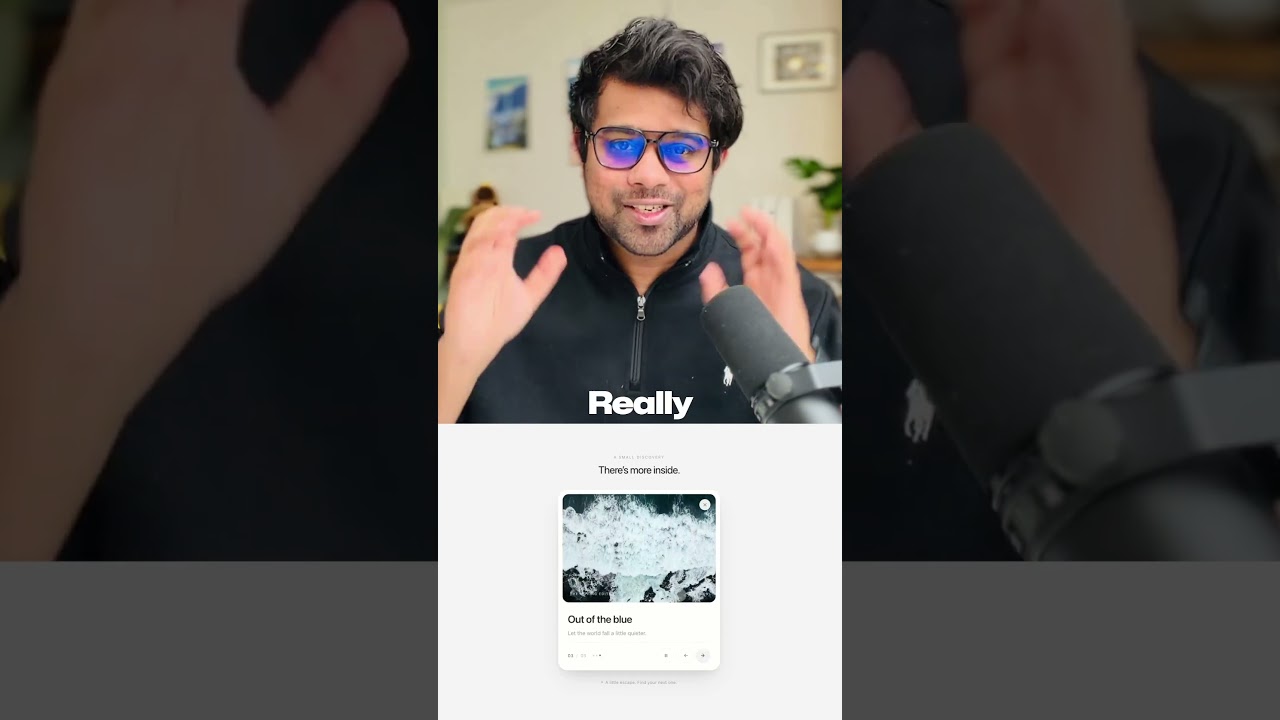

Design Engineer's Ultimate Tool Library: designengineer.tools #designengineer #designsystems