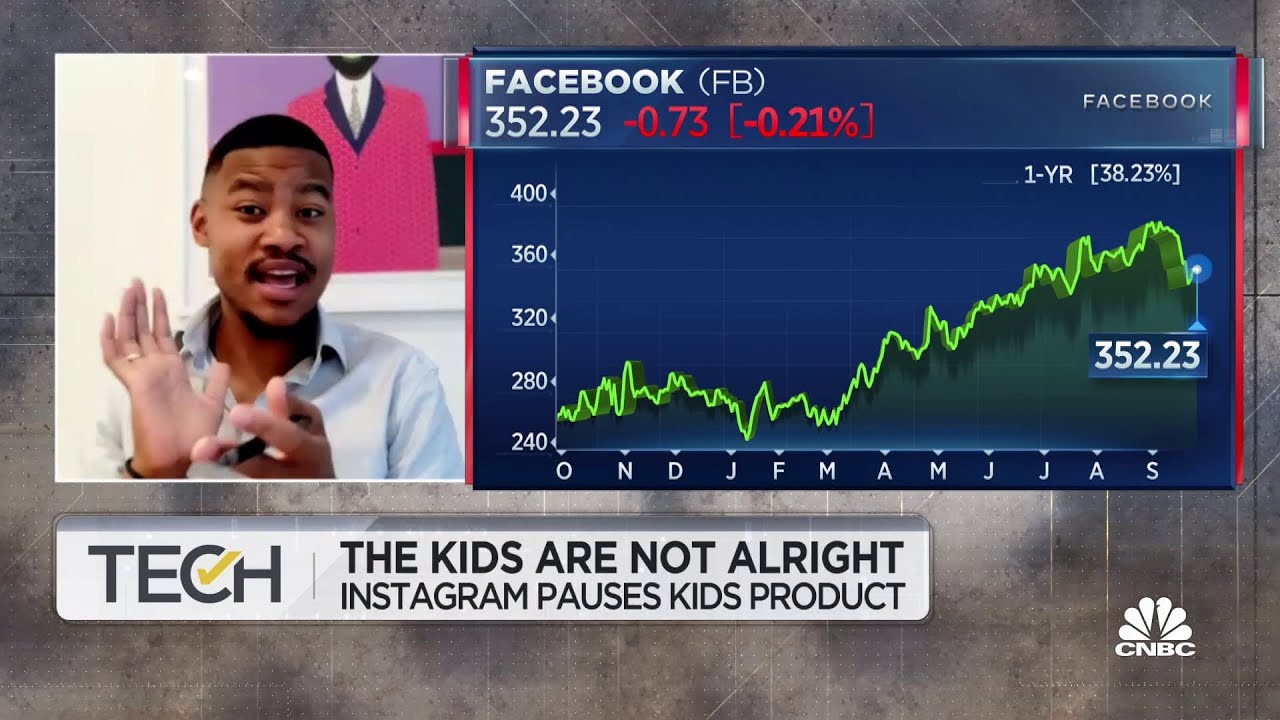
In this panel discussion, Kanyi Maqubela and other participants examine Meta’s (Facebook’s) strategic dilemma surrounding the launch of an Instagram product for younger users. They outline four intertwined challenges: intense competition from TikTok and Snapchat for the youth demographic, child‑safety and privacy concerns for users aged 13 and up, the clash between adult demands for uncensored free speech and parental demands for security, and the technical‑political crisis of implementing robust safety mechanisms. Maqubela argues that competition is the primary driver—parents have limited leverage because kids already use Instagram, and Meta is willing to accept PR risk if it secures a competitive edge. He frames the U.S. youth market as a tri‑opoly where Facebook lags behind TikTok (first) and Snapchat (second), while still dominating globally via WhatsApp and Instagram. The conversation also critiques Meta’s “inevitability” defense—launching features and hoping public backlash fades—versus a more responsible stance of pausing development until harms (e.g., body‑image issues) are demonstrably mitigated. Historical PR missteps, such as the 2019 Messenger for Kids error, are cited to illustrate how past controversies have faded from public memory, reinforcing Meta’s calculation that the PR cost may be worthwhile for competitive gain.
Chapters
Yeah, hi Carl, good morning, thanks for having me back on. This is a very thorny issue for Facebook because they have 3, actually maybe even 4 issues that they're gonna have to reconcile. One is obviously, to your point, the competition and scale issue from TikTok, but let's put that aside for a second. It turns out that Instagram ages 13 and up is still a very challenging issue. There are intense security issues around child safety there too, and there's intense issues around privacy there too, and what they're trying to figure out how to balance which they totally haven't figured out, even for kids 13 and up, is the balance between free speech and uncensorability, which adults have been demanding, and this desire for true security, which parents have been demanding. And it's a very hard thing to balance because those things pull against each other. And so the truth of the matter is, even separately from under 13, they already have a technological crisis which is intersecting with some of their political demands here that they're going to have to figure out how to solve. One of the things that— go ahead, please.
And I was going to say, what do you think is the more powerful dynamic, the competition from the likes of a TikTok, as Julia just said, or the potential pushback from parents who watch the Today Show and advertisers who may be saying, you know what, I don't want to be put up against this?
Absolutely competition. It's the unfortunate thing to say. But at the end of the day, one of the things that they even noted in their own blog post was that kids are already on Instagram. And so to some extent, parents have somewhat limited leverage, which is part of their outrage because kids are going to go and kids are going to continue to go. Now, the PR backlash that Facebook is going to face for this is something they have to worry about, but it's not something that frankly has been that challenging for them if you sort of look at reality over the last 15 years. Like there was a technical error in Messenger for Kids in 2019, which allowed children to enter adult group chats.. And the general public has pretty much forgotten about that. And so the truth of the matter is, I think they're going to feel like the PR risk is perhaps worthwhile to take, you know, head on if they can get some competitive benefit against TikTok.
Yeah, I mean, but Kanyi, they're trying to mitigate that risk by, as we just discussed, maybe slowing down the launch, pausing. We can have some debate about what that word pausing means. But tell us what you think about the competitive landscape right now. I mean, we haven't mentioned Snap yet this morning. But we obviously have Snap also appealing to the younger users. And then you have TikTok hitting that milestone. Is Facebook in trouble when it comes to that younger demographic? Do they need to, to make changes to really appeal to the younger demographic better?
Absolutely. And, you know, it's my belief that a lot of these tech platforms, when they get to network scale, actually aren't really monopolies. They're maybe closer to duopolies and they're competing for mindshare with usually one other player. And right now, for the younger demographic, Facebook actually isn't one or two. They might be three, and Snapchat being one and TikTok being two in the United States. Now, outside of the United States, Facebook, particularly WhatsApp and Instagram, are still very dominant. But just thinking about the United States and other cultures like this one, TikTok and Snapchat are frankly ahead. And so Facebook has a lot of catching up to do, and they know that, which is part of what you're seeing here.
Kanyi, I wonder your take. I'm getting increasingly skeptical the effectiveness of the inevitability defense, which Facebook keeps deploying. Uh, you know, this is going to happen eventually, uh, whether it comes from us or not. Either China's going to come in and do X if we don't do it, or, you know, your kids are already out there on the interwebs doing crazy stuff, so we might as well make this. What about the innovation and good product defense of saying, you know what, we've discovered that there are too many We have teens and tweens with body image issues where this product is making them worse. We are determined to actually fix that. And here are the resources that we are bringing to bear. And you know what? We're not going to release more product until we fix it and can demonstrate it to you with data. Well, what happened to that? Isn't, isn't that a better defense?
I don't disagree with you at all. And the truth of the matter is, you know, Facebook has seemed to employ this defense of we're going to barrel ahead and hope people forget it eventually. And that is going to catch up with them in the public consciousness. I totally agree. And frankly, I think that Instagram for Kids is exposing one of their fundamental weaknesses in building trust with so many of the people who are their most important business audience. But the truth is their users still come back. And that's the thing that they're trying to figure out how to balance, perhaps, is that their users keep coming back. But we have, as the business community and as a lot of the audience, have somewhat lost some trust in how they're going to operate. So you're totally right, John.