3x World Trading Champion REVEALS His Market Approach - Jan Smolen
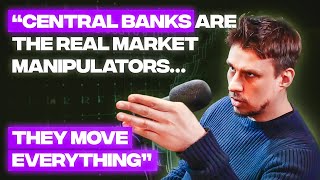
Jan Smolen, a three-time World Trading Champion, explains how his chess and poker background shaped his probabilistic approach to markets. He focuses on macro trends, fundamentals, and sentiment for longer-term edges, and shares lessons from major trades including the August 2015 crash and crypto positions.
Chapters
The person you're about to watch is not only three times world trading champion, but he was also a poker prodigy and a chess master. So things like strategy, risk management and thinking in probabilities are amazingly hardwired into his brain. And in all of this, he is also one of my mentors who really opened my mind on how many ways there is to use macroeconomics, fundamentals and sentiment in the markets. This is the second one of a series of podcasts in which I'm interviewing world champion and highly experienced trading professionals to bring you their insights and hopefully give you a different and valuable perspective on trading. More of these podcasts are going to come out, so if you don't want to miss out on them, subscribe now and click the bell to get notified when a new episode comes out. Now, without further ado, enjoy this very insightful chat I had with Jan Smolin. Well, welcome to the podcast.
Great. Very nice to talk to you.
Very nice to have you here. It's probably one of the very first interviews that people are going to see you proper interview to Jan Smolen online. So thank you for giving us this privilege. So I would like to start. Let's start from the beginning, I guess. And let's go. How did you started trading and what was your, you know, your, your path, your, you know, how did you get to be the world champion at last for three years in a row?
It's actually a bit already hard for me to remember because it's so long ago when I found out about all this world of trading. I remember I read the book Lars Poker. I don't know if you know about it, but it was basically, basically about trading, about investing, investment banking and this kind of stuff. And also I had some university class. So I attended university 2002, 2007 and I was quickly.
I studied management and I quickly realized that the finance classes are most interesting to me and particularly the classes which are related to investment banking and all this kind of stuff. So I probably already at that time decided that this is something which I want to do because I was quite good in chess, I had qu mathematical background and I also like the stuff related to games and probabilities. And even when I was a child I spent a lot of time just sitting and reading some kind of encyclopedia and checking the population of different countries and GDP and this kind of crazy stuff.
When you were how old?
I don't know, 11 or something like that. Okay. I was really like interested in this kind of stuff. So then I came to the university Just somehow came. Everything came together that this is like something I want to do. And I ended up actually working for EasyJet in the airline sector. Actually with the airline prices.
Right.
I remember that with the airline prices analysis, which is somewhat, to some extent maybe there is something similar to the. Like you also have like the prices.
The prices of airlines go up and.
Down and you have somehow like optimize it and stuff like that.
You also mentioned that you have like a PhD in finance. Where did you get it? Did you get it here in Slovakia or in London?
I stayed in London for less than two years and then I came back. I actually started to work for the electricity company in Slovakia. Also with prices. Also with prices.
How did that work? Like you were predicting energy crisis.
So it's different with the airline. I'm not sure like we want to go that much into detail. We can talk about it for a long time, but obviously. But not sure how much interesting it is. But basically with the airlines you are setting the prices. With the electricity you are more like predicting the prices.
Yes.
And which go then in the projects, like some of the projects were that we are thinking about building the nuclear station and what are the prices going to be. And basically the prediction with all the different projects and then the sensitivity analysis, if something changes, how is it going to impact the prices and all this kind. So it was a pretty interesting job. But. But basically then I managed to get the contract with the company. Like they were quite happy with my job and I managed to agree somehow with them that I'm not going to work there as an employee, but I'm going to provide my services as a, as a company.
Okay.
And at that time I started my PhD, so it was basically after I think four years maybe.
You're not just a trader, you're not just a trading champion, you're also a brilliant in chess and poker. How did that fit into this, into this journey, into this process? It was just a passion you always had.
Yeah, it's like. It's like not sure what to say. Also during all this time, like I was doing this thing, I was also, also at some, at some.
Particular time points of, of this journey, I was also thinking about becoming a chess player, a professional chess player, which is probably not the best idea because like not. Not enough money in the sector. And also, and also basically you. You're making enough money if you are top 20 in the world, which is quite a high.
If you are a football player, you can be like thousands in the world and you still like make so much money in, it's incredible. You need to be top 20 otherwise it doesn't make too much sense.
Yeah.
And poker, and poker is also like poker, Poker was also very interesting thing for me. But then like what is, what is interesting in poker, what can I say about poker is that it a bit resembles what I think is a little bit happening with the trading these years. But with tradings obviously everything is on the higher level. But with poker it was like that, like I was playing it like the kind of hobby player and still, still was managing to play with some even famous players and achieving quite good results. But then it get it, it kind of got much more, much more sophisticated. Everybody is like, like putting started to put like this best players in the world stop to playing like by the intuition, by some head calculations and stuff like that. But they really like, like kind of soft like made the poker so much more sophisticated than it was before. So like I played poker like a game I really wasn't, wasn't ready to put like 10 hours a day studying poker. It seemed like really silly to me to like really study every single detail like what should you do at every particular step, every particular situation. And the people were doing this like really they were like they were closing everything and just studied poker like 12 hours every day. It's unbelievable. Stop doing everything else and just concentrate all their time on poker. So at that time and this happened, I think 2010, 2011, it was kind of, kind of it was visible that everything is totally changing. Basically you are not able to compete with these guys with if you rely on you, you think good intuition and this guy starting 12, 12 hours a day, no way you have chances against him. So yeah of, and at times no, this is not for me anymore, I'm not going to do it. And okay, if I see some comparison with trading it's not in the way that obviously everybody is much more sophisticated. So we trading we already starting with this point where everybody is already all in trading. But it's getting on even higher level. Higher level for sure, higher level with all these algos and artificial intelligence and kind of stuff where, where like it feels to me that somebody sometimes even like putting like 10 hours a day like still, still you need to like get somehow even on a higher level.
Yeah, yeah, definitely.
But, but yeah I'm more inclined to, to like do it with trading. And I was way up with poker.
Yeah. So, so the approach is also I think on probabilities and risk management. I think in poker you must have those basics of how much are you betting on this hand? How much prob. So I think there's a good, interesting, you know, some things are very similar I think in the way you approach it.
Of course there's a lot of similar stuff, but then there is a lot of different stuff. So yeah, poker is much more simpler. So it seems complicated and you know that there is a lot of study. I understand. But compared to trading it's pretty simple.
Yeah, but once you know the rules it looks way simple.
So basically you are almost able as a human being to analyze every possible situation and know basically you don't even have to if you are really good. I think this best players, they don't even think what they need to do in certain situations. They basically just know it. And it's also confirmed that there are players who pick 20 different screens and they play and they basically.
Kind of winning on all of them because they just know what they do. They know basically okay, this situation, I do this. This situation, I do this.
But still you were competitive also in trading because at some point you joined also the World cup trading championships. And I think as much as the poker competition changed, also the trading competition changed both in the market and in the championships. So how do you started like trading? You started trading with your own capital, I guess. And how did you move to also, you know, having the, the ambition to win the world championships.
Oh, so I always traded with my own capital. I never, never traded on some demo accounts or something like I, I was so right with that. If I kind of lose some money I want to like field it. You know. It always seemed to me that if somebody's demo accounts and even if he's successful, he's not still necessarily going to able to transfer it to the. Yeah, to the, to the, to the real life.
Yeah, real capital.
Real capital. So I always traded with my own capital and had some painful experiences in the beginning. So actually that was also one of the motivations why I decided that I need also the full time job if I need to, if I want to do trading. Yeah, because actually one of.
Not one of my. Certainly the most painful experience with trading came just after I started. How was it? So I started in I think July 2015 was it and then I don't know if people Remember but in August 2015 there was like the largest crash. Yeah, certainly. No, no, no, no, no. Just the indices.
Maybe like it was compared to 1987 or stuff like that. But like since I trade more or less full time, I, I never seen anything like this still what happened to me basically one month after I started trading. So this was like market done anything at all for the whole July and first time of August it was ranging. So I remember The S&P 500 was ranging in really 50 points. 50 points range for one and a half months doing totally nothing. It was somehow somewhere in the 2100 region. Let's go a little bit up and down. So I you know like don't judge me too too harshly. I was really a beginner. I opened, I opened. I opened some position on some like some small drawdown and then. And then it went one day Thursday I think it was. It went down like another 3%. So I read it's a probably good opportunity to.
Let's add little bit. So I added little bit.
So you keep adding.
Then it's. Then it went down another like I don't know what 5, 7% the other day. Yeah. So again edit little bit. And then the Monday So then came the weekend and then came the Monday and this Monday it was still still like in my almost 10 years of trading I never saw anything like that. It's just. It just opened and it totally crashed. Like I don't know. I don't know exact numbers. Like it's easy to check on the. Yeah on the charts but it's just totally crashed in minutes. In minutes. It totally crashed.
So you. You had a really bad drawdown in that and.
And my. My account was zeroed out and it basically went into minus in minutes. So. Wow. So In I think 10 minutes I had like I. I thought at least like from my knife perspective that there is enough money on the account to recover at least losses for another. Another couple of days. Yeah and it just in minutes it went my. My account after the opening of. So I think it went like that even in the pre market session even it went a little bit into plus. So S and P was a little bit even higher on the day then as we were closing to the US Open it went like really quickly down, down, down. And then the markets opened and it was went like crazy crazy down like totally like I don't know how many percent but just not sure even what were exact rules in circuit breaker then.
Yeah but I just basically remembering from my memory how it was.
What were you trading CFDs or futures back then?
It was CFDs.
CFDs.
CFDs. Okay. Yeah. So yeah there is also.
It was actually the thing also was that this was not even CFDs. It was kind of spread betting account. And so one thing which is possible Also there that probably this might kind of spread betting that they went even lower than the futures went which is quite possible. Yeah so so that maybe they added added some sound to the injury and and yeah so so my, my account went to zero and also they, they actually they stopped me out when my account was so I had let's say 10000 in my account it went to zero. It was not only to zero but to minus 3000. So I also.
Owe them another 3000. So that's what that was really really like almost like one month after I started trading I experienced something like that. So it's kind of, kind of traumatic kind of. I still like I still have nightmares remembering crazy about about this kind of stuff is still like it still still goes and so in my dream somehow that like my, my. My numbers goes to like minus and I can't do anything about this and kind can't stop it that is so.
Bad like luckily now we have negative balance protection in brokers so you can find brokers that don't go to negative or they have an asset. So I think also it changed in the.
At that time I didn't even think about.
I can imagine you probably didn't even know it was possible at that point.
Yeah I didn't even imagine that the market can do what it did.
Yeah of course I get it. So from there it could go only better from there, right?
Yeah that's a good thing. That's the good thing. So I didn't. I thought at that day that I'm not going to touch anything at all and basically also think about like how if I leave this -3000 there so what are they going to do to me? But then somehow I. I don't know.
What was the thing that made you click and you know started profit.
So at the time I realized that I need to start working full time that like this is not, this is not something I can do like so.
Having an extra income helped you to.
Be psychologically I had already some kind of income from this consulting stuff but I realized that I also need like a really stable income to like somehow to be protected otherwise I'm not going to be able to sustain these kind of things if it happens again or something.
And yeah so I started started to work in the university and then somehow I after some time so after some time I I somehow recovered paid them back this 3000 or something and and I mean recovered psychologically and, and financially hopefully also financially it was not that like I didn't lose. I Had some, some.
Savings and reserve, but still. So like I just calculated in my mind that if it continues like this. Yeah. Not going to be like really sustainable. Yeah, of course. So, so, yeah.
So how. So from that, how did you find an edge? How did you approach trading after that bad experience?
I started to be, you know, how.
Basically did you have any mentor also?
No, no, no. I never, never studied any particular books or something. I just observed the market. What it does like be that time I didn't have too much experience. But with time you're basically getting experience. You basically start to learn how the markets operate and they basically not supposed to do what you think they're supposed to do and all this kind of stuff and basically you learn. Yeah. Also the only education kind of I'm getting is from the Twitter. So.
You know a lot of people on Twitter who, a lot of them are good traders. So basically you'll get some kind of ideas also there. But basically it came from my, my observation and kind of simple statistical analysis and kind of that basically looking at the markets and finding where the opportunities might be.
So about your approach, which I think was very interesting because when you recorded the master class for our Italian students, it was really mind opening for me for so many different reasons because you know, I mostly studied from others. You know, there's a saying that I love from a quote from Richard Wyckoff where he said that people are studying what some other people said about the market, not what the market has to say about itself, which is what your approach. And it was a very like I could see that I didn't read those things somewhere else or like it was a very.
Very mind opening masterclass that you did and I applied some of the concepts with a really good edge. Talking also about the. So about news trading, that example was a mind opener for me because everybody used to say you don't trade news. That's a rule of trading.
Why?
You know, if you see, if you see, you know, so it was really, it was really amazing. And.
About your approach to a new trader who's starting from scratch. Where, where do you think he should go and find an edge? Which tools, which types of analysis or what's your approach also to trading.
It's hard for me to give advices to other people because like I have some, some set of people. People don't realize that basically just copying somebody else is probably not the best idea because we all have some, some strengths and weaknesses and, and unfortunately like I think some people's strengths and weaknesses are better Better.
Would be better like orientated to, to maybe do something else than trading. So maybe that's something important. That's also something important to realize or.
A different style of trading also.
Yeah, yeah, that's the other thing which, I mean that basically. Okay, that's also important to realize. But yes, like if we are talking about trading, like obviously there are many styles of trading and everybody needs to find their own way how to trade. Like basically to replicate some. Somebody else is problematic from two perspectives. First of all, you are maybe not 100% able to do that because like you have different set of capabilities almost sure than somebody else. And even like maybe, maybe you pick somebody who is close to you. Like in that case maybe it could be somehow possible. But most people like are really, really different. So you need, first of all, it needs to be, it needs to be also fun for you to do it. If, if you do something which you are not, basically you are maybe making money, but you just don't feel like you are doing something which, which is interesting to you and you are spending your time well and learning something, then I'm not sure it was worth it.
That being said, what's your approach or how did you find an edge?
And then obviously the other thing is that, that if you just copy somebody, a lot of things are changing on the market. So even if you copy somebody who you think is really good and has really good credentials, it's very likely that you will learn something which maybe worked before but not going to work anymore. That's always a problem.
So you always need to be able to adjust on the market. So basically you need to be very, very flexible, I think, and really like, like listen to what market is, is telling you because market is always evolving. Market is always, always kind of.
You know, you need to be once you need to learn the way how you can be one step ahead of the market. So market is somewhere and you already need to be one step ahead. When market comes where you are, you need to be again one step ahead ahead. So you know, for example, like a long time ago maybe it was enough to, to trade kind of supports and resistances and it worked for you and you could make money maybe not like now. The market obviously will go up and down, up and down, up and down until it like stops you out enough times so that you're probably not going to make money in such a simple way. Yeah, so, so yeah, so you need to learn how to stay one way ahead, one step ahead of the market. And it's really hard to do it's really hard. Also depends on your style. Like there are very different styles of trading I can, you know as you said my style is probably kind of a bit different than other people's styles so it's hard for me to talk about.
The. Probably most of the people they trade in a different way so I don't know too much but I can say only what I do. You know.
Of course I think we can go deep into that.
So, so hard for me to. To give advices for the other people.
So your approach to trading is based. I would say it revolves a lot around fundamentals and sentiment rather than purely price action or technical based even though there's a part of that too. So how. How is your approach to markets? Which markets do you trade? And let's say let's talk a little bit about your trading style.
So yeah, so basically you characterized my trading style right I think and what I'm saying is I'm trying to stay one step ahead and.
It'S evolving. For example now the intra direction is getting a little bit too crazy for me. Maybe it suits somebody but it doesn't suit too much my style so I'm orientating more on the swing trading where I basically don't have to compete with crazy algos on the. On the intraday intraday level which like before I was doing more more intraday stuff. Now I'm starting to do more of the, of the.
Of this kind of long term stuff and basically trying to to find.
The instances where the algo went really crazy and basically use it to my advantage and to use it to my advantage I need to look at it on the more long term basis because if.
Somebody else has different style maybe they can predict what algo is going to do but it's not my style so I need to. I need to.
Being able to assess when the algo went too far too far and like provided really crazy prices and only then start to very very like very carefully starting my position calculating that algo will probably get even much more more more crazy and that's what I want in that time. In this instance I'm going to basically I'm building my position.
In a more long term way so basically using this crazy August to my advantage.
Yeah some anomalies let's say that you.
See and particularly this is particularly good on the wrong side so you need to be really careful even obviously we know that trading short side is.
Much more difficult than trading on side but particularly in this environment where the algos go really crazy. Like you know, with this Gamestop company, like for example, like everybody, everybody knew that it's like I don't know, 20 times overvalued or something. Still you were not able to short it because yeah, of course there's a short squeeze. Of course it can go to hundreds, it can go to 2000, whatever you want. You don't know. Yeah, yeah, of course. So you are not able to really do it that well on the short side, but you are able to do it really well on the long side. And then the algo side, bit of the disadvantage that they have this 00 of which they at least with the most instruments they are not able to break. So basically you are covered basically on the downside and you can do multiple. So basically.
The good idea in this environment is basically that.
You do risk rewards idea to get like 300% for example risk reward. It's quite good. And basically. So that's kind of one example. Obviously, obviously we can talk about many others but yeah, that's the one example how my approach is evolving in this environment. So that's what I mean by basically.
Using what the market gives you.
Yes, yes, of course. And as you said like technicals can have I would say a faster edge decay. So the, it's deteriorating through time because alos are kicking in more and more people are using the same concepts, the same zones and stuff. Do you think that macros has a like.
Less quick edge decay? How do you, how did you see macro change in this year if they, if they even changed and how do you use them in your process?
My, my, my trading.
Was.
Not only but from the large part, maybe 30 from my trading was, was that I was relying on, on some intraday patterns that I was relying on that price there is high probability that in some particular situations price is going to do something. Yeah, it was a lot of my trading on the really short term basis. This is almost. Not totally but from the like at least 50, maybe more percent of it is gone. It's basically this crazy, crazy algos are clean. It's taking away like one, one such edge after another. They're just taking it. It's just interest. It just I don't know, almost fascinating to see like how you had the edge there for like I don't know, five, 10 years and now you don't have H there basically they just. And you see, you basically see that somebody pro, I don't know, somebody maybe something looked into it and probably saw what I saw that oh, there is some edge it's here, let's take it away.
So this is on the kind of intraday scalping basis but as I answered through the previous question, if you maybe think about this from some more longer term perspective maybe you can get different type of HD Algo maybe sometimes gets.
Too lopsided for its own sake but you need to be really like much more, much more precise, much more careful and much more risk management orientated there if you want to use it to your advantage. And yeah I'm saying probably building your position over.
Time, build the position gradually.
So basically when you see some totally crazy price from your perspective and then obviously you need to be able to differentiate what crazy price is because for example Nvidia on 950 it's not a crazy price.
There is a large, large growth and nobody knows what Nvidia is going to be worse in two years. You can very well make a case the price of Nvidia is 10,000. Just apply a bit different growth to it and it can be 10,000. So that's not what I mean. I'm not going to shorten video for sure. That's like. Like many people say that this is kind of. This is the rational price that Nvidia is at 915. That's not what I mean. You need to be able to differentiate what. What the crazy price is. Yeah. So crazy price for me is that basically all the fundamentals are pointing to the different way. Yeah the. There is no kind of excitement about the market. There is like anything at all and then like the price of something is just going up just because the Algo Algo decided that this a good. This needs this particular stuff for some reason and then, and then I prob not didn't provide a good example now because that way you would need to basically short the market which is not optimal. So you basically want to basically something else. You get quite good AI company in this market. You want to choose some AI company which probably has good fundamentals which probably will come with good products. But for some reason Algo has decided that this is not company via.
We are wanting to buy at this point and we are just going to shortly. For example this is not with the AI but recently there was something like that with the Marathon Miners which is Bitcoin miner and basically it's a sector which is loved. It's a sector which everybody is interested in it and it was just selling like crazy. It's probably a good company as far as I know. As far as like it's mining it's fundamentals. Fundamentals are right. And it's selling off like crazy in a sector which is like loft sector. Yeah. And basically it went, I think recently from. It's a bitcoin miner. Yeah. Bitcoin went from 60 to I don't know, 75,000. And this bitcoin miner went from 34 to 18 in a similar time.
Yeah.
So then like. Okay, you can structure a really good, good trader because like you are kind of. Kind of protected by zero. Yeah, yeah. And also this company owns a lot of bitcoin. So probably it's not going to like if it goes to 10. It's kind of really crazy. Obviously can happen like of course can happen. And in this particular case I want it to happen.
Yeah, of course.
Basically. So I basically only very carefully start to buy it here at 18 and I want to outgo get. Get even more crazy.
Yes, yes, I get it.
If we now maybe get some correction in equities or something. Correction. Maybe it will get to my price, my wanted price of 9 or 10 or something like that. And then.
There you can structure a really good trade because even if you are totally wrong and it goes bankrupt and it loses all the bitcoin it has and all the capabilities to mine all the bitcoin. Then can you. Goes to zero. Okay.
Maximum.
But still your risk rewards if it doesn't happen. It just was just, I don't know, five to one or something.
Yeah, of course.
So.
So unless some crazy.
There is the trace.
Yeah. It shouldn't happen like us like WTI Oil that it goes negative like during COVID happens.
Yes, actually. Actually with the. If. If we are talking about the crazy stuff. Yeah. Yes, that's the crazy stuff you need. No, I mean. I mean for example, you need. You need to differentiate. What to be able to differentiate like what most people think that is crazy. It's not. It's not that crazy.
Yeah, of course.
For example. For example, with the AI stocks, it's not not that crazy at all that the prices are quite high. Yeah. With this oil, for example. No, it's not that crazy. If you don't have a storage capacity that you get the. Of course in the electricity sector you get the.
Afterwards when it already happened. It's easier to see. Yeah.
I'm not saying that.
Did you leave the process? Did you trade that?
Yeah.
I lost money actually during that oil trade, but I lost like a little bit of money. I saw that maybe around.
Were you trying to buy it around 20.
I saw that it could be a Bottom.
Yeah.
But then when I saw like the kind of quick, quick drop I caused it somewhere at 17, actually 16. It's basically.
So you got out early.
Yeah, I was expecting this kind of go. It can go crazy negative like negative because I.
Was predicting electricity prices in electricity prices is the most common thing story most common thing like it goes negative.
So, so it happened already.
I mean, I mean in my job and consulting practices I was, I was predicting electricity prices.
Right.
And on the electricity market it's very normal. Prices go negative.
It's just the part of the business the price is.
I didn't know this.
So.
That'S why this wasn't like the kind of so much crazy thing for me.
That's why I wouldn't close my trade at 17 if I knew that I was covered by 0. Of course it would be easy for me to go long there because you know that it will come back so.
You know that there was a chance for it to go negative.
That's why I close my trade when it like when I stopped out it I was seeing it's going down like crazy. And also the like I kind of heard the fundamental news. I closed it like really maybe, maybe hours before it went negative because like if I knew, if I knew that I'm covered by zero, it would be the like easiest trade on the planet to go long.
Yeah. Did you long it after or did.
You trade any afterwards? There was also another good trade there, basically not going long long immediate contract but going long the future, the futures one year after. So then that's where you are basically. There's no real chance, there's no reason for it to stay negative of course for the one year because in the commodity sector the low prices cure low prices basically. So the lower the front contract goes the better for the, the, the better for the, for the far away contract. So if you. Yes, so there was a really good trade to buy, buy the, the more far away contract.
Far away contract, yes.
So this was one thing which was possible to trade there and the other way was obviously to buy producers because you can, you can buy stocks and there you also covered by zero.
True story.
Not going to go below. So. So it was, it was. Yeah it was, it was very good. So basically, basically yeah, I, I went long a little bit of the front but stopped out pretty quickly. And then after the crash happened it was already a good sign that the bottom is in. I bought the producers and contract. The faraway contract.
Nice, Nice. And another, really another thing that I started implementing in my let's say trading analysis lately and that you confirmed is monetary policies and central banks, they are literally driving the fucking markets like a joystick.
Yes, yes. There's nothing else. Basically the stocks are not interested in anything else. Yeah, they're a bit, little bit interested in AI stuff but much more interested in what treasury and monetary policy does. It's just unbelievable how they basically they can get whatever. Yeah. Action they want if they wanted to go up, if you go up, if people wanted to go down.
Also currencies, I would say also currencies.
Of course.
Yes, of course.
How.
So how do you, how do you implement them in, in your strategy or, you know, also we talked a lot about inflation or you know, unemployment data. How do you integrate them in your process on a general level?
So, so now the question is about the central banks or central banks question.
Yes. So I would say the question is if you can give us some insights on how you use macro data on your trading process on a monetary policy level.
Yes. So.
So obviously the central banks are important and, and the best way to, best way when to go go, when to start the trade is when they change direction. This happens I would say maybe once in two years where you just clearly see that you get some Fed meeting and obviously the Fed meeting is the most important one. I'm actually starting to look about into some other meetings maybe also to trade euro and this kind of Japanese yen and to look into this. But by now I, I didn't find, I didn't put enough effort yet. So maybe I will find something there. I'm not sure yet, but usually, yeah, there's much less impact. It's not enough to trade, so I'm not sure. But, but with the, with the Fed, the best way, the best, best trade which is there is when they change direction. So everybody is in on one side of the ball because everybody now know that Fed is basically committed, for example to rising rates or to lowering rates. They're on the one side of the boat and then the Fed changes course and if they change the course, they're not going to change it again immediately. At least, at least even if they're totally wrong, they will at least have.
Some kind of continuation that at least a couple of meetings they will continue in the similar stance. So then.
Are quite, hopefully it's not going to change. It's also the thing which might change, but there is this kind of continuity. For example, I think with the Japanese bank, it's not like that. They're much more tricky. Like they say something and then they don't follow through with it. They just say to like somehow you know, to a bit like tease the market and then they do totally something else. So it's not given, it's has to be like that but, but Fed is like, is more careful with the markets kind of.
Is valuing.
Its own credibility. Of course it's like that with Fed, not so much with the Japanese central bank for example. So it's not given it's like that but they are and good thing about it is that when they do something you can basically they set the course for financial markets for the long period of time. Time. So basically you have a trend following trade right here that basically in markets will go in one way for example from this point on for a longer period of time. It's not going to finish tomorrow is this trade is going to work. So for example, when the Fed in December, this last December they started to be quite dovish. So that was a clear, clear change. Nobody was expecting it. And there was no clear like clear, clear, clear.
Reason for them to get dovish. Yeah, nobody was expecting it but they get, they got dovish. So you had basically a lot of, a lot of trades right there. Yeah with gold buy gold. Maybe the best would be buy basically whatever.
Yes, definitely.
Whatever. Definitely.
Yes.
So. So yeah crypto. Yeah everything everything. Know that's when actually even before that you got one signal from the treasury from Janet Yellen.
Where.
It'S a bit of more complicated stuff but basically she decided to fund the budget through the shorter term maturities bonds compared to longer time longer term maturities bonds. Don't want to go too much into details but basically she did kind of easing already before that and then Fed confirmed it by being dovish and then it got a really good mix and after that everything just shot up and didn't stop until this point. So that's how you basically trade.
The monetary policy. And it's really good because as I'm saying it goes basically one way for one time. And then a similar thing happened in, in January 2022 when the Fed first acknowledged that the inflation is real problem. They were telling transitory, transitory before and then in January 2002 they basically said probably.
Even little bit before probably already in the final meetings on 2021 there were like three meetings, maybe two meetings where the realization gradually came same that the inflation is really a problem opposite rate. Everything went down. Yeah for a long time. Yeah all 2020 buy, door, sell everything definitely. And now, now we're reversing yeah, yeah. So it works for a long time, you know. Yeah, definitely. Basically the algos are not going to.
Kill you there because it's too long term.
Like also because you just swing it for a long time you don't care about.
But also I think like big market participants when they take long term position of course they take it through a long period of time to be able to fill their orders. So I think also most of the best performing hedge funds in the world are using global macros to beat the market. So I think that's one of the best way if someone aim is to do better than S and P do better than 8% per year. I think global macro is definitely one of the.
It is also really good. You just can buy stuff and just keep it there. You don't need to watch it. You don't need to trade at all. You just. Just basically.
Yes, you just basically set and forget.
Yeah, it's going to stay there. Jerome Pavo said is going to be okay.
Papa Jerome.
Yeah, there is a little bit of a problem with China for example. It weights ty basically everything might go crap and stuff but there is a very high probability that is going to go your way if you position correctly after it.
Nice.
So yeah, I'm saying it's probably every two years these changes happen. And also the best trade ever was when they saved the markets after Covid. They went all in. That was the best. That was free money.
Yeah, yeah, yeah.
Everything went just crazy, totally crazy.
I wish I would have known more about macro at that point and really took advantage of that because what usually maybe takes five to eight years to have a full economic cycle cycles happened in a matter of like one year, two years. It was crazy, crazy, crazy.
That was the best probably trading setup ever.
And also you won the championship at that time in that period. Correct. Like 2021, 2022.
Yeah, that was. That was like I've won it also in 2019. So yes, I wouldn't necessarily been pointed to that particular point. It's true. I won in 2020 and then. Yeah, so one of them I won. I won during that time. But that was actually.
More the Forex one which also it obviously it also applied to forex but at that time the best risk reward you were getting in crypto, which basically. Yeah, I parked some of my money into crypto. Crypto was. Was easily the best because it was so much, so much.
Pressure down.
Yeah.
And the risk reward there was just, just totally crazy. Even 10 to 1 was nothing.
Yeah.
You couldn't get anything like that anywhere else. Yeah, also yeah, the oil producers were good, but five to one in this period.
Yeah, of course it was nothing compared.
To that was too low.
Talking about the championships, first I would like to ask why did you decide to join?
Actually my friend mentioned to me that this is the championship he's planning to win. He didn't. Yeah, he didn't even join.
Actually. He became a crypto trader. So he did it even like.
Yeah, yeah.
He didn't even try at all. He stopped trading.
Everything else just crypto, rest in peace.
Yes, but yeah, but so I decided okay, that's a good idea. Like I was when I started first. Okay. Is there any chance I'm not going to read it. It's the clear thing. It wasn't so easy. So I started bit, I don't know, 2018. Yeah, so I won actually pretty quickly. But yeah, but not, not the first two. I think the first two, three. Yeah. At that time like trading seemed so easy to me. It was unbelievable. I also took water. It's just.
Just go there with it. So it wasn't that easy. But yeah, but still in 2019 I managed to win the first one. So actually I was, I was leading. I was in the first place for a long time in a future section actually. Uhhuh. Maybe in the first or second I joined but didn't win it in the end. So. Yeah, so, so managed to win it after some time. I'm I'm saying. Yeah, in, in 2018, the trading seemed, seemed so easy to me. It's just. I don't know, just so. And also, also it's a bit problematic for me now because I was used basically that I'm going to make money. Whatever I, whatever I do, I'm going to make money. It's not like that anymore. So. Yeah, so sometimes in this these days I'm like learning that markets are not that easy compared to what I sought five years ago.
Yeah.
So yeah, yeah, so there are a lot of examples. So as you say, maybe I was trading in a bit different way day and somehow these things I was doing like nobody else was was trading that way and they were like really, really crazy edges in.
Some things. Yeah. They gradually, gradually take it away. But yeah, still, still, still possible. Just need to, need to as I'm saying, stay one step ahead.
How was your experience with the championships and the, the Robbins like you're competing also today? I think in the last Global, the Global cup. How, how did the championship evolved throughout the years? If it evolved.
I Don't think there is too much evolvement there. I think that basically the performances of the people who are there are kind of similar. Sometimes there is somebody. It depends also on the market conditions. So sometimes the market conditions are easier so somebody gets. Gets better better results spots. But I don't see too much involvement. For me the involvement is that. That during the this period of time first of all it was easier for me to trade during that time. But also, but also I put much more emphasis on this, on these championships than I'm putting now. So now I'm trading it but I'm not. I don't really. I wanted to win it. I won it already three times. So. So like if I wanted four times or not, I'm not really so much depending on that. Like I basically fulfilled my targets.
Yeah.
And now I have some other targets particularly.
Like in the. Like maybe put in my basically trading on the higher level in the sense that basically trading large assumes of money also managing.
Yeah.
Managing this kind of stuff.
Yeah, of course. I think it's at some point that's the upgrade Every, every trader.
I'm more interested in this kind of thing things than to win in the championship.
Of course.
And also. Yeah so the, the. The platforms they used and the brokers they used. I bit not the best ones.
Yeah, I've experienced that as well.
So. So it's a bit stressful for me to use these platforms so I'm probably not going to participate anymore.
Is there anything you would improve about the championship how they currently are.
I just take it as it is. Obviously the one thing I would certainly improve. I think this totally crappy platforms they use is just totally unacceptable. So this is like the. I would improve the brokers and, and the platforms and. And yeah this kind of stuff. But.
Yeah.
You probably don't like that is too much retail orientated but that's the way they do it. Yeah. So if you want to do something for professionals like you can do it. But yeah, that's, that's the way it is. So I, I don't really mind this kind of like I take it as it is. I just would like that at least like if.
It worked as it should do which in some cases it doesn't.
It doesn't for me. Yeah, me too. Like if we're talking also about spread and commission or you know, there was a couple of things that I saw. So Fabio is in the championships right now and he's telling me especially in the futures if you're trying to be a day Trader or a scalper. Commissions make it fucking impossible. Like he, his strategy sometimes takes some break evens but every break, even if you work with micros, with micro contracts, it's a little bit hard to mess.
I don't want to give bad publicity to this.
No, no, it's not about that. I think some positive criticisms, I think some positive criticism can help them to build a better platform.
I wouldn't even mind so much about the charges. It's more like some things could work better.
Okay, yeah, I get it. But also it can be, you know, a stress test of your edge. You know, in a way because condition can be harder. So it's harder to get a harder, a bigger performance. So it could also be seen in a positive way. But anyway, I think the point of the championships is mainly, you know, to have a showcase platform. But I guess, I don't know, risk management wise, the approach is not the same as you would use in your personal, in your personal capital. How was your approach to risk management? Were you pushing a little bit more with the risk and with the guests.
But you know, like it's a different because if you put your own money into one account then obviously you're not going to push with all your money. But if you, if you have like your money in, in many different accounts then then obviously with a little bit of leverage then obviously you can, you can push more in one account and be more conservative in your, in your private account Council. Yeah, so basically it's not, it's not a problem from the risk management perspective. So obviously yes, of course I pushed for the.
Yeah, of course that's how, I mean.
You don't win by just being conservative or pointing to do 30 per year. So. Yeah, of course, of course. Was there one or two most memorable trades in the championships that you would like to walk us through.
Or one.
I don't even like differentiate between championships or not championships. I don't even particularly remember that this particular trade I did in the championship and this particular trade I did or in general.
So in your, in your trading journey.
I, I don't try to, you know, to, to make one particular. And it's, it's not a good mentality or every time I think, I think this is maybe important to mention that every time you kind of like want to, I don't know, on one side maybe. Okay, so.
Yeah, because, because I'm saying that that's basically the way I would approach trading is that, that you don't trade like you are not so much involved in the markets for the, for the long periods of time. And then you see that now, now you need to go, Owen. Yeah, so you go. So you, now you go and now you push. So that's, that's, that's one perspective but the other perspective is that basically if you are too much excited about one trade. About one trade, if there is too much excitement, then it's probably not going to work. So. So, so it's a bit contradictory. I understand.
Yeah.
But you know, there's not, not much, much difference between a very right mentality and very wrong. They are very close to each other. You know like love and hate is close to each other. So like. Right. A drug mentality is very close to each other. So you need to be really like on the one hand unemotional. On the other hand you need, on the other hand you need to realize okay, now is. Now is. Now is the, the basically now is the chance to, to make money now. Let's, let's go for it now. Let's get involved a little bit more. Yeah. So, so that, that kind of stuff. So I'm not sure I better remember my bad bad trades. That's, that's more, that's more important for me to remember my bad trades than.
Remember my good trade. I said memory memorable trade. Not necessarily in a positive way.
I told you about this one then.
Yeah.
Then there were a couple of trades where I was sure the market has to do something and.
Went like more than was probably appropriate and the market pushed against me and, and pushed against me in a way. The worst trades are where you are basically right. You are just not able to sustain the pressure of the market and not.
The right timing maybe.
And you basically close the trade at the point where.
It'S turning down. So it was the trade for example, which was not so much important trade in any way. But now in December I think the, the oil went up. Every single day it went up and from my perspective, like for no apparent reason. So, so I was a bit, a bit like confused because.
Because I'm saying now is the, the period of time where the algos basically and the, the sentiment and all this kind of stuff are driving everything. And obviously there is the saying that the markets can stay rational longer than you stay solvent. And of course we understand of this kind of stuff. Yeah. Like we experienced traders, we know all this kind of stuff. But I think like during the last two years this notion.
Put. Is a bit like more irrational on the extremes.
Yeah.
Than you would expect five years ago. Yeah. That five Years ago that I understood that basically what irrational there was a limit. Yeah, there were some limits to irrationality. Now the rationality there is like.
Maybe basically.
Five years ago you were started that you were, you were finishing the trade. This was your last adap. Now you need to start at that point, this point. You need only to like, only to start at this point. So yeah, so in this sense it was a little bit memorable trade for me. So the oil was going up for no apparent reason. For me it seemed like the oil is bearish.
When was the last December, right?
I think last December, maybe November. I don't know, something like that. Like a couple of months ago. So it went up. I saw the oil market is bearish. Everybody was buying oil like crazy. Everybody was like.
Yeah, so basically and every single day it was going up, up, up, up, up, up and, and yeah and I was averaging average it down in averaging up on the short side. And, and basically it managed to close me close me exactly at the turning point. So that was, that was, that's annoying. Yeah yeah. And at that, at that particular point when it did this, this, this basically this large last points of craziness.
I was like really almost sure that that basically that I'm right and the market is wrong. But for the sake of the old times, for the sake of, for really for the sake of the old times, I closed the position because like I was used that, that basically, you know, that's basically how how the experienced traders teach you to trade. And obviously you know it from experience that when the price is going. Going against you and you don't know why, then probably price is right and you are wrong.
Yeah.
And I think it's not that way anymore. Like I think, I think like really in the last two years I really like start to see on the markets that usually when the price does something crazy from my perspective, no, the price is not right. It's just, just buying it or selling it for the sake of buying or selling it. Yeah, like there is nothing else. They just, they just decided it like so, so you need to, you need to have like if you want to trade against this is so here maybe I made a little bit of mistake that I traded it on the short side and the short side. On the short side you maybe you don't need to like to expose. Expose yourself in this way because really like okay, they, they indeed they finished there on the 95. So they went from 80 to 95, which is not so so much. But yeah, really they could go to 110, 120. I like really, really, it could happen, like.
Yes.
So that wouldn't be the craziest thing ever. So on the short side, it's, it's not such a good trade. But on the wrong side. On the wrong side where, where it's really good, where you see this kind of irrationality and you can go long and you can average down with the good risk management and, and the zero covers you. Yeah, there are really good opportunities on the market, I think.
Yes, definitely.
Okay, so we talked about irrationality and also a little bit of trading psychology here and there. Like how do you approach.
The, the euphoric parts or your cognitive biases, let's say, say a lot of traders nowadays has a majority of problems sitting, I think more in the psychological part rather than in the technical side of things.
What's your, what's your, you know, relationship with psychology and trading? Was it ever a big problem for you?
Yes, like certainly that's the biggest, biggest problem is that basically you need to somehow live in the world of greed and fear. So basically why people lose money is not because they wouldn't be able to make some money. Almost everybody is able to make some money on the market if they just really stay disciplined and average down on the wrong side and start at the good point. It's almost impossible to lose money and then still everybody lose money. Why is that? Because they're getting too greedy and then they're getting too fearful, which is on the other, which is basically again like opposite, but very close to each other. It's very, very, very. Happens very quickly when you, you get from the point where you're greedy to the point where you just fear. Fear consumes you. Yeah, so. So, yeah, so I gave you the example of a trade where I made kind of mistake. And.
If I then. And with better risk management into this oil trade, I would make quite a lot of money there. And because my risk management was bad, I lost money.
So. So that's the psychology. Yeah, you need to. Particularly today. Yeah, so that's what I'm saying, that in 2018, these things kind of. You could.
Even if you.
Got at some point a little bit careless with your risk management, you could still.
Manage.
To get it out.
It still worked out all right. In most cases, not in every. But if you were smart about what you were doing, obviously not every stupid thing would work, of course, but if you were smart, start in the trade design, only a bit, little bit careless. For example, with risk management.
In most cases, it still worked. All right.
Yeah. Now.
No, now you. You really can't like it's almost sure thing is going. Like if you. If you are not like 100 precise with how you manage the trade, you are going to get killed. So you really like much, much even much more important than any time before is really like risk management. Stay away from your emotions. Don't structure your trades in a way that emotions will come into your wave. Because like the August.
For sure. Like maybe before there was like I don't know large chance they will use it against you. But now they will use it for sure. Like they will for sure you put the price where you will not be able to sustain to sustain the pressure if you don't use the proper risk management and structure of the trade. And in this sense yeah I'm saying it's also probably important. Don't like not using the short trades too much. Even if you are trading on the short side. Probably.
You need to lower the size of the trade. That's first thing. And the other thing is that probably like structure the way on the trade in a way that you are going to the long side. So if you want to short indices.
Probably it's a bad idea. But if you really need to it's probably better to go along for example volatility or like some. Some opposite kind of stuff here. This, this kind of inverse inverse indices. So just for sake of your. Of. Of protecting your. Your. So the best way to protect your psychological health is like not short almost anything in this environment where you can't put a limit.
Where it could go. Obviously if you are just trading the kind of price action and you basically trade on the basis that you try to predict what the algo will do and you put the tight stop losses and this kind of stuff obviously you can short but I'm talking more about the more long term fundamental approach and this kind of stuff which I do and there is much, much harder to trade on the short side than on the long side. So even if you need really need to short something for example better use use inverse.
Protected by. By zero. Anyway, basically most of the trades are possible to structure in a way that. That you are still getting basically wrong and not true. Yeah.
So in a pie of 100 how much percentage would you attribute if 100 is this, you know, success of a trader? How much is psychology in this 100%?
I'm not sure what, what we would need to define which part of the trade. What exactly is psychology? Like this is proper, proper.
Risk management psychology. It's related to Psychology because. Because like if you are too greedy, for example, you are not going to trade with the proper risk management and then is it psychology or not? I don't know, is it proper risk management? Like do you add.
Yeah. The point is, let's say that when psychology enters. Because risk management is technical. Entry is technical, trading is technical by itself, by definition. So by psychology I mean when the choices you're making are not based on your rules but are based on your gut feeling, you know, but at the.
Same time if, if you trade in a totally technical way, then there is no room for emotions. So then you are basically covered. Like if you do everything, everything you said based on the technical. Some kind of analysis and technical. Technical kind of things like then. Then you don't need to think. I think about emotion because you just calculate everything and that's what you do.
I think the, the thing is maybe you deviate from your plan or from your. From your technical side because for me.
It'S a bit different. Different because like I spot about the. I spot some kind of irregularities on the market and I try to use them and. And basically there is. There is no. There is little technicality. For example, in the. In where I put the stop loss. Yeah. I have to decide somewhere where I put it. But I'm not putting it on some, some technical calculation. I just need to. Basically. So you're very, very hard for me. I get it very hard for me to. If, if I believe for example that something is something like you do something where to put the stop loss.
Because this is another topic I would like to discuss because it's really interesting and there's so many different views because there's much mechanical and technical traders and then there is. Let's say more intuition also can play a role. Or there's some things which you can't quantify every time you trade or it's. That's hard to put them in an algorithm, let's say.
So I'm. I'm certainly less technical than most people in my trading. Certainly. Maybe. Maybe even then almost. I don't know then the large, large percentage for sure. So for me is the emotions and this psychology is more important than for the other people. So who is people who are more technical and calculate everything just somehow based on some calculation or some. Some programming. Then they don't need to deal with the. But I need to. Yeah, I need to. And. And for me it's. Yeah, the. Basically I'm saying as, as.
With the. With time progressing is more important. More and More important for me to, to, to keep the correct risk management.
Yes, of course. Yeah. I would say that for people who are not, let's say, are mentally strong enough to trust their bias and to respect risk management, some more technical approach would fit. I wouldn't say that having a very discretional approach like yours can, can work. Like, I think you're one of a kind on some point. Like, you're very. How can I say? Like.
You can trust your intuition in a way. So.
Subjectivity and objectivity.
I agree with you.
Yeah.
That's why also, when you're asking me to give advices for other people, it's hard for me to do because. Yeah, I'm not sure this, this approach would work for. They need to find their own way. I'm not sure this, my, my approach would work for, for, for most of the people, it's like really, I'm, Yeah, I'm, I'm observing things on the market and.
Which I think it's hard to replicate sometimes.
And, and yeah, like, for for most of the people, some other approach would be probably, probably better. Yeah.
Yeah, of course. That's really interesting subjectivity in trade because, you know, most of the industry or most of the books or most of the people are here saying that you should be 100% objective. You should be able to quantify those rules. You should be, you know, tending towards the quantitative approach as much as you can because that avoids.
Avoids you being interfered. You're trading to be interfered by psychology. And it is true, I think, for most people. But it's not the only approach, for sure.
Yes, yes. And, and you know, like they say in the markets, like when everybody is on the one side of the board and maybe the opportunities, there are some opportunities on the other side.
So, yeah, you're a contrarian trader also, as well, I guess.
As an approach, not so much. Example when I said this for you, for example, to, to go long when, when, when, when Jerome Powell goes. It's the easiest trade on the planet, which everybody, everybody knows this, I guess. Contrarian.
Yeah, I guess maybe contrarian doesn't define what I meant as. I mean, more. You're watching sentiment and crowd psychology or market psychology a lot, right?
Yeah. But many times you want to go with the crowd.
Yeah, of course, definitely, definitely. To go against or to go in favor, definitely.
But you need to decide which one is. But actually, actually, actually I'm saying going with the crowd are easier. Easier trade.
Yeah, definitely.
Sometimes you just need, you just need to find the point where you go with the crowd here.
Yeah.
When you go go with the crowd in the end of the cycle, that's the problem. If you go with the crowd in the beginning of the cycle, when the crowd only, only beginning to, to put their money into something, this is best.
Rate on the planet, that's for sure.
Just need to find the beginning of the, of the, of the kind of the crowd change. Change of the sentiment.
Yeah, yeah, yeah.
Where everybody will go. Go this way.
Yes. So did you like, what are your reference points for sentiment?
Well, there are many. Like one of them is Twitter. When like, so you see basically what, what people are shouting there when you know, laser eyes on Twitter and stuff like that. I don't know if you, if you heard about it. Like everybody, everybody put laser eyes in a site that like we are all in on crypto obviously turned immediate. So there's also this kind of sentiments. Then you have these COD reports. Many, many people use this, this code data. And then you have some sentiment indicators also. Yeah, they're like, like really many of them. So.
From some, some sites you can see what retail is doing.
Yeah.
But basically it's not a question what the sentiment is. Yeah. When Jerome Powell was, was rising rates like crazy. Like what would you expect the sentiment to be? Yeah, you don't really need to check it out too much. Obviously everybody was buying doors and, and was selling stuff and like. Yeah, also some, some kind of these indicators like how, how what's percentage of people are bearish and what percentage of people bullish. Actually also the, this, this sentiment on the bearish side is much, much better on the bullish side because both have advantage over the bears. So, so the bullish sentiment can stay for long periods of time. But the, when the, when the period when the sentiment gets really bearish, then probably like it's easier to, to find these bottoms compared to tops with the sentiment. In most cases you don't need to even to check. Like it's obvious what, what do you think the sentiment is with the stocks right now. Like you do.
Yeah, of course you just check. You just check the price. Yeah, of course you need to check.
So in most cases, like obviously I check like I can check all data. I check what the, what the Twitter people are saying. In most cases it's not even needed too much.
Yeah yeah. Price can tell you already kind of. Yeah. Yeah. If you went back, let's say if, if now you could look back to yourself, let's say 10 years ago or at the beginning of your trading career, what would you say? What was. What would be three things, three tips you would give to yourself to make the road easier?
Well certainly like.
Really to grasp the importance of risk management because like in some cases like there were some painful traits for sure but.
The only, only mistake was improper risk management. And that's, that's basically a bit related to the fact that, that I saw that trading is really easy at particular times and obviously it's not that easy or at least not that easy anymore. So so that's certainly certainly one most important thing.
Even. Sure there is something else. I think I did more or less everything everything in the right way. This was the only only thing which cost me. Cost me some some pain where.
Obviously I was wrong some mean on some of my trades. But it's fine. Yes it's not some of the problem. The approach is. The approach is, is all right. Right. Yeah. I was like the only thing I think was a problem for me a little bit that.
I got a little bit spoiled by the market which everything was working for a longer period of time and then 2022 was the year which was a bit problematic for me. So it wasn't from the perspective that.
Before everything was going up and then the things were going starting to go down. Actually I was expecting that but I was even talking in some presentations about about that these things are probably going to change soon.
Yes.
And everything's going to down. But but the way, the way the trending conditions changed like got me a bit by surprise. So. So.
With the lower liquidity on the market.
The trading.
Actually I'm not sure what the reasoning was. Maybe it was also like this algo stuff and many different things but in 2022 trading changed a bit compared to what it was before. So sometimes.
When, when what what I was able to rely on some kind of, some kind of price action intraday price action before.
I think the 202022 was a change where, where this really reliability like changed. It was much harder after it to to rely on something like sometimes really price on the short term basis was doing really like crazy stuff. I wasn't, I wasn't preparing pair. So like really like somebody started to buy Euro when there was like totally no reason whatsoever. I didn't see like any reason whatsoever for for anybody to buy Euro and I was quite good in these things. Like this worked for me for me for a really long time. So it's not like the beginners kind of stuff that people think that okay, something should happen and, and it doesn't happen and then yeah no it worked for me for a long time time. So it was really like large change there that some kind of really fundamental change of how things worked on the market. So.
Yeah, so I needed to.
Readjust. But it's also normal. The markets evolve. You need to be ready to be ready. Do you think they're going to evolve your strategy and your methods and what you use? That's also like nothing too strange about it. So that's probably the only thing I would really emphasize is to be really stricter with risk management where I made a couple of mistakes due to this, but other than that I think I define nice.
Do you think that in the next years you talk about algorithms and artificial intelligence? Do you think that it's going to be more and more of a problem? What's your, what's your, your view on that?
Again, it's hard for me to talk for, for the other people because like I think what I, what I see on Twitter for example, also that like people, people try to predict not. Not what.
Basically they try to predict what algo is going to do. Yeah, maybe for them it's great. I don't know. Know. I think maybe the algo is going to get more sophisticated and maybe it's going to get harder to predict for them. But you know that's, that's the different kind of story. I don't know. I can't, I can't talk for them. So I can talk only for myself. And yeah, and I'm saying that basically you need to adjust, you need to, to use this, these things which are happening to your advantage, which is I think is probably possible to do. Still possible. Yeah, still like you know, to like raise the flag of humanity against the crazy stupid sophisticated machines. Still we can do it.
Amazing.
Do you think I'm gonna go with some question which are gonna be I guess quicker to answer, but I don't know. We'll see.
Do you think that banks conspire against retails and hunt their stop losses?
I think this question is totally wrong answer. Every market participant just does.
What is to their advantage though. So they trade the way it's advantages for them. And if you call it market manipulation, it's only because they have more money. So you can't move the price. They're probably going to move the price because they're larger than you are and they're trading to their advantage.
What do you mean even by micro manipulation? You mean that by the fact that they are putting in the market order they are going to move the price.
That's the point of the market.
Yeah, of course.
How do you think that they are going to do something stupid? Of course. Which they know that is stupid. Yeah, that's basically going to do something stupid on purpose. No, they just put the market order there to, to, to make the largest benefit possible for them. Yes, that's what they do. Yes. It's going to move the price and probably, probably it can affect your stop losses. Yes.
Yeah, your stop losses can, can, can end up in some move.
You know, that's, that's what you do when you trade a markets, you trade against other market participants. That's almost not, not in every sense, but in, in some sense it's a 0.0 sum game.
Yeah. With derivatives for sure.
Yeah. Not, not in every sense, but in some sense it's a 00 sum game. So they're, they're trading against you. So you mean like they vote against you and you call it market manipulation? Like of course they vote. They don't follow who they want to win against you. They are probably better than you. So.
Yeah, of course.
Do you think there is a holy grail in trading? There is one strategy that always works or there's, you know.
Perfect.
That was pretty easy to answer. Or do you think that market moves always in the same way?
No, I don't even understand what you mean.
It's very big. It's very open question, you know, but.
Obviously I think I explained during this podcast quite in detail.
Definitely, definitely. For a person that starts from zero, how much money do they need to make a living out of trading? Provided they have a nice edge.
That's a hard one. Everybody has different. With different needs and if you are right to live in your mother's basement for like five years until you grow your account. I don't know, maybe thousand is an like. Yeah.
Okay.
Obviously, yeah, it's better to start with the large records.
So realistically, if one wanted to live only out of trading, has its own house expenses paid, how much would be the.
There are a lot of examples of the people who put, who put some thousand dollars into some Dracula coins. They make like 10 billions of it. Whatever. I understand we are not talking about these particular cases, but yeah, what do you think?
It's a good return.
What do you mean by good edge? For example, in crypto you can have higher edge than you have in the traditional market. So like during the bull market in crypto you can make maybe living out of €1000. I just saying it's very different than.
We can obviously I would say for most people, the chances are, of course, for most people, the chances are they're going to lose most of their money for sure. But.
I think it's an interesting, interesting question. Like, it's so variable. There's so many variables in this. So these questions are very open because of this, just to inspire some discussion about it. But yes, I think for most people that starts day trading in, let's say the traditional assets like Forex or, I don't know, stocks or CFDs and futures. I think if we say as a parameter that a good yearly return is, I don't know, 30% or 60% or 20%, you know.
It'S hard to put a goal also in how much money you're going to make.
I understand how much difference there is between 60%, 30%, of course. Totally, totally, totally different.
Double. Completely. Yeah.
No, but it's, it's like it's double in two years, but, but in 10 years just calculate what's the difference is.
Yeah, yeah, of course.
How much you're going to make if you make 60% and how much if you make 30%, let alone if we do, for example, 100% and 20%. Yeah, it's going to be just totally like if you do 100% a year in, in 10 years, you, you, you do, you do thousand, thousand times. Not thousand percent, but thousand times. Yes, thousand times your portfolio. Yeah, that's enough. Yeah. If you start with 10,000, you have million.
Yeah, of course.
Yeah, of course. That's not so bad. If you do 20%, how much you're going to make in 10 years? Not so much, maybe three times. I don't know. Yeah. How much is.
With compound interest? It's a bit more probably times, but whatever, it's not going to be that great. So, so we are talking, we are talking that in one case you make million and in the other case you make, make 5, €000 with a nice edge, as you call it. Yes, so nice.
Let me check real quick.
And then we don't even talk about your needs and how much you spend and all this kind of stuff.
Yeah, of course, of course. That's, that's, that's what, that's what I mean by making a living.
You know, making a living means add that that this guy who made million, lived in his mother's basement and these guys who makes 20% needs a lot of money to live in, so he spends much more than he makes from this 20% and the difference is even much higher.
Yeah, hard to Say.
Okay, if this is a like bit of a like joke questions. Less very open questions. If there was one tool you could pick on your trading, what would it be to trade only with one tool?
Monetary policy.
Monetary policies.
Just put a trade there when the monetary policy changes and work in half a year at least. What happened to your portfolio?
Nice. And if there was one financial instruments to choose from, which one would it be?
Depends for what. Probably crypt.
Probably crypto.
Right. But then I'm not sure it's going to last. I think probably we are in the last kind of cycle where we get this crazy, crazy stuff of movement and then I think either it normalizes so works more similar to other markets or just with technology because it's just kind of technology and just I think there is high chances becomes obsolete so it gets solved or something like I'm not so much of a technical guy to be able to predict it, but just.
You know, talking from experience. Like most of the technologies we.
Were able to create become obsolete after some time. I think it's going to happen with Bitcoin as well. Maybe there's some other cryptos come, maybe more sophisticated cryptos, but then it's going to kill the present cryptos anyway. So I personally for myself would be very, very careful with storing your wealthy bitcoin. Thinking that is necessarily going to be a future of the world maybe. But I'd be surprised if it is.
Nice.
Okay.
I think it was a very nice talk. I think we provided a lot of really nice insights site. So thank you very much for, for your time and being here with us.
It was very nice to talk to you.
Thank you.
We're good.









