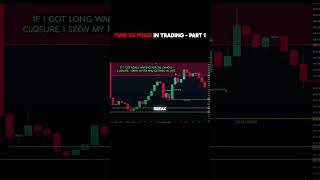
The speaker (Kardec Trader) argues that waiting for candlestick closures—specifically five-minute candle closes—can worsen traders' risk-to-reward by forcing wider stops and smaller targets. Instead, the presenter recommends entering on observed buying activity (price action) during consolidation and stop-run sequences, placing stops where the analysis is invalidated (the low), and recognising stop runs that indicate a low is in.
Chapters
Price tells us what's happening right now. Time tells us what happened three minutes ago, five minutes ago. We want to know what happened right now. So let's just say I got long when the five minute candle closed in this level right here. What that would mean is I place my stop loss where my analysis is wrong. I would have to place it at this low right here. So let's act like this is my risk box. This is how much I'm risking if my stop loss hits. Now let's talk about reward. If I'm long here, my Reward is these 60s. Now, my reward box is this. My reward box isn't even bigger than my risk box. So this is what I mean by skewing risk to reward by waiting for a candlestick closure or waiting for, let's just say a break. Just skews our risk to reward because we saw the buying activity here. Let's get in when we see the buying activity. Let's not get in when we see a five minute candle close because that doesn't give us a lot of information that we're going to use to our advantage. If you see the market sell off, consolidate, and then rally up on the periods of consolidation, you want to see that stop run, you want to see that stop, you want to see it break that low, indicating that a low is in.