The video presents a narrated tour of District Six in Cape Town, describing its pre‑1966 status as a vibrant, multicultural working‑class neighborhood rich in music, religion, and community life. It then details how the apartheid government deemed the area a "black spot" and, through the Population Registration Act, classified residents using pseudoscientific criteria. Bulldozers demolished homes, families were given only days to vacate, and survivors were relocated to the barren Kailash Plains in corrugated‑iron shacks, stripping them of heritage and social cohesion. The narrator emphasizes the human tragedy, the cruelty of bureaucratic racial sorting, and the lasting emotional scar, while also noting that guided tours of the museum are available for a modest fee.
Chapters
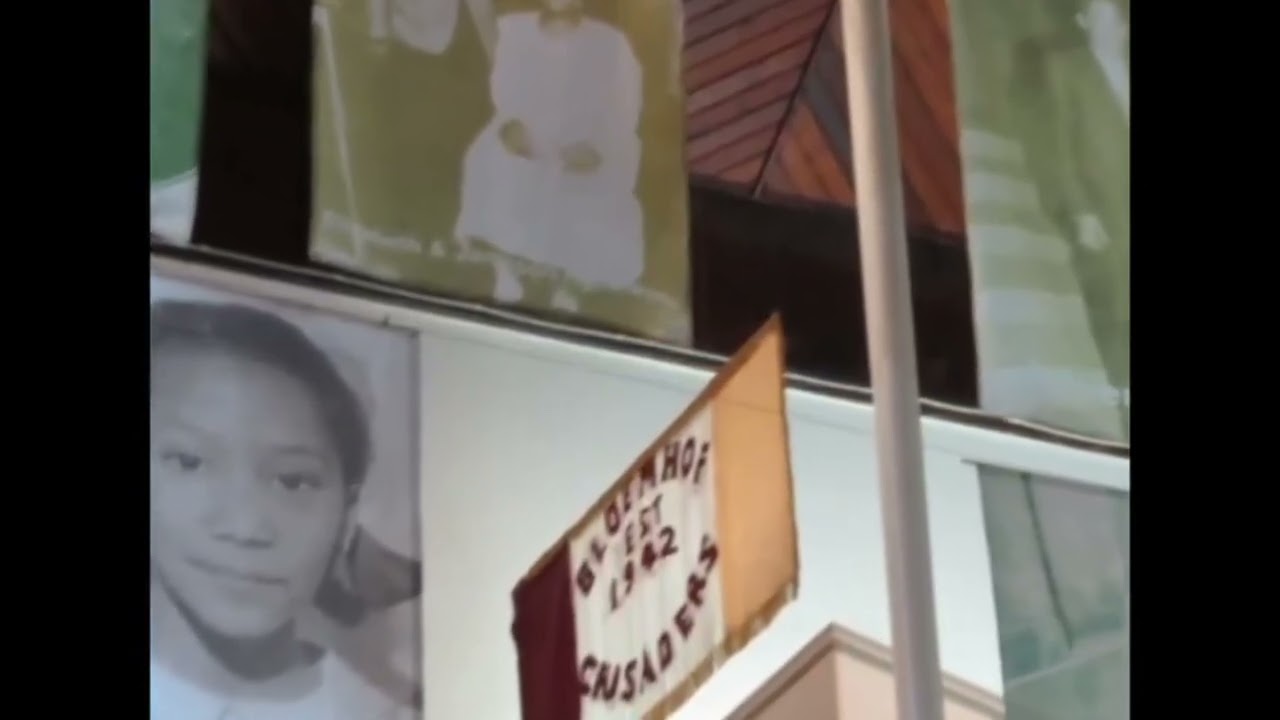
It was a cross-section of humanity, and then the state decided that these human lives were an inconvenience to their social engineering. While you can see most of the displays in an hour or so, a 2 or 3 hour visit allows time to read and absorb the stories of the people of Cape Town. A guided tour can be prearranged— see the link in the bio— for only about $10. Our tour guide explained exactly where the District 6 neighborhood was and what parts were demolished. Look at the faces. Look at their lives. This neighborhood was a place of music, intellect, hospitals, schools, and deep community roots. Nightclubs and hardworking families filled the areas. Families that were torn apart, some never again to be reunited. District 6, a neighborhood in Cape Town, wasn't just a neighborhood. It was a cross-section of humanity. And then the state decided that these human lives were an inconvenience to their social engineering. Before 1966, District 6 was a vibrant multicultural hub. It was a place of deep Christian and Muslim roots, a melting pot of European, African, and Asian lineages. It was working class, yes, but it was rich in culture. The birth— it was the birthplace of Cape jazz. But in the eyes of the nationalist government, this was a black spot. in what they deemed a white-only area. They didn't just want the land, they wanted to dismantle the society that had naturally formed there. These images of bulldozers clearing homes are the most visceral evidence of a nation turning on its own posterity. Families were given mere days to vacate homes that had been in their bloodlines for generations. The state didn't care about the sanctity of the hearth. They treated human beings as biologic variables to be sorted, indexed, and relocated to the Kailash Plains. It was a desolate expanse of sand far from the economic heart of the city. They were moved to structures made of corrugated iron, stripped of their heritage and their social cohesion. The cruelty was granular. The Population Registration Act forced every South African into an arbitrary caste. They used pseudoscientific— and I'm a scientist, so I can tell you it was pseudoscientific— measuring the texture of a person's hair, the shape of their features, just to decide if a child would attend a decent school or be condemned to the fringes. Imagine the violation of the family unit when a government bureaucrat tells a family that their own children are legally different based on a visual assessment. It was an attack on the biologic reality of the family. It was an attack on everything sacred and kind and good in these families.